Buyer Fit Snapshot
| Best fit | Logo Printed Apparel Mailers projects where brand print, material claims, artwork control, MOQ, and repeat-order consistency need to be specified before quoting. |
|---|---|
| Quote inputs | Share finished size, material target, print colors, finish, packing count, annual reorder estimate, ship-to region, and any compliance wording. |
| Proofing check | Approve dieline scale, logo placement, barcode or warning zones, color tolerance, closure strength, and carton packing before bulk production. |
| Main risk | Vague material claims, crowded artwork, missing packing details, or unclear freight terms can make a low unit price expensive after revisions. |
Fast answer: Logo Printed Apparel Mailers: Branding That Ships Well should be specified like a repeatable production item. The safest quote records material, print method, finish, artwork proof, packing count, and reorder notes in one written spec.
Production checks before approval
Compare the actual filled-product size with the drawing, then confirm tolerance on folds, seals, hang holes, label areas, and retail display edges. Reserve space for logos, QR codes, warning copy, and material claims before decorative graphics fill the panel.
Quote comparison points
Review material grade, print process, finish, sampling route, tooling charges, carton quantity, and freight assumptions side by side. A quote is only useful when the supplier can repeat the same color, closure quality, and packing count on the next order.
Logo printed apparel mailers do not look like a major decision until the boxes start moving through fulfillment, carrier hubs, and a customer porch. Then the packaging becomes visible in the most literal sense. It sits at the handoff point between brand and buyer, which means it behaves like two things at once: freight protection and first impression. If the mailer feels flimsy, oversized, or generic, the customer notices that before the garment ever comes out. If it fits properly and the logo is printed with restraint, the shipment feels planned, and that feeling is worth more than most teams expect.
That is why these mailers matter. Logo printed apparel mailers protect folded apparel, cut down on visual clutter, and turn an ordinary parcel into branded packaging that feels deliberate. For DTC labels, subscription programs, limited drops, and return-ready shipments, the mailer is where operations and brand presentation collide. Ignore the packaging side and damage risk rises. Ignore the brand side and you leave one of the cheapest touchpoints in the order journey sitting on the table.
At Custom Logo Things, buyers compare logo printed apparel mailers with plain stock bags, paper options, and heavier custom packaging every week. The right choice depends on product weight, transit risk, order volume, and how much visual identity the brand actually needs. A plain mailer can be the right call for low-margin basics. A printed one can carry real weight for launches and premium lines. I have watched brands spend too much on presentation for a product that did not need it, and I have also seen a simple, well-placed logo lift a package from forgettable to polished. The useful part is knowing the difference before the order is placed.
Logo Printed Apparel Mailers: What They Are and Why Brands Use Them
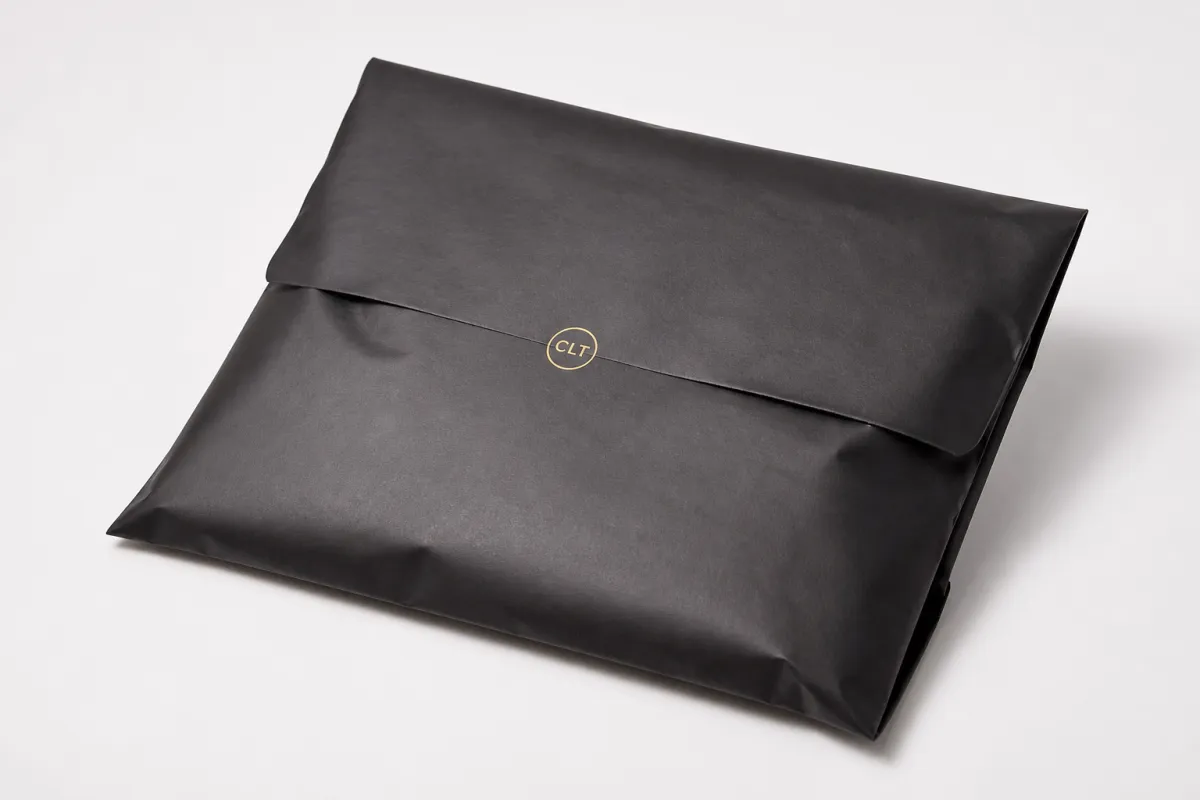
Logo printed apparel mailers are branded shipping bags or envelopes built for clothing and other soft goods. They are common in e-commerce, gift programs, bundles, subscription shipments, and returns where appearance matters almost as much as protection. Most buyers end up choosing among poly mailers, paper mailers, compostable formats, and reinforced hybrids that add structure without turning the package into a box.
The appeal is practical. Logo printed apparel mailers keep the packing line moving, protect the item during transit, and present the order as something finished rather than improvised. That difference is easy to underestimate. A plain gray bag says the order left the warehouse. A branded mailer says the shipment was part of the plan. That distinction can be surprisingly powerful, especially for a first purchase from a new customer who is deciding whether the brand feels organized or kinda thrown together.
Packaging buyers usually weigh three factors at once: protection, brand presence, and packing speed. If the mailer handles all three without creating extra labor, it earns its place. If the product is inexpensive, already wrapped, or headed into a low-touch shipping program, custom printing may not add enough value to justify the spend. The math is simple, even if the sales pitch around packaging often is not.
Plain mailers still have a valid role. Internal transfers, replenishment orders, and high-volume basics do not always need visual polish. Speed matters there. So does shelf space. Once the shipment becomes part of the customer experience, though, logo printed apparel mailers usually do more than their cost suggests. They also help keep the brand look consistent from purchase confirmation to doorstep, which is a small detail until the customer posts the unboxing and your packaging becomes free media.
If the packaging program is growing, compare mailers with the rest of the system instead of treating them as a standalone line item. A brand may need Custom Packaging Products for retail and subscription work, then pair that with Custom Poly Mailers for shipping. That is the cleaner view: packaging as a set of matched parts, not a random bag with a logo on it.
Practical rule: if the mailer is the first branded surface the buyer touches, treat it like presentation, not just transit protection.
Design restraint matters more than most teams admit. A plain logo in the right spot, a size that fits the folded garment, and a dependable seal will beat an overworked bag with six colors and too much copy. Customers notice proportion first. Decoration comes later, if at all.
Logo Printed Apparel Mailers Process: From Artwork to Shipment
The production path for logo printed apparel mailers usually starts with artwork review. The printer checks file type, resolution, sizing, placement, bleed, and safe area before production gets the green light. Low-resolution files, the wrong format, or graphics that sit too close to the seal line tend to trigger revisions. Those revisions do not blow up a project in one dramatic moment. They chip away at the schedule one email at a time.
Once the art clears review, the supplier selects the print method that fits the run. Digital printing tends to work well for smaller orders or variable artwork. Flexographic printing is often more efficient at scale because the setup cost gets spread across more units. Some materials and finishes take extra handling, especially if the design calls for a matte surface, a metallic accent, or a tight color match.
Proofing is the point where buyers need to slow down. A proof is the first real checkpoint for logo printed apparel mailers. It shows placement, scale, and color direction. It will not always match the final run exactly, but it catches the mistakes that are easiest to fix before thousands of bags are already in motion. I have seen a launch saved by catching a print shift during proof review, and I have seen the opposite: a team approved in a hurry, then spent two weeks explaining why the logo sat half an inch too low.
Lead time shifts with size, material, finish, and order complexity. Simple stock-size logo printed apparel mailers can move quickly after artwork approval. Custom dimensions, special coatings, and extra proof rounds stretch the calendar. A straightforward order may finish production in roughly 12-20 business days after proof approval, while more customized builds can take longer. Freight is a separate clock, and that is where many teams get surprised. If a supplier quotes production only, assume the transit window still needs to be added on top.
For apparel brands tied to launch windows or seasonal drops, the packaging schedule matters as much as the print quality. If the mailers have to arrive before a campaign ships, build margin into the plan. Late approvals, transit delays, and second proofs are ordinary risks. They are not rare. They are the reason shipping calendars need room to breathe.
The workflow works best when it is treated as a chain. Logo printed apparel mailers connect artwork, production, packing, and fulfillment. If one step slips, the whole order slips. That sounds unromantic because it is. Packaging is full of details that look minor until they move the wrong way.
Brands that care about transit performance should ask how the mailer holds up under common parcel-handling conditions. The International Safe Transit Association publishes test methods for distribution profiles; see ISTA for transit-testing frameworks. Paper-based formats may also call for source verification, where FSC certification can matter if the brand needs documented forest sourcing. Those details are not window dressing. They separate packaging that has been evaluated from packaging that only looks good in a mockup.
Key Factors That Change Performance and Presentation
Material is the first major choice for logo printed apparel mailers. Poly mailers are usually the pick when moisture resistance, tear strength, and low shipping weight matter most. Paper mailers create a more natural appearance and often feel more premium in certain categories. Compostable and recycled options matter when sustainability is part of the brand position, but they still need to perform under real handling, not just score points on a spec sheet. A spec sheet can look beautiful and still tell half the story.
Size is where a lot of buyers drift off course. A mailer that is too large makes the shipment look loose and careless. A mailer that is too tight slows packing and increases seam stress or awkward closure. Good fit affects appearance, shipping cost, storage efficiency, and fulfillment speed all at once. Logo printed apparel mailers should be sized around the folded garment and any inserts, not estimated from a catalog thumbnail and a hopeful guess.
Print coverage and logo placement change both price and perception. A single-color logo on one side usually costs less than full coverage art on the front and back. More colors, larger print areas, and specialty inks all add complexity. If the goal is recognition, a clean logo in the right place often does more than a busy design trying to tell the whole brand story on a shipping bag.
Closure strength deserves more attention than it gets. A single tee in a light mailer is one scenario. A hoodie, a bundle of items, or a package with a gift box inside is another. Strong seams, dependable adhesive, and decent puncture resistance matter more once the load gets heavier. If the bag opens in transit, the logo may look great and still fail the one job that counts.
Finish changes the mood of the package. Matte tends to read calmer and more premium. Gloss can make color pop, although it can drift into promotional territory if the layout is too loud. Soft-touch creates a stronger tactile impression, but it adds cost and is not always the right fit for mailers that get handled roughly. Uncoated paper feels honest and straightforward. Each finish sends a different signal, and logo printed apparel mailers should match the tone the customer is supposed to feel in the hand.
The short version is practical: choose the mailer based on garment weight, shipping conditions, brand position, and how much polish you want the customer to notice. That sounds obvious. It is also the step people skip most often, then blame the packaging when the decision was really made too quickly.
Material comparison for logo printed apparel mailers is easiest to see in a table, because the tradeoffs are operational rather than decorative.
| Mailer Type | Typical Strength | Brand Feel | Common Ballpark Cost | Best Use Case |
|---|---|---|---|---|
| Poly mailer | High tear and moisture resistance | Clean, efficient, modern | $0.12-$0.35 per unit at mid-volume | Tees, hoodies, basic DTC apparel orders |
| Paper mailer | Moderate; depends on gsm and construction | Natural, premium, retail-friendly | $0.20-$0.55 per unit at mid-volume | Light apparel, eco-focused brands, premium presentation |
| Compostable mailer | Varies widely by formulation | Sustainability-led, simple | $0.18-$0.48 per unit at mid-volume | Brands with documented environmental positioning |
| Hybrid reinforced mailer | Higher puncture and better structure | Functional, durable, a bit more premium | $0.28-$0.70 per unit at mid-volume | Bundles, heavier garments, return-ready shipments |
Those numbers move with quantity, print coverage, size, and freight. They are still useful because they stop buyers from assuming every branded bag should land in the same price range. That rarely happens. With logo printed apparel mailers, the real cost driver is usually structure plus print plus volume, not just the category name on the quote.
Logo Printed Apparel Mailers Cost, Pricing, MOQ, and Quote Basics
Cost for logo printed apparel mailers is driven by size, material, print method, number of colors, finish, and quantity. That is the basic stack. Change one factor and the price shifts. Change three at once and the quote can move sharply. Packaging gets called cheap right up until someone specifies a custom size, multi-color artwork, and a special finish. Then the spreadsheet starts arguing back.
Smaller runs usually cost more per unit because setup expenses are spread across fewer bags. Larger orders reduce the unit price, but only when the spec stays stable. If a brand keeps changing dimensions, logo placement, or material, the order stops behaving like a volume buy and starts behaving like a string of custom jobs. That is where logo printed apparel mailers lose efficiency.
MOQ, or minimum order quantity, varies by supplier and production method. Some vendors support lower minimums on stock formats. Others need higher quantities to justify the setup. There is no universal number, and anyone pretending otherwise is selling a shortcut. The smarter question is the lowest viable MOQ for the exact mailer type, then the reorder cost once the design is proven.
Here is a practical way to compare quotes on logo printed apparel mailers:
- Check whether freight is included or billed separately.
- Ask if tooling, plates, screens, or proof fees are included in the price.
- Confirm the exact material thickness or gsm, not just the general category.
- Verify whether the quote covers one side, two sides, or full coverage.
- Ask for the lead time after proof approval, not the lead time from the first inquiry.
Clean quote requests are usually the least exciting ones. Send exact dimensions, artwork files, quantity, delivery target, and any special handling needs. Leave out the specifics and the quote becomes a guess. That is how buyers end up comparing numbers that are not actually for the same product.
For budgeting, a useful rule is that unit cost falls as volume rises, then flattens once the spec gets too complex. That pattern shows up often with logo printed apparel mailers that use nonstandard sizing or multiple print touches. A simple, well-fit mailer often beats a pricier one that does too much. Branding should not turn into a tax on the finance team, and nobody wants to explain a runaway packaging line item because the artwork grew three rounds in a row.
Step-by-Step Ordering Guide for a Clean Run
Begin with the use case. What is going inside the mailer? A single folded tee, a hoodie, a bundle, or a return-ready order? Does the shipment need to survive parcel handling across long distances, or is it moving through a shorter, lower-risk lane? That answer sets the direction for logo printed apparel mailers.
Choose the size before touching the artwork. That sounds straightforward. It also gets rushed more often than it should because buyers are eager to see the logo on the bag. Wrong instinct. A poor size choice wastes storage space, looks awkward in transit, and can make the whole shipment feel off. Fit should lead design, not follow it.
Prepare the artwork with care. Vector files are best, brand colors should be approved in advance, and the logo should stay away from seams, folds, and the sealing edge. Put graphics too close to those areas and the print can distort or clip. Logo printed apparel mailers are physical objects, not mockups on a screen. They have limits, and those limits show up fast when the proof arrives.
Request a proof or sample and inspect it like it will be used in production tomorrow. Check color accuracy, logo clarity, bag feel, seal performance, and whether the print still looks balanced once the mailer is folded and packed. A sample tells the truth in a way a render never will. Real packaging always exposes the weak points.
Useful ordering checklist for logo printed apparel mailers:
- Confirm the apparel type and folded dimensions.
- Choose material based on protection and presentation needs.
- Set the size around the product plus any inserts.
- Submit vector artwork and approved color references.
- Review proof, sample, or both before production.
- Approve production only after the fulfillment schedule is clear.
- Save the approved spec sheet for reorder consistency.
After approval, line up the delivery window with the launch, restock, or seasonal campaign. That is the point where logo printed apparel mailers stop being a design choice and become an operations choice. If the bags arrive late, the shipment plan breaks. If they arrive too early and sit in storage, cash gets tied up for no reason. Neither outcome helps the brand.
Finish by setting a reorder trigger. Do not wait until the last stack is nearly gone. Save the winning size, material, logo placement, and quantity, then keep the files together so the next order is faster and less exposed to memory loss. Good packaging programs rely on repeatability, not recollection.
Common Mistakes That Waste Budget or Hurt the Brand
The first mistake is choosing a mailer that is too large. Oversized logo printed apparel mailers look loose and can cost more to ship or store. They also make the product feel less considered. Customers may not measure the packaging, but they can tell when the bag looks like it swallowed the garment instead of fitting it.
The second mistake is under-specifying the material. Heavier garments, multiple items, and accessory kits need more structure than a thin bag can provide. A mailer can survive a warehouse floor and fail in transit, which is the kind of bad trade that creates replacement costs and avoidable complaints. The bag should match the load, not just the logo.
Third, some brands overload the artwork. Too many colors, too much copy, and too much visual noise usually raise print cost and make the logo harder to read. With logo printed apparel mailers, the mark should be legible at arm's length. If people need to study the packaging to understand it, the design is working too hard and the branding is working too little.
Skipping samples is another predictable miss. Screen images do not show seam quality, adhesive behavior, or how the mailer feels once it is folded and packed. Buyers Need to Know whether the closure holds, whether the print shifts, and whether the material feels right in the hand. That matters even more for premium logo printed apparel mailers, where tactile feel is part of the experience.
Lead time causes trouble when the schedule is too tight. If the packaging has to support a launch, seasonal drop, or retail event, leaving no margin is a gamble. Proof approval can take longer than expected. Freight can slip. Corrections happen. The mailer does not care that the campaign calendar was optimistic.
The last classic mistake is buying on price alone. The cheapest quote can become the expensive one once reprints, claims, damaged product, and brand damage are counted. Logo printed apparel mailers should be evaluated on total value, not sticker shock. It is not glamorous, but neither is explaining a packaging overrun because the "savings" disappeared into replacements.
If you need one sanity check for shipping performance, ask whether the mailer matches the transit profile you expect. If the shipment must survive parcel handling, compression, and drops, the supplier should be able to speak to testing or past performance. The details do not need to be dramatic. They need to be real.
Expert Tips and Next Steps Before You Order
Compare at least two or three suppliers using the same spec. Same size. Same material. Same print count. Same quantity. Otherwise you are comparing different jobs and calling it a price check. That is how bad procurement decisions start, usually while someone says "budget" with too much certainty.
If the product line is new, begin with a pilot run. Logo printed apparel mailers can look perfect on paper and still reveal problems once a fulfillment team starts packing at speed. A pilot surfaces sizing issues, print visibility problems, and handling quirks before a larger order locks them in. That is especially useful if your operation is shifting from folded tees to heavier items, because the bag that worked for one garment size can become a headache the minute the product mix changes.
Match the mailer style to the product mix. A brand shipping lightweight basics does not need the same structure as one shipping thick hoodies, accessory bundles, or limited-edition kits. That sounds obvious, and still brands overbuild packaging because they want the strongest possible impression. Stronger is not always smarter. The right logo printed apparel mailers fit the order and the customer experience at the same time.
Document the approved spec once the right version is found. Save the dimensions, material, logo placement, print method, reorder quantity, and proof notes. That file becomes the shortcut for the next purchase. It also blocks the old, expensive phrase: "we thought it was the same as last time."
If sustainability matters, ask for documentation instead of vague claims. FSC paperwork for paper components, recycled-content details, and clear end-of-life guidance are far more useful than buzzwords. For plastic-based formats, ask what the actual composition is and how the product should be disposed of in the markets where you sell. Claims should hold up when they meet reality. If a supplier cannot explain what happens after the mailer is used, that is a signal, and not a flattering one.
There is a broader brand lesson tucked into all of this. Logo printed apparel mailers are not a last-minute add-on after the product is finished. They are part of the brand system. They shape the first impression, support packing speed, and influence how polished the shipment feels before the customer even touches the garment. The best packaging decisions are rarely the loudest ones. They are the ones That Ship Cleanly, repeat consistently, and make the brand look organized without trying too hard.
FAQs
What materials are best for logo printed apparel mailers?
Poly mailers are usually the best option when you need strong moisture resistance and low shipping weight. Paper or recycled options fit brands that want a natural, premium, or eco-conscious look. The right choice depends on product weight, transit conditions, and how much presentation matters to the customer. For most apparel shipments, logo printed apparel mailers should be selected around the shipping lane first, then the brand look second. That order of priorities avoids expensive surprises later.
How much do logo printed apparel mailers usually cost?
Pricing depends on size, material, print coverage, finish, and order quantity. Small runs usually have the highest unit cost because setup fees are spread across fewer mailers. Mid-volume orders often land in the rough ranges shown earlier, but exact numbers change once the spec changes. Ask for quotes with the same details so you can compare actual unit cost instead of guessing. That matters especially with logo printed apparel mailers, where a small spec change can shift the price more than people expect.
What is the typical turnaround for logo printed apparel mailers?
Turnaround usually includes proof approval, production, and transit time, so the full timeline is longer than the print window alone. Simple stock-size orders often move faster than custom sizes, special finishes, or heavily branded runs. Rush jobs are possible in some cases, but they usually cost more and leave less room for revisions. If the mailers support a launch, build the schedule backward and leave margin. That extra cushion is not wasteful; it is what keeps a launch from slipping because one revision ran long.
What artwork works best for logo printed apparel mailers?
Vector files are best because they stay sharp at different sizes and print cleanly. Keep the logo away from seams, edges, and the seal area so it does not get distorted during production. Use approved brand colors and review a proof before production starts. For logo printed apparel mailers, simple artwork usually performs better than crowded design because the print area is limited and the bag moves through real handling, not a design mockup.
Do logo printed apparel mailers have MOQ requirements?
Yes, most suppliers set a minimum order quantity, but the number varies by material and print method. Higher MOQs are common when setup costs are higher or the mailer uses a custom size. If you are testing a new product line, ask for the lowest viable MOQ and confirm the reorder terms. That keeps logo printed apparel mailers from becoming a locked-up inventory decision before you know the format works. A small pilot can save a lot of money if the first version needs a tweak.
Final takeaway: choose logo printed apparel mailers the same way you would choose a product itself - by fit, function, and repeatability first, then brand polish. Lock the size before the art, request a proof before production, compare quotes on the same spec, and save the approved details for reorders. If you do those four things, the mailer stops acting like a packaging expense and starts doing quiet, useful work for the brand every single time it ships.


