Buyer Fit Snapshot
| Best fit | Logo Shipping Envelopes Bulk projects where brand print, material claims, artwork control, MOQ, and repeat-order consistency need to be specified before quoting. |
|---|---|
| Quote inputs | Share finished size, material target, print colors, finish, packing count, annual reorder estimate, ship-to region, and any compliance wording. |
| Proofing check | Approve dieline scale, logo placement, barcode or warning zones, color tolerance, closure strength, and carton packing before bulk production. |
| Main risk | Vague material claims, crowded artwork, missing packing details, or unclear freight terms can make a low unit price expensive after revisions. |
Fast answer: Logo Shipping Envelopes Bulk: Practical Branding That Ships should be specified like a repeatable production item. The safest quote records material, print method, finish, artwork proof, packing count, and reorder notes in one written spec.
Production checks before approval
Compare the actual filled-product size with the drawing, then confirm tolerance on folds, seals, hang holes, label areas, and retail display edges. Reserve space for logos, QR codes, warning copy, and material claims before decorative graphics fill the panel.
Quote comparison points
Review material grade, print process, finish, sampling route, tooling charges, carton quantity, and freight assumptions side by side. A quote is only useful when the supplier can repeat the same color, closure quality, and packing count on the next order.
Custom Logo Things
Logo Shipping Envelopes Bulk: Practical Branding That Ships
Explore logo shipping envelopes bulk options, from materials and sizing to pricing, MOQ, proofing, and delivery timing for branded outbound mail at scale.
Logo shipping envelopes bulk orders do more than move goods from one point to another. They shape the first physical brand impression after checkout, and that impression starts before the customer ever lifts the item inside. A plain mailer fades into the background on a receiving dock. A branded one keeps speaking through warehouse handling, carrier sorting, doorstep delivery, and the unboxing moment. That is why logo shipping envelopes bulk purchases deserve the same attention you would give to product packaging, not the same treatment you would give to office supplies.
From a packaging buyer's point of view, logo shipping envelopes bulk are appealing because the economics improve as volume rises. Setup costs, artwork preparation, plate or print setup, and quality checks get spread across more pieces. The result is often a lower landed cost per unit, along with tighter visual consistency from one reorder to the next. If your order fulfillment process depends on repeatable presentation, the outer envelope becomes an operating asset, not a decorative afterthought.
I've seen teams underestimate the outer package because it feels small compared with the product inside. Then a shipment hits the dock, the envelope gets handled a dozen times, and suddenly that little surface is doing a lot of heavy lifting. It is kinda funny how often the cheapest-looking part of the pack becomes the part people remember.
Why logo shipping envelopes bulk orders punch above their weight
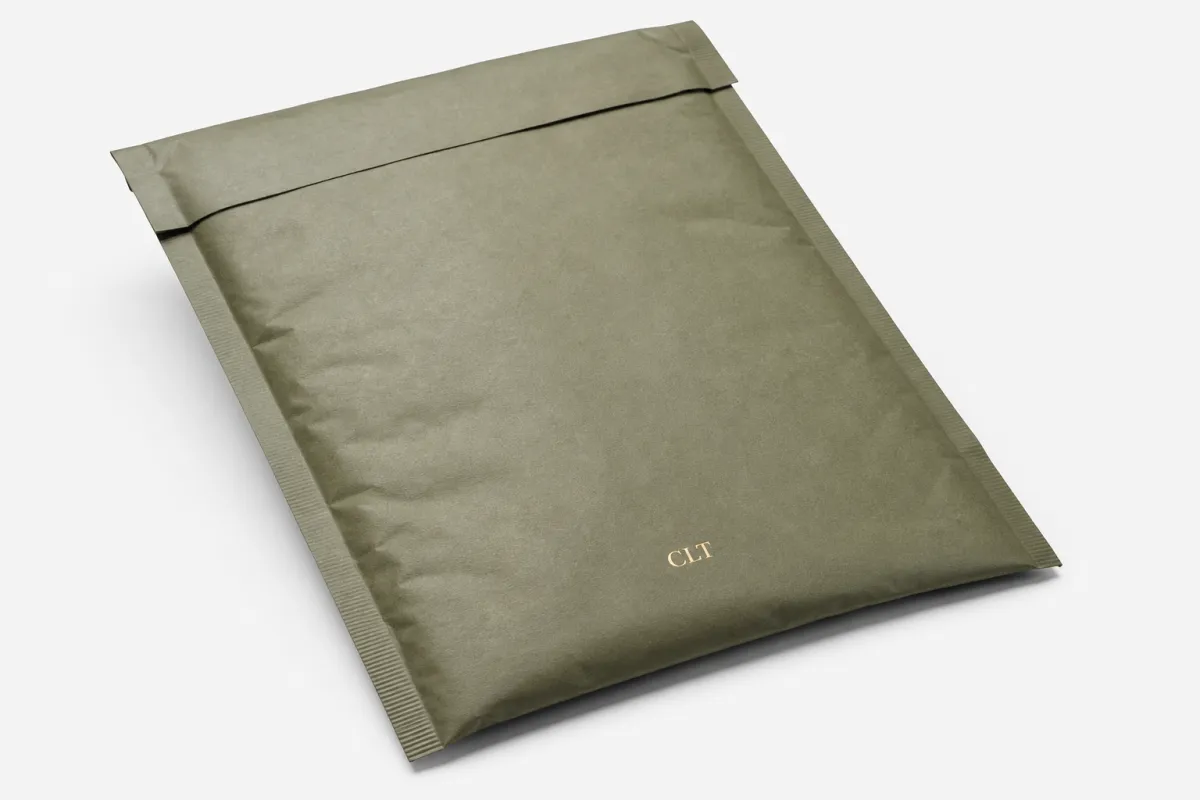
Logo shipping envelopes bulk orders earn their value in the details people rarely see. A parcel may pass through a picker, a packer, a conveyor, a sorter, a driver, and a customer before it is opened. That is six chances for the outer pack to reinforce identity or look forgettable. A branded envelope does not need to shout. It just needs to stay clear, tidy, and durable enough to survive transit packaging without losing its shape or print quality. In practice, that creates a stronger brand surface than many companies realize.
A plain envelope gets the job done once. A branded envelope keeps working during every transfer point, especially in ecommerce shipping where the package is exposed to multiple touchpoints before the box cutter comes out. If the design is clean and the material is suited to the load, logo shipping envelopes bulk can help customers recognize the parcel instantly. That recognition matters. It reduces the generic look of outbound mail and gives the shipment a more intentional package protection story from the moment it leaves your facility.
Bulk ordering matters because volume changes the math. A 2,500-piece run may carry a higher unit price than a 10,000-piece run, but the larger order can also steady print registration, reduce reordering friction, and make inventory planning easier. For brands with recurring campaigns, subscription replenishment, or steady monthly shipments, logo shipping envelopes bulk often offer the most practical balance between cost and consistency. Nobody wants a different shade of black or a shifted logo every time inventory turns.
One common scenario makes the point. Picture a cosmetics brand shipping sampler kits. The outer envelope gets loaded, labeled, sorted, stacked, and transported before the customer opens it. During that trip, the envelope functions as packaging, advertising, and handling armor all at once. That is why logo shipping envelopes bulk orders should be evaluated like any other shipping materials purchase: by performance, not only by appearance.
A plain mailer is a postage container. A branded mailer is a repeated impression. The difference shows up in the warehouse, in transit, and at the doorstep.
If you are comparing branded mailers with other options such as Custom Poly Mailers or even a more rigid secondary package like Custom Shipping Boxes, the key question is not which looks nicer. It is which format supports the pack-out, the route, and the customer's expectations. Logo shipping envelopes bulk are often the right answer when the shipment is light, flat, or folded, and when dimensional weight needs to stay under control. That is a practical decision, not a cosmetic one.
Logo shipping envelopes bulk: product details and use cases
Before pricing ever enters the conversation, logo shipping envelopes bulk need a clean product definition. The core spec usually includes construction, logo print method, seal type, opacity, and size. In most commercial programs, the envelope is a poly mailer or similar transit packaging format with a self-seal adhesive strip. Some buyers want a glossy surface for strong color contrast. Others prefer a matte finish that looks more restrained and photographs well on social media. Both can work if the artwork and substrate are matched correctly.
Use cases are broader than many teams expect. Apparel brands use logo shipping envelopes bulk for soft goods that do not require box structure. Cosmetics companies use them for sample kits and refill packs. Subscription programs rely on them for monthly drops. Document-heavy businesses use them for secure paperwork, returns, and welcome kits. Promotional mailers also fit well, especially when the shipment must stay lightweight and presentable. In each of these cases, the outer package is carrying more than merchandise. It is carrying brand recall.
Material choice changes the result quickly. A 2.5 mil polyethylene mailer is common for lighter shipments and tends to keep weight down. A 3.0 mil or thicker construction offers more puncture resistance and a better feel in hand, though it may add a little cost. Recycled-content options can support sustainability goals, and paper-based alternatives may suit some programs where FSC-certified paper is a priority. For paper products, the FSC chain-of-custody standard is useful when brand claims need backing. For transit performance, many teams also look at drop and distribution testing such as ISTA protocols.
Print placement matters just as much as the substrate. Logo shipping envelopes bulk can use a centered logo, an edge-anchored mark, a repeated pattern, or a one-color stamp-like treatment that keeps ink coverage low. A large, full-bleed design can make a strong visual statement, but it may also increase unit cost and require tighter proof review. A more restrained logo placement can be faster to approve and easier to repeat across reorder cycles. The right choice depends on how visible the envelope will be in the customer journey and how much ink coverage you want across the front and back.
Fit is where a lot of quotes go wrong. A buyer may measure the product itself and forget the extra space needed for a folded garment, insert card, instruction sheet, or protective wrap. If the envelope is too tight, the adhesive seam can stress during closure and transit. If it is too large, the pack looks underfilled and may be less efficient for dimensional weight. That is why logo shipping envelopes bulk work best when the packaging spec is tied to the actual packed unit, not just the item dimensions.
Use the right format for the right job. A printed poly mailer is not always the answer, and a shipping box is not always too much. But for flat merchandise, logo shipping envelopes bulk can reduce material use, speed up pack-out, and keep the operation leaner. That is especially useful in order fulfillment environments where minutes matter and staging space is limited.
For teams comparing sourcing paths, it helps to map the packaging stack. If you need multiple shipping formats, start with Custom Packaging Products to align the outer pack with inserts, labels, and branded collateral. Then decide whether your envelope system should support returns, tear-open access, or promotional messaging. Logo shipping envelopes bulk are most effective when they fit into the larger packaging system instead of sitting apart from it.
There is one more practical point. Clearer use cases reduce back-and-forth during quoting. A supplier can usually suggest the right material, print area, and closure style faster if they know whether the shipment is apparel, printed literature, cosmetics, or a promotional kit. That is not just a convenience. It shortens the path from inquiry to production-ready proof, which matters when a launch date is fixed.
Specifications to compare before you order
Comparison starts with size. Do not choose logo shipping envelopes bulk by the product alone; compare them to the packed product with folds, inserts, and sealing allowance included. A garment that folds neatly in one sample may behave differently once the team adds tissue, care cards, or barcode stickers. A good size spec usually leaves enough margin for efficient packing without creating excess air. That helps with dimensional weight and keeps the package from looking oversized at the doorstep.
Film thickness is the next variable. Most buyers will see options described in mils, and that number is worth attention. A 2.5 mil construction can be economical for lighter goods. A 3.0 mil or thicker mailer usually feels more substantial and can handle rougher handling better. Seam strength and adhesive quality matter just as much. If the seal fails, the print no longer matters. Logo shipping envelopes bulk should be judged on package protection first and decoration second.
Print method also changes the outcome. Flexographic print, gravure-style approaches, or other production methods can influence color accuracy, registration, and the sharpness of fine lines. If the logo uses gradients, thin type, or a subtle one-color mark, ask for a proof that shows how the art will read on the actual surface. Glossy films tend to reflect light differently than matte films, so a mark that looks crisp on screen may need adjustment on press. The goal is not perfection in a vacuum. It is repeatable presentation across the full run.
Proof details deserve scrutiny. Look for bleed, safe zone, logo placement, trim lines, and any notes about color conversion. If your brand uses Pantone references, send them early and ask how close the production method can get. For logo shipping envelopes bulk, the proof is not a formality. It is the bridge between brand standards and factory reality. If you skip that step, small placement errors can become expensive once the order is in motion.
Carton count, palletization, and storage requirements also deserve a line in the conversation. Some orders will live in a warehouse for weeks or months before use. Others will move straight into the pack station. If the order is going into inventory, ask how many envelopes fit per carton, how cartons are labeled, and whether the outer shipping method supports forklift handling. That level of detail keeps logo shipping envelopes bulk practical for receiving teams, not just for marketing teams.
A simple spec table helps here. Use it as a starting point, then refine it based on actual product dimensions and shipper requirements.
| Option | Typical Construction | Best For | Typical Unit Cost Range | Notes |
|---|---|---|---|---|
| Light-duty branded mailer | 2.5 mil poly, 1-color print | Apparel, flat inserts, samples | $0.14-$0.22 at 10,000 units | Lowest material weight, good for tight dimensional weight targets |
| Standard retail mailer | 3.0 mil poly, 1-2 color print | Subscription kits, cosmetics, returns | $0.18-$0.30 at 5,000 units | Balanced durability and presentation |
| Premium branded mailer | Thicker film, multi-color print, matte finish | Launches, premium apparel, PR kits | $0.24-$0.42 at 5,000 units | Better visual impact, more print complexity |
| Eco-positioned mailer | Recycled-content film or paper-based exterior | Sustainability-led programs | $0.20-$0.40 at 5,000 units | Verify recycled claims and testing requirements before approval |
The most useful spec review is not the cheapest spec review. It is the one that aligns material, artwork, and shipping volume with the actual use case. Logo shipping envelopes bulk work best when the buyer can answer six questions before requesting a quote: what is being packed, how heavy is it, how often is it shipped, how visible is the envelope, what level of protection is needed, and what storage constraints apply? Once those are known, the rest becomes much easier to price and produce.
Pricing, MOQ, and quote details for logo shipping envelopes bulk
Pricing for logo shipping envelopes bulk tends to follow a simple pattern: higher quantity lowers unit cost, but not in a straight line. Quantity, size, material thickness, print colors, and shipping destination all influence the final quote. A small run with heavy ink coverage can cost more per unit than a larger run with simple graphics. That is one reason buyers should compare landed cost, not just factory price. Freight can reshape the total more than many teams expect.
MOQ usually reflects production efficiency. Many logo shipping envelopes bulk programs start around 2,500 or 5,000 pieces, though some configurations may sit higher depending on film, print method, or color count. The important detail is not the number itself. It is the relationship between MOQ and unit price. If moving from 2,500 to 5,000 pieces lowers the per-unit cost by a meaningful margin, the larger run may pay for itself through lower replenishment frequency. If not, a pilot run may be the smarter test.
A useful quote should include more than a single price. Ask for tooling, proofing, freight, carton packing, and any rush or expedited charges. If a supplier only gives one number, the landed cost may surprise you later. That is especially true for logo shipping envelopes bulk, where a quote that looks low can lose its advantage once shipping and proof revisions are added. Good quoting is transparent. It should help the buyer compare options, not hide them.
Here is the type of spread many buyers see in practice. A basic 5,000-piece run of branded mailers may land in the $0.18-$0.28 range per unit, depending on size and print coverage. A higher-volume order, especially at 10,000 or more, can bring that down to the low teens or high teens per unit for simple constructions. Add multi-color art, matte coatings, or specialty films, and the numbers move upward. Those are not fixed prices, but they are useful planning ranges.
Low-volume test runs are worth considering when artwork is new, the envelope size is unproven, or the shipping route has not been stress-tested. A pilot batch lets the team confirm fold fit, closure performance, and print appearance before committing to a larger purchase. That is not wasted time. It is a small insurance policy. For logo shipping envelopes bulk, the cost of one incorrect spec can exceed the extra cost of a smaller validation run.
Annual usage matters too. If your team ships 1,000 units a month, a one-time order of 12,000 may be more efficient than three separate orders of 4,000. If demand is seasonal, the quote should reflect peak and off-peak consumption, not an average that never appears in the warehouse. Tell the supplier your reorder cadence, inventory storage limits, and launch calendar. That information improves pricing accuracy and helps avoid emergency freight later.
For businesses with broader packaging needs, a supplier that handles Wholesale Programs can often align the envelope order with other packaging purchases. That does not mean every product should come from one source. It means the buying plan should match the flow of inventory. If you are already sourcing cartons, inserts, or mailers together, logo shipping envelopes bulk can fit into a more disciplined procurement pattern and reduce fragmented purchase orders.
One practical warning: ask how the MOQ is applied. Is it per size, per artwork version, or per print color? Can the same art be reused across multiple sizes? If you need multiple sizes, the pricing structure may change because each version carries its own setup. Buyers who ask those questions early usually get cleaner quotes and fewer surprises. That is a better use of time than haggling over unit price after the spec has already shifted.
Quote quality is a signal. A supplier that asks for size, quantity, artwork format, expected usage, and delivery target is usually thinking like a packaging partner. A supplier that only asks for a logo file and a postal code may still be useful, but the buying process will need more oversight from your side. Logo shipping envelopes bulk should be procured with the same seriousness as any other operational input. Cheap is not the same as efficient.
Production process and timeline for logo shipping envelopes bulk
The production flow is usually straightforward, but each step affects timing. It begins with inquiry and specification review, then moves to artwork checking, proof creation, approval, printing, inspection, and shipment. In most cases, turnaround starts after proof sign-off, not when the first email lands. That distinction matters. Buyers who plan around approval date instead of inquiry date are less likely to miss launch windows. Logo shipping envelopes bulk are a production project, not a shelf item.
Artwork issues create the most predictable delays. Missing vector files, unoutlined fonts, low-resolution logos, or late color edits can each add days. If the design team keeps revising copy after the proof arrives, the timeline stretches. That is why a clean AI, EPS, or print-ready PDF file is so useful. It reduces back-and-forth and protects the schedule. For logo shipping envelopes bulk, the fastest jobs are often the ones with the most organized files.
Proofing is worth more attention than many teams give it. A digital proof can confirm placement, dimensions, and color direction, while a physical sample may be useful for new artwork, first-time sizing, or premium branding. If the envelope will hold a high-value shipment or a launch kit, a sample can expose issues that a screen proof will miss. Print sheen, logo visibility, and seal alignment are easier to judge in hand than on a monitor.
Rush orders are possible, but they are not magic. A compressed schedule usually requires clean artwork, prompt approval, and a factory window that still has room. The tradeoff is often cost, flexibility, or both. If the deadline is firm, communicate it early and ask what assumptions are built into the schedule. For logo shipping envelopes bulk, a realistic timeline is better than an optimistic one that slips after the order is committed.
Testing is another area where the buyer can improve odds. For shipping programs that face rough handling, consider whether drop or transit testing is appropriate. Standards such as ISTA 3A or ASTM D4169 can help teams validate package protection under simulated distribution conditions. That does not mean every mailer must go through a full laboratory plan, but it does mean the envelope should be judged in a context that reflects the real route, not just the art file.
Production timing also depends on the destination. Domestic freight may land faster than cross-border shipment, but transit time still needs to be added separately from manufacturing time. If the order must arrive by a product launch, retailer deadline, or seasonal peak, build in a buffer. That buffer is not waste. It is protection against customs delay, weather, or warehouse receiving bottlenecks. Logo shipping envelopes bulk are only valuable when they arrive before the pack-out window closes.
Finally, think about how the order will be received. If cartons will sit in a central distribution center, confirm pallet counts, carton labels, and lot identification. If the order is going directly into a pick-and-pack environment, make sure the pack station can use it without repacking. Operational details are boring until they are not. Then they become expensive. Logo shipping envelopes bulk should fit the receiving process as neatly as they fit the brand.
For brands that want to keep the packaging ladder aligned, it often makes sense to coordinate envelope specs with labels, tissue, inserts, and even secondary boxes. That kind of planning supports order fulfillment without creating separate design languages across channels. A well-chosen envelope can sit comfortably next to other branded systems and still keep the shipping process efficient.
Why choose us for logo shipping envelopes bulk orders
Consistency is the first reason brands look for a supplier like Custom Logo Things. Logo shipping envelopes bulk should reorder the same way they were approved: same size, same print placement, same color feel, same sealing performance. That sounds basic, but plenty of buyers have seen spec drift between runs. A buyer should not have to relearn the product every time inventory is replenished. Repeatability is a real value.
Support during artwork review matters too. A good packaging partner does not just process a file. It checks bleed, confirms safe zones, flags placement issues, and helps the buyer decide whether the logo will read clearly on the chosen surface. That kind of input saves time. It also reduces risk. Logo shipping envelopes bulk are a lot easier to approve when someone has already looked at the practical details with a packaging lens.
The best packaging vendors treat packaging as part of the operating system. That means thinking about storage, replenishment, and how the outer pack fits into the broader shipping materials strategy. If a company is also buying inserts, labels, or other branded assets, the packaging plan should feel coordinated. That is where Custom Packaging Products can help bring the pieces together without turning the order into a patchwork of incompatible specs.
There is also a difference between a vendor that quotes unit price and a vendor that supports the whole purchase. A low number means little if the artwork is wrong, the proof is unclear, or the delivery date slips. With logo shipping envelopes bulk, the hidden cost usually shows up in the warehouse or at customer service. A smarter buying process tries to remove those costs before they exist.
Category experience matters because packaging problems repeat by category. Apparel buyers care about folds and insert cards. Cosmetics buyers care about presentation and moisture resistance. Subscription brands care about repeatability and efficient pack-out. Promotional programs care about color impact and timing. A supplier that understands those patterns can guide the order more effectively. That is especially useful for high-volume ecommerce shipping, where small mistakes scale fast.
Low defect tolerance is another sign of a mature packaging operation. If a supplier catches print misalignment, seal inconsistencies, or sizing mismatches before shipment, the buyer avoids downstream headaches. That is not an abstract benefit. It protects labor time, freight spend, and brand reputation. In a market where customers notice packaging quality almost instantly, logo shipping envelopes bulk should be held to a stricter standard than generic mailers.
Finally, response time matters. When buyers request logo shipping envelopes bulk pricing, they usually need a decision path, not just a number. Fast, clear communication helps the team compare options, lock artwork, and plan inventory with fewer delays. That is the kind of service that makes wholesale buying feel manageable instead of chaotic.
Next steps for logo shipping envelopes bulk orders
Start with a short checklist. Choose the size based on the packed product, not the loose item. Decide on the material thickness and finish. Define the print area and number of colors. Set the quantity, then identify the delivery target. If you can answer those five points before requesting pricing, logo shipping envelopes bulk quotes will come back faster and with fewer assumptions.
Send the logo file in a vector format, along with Pantone references if exact color matching matters. If possible, include a sample product or a pack-out description so fit can be checked early. That prevents the most common mistake: approving a mailer that looks fine on paper but behaves badly once folded product and inserts are added. The more specific the input, the cleaner the proof.
Ask for tiered pricing, not just one price. Compare 2,500, 5,000, and 10,000-piece runs if those volumes match your demand pattern. That makes the MOQ conversation useful instead of abstract. It also shows where the price break sits and whether a larger run has real savings. Logo shipping envelopes bulk should be bought with visibility into the next reorder, not only the first one.
If the design or size is new, begin with a pilot batch. Validate the seal, check the color, review the print placement, and test how the envelope moves through your pack station. Then scale once the spec is confirmed. That path is slower at the start, but it usually costs less than fixing a full run of branded mailers after the fact. In packaging, a controlled test beats a rushed correction.
For brands ready to move, the next step is simple: request a quote with exact dimensions, artwork files, quantity targets, and a delivery window. If your operation needs branded outer packs to support recurring shipping, logo shipping envelopes bulk can be the right purchase. If you need help building a broader system around order fulfillment, package protection, and the right mix of shipping materials, Custom Logo Things can help you compare the options without guesswork.
And if you are still deciding between formats, remember the practical difference. Logo shipping envelopes bulk are best when the product is flat, the route is controlled, and the brand wants a consistent outer surface at scale. Get the size right, verify the proof, and ask for the landed price. Then lock the spec, because that is what keeps the next reorder boring in the best possible way.
FAQ
What is the usual MOQ for logo shipping envelopes bulk orders?
MOQ usually depends on size, material, and number of print colors. Many logo shipping envelopes bulk programs start around 2,500 to 5,000 pieces, though some specs require more. Ask for tiered pricing so you can compare a pilot run against a larger production run.
Can I order logo shipping envelopes bulk in multiple sizes?
Yes, but each size may have its own setup and pricing structure. If you need multiple sizes, ask whether the same artwork can be reused across them. A size mix works best when the pack-out dimensions for each product line are already known.
What file format should I send for the logo print?
Vector files such as AI, EPS, or PDF are preferred because they scale cleanly. Outline fonts and embed any linked images to avoid proofing issues. If exact color matching matters, send brand color references with the artwork.
How long does production take for custom logo shipping envelopes bulk?
Turnaround usually starts after artwork is approved, not when the inquiry is submitted. Missing files, color changes, or proof revisions can add days to the schedule. Transit time should be added separately if the order needs to arrive by a fixed launch date.
What affects the final quote most for branded shipping envelopes?
Quantity, envelope size, film thickness, and print complexity usually have the biggest impact. Freight, rush service, and proofing requirements can change the total landed cost. Share your reorder frequency so the quote reflects your long-term buying pattern.


