Why Mailer Boxes Custom Projects Fail Before They Ship
A brand spends $12,000 on ads, fixes the product page, tunes the email flow, then ships the order in a flimsy box with three inches of dead space. The customer’s first physical proof of the purchase is not the product. It is the package. If it arrives crushed, cheap-looking, or weirdly oversized, mailer boxes custom projects have already failed before the product gets a fair shot.
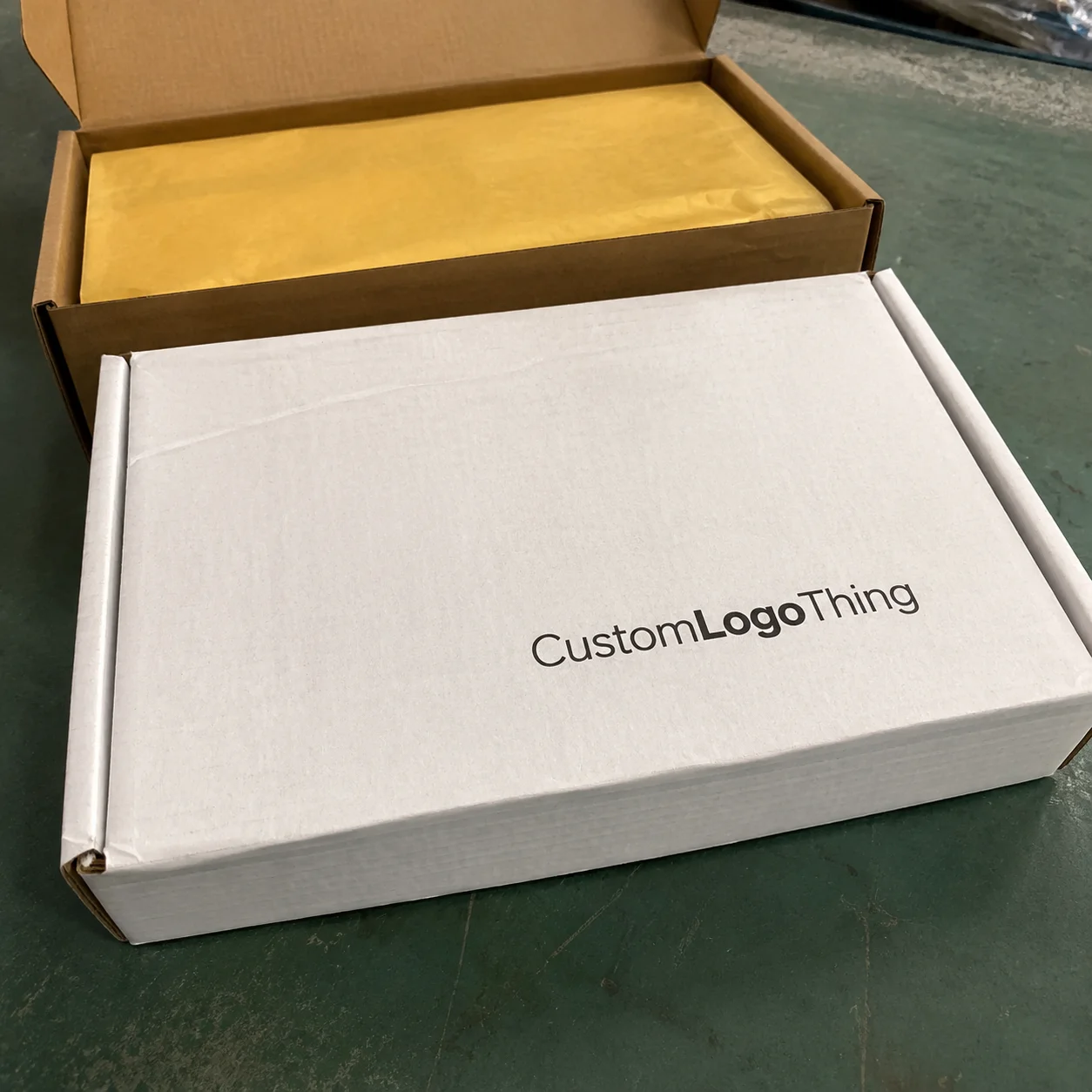
Custom Mailer Boxes are branded corrugated boxes used for ecommerce orders, subscription kits, launch sets, sample programs, gifting, and retail-style unboxing. Most ship flat, fold into a self-locking structure, and carry a logo, color system, instructions, campaign artwork, or product story. Good ones protect the order and make the product feel intentional. Bad ones become expensive confetti.
These boxes are not just printed rectangles. They involve board grade, size, structure, print method, coating, inserts, artwork setup, packing labor, storage, and freight. Fun stuff, if you enjoy expensive surprises. A mailer can look gorgeous in a 3D mockup and still crush at the corners, scuff in transit, or add $1.20 per shipment because nobody checked dimensional weight.
Mailer boxes sit between several other packaging formats. Folding cartons work well for retail shelves but usually need an outer shipper. Rigid boxes feel premium, but they cost more, take up more storage space, and often need separate shipping protection. Standard shipping cartons are practical, not exactly thrilling. Poly mailers are cheap and light, especially for apparel; compare them with Custom Poly Mailers if weight savings matter more than structure.
The buying mindset should start with the product, route, budget, and customer expectation. Not foil. Not a dramatic black flood print. Not the founder’s favorite mockup from a mood board. Start with what goes inside, how far it travels, how the carrier handles it, and what the customer expects to feel when it lands.
Practical rule: if the product is fragile, heavy, oddly shaped, or high-margin, test the structure before falling in love with the artwork. Pretty boxes do not apologize for broken candles.
How Custom Mailer Boxes Work From Flat Sheet to Doorstep
Most mailer boxes start as corrugated board. The board is printed, cut, creased, and folded into a self-locking structure that ships flat and assembles without tape in many designs. In fulfillment, the basic rhythm is simple: pull a blank from the stack, fold the sides, lock the tabs, pack the product, close the front flap, and ship.
That rhythm matters. Saving 8 to 12 seconds per order sounds tiny until volume shows up with a calculator. At 1,000 orders, slow assembly burns hours. At 10,000 orders, it becomes a labor line item with a smirk.
Common styles include front tuck mailers, roll-end tuck front boxes, tab-lock mailers, literature mailers, subscription mailers, and reinforced ecommerce mailers. Roll-end tuck front boxes are popular because they look clean and hold their shape well. Literature mailers work for flat kits, printed materials, documents, and small retail packaging sets. Reinforced ecommerce mailers add corner or side strength for heavier products.
Material choice sets the tone. E-flute is thin and clean, often around 1/16 inch thick, with a surface that prints well. B-flute is thicker, usually around 1/8 inch, and offers more cushioning. For multi-item kits, ceramics, electronics, glass jars, or anything that hates impact, stronger board or inserts may be needed. A 6-ounce lip balm set and a 3-pound candle bundle should not use the same box just because the logo fits.
Print method affects cost, color, and minimum order quantity. Digital printing works for lower quantities, frequent artwork changes, and short launch runs. Flexographic printing is economical at higher quantities, especially with one or two colors. Litho-laminated printing gives sharper graphics and better image reproduction, but it usually needs more setup and higher volume. Inside-outside printing can improve the unboxing moment, but the extra ink and setup should earn their keep.
Add-ons can be useful. Tear strips help with easy opening. Locking tabs improve closure. Inserts and dividers control product movement. Tissue, belly bands, QR codes, and coatings can support customer education or branding. Still, every add-on should solve a real problem, not just make procurement cry.
The right structure protects the product, presents the brand, reduces packing labor, controls dimensional weight, and lowers damage-related returns. The wrong structure does the opposite, very confidently.
Key Specs That Decide Fit, Strength, and Print Quality
Start with size accuracy. Measure the product, protective wrap, inserts, manuals, samples, cards, and any filler before asking for a quote. Interior dimensions matter more than exterior dimensions because products do not care about your outer box fantasy. If a supplier asks for length, width, and depth, confirm whether they mean inside dimensions. Usually, they do.
A good fit leaves enough room for packing and tolerance without letting the product rattle. For many small ecommerce products, 1/8 to 1/4 inch of internal clearance can work if the item is stable. Fragile goods may need more space for molded pulp, corrugated inserts, paper wrap, or foam alternatives. Too tight, and fulfillment fights the box. Too loose, and the carrier turns your product into a maraca.
Board strength should match the product and route. Lightweight apparel, stationery, beauty samples, and small accessories can often use standard E-flute. Candles, glass jars, ceramics, electronics, and multi-item kits usually need stronger board, tighter interior control, or separate inserts. If shipments move through parcel networks, consider testing against standards from ISTA, especially for drops, compression, and vibration. Not every small brand needs formal lab testing, but the logic behind those tests is useful.
Print coverage is another major spec. A simple one-color logo is cheaper, faster, and more forgiving. Full-coverage artwork, gradients, photos, dark backgrounds, and inside printing need cleaner files and more careful proofing. Dark flood coats can show scuffs after transit, especially on corners and fold lines. That does not mean never use them. It means test them before pretending couriers have gentle hands.
Finish choices change both appearance and performance. Matte coating feels refined and reduces glare. Gloss makes color pop. Aqueous coating adds scuff resistance and is common on custom printed boxes. Soft-touch lamination looks lovely, but it can mark during transit if used carelessly. For ecommerce shipping, durability usually beats showroom drama.
Sustainability claims need discipline. Recycled content, soy-based inks, FSC-certified paper, right-sized packaging, and reduced void fill are useful. Vague eco language is not. Customers notice when a brand uses a giant box to ship a tiny serum, then lectures them about the planet. If certification matters, look at credible sources such as FSC rather than inventing a leafy icon and hoping nobody asks.
Pack-out efficiency deserves more attention than it gets. Boxes should assemble quickly, close securely, stack cleanly, and fit the fulfillment workflow. A beautiful box that adds 20 seconds to every order becomes expensive fast. At 1,000 orders, that is more than five extra labor hours. At 10,000 orders, now you have a real operational problem wearing nice typography.
Cost, Pricing, and MOQ Factors Buyers Should Know
Pricing for mailer boxes custom work depends on size, board grade, print method, number of colors, ink coverage, inside printing, coatings, inserts, die-cutting complexity, quantity, proofing, packing, and freight. “How much is a mailer box?” is a little like asking, “How much is dinner?” Depends. Are we talking tacos or a tasting menu?
Small digital runs usually cost more per unit but reduce risk. A short run of 250 to 500 units might land around $1.80 to $4.50 per box for small to medium mailers, depending on size and print coverage. Larger runs can drop pricing into the $0.65 to $1.80 range for many standard ecommerce sizes, with 5,000+ units often getting better economics. Large, heavily printed, insert-heavy, or litho-laminated mailers can still cost more.
Minimum order quantities vary by structure and print method. Digital print can support lower MOQs, sometimes 100 to 500 units depending on the supplier. Flexographic production often makes more sense around 1,000 to 2,500 units. Litho-laminated or premium custom structures may become practical at 2,500 to 5,000 units or higher because setup, plates, tooling, and material planning need volume.
| Option | Best For | Typical Quantity Range | Typical Unit Cost Range | Tradeoff |
|---|---|---|---|---|
| Digital printed mailers | Test runs, seasonal artwork, startup launches | 100-1,000 units | $1.80-$4.50 | Higher unit cost, lower risk |
| Flexographic mailers | Simple logos, repeat orders, larger ecommerce runs | 1,000-10,000 units | $0.75-$2.25 | Economical, but less ideal for photo-level graphics |
| Litho-laminated mailers | Premium graphics, launch kits, retail-style presentation | 2,500+ units | $1.25-$5.00+ | Sharp print, more setup, higher commitment |
| Mailer with custom insert | Fragile items, kits, bottles, electronics | 500+ units | Add $0.25-$1.50+ | Better protection, more design and packing work |
Quote requests should include interior dimensions, quantity tiers, ship-to location, artwork files, board preference, print coverage, finish, insert needs, target launch date, and whether the boxes ship flat or kitted. If you are still choosing sizes, ask for help before locking the dieline. A 1/2 inch change can affect board usage, pallet count, and carrier billing.
Do not compare quotes blindly. One supplier may quote thinner board, no coating, exterior-only print, and loose tolerances. Another may include sturdier material, better finishing, and a more realistic freight estimate. Cheapest only wins if failure is free. It is not.
Ask for tiered pricing at realistic quantities: 500, 1,000, 2,500, and 5,000 units. Sometimes the price break from 1,000 to 2,500 is meaningful. Sometimes it is not enough to justify storage, cash flow, and the risk of rebranding after 700 orders. The number on the quote is only one part of total landed cost.
Process and Timeline From Quote to Finished Mailers
A normal custom mailer process has several steps: define specs, Request a Quote, approve the dieline, prepare artwork, review the digital proof, approve a sample or pre-production proof, manufacture, quality check, pack, and ship. Skipping steps may feel efficient. It usually just moves the pain later.
Quoting often takes 1 to 3 business days when the specs are clear. Dieline and artwork setup can take another 2 to 5 business days depending on revisions. Sampling can add 5 to 10 business days. Production often runs 10 to 25 business days after proof approval, depending on complexity, quantity, print method, and factory load. Freight can add a few days for parcel shipments or a week-plus for palletized loads.
What slows projects down? Missing dimensions, low-resolution logos, unapproved Pantone colors, last-minute copy changes, complex inserts, specialty finishes, holiday congestion, and freight delays. Shocking, yes, but printers do need actual files. A screenshot of a logo from a website header is not a production file. Send vector artwork when possible, usually AI, EPS, or clean PDF.
Proof types matter. A digital proof confirms layout, copy, panel orientation, bleed, and safe zones. A physical blank sample confirms size and structure. A pre-production sample confirms print, finish, and assembly before the full run. For a reorder with no changes, a digital proof may be enough. For a new structure, high-value launch, or tight product fit, get a sample.
Quality control should not be vague. Check scored folds, tab fit, closure tension, color consistency, registration, coating coverage, scuffing, board delamination, and carton counts. Assemble a few boxes from the shipment before moving them into inventory. If one case is mispacked or a fold line is off, you want to know before the 3PL is staring at a packing queue.
Shipping logistics belong in the early conversation. Mailer boxes often ship flat in cartons or on pallets. Freight cost depends on volume, not just weight. A large run of lightweight boxes can still eat pallet space quickly. If boxes are going to a 3PL, ask whether they need carton labels, pallet specs, case counts, or receiving appointments.
Build the launch calendar backward from the in-hands date. If boxes are needed for a product drop, allow time for sampling, approvals, revisions, production, inspection, and transit. The box cannot be rushed after everyone ignored it for three weeks. Rude, but accurate.
- Week one: confirm product dimensions, target quantity, and quote details.
- Week two: approve dieline, prepare artwork, and review proof.
- Week three: sample, revise, or approve production depending on risk.
- Weeks four to six: manufacture, inspect, pack, and ship.
Common Mistakes That Make Branded Mailer Boxes Expensive
The first mistake is choosing the box size before finalizing the product bundle. It creates loose packs, rattling items, extra filler, and higher freight. If your launch kit includes a jar, card, sample sachet, and tissue wrap, measure the full packed set. Not the hero product alone.
The second mistake is using artwork designed for a website, label, or Instagram ad without adapting it to folds, flaps, bleed, safe zones, and print tolerances. A screen design can look perfect at 1200 pixels wide and become a crooked packaging mess once it wraps around creases. Keep key logos and text away from fold lines unless the distortion is intentional.
The third mistake is overbuilding for looks but underbuilding for transit. Heavy ink, premium finish, and dramatic graphics do not help if the corners crush before delivery. A high-end mailer still needs the right board, internal support, and closure style. If the package travels through a parcel carrier, assume it may be dropped from waist height. Possibly by someone having a bad Tuesday.
The fourth mistake is ignoring dimensional weight. A slightly oversized mailer can push an order into a higher shipping band, quietly taxing every shipment until someone checks the carrier bill. For lower-margin products, a $0.80 shipping increase can hurt more than a $0.20 box increase. Right-sized product packaging is not glamorous, but it pays rent.
The fifth mistake is skipping samples on new structures or expensive launches. Samples cost time and money. So does discovering that the product does not fit after 3,000 boxes arrive. If you are ordering a new size, new insert, new material, or heavy print coverage, sample first.
The sixth mistake is failing to plan storage. Custom mailers ship flat, but they still take space. Five thousand small mailers may be manageable. Five thousand large subscription boxes can claim a serious chunk of warehouse or office space. Closets also have limits, despite founder optimism.
The seventh mistake is ordering based only on unit cost instead of total landed cost. Total landed cost includes freight, storage, packing speed, damage rate, reorder flexibility, and the cost of keeping too much inventory. For some brands, paying slightly more per unit for a smaller initial run is smarter than sitting on 8,000 boxes with outdated messaging.
Next Steps Before You Order Custom Printed Mailer Boxes
Before requesting a quote for mailer boxes custom work, gather the basics: product dimensions, packed weight, order quantity, desired unboxing style, budget range, ship-to address, launch deadline, and examples of packaging you like or hate. The “hate” examples are more useful than people think. They show what to avoid.
Measure the product in its real packed state. Include tissue, wrap, inserts, manuals, cards, samples, and protective materials. Guessing dimensions is how brands buy air and pay to ship it. If the product has multiple bundle options, define the most common pack first, then decide whether one box can handle all versions without becoming wasteful.
Choose two or three quantity tiers instead of one fixed number. Ask for 500, 1,000, and 2,500 units, or 1,000, 2,500, and 5,000 units if volume supports it. This helps compare unit cost, freight impact, storage needs, and reorder timing before committing. You may find that 2,500 units saves enough to make sense. Or the savings may turn fake once storage and cash flow enter the chat.
If the brand is still testing product-market fit, start with a simple structure. A clean exterior print, right-sized E-flute mailer, and clear insert strategy can do plenty. Upgrade inside graphics, heavier coverage, specialty coatings, or premium inserts once order volume is predictable. Custom packaging should support growth, not trap cash in a tower of boxes.
Request a dieline before final artwork. Then proof every panel, flap, fold, barcode, URL, QR code, and legal line. Check orientation twice. Inside panels are easy to rotate incorrectly. Tiny packaging errors have a talent for becoming very public.
If you need to compare formats beyond mailers, review Custom Packaging Products and decide whether a folding carton, rigid setup, poly mailer, or corrugated shipper fits the job better. For a real launch, confirm fit, strength, pricing, and timeline first; then decide which branding details deserve the budget. That is how custom mailer planning stays practical instead of turning into expensive theater.
FAQ
What are mailer boxes custom used for?
They are used for ecommerce shipping, subscription boxes, influencer kits, retail samples, launch campaigns, and branded product deliveries. They work best when the box needs to protect the item and create a better unboxing experience than a plain shipping carton. They are not always the best choice for very heavy, oversized, or highly fragile products unless the board grade and inserts are engineered properly.
How much do custom mailer boxes usually cost?
Pricing depends on size, quantity, board grade, print method, ink coverage, inside printing, coatings, inserts, and freight. Lower quantities usually have higher unit costs, while larger runs reduce unit price but require more storage and upfront spend. Ask for tiered pricing and total landed cost, not just the cheapest unit price floating around like it means something by itself.
What is the minimum order quantity for branded mailer boxes?
MOQ varies by supplier, structure, and print method, but digital printing usually allows lower quantities than flexographic or litho-laminated production. Special sizes, premium finishes, custom inserts, and heavy print coverage may increase the practical MOQ. Buyers should request pricing at several quantity breaks to see whether a higher run actually saves enough to justify storage and cash flow.
How long does it take to produce custom printed mailer boxes?
Simple projects can move faster, but a realistic timeline includes quoting, dieline setup, artwork proofing, sampling if needed, production, quality checks, and shipping. Many projects take several weeks from approved specs to delivery, especially when samples, complex artwork, or freight shipping are involved. The biggest delays usually come from incomplete specs, artwork revisions, late approvals, and pretending deadlines are magic.
What should I prepare before requesting a quote for custom mailers?
Prepare product dimensions, packed weight, quantity targets, ship-to location, artwork or logo files, print preferences, finish ideas, and deadline. Include whether the box needs inserts, inside printing, tear strips, retail presentation, or extra protection for fragile items. Share any current packaging problems, such as damage, high shipping cost, slow packing, or weak branding, so the supplier can quote the right solution.