Buyer Fit Snapshot
| Best fit | Mailing Bag Manufacturer projects where brand print, material claims, artwork control, MOQ, and repeat-order consistency need to be specified before quoting. |
|---|---|
| Quote inputs | Share finished size, material target, print colors, finish, packing count, annual reorder estimate, ship-to region, and any compliance wording. |
| Proofing check | Approve dieline scale, logo placement, barcode or warning zones, color tolerance, closure strength, and carton packing before bulk production. |
| Main risk | Vague material claims, crowded artwork, missing packing details, or unclear freight terms can make a low unit price expensive after revisions. |
Fast answer: Mailing Bag Manufacturer: Film, Print, MOQ, and Carton Packing should be specified like a repeatable production item. The safest quote records material, print method, finish, artwork proof, packing count, and reorder notes in one written spec.
Production checks before approval
Compare the actual filled-product size with the drawing, then confirm tolerance on folds, seals, hang holes, label areas, and retail display edges. Reserve space for logos, QR codes, warning copy, and material claims before decorative graphics fill the panel.
Quote comparison points
Review material grade, print process, finish, sampling route, tooling charges, carton quantity, and freight assumptions side by side. A quote is only useful when the supplier can repeat the same color, closure quality, and packing count on the next order.
Mailing Bag Manufacturer: What to Know Before You Order
Two poly mailers can sit side by side on a shelf and look almost identical, yet perform very differently once they hit a conveyor, sit on a damp porch, or get opened in a hurry during a return. That gap is why choosing a mailing bag manufacturer is not just a branding decision; it is a shipping decision that affects damage rates, packing speed, postage efficiency, and the way a customer experiences the order the moment it lands.
From a packaging buyer's point of view, the best mailing bag manufacturer is the one that helps match the bag to the product, the route, and the return path instead of pushing a one-size-fits-all answer. A thoughtful supplier will talk about film structure, seam strength, closure style, and transit conditions before the conversation turns to print. That order matters because a mailer has to function before it has to impress.
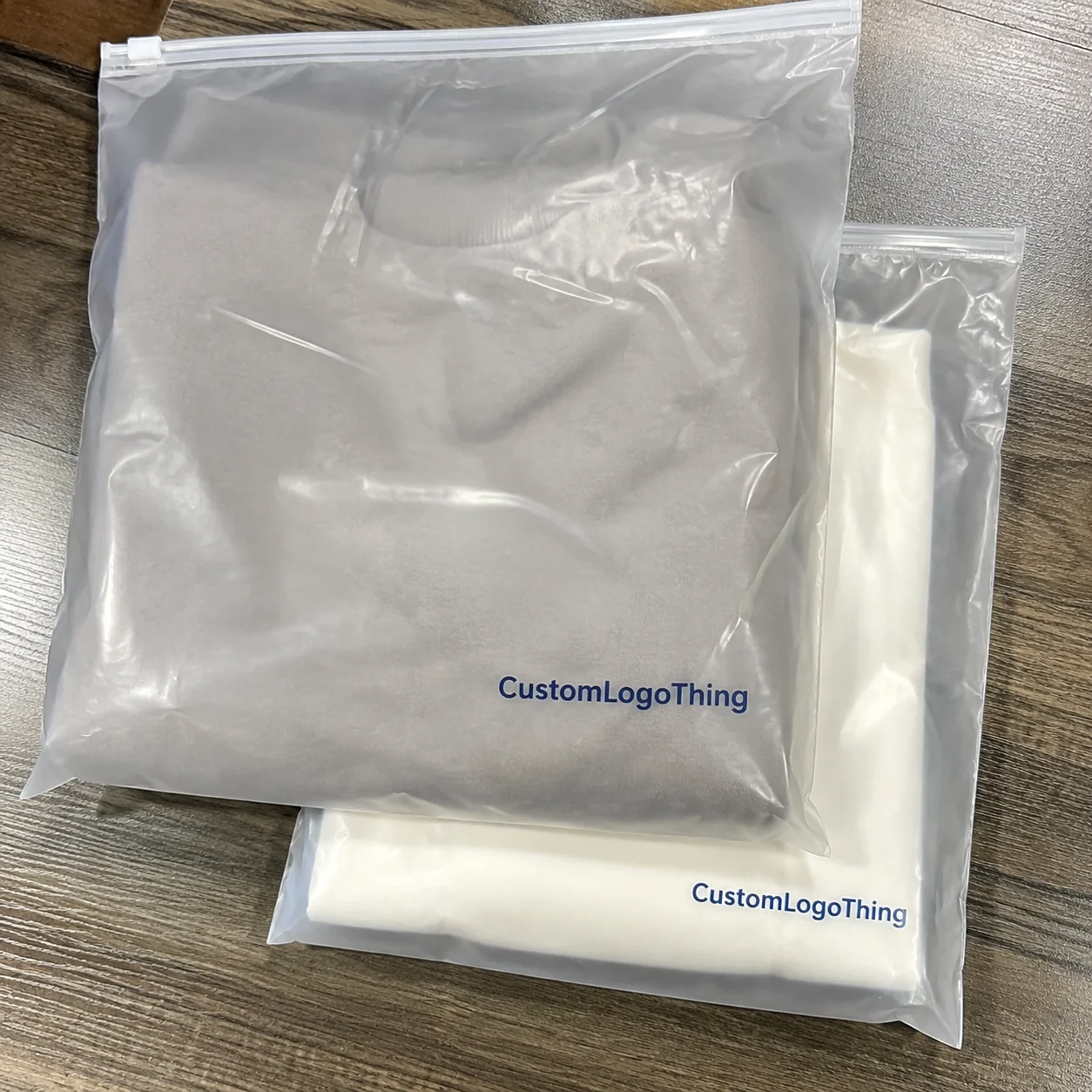
Custom Logo Things works with brands that want packaging to carry more than a logo, and that is a useful place to start. If you want a quick way to compare options, review Custom Poly Mailers and measure those choices against the way your products actually ship. For company background, see About Custom Logo Things.
A mailer is not only a sleeve for a product. It is a transport tool, a brand surface, and often the first physical touchpoint after checkout.
I have seen a bag that looked polished on press samples fail on a receiving dock because the adhesive was not suited to cooler storage. I have also seen a plain-looking mailer outperform a much prettier one simply because the film and seam were matched to the job. That is why the cheapest-looking bag can become the most expensive one once re-ships, customer complaints, damaged goods, and packing delays enter the picture. A capable mailing bag manufacturer helps you avoid that trap by turning a short brief into a working specification, then into a bag that survives the trip without slowing your team down.
Here is a practical look at how a mailing bag manufacturer works, what shapes pricing, how lead times usually unfold, and how to compare suppliers without getting distracted by glossy samples or vague promises.
Why a mailing bag manufacturer matters more than the mailer
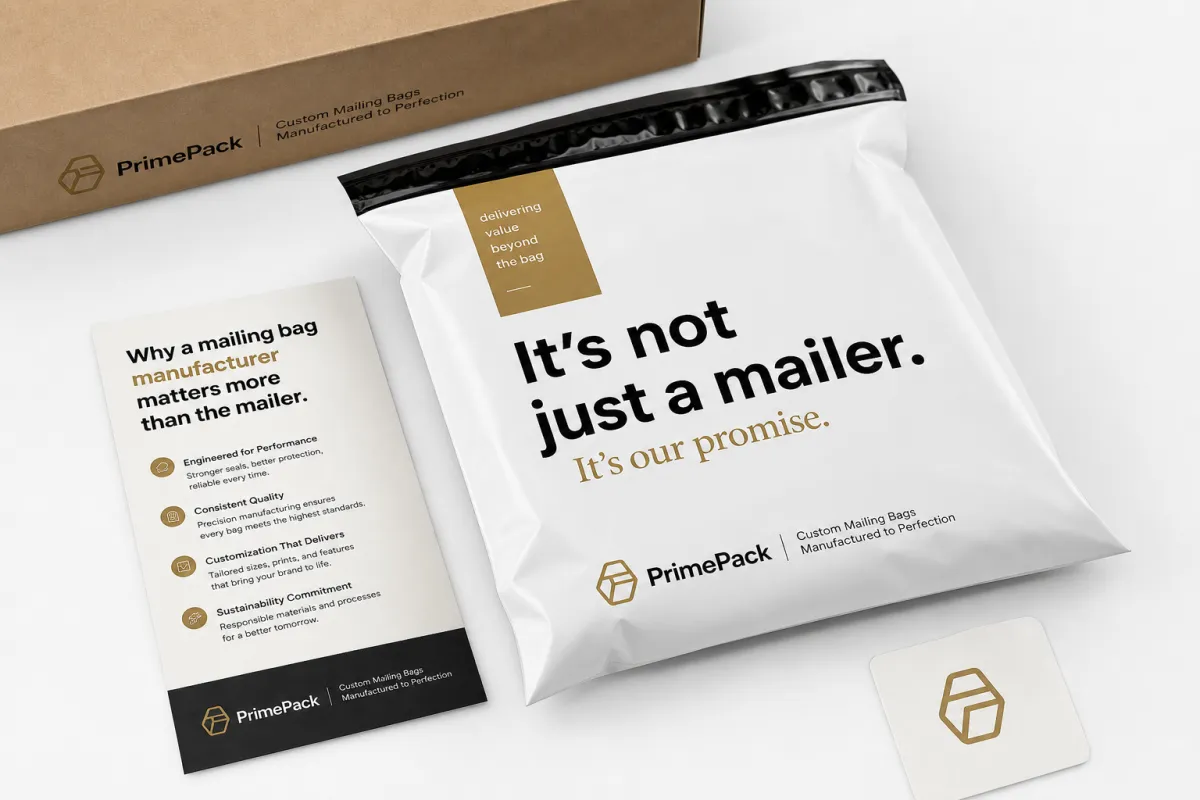
Two mailers can share the same outer dimensions and still perform differently because the film, the seam, and the adhesive are not the same. A mailing bag manufacturer controls those hidden variables, and that is where the real value lives.
Think about three common failure points. A mailer may tear at the seam when a conveyor grabs an edge. The adhesive strip may lose tack in cold storage or after a long delay before use. A wet doorstep or rough delivery bin can turn a thin film into a damaged package before the customer even sees the product. A good mailing bag manufacturer designs for those conditions instead of assuming every shipment will be handled gently and photographed in perfect light.
That is also why the conversation needs to move beyond appearance. A mailing bag manufacturer affects unit economics in ways that are easy to miss:
- Damage rates: stronger seams and better puncture resistance reduce replacement shipments.
- Packing labor: a well-sized bag with a dependable closure speeds fulfillment.
- Shipping weight: lighter film can trim postage, but only if it still protects the contents.
- Brand perception: print clarity and finish quality shape the first tactile impression.
- Return handling: a second adhesive strip or reusable closure can save time and materials.
Stock mailers, custom mailers, and engineered mailers are not the same category, even when sellers use those terms loosely. Stock mailers are ready-made and usually cheapest. Custom mailers let you choose size, color, and print. A fully engineered mailer, which a more experienced mailing bag manufacturer may recommend, is built around your product weight, route risk, and return process. That third category is where packaging starts doing logistics work.
There is a useful way to frame the decision. If you ship lightweight apparel in stable conditions, the mailer is mainly a cost-control item. If you ship cosmetics, supplements, or anything with a higher return rate, the mailer becomes part of the customer experience and loss prevention strategy. In both cases, the mailing bag manufacturer should help balance durability, speed, and presentation rather than steering you toward the fanciest option on the list.
Supplier fit matters too because packaging rarely changes in isolation. A new fulfillment center, a different carrier mix, or a shift from one-unit orders to bundled shipments can alter the spec you need. A thoughtful mailing bag manufacturer will ask those questions early. That kind of curiosity usually points to a supplier that understands the real job.
How a mailing bag manufacturer turns specs into poly mailers
The production flow is more technical than most buyers expect. A mailing bag manufacturer usually starts with resin selection or recycled-content input, then moves into film extrusion, color blending, printing, cutting, sealing, and final packing. Every step changes the finished bag in ways that matter once the shipment is moving through the world.
Film structure is the first major decision. A single-layer film can be economical and perfectly fine for low-risk shipments. A co-extruded film combines layers for a better mix of strength, opacity, and printability. If more protection is needed, a mailing bag manufacturer may suggest a thicker gauge or a multi-layer construction with a more reliable seal. That is not overengineering; it is matching the material to the route and the contents.
Closures come next. A tamper-evident adhesive strip helps the bag stay shut once sealed. A dual-seal or return-strip format gives the customer a cleaner return path. Some brands want a reusable closure for subscriptions or repeat shipments. The right mailing bag manufacturer will explain the tradeoff between convenience and cost instead of treating every closure as interchangeable.
Customization happens at several points:
- Size: exact width, length, and flap allowance for the packed product.
- Thickness: often measured in microns or mils, depending on the supplier's system.
- Opacity: important for privacy and branded presentation.
- Print: one-color logos, full-coverage graphics, barcodes, or compliance marks.
- Perforation or tear strips: useful for easy opening without damaging contents.
- Extra features: labels, handles, venting, or secondary adhesive lines.
Good manufacturers do not stop at appearance. A serious mailing bag manufacturer will test for puncture resistance, seal integrity, flex-crack behavior, and whether the bag holds up under temperature swings. If your shipments move through more than one climate zone, that matters. Cold film can become brittle. Heat can affect adhesive performance. Neither issue shows up in a polished sample photo.
Quality control should include sample approval before the production run begins. That sample is not a formality. It is the point where you check print placement, bag size, opening behavior, seam strength, and how the product slides in and out during packing. If something feels off during sampling, it will feel worse after 20,000 units are made. A disciplined mailing bag manufacturer treats that approval step as a gate, not an inconvenience.
Packaging standards also help guide the conversation. For shipment testing, many teams refer to ISTA or ASTM-based methods, especially when the contents are fragile or the freight path is rough. The ISTA site is useful if you want to understand how transit testing maps to real distribution conditions. A knowledgeable mailing bag manufacturer should be able to speak that language even when the final spec is simple.
Mailing bag manufacturer pricing: what drives cost
Pricing looks straightforward until you break it into parts. A mailing bag manufacturer is pricing material, conversion, setup, print, and freight. If you compare quotes without keeping those pieces aligned, the numbers can mislead you fast.
The biggest cost drivers are usually material grade, thickness, dimensions, closure type, and print complexity. A standard stock mailer uses less setup and less customization. A branded custom mailer requires art preparation, print plates or digital runs, and machine changeovers. As a rule, a mailing bag manufacturer will charge more for a small order because those fixed costs are spread across fewer units.
MOQ matters for that reason alone. If you order 1,000 bags, your per-unit price may look high. If you order 10,000, the fixed setup cost is diluted. That does not mean larger is always smarter, because storage and cash tied up in inventory also matter. A decent mailing bag manufacturer should help you think in landed cost, not just sticker price.
To make comparison easier, here is a practical view of common options. The numbers are illustrative, but they are close to what many buyers see when requesting quotes for typical apparel or light consumer goods mailers.
| Option | Typical Use | Approx. Unit Price | What You Gain | What You Give Up |
|---|---|---|---|---|
| Stock poly mailer | Low-complexity shipping, fast replenishment | $0.04-$0.12 | Lowest setup cost, quick availability | No branding, limited fit control |
| Custom printed mailer | Branded ecommerce shipments | $0.12-$0.28 | Logo, sizing, color control, stronger brand presence | Higher MOQ, more approval steps |
| Recycled-content or premium engineered mailer | Higher-value products, sustainability goals, tougher routes | $0.18-$0.45 | Better material story, stronger spec options, improved performance | Higher unit cost, sometimes longer lead time |
Those ranges shift with volume. At 5,000 pieces, a custom mailer might land near the middle of that spread. At 50,000 pieces, the same mailing bag manufacturer may quote much lower per unit because the setup is already amortized. Print coverage also changes the math. A full-bleed design usually costs more than a simple one-color logo.
Then there are the hidden costs that show up later if you ignore them now. Recycled content can cost more when supply is tight. Specialty inks may need extra curing time. Reinforced seams add material and machine time. Rush production can force the mailing bag manufacturer to fit your order ahead of the queue, and that usually comes with a premium. Freight can be surprisingly large if the bags move by pallet instead of carton.
Freight deserves special attention because a light product can still produce a meaningful transportation bill when the pack format is bulky. A compressed case format may save storage and inbound freight. If the bags are packed loosely, you may end up paying for air. A strong mailing bag manufacturer should tell you the carton count, pallet configuration, and likely shipping class before you approve the order.
If you are weighing a branded upgrade against a plain mailer, ask one simple question: what does the upgrade prevent or improve? Better print may support retail perception. A stronger seal may reduce re-ships. A thicker film may reduce punctures. The best mailing bag manufacturer will translate cost into outcomes instead of defending a quote as if price alone settled the matter.
For sustainability-related cost questions, I also like to check the broader packaging context. The EPA recycling and materials guidance is useful when you want to understand disposal and recovery realities, especially if you are balancing lower-waste goals with protective performance. A responsible mailing bag manufacturer should be able to talk honestly about those tradeoffs.
Mailing bag manufacturer process and timeline: from brief to delivery
The fastest orders usually start with the clearest inputs. A mailing bag manufacturer can quote and produce much faster when the brief includes exact dimensions, target quantity, material preference, print requirements, and the required delivery date. Vague inputs create revision loops, and revision loops eat time.
Here is the usual flow:
- Requirements brief: product type, weight, fragility, shipping method, and target look.
- Quote: pricing based on material, print, size, and volume.
- Sample or mockup: physical or digital approval before the run.
- Artwork sign-off: final print file confirmation, color expectations, and placement.
- Production: extrusion, printing, cutting, sealing, and packing.
- Inspection: dimensional checks, seal checks, and visual review.
- Shipping: carton or pallet dispatch to your warehouse or 3PL.
A mailing bag manufacturer can usually keep things moving when the buyer responds quickly. The biggest shortcuts come from accurate dimensions, clean vector artwork, and fast sample approval. The biggest delays come from last-minute changes, color corrections, or unclear expectations about gloss, matte, or recycled-content appearance.
Typical lead times depend on the order type. Stock mailers may ship quickly if the supplier has inventory. Simple custom runs often take longer because setup and print approval add steps. Fully custom constructions take the most time. A practical mailing bag manufacturer will separate production time from freight time so there are no surprises. That distinction matters because a three-day truck transit is very different from a two-week ocean or consolidated freight plan.
These are the checkpoints that should be approved before production starts:
- Exact bag size and tolerances
- Film thickness or gauge target
- Closure type and adhesive behavior
- Print artwork, colors, and placement
- Packaging format, carton count, and pallet plan
- Destination and shipping method
Capacity is another question worth asking early. Some suppliers can quote quickly but are already booked for production. A dependable mailing bag manufacturer will tell you where your job sits in the queue. That honesty helps you plan launch dates, warehouse labor, and campaign timing without guessing.
One habit helps a lot: ask for an approved sample to be used in a real packing trial before you commit to the full order. Put the actual product into the bag, seal it, stack it, and move it through the same packing motion your team uses every day. A mailing bag manufacturer that is confident in the product will not resist that test.
Key factors that separate a good mailing bag manufacturer from a risky one
Not every supplier deserves the same level of trust. A strong mailing bag manufacturer proves competence in the details, not just in the sales deck. If every answer is a quick yes without any technical explanation, that should make you cautious.
Material performance is where the real differences show up. Ask about puncture resistance, tear behavior, seal strength, and water resistance. Then ask how those traits change with temperature. A bag that feels fine in a warm office may behave differently in a cold dock or after a long truck ride. The better mailing bag manufacturer will describe those conditions without overpromising.
Compliance and traceability matter too. If recycled content is part of the pitch, ask how that claim is documented. If you need FSC-related paper components or recycled-content language for your packaging story, ask for evidence, not just labels. The FSC site is a useful reference point when paper-based packaging or mixed material claims enter the discussion. Even though poly mailers are different from paper cartons, the mindset stays the same: claim what you can prove. A trustworthy mailing bag manufacturer should welcome that conversation.
Brand fit matters more than many teams expect. Print clarity, color consistency, and finish quality can make a mailer feel premium or disposable. If you ship high-touch products, the surface finish and ink fidelity will influence how the package reads in the customer's hands. A good mailing bag manufacturer can support that. A risky one shrugs and says the sample is close enough.
Service quality also separates the serious suppliers from the noisy ones. Look for:
- Fast, specific responses instead of generic replies
- Sample support with clear comments, not just a shipped box
- Technical guidance on thickness, closure, and print method
- Willingness to suggest a simpler spec if it performs just as well
- Clear ownership of errors if something needs correction
Application fit is another filter. Apparel, cosmetics, supplements, documents, and returns each carry different risk. A garment mailer may prioritize presentation and packing speed. A supplement shipment may need better seal reliability and privacy. A document mailer may need a cleaner print surface and a more rigid feel. The best mailing bag manufacturer adjusts the conversation by use case instead of forcing every buyer into the same template.
From an operational standpoint, I pay close attention to whether the supplier asks about the whole shipping chain. Warehouse storage conditions, carrier mix, return frequency, and expected damage risk all affect the spec. A mailing bag manufacturer that ignores those variables is selling a bag, not solving a packaging problem.
There is also a quiet but important authority signal: can the supplier talk about testing in concrete terms? A reference to ISTA-style distribution testing or ASTM-based checks is more reassuring than vague claims like our bags are strong. A mailing bag manufacturer does not need to be a lab, but it should understand what a real transit environment does to film, adhesives, and seams.
Common mistakes when choosing a mailing bag manufacturer
The most common mistake is ordering on price alone. That sounds disciplined. It usually is not. A low quote from a mailing bag manufacturer can hide thin film, weak adhesive, poor print durability, or a packaging format that slows your team down at the packing bench. If the package fails once every few hundred shipments, the savings vanish quickly.
Another mistake is writing vague specs. “Thick mailer” means almost nothing. So does “premium quality” or “strong adhesive.” A professional mailing bag manufacturer needs dimensions, thickness targets, closure style, print expectations, and the shipping use case. Without those details, the quote is a guess and the production run is a gamble.
Skipping samples is risky for the obvious reason: a mailer that looks right on a screen may not behave right in hand. The opening feel, flap length, adhesive tack, and packing speed all matter. If you are shipping at scale, even a small annoyance repeats thousands of times. A careful mailing bag manufacturer will encourage testing because it reduces rework later.
People also underestimate the full route. A bag that is fine in the warehouse might fail after a long idle period in a hot truck or a cold sorting center. A bag that performs well for outbound shipping may be awkward for returns. A seasoned mailing bag manufacturer thinks about those touchpoints, not just the finished printed piece.
Over-customizing is a quieter problem. It is tempting to add every possible feature: extra color, thicker film, perforation, dual strips, matte finish, and a special insert pocket. The result can be a bag that costs more, takes longer, and solves problems you did not have. A practical mailing bag manufacturer will often recommend a cleaner spec if it meets the job.
Weak communication creates its own costs. Slow feedback, incomplete artwork, and contradictory notes cause rework. The supplier is not the only one at fault there. Buyers who answer late or revise too often can delay production just as effectively. Still, a good mailing bag manufacturer will organize the process and keep the decisions visible.
Here is the short version. Do not confuse attractive samples with proven performance. Do not assume one quote can be compared to another without matching specs. Do not treat the mailer as an afterthought. A mailing bag manufacturer should help you reduce uncertainty, not add to it.
What to do next before you request a quote
Before you ask any mailing bag manufacturer for a quote, build a one-page spec sheet. It does not need to be fancy. It does need to be clear. Include your product type, approximate weight, desired bag size, print needs, monthly volume, and the deadline you are working against.
Then gather three real examples of what you ship. Put the actual items on a table and think about how they behave in transit. Are they sharp-edged? Compressible? Fragile? Moisture sensitive? That context helps a mailing bag manufacturer recommend the right film and closure instead of throwing out a generic suggestion.
Ask for two options at once if possible: a baseline version and a better-performing version. That comparison usually exposes the tradeoff you are really making. Maybe the baseline saves $0.05 per unit, but the upgraded bag improves seal reliability and reduces re-ships. A good mailing bag manufacturer should be comfortable walking through both.
Then request the following before you sign off:
- Sample packs or pre-production samples
- Clear lead-time expectations for production and shipping
- Setup, unit, and freight cost breakdowns
- Material details, including recycled-content claims if relevant
- Confirmation of carton or pallet pack-out
Run a simple internal test. Seal a few bags. Time the packing process. Shake the parcel. Stack it. Open a return sample if returns matter to your channel. If possible, track how many units your team can pack per hour before and after the new mailer. That is the kind of practical feedback a mailing bag manufacturer can use to refine the spec.
If your products are more sensitive, ask about transit testing based on ISTA or ASTM-style protocols. You do not need to become a packaging engineer to benefit from those standards. You just need a supplier who understands why a bag that passes a desk test can still fail in distribution. A competent mailing bag manufacturer should be able to explain the difference without hiding behind jargon.
One final point, and it is a big one: turn the order into a repeatable process. Save the approved artwork, the bag dimensions, the thickness, the adhesive type, and the shipping configuration. The next time you brief a mailing bag manufacturer, you will be working from evidence instead of memory. That alone can save time, waste, and unnecessary cost.
If you are still deciding where to start, review the product range at Custom Poly Mailers, then compare the options against your shipping reality. A strong mailing bag manufacturer will make the decision feel practical, not abstract.
What should I ask a mailing bag manufacturer before ordering custom poly mailers?
Ask what material, thickness, and closure they recommend for your product weight and shipping route. Ask for sample approval, lead time, MOQ, and a breakdown of setup, unit, and freight costs. Ask how they test seal strength, puncture resistance, and print consistency before production. A good mailing bag manufacturer should answer those questions without turning them into sales fluff.
How do I compare mailing bag manufacturer pricing without overpaying?
Compare quotes using the same specs, because size, thickness, print colors, and closure type can change the price quickly. Look at landed cost, not just unit price, so freight, storage, and failure rates are included. Use a stock-versus-custom comparison to see whether the premium actually improves performance or branding. That is the fastest way to judge whether a mailing bag manufacturer is offering value or just a lower headline number.
What is the typical lead time from a mailing bag manufacturer?
Lead time depends on whether the order is stock, printed, or fully custom, with custom jobs taking longer because of approvals and setup. A fast response requires clear specs, approved artwork, and quick sample sign-off. Ask the supplier to separate production time from shipping time so the total timeline is realistic. A reliable mailing bag manufacturer will give you both numbers.
Can a mailing bag manufacturer help with recycled or lower-waste mailers?
Yes, many manufacturers offer recycled-content films, thinner high-performance options, or reusable closures. Ask for documentation on recycled content and performance tests so sustainability claims are verifiable. Balance lower waste with shipping durability, because a failed mailer creates more waste than a well-made one. The right mailing bag manufacturer should help you make that tradeoff honestly.
What details do I need for an accurate quote from a mailing bag manufacturer?
Provide bag dimensions, target quantity, print requirements, material preference, and closure type. Share product weight, fragility, and shipping method so the manufacturer can recommend the right construction. Include your delivery location and deadline, since freight and timing affect the final quote. The clearer the brief, the better the mailing bag manufacturer can price the job and reduce surprises.
Choosing a mailing bag manufacturer is really about making the packaging work harder than it looks. The right partner helps you control damage, labor, freight, and brand presentation in one decision. That is why smart buyers treat the mailer as part of the logistics system first, then as a branding surface second. If you approach it that way, the next time you work with a mailing bag manufacturer, you will be buying less guesswork and more certainty.