Hotel Trucker Caps Reorder Plan: Pricing, MOQ, Timing
Most cap reorder problems are spec problems, not production failures. A hotel Trucker Caps Reorder plan keeps the approved build, artwork, and color references in one place so the next order matches the last one without extra back-and-forth. That matters because buyers usually notice crown shape, mesh color, and logo placement before they notice a line item on the invoice.
The advantage of a reorder is that you already know what worked. If the body spec stays locked, you avoid extra setup, repeat sampling, and avoidable re-approval cycles. For hotels, that means fewer mismatched caps across properties, fewer rush orders, and less time spent rebuilding the same decision twice.
Why a hotel trucker caps reorder plan cuts waste fast
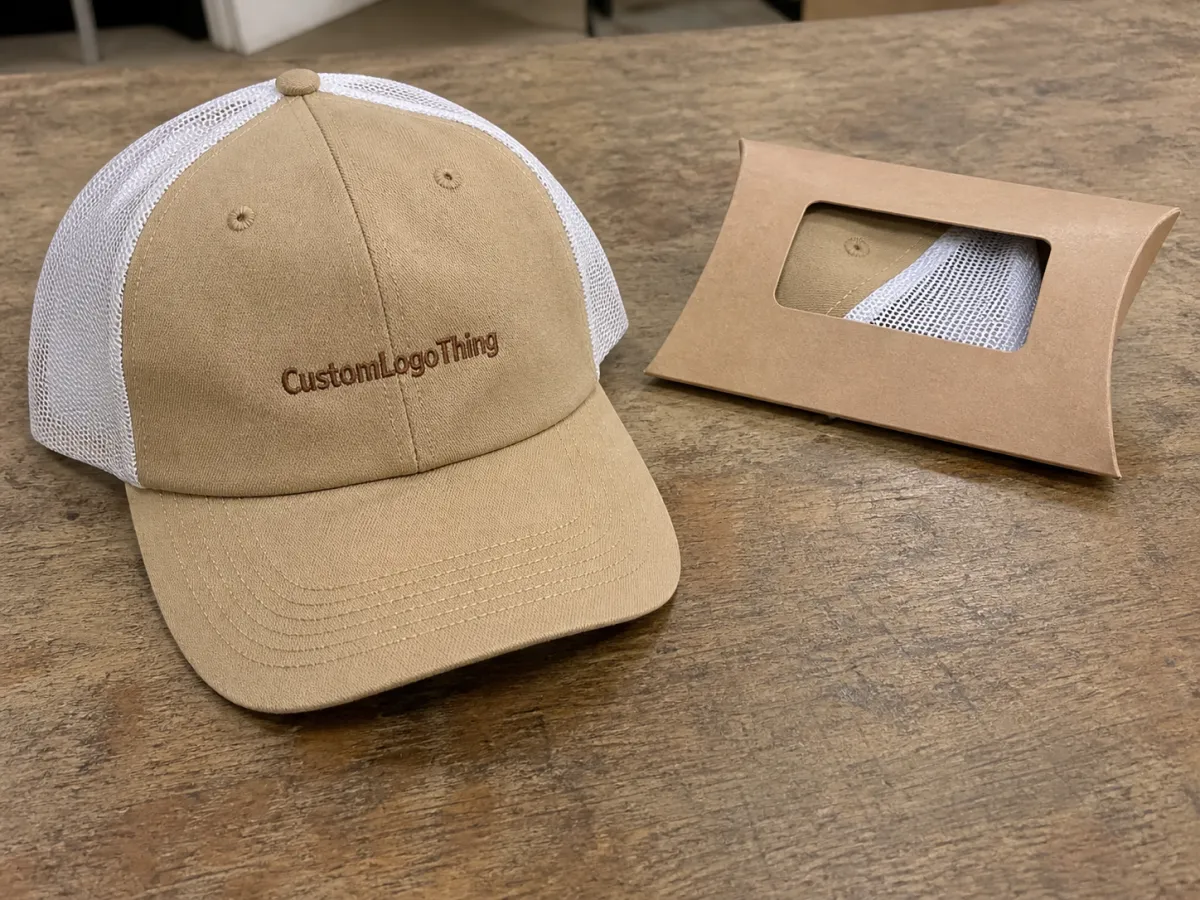
A good reorder plan keeps the cap consistent across properties, shifts, and replacement cycles. That consistency is not cosmetic. It protects the brand in guest-facing areas, keeps staff uniforms aligned, and makes stock management easier because every order follows the same approved standard.
The common failure is simple: someone saves the quote, but not the exact cap spec. Months later the artwork, vendor details, and color reference are partial memories. The next purchase becomes “close enough,” which usually means it will not match. A proper hotel Trucker Caps Reorder plan treats the cap like a repeatable SKU, not a one-off promo item.
That approach saves money in three places:
- Setup costs stay lower because the logo file, stitch count, and decoration method are already approved.
- Sampling time drops because the supplier is matching an existing standard.
- Replacement timing gets cleaner because you can reorder before stock runs short.
For multi-property groups, one approved cap build can serve several hotels if the brand standards are disciplined. That reduces small mismatches and helps the front desk, gift shop, and housekeeping teams look like part of the same operation.
If packaging or transit quality matters, the usual standards are still useful. ISTA covers transit test methods, and FSC matters if your tags, backing cards, or inserts need a responsible sourcing claim.
What stays unchanged in the cap build when you reorder
A reorder only works if the body spec stays locked. A trucker cap is more than “a hat with mesh.” Profile, panel count, front material, mesh density, visor shape, and closure style all affect fit and appearance. Change one of them by accident, and the cap can wear differently or look off under hotel lighting.
For repeat hotel headwear orders, these items should stay fixed unless you are intentionally creating a new version:
- Cap profile — low, mid, or high profile changes how the cap sits on the head.
- Panel count — five-panel and six-panel caps do not decorate or fit the same way.
- Front structure — structured fronts hold shape; unstructured fronts look softer but less uniform.
- Mesh color and density — the back panel can change the whole color read.
- Visor curve — flat, pre-curved, or lightly curved brims change the visual line.
- Closure — snapback, strap, or hook-and-loop affects fit and retail feel.
Decoration should stay stable too. Embroidery, woven patch, rubber patch, printed patch, and direct print all behave differently in texture and durability. If you switch decoration styles, you are no longer doing a true reorder; you are creating a new SKU with new behavior.
That is why the approved logo placement, patch size, and front panel shape should stay in the file record. A reorder is not just buying the same cap again. It is preserving a repeatable build that can be replenished without surprises.
Specs that control fit, color, and decoration quality
Fit is where small mistakes become obvious. The buyer may approve the mockup, but the wearer feels the difference immediately. For a hotel trucker cap, lock the crown height, panel count, mesh density, and closure range. If the order needs to feel consistent across staff sizes and property types, ask for exact measurements, not just a style name.
A practical spec sheet should include the following:
- Crown height and profile, usually mid-profile for broad wearability.
- Front panel material, such as foam front, twill front, or brushed cotton front.
- Visor style, including curve and stitch row count.
- Closure range, so the cap fits a real staff population.
- Decoration dimensions, including patch width, embroidery height, and placement from center front.
- Color references, ideally Pantone or a clear approved physical sample.
For color control, photos help but are not enough. A camera can make the mesh look cooler, warmer, brighter, or flatter than it really is. Use a written color reference, save a swatch if possible, and keep the approved sample or photo set attached to the PO record so the next reorder is based on evidence, not memory.
Decoration quality depends on the artwork file and stitch path, not just the logo image. If the embroidery needs a 6,000-stitch run on a shallow front panel, say that. If the patch needs a clean 2.5-inch width with a stitched border, say that too. The supplier should be able to carry those specs forward without treating every reorder like a new art project.
Good reorder work should feel boring in the best way possible: same cap, same art, same carton count, no drama, no guessing, no surprise charge.
Two caps can look identical in a mockup and still wear differently in a hotel environment. Fluorescent lobby lighting, outdoor sun, and long shifts expose material differences quickly. If the cap is for guest-facing staff or retail, keep the construction notes with the artwork so the visual and physical result stay aligned.
Cost, pricing, MOQ, and unit-cost breakpoints
Pricing for a reorder usually breaks into five drivers: the cap body, decoration method, quantity, packaging, and freight. A buyer who only asks for “best price” usually gets the least useful answer. A buyer who asks for tiered pricing, setup details, and freight assumptions gets something useful enough to approve.
For a standard six-panel mesh-back hotel cap, these are realistic buying bands depending on logo coverage and customization level:
| Option | Typical MOQ | Typical Unit Price | Best For | Notes |
|---|---|---|---|---|
| Stock blank + embroidery | 25-50 | $4.25-$6.25 | Small staff replenishment | Fastest option, fewer color choices |
| Standard custom trucker cap | 100-300 | $5.80-$9.50 | Property uniforms and giveaways | Best balance of cost and branding control |
| Premium patch build with custom packaging | 300-500 | $7.50-$12.00 | Retail shelves and gift shop stock | Higher setup, stronger shelf presentation |
Those numbers move with quantity tiers. A 100-piece run usually lands toward the top of the range because setup is spread across fewer units. At 250 pieces, unit cost often drops by 15-25 percent. At 500 pieces or more, the next drop is smaller because decoration, packing, and freight begin to weigh more than the cap body itself.
MOQ also depends on what is already approved. Stock blanks can start lower because the supplier is not building a custom body from scratch. A fully custom-decorated trucker cap usually sits in the 100-300 piece zone if you want a sane unit price. If the hotel needs multiple property splits, expect extra handling and shipping complexity.
Ask for a quote that separates the following:
- Unit price by tier so you can see the breakpoints clearly.
- Decoration charges including digitizing, patch setup, or print setup.
- Sample or pre-production proof cost if a physical check is needed.
- Freight method and whether shipping is included or billed separately.
- Rush or split-shipment fees if one order must go to several hotels.
For a hotel buyer, the cheapest quote is not always the cleanest quote. A slightly higher price that includes proofing, carton labeling, and direct shipping to each property often costs less than a “cheap” order that needs multiple fixes. That is why the hotel trucker caps reorder plan should be built around total landed cost, not unit price alone.
Process and lead time from artwork check to delivery
A clean process keeps the budget from leaking out in small, avoidable ways. The best reorder flow is simple: request for quote, spec confirmation, artwork check, proof or sample approval, production, quality control, packing, and shipment. If any step is vague, delays usually show up at the end, right when the hotel needs the caps most.
Here is the timing to plan around for a straightforward repeat run:
- RFQ and spec confirmation — 1 to 2 business days if the old order record is usable.
- Artwork check and proofing — 1 to 3 business days if the logo file is already clean.
- Production — often 10 to 18 business days for standard custom trucker caps.
- QC, packing, and outbound shipping — 2 to 6 business days depending on destination.
That puts a simple reorder in the 2 to 5 week range from approval to delivery, depending on quantity and freight. Add embroidery changes, woven labels, special hangtags, or split-property shipments, and the schedule stretches. Not dramatically, but enough to matter if the hotel is aiming for a reopening date, an event, or a seasonal retail reset.
The usual delay points are predictable. Missing old artwork slows everything down. Unclear color references trigger another proof round. Late approvals push production back by a full queue slot. Freight decisions made after production starts often add cost because the carton count and delivery plan were never aligned with the quote.
The smartest move is to approve the spec in one pass. That does not mean rushing. It means giving the supplier one clean brief: quantity by property, exact cap build, approved art, carton label rules, and target in-hands date. A supplier can work fast with complete information. They cannot work fast with scattered emails and a cropped logo pulled from a website footer.
If you are shipping caps in retail cartons or kitted sets, ask how the supplier handles transit risk. Parcel shipments and multi-stop distribution can benefit from ISTA-style thinking, even when full lab testing is not required. For paper hangtags, insert cards, and retail sleeves, FSC-certified paper is a clean way to align the packaging story with brand standards.
How to judge a supplier for repeat hotel headwear orders
The best supplier for repeat hotel headwear is not the loudest one. It is the one that already has the useful details on file and can repeat them without drama. If they can pull prior specs, approved art, color notes, packaging instructions, and PO history quickly, they understand reorder business.
Ask direct questions. How do they prevent color drift between runs? How do they verify embroidery placement before production? Do they send a pre-production photo or a real sample when the body spec changes? Can they label cartons by property, department, or shipping dock? Clear answers matter more than a fast yes.
Look for these service signals:
- Fast quote turnaround without forcing you to resend the same spec repeatedly.
- Clear proofing that shows placement, size, and thread or patch details.
- QC discipline before shipment, especially on repeat orders with multiple destinations.
- Split-shipment capability if one run needs to cover several properties.
- PO memory so the supplier can match the prior order instead of reinventing it.
Price still matters, but the cheap supplier that keeps missing thread color or sends the wrong carton count is not actually cheap. They are just delaying the cost. A better reorder partner makes the process feel dull, which is exactly what a procurement manager wants.
If you are standardizing across several hotels, it helps to tie the reorder process to your broader buying structure. Our Wholesale Programs page is useful if you are building recurring volume, and the FAQ covers common questions about repeat orders, artwork, and minimums without making you hunt through email threads.
The right supplier should make the reorder look routine. Routine is not boring. Routine is controlled spending.
Next steps to lock the repeat order and delivery window
Before you send the order, pull everything into one clean brief. Do not scatter the project across multiple emails and expect the quote to stay accurate. That almost never ends well. A workable brief should include the last PO, the approved cap spec, artwork files, quantity by property, packaging notes, and the exact in-hands date.
Use this checklist before approving the run:
- Last approved spec with crown, closure, mesh, and decoration details.
- Final artwork file in vector format if possible.
- Property-by-property quantities if the order is being split.
- Delivery window with a real target date, not “ASAP.”
- Packaging instructions for cartons, inserts, and labels.
Then decide one thing clearly: do you want the exact same cap, or a controlled refresh? That choice changes the quote structure and the timeline. The exact same cap should move faster because the supplier is repeating a known build. A controlled refresh may need a new proof cycle, even if the change is only a new patch color or a slightly different label.
If you need to keep the order moving, send one contact for approvals and keep everyone else informed through that person. Nothing slows a reorder like five managers asking for small changes after production has already been queued. Once the spec is locked, release the order and leave it alone.
That is the cleanest way to buy hotel headwear: lock the body, lock the art, confirm the count, and let the schedule do its job. A disciplined hotel trucker caps reorder plan protects the brand, cuts waste, and keeps replacement stock where it belongs.
FAQ
What should a hotel trucker caps reorder plan include?
It should include approved artwork, the exact cap spec, quantity by property, target delivery date, and one contact for approvals. Add color references, packaging instructions, and the last PO so the supplier does not guess.
How many caps should I reorder for a hotel property?
Base it on replacement rate, staff count, and whether the cap is for uniforms, guest giveaways, or retail. Most buyers reorder in 100-300 piece blocks when they want better unit pricing and stable inventory.
Can I change the logo on a hotel trucker cap reorder?
Yes, but keep the body spec locked if you want the new order to match the old one in fit and feel. Confirm panel size, placement, and stitch count before production so the logo change does not create a new SKU by accident.
What MOQ should I expect for a hotel trucker cap reorder?
Stock blanks can sometimes start lower, but custom decorated reorders usually sit in the 100-300 piece range. Higher volumes usually bring better pricing, especially when the setup and decoration are already approved.
How long does a hotel trucker cap reorder take from approval to delivery?
Simple reorders move faster because the art and spec are already approved. Plan for production plus shipping to land in roughly 2-5 weeks, depending on quantity, decoration, and freight method.