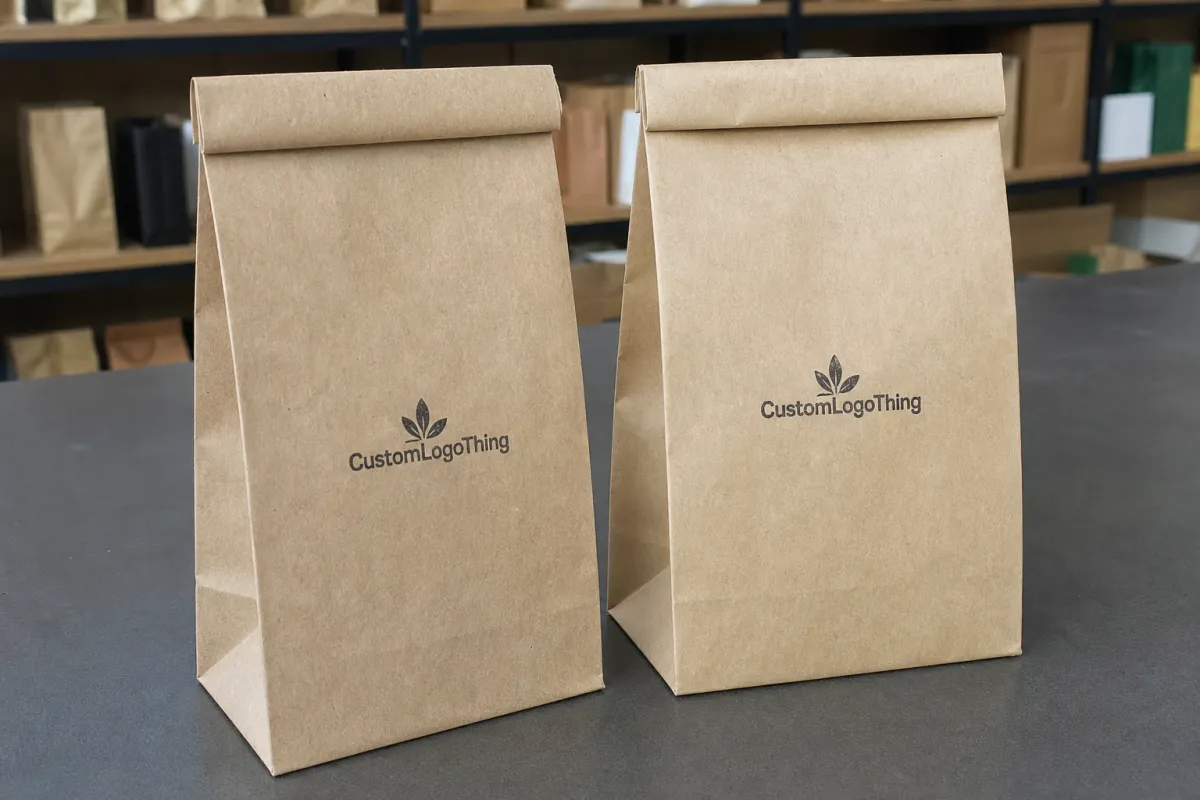
If you are comparing coffee matte laminated Paper Bags MOQ, start with the structure, not the sticker price. A matte finish can change how a coffee brand reads on shelf, how the print holds under retail lighting, and how much the bag costs once setup, tooling, and freight are added back in. A quote that looks attractive at first glance can turn expensive if the spec is too customized or the minimum order is too low for the production method.
Coffee packaging carries more weight than most buyers expect. It has to protect aroma, survive shipping, open cleanly, and still look good after handling in warehouses and stores. Matte Laminated Paper Bags sit in an interesting middle ground: they feel more elevated than plain paper, but they can still be built around practical features such as zippers, degassing valves, tear notches, and barrier liners.
The buying decision usually comes down to three things: what the bag is made from, how much customization the line really needs, and where the MOQ lands once all the finishing steps are counted. That mix determines whether the project is suitable for a small launch, a replenishment order, or a larger branded rollout.
Why coffee matte laminated paper bags win on shelf
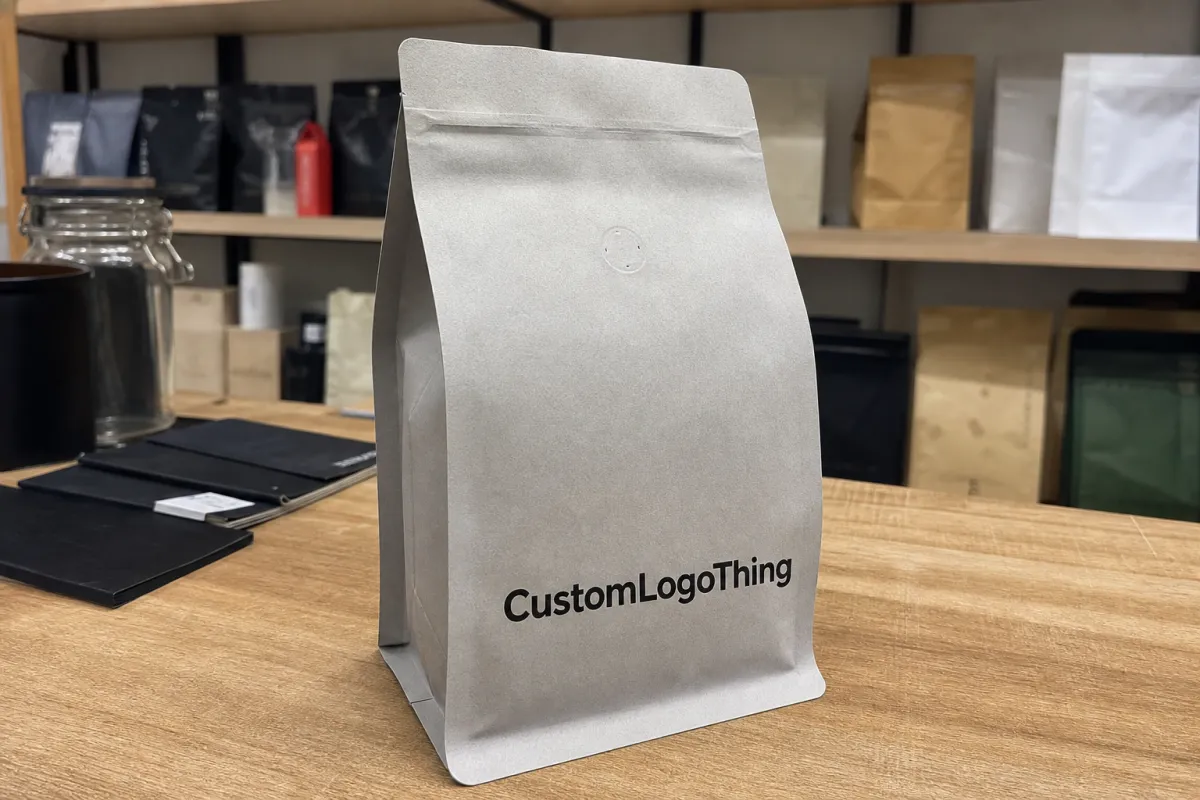
Matte works because it controls reflections. Under bright store lighting, glossy packaging can flash and flatten the artwork. Matte laminated paper, by contrast, gives the design a calmer surface so typography, roast names, and origin details remain readable from a distance. That is useful for coffee, where the pack often has to signal quality without leaning on bright visual noise.
There is a second advantage that buyers notice after the first production run: the surface tends to hide minor handling marks better than an untreated paper face. It will not prevent scuffs, but it can soften the look of fingerprints, rub marks, and small abrasions from carton movement or shelf rotation. For coffee bags that pass through several hands before they reach a consumer, that matters.
Matte also suits the category psychologically. Coffee brands often want to communicate craft, restraint, and traceable sourcing. A matte surface supports that story more naturally than high gloss. It makes the bag feel less promotional and more product-driven, which is useful for specialty roasts, gift packs, and subscription lines that need to justify a higher price point.
Consistency is another reason buyers choose it. A brand can carry one matte look across light roast, medium roast, dark roast, and seasonal blends without creating a visual mismatch. That makes the shelf block feel intentional. Retailers like that, and customers usually read that organization as a sign of maturity.
A good matte coffee bag should look composed, not flat. The print needs enough contrast to stay legible, and the finish has to stay even across folds, seams, and gussets.
Not every coffee should use the same visual treatment. A lively, fruit-forward roast might benefit from brighter accent colors, while a darker roast or origin-focused blend may look stronger with a quieter palette and more tactile finish. Matte laminated paper gives you room to move either way without making the pack feel cheap or overdesigned.
Paper stock, matte lamination, and bag construction
The outer paper face is the part people see first, but the construction beneath it does the real work. In practice, buyers are usually choosing among coated paper, kraft-faced paper, or a layered build that combines a print-friendly surface with an internal barrier. Coated stocks usually support crisper graphics. Kraft-facing brings a more natural tone that works well for origin stories, farm references, and small-batch branding.
Matte lamination is usually a thin film applied over the printed surface. Most suppliers use a film such as BOPP or PET, depending on the line and the required look. The main purpose is simple: reduce shine, protect the print, and improve resistance to scuffing during handling. It also helps stabilize the final appearance when batch conditions vary a little.
That said, lamination is not a cure for weak print control. If the colors are off, the artwork is poorly prepared, or the ink density is inconsistent, matte lamination will not hide the problem. It just creates a more controlled surface, which is why buyers should still ask for color references and proof approval before bulk production begins.
Construction matters just as much as the printed face. Coffee bags are commonly built as flat bottom bags, side gusset bags, or stand-up pouches with paper exteriors. Each format behaves differently. Flat bottom bags tend to stack neatly and stand well on shelf. Side gusset bags are efficient for bulk packing and often cost less at scale. Stand-up pouches can be better for smaller retail sizes, especially when the brand wants a cleaner front panel.
Useful features to confirm early include:
- Degassing valve for freshly roasted coffee that still releases carbon dioxide.
- Zipper closure for repeat opening and resealing after purchase.
- Tear notch for controlled opening without damaging the seal area.
- Reinforced seams near the top and bottom, especially for heavier fills.
- Internal barrier layer when aroma retention and oxygen resistance matter more than a paper-only appearance.
Freshness should be handled honestly. Paper is the visible layer, not the freshness barrier. If coffee is expected to retain aroma over a meaningful shelf life, the structure usually needs an inner film or liner that resists oxygen and helps control oil migration. The exact build depends on roast date strategy, expected storage time, and how far the product travels before sale.
If responsible sourcing is part of the brief, ask for documentation that matches the actual paper spec instead of relying on a marketing claim. FSC-aligned paper is one common reference point, and the certification language should be clear enough for procurement to verify. For teams that need a formal standard to compare against, the FSC site is a useful starting point.
Size, print, and barrier specifications to lock in
Bag size should be based on fill weight and bean density, not on habit. A 250 g bag and a 1 kg bag require very different footprints, seam allowances, and closure geometry. If the bag is too large, it can look underfilled and weak. If it is too tight, filling gets harder and seals become less reliable. A good spec balances appearance with machine behavior and shipping reality.
Print choices also have a bigger effect than many buyers expect. The number of colors, the amount of solid black, metallic accents, and the use of spot coatings all influence the final result. Matte surfaces usually soften highlights and reduce contrast a little, so a design that looks sharp on a screen may read more subdued once printed. That is not a flaw; it is part of the effect. It just means the artwork should be built with the finish in mind.
Barrier performance deserves its own conversation. Paper itself does not preserve freshness well enough for most coffee applications. If the product needs to keep aroma, limit oxygen transfer, or resist oil staining, the pack usually needs a dedicated barrier layer. The right setup depends on product life, expected storage conditions, and whether the coffee is roasted to order or stocked for longer distribution.
Before approving artwork, review these points carefully:
- Finished dimensions tied to fill weight and closure style.
- Bleed, safe area, and barcode placement on the dieline.
- Legibility of small text over dark or textured areas.
- Registration tolerance for metallic ink, foil, or spot varnish.
- How matte changes the look of dense black fields and fine lines.
Physical proofing is still the safest move when the artwork is sensitive. A matte surface changes how light behaves, which affects how the pack reads in hand and on shelf. Dark backgrounds, fine typography, and premium foil accents can all shift once they move from a monitor to the actual substrate. A press proof or high-quality digital proof can catch problems that are easy to miss on screen.
There is also a practical reason to simplify where possible. Every extra print step adds another chance for variation. If a brand can achieve its look with one strong structure, a controlled palette, and a restrained finish, the project usually stays easier to reorder and easier to inspect.
Coffee matte laminated paper bags MOQ, pricing, and order details
This is where the project usually gets real. Coffee matte laminated Paper Bags MOQ is not fixed by one factor; it is shaped by the bag structure, the number of colors, the closure system, and the amount of manual work required. A plain printed bag can often start at a lower minimum than a version with zipper, valve, insert, or complex window work. The lower quote is not always the better deal if the setup charges are high or the pack fails to meet the brand brief.
As a rough working range, simpler bulk orders may start around 3,000 to 5,000 pieces, while established replenishment runs often land between 8,000 and 15,000 pieces. Larger productions can exceed 20,000 pieces when the line is stable and the artwork is finalized. These are broad ranges, not promises. Small changes in material grade, print coverage, or finishing can move the threshold quickly.
| Order tier | Typical MOQ | Typical cost per piece | Best fit | Cost drivers |
|---|---|---|---|---|
| Trial run | 3,000-5,000 pcs | $0.32-$0.58 | New SKU testing or small retail launch | Higher setup charges, lower press efficiency |
| Core replenishment | 8,000-15,000 pcs | $0.20-$0.36 | Stable line with repeat orders | Better balance of tooling, labor, and volume |
| Large run | 20,000+ pcs | $0.15-$0.28 | Established brand or multi-SKU rollout | Lower unit cost, more capital tied up |
Those pricing bands are most useful when they are compared line by line. A dense four-color design with foil, a valve, and a zipper will not price the same way as a simple kraft-faced matte bag with fewer print steps. Freight can also shift the landed cost enough to change the answer, especially if the bags are shipped by air for a launch deadline.
A better way to compare suppliers is to request tiered pricing at two or three quantities. That reveals where the break point really sits. Sometimes the move from 5,000 to 10,000 pieces lowers the per-unit cost enough to justify a larger initial order. Sometimes it does not. The only reliable answer is a quote that separates material, printing, finishing, packaging, and transit.
If the project includes several roast levels, standardizing the bag size or closure can reduce cost and simplify inventory. Many coffee brands keep the same structure across the line and change only the artwork, color band, or roast name. That approach often improves the MOQ conversation because the supplier can run a more efficient production schedule.
It also reduces reorder friction later. Packaging that is easy to repeat tends to stay in stock. Packaging that is over-customized for a single launch often becomes expensive to replenish, even if the first run looked manageable.
Order process and lead time from proof to shipment
A clean order process saves time at every stage. The normal sequence is inquiry, specification review, artwork check, proof approval, sampling if needed, production, inspection, and shipment. If the brief is incomplete at the start, the delay usually shows up later in proofing or artwork correction rather than on the production floor.
Lead time depends on how ready the files are. Artwork that arrives on the correct dieline, with final copy, outlined fonts, and clear color references, moves faster than a file that still needs resizing or correction. For a standard matte laminated coffee bag, production may take around 12 to 20 business days after approval, assuming materials are available and the structure is not unusually complex. Custom finishes, special zippers, or revised artwork can extend that window.
Several checkpoints should be confirmed before the order moves forward:
- Sample or proof turnaround time.
- Plate, die, or tooling preparation window.
- Printing and lamination schedule.
- Final inspection and carton packing.
- Separate shipping time for the chosen freight method.
Production time and transit time should never be treated as one number. A bag can be finished on schedule and still arrive late if freight was underestimated. Ocean freight may be cheaper, but it stretches the calendar. Air freight moves faster, but it can erase margin quickly. The right choice depends on launch timing, reorder urgency, and how much inventory the brand can carry.
Urgent orders are possible, but only if the conditions are stable. Standard construction, final artwork, and readily available materials make the schedule more predictable. If a project still needs a special paper face, custom valve, or new zipper spec, the schedule becomes much less forgiving. A realistic lead time is usually better than a rushed one that causes quality problems later.
For packing and transit handling, many teams use ISTA test language as a common reference for drop, vibration, and compression concerns. It is not a substitute for good supplier control, but it helps buyer and vendor speak the same language before bulk packing begins. The ISTA standards are useful when shipping damage is a real concern, especially for heavier coffee formats.
Supplier checks that protect finish, color, and consistency
Matte packaging is more sensitive than it looks. Small shifts in coating thickness, lamination pressure, drying time, or print density can change the appearance of the bag. A proof that looks clean can still drift in production if the supplier does not control those variables tightly. For coffee packaging, that kind of drift is noticeable because customers often compare different roast labels side by side.
Color matching is the first thing to verify. Ask how repeat orders are handled, what tolerance is allowed for shade variation, and whether the supplier keeps reference samples on file. If the brand family includes multiple SKUs, consistency matters across the entire line, not just on one hero product.
Finish uniformity deserves the same attention. The matte surface should look even across the panel, with no blotchy sheen, rub marks, or drag lines around folds and seams. If the supplier reviews the construction with you before tooling starts, that is usually a positive sign. It suggests they are thinking through manufacturing limits instead of just pricing the purchase order.
Good suppliers flag weak points early. They do not only confirm the artwork; they check the closure, seam load, print sequence, and material stack before production starts.
Documentation matters more than many teams expect. Written specs, approved proofs, sample references, and tolerance notes reduce disputes after delivery. If a buyer has to explain the same detail several times, the order is already exposed to risk. A clear paper trail makes reorder planning much easier and helps protect consistency from batch to batch.
For claims related to sustainability or responsible sourcing, the material spec should support the language on the pack. A vague environmental claim is not enough. Ask what paper grade is being used, whether any barrier layer is recyclable in practice, and how the supplier documents the chain of custody. Those answers are more useful than broad marketing language.
What to send for a fast quote and sample plan
The fastest quote comes from the clearest brief. At minimum, send the bag size, fill weight, target quantity, print colors, finish preference, closure style, and delivery destination. Those seven items give the supplier enough information to estimate material usage, production complexity, and freight assumptions without a long round of back-and-forth.
If you already have a dieline, include it. If you have a reference bag, include that too. Visual references reduce guesswork and help the supplier understand whether the target is soft matte retail presentation, a gift-ready premium finish, or a more natural kraft-facing appearance. That can save days of revision.
When there is room to compare options, ask for two quote paths:
- Path one: the lowest practical unit cost for launch or trial.
- Path two: the version that best matches the intended shelf position.
That comparison is usually enough to expose the cost of the finish, the closure, and any extra print work. It also makes the trade-offs visible. A brand may decide that a simpler first run is smart for testing, or it may decide that the packaging has to look fully developed from the start. Either answer is better when the numbers are visible.
If the rollout includes several roasts, ask how much of the spec can stay constant across the line. Shared dimensions, shared closures, and shared print methods can reduce production friction and improve order predictability. That is especially useful for growing coffee brands that need one packaging system to handle multiple SKUs without creating inventory chaos.
The cleanest path is usually straightforward: confirm the spec, request a sample or proof, compare MOQ options, and choose the structure that fits both launch timing and margin. Once the numbers, finish, and lead time align, coffee matte laminated paper bags moq planning becomes a purchasing decision rather than a guessing exercise.
What is the usual MOQ for coffee matte laminated paper bags?
MOQ depends on bag size, print complexity, and whether the pack includes extras such as a zipper, valve, or window. Simpler builds usually support lower minimums than highly customized ones. The most useful comparison is a tiered quote that shows how unit cost changes at different quantities.
Can matte laminated coffee paper bags include a valve or zipper?
Yes. Both features are common, but they need to be built into the structure from the start so the seal area stays dependable. A valve or zipper usually adds tooling, assembly steps, and some cost per piece.
How do I choose the right paper thickness for coffee bags?
Start with fill weight, bean density, and how the bags will be packed and shipped. Larger or heavier packs generally need stronger paper and better seam support. If freshness is critical, ask whether the build also needs an internal barrier layer.
How long does production take after artwork approval?
Many standard orders finish production in roughly 12 to 20 business days after approval, but custom structures or special finishes can take longer. Shipping time should always be counted separately from manufacturing time.
What affects the quote for matte laminated coffee bags the most?
Size, print coverage, closure style, paper grade, and MOQ are the biggest drivers. Freight, packaging method, foil, valves, zippers, and custom inserts can also move the price, so a full quote is the only fair comparison.