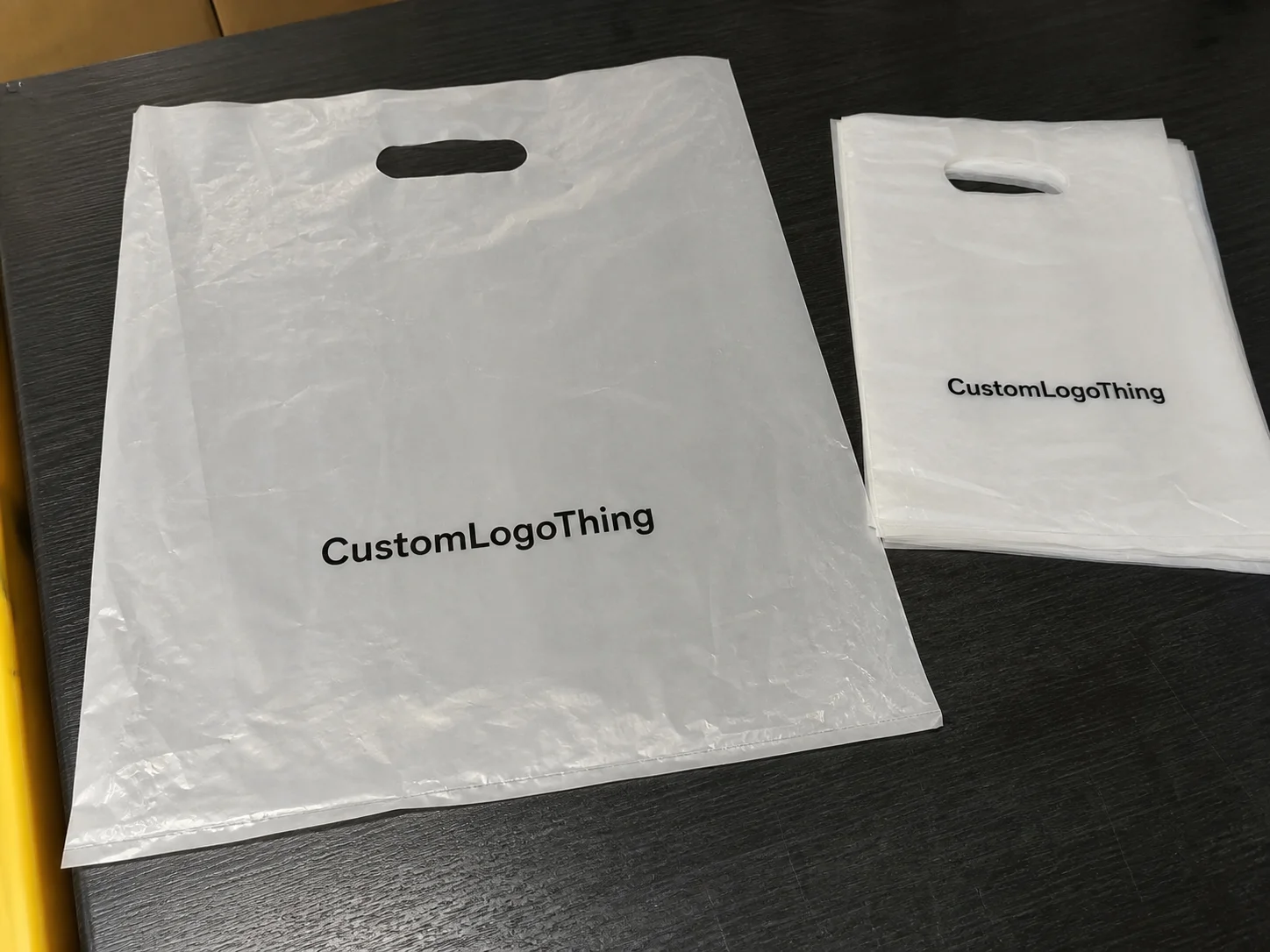
Buyer Fit Snapshot
| Best fit | mailing bags affordable for packaging buyers comparing material specs, print proof, MOQ, unit cost, freight, and repeat-order risk where brand print, material, artwork control, and repeat-order consistency matter. |
|---|---|
| Quote inputs | Share finished size, material target, print colors, finish, packing count, annual reorder estimate, and delivery region. |
| Proofing check | Approve dieline scale, logo placement, barcode or warning zones, color tolerance, and any recyclable or compostable wording before bulk production. |
| Main risk | Vague material claims, crowded artwork, or missing packing details can create delays even when the unit price looks attractive. |
Fast answer: Mailing Bags Affordable: Bulk Poly Mailers That Perform should be specified like a repeatable production item. The safest quote includes material, print method, finish, artwork proof, carton packing, and reorder notes in one written spec.
What to confirm before approving the packaging proof
Check the product dimensions against the actual filled item, not only the sales mockup. Ask for tolerance on folds, seals, hang holes, label areas, and retail display edges. If the package carries a logo, QR code, warning copy, or legal claim, reserve that space before decorative graphics fill the panel.
How to compare quotes without losing quality
Compare board or film grade, print process, finish, sampling route, tooling charges, carton quantity, and freight assumptions side by side. A lower quote is only useful if the supplier can repeat the same color, closure quality, and packing count on the next order.
On a humid Tuesday morning in a Shenzhen packing facility, I watched a pallet of low-cost mailers split open at the bottom seam after a short transit test, and the reason was plain as day: film that was too thin, a seal that didn’t hold, and a bag size that left too much empty movement inside the carton. That kind of failure is exactly why buyers searching for mailing bags affordable need more than a low quote; they need a spec that protects the product, the brand, and the margin.
I’ve spent more than 20 years around extrusion lines, print rooms, and cartoning bays, and honestly, the best-value mailers are rarely the cheapest-looking ones. The right mailing bags affordable package is usually the result of controlled resin selection, stable sealing temperatures, and a printing setup that avoids waste while still delivering a clean presentation. If the bag is made properly, you should feel it in the hand, see it in the seal, and notice it again when the cartons arrive on time with far less spoilage.
For brands shipping apparel, accessories, cosmetics, sample kits, and other non-fragile items, poly mailers are often the smartest fit because they are light, moisture resistant, and simple to customize. They also keep shipping weight down, which matters when your carrier rates are calculated by grams as well as dimensions. In my experience, the buyers who get the best results with mailing bags affordable are the ones who treat packaging as a working part of fulfillment, not just an afterthought.
There’s a reason the same packaging specs keep coming up in factory conversations: once the bag is too loose, too thin, or too glossy for the product, the savings start leaking out through damage, returns, and wasted freight. I’ve seen that happen more than once, and it’s a pretty frustrating lesson for a new brand that thought it was being clever.
Why Affordable Mailing Bags Don’t Have to Mean Cheap Quality
Lower cost does not automatically mean lower performance. Mailing bags affordable can be built with efficient material usage, clean extrusion, and consistent sealing controls that keep the bag economical without stripping away the strength you need for real-world shipping.
I remember a client meeting with a fashion brand in the Pearl River Delta where the buyer wanted to slash packaging cost by switching to a thinner film without changing the bag dimensions. We ran the numbers, tested a few sample lots, and the thinner option looked fine on paper until we simulated rough handling and corner abrasion. The final choice was a slightly more controlled spec, and the result was fewer damaged returns, fewer complaints, and a lower total shipping cost per order. That is the difference between cheap and truly mailing bags affordable.
The value is in the production discipline. Consistent extrusion keeps thickness stable across the roll, sealing temperature stays within range, and print registration stays aligned so you do not waste material on rejects. I’ve seen a five percent drop in scrap make a larger difference to landed cost than shaving a few cents off the unit price. That is why I always tell buyers to look at mailing bags affordable as a combination of product performance, production efficiency, and freight efficiency.
For many ecommerce sellers, the right choice is a plain or lightly printed poly mailer that protects the contents from moisture and dust while still presenting the brand well. If your item is flat, soft, or already boxed, you do not need an overbuilt package. You need a mailer that fits properly, seals correctly, and survives the trip. That is the practical path to mailing bags affordable.
“The cheapest bag is the one that doesn’t come back as a claim.” That is something an operations manager told me after we fixed a return issue on a 30,000-unit apparel run, and he was right.
Mailing Bags Affordable: Poly Mailer Product Details, Materials, Construction, and Use Cases
Most poly mailers are made from co-extruded polyethylene, virgin LDPE, or a recycled-content film depending on the performance target and brand requirement. Co-extruded film is popular because the outside layer can be printed well while the inside layer gives a smoother seal and a cleaner hand feel. Virgin LDPE usually gives very predictable sealing and excellent clarity or opacity control, while recycled-content film can help with sustainability targets when the design and supply chain are handled carefully.
For mailing bags affordable, the material choice should match the shipped item. A basic garment brand might use a 50 to 60 micron range for a standard apparel mailer, while a heavier item or a sharp-edged accessory may justify a thicker build. Bubble-lined or padded versions are also available, and I’ve seen them perform well for cosmetics, small electronics accessories, and document packs that need a bit more cushioning without moving to a box.
Common construction features Matter More Than many buyers realize. A good mailer usually includes a self-seal adhesive strip, an opaque outer layer for privacy, a smooth inner finish for easy loading, and tear resistance That Holds Up to conveyor handling. The adhesive strip should close firmly and stay closed through normal temperature swings in storage and transit. If the seal is weak, the bag may look fine in the warehouse and fail three days later in a carrier network.
Use cases are broad. I’ve supplied poly mailers for fashion brands shipping folded tees and denim, beauty companies sending subscription kits, and DTC sellers moving accessory bundles with insert cards and small sample items. For document mail inserts, the slimmer profile keeps freight cost lower, and for subscription boxes, the branding opportunity is often enough to justify a custom print. That flexibility is one reason mailing bags affordable remain a staple in fulfillment centers.
Print options also shape perception. A one-color logo can look sharp on a matte white or black mailer, while a full-coverage design on a gloss finish can create a stronger retail impression. I’ve negotiated more than one print run where the buyer wanted a complicated multicolor design, but after reviewing plate costs, ink coverage, and setup time, a cleaner two-color layout delivered nearly the same brand impact at a better price. For many projects, mailing bags affordable means making smart design choices, not cutting corners.
Size selection is another place where money gets wasted. A bag that is too large uses more film, takes up more carton space, and can make the product slide during transit. Too small, and you risk seal stress or wrinkling that hurts presentation. Flat garments, folded inserts, sample kits, and bundled sets all need different dimensions, and the most mailing bags affordable option is usually the one that fits the item with just enough room for clean loading.
Specifications That Affect Performance and Price
If you want mailing bags affordable without trouble later, start with the specifications that actually drive performance. The big ones are film thickness, bag dimensions, adhesive strength, opacity, tear resistance, and print coverage. Those six factors determine whether a mailer survives carrier handling, presents the brand properly, and lands within budget.
Thickness is usually measured in microns or mils depending on the market. A thicker film can improve puncture resistance and give a better feel in the hand, but over-specifying adds cost quickly. I’ve seen buyers insist on a heavy spec for lightweight apparel, then wonder why their landed cost jumped by double digits. In many cases, a mid-range thickness is the smarter path for mailing bags affordable, because it balances strength and cost without loading on unnecessary material.
Closure style matters too. A permanent seal works well for direct-to-consumer shipping, while tamper-evident closures add confidence for branded shipments. Some businesses need reseal-friendly designs for returns-heavy categories, especially in fashion and accessories. If you process a lot of exchanges, that detail can matter more than an extra layer of print. The best mailing bags affordable spec is the one that matches the real workflow, not the fanciest catalog option.
Dimensional tolerance is another detail that can make or break fulfillment consistency. Automated Packing Lines and high-volume manual stations both depend on bags that stay within tight size limits. When tolerance drifts, the bag may jam, overhang the carton, or fail to close properly. In one warehouse audit I attended, a size variation of just a few millimeters was enough to create a steady stream of rework at the sealing station. Tight tolerances help keep mailing bags affordable by reducing waste and labor interruption.
There are also sustainability-related specifications worth considering, such as recycled content, downgauged film, or right-sized designs that reduce material consumption. These choices should be made carefully because not every recycled-content film performs the same way. I’ve seen excellent results from properly sourced recycled blends, and I’ve also seen inconsistent batches that created sealing headaches. That is why I prefer a measured approach to mailing bags affordable: reduce material where it makes sense, but never at the expense of seal integrity or transit reliability.
Quality control is where a good supplier earns trust. Production teams should be checking seal strength, print alignment, film consistency, and sample pulls before the shipment is boxed. Reputable factories will also review the artwork against the die line and run sample fit tests for key sizes. If a supplier cannot explain their QC routine in plain language, that is a warning sign. Good mailing bags affordable sourcing always includes a repeatable inspection method.
For broader packaging context, I often recommend buyers review industry resources from the Flexible Packaging Association and transport testing guidance from ISTA. Those organizations help buyers understand why materials and transit testing matter so much when a package is moving through a carrier network.
Pricing, MOQ, and What Actually Drives the Cost
Pricing for mailing bags affordable usually comes down to a handful of very specific drivers: bag size, material thickness, print complexity, number of colors, finish, and order volume. When a buyer asks for a quote without those details, the response is only a rough estimate, because the factory still has to guess at resin usage, plate setup, and production time. The more precise the spec, the tighter the quote.
Higher quantities almost always lower the unit price because setup, labor, and preparation costs are spread over more units. That sounds basic, but I’ve watched plenty of procurement teams focus only on the lowest per-unit number and ignore the total spend at different break points. A run of 5,000 pieces may cost more per bag than 20,000, yet it can still be the smarter choice if you are testing a new SKU or a seasonal launch. The key is knowing the actual volume, not just hoping for mailing bags affordable by default.
MOQ expectations vary. Stock plain bags are often available in lower quantities, while fully Custom Printed Mailers usually need a larger run to absorb setup and plate costs. If you want a custom layout with multiple colors and a special finish, the MOQ will likely be higher than for a single-color logo on a standard size. That is normal. It is also why buyers should compare more than one production scenario when hunting for mailing bags affordable.
There are hidden cost items worth asking about before approving a quote. Carton packing style, freight mode, tooling or plate charges, sample fees, and destination duties can all change the final landed cost. I once saw a buyer pick the lower unit price from one supplier, only to discover the freight carton count was much higher and the packing format added unexpected export charges. The “cheaper” quote was not cheaper at all. Good mailing bags affordable buying means comparing the same bag size, same thickness, same print method, and same shipping terms side by side.
That is why I always tell brands to think in terms of landed cost, not just unit price. A mailer that saves two cents but increases damage rates or raises freight consumption is not really economical. Conversely, a slightly better-built bag that reduces returns and warehouse rework can lower total spend. If your business ships daily, those differences stack up quickly. This is the real meaning of mailing bags affordable.
Order Process and Production Timeline
The order process should be straightforward, and for mailing bags affordable projects it usually follows a stable sequence: quote request, spec confirmation, artwork review, sample approval, production, packing, and shipping. If any step is rushed, mistakes tend to show up later in the line, often right when the freight is already booked. That is why I like to keep the process disciplined, even when a client is in a hurry.
The fastest quotes come from complete information. I need size, thickness, quantity, print colors, shipping destination, and the item being packed. If the product is a folded hoodie, a beauty sample bundle, or a document insert set, that context helps Choose the Right bag dimensions. A clear brief is one of the easiest ways to keep mailing bags affordable because it cuts back-and-forth and reduces spec changes.
Proofing matters. Digital mockups are useful for layout and color placement, but physical samples are better when you need to verify fit, closure strength, or the feel of the print finish. I’ve approved projects where the artwork looked perfect on screen yet needed a small adjustment because the logo sat too close to the seal line. For custom runs, I strongly recommend a sample review before production starts. It is one of the simplest protections for mailing bags affordable purchasing.
Lead time depends on whether the order is stock or custom printed. Plain stock items can move faster because they do not require the same setup. Custom printed runs need artwork approval, plate preparation, production scheduling, and final inspection. In practical terms, buyers should plan ahead, especially around peak shipping seasons or product launches. If you need a specific delivery window, say so early. That is how you keep mailing bags affordable and avoid rush fees.
Production itself follows familiar checkpoints: material extrusion, printing, slitting, sealing, and final inspection before cartonization. Each step affects consistency. A stable extrusion run gives better thickness control, a clean print room keeps logos aligned, and a disciplined sealing station reduces weak seams. I’ve walked enough factory floors to know that the best price rarely comes from the messiest operation. Reliable process control is part of what makes mailing bags affordable over the long term.
Why Choose Custom Logo Things for Affordable Mailing Bags
Custom Logo Things is a practical manufacturing partner for brands that want mailing bags affordable without losing sight of performance. The strength of working with a direct supplier is simple: clearer communication, tighter spec control, and fewer markups between you and the factory floor. That matters when you are trying to keep packaging cost under control while still getting a mailer that looks professional.
I’ve seen too many buyers get caught between sales promises and production reality. A supplier may talk beautifully, but if the actual film width, seal line, and print setup are not managed properly, the job becomes expensive fast. What makes Custom Logo Things a better fit is the focus on real production details: size selection, artwork preparation, print setup, and practical planning for your launch timeline. That is how you keep mailing bags affordable while avoiding costly mistakes.
We work with custom Printed Poly Mailers across apparel, retail, and DTC fulfillment, and the priority is always the same: durability where it counts, brand presentation where customers see it, and sensible pricing based on real manufacturing inputs. A well-run project does not need extra drama. It needs a clean specification, a clear proofing step, and a factory that knows how to deliver repeatable quality. That is the foundation of mailing bags affordable solutions that brands can reOrder with Confidence.
There is also value in flexible order structures. Some businesses only need a simple unprinted mailer for internal shipping. Others want a fully branded run with a custom logo and specific finish. A good partner can support both. In my experience, the best supplier relationship is the one That Helps You scale from a small test order into a stable repeat program without changing your packaging strategy every quarter. That is how mailing bags affordable becomes sustainable, not temporary.
For buyers who want to see product options, the Custom Poly Mailers page is a useful starting point because it shows the range of build types and print possibilities. If sustainability is part of your brief, the FSC resource center is also helpful for understanding responsible material sourcing where paper components are involved in the broader packaging mix.
How to Choose the Right Mailing Bags and Place Your Order
If you want mailing bags affordable and effective, start by identifying the product type. Is it a flat garment, a sample kit, a cosmetic pouch, or a boxed accessory? Once that is clear, confirm the bag size, choose the material thickness, and decide whether the mailer needs print. That simple sequence prevents most overspec errors I see in the field.
Requesting a quote with exact specs is the fastest way to get a realistic number. If you send dimensions, thickness target, quantity, artwork, and destination, the supplier can quote the actual job rather than a vague placeholder. This is one of the easiest ways to make mailing bags affordable because precision reduces surprises.
Order samples if the item is delicate, if the package will move through automated packing, or if the unboxing experience matters a lot to your brand. A sample may cost a little upfront, but it can save you from a larger mistake later. I’ve seen sample approval catch everything from adhesive issues to logo placement problems. That is real money saved on mailing bags affordable sourcing.
Before approving the final order, compare total landed cost, lead time, and performance specs. Do not choose based on price alone. A slightly stronger mailer with more consistent sizing may reduce damage and labor later, which is exactly what you want in a packaging program that runs week after week. The fastest way to get mailing bags affordable is to match the bag to the product instead of overspecifying the packaging.
Gather your dimensions, estimate monthly volume, prepare artwork, and send a spec sheet for a tailored quote. If you do that, you will usually get a much cleaner price, a more accurate lead time, and a package that performs well in transit. That is the practical route to mailing bags affordable without sacrificing the customer experience.
For general packaging principles and transit performance standards, the EPA recycling and materials guidance is also a useful reference when you are balancing cost, material choice, and sustainability goals.
Conclusion: mailing bags affordable is not about picking the lowest number on a quote sheet. It is about choosing the right film thickness, the right size, the right print method, and the right supplier discipline so the bag protects your product and supports your brand at a cost that makes sense. If you want mailing bags affordable in bulk, align the spec to the shipment, keep the process tight, and buy with total landed cost in mind. The clearest next step is to build a simple spec sheet first: product type, dimensions, thickness, print count, and monthly volume. Once those five details are set, the right bag gets a lot easier to source.
FAQs
Are mailing bags affordable for small businesses ordering custom poly mailers?
Yes, small businesses can keep costs manageable by choosing standard sizes, simpler print layouts, and realistic order quantities. Plain or one-color printed mailers are usually the most economical starting point, and using the right size helps prevent waste and lowers shipping cost per order.
What thickness should I choose for mailing bags affordable but durable?
For many apparel and lightweight retail items, a mid-range film thickness is enough to balance cost and protection. Heavier or sharper products may need a thicker spec to reduce punctures and seam stress. The best choice depends on product weight, shape, and whether the item is packed with inserts or boxes.
How does MOQ affect the price of affordable mailing bags?
Higher quantities usually lower the unit price because production setup costs are spread across more bags. Lower MOQs are often available, but the per-unit cost may be higher. Ask for pricing at multiple volumes so you can compare savings at each break point.
Can I get printed mailing bags affordable without sacrificing brand quality?
Yes, one- or two-color printing on a well-made poly mailer can look sharp and stay cost-effective. Using clean artwork, efficient ink coverage, and a sensible finish helps control price. A strong material and accurate print registration matter more than expensive decoration on many ecommerce orders.
How long does it take to produce custom mailing bags affordable in bulk?
Lead time depends on whether you need stock or custom printed bags, plus sample approval and freight method. Plain stock orders can move faster than fully custom projects. Submitting complete specs and artwork early is the best way to avoid delays.