Personalized Food Boxes Buyers Should Order with Confidence
Personalized food boxes do more than hold product. They influence shelf impact, shipping damage, packing speed, and how much material ends up being wasted because the carton was sized poorly. A box can be plain and still do the job well. A box can also look expensive and fail the minute it gets stacked, chilled, or tossed into a shipping lane that was never part of the mockup.
The buyer’s job is not to chase decoration. It is to get a box that fits the product, supports the brand, and survives the real route from line to customer. That means looking past the artwork first. Dimensions, board grade, coating, closure style, and production tolerances matter more than a polished render. If those are wrong, the box becomes a cost center fast.
What Personalized Food Boxes Actually Change
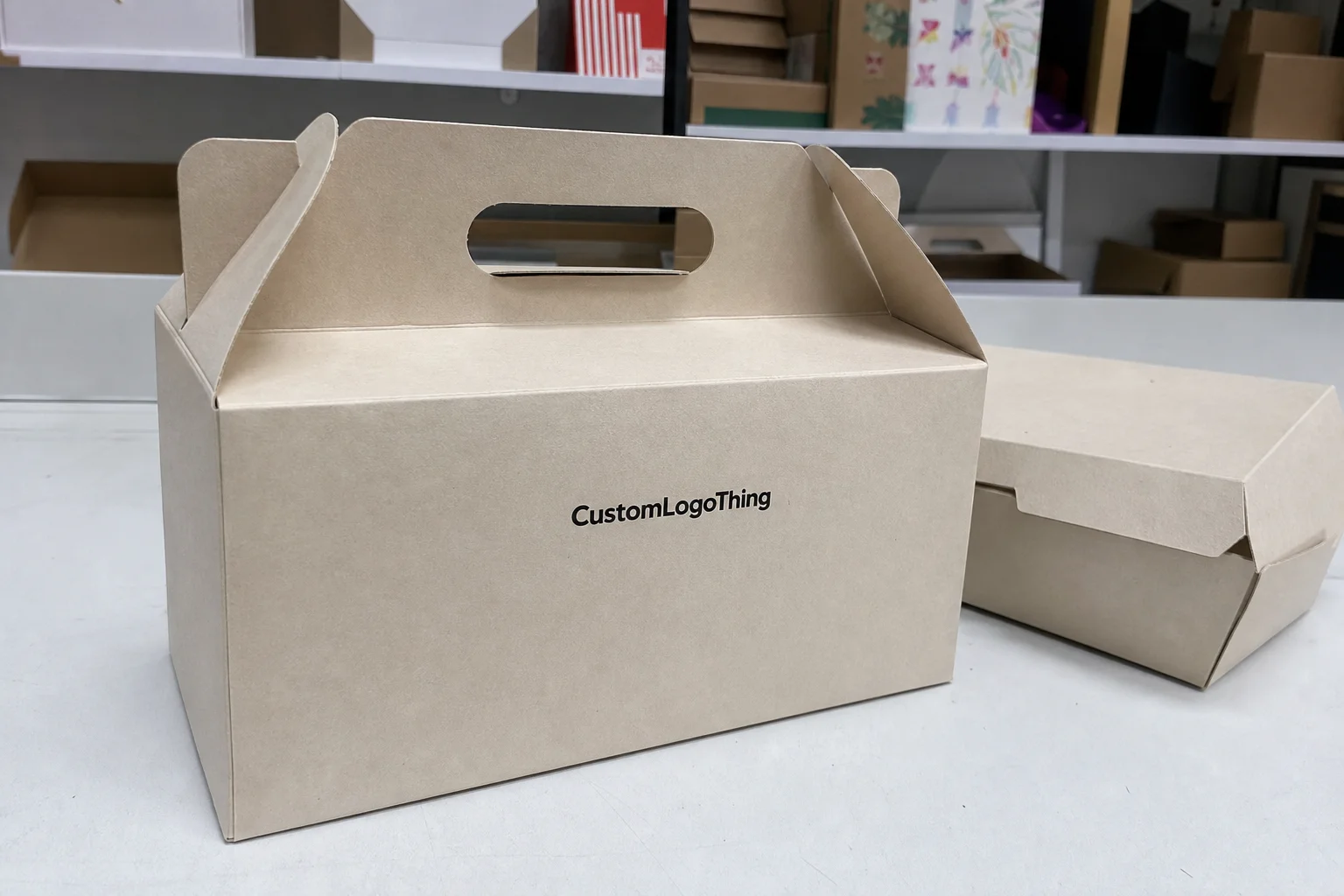
Two boxes can hold the same cookie bar, sandwich, snack mix, or bakery item and still perform very differently. One rattles, scuffs, and wastes space. The other fits tightly, stacks cleanly, and keeps the product looking like it belongs on a shelf instead of a clearance table. That difference is the real value of personalized food boxes.
Personalization is bigger than logo placement. It includes size, board thickness, print method, coating, insert design, window placement, and how the carton opens and closes. A sleeve box, a tuck-end carton, and a tray-and-lid setup all behave differently in production and in use. If the product is shifting inside the package, the issue is structural. If the print looks flat or muddy, the issue is usually the artwork setup, ink system, or finish.
The practical gains are easy to measure. Better fit means less movement in transit. Less empty space means less filler and lower shipping waste. A cleaner opening experience helps the product feel more intentional. Packaging that is easier to assemble also reduces friction on the line, which matters more than most buyers expect. A beautiful box that slows packing is not a win. It is a problem wearing a nice finish.
A food box should protect the product, support the brand, and not make the fulfillment team curse your SKU.
That is the real job of personalized packaging. It is not decoration. It is an operational decision with branding attached.
How Custom Food Box Personalization Works
The process starts with the product, not the artwork. Buyers need finished dimensions, fill weight, and the actual form of the packed item. A frozen item, a greasy baked good, a dry snack, and a shelf-stable meal all bring different requirements. Rough guesses create bad quotes and worse samples. Measure the packed product, not just the naked item.
Next comes the box style. Folding cartons are common for lighter retail items. Window boxes help when visibility matters. Sleeves add presentation without fully hiding the inner pack. Tray-and-lid boxes work well when the product needs a more rigid structure. If the product needs an insert, cutout, seal, or reinforced base, the structure should be designed for that from the start rather than patched together later.
After that, the supplier builds or confirms the dieline. That flat layout controls folds, tabs, glue areas, safe zones, and bleed. It is where many jobs go wrong. A layout that looks fine on screen can fail once the carton is folded and glued. Barcode placement, copy blocks, and edge spacing all need to be checked against the actual structure. If artwork changes after dieline approval, the supplier usually has to recheck the whole package, not just the logo panel.
Print and finish come next. CMYK is usually the most cost-effective route for full-color packaging. Spot colors matter when brand consistency matters more than photographic detail. Matte coatings soften the look. Gloss coatings sharpen contrast. Soft-touch can feel premium, but it also adds cost and may show wear differently depending on handling and storage. If the product is greasy, chilled, or likely to be handled repeatedly, ask about grease resistance, barrier coatings, or board performance instead of assuming every coated carton behaves the same way.
Food use also deserves a direct check. Not every Box That Sells food is built for food contact, and not every ink or coating is appropriate for every application. If the packaging will touch the product or be used in a way that requires compliance documentation, ask for it in writing. The words “food box” are not a blanket guarantee.
For buyers comparing formats, [Custom Packaging Products](/products.php) is a useful place to review structure options before artwork gets too far ahead of production reality.
Practical note: if the art team is still revising copy after dieline approval, expect the schedule to move. Every late change needs another check on folds, panel spacing, barcode placement, and safe zones.
Cost, Pricing, and MOQ: What Drives the Quote
Pricing usually comes down to material, structure, print coverage, finish, and quantity. That is the simple version, and it is mostly accurate. A full-color carton on standard board with a basic finish will cost less than a thicker box with die-cut windows, inserts, specialty coatings, or heavier assembly work. The box is not expensive because the supplier feels dramatic. It is expensive because the production steps are different.
MOQ changes the math. Setup cost gets spread across the run, so a small order carries more overhead per unit than a larger one. A 500-piece order can make sense for a launch, a seasonal item, or a packaging test. It is usually not the best way to buy if the SKU is already stable and forecastable. Buyers often compare a low-volume quote against a high-volume quote and act surprised when the unit price looks different. Of course it does. The overhead has nowhere to go.
Useful pricing bands for personalized food boxes usually fall somewhere in these ranges:
- Simple folding carton: about $0.18-$0.35 per unit at around 5,000 pieces.
- Window or insert box: about $0.28-$0.62 per unit at mid-volume.
- Premium or specialty build: about $0.65-$1.50+ per unit when the structure or finish is more demanding.
Those are sanity-check numbers, not quotes. If a supplier is far outside them, ask what changed. Heavier board, more print coverage, specialty coating, custom tooling, assembly, or freight can all move the price. A useful quote should show what is included. Without that, comparison shopping turns into guesswork with spreadsheets.
| Option | Typical MOQ | Unit Price Range | Lead Time | Best Fit |
|---|---|---|---|---|
| Stock-size printed carton | 1,000-3,000 | $0.18-$0.32 | 10-15 business days | Simple launches, tight budgets |
| Semi-custom box with window or insert | 2,000-5,000 | $0.28-$0.62 | 12-20 business days | Retail shelves, moderate branding needs |
| Fully custom structure with premium finish | 5,000+ | $0.65-$1.50+ | 18-30 business days | Higher-value products, stronger brand presentation |
If the packaging is still being developed, a pilot run is usually smarter than committing to a large order too early. That is especially true when the design includes windows, inserts, or specialty coatings. Those features often look straightforward in a render and behave differently in real production.
Production Process and Lead Time: From Proof to Shipment
The production sequence is usually quote, dieline confirmation, artwork proof, sample or prepress check, mass production, and shipment. Simple on paper. Less tidy in practice. Every delay upstream becomes a delay downstream, and packaging work does not forgive missing information. The cleanest jobs are the ones where the buyer sends the finished dimensions, final copy, and print-ready files before the supplier has to start chasing them.
Artwork errors are the most common source of delay. Missing bleed, wrong color mode, tiny text too close to folds, and logos sitting on trim lines all create back-and-forth. Structural changes are worse. If the box size changes after proof approval, the dieline, layout, and packing fit all need to be checked again. That is not a minor tweak. It is a reset.
Realistic lead times usually look like this:
- Standard printed cartons: about 10-15 business days after proof approval.
- Custom structures or specialty finishes: about 15-25 business days.
- Jobs with new tooling, sampling, or material sourcing: 20-30 business days or more.
Seasonality can stretch every one of those windows. Holiday demand, product launches, and trade-show timing create bottlenecks fast. If the delivery date matters, say it early. A supplier can usually work around a fixed deadline if the scope is clear. What causes pain is surprise. Surprise always costs more.
If the cartons will move through parcel shipping or mixed freight, testing should reflect that route instead of a gentle bench test. A useful reference is the ISTA test framework, which is built around real shipping stresses rather than wishful thinking.
The Specs That Matter Most Before You Order
The core specs are product dimensions, fill weight, stackability, board strength, and environmental exposure. If the packaging has to survive cold storage, grease, humidity, or repeated handling, those conditions belong in the spec sheet from the start. A box that looks good on a counter but collapses on a delivery route is still a bad box. Appearance does not cancel physics.
There are visual specs and functional specs. Buyers tend to focus on the visual side because it is easier to judge from a proof. That is understandable. It is also incomplete. Board caliper, closure style, glue area, fold accuracy, and load distribution decide whether the carton performs. If the product is heavy for its footprint, the base and side walls need enough structure to resist bowing. If the product is fragile, the insert or tray matters as much as the print.
Window placement is worth a careful look. A window can help sell the product by showing what is inside, but it also reduces board area and can affect stacking strength. Ventilation may be useful for warm baked goods or items that need to breathe. Sealed packaging is better when moisture control matters. The same goes for closures. A tuck-end carton works for some items. A lock-bottom or tray-style box makes more sense for others.
Ask for material documentation when it matters. FSC-certified paper can support sourcing claims, and buyers should be clear on whether a supplier is offering certified board or just describing something as recyclable. Those are not the same claim. For that part of the spec, [FSC](https://fsc.org/) is the cleanest source for understanding what certification actually means.
One mistake I see often: the spec sheet grows until the box is trying to do everything. Keep the requirements tied to the product, the brand, and the shipping method. If a feature does not improve one of those three, it probably belongs in the “maybe later” pile.
Common Mistakes That Create Waste or Reprints
The fastest way to waste money is to size the box by eye. Photos are not dimensions. Finished packaging should be based on the packed product, including any inner pouch, wrap, tray, or insert. If the contents shift when the carton is shaken, the fit is wrong. That problem does not fix itself during production.
Approving artwork before checking the dieline is another expensive habit. Bleed, safe zones, glue tabs, and barcode placement all matter. A logo can look fine in the mockup and still land on a fold line once the carton is built. Regulatory copy and ingredient blocks are even less forgiving. Tiny spacing errors become reprints very quickly.
Over-specifying is its own trap. Some teams add soft-touch coating, foil, spot varnish, embossing, a window, and heavier board, then ask why the quote jumped. Every feature adds cost. Not every feature adds value. If the product has low margin, a restrained build is often the better move. Put the money where it changes how the product sells or ships.
Ordering at the wrong time creates avoidable waste too. Order too early and the branding or product formulation may change before the run is used. Order too late and you end up paying rush fees or moving freight by air because the launch date cannot move. A realistic forecast solves more problems than most teams want to admit. If repeat orders are likely, build that into the packaging plan now instead of treating the first batch like a one-off.
When comparing suppliers, ask the same questions every time: What board are you using? What is the real MOQ? What does the price include? What changes after proof approval? If those answers are vague, the quote is not ready for a decision.
Expert Tips and Next Steps for a Cleaner First Order
Start small if the design is new. A pilot run of 250-500 pieces can expose fit issues, print shifts, and assembly problems before they become expensive. That is especially useful for personalized food Boxes with Windows, inserts, or premium finishes. A sample sitting on a desk is not proof that the box works. A carton that runs cleanly on a packing line is the real test.
When you Request a Quote, send the finished product dimensions, target quantity, print colors, finish choice, closure style, and delivery deadline. Include artwork or a dieline if you already have it. The more specific the brief, the less guessing everyone does. A request for “standard food boxes” usually produces a placeholder answer, not a useful one.
A simple decision filter helps keep the order grounded:
- Does the box fit the packed product with enough tolerance for real assembly?
- Does the structure match the shipping method and storage conditions?
- Does the finish improve shelf appeal without pushing the price past the margin?
- Does the MOQ fit the forecast for repeat orders?
- Has the proof been checked for folds, bleed, and barcode placement?
For buyers who want to keep the process organized, [Custom Packaging Products](/products.php) can help narrow the structure before the artwork gets too far ahead of the production plan.
The cleanest way to judge personalized food boxes is not unit price alone. Compare price against durability, fit, and brand value. Cheap packaging that causes damage, rework, or unhappy customers is not cheap. It is just delayed pain with a smaller invoice.
Bottom line: personalized food boxes work best when the buyer treats them like an operations choice, not a decorative extra. Get the dimensions right. Lock the structure. Verify the proof. Then place the order. That is how a carton turns into Packaging That Sells well, ships cleanly, and does not come back as waste.
How are personalized food boxes different from plain food packaging?
They are sized, printed, and finished around your product instead of forcing the product into a generic format. That usually means better shelf appeal, a tighter fit, and less wasted empty space during shipping.
What affects the price of personalized food boxes the most?
Material choice, print coverage, structural complexity, and special finishes usually drive the price the most. MOQ matters too, because smaller runs almost always raise the unit cost.
What is a normal lead time for personalized food boxes?
Standard jobs move faster when the dieline and artwork are ready, while complex custom builds take longer. If proofing, sampling, or special materials are involved, the schedule usually stretches.
Can I order personalized food boxes in a low MOQ?
Yes, but the unit price is usually higher because setup costs are spread across fewer boxes. Low MOQ works well for launches, seasonal products, and packaging tests before a larger reorder.
What should I send to get an accurate quote for personalized food boxes?
Send finished product dimensions, desired quantity, print specs, finish choice, and delivery timing. If you already have artwork or a dieline, include that too so the quote reflects the actual production scope.