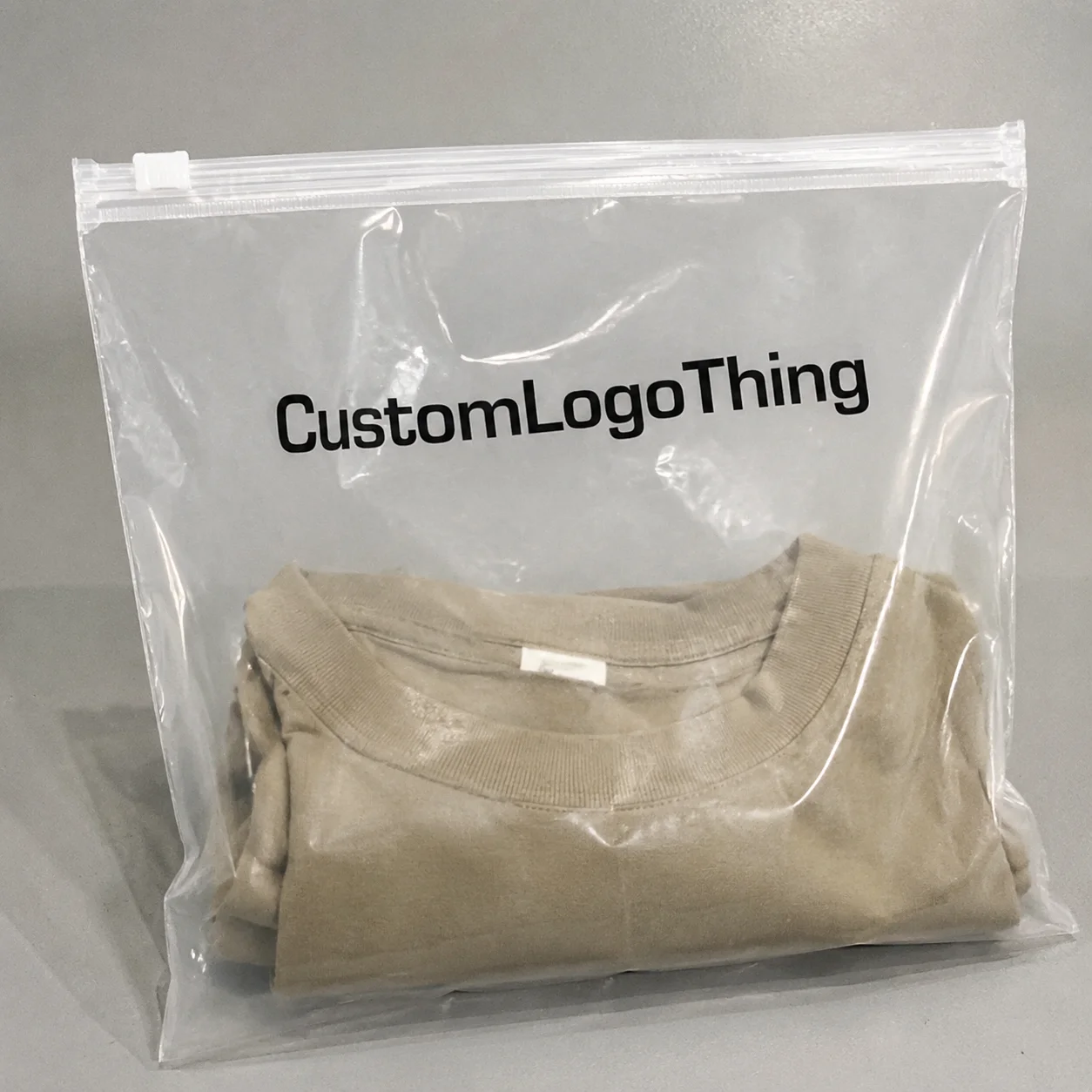
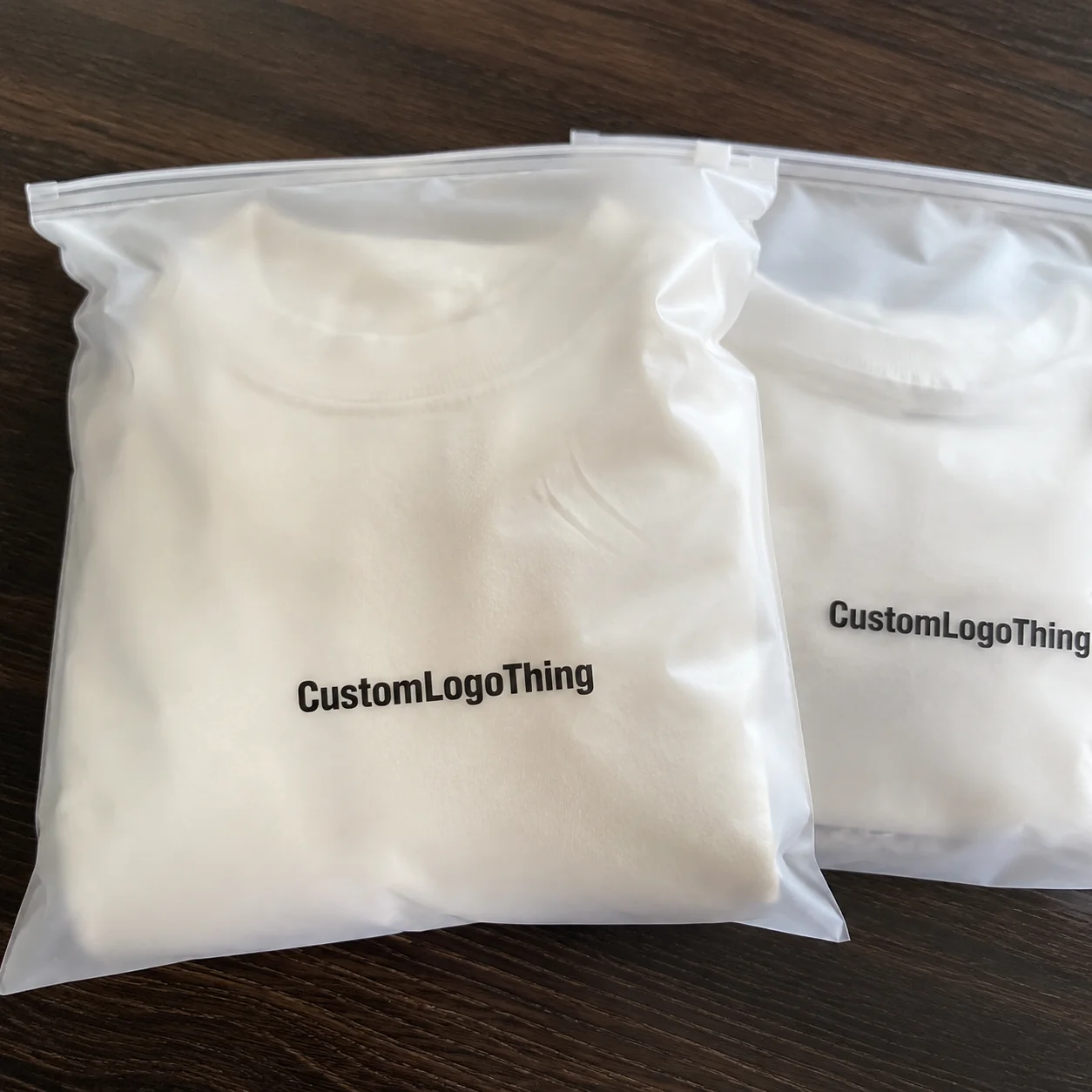
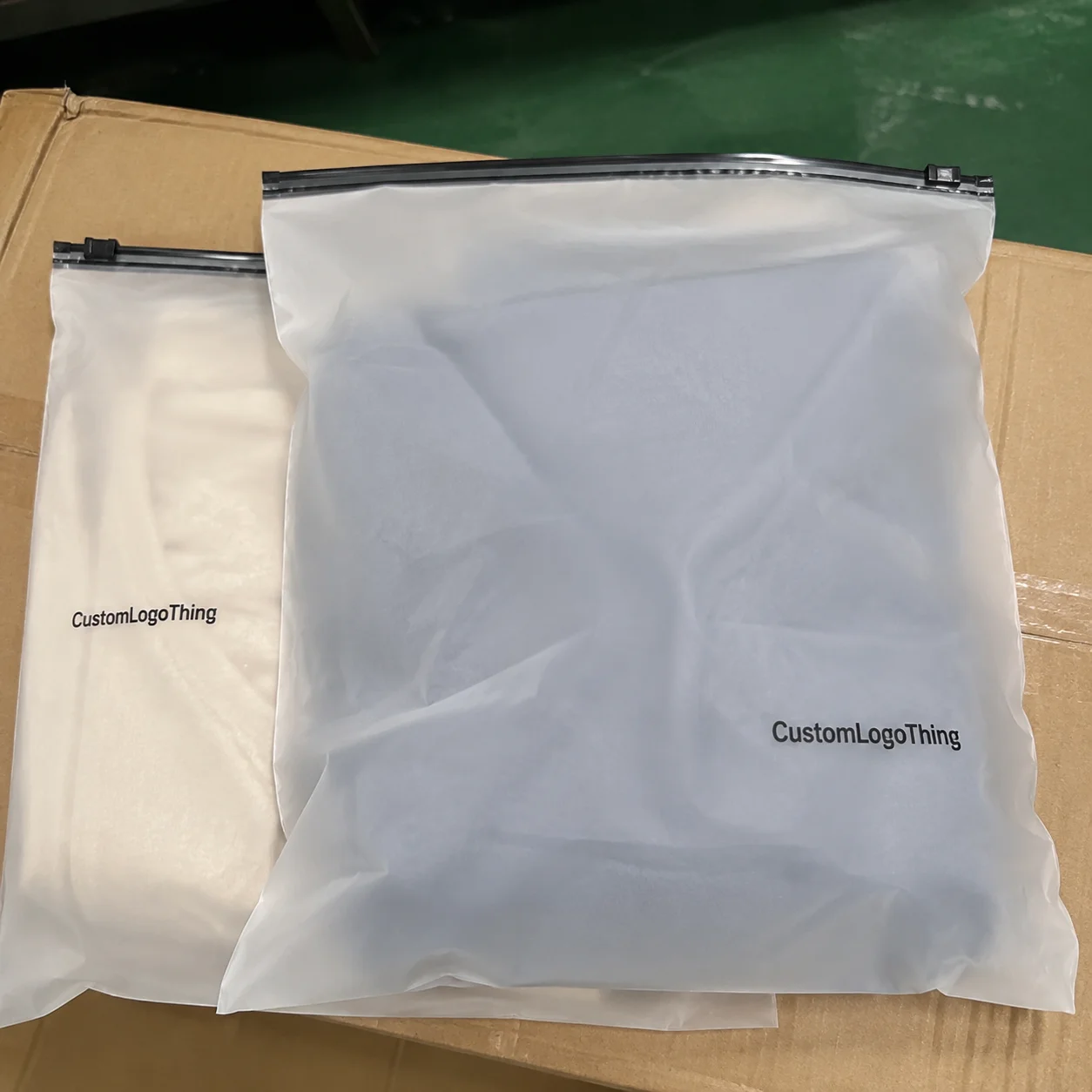
Buyer Fit Snapshot
| Best fit | Mailing Bags Manufacturer projects where brand print, material claims, artwork control, MOQ, and repeat-order consistency need to be specified before quoting. |
|---|---|
| Quote inputs | Share finished size, material target, print colors, finish, packing count, annual reorder estimate, ship-to region, and any compliance wording. |
| Proofing check | Approve dieline scale, logo placement, barcode or warning zones, color tolerance, closure strength, and carton packing before bulk production. |
| Main risk | Vague material claims, crowded artwork, missing packing details, or unclear freight terms can make a low unit price expensive after revisions. |
Fast answer: Mailing Bags Manufacturer: Quote Scope, Sample Proof, MOQ, and Lead Time should be specified like a repeatable production item. The safest quote records material, print method, finish, artwork proof, packing count, and reorder notes in one written spec.
Production checks before approval
Compare the actual filled-product size with the drawing, then confirm tolerance on folds, seals, hang holes, label areas, and retail display edges. Reserve space for logos, QR codes, warning copy, and material claims before decorative graphics fill the panel.
Quote comparison points
Review material grade, print process, finish, sampling route, tooling charges, carton quantity, and freight assumptions side by side. A quote is only useful when the supplier can repeat the same color, closure quality, and packing count on the next order.
I’ve watched a mailing bags manufacturer in Dongguan turn a “simple” poly mailer order into a mess because the film gauge was off by 0.01mm and the seal looked fine until the drop test crushed it. That is the part people do not see. The bag looks cheap and easy right up until 5,000 units arrive with weak seams, crooked print, and one very annoyed ops manager calling me at 7:40 a.m. (I still hear that voicemail in my nightmares.) A difference of just 0.01mm can be the gap between a bag that survives a parcel sorter and one that opens like a bad suitcase on a conveyor belt.
Honestly, I think mailing bags manufacturer selection deserves more respect than it gets. The right supplier does far more than print a logo. They source resin, choose film thickness, set the adhesive, control tolerances, and make sure the final bag survives shipping abuse, warehouse handling, and the occasional “someone tossed it off a conveyor belt” moment. If your brand ships apparel, beauty products, supplements, or accessories, the bag is not packaging fluff. It is part of the customer experience and part of your return-rate math. A 2% packaging failure rate on 20,000 shipments is 400 customer complaints, and that is before anyone starts posting photos.
At Custom Logo Things, I’ve helped brands compare specs line by line, and I’ve also sat through factory negotiations where a supplier tried to save $0.012 per unit by switching adhesive grade. That sounds tiny. On 50,000 pieces, it is not tiny. That is how people lose money while thinking they “got a deal.” I remember one founder who kept saying, “It’s only a cent.” Sure. Multiply that by a few hundred thousand and suddenly you’re doing budgeting with a migraine. The difference between $0.15 and $0.162 per unit is $600 on a 50,000-piece run, and that gap is usually hiding in plain sight.
Mailing Bags Manufacturer: What They Actually Do
A real mailing bags manufacturer is not just a printer with a logo in front of a warehouse. They usually handle multiple production steps: sourcing polyethylene or compostable film, determining bag size, selecting closure style, setting print layout, and testing the finished mailer for seal integrity. Some run their own extrusion line and make film from resin. Others buy film rolls from a converter and focus on printing and bag conversion. Both can be legitimate, but they are not the same thing. A factory in Shenzhen with extrusion, printing, and conversion under one roof usually has more control over thickness consistency than a broker taking orders from a laptop in another city.
I remember visiting a facility in Shenzhen where the manager showed me two nearly identical mailers on a steel table. One had a 50-micron film and a clean seal. The other looked the same to a buyer’s eye, but the second one used a cheaper adhesive strip and failed after a rough-handling simulation. Same artwork. Same size on paper. Very different outcome. That is why a mailing bags manufacturer should talk in specs, not just in pretty renderings. A 50-micron LDPE bag with a 30mm seal width performs differently than a 35-micron bag with a 20mm seal, even if both are “white mailers” in a quotation PDF.
Here’s the basic breakdown:
- True manufacturer: controls at least one major production step, such as film extrusion, printing, or bag conversion.
- Broker: sells the order but passes it to a factory, often with less control over actual quality.
- Trading company: usually a middle layer. Sometimes useful for sourcing, but you should ask who owns the production and QC.
That distinction matters because responsibility matters. If a mailing bags manufacturer owns the production floor, they can answer questions like: Is the film virgin LDPE or recycled blend? What’s the seal width? Is the adhesive hot-melt or pressure-sensitive? Can they hold the print within a 1.5mm registration tolerance? A broker can answer some of that. A real factory can usually answer it faster and with fewer vague hand waves. In practical terms, a factory in Guangzhou might specify 55 microns for a standard mailer, while a broker simply says “good quality,” which is not a spec anyone can audit.
The common product types are straightforward, but the details are not:
- Plain poly mailers for low-cost shipping.
- Custom-printed mailers for branded ecommerce orders.
- Compostable mailers for brands with sustainability goals, usually requiring stricter material documentation.
- Tamper-evident bags for security-sensitive shipments.
- Bubble mailers for padded protection without an extra box.
MOQ, lead time, and sample approval matter even for small brands. I’ve seen founders order 1,000 bags and assume they can approve everything by screenshot. Then they discover the closure strip sits 8mm too low, the logo is 12% darker than the proof, and the cartons were packed 500 to a box instead of the 250 they asked for. A good mailing bags manufacturer forces clarity before production starts. That is a good thing, even if it feels annoying on day one. For a custom order, a factory in Yiwu or Dongguan may ask for a signed proof before they cut film, because a reprint after conversion can add $80 to $250 in waste alone.
For more on our packaging background, you can also read About Custom Logo Things and compare product options like Custom Poly Mailers.
How a Mailing Bags Manufacturer Turns Specs Into Product
The production flow is where a mailing bags manufacturer earns their money. The quote is the easy part. Turning a PDF into a bag that actually ships 2.3 pounds of product without splitting? That is the real work. In practical terms, the difference between a mailer that survives a 1.2-meter drop and one that tears on the first corner is usually decided in the factory, not in the sales email.
Here’s the usual path from inquiry to finished carton:
- Quote review based on size, thickness, print colors, quantity, and closure style.
- Artwork proofing to confirm bleeds, safe areas, Pantone references, and logo placement.
- Film selection where the factory chooses virgin, recycled, or compostable stock at a specific gauge.
- Printing using flexographic or digital equipment depending on run size.
- Lamination if needed for strength, gloss, or barrier improvement.
- Bag conversion where the film is cut, folded, sealed, and closed with adhesive or zippers.
- Packing in cartons with count verification and sometimes polybag bundling.
Size determination trips up more brands than you’d expect. Buyers talk about “15 x 20 inches” like that is the whole story. It is not. Internal dimensions matter more than the pretty outer measurement printed in a brochure. A mailing bags manufacturer should tell you the usable opening, the flap length, and the allowance for seams. If your product is 13.2 inches tall and the inner height is 13.0 inches, congratulations, you’ve ordered a very expensive problem. The same logic applies whether the bag is made in Shenzhen, Suzhou, or Qingdao: 5mm of missing clearance can ruin a packing line.
Printing method changes the economics. Flexographic printing is usually better for higher volumes because the setup cost is spread across more units. Plate costs can run $35 to $120 per color depending on the supplier and plate type. Digital printing works better for shorter runs or more frequent artwork changes because it avoids heavy plate costs, though unit pricing is often higher. A serious mailing bags manufacturer will explain that difference without sounding like they memorized a brochure. For a 4-color flexo job, plate costs may total $180 to $420 before a single bag is packed.
Timeline expectations should be pinned down early. Here is a realistic range I use when advising clients:
| Stage | Typical Time | Notes |
|---|---|---|
| Sample making | 3-7 business days | Longer if new film or custom print is needed |
| Artwork approval | 1-3 business days | Faster only if your files are print-ready |
| Production | 10-18 business days | Depends on quantity, colors, and factory load |
| Shipping | 3-35 days | Air is faster, sea is cheaper, and customs likes to be dramatic |
Quality checks are not optional theater. A disciplined mailing bags manufacturer should be testing seal peel strength, running drop tests, checking print rub resistance, and verifying carton counts. In one factory visit, I watched a line worker randomly pull 10 bags from every 500 and bend the seal corners by hand. Old-school? Yes. Effective? Also yes. Standards like ISTA and material guidance from EPA are useful references when you want a supplier to speak in measurable terms instead of vibes. A proper seal peel test may target 1.5 to 2.5 pounds of force, depending on the closure style and contents.
Custom Poly Mailers including printing, sealing, and carton packing" class="blog-content-img" loading="lazy">
Mailing Bags Manufacturer Cost Breakdown: What You Really Pay For
People love asking, “How much per bag?” as if every mailing bags manufacturer quotes from the same universe. They do not. A quote is a bundle of variables, and each one changes the final number. If you strip away the marketing language, pricing usually comes from material, setup, labor, freight, and risk. A 10 x 13-inch plain mailer made in Dongguan with 55-micron LDPE will not cost the same as a compostable bag made with PLA/PBAT blend from a factory in Jiangsu.
Here’s the real cost structure:
- Material cost: resin or film grade, usually the biggest driver.
- Printing setup: plates, cylinders, or digital setup fees.
- Bag size: larger bags use more film and more adhesive.
- Film thickness: 50 microns costs less than 70 microns, but it also performs differently.
- Closure type: peel-and-seal, self-adhesive, zipper, or tamper-evident strip.
- Packaging: carton count, inner polybags, labels, pallets.
- Freight: domestic trucking, ocean freight, air freight, or split shipment.
One supplier may quote $0.11 per unit for 10,000 plain 10 x 13-inch mailers, while another quotes $0.18 per unit for what looks like the same product. The difference might be recycled content, heavier film, better adhesive, or simply a factory that is not pretending thinner material is “equivalent.” I’ve sat in meetings where the cheapest mailing bags manufacturer turned out to use a lighter gauge that saved $0.006 in raw material and cost the client $3,200 in replacement and reshipment fees after seam failures. That is not savings. That is a bill with a fake smile. On paper, a savings of $300 on the order can disappear the first time a package tears in transit and a customer demands a replacement.
Order size matters a lot. Small runs carry heavier setup cost per unit because the same proofing, plate work, and labor are spread over fewer pieces. A rough pricing pattern I’ve seen repeatedly is this:
| Order Quantity | Plain Mailer Range | Custom-Printed Range | What Drives It |
|---|---|---|---|
| 1,000 pieces | $0.20-$0.42/unit | $0.30-$0.65/unit | Setup costs dominate |
| 5,000 pieces | $0.10-$0.24/unit | $0.18-$0.38/unit | Better spread of fixed charges |
| 20,000 pieces | $0.06-$0.15/unit | $0.12-$0.26/unit | Material and freight become the big levers |
Hidden costs sneak in fast. Artwork revisions can add $25 to $150 per round, especially if the mailing bags manufacturer has to recreate logos, shift color builds, or re-output plates. Rush fees are common when buyers ask for a 7-day turnaround on a custom job that normally needs 15 business days. Sampling may be free, or it may cost $30 to $120 depending on complexity and courier charges. If you are importing, duties and import brokerage can add another 5% to 20% depending on the product classification and destination. For air freight, a 20 kg carton from Shenzhen to Los Angeles can cost far more per unit than the mailer itself if the order is small.
Recycled content and compostable films often cost more because the material itself costs more and the supplier has to document claims. If you want FSC-certified paper mailers, the documentation trail can be more involved. That is why I always tell clients to ask for material paperwork up front. A trustworthy mailing bags manufacturer should not act allergic to documentation. Ask for a certificate of conformity, material composition sheet, and, if needed, chain-of-custody records before you commit.
There are times when paying more saves money. Stronger seals mean fewer damaged shipments. Better opacity means less brand damage when expensive products show through a thin bag. Cleaner printing cuts down on customer complaints and merchant-side reorders. I had one beauty client switch from a bargain supplier to a higher-spec mailing bags manufacturer and their monthly damage claims dropped by 38% within two cycles. The unit price went up $0.03. The total cost went down. That is how math works when packaging does its job. On a 12,000-piece monthly run, that extra $0.03 added $360, while claim reductions saved more than $1,100.
How to Evaluate a Mailing Bags Manufacturer Before You Order
Before you place an order, treat the mailing bags manufacturer like a supplier interview, not a price hunt. A cheap quote is not a qualification. It is just a quote. I’ve seen an apparently low number of $0.14 per unit turn into $0.19 after plates, proof revisions, and freight were added.
Ask direct questions:
- Who actually makes the bags?
- What film grades do you offer, and what is the micron tolerance?
- Which printing method will you use?
- What is the acceptable defect rate?
- Do you do seal peel tests, drop tests, and print rub tests?
- Can you provide material documentation for recycled or compostable claims?
Then inspect samples like someone who has to live with the product. I don’t mean “looks nice in sunlight.” I mean hold it under a warehouse light and check the seam edge, the flap placement, and the ink alignment. Rub the print with a dry cloth. Fill it with a realistic item, not a pen cap and hope. If it’s a bubble mailer, squeeze the corners and check whether the padding rebounds or just collapses like cheap party décor. A good mailing bags manufacturer should expect this level of scrutiny. If the sample uses 350gsm C1S artboard inserts or a 60-micron outer film, make sure the combination behaves the way your packing line needs it to.
Certifications and compliance matter, but only if they match your use case. If you’re making food-contact related packaging, you need proper material documentation and supplier declarations. If you’re claiming recycled content, ask for evidence and not just a sentence in an email. FSC matters for paper-based components, while FSC references help with chain-of-custody questions. If the supplier cannot explain the claim, assume the claim is decorative. A serious mailing bags manufacturer will know where the paperwork lives, and a factory in Hangzhou or Ningbo should be able to produce a PDF trail without making it feel like a treasure hunt.
Communication style tells you a lot. Good suppliers give exact lead times, admit when something is out of stock, and send samples without turning it into a hostage negotiation. Risky suppliers answer everything with “no problem” and then surprise you with a delay after you’ve already launched ads. I learned that the hard way years ago when a factory promised “10 days” for a custom mailer, then quietly forgot to mention they had a plate backlog. The order still shipped. Two weeks late. The customer still remembers. So do I. I still get mildly irritated just thinking about it. A supplier in Shenzhen telling you “12-15 business days from proof approval” is usually more trustworthy than one who says “maybe next week” for everything.
If possible, do a factory visit or ask for a live video tour. Even a 12-minute walkthrough tells you whether the line is organized, whether cartons are stacked cleanly, and whether the QC station looks like a real process or a desk with a stamp. Third-party inspections can also help when the order value gets above $8,000. Not glamorous. Very useful. For a $15,000 custom run, an inspection fee of $180 to $320 is cheap insurance compared with discovering a print shift after the freight has already left port.
Step-by-Step: Working With a Mailing Bags Manufacturer
Working with a mailing bags manufacturer is a lot smoother when you arrive prepared. Brands that send vague requests usually get vague outcomes. Brands that send exact specs usually get exactly what they asked for. Funny how that works. A request that specifies 55-micron LDPE, matte finish, 2-color flexo print, and self-seal adhesive is much easier to price than “premium branded mailer.”
Step 1: Define the use case
Before you request a quote, write down what the bag must do. Is it for a 9-ounce apparel tee, a 2-pound hoodie, or a cosmetics bundle with glass jars? What size carton is being shipped? What is the target shipping weight? What image do you want the customer to see when they open the parcel? A mailing bags manufacturer can only hit the target if you actually tell them what the target is. If the bag needs to hold 1.8 kg of folded knitwear, that is different from a 300 g skincare set with fragile bottles.
Step 2: Request samples that match reality
Do not compare sample A and sample B by color alone. Compare thickness, closure strength, inner dimensions, and how the bag behaves when filled. If your warehouse uses auto-packing, a slightly stiffer film may reduce handling problems. If your team hand-packs 600 orders a day, a smoother peel strip may matter more. I always ask for 2-3 samples and one reference spec sheet from the mailing bags manufacturer, because photos lie and screen brightness lies even harder. If the sample arrives in a carton marked 250 pieces per box, but your warehouse wants 500, that is not a small detail; it changes labor, pallet count, and freight.
Step 3: Approve the technical details
Lock the dieline, artwork, material, closure style, and carton pack before production starts. The kind of mistakes people make here are boring but expensive: wrong bleed, wrong Pantone conversion, wrong flap length, or a logo nudged 4mm too far left. The factory is not going to guess what you meant in the email thread from Tuesday. A disciplined mailing bags manufacturer will ask for written approval. Give it to them. If your artwork includes a matte black poly mailer with a white logo, make sure the proof shows ink density and white underprint, not just a cheerful mockup on a white background.
Step 4: Confirm logistics
Ask about milestone timing, payment terms, carton count, pallet configuration, and shipping method. If the bags are going by sea, confirm whether the quoted timeline includes port delays. If they are going by air, ask for actual chargeable weight and carton dimensions because “small and light” is not a freight quote. On one project, a client saved $280 by switching carton packing from 250 units per carton to 500 units per carton, but they lost three days in warehouse handling. Tradeoffs. Always tradeoffs. If the shipment leaves from Ningbo to Long Beach, add customs clearance time and berth congestion to the calendar, because ports do not care about your launch date.
Step 5: Inspect the first batch
When the order lands, inspect immediately. Check 10 cartons, not one. Count units. Open bags from different cartons. Look for print shifts, seal defects, wrinkling, adhesive problems, and smell issues if the film is sensitive. Document everything with photos and notes on the same day. A good mailing bags manufacturer will want that documentation if a claim is needed. A bad one will suddenly stop replying. Amazing how that happens. If the first batch was supposed to be 5,000 pieces and you receive 4,960 usable units because 40 were damaged in packing, that needs to be documented the same day, not two weeks later.
If your product line is still changing, consider starting with a smaller pilot order. A pilot of 1,000 to 3,000 pieces tells you a lot before you commit to 20,000. I’ve seen brands save six figures in avoidable inventory mistakes because they tested first instead of “going big” on a design nobody had field-tested in real shipping conditions. A pilot made with 60-micron film and a single Pantone color can reveal issues before you spend $12,000 on a full run.
Common Mistakes When Choosing a Mailing Bags Manufacturer
The biggest mistake is buying on price alone. I know, shocking. Someone sees a quote that is $0.04 lower and assumes they found efficiency. Then the film tears at the corner, the adhesive fails in cold weather, or the print fades after one warehouse transfer. The cheapest mailing bags manufacturer is often the most expensive choice once returns and replacements start showing up. A $0.04 saving on 20,000 units is $800; one damaged shipment cycle can erase that in a day.
Another classic mistake is ignoring lead time. Sampling, plate making, approval rounds, and freight all take time. If a supplier says “production only” is 12 business days, that does not mean you will have bags in 12 business days. It means you still have to add proofing, payment clearance, and shipping. That little misunderstanding has ruined more launch dates than bad design ever did. A realistic door-to-door timeline from a factory in Guangzhou to a U.S. warehouse can be 18 to 35 business days if ocean freight is involved.
Bag thickness is another place people under-spec. A 35-micron mailer might work for lightweight clothing, but a 70-micron bag may be safer for heavier or more abrasive contents. If you ship anything with sharp corners, the wrong film choice can cause split seams. A competent mailing bags manufacturer will ask about product weight and packing shape. If they do not, that is a flag the size of a tablecloth. For a 2.8-pound product, I would not trust a 35-micron bag unless the factory has real test data, not just enthusiasm.
Dimensions also get people in trouble. If the bag is too large, you waste freight and create a sloppy presentation. Too small, and the product does not fit or the seal becomes stressed. One client once ordered bags 10mm too short in internal height because they used the outside dimension from a mockup. That 10mm mistake cost them a reprint and a week of panic. The supplier was not the only one at fault, but the supplier should have caught it. A good mailing bags manufacturer checks. A lazy one just prints. That missing 10mm can be the difference between a clean insertion and a jammed packing line in a 14-person warehouse in Manchester or Miami.
And yes, written specs matter. Do not rely on chat messages and memory. People “forget” things after deposit clears. I’ve seen entire disputes reduced to one sentence in a purchase order because nobody wanted to write down the seal style, tolerance, and carton pack. Boring paperwork saves money. Glamorous? No. Effective? Absolutely. A one-page spec sheet with material, size, print, carton count, and target quantity can prevent a $2,000 dispute later.
Expert Tips for Getting Better Results From Your Mailing Bags Manufacturer
If you want better results from a mailing bags manufacturer, stop thinking like a shopper and start thinking like a production buyer. That does not mean being difficult. It means being specific. A buyer who says “I need 10,000 mailers, 55 microns, matte finish, 2-color print, delivery into Dallas in 18 days” is much easier to serve than someone asking for “something nice.”
First, order a pre-production sample and test it in your own warehouse. Not on your desk. In your real pack-out flow, with your real team, your real tape guns, and your real product weight. I’ve seen a beautiful sample fail because the closure strip was fine in a warm office but a little stubborn in a cold warehouse at 9°C. The factory had not lied. The environment changed the result. That is why a pre-production sample is so valuable. If the bag is meant for a warehouse in Calgary in January, test it in January, not under a lamp in July.
Second, standardize your bag sizes. If your brand can live with 1 or 2 core sizes instead of 5, you will usually save money on setup, simplify inventory, and make reorder planning much easier. A mailing bags manufacturer can often price more aggressively when they know a size is repeatable. Your warehouse manager will also thank you, though perhaps not in those exact words. Reordering 20,000 units of one 10 x 14-inch mailer is easier than managing five separate SKUs at 4,000 units each.
Third, ask for tolerance ranges in writing. Thickness tolerance, print tolerance, and size tolerance should all be spelled out. A thickness tolerance of ±5% is common in some categories, while print alignment might allow a 1-2mm variation depending on the method. If you do not define what is acceptable, you are leaving a dispute open for later. Why do that to yourself? If the product spec calls for 60 microns, ask whether 57 to 63 microns is acceptable and get the answer in an email, not in a phone call you cannot prove later.
Fourth, negotiate freight and packaging terms before the order is locked. Sometimes changing carton pack from 100 units to 200 units reduces carton count enough to save freight. Sometimes it creates labor headaches. Sometimes FOB is better than EXW, and sometimes it is the opposite. A seasoned mailing bags manufacturer should explain those tradeoffs instead of pushing the terms that make their side easiest. If the freight quote is based on 18 cartons instead of 24, the pallet size and chargeable weight change immediately.
Fifth, compare suppliers line by line, not emotionally. I tell clients to review samples against a simple checklist: size, thickness, seal strength, print accuracy, carton count, documentation, and lead time. One supplier may be best for speed, another for quality, and a third for sustainability paperwork. The right choice depends on what matters most to your business right now. A factory in Suzhou may be ideal for a 3-day sample and a Guangzhou plant may win on price for a 20,000-piece run; both can be the right answer in different contexts.
“The best packaging supplier is not the one with the prettiest quote. It is the one that tells you the truth before the money leaves your account.”
I’ve negotiated with suppliers who tried to hide weak adhesive performance behind flashy design mockups. I’ve also worked with factories that were blunt, slightly stubborn, and excellent. I’ll take blunt and accurate every time. If a mailing bags manufacturer tells you a material won’t hold up under your shipping conditions, listen. That honesty saves more than it costs. If they can tell you why something will fail before it fails, that’s not attitude — that’s competence. A factory in Dongguan that refuses to promise a 7-day custom run for a 4-color job is usually more trustworthy than one that promises the moon.
For brands that need a starting point, a practical move is to shortlist three suppliers, request identical sample specs, compare unit pricing at 1,000, 5,000, and 20,000 units, then place a pilot order before scaling. That is the cleanest way I know to avoid expensive surprises. If you want help thinking through options, Custom Logo Things can point you toward suitable product formats, from Branded Poly Mailers to specialty mailers designed for specific shipping jobs. On a 5,000-piece run, I would also ask for a landed cost estimate in writing, because a quote without freight can look $400 cheaper than it really is.
FAQ
How do I choose the right mailing bags manufacturer for my brand?
Compare material options, print quality, minimum order quantity, and lead times. Ask for samples and confirm the supplier can handle your product weight and shipping method. The best mailing bags manufacturer will be transparent about specs, defects, and production timing instead of hiding behind vague sales language. If two factories both claim “high quality,” ask one for 55-micron LDPE and the other for 60-micron LDPE and compare the sample results under the same packing conditions.
What should I ask a mailing bags manufacturer before placing an order?
Ask about material thickness, adhesive strength, printing method, and packaging specs. Confirm artwork setup costs, sampling fees, and the expected production timeline. Also request proof of quality checks and sample approval steps, because a mailing bags manufacturer should be able to show you how they prevent problems before they ship. If you need a custom run in 12-15 business days from proof approval, say that up front and get it confirmed in writing.
How much does a mailing bags manufacturer usually charge?
Pricing depends on bag size, film thickness, printing, quantity, and freight. Small runs cost more per piece because setup fees are spread across fewer units. Hidden costs can include artwork changes, samples, rush fees, and duties, so a mailing bags manufacturer quote should always be reviewed line by line. For example, 5,000 custom mailers might land at $0.15 to $0.24 per unit before freight, while 1,000 pieces may be closer to $0.30 to $0.65 per unit depending on print and material.
How long does it take a mailing bags manufacturer to produce custom poly mailers?
Sampling, artwork approval, and production all add time before shipping. Simple orders move faster; custom printing and special materials take longer. Always confirm each milestone so delays do not surprise your launch date, and remember that a mailing bags manufacturer quote often covers production only, not total door-to-door timing. A realistic schedule is typically 3-7 business days for samples, 1-3 business days for proof approval, and 12-18 business days for production after approval.
What common problems happen with a mailing bags manufacturer?
Weak seals, poor print alignment, wrong dimensions, and inconsistent thickness are common issues. Most problems come from unclear specs or choosing the cheapest quote without checking quality. A written sample approval and inspection plan prevents many headaches, and a reliable mailing bags manufacturer should welcome that process. If the bag is supposed to be 10 x 13 inches internally, make sure the factory confirms the exact usable opening and not just the outer measurement.
If you are comparing suppliers right now, keep it simple: ask for samples, ask for specs, and ask for the truth. A good mailing bags manufacturer will not flinch at those questions. They will answer them, because they know the bag has to survive reality, not just a mockup on a screen. The most practical next step is to write a one-page spec sheet with size, thickness, closure type, print method, carton count, and target quantity, then send that exact brief to three suppliers and compare their responses line by line. That is how you separate a real partner from a polite guesser.