Buyer Fit Snapshot
| Best fit | matte lamination box price for packaging buyers comparing material specs, print proof, MOQ, unit cost, freight, and repeat-order risk where brand print, material, artwork control, and repeat-order consistency matter. |
|---|---|
| Quote inputs | Share finished size, material target, print colors, finish, packing count, annual reorder estimate, and delivery region. |
| Proofing check | Approve dieline scale, logo placement, barcode or warning zones, color tolerance, and any recyclable or compostable wording before bulk production. |
| Main risk | Vague material claims, crowded artwork, or missing packing details can create delays even when the unit price looks attractive. |
Fast answer: Matte Lamination Box Price: What Affects the Cost Most should be specified like a repeatable production item. The safest quote includes material, print method, finish, artwork proof, carton packing, and reorder notes in one written spec.
What to confirm before approving the packaging proof
Check the product dimensions against the actual filled item, not only the sales mockup. Ask for tolerance on folds, seals, hang holes, label areas, and retail display edges. If the package carries a logo, QR code, warning copy, or legal claim, reserve that space before decorative graphics fill the panel.
How to compare quotes without losing quality
Compare board or film grade, print process, finish, sampling route, tooling charges, carton quantity, and freight assumptions side by side. A lower quote is only useful if the supplier can repeat the same color, closure quality, and packing count on the next order.
Matte Lamination Box Price: What Affects the Cost Most
If you are comparing quotes for a matte lamination box price, the first surprise is usually this: the finish often adds less to production cost than buyers expect, yet it can lift perceived value more than a fancier substrate or a louder print treatment. That matters for retail, cosmetics, and gift packaging. A box that looks restrained, smooth, and premium can sell the product before the customer touches it, which is why the matte lamination box price should be judged against brand impact, not just material cost.
The buying problem is practical. A slightly higher matte lamination box price can still be the smarter decision if it reduces shelf fatigue, supports a cleaner brand story, or helps a product feel more credible in a crowded display. Buyers do not pay for lamination alone. They pay for presentation, consistency, and the confidence that the box will arrive looking the way it was approved. In packaging reviews I have done over the years, that last part is the one that gets missed most often. The sections that follow break down what Drives the Quote, how to compare suppliers without guesswork, and where hidden costs tend to show up.
Why Matte Lamination Changes the Buying Decision Fast
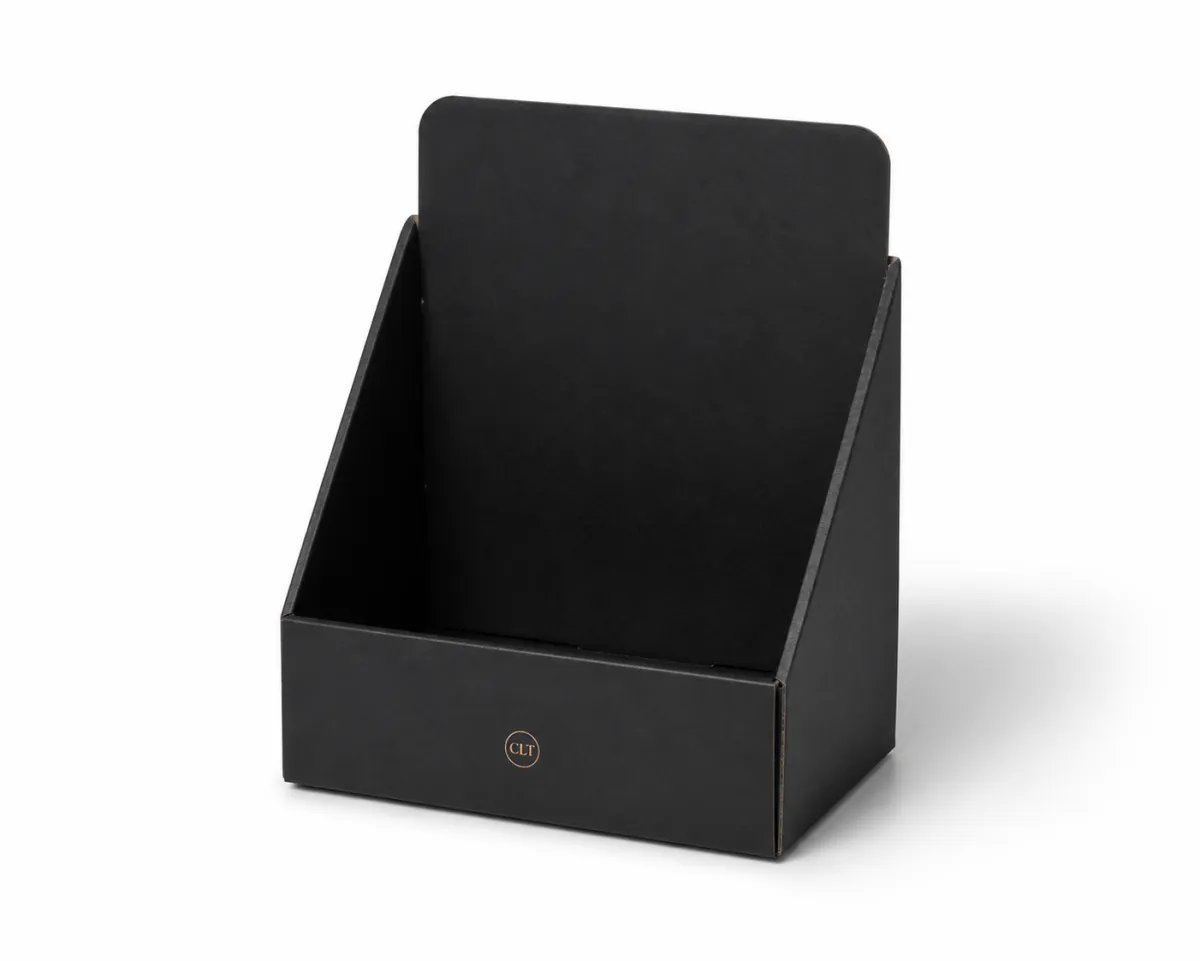
Most packaging buyers do not fall in love with lamination. They fall in love with what it does for the box. A matte surface softens glare, hides some handling marks, and gives printed graphics a quieter, more expensive feel. That is why the matte lamination box price often becomes a strategic line item rather than a cosmetic one. The material itself is only part of the story; the presentation it creates can change how a product is judged in the first few seconds on shelf.
In categories where perception drives conversion, finish matters quickly. Cosmetics, fragrance, supplements, candles, jewelry, and premium gifts all benefit from a more controlled look. A glossy box can feel busy under bright lighting. A matte finish usually reads as more measured and mature. That difference is not abstract. It affects how buyers compare products, how retailers merchandise them, and how customers feel when they unbox them at home.
The other reason the matte lamination box price matters is risk reduction. If the package looks cheap, mismatched, or poorly protected, the product often inherits that impression. Returns may not always be caused by packaging alone, but packaging can absolutely influence whether a customer trusts the brand enough to keep the item. A matte finish can support premium branding without forcing a dramatic jump in material spend, which is why many purchasing teams treat it as a high-return upgrade.
The commercial logic is straightforward: if a finish adds a few cents but helps a box stand out, survive handling, and align with the brand story, the value equation changes fast. That does not mean every order should use matte lamination. It does mean the matte lamination box price should be evaluated against total impact, not just the coating line on a quote.
A box does not need to look expensive in a flashy way. It needs to look intentional. Matte lamination often does that better than buyers expect.
From a supplier comparison point of view, this is where many teams go wrong: they ask for “a matte box” without defining the rest of the structure. That creates noisy quotes. One vendor assumes a folding carton with light coverage, another prices a rigid setup with heavy ink coverage and a foil-stamped logo. The numbers look comparable. They are not. The real matte lamination box price only becomes useful once the structure, stock, print coverage, and embellishments are pinned down.
For brands that want a premium but controlled look, matte lamination can be paired with spot UV, foil stamping, or embossing to build contrast without overdesigning the package. That combination is common in retail packaging because it lets the matte field do the quiet work while one detail carries the brand signature. The trick is knowing where the spending creates visual return and where it merely adds noise. That is what the next section addresses.
Matte Lamination Box Price: What Drives the Quote
A useful matte lamination box price quote is built from several moving parts, not one finish line item. Matte lamination itself is a film or coating step applied after printing to create a low-sheen surface. Depending on the supplier’s process, it can be a true laminate film or part of a finishing system that includes protective varnish, drying time, and finishing labor. Either way, the buyer is paying for more than appearance. The quote reflects materials, machine time, setup, finishing complexity, and the amount of risk the supplier takes on for the job.
Start with the box style. A simple folding carton is usually cheaper to produce than a rigid box with wrapped board, because rigid construction requires more labor and often more precise finishing. Mailer boxes sit somewhere in between, especially if the outside needs print plus matte lamination while the interior still needs to hold shipping stress. Sleeves are often less expensive, but they can still carry a surprisingly high matte lamination box price if the print coverage is heavy or the die cutting is intricate.
Dimensions matter more than many buyers expect. Bigger boxes use more board, more ink, more film, and more space in shipping cartons. Even modest changes can shift the price band. A one-inch increase in one dimension may not sound dramatic, but in packaging terms it can change board utilization, die line layout, and how many finished boxes fit into a master carton. That is why exact measurements are worth confirming before a quote is requested.
Board thickness also changes the number. A 350gsm artboard, for example, behaves differently from a heavier SBS or a corrugated structure with a kraft liner. A premium rigid box may use greyboard wrapped in printed paper, which increases both material and labor cost. If the project needs a premium touch and extra protection, the matte lamination box price will rise for reasons that have nothing to do with the finish alone.
Print coverage is another major driver. Full-bleed artwork usually costs more than minimal coverage because the supplier must control ink density and color consistency across the entire surface. Dark saturated artwork, deep blacks, or large solid fields can increase the chance of scuffing or visible variation, so the finish and quality checks become more important. That is one reason two boxes with the same size and the same matte finish can still produce very different quotes.
Then there are the extras. Inserts, window patches, magnetic closures, ribbon pulls, foil, spot UV, and specialty die cutting all add complexity. Sometimes the matte layer is the easy part. The additional decoration is what moves the quote upward. A buyer might expect the matte lamination box price to be driven by the film, but in many cases the biggest increase comes from what sits under or on top of the finish.
Artwork setup and proofing can also change the bill. If the supplier needs to build a dieline, adjust bleed, correct vector files, or match colors across multiple panels, there is labor involved before production even begins. This is why one quote may include a prepress charge while another embeds it into the unit price. A clear supplier should separate one-time costs from recurring costs so the buyer can see the actual matte lamination box price per unit after setup is absorbed.
Freight matters too. A buyer comparing quotes should always check whether the number includes delivery, whether cartons are packed flat or assembled, and whether the supplier assumes port-to-port, door-to-door, or domestic delivery. A cheaper production quote can become expensive very quickly once shipping, handling, and local receiving costs are added. That is how the matte lamination box price can look attractive on paper and still miss the budget in reality.
Read a supplier quote line by line and separate these categories:
- Core box cost - board, print, lamination, and basic assembly.
- One-time setup - prepress, dieline setup, plate or die preparation, and proofing.
- Finishing add-ons - foil stamping, embossing, windowing, inserts, spot UV, or special coatings.
- Packaging and freight - cartons, pallets, and delivery method.
- Revision charges - changes after proof approval, artwork corrections, or reworked samples.
The cheapest number is not always the best one. Sometimes it hides an underpriced setup charge, thinner board, lower print consistency, or a finish that looks good in a photo but scratches too easily in transit. A proper matte lamination box price should give enough detail to show where the money is going and what the buyer is actually receiving.
For buyers who want a quick comparison framework, the most useful question is not “What is the cheapest quote?” It is “What is the best quote for the exact same specification?” That means matching box style, dimensions, board, print sides, coating coverage, insert count, and delivery terms. If those details are not aligned, the matte lamination box price is just a number with no commercial meaning.
Box Materials, Sizes, and Finish Specifications
The material system sets the floor for the matte lamination box price. Buyers usually start with one of four structures: folding cartons, rigid boxes, mailer boxes, or sleeves. Each one serves a different purpose, and each one brings a different cost profile. A folding carton is often the most economical for shelf display and lightweight products. A rigid box is more expensive but creates a stronger premium impression. Mailer boxes balance shipping durability with branding. Sleeves can be efficient if the main package already exists and only needs a branded outer layer.
Paperboard grade matters inside those structures. SBS, C1S artboard, kraft board, and greyboard all affect print quality and structural performance. A smoother board can support cleaner image reproduction and a more even matte result. A textured or recycled stock can look attractive, but it may also absorb ink differently and slightly change the final appearance. If a buyer wants premium packaging with consistent brand color, the board choice can influence the matte lamination box price as much as the finish itself.
Corrugated options introduce another layer of decision-making. E-flute and F-flute are often used for mailers or shipping-friendly premium boxes. They are stronger than folding cartons, but the board bulk and converting steps can increase the quote. When the package needs to survive shipping and still look premium on arrival, matte lamination is often paired with a stronger structure. That combination makes sense operationally, but it will usually move the matte lamination box price upward.
Buyers should confirm a short list of specs before asking for pricing:
- Exact dimensions - length, width, and height or the flattened dieline size.
- Board thickness - for example 300gsm, 350gsm, 400gsm, or rigid board equivalents.
- Print sides - outside only, inside and outside, or selective areas.
- Finish coverage - full matte lamination, partial matte, or matte plus spot UV.
- Insert requirements - paperboard insert, foam insert, molded pulp, or no insert.
- Special effects - foil stamping, embossing, window patching, or die cutting changes.
Matte lamination behaves differently depending on the artwork. Dark, full-bleed designs may show fingerprints, dust, or handling contrast more readily than lighter layouts. A textured or soft-touch matte can reduce glare further, but it may also raise the quote and alter how the colors read under retail lighting. Buyers should ask for a proof or sample when the design depends heavily on surface feel. That step can prevent a mismatch between the expected and actual matte lamination box price outcome.
There is also a visual tradeoff between restraint and decoration. Matte finishes support premium branding because they create space for one or two focal details. A logo in foil, a raised mark through embossing, or a small panel of spot UV can work better on a matte base than on a glossy one because the contrast is more visible. Still, each embellishment adds cost. The right answer depends on how much shelf impact the package needs and whether the box is meant to feel luxurious, technical, natural, or gift-ready.
For many buyers, the right comparison is not “matte versus no matte.” It is “Which structure gives me the best balance of appearance, durability, and budget control?” A rigid box with matte lamination may look ideal for a premium skincare set, while a folding carton with the same finish may be the better fit for a lighter retail SKU. The matte lamination box price should support the product’s use case, not fight against it.
One practical rule helps here: if the box must travel far, be stacked heavily, or survive repeated handling, specify the structural requirement first and the visual finish second. If the box is mostly a shelf piece, the visual finish may carry more weight. That is how buyers avoid paying for strength they do not need or, worse, saving money in a way that damages the product experience.
| Box Type | Typical Use | Finish Impact | Relative Cost Pressure |
|---|---|---|---|
| Folding carton | Cosmetics, supplements, small retail items | Clean matte surface, strong print visibility | Lower to moderate |
| Mailer box | Ecommerce, subscription, gift kits | Exterior matte finish with shipping durability | Moderate |
| Rigid box | Luxury goods, presentation sets, gifts | Premium tactile feel, strong perceived value | Higher |
| Sleeve | Brand wrap, over-pack, retail promotion | Light finish requirement, lower material use | Lower, unless heavily decorated |
Packaging standards matter here as well. If the box is intended for transport testing or distribution validation, ask whether the supplier can support relevant packaging requirements and whether the design should be checked against common shipping expectations. For example, the ISTA framework is often referenced for transit testing, while FSC-certified board can support responsible sourcing claims. If you need sustainability documentation, the Forest Stewardship Council is a useful reference point. Those references do not lower the matte lamination box price by themselves, but they help buyers avoid documentation gaps and compliance surprises later.
Matte Lamination Box Price, MOQ, and Unit Cost
MOQ is one of the biggest reasons the matte lamination box price looks different from one supplier to another. Small runs carry more setup burden per unit. Large runs spread the same setup over more boxes, which lowers the per-box cost. That sounds obvious, yet it is where many purchasing decisions get distorted. A quote for 1,000 boxes may look expensive only because the supplier is absorbing the same prepress, die, and finishing setup across a much smaller quantity than the 5,000-box version.
There are usually several cost buckets behind the final number:
- Tooling and setup - dielines, plates, cutting dies, finishing adjustments, proofing.
- Production - print run, board conversion, lamination, die cutting, folding, gluing.
- Finishing - matte lamination, foil stamping, embossing, spot UV, or special coatings.
- Sampling - structure sample, print proof, or pre-production mockup.
- Freight and packing - master cartons, pallets, and shipping method.
Tiered pricing is the real driver of unit cost behavior. A jump from 1,000 to 3,000 units can reduce the matte lamination box price more sharply than buyers expect because the setup cost is diluted. The same may happen again at 5,000 or 10,000 units, although the savings curve usually flattens. The buyer’s job is to identify the quantity band where the savings per unit still justify the extra inventory risk.
Here is a practical way to think about typical pricing behavior for a custom matte lamination package. These are broad planning ranges, not a substitute for a formal quote, but they help buyers sanity-check the market:
| Quantity | Typical Unit Price Trend | What Usually Happens |
|---|---|---|
| 1,000 units | $0.70-$1.80 per box | Setup cost is spread thinly, so the unit cost is high |
| 3,000 units | $0.45-$1.20 per box | More efficient production and better cost absorption |
| 5,000 units | $0.30-$0.95 per box | Often the sweet spot for branded retail packaging |
| 10,000+ units | $0.20-$0.70 per box | Lower per-unit cost, but inventory and storage matter more |
Those ranges move up quickly if the box is rigid, oversized, heavily printed, or combined with foil stamping, embossing, or a custom insert. They move down if the structure is simple, the size is compact, and the artwork is efficient. The point is not to memorize the numbers. The point is to understand why the matte lamination box price changes so dramatically across quantity bands.
To compare suppliers fairly, every quote should be built from the same specification. Ask for the same dimensions, the same board grade, the same print coverage, the same finish, and the same delivery terms. If one vendor quotes 1,000 units packed flat and another quotes assembled cartons with local freight included, the numbers are not comparable. That is especially true for matte jobs because the finish may be bundled with different protective steps depending on the plant.
A useful buying tactic is to request three quantity options at once: 1,000, 3,000, and 5,000 units. Those tiers usually expose the real price curve and make it easier to decide whether a larger run is worth the inventory commitment. You can then map the matte lamination box price against sales velocity instead of guessing. For faster-moving products, the lower unit cost often justifies the larger order. For slow-moving SKUs, the lowest per-box price may not be the smartest route. That part is kinda easy to overlook if you are only looking at the headline number.
The quote should also clarify whether the supplier has minimum charges for color matching, special die cutting, or repeat sampling. Buyers sometimes assume the unit price includes everything, only to discover later that a small artwork revision or a change in insert layout adds a fee. A transparent supplier will explain those charges upfront and show how they affect the final matte lamination box price.
One more point matters in real purchasing decisions: storage. A lower unit cost can be attractive, but if the boxes sit too long in inventory, that saving can disappear. Space, cash flow, and product turnover all influence whether the larger quantity is worth it. In other words, the cheapest matte lamination box price is not always the best commercial choice if it creates a holding cost the business does not want.
Process, Timeline, and Lead Time Expectations
Lead time affects the buying decision almost as much as the matte lamination box price. A quote that looks attractive but misses a product launch date is not really attractive at all. Most custom packaging orders follow a similar sequence: inquiry, spec review, quote, artwork prep, proof approval, sampling, production, finishing, quality check, and shipment. When the schedule is tight, the buyer’s responsiveness becomes just as important as the supplier’s production capacity.
The biggest delays usually appear in three places. First, artwork files arrive incomplete or not set up to size. Second, the dieline needs revision because the product dimensions were not confirmed accurately. Third, color approval takes longer than expected because the brand team wants another round of review. None of those problems is unusual. All of them can push the matte lamination box price discussion into a lead-time problem if the launch date gets squeezed.
Sampling is often worth the time. A structure sample or printed proof helps verify dimensions, fold behavior, finish quality, and artwork alignment before production runs in full. That can prevent expensive errors, especially on boxes with window cutouts, inserts, or complicated die cutting. Sampling adds time and sometimes adds cost, but it can save a much larger amount if the finished order would otherwise need rework. For buyers comparing matte finishes, it is often the smartest insurance policy available.
Standard lead time and rush lead time are not the same thing. Standard production may fit a relaxed schedule and give the supplier time to manage color and finishing properly. Rush jobs often compress proofing, production, and packing, which can raise the matte lamination box price through overtime, priority scheduling, or reduced flexibility on materials. A rushed order can still work, but the buyer should know what is being traded for speed.
In real terms, many custom packaging jobs take roughly 12 to 15 business days after proof approval for straightforward production, while more complex jobs can take longer. That range changes with quantity, structural complexity, and the finish stack. A matte box with simple print may move quickly. A rigid set with foil stamping, embossing, and custom inserts may need more care. The more steps involved, the more important it becomes to align timing with the actual matte lamination box price and not just the quoted ship date.
A good supplier should explain where time is spent, not just how much time is promised. If they cannot tell you how long artwork approval, sample turnaround, and production each take, that is a warning sign. A clear schedule gives the buyer room to plan inventory, sales campaigns, and launch windows. It also makes the matte lamination box price easier to judge because the quote is tied to an operational reality instead of a vague promise.
For projects that need extra verification, ask about quality control methods. Some suppliers inspect board weight, color consistency, adhesive performance, and finish alignment before packing. Others focus mostly on output volume. Neither approach is automatically wrong, but the buyer should know what to expect. If the packaging will carry a premium brand, quality control is not a bonus. It is part of the purchase decision.
There is a simple planning habit that helps a lot: work backward from the in-hand delivery date, then subtract proofing, sampling, production, packing, and transit. That usually reveals whether the project is realistic. It also shows whether the buyer should simplify the structure to keep the matte lamination box price and timeline within reach. Complexity is fine, but complexity without schedule discipline causes problems.
Why Choose Us for Matte Lamination Boxes
Custom Logo Things is built for buyers who want clarity, not guesswork. That matters because the matte lamination box price is easiest to manage when the quote is tied to precise specs, realistic quantity bands, and a finish plan that actually fits the product. A supplier should not just quote boxes. They should help shape the order so the buyer understands what each choice does to cost, appearance, and lead time.
One of the biggest advantages of working with a focused packaging partner is fewer handoffs. Instead of asking a designer, printer, converter, and shipping contact to interpret the same brief separately, the buyer deals with one process. That reduces the chance of file mistakes, mismatched assumptions, and hidden charges. It also makes the matte lamination box price easier to compare because the same team is reviewing sizing, board selection, print coverage, and finish choice.
That coordination matters more than it sounds. A box that looks elegant on a render can still fail in production if the board is too thin, the die line is poorly defined, or the finish is specified without considering artwork behavior. A practical packaging partner catches those issues before they become expensive. In many cases, that is worth more than shaving a few cents off the quoted matte lamination box price.
Buyers also care about communication. Quick answers on revisions, straightforward proofing, and clear explanation of what is included in the quote all reduce friction. If a supplier can tell you where the setup fee ends and the recurring unit cost begins, you can make a cleaner purchase decision. That is especially useful for teams that need repeat orders and want packaging consistency across batches.
There is another commercial advantage to having one partner guide the spec: fit-for-use recommendations. Some products do better in a folding carton with matte lamination and a targeted foil accent. Others need a rigid format with a more restrained finish. The right recommendation keeps the package aligned with the brand and helps control the matte lamination box price by avoiding unnecessary upgrades.
Here is the sales case in plain language. If you want a premium-looking package, you still need a package that is easy to quote, easy to approve, and easy to reproduce. Custom Logo Things helps keep those pieces aligned so the buyer does not pay for confusion. That is especially useful for brands moving from a first run to repeat production, because the initial matte lamination box price is only part of the real commercial picture.
For buyers who want to compare options quickly, ask for these four things in one response:
- Exact spec confirmation - dimensions, board, finish, inserts, and embellishments.
- Tiered pricing - at least three quantity bands so unit cost can be compared honestly.
- Lead time estimate - with proofing, production, and freight separated if possible.
- Value notes - what changes if you upgrade to foil stamping, embossing, or spot UV.
That makes the buying process cleaner and gives the buyer a stronger basis for approving the order. It also helps separate real value from low headline pricing. A quote that looks slightly higher but includes more accurate specs, better communication, and more stable output may be the better commercial decision. That is often true with matte work, because surface quality is easier to get wrong than buyers expect.
Next Steps to Get an Accurate Matte Lamination Box Price
If you want a fast, accurate matte lamination box price, send the details that actually drive production. Start with dimensions, quantity, box style, board preference, print coverage, and target delivery date. If you already have artwork files or a dieline, include them. That shortens the quoting cycle and reduces revision rounds. It also makes the first matte lamination box price far more useful because the supplier is pricing a real job, not a rough guess.
Ask for two or three quantity scenarios if you are still deciding on the order size. The difference between 1,000, 3,000, and 5,000 units can reveal the true economics of the project. Sometimes a small increase in volume cuts the unit price enough to justify the extra inventory. Other times it does not. The only way to know is to compare the matte lamination box price across quantity bands using the same spec.
Be explicit about inserts, finishing effects, and shipping destination. A paperboard insert, foam tray, or molded pulp insert changes the quote. So does foil stamping, embossing, or a full spot UV treatment. Freight and packing method matter too. If the boxes will ship flat, say so. If they need to be assembled, say that as well. The clearer the brief, the less likely the final matte lamination box price will drift after approval.
A final note on buyer discipline: if the box is going to support a premium product, ask whether the finish, structure, and transit plan all support the same outcome. A beautiful box that arrives scuffed is a weak investment. A sturdy box that looks dull under shelf lighting may not justify the spend. The best packaging decision sits in the middle. It balances appearance, protection, and budget control without pretending any one factor matters alone.
Send the specs, compare a few quantity tiers, and ask for the quote in a format you can actually review. That is the quickest path from browsing to ordering, and it is the cleanest way to judge a matte lamination box price before the first production slot is booked.
What affects matte lamination box price the most?
Quantity, box size, board grade, and print coverage usually have the biggest impact on the final quote. Extra finishes, inserts, and custom structural changes can raise the price faster than the matte film itself. Ask suppliers to quote the same specs so you can compare apples to apples.
Is matte lamination more expensive than gloss lamination?
Often the price difference is small, but matte can cost more depending on film type and finishing steps. The real comparison should include perceived value, brand fit, and scratch resistance, not just the finish line item. A premium matte box can justify a slightly higher unit cost if it improves shelf appeal.
What MOQ should I expect for custom matte lamination boxes?
MOQ depends on box style, print method, and the supplier's production setup. Smaller runs usually have a higher unit cost because setup is spread across fewer boxes. Ask for tiered pricing so you can see the cost difference at multiple quantities.
How does box size change the unit cost?
Larger boxes use more board, more ink coverage, and often more shipping space. Oversized boxes can also increase cutting waste and packing complexity. Even a small dimension change can shift the quote, so exact measurements matter.
How long does it take to produce matte lamination boxes?
Lead time depends on artwork approval, sample requests, quantity, and finishing complexity. Fast approvals can shorten the schedule more than any single production step. If timing is tight, ask for a production plan before you approve the order.