Why Ceramic Soft-Touch Poly Mailers Change the Unboxing Math
Buyers usually start with the wrong number. A low piece price looks good until the bag slows packing, fails in transit, or creates complaints that cost more than the savings. The real question is not what the mailer costs at the factory. It is what the finished shipment costs after handling, freight, and damage risk are included.
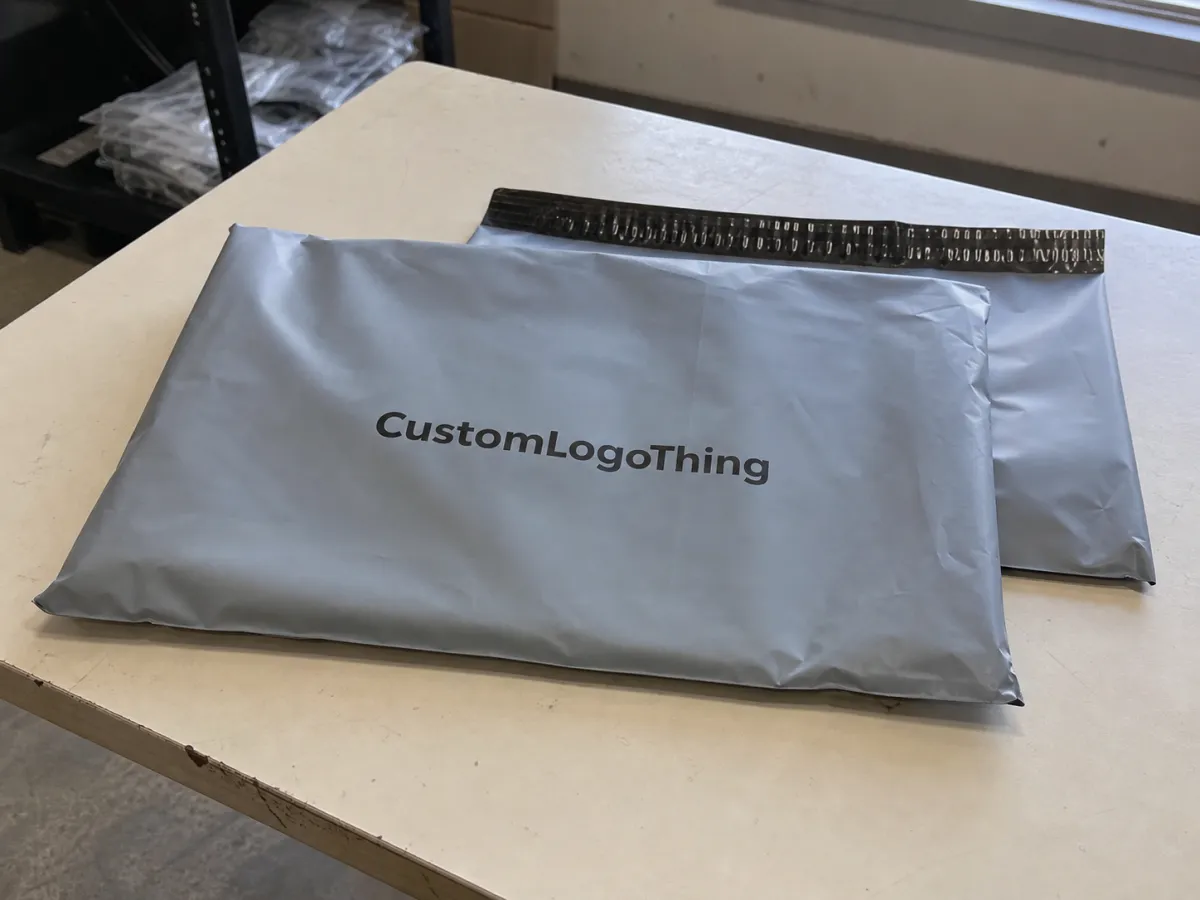
Soft-touch mailers change more than appearance. They can reduce pack-out time, replace a box for flat goods, and improve the feel of the shipment when it reaches the customer. For apparel, small accessory kits, lightweight promotional packs, and simple replacements, that can mean less tape, less void fill, and fewer steps at the table.
The ceramic finish matters because buyers want a clean, muted look instead of a shiny plastic one. Soft-touch film hides scuffs better, photographs well, and tends to make the package feel more intentional. That matters in reviews and on the receiving desk, even if nobody says it out loud.
For a buyer, the right comparison is against the full packaging system, not just another bag. Review Custom Packaging Products alongside standard Custom Poly Mailers before locking the spec. Once the product, fold, and shipping flow are clear, the better format is usually obvious.
If you want a reality check on handling performance, ISTA transit testing and basic material guidance from ISTA and EPA are useful references. The point is simple: shipping success depends on abrasion, vibration, sealing, and fit, not just color and finish.
Film Gauge, Seal Strength, and Surface Feel Buyers Can Verify
Film gauge is one of the first specs to check because it controls how the mailer behaves once it is loaded. Thin film can lower price and fold easily, but it may puncture more readily and feel flimsy. Thicker film usually adds puncture resistance, opacity, and seam durability, though it raises cost. That tradeoff becomes obvious once real orders start moving through a sort line.
Most soft-Touch Poly Mailers use polyethylene film, often in a co-extruded build. Ask whether the finish is a coating, a laminate, or part of the film structure. That answer affects print clarity, consistency from batch to batch, and how much the finish adds to the quote.
Soft-touch should feel smooth, lightly matte, and uniform. It should not leave chalky drag or greasy patches, and it should hide fingerprints better than a glossy bag. If the sheen shifts near seams or looks streaky under warehouse light, the process is not controlled tightly enough. That inconsistency usually shows up again in print or seal quality.
Seal strength deserves the same scrutiny. Ask about the adhesive width, tamper evidence, and whether the flap is meant to be opened and resealed during packing. A one-time direct-to-consumer seal is not the same as a closure that will be handled twice before shipping. If the flap lifts too easily or the adhesive skims instead of biting, the bag is not ready.
Sample a filled unit, not a flat one. A flat sample can hide stress points. A loaded sample shows corner tension, side seam stretch, and whether the flap closes cleanly after the product is inserted. It also shows whether the pack team can close it without fighting the material.
- Check stretch at the side seam and fold line after loading.
- Inspect corner stress where the product presses against the film.
- Open and reseal the flap once if the workflow requires handling before ship.
- Look for surface uniformity under real warehouse lighting.
- Rub a printed panel lightly to see whether the finish marks too easily.
"A low unit cost is not a good unit cost if the bag opens in transit, scuffs the print, or slows the packing team down."
Sizing, Print Coverage, and Mailing Specs That Affect Fit
Size errors cause more trouble than most buyers expect. The outside dimensions on a quote are only the starting point. What matters is the usable interior width, the true length after the flap is counted, and whether the product slides in without fighting the seams. A bag can look correct on paper and still be wrong once a folded sweatshirt, brochure pack, or accessory kit is inside it.
Buyer-side fit checks matter. Measure the product in its final packed state, not as a loose item. If the garment is folded differently for shipping, use that fold. If inserts or labels sit inside the bag, count them. Small differences add up fast when the tolerance is narrow, especially on shorter mailers where the flap and edge allowances reduce usable space.
Print coverage needs the same discipline. The flap zone, seal area, and trim margins limit where artwork can go. Designs pushed too close to the adhesive strip can get hidden or scuffed after closure. Keep the main art centered and leave the flap for simple copy, a return mark, or a small logo unless the safe area has been confirmed. Full-bleed art is possible, but only if the supplier has clearly defined the print window.
Mailing specs are not only about appearance. If the bag must move through automated sorting, barcode placement, label placement, and print contrast all matter. A code that scans cleanly on a proof can fail once the bag rubs against other mail or picks up glare from a glossy label. Soft-touch helps reduce glare, but it does not fix bad placement.
The best fit is usually found on compact, low-risk goods: soft goods, folded retail items, small kits, and promotional packs. Fragile, sharp-edged, or heavy items are different. If the contents can crush corners or stress the film, a padded format or carton may be the smarter buy even if the mailer looks better on screen.
Ceramic Soft Touch Poly Mailers Unit Cost Review: What Unit Cost Buys
A useful ceramic soft touch poly mailers Unit Cost Review breaks the quote into parts the buyer can control. Size, gauge, print method, finish, and quantity all move pricing, but not at the same rate. In most programs, the biggest price swings come from bag dimensions and film structure. After that, print coverage and finishing decide whether the order stays in the middle of the range or moves into premium pricing.
Quantity matters, but it is not magic. Smaller runs cost more per piece because setup, changeover, and waste are spread across fewer units. Larger runs lower unit cost, but only if the spec stays fixed. Changing thickness, adding another color, or expanding the print area can remove the savings from the larger order.
Setup charges should be itemized. Some vendors call them tooling fees, some call them plate charges, and some bury them in the print line. Ask for them separately. On short runs, setup can be a meaningful part of total spend. On larger runs, it fades into the background where it belongs.
Surface finish also changes the quote. A soft-touch coating or laminated matte effect usually costs more than a simple glossy bag because the process has another layer to manage and another point where scrap can happen. That premium is often worth it for presentation-heavy programs, but it should still be visible in the quote.
| Run Size | Typical Cost Per Piece | Common Setup Charges | What Usually Changes |
|---|---|---|---|
| 1,000 to 2,500 pcs | $0.30 to $0.60 | $150 to $450 | More waste allowance, higher MOQ pressure, fewer pricing breaks |
| 5,000 pcs | $0.17 to $0.34 | $120 to $300 | Better amortization of setup, more realistic savings if the spec stays fixed |
| 10,000 pcs and up | $0.11 to $0.24 | $0 to $200 | Stronger bulk pricing, more room to improve gauge or print coverage |
Those ranges are not a quote. They are the kind of bands a buyer might expect when size, print count, and finish are held constant. If a supplier is far outside them, there is usually a reason in the film build, print process, pack format, or freight terms.
Ask for tiered pricing every time. A quote that shows 2,500, 5,000, and 10,000 pieces side by side makes the savings visible and exposes where the break point sits. It also helps surface a bad quote that only looks attractive because it hides a high MOQ or a padded setup fee.
Freight and packaging terms matter too. Price per piece is not useful if the order arrives in crushed cartons, loose inner packs, or a freight mode that adds more cost than the bag saved. A clean quote should state whether the price is ex-works, FOB, or landed, what carton count is included, and whether samples are separate. The landed number is the one that counts.
Production Steps, Proof Approval, and Realistic Lead Time
The production path should be orderly. First comes artwork review, then dieline check, then digital proof, then color approval, followed by printing, bag converting, inspection, and final pack-out. If one step gets rushed, the next one inherits the problem. Packaging usually fails in the handoff, not in the final print file.
Lead time depends less on the calendar than on responsiveness. A supplier may quote 10 to 15 business days after proof approval, but that assumes material is in stock, artwork is locked, and the buyer answers proof questions quickly. If the copy changes after proof or a barcode moves once production is already planned, the clock resets because the job changed.
Pre-production samples are worth it when the design is brand-sensitive or the fit is tight. Soft-touch surfaces can shift how color looks under light, and a proof on plain paper will not show how the real film behaves. The same goes for barcode visibility. A code can scan in an office and fail under warehouse lighting if the contrast is weak or the quiet zone is cramped.
Plan freight before approval, not after. If the finished mailers need to arrive for a packing window, know whether the order is moving by truck, air, or ocean and how much receiving time is needed at the destination. A well-made mailer is still a problem if it lands late and the line already switched to something else.
How to Compare Suppliers Without Paying for Reprints
The safest comparison looks beyond the cheapest quote. Sample quality, dimensional tolerance, seal consistency, and print registration matter more than a small difference in headline pricing. A low quote means little if the supplier cannot hold the size, repeat the color, or keep the flap seal consistent from carton to carton.
Failure points tend to repeat. Artwork sits too close to the flap and disappears after sealing. Adhesive strips are uneven. Film gauge drifts enough that one batch feels stiffer than the next. Proofs are approved without a clear safe zone, so the printer and the buyer are solving different problems. None of that is mysterious. It is just expensive when nobody checks.
A simple pre-buy test catches a lot. Fill one sample with the actual product, close it, open it once, and close it again if the workflow requires handling. Then slide it across a surface, stack it under a few cartons, and inspect the finish and print. That is not a lab test. It is better than wishful thinking.
Inner packing matters more than buyers expect. Master carton count, bundle wrap, and transit protection can preserve the order or damage it before it reaches the dock. If the outer box collapses or the bundles shift, the problem is not always the mailer itself. Sometimes the pack-out is the issue. That distinction matters in a review.
For teams that use formal testing logic, ISTA-style transit checks and basic material verification are useful references. Think about vibration, abrasion, closure strength, and handling, not just printed appearance. If the bag also needs to carry paper inserts, labels, or source-trace notes, keep those requirements in the spec too.
What to Send Next for a Fast Quote and Clean Reorder
If you want a fast quote, send the details that remove guesswork. The supplier needs the finished bag size, the product dimensions, the quantity, the number of print colors, and the artwork file type. If you want matte, ceramic soft touch, or another surface finish, say it upfront. Vague briefs create slow quotes and bad assumptions.
Shipping details help more than most people think. Include the destination ZIP code or port, the target receipt date, the preferred freight method, and whether you need ex-works or landed pricing. A price that ignores freight is not useful if the order has a hard delivery window.
If the design is new, ask for a sample or digital proof first, then check the fit with a real packed unit. Confirm the seal strength. Check the print placement. Inspect the finish under the same kind of light the bag will see in storage or packing. That one review step often saves the cost of a reprint.
For a clean reorder, keep the approved spec sheet in one place and reuse it. It should include gauge, finish, seal style, print notes, carton configuration, and any barcode or label restrictions. A buyer who keeps that record gets faster turnaround and fewer surprises on the next ceramic Soft Touch Poly Mailers unit cost review.
What does a ceramic soft touch poly mailers unit cost quote usually include?
It should include bag size, film gauge, print colors, finish type, quantity, and any setup or plate charges. Ask whether freight, samples, and packaging are included so the unit cost reflects the real landed price. If the quote leaves out MOQ, approval fees, or carton configuration, the final number can shift after proof review.
How does MOQ change the price of soft-touch poly mailers?
Smaller runs usually cost more per piece because setup and changeover are spread across fewer bags. Larger runs often unlock better tier pricing, especially when the same artwork and film build are repeated. A clear quote should show where the unit cost drops at each volume tier instead of hiding the break point in a vague discount line.
Will the soft-touch finish affect print quality or barcode readability?
The finish can reduce glare and make graphics feel richer, but artwork still needs enough contrast to stay clear. Barcodes need a clean quiet zone and proper placement away from seams or heavy abrasion areas. A proof on the actual finish is the safest way to confirm legibility before production.
What lead time should buyers expect after proof approval?
Lead time starts after artwork and proof signoff, not when the first quote is sent. Production timing depends on material availability, print queue, and whether any color corrections are needed. Freight time should be added separately so the buyer sees the true delivery window.
What specs do you need to quote custom ceramic soft-touch poly mailers?
Send the finished bag dimensions, product fit target, quantity, and number of print colors. Include your artwork file format, destination, target ship date, and whether you need a sample or digital proof. If the product is fragile, bulky, or has sharp edges, note that too so the gauge and seal can be matched correctly.
The practical way to read a ceramic soft touch poly mailers Unit Cost Review is simple: judge the bag by how it packs, seals, prints, and travels, not by a single line on the quote. Tight specs, clear proofing, and tiered pricing reveal more than any sales pitch.