If you are comparing Matte Zipper Bags MOQ for hotel brands, start with the part that gets overlooked: guests react to packaging before they read a label. A soft-touch pouch with a clean zipper communicates care in a way a thin plain bag usually does not. That difference shows up fast in amenities, retail counters, welcome kits, and spa sets.
Hotel buyers tend to ask for the same three things. They want a neat presentation, a minimum order that does not overwhelm inventory, and a supplier who can answer questions without turning every quote into a project. Those are practical demands, not luxury demands. Matte zipper bags can meet them if the spec is chosen with some discipline.
The packaging itself is doing a lot of work. It protects the product, keeps housekeeping stock organized, supports the brand tone in the room, and helps the item feel intentional instead of improvised. That is why the conversation is rarely just about the bag. It is about what the bag says when no one is standing there to explain it.
Why Hotel Brands Use Matte Zipper Bags Instead of Plain Pouches
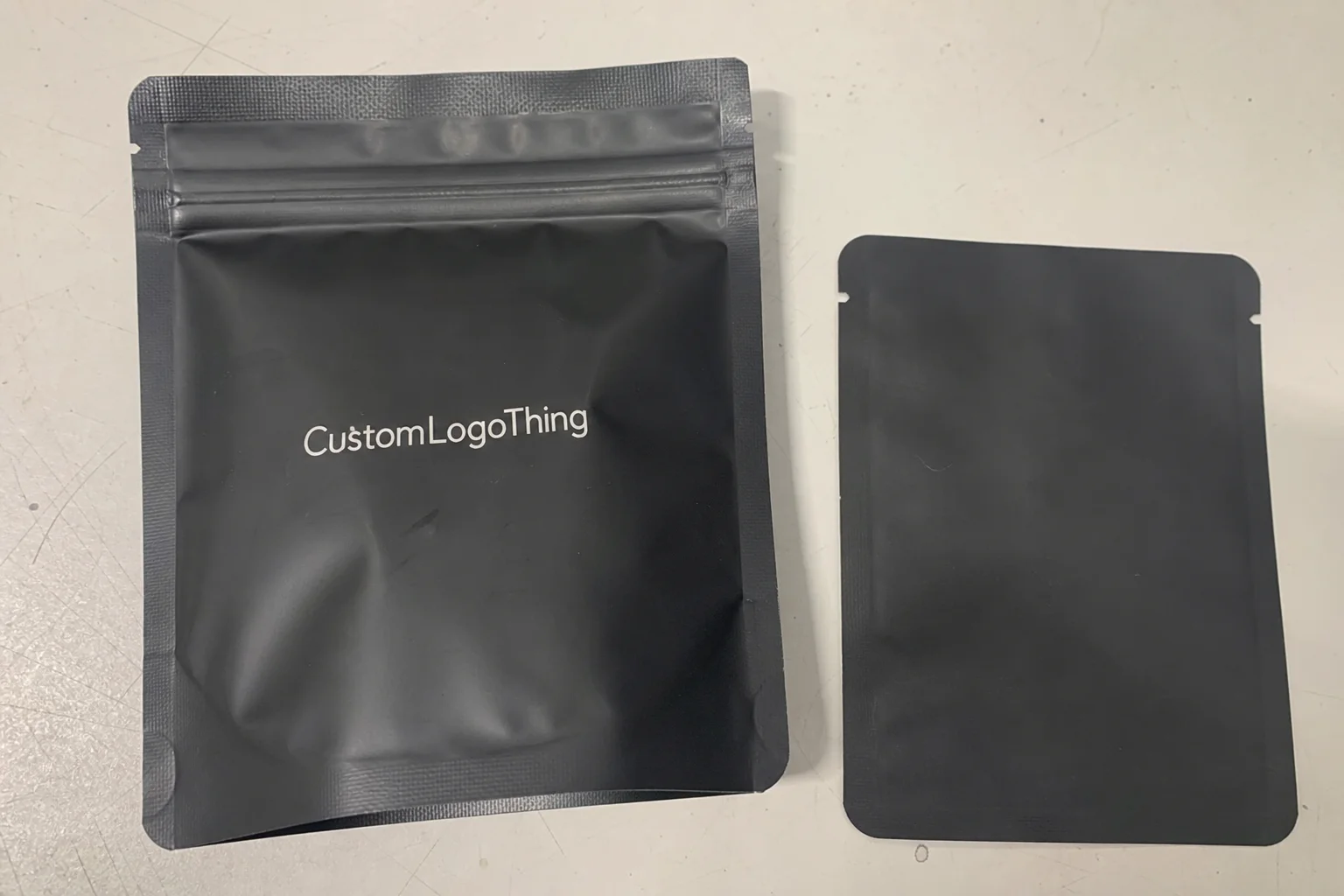
Guests notice texture, glare, and structure long before they compare technical details. A plain pouch can function, but it often reads as temporary. Matte zipper bags feel more deliberate because the finish softens reflections and the closure gives the package a finished edge. On a countertop or inside a welcome box, that difference matters.
For hotel programs, the matte finish does more than look calm. It photographs better for e-commerce, retail inserts, and internal brand reviews. It also hides fingerprints and minor scuffs more effectively than a glossy film. That matters when bags are handled by different teams during packing, transport, and room setup.
The zipper adds utility, not just appearance. It makes the bag easier to open and close for guests who reuse it for travel, toiletries, or small accessories. It can also support tamper awareness and cleaner presentation when the contents need to stay organized. For a hotel brand, that is often enough reason to move away from a basic pouch.
Common hotel applications include:
- Amenity kits for toiletries, grooming items, and refill packs
- Coffee, tea, and snack bundles for guest rooms
- Spa sample sets and retail-size bundles
- Welcome gifts for events, loyalty programs, or suite packages
- Back-of-house storage for small consumables that still need to look tidy
The strongest case for matte zipper bags is not aesthetic alone. It is consistency. The same bag format can move through housekeeping carts, front-desk displays, and retail shelving without looking out of place in any of those settings. That kind of continuity keeps the program from feeling pieced together.
There is a cost tradeoff, of course. A matte finish and zipper construction usually cost more than a simple clear pouch. That extra spend is easier to justify when the packaging is visible to guests and part of the room experience. If the bag is hidden in storage, the premium makes less sense.
Guests may not describe the packaging in technical terms, but they do register whether it feels inexpensive, polished, or forgettable.
Material, Finish, and Closure Specs That Actually Matter
Not every matte zipper bag is built the same way. Material choice affects stiffness, clarity, print quality, and the ability to hold weight without looking tired. For hotel programs, the most common structures are PE, PET/PE laminations, and heavier multilayer films when the bag needs more body or better graphics.
PE is usually the lower-cost option and works well for simple amenity runs. PET/PE is stiffer and gives cleaner print detail, which helps when the logo needs sharper edges or when the package is meant to sit on display. Multilayer films make sense when the bag will carry heavier contents, sharper edges, or anything that benefits from extra structure.
Matte is not just a style preference. It reduces glare, which improves shelf appeal and keeps the bag from looking flashy under warm hotel lighting. That softer appearance fits most hospitality brands better than a glossy finish, which can drift toward retail promotion rather than guest-facing refinement. If the hotel identity is understated, matte usually belongs there.
Zipper selection matters just as much as film choice. A standard press-to-close zipper is fine for many amenity bags. A double-track zipper feels more secure and tends to close with a cleaner snap. Tamper-evident and child-resistant options exist, but they are more specialized and often raise the MOQ because the construction requires tighter production control.
Size is a common source of confusion. A flat pouch and a gusseted pouch can share the same outer dimensions while holding very different amounts. That matters for folded garments, snack packs, spa items, and refill kits. If the contents are bulky or irregular, the usable volume needs to be checked, not guessed.
Print coverage changes the result more than many buyers expect. A one-color logo on a stock-size matte zipper bag is the simplest route and often the easiest to source at a lower MOQ. Full-color artwork, metallic accents, spot UV, or heavy ink coverage add complexity, which usually means longer setup and a higher price. For most hotel programs, restrained branding is the better fit unless the bag is meant to behave like retail packaging.
Before requesting a quote, confirm these points:
- Material structure: PE, PET/PE, or multilayer film
- Finish: matte film, matte lamination, or soft-touch treatment
- Closure: standard zipper, double-track zipper, or tamper-evident option
- Style: flat pouch or gusseted pouch
- Decoration: one-color logo, full-color print, or special effects
For transit-heavy programs, it helps to think beyond the shelf. Packaging that will move between properties or travel with guest kits should be checked against handling and distribution expectations. If you need a reference point, ISTA test methods are a useful benchmark for shipment stress and package durability. That is the kind of check that prevents avoidable damage later.
How to Set the Right MOQ for Your Hotel Program
MOQ is not an arbitrary number. It reflects film usage, machine setup, print preparation, and the production line’s need to run efficiently. For Matte Zipper Bags MOQ for hotel brands, the minimum will shift depending on whether you are ordering a stock size or a custom size, how many colors are printed, and whether the zipper or finish requires special handling.
A stock-size bag with a simple logo usually sits at the lower end of the MOQ range. A custom size with multiple print colors and a special finish will move higher. That pattern is predictable because the supplier has to cover setup work before the first usable unit comes off the line.
A practical way to map the range is below:
| Bag Type | Typical MOQ Range | Best For | Cost Impact |
|---|---|---|---|
| Stock size, one-color logo | 1,000-3,000 pcs | Small rollouts, test programs | Lowest setup burden |
| Stock size, full-color print | 3,000-5,000 pcs | Brand-forward amenity programs | Moderate setup charges |
| Custom size, simple print | 5,000-10,000 pcs | Property-wide launches | Better unit cost at scale |
| Custom size, complex finish | 10,000 pcs+ | Retail-style hospitality packaging | Highest tooling and prep cost |
Those numbers are a guide, not a promise. Some suppliers can support smaller pilot runs from stock components, while others need a higher floor because of their machine setup or printing method. The right MOQ is the one that matches your actual usage pattern, not the one that looks tidy on a spreadsheet.
If a hotel group is rolling out across several properties, consolidating demand into a single SKU usually helps. It reduces the number of SKUs in circulation, lowers the cost per unit, and makes reordering easier. Splitting the same bag into five tiny orders across five locations almost always pushes the price up because the production work is repeated.
One useful tactic is to start with a pilot order. Test the bag at one property, confirm the fit and appearance, and see how it behaves in housekeeping and guest use. If the spec is right, scale it. If not, change the bag before you order the full volume. That is a simpler correction than replacing a bad run across an entire portfolio.
Pricing, Unit Cost, and What Changes the Quote
Pricing for custom matte zipper bags is shaped by a small number of variables, but each one matters. Size is obvious. Film thickness affects both appearance and machine performance. Print coverage changes the price. Zipper type changes the price. The way the matte finish is achieved changes the price too, especially if it requires lamination rather than a base film treatment.
Hotel buyers usually see the unit cost drop as quantity rises. That is the normal pattern because setup costs get spread across more bags. Artwork alignment, plate preparation, and machine calibration take the same effort whether the order is 1,000 pieces or 10,000 pieces. The larger run simply absorbs that work more efficiently.
For a straightforward branded hotel bag, the price often falls into a rough range of $0.18-$0.35 per unit at higher quantities. Smaller orders, heavier print coverage, custom dimensions, or special zipper construction can move the price above that. Once special effects are added, the quote can rise quickly. That is not a markup trick; it is usually the result of extra materials and slower production.
Watch for these cost drivers in the quote:
- Tooling fees for a custom size or special zipper structure
- Artwork cleanup, file correction, or prepress work
- Sample charges or proofing costs
- Freight, especially if the order ships to multiple hotels
- Any testing or documentation tied to compliance or sustainability claims
If sustainability is part of the brief, verify the claim path before approving the artwork. Recycled content, compostable claims, and certification language should be supported by documentation, not assumptions. FSC references are useful for paper-based packaging programs, while EPA guidance helps frame broader environmental claims. The label on the bag should match the evidence in the file.
It is also worth asking for two quotes instead of one. Request pricing at your target quantity and again at a slightly higher quantity. The second number often shows where the unit cost drops enough to justify a bigger order. That comparison is usually more useful than arguing over a few cents in isolation.
Process and Lead Time: From Artwork to Delivery
The production path is straightforward, but the schedule can slip if the inputs are sloppy. A clean order typically moves through inquiry, spec confirmation, artwork review, proof approval, mass production, quality inspection, and shipment. When the file set is complete and the dimensions are clear, the process usually moves without drama. When it is not, delays start immediately.
Most delays come from predictable problems. Low-resolution logos. Dimensions that do not match the fill size. Last-minute color changes. A shipping address that was never confirmed. These issues are not technical mysteries, but they can still cost a launch date if no one catches them early.
For straightforward orders, a planning range of 12-15 business days after proof approval is common. Complex customizations, larger quantities, and special finishes usually take longer. Shipping time is separate and should never be folded into the production estimate. That is a mistake that causes real scheduling pain.
A useful preflight list includes:
- Final logo file in vector format
- Bag dimensions and target fill size
- Quantity target and acceptable MOQ
- Finish preference: matte, soft-touch, or matte lamination
- Print colors and placement
- Delivery address and rollout schedule
Hotel teams should also plan around opening dates, seasonal demand, and property-by-property rollouts. Late orders are rarely cheap. They can force air freight, rush charges, or a compromise on the spec that nobody wanted. A slightly better order placed on time is usually less expensive than a perfect order placed too late.
Good approval discipline matters here. A sample or digital proof should be checked for color placement, zipper feel, overall size, and whether the logo sits comfortably on the finished bag. If the sample is wrong, stop there. Fixing it after production starts is slower and more expensive.
What Makes a Supplier Easier for Hotel Procurement
Hotel procurement is built on repeatability. Price matters, but so does the ability to order the same item again without losing color consistency, construction quality, or delivery control. A cheap quote that cannot be repeated cleanly is not really cheap once rework and delays are counted.
The suppliers that make life easier tend to do the unglamorous work well. They answer questions clearly, review artwork before it becomes a problem, offer practical size guidance, and keep the quote readable. They also know how to explain where a spec is driving cost so the buyer can decide whether the extra spend is worth it.
Look for support in these areas:
- Dieline or size guidance
- Artwork review for readability and placement
- Mockups or digital proofs before mass production
- Advice on spec changes that reduce cost without harming appearance
- Freight planning for multi-property delivery
Quality control is where a supplier proves whether the relationship will be easy or noisy. For matte zipper bags, a useful QC pass should check zipper alignment, seal width, print registration, color consistency, surface finish, odor, and the bag’s ability to hold shape after handling. If the order is for guest-facing use, a simple drop or handling check can reveal weak seals or thin areas before the bags ship.
Consistency matters more in hospitality than it does in a one-off retail order. One property should not receive a warmer matte finish while another gets a duller version. If the bag is part of a brand system, every shipment needs to look like it belongs to the same family. That is where clear specs and disciplined inspection protect the program.
The lowest quote is often the one that creates the most work later. Reprints, delays, and mismatched lots can erase the savings fast. A supplier that understands hotel cadence and keeps the process organized is usually the better choice, even if the first number is not the cheapest.
Next Steps to Quote Matte Zipper Bags for Your Hotel Brand
If you want an accurate quote for matte zipper bags moq for hotel brands, send the full spec in one package. Dimensions, intended product, quantity, print colors, finish, and shipping destination should all be clear before the quote is built. When those details are missing, the estimate is usually broader than it needs to be.
If the packaging is going into a new amenity line, request a sample or proof before locking the full run. That is where fit, zipper feel, surface finish, and logo placement can be checked with real material instead of assumption. A sample that looks right saves a much bigger problem later.
Comparing quotes is easier when the comparison is disciplined. Use the same size, the same quantity, the same finish, and the same delivery terms. Then compare the MOQ, unit cost, proofing process, lead time after approval, and freight. That gives a real answer instead of a noisy one.
For multi-property brands, a pilot order is often the smartest first step. It gives the team actual feedback from housekeeping, operations, and guests before the program is expanded. If the bag performs well, future orders can be consolidated for better pricing. If it does not, the adjustment happens once, not everywhere.
The cleanest ordering process is simple: confirm the spec, approve the proof, lock production early, and keep the launch window realistic. That approach keeps the packaging aligned with the brand without tying up more inventory than the program needs.
What is the typical MOQ for matte zipper bags for hotel brands?
MOQ usually depends on size, print complexity, zipper type, and whether the bag is a stock format or fully custom. Simple branded runs can start around 1,000 to 3,000 pieces, while custom sizes and more complex decoration usually require a higher minimum. If you need a precise number, send the dimensions and artwork together so the supplier can quote against the actual construction.
How does matte zipper bag pricing change with quantity?
Unit cost generally falls as quantity rises because setup costs are spread over more bags. A larger run also makes print and finishing more efficient. It is useful to ask for pricing at two or three volume levels so you can see the break where the price moves enough to justify a bigger order.
Can hotel brands order samples before meeting the MOQ?
Yes. Samples or digital proofs are common before mass production starts. A sample is the safest way to confirm zipper feel, surface finish, logo placement, and overall size, especially if the program is new or the bag will be used across multiple properties.
What files do I need for a custom matte zipper bag quote?
Have your logo file, preferred dimensions, target quantity, print colors, and shipping address ready. If possible, include the product that will go inside the bag, since fill size affects the usable dimensions. Clear inputs reduce back-and-forth and usually speed up quoting.
How long does production take after artwork approval?
For a straightforward order, a typical planning range is 12 to 15 business days after proof approval. Larger orders, special finishes, and custom structures can take longer. Shipping time should be added on top of production time, not hidden inside it.


