Matte Zipper Bags MOQ for tea brands is one of those packaging questions that starts with a simple number and quickly turns into a discussion about structure, shelf life, artwork, and cash flow. A tea buyer may want the soft, premium look of a matte pouch, but that look only works if the bag also protects aroma, resists moisture, and closes reliably after repeated openings.
The real decision is rarely just about bag style. It is about how the pouch will behave on the shelf, how it will be filled, what kind of print quality the brand needs, and how many units make sense before inventory becomes a burden. For tea, those choices matter because the product is sensitive enough that packaging mistakes show up in taste, aroma, and customer complaints long before a pouch looks worn.
Why tea brands choose matte zipper bags for shelf appeal and freshness
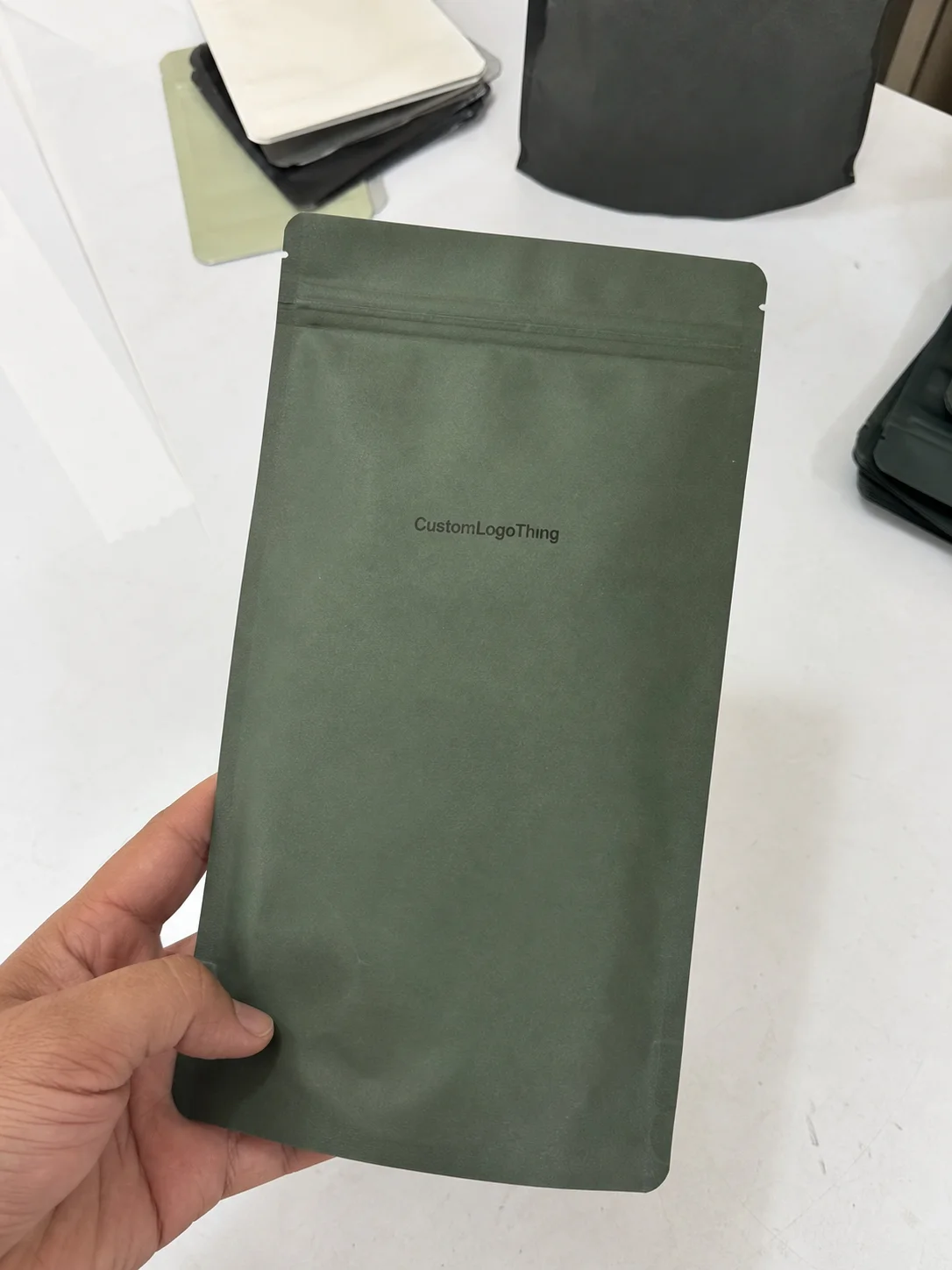
Tea is often bought with the eyes first. On a retail shelf or a product page, a matte zipper pouch gives a calmer, more premium impression than a high-gloss bag, and that tone suits loose-leaf tea, herbal blends, and wellness-focused products very well. The finish also photographs cleanly, which matters when one package has to work in stores, subscription boxes, and ecommerce listings without looking like three different products.
Freshness is where the packaging earns its keep. Matte film does not preserve tea by itself; the protection comes from the laminate structure, the seal quality, and the zipper integrity. A correctly built pouch helps keep oxygen and moisture out, while giving customers a way to reseal the bag after each use. That improves aroma retention and makes the product feel easier to live with after opening.
Matte surfaces also hide fingerprints and small scuffs better than glossy surfaces. That sounds minor, but in retail handling it matters. Cases are unpacked, restacked, touched by staff, and moved through multiple stages before they reach the shelf, and a matte finish usually holds its appearance better through that process.
“For tea, the package has to look premium on day one and still protect delicate aroma after several openings. That is the real test.”
For buyers comparing Matte Zipper Bags MOQ for tea brands, the useful question is not whether matte looks better. It is whether the finish, barrier, and zipper style support the product without pushing the order quantity beyond what the brand can comfortably sell through. A good package should improve the product experience, not just the first impression.
Material build, zipper style, and print choices that affect tea performance
Most tea pouches are built from laminated films, and the exact structure changes how the bag performs during storage and use. Common constructions include PET/PE, matte BOPP/PE, and multi-layer laminates that add barrier films for better moisture and aroma protection. For highly aromatic teas, or blends with essential oils, the barrier layer matters far more than the decorative finish on the outside.
Matte can be created through matte lamination or through matte-treated film surfaces. Either method changes how the bag feels in the hand, how the ink sits on the surface, and how the colors read under store lighting. A good matte finish should look deliberate and clean, not powdery or dull in a way that suggests the material was chosen only to reduce cost.
Zipper style matters more than many first-time buyers expect. A standard press-to-close zipper works well for most loose-leaf tea and herbal products, while a tear notch helps the pouch open cleanly the first time. After that, the zipper should close without requiring excessive force. If the closure is too stiff, consumers stop using it. If it is too loose, freshness suffers. Child-resistant features can be relevant in certain regulated categories, but they are not a default choice for tea and should only be specified when the product and market require them.
Window placement is another decision that deserves careful thought. Some brands want a clear window so the customer can see the tea leaf cut or the color of the blend. Others prefer full-opacity panels for a more uniform premium appearance. A window can help with merchandising, but it also reduces branding space and can complicate barrier performance if it is overused or poorly placed. For products with strong aroma and premium positioning, a fully opaque matte pouch often gives better shelf discipline.
Print method affects both appearance and cost. Rotogravure printing delivers crisp, consistent results on larger runs, while flexographic printing can work well for certain artwork and volume targets. Spot matte-gloss contrast can add hierarchy to the design without turning the entire bag shiny. White ink underlay is especially useful on darker matte films, because it keeps greens, golds, and fine text readable.
In practical terms, a buyer should think about what the customer sees in the first two seconds. If the typography is soft, the blacks are muddy, or the metallic accent disappears on the shelf, the premium effect weakens even if the laminate itself is technically sound. That is why structure, printing, and finishing should be quoted together instead of treated as separate decisions.
For broader background on packaging materials and end-of-life discussions, the resources at Packaging School and the recycling guidance at EPA recycling resources are useful when your team is reviewing film choices and sustainability claims.
Specifications tea buyers should confirm before requesting samples
Before anyone asks for a sample, the spec sheet should be specific enough to avoid guesswork. The key details are bag width, bag height, bottom gusset style, zipper placement, seal width, and target fill weight. Those dimensions determine whether the pouch stands properly, closes cleanly, and leaves enough headspace to look neat on a shelf or in a shipping box.
Tea format changes the math more than many brands expect. Whole-leaf tea usually settles differently than broken leaf. Herbal blends can be fluffy and voluminous, while matcha is dense, fine, and much more sensitive to moisture and oxygen. A pouch that works for 150 g of one product may look too tall or too crowded for the same nominal weight of another. In practice, the bag should be sized around how the product behaves inside the package, not just around the grams on the label.
Barrier properties deserve direct attention. For tea, the major concerns are moisture vapor transmission rate and odor protection. If the film lets in too much moisture, aroma drops and texture changes. If the barrier is weak, the blend can also absorb ambient odors during storage or transit. That matters especially for botanical mixes and products with delicate fragrance notes.
Seal strength is equally important. Some brands pack by hand, while others use semi-automatic or automatic filling lines. The best material for one method is not always the best for another. Heat-seal range, side seal strength, and zipper integration all need to match the filling process. If the seal window is too narrow, operators struggle with consistency. If it is too forgiving, a production issue may stay hidden until a customer opens the pouch and finds the closure underperforming.
Ask for dielines and artwork templates before approval, and ask for a fill test if the schedule allows it. A physical sample lets you check shelf fit, barcode placement, label readability, and how the zipper feels after repeated openings. That is a small cost compared with correcting an entire run.
- Bag dimensions: width, height, gusset, and seal allowance
- Fill weight: actual product weight and expected headspace
- Film thickness: chosen to balance stiffness, protection, and unit cost
- Barrier target: moisture and aroma protection for tea quality
- Zipper style: press-to-close, tear notch, or specialty closure
- Print requirements: color count, white underlay, spot finish, barcode area
Matte zipper bags MOQ, pricing, and unit cost drivers
Now to the part most buyers really want to understand: Matte Zipper Bags MOQ for tea brands and what actually pushes it up or down. MOQ is usually driven by print method, number of colors, custom sizing, film structure, and whether the bags are stock dimensions or fully custom. A stock-size matte pouch with a simple print layout often supports a lower entry point than a custom-sized pouch with barrier film, special finishing, and multiple artwork revisions.
Lower MOQs are easier to find when the structure is simpler. Fewer colors help. Standard sizes help. Digital proofing or limited-run print methods can also reduce the opening quantity. Once you add full custom lamination, tactile finishes, metallic inks, or specialty closures, the threshold usually rises because setup charges and tooling fees have to be spread across the run.
The smartest way to compare quotes is by unit cost, not by the total purchase amount alone. A bag that costs a little more per piece can still be the better deal if it protects aroma better, reduces customer complaints, and lowers the risk of stale inventory. Tea is sensitive enough that a poor package can cost far more than the difference between two pouch quotes.
Here is a practical way to look at it:
| Option | Typical MOQ | Typical cost per piece | Best for | Tradeoff |
|---|---|---|---|---|
| Stock-size matte zipper pouch, simple print | 1,000-3,000 pcs | $0.10-$0.22 | Test launches, small tea assortments | Less design freedom |
| Custom-size matte pouch, standard barrier film | 3,000-10,000 pcs | $0.18-$0.35 | Growing tea brands with repeat SKUs | More setup charges |
| Premium laminated pouch with specialty finish | 10,000+ pcs | $0.30-$0.60 | Established products, retail programs | Higher inventory commitment |
Those figures are broad working ranges, not fixed quotes. Film grade, zipper hardware, print coverage, and order timing can move the number quite a bit. A simple one-color pouch with a standard zipper and modest coverage will usually sit lower than a fully printed pouch with a matte finish on every panel.
Ask for tiered pricing at different volumes. A quote at 3,000 pieces, 5,000 pieces, and 10,000 pieces tells you far more than a single number. It shows where bulk pricing improves and where storage cost begins to matter. For tea brands, that matters because selling through too slowly can turn a cheap unit cost into an expensive inventory problem.
One common mistake is ordering too little just to protect cash. That can backfire if the brand sells through faster than expected and has to reorder under pressure. Another mistake is overbuying because the unit cost looks attractive. If bags sit in storage too long, the savings disappear into carrying cost and reduced flexibility. For many tea brands, the best answer is a measured opening quantity with a clear reorder plan.
Production steps, lead time, and approval checkpoints
A clean production process starts with a clear inquiry. The supplier should confirm the pouch size, fill weight, zipper type, matte finish, print coverage, and any barrier or window requirements. Once that information is locked, artwork review and dieline placement come next. If the brand has a barcode, ingredient panel, or certification mark, those elements should be placed early so they are not squeezed into the design at the last minute.
Typical lead time depends on complexity, but a common production flow runs through proofing, sample approval, material sourcing, printing, lamination or curing where needed, zipper integration, inspection, packing, and shipping. Custom plates or special print setups can add time. So can tight color matching, especially on matte films where deep blacks and dark greens often read differently than they do on gloss.
Lead time is often longer when the order includes a custom size, an odor-barrier film, or a tactile finish that needs extra process control. If the pouch has a window cutout, that adds another step. The more features you stack, the more checkpoints the job needs before production is released.
Here is a simple approval sequence that prevents avoidable errors:
- Confirm final size and fill weight
- Approve dieline and artwork layout
- Check barcode placement and legal copy
- Review sample or digital proof
- Approve color targets and finish notes
- Release production and confirm ship date
That sequence may look basic, but it saves money. A missed barcode, a misread seal area, or a wrong zipper placement can create expensive rework. Brands that stay organized usually move faster because fewer issues appear after printing starts.
For shipments that will move through several handling stages, the ISTA shipping test guidelines are useful reference points when planning distribution-heavy orders and outer-carton protection.
How to compare suppliers on consistency, compliance, and repeat orders
Price alone is a weak way to choose a pouch supplier. Tea brands should also check consistency from run to run, seal strength, zipper alignment, and print registration. Matte surfaces can make color drift more noticeable, especially on brand colors like forest green, charcoal, black, and metallic gold. If one run looks rich and the next looks flat, the brand can lose visual consistency fast.
Documentation matters as well. Ask what material specifications are available, whether the construction is suitable for food-contact use in the target market, and how traceability is handled on cartons and master cases. That does not mean every order needs the same paperwork, but a supplier should be able to explain what is available and what the buyer needs for their own compliance files.
Good suppliers also make repeat orders easier. They save prior artwork versions, spec details, and approvals so the next run does not start from zero. That saves time and lowers the risk of a small edit becoming a full production mistake. It also makes it easier to compare repeat cost per piece against the first run, which is where real planning becomes visible.
If you are comparing vendors, ask these questions:
- Can you hold the same film structure across reorder cycles?
- What tolerance do you use for zipper placement and seal width?
- How do you handle color matching on matte surfaces?
- Do you save artwork versions and prior approvals for repeat orders?
- Can you explain where setup charges and tooling fees appear in the quote?
That is the practical test. A supplier who answers clearly, quotes consistently, and talks about pack-out realities is usually more useful than one who only talks about low pricing. If you need a place to organize questions before a run, our Case Studies and FAQ pages can help frame the details before you commit to a purchase.
Next steps to request the right quote and move to production
Before you ask for a quote, prepare three essentials: target bag size, fill weight, and the order quantity you want to open with. Those numbers give the supplier a real basis for pricing, and they help avoid quotes that look attractive but are not actually usable for your tea format.
Send artwork files, closure preferences, and any barrier or window requirements in the first message. If you already know whether you want a fully opaque matte pouch or a windowed design, say so immediately. If your tea is especially aromatic, mention that too. The more the supplier understands the product, the fewer revisions you will need later.
If you are unsure about structure, ask for sample recommendations based on the tea itself. Herbal blends, matcha, rooibos, and loose-leaf black tea do not always need the same build. A good packaging partner should be able to suggest a structure that fits the product without padding the spec with unnecessary features.
A practical action path looks like this:
- Confirm your target pouch spec
- Request samples or a digital proof
- Review the quote, including MOQ and any tooling fees
- Approve the final layout and production details
- Lock the run and plan your reorder window early
Used well, Matte Zipper Bags MOQ for tea brands is not a barrier; it is a planning tool. If you match the MOQ to your real pack-out volume, shelf goals, and reorder schedule, you avoid waste, protect freshness, and keep your packaging budget working where it should.
FAQ
What is a typical matte zipper bags MOQ for tea brands?
MOQ depends on size, print method, and film structure, but custom printed tea bags usually require a higher minimum than stock options. Simpler builds with fewer colors and standard sizes often support lower MOQs, while premium laminations and specialty finishes raise the threshold.
Do matte zipper bags protect tea aroma as well as shiny bags?
Yes, if the film structure includes the right barrier layers and a reliable zipper seal. The matte finish changes appearance, not protection by itself; freshness performance comes from the laminate construction and seal quality.
What bag size should I choose for loose-leaf tea or herbal blends?
Choose size based on fill weight, leaf volume, and whether the tea settles densely or remains fluffy. A sample fill test is the best way to confirm headspace, zipper placement, and shelf presentation before full production.
How long does production usually take after approval?
Lead time depends on artwork, printing method, and order volume, but the process usually includes proof approval, production, inspection, and shipping. Complex print jobs, custom sizes, and specialty barrier films generally take longer than simple stock configurations.
Can I order a small quantity first and reorder later at a better unit cost?
Yes, many tea brands start with a lower opening order to test market response, then reduce unit cost by reordering at higher volumes. It helps to plan the first order around expected sell-through so the reorder can be placed before inventory runs too low.


