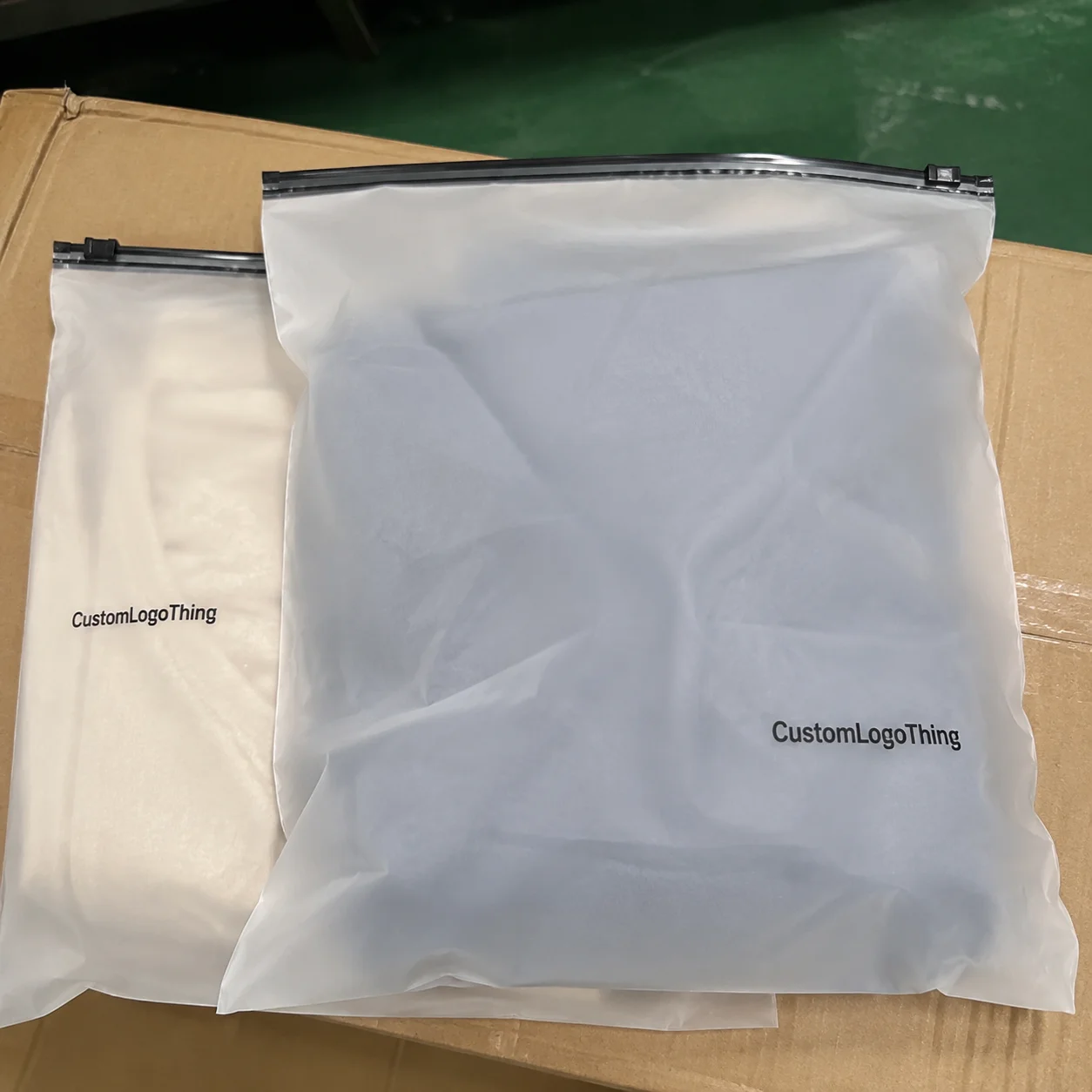
Compare Matte Zipper Bags unit cost for beauty packaging by size, film structure, zipper style, print coverage, MOQ, and Lead time before requesting a factory quote.
Why Beauty Brands Pay More for the Bag Than the Formula Story
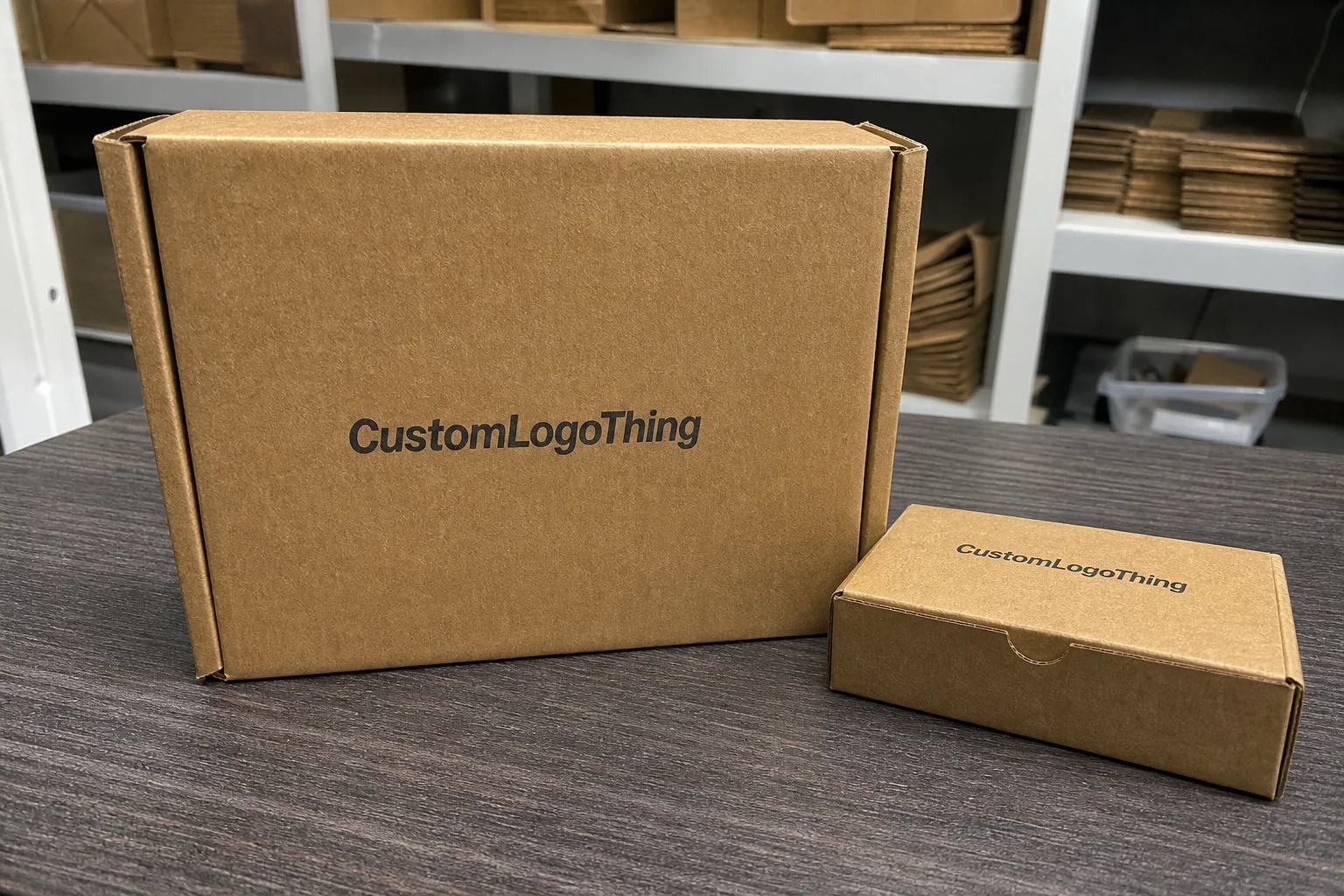
A shopper may judge a serum sample, lash kit, bath salt refill, sponge set, or travel-size skincare pouch before touching the product inside. That is why matte Zipper Bags Unit Cost for beauty is not a simple packaging line item. It is shaped by film structure, zipper quality, print coverage, order volume, and finishing choices.
The uncomfortable truth is simple: packaging often delivers the first quality signal. Not the ingredient deck. Not the brand story. The pouch.
That signal matters more for online orders, subscription kits, retail testers, boutique gift sets, and influencer mailers because the customer may never see a shelf display. A matte zipper bag that arrives scuffed, creased, loosely sealed, or hard to reseal can make a $28 mask set feel like a discount-bin item. The formula may be excellent. The customer still sees the bag first.
Matte surfaces are popular because they feel calmer and more premium than high-gloss plastic. They photograph well, soften bright brand colors, and work across skincare, haircare, cosmetics, and wellness-adjacent beauty products. They also expose weak material decisions. A cheap matte coating can show fingerprints. Poor ink adhesion may rub at the corners. Thin film can wrinkle near the zipper track. Weak heat seals can fail during fulfillment if a powder, salt, sponge, brush, or tool pushes against the side seam.
Packaging buyer reality: the cheapest pouch is not always the lowest-cost pouch. Returns, repacking labor, damaged launches, and inconsistent replenishment runs can erase a few cents of savings quickly.
The goal is not to overbuild every beauty pouch. That wastes budget and can make a small sample pack feel stiff or awkward. The goal is to remove avoidable cost without making the bag feel cheap, leak-prone, or inconsistent from one order to the next.
Custom Logo Things can quote by finished size, material, finish, print method, zipper type, quantity, and delivery target. That level of detail matters because vague “per-bag” guesses rarely survive contact with production realities. A 4 x 6 inch flat lash pouch and a 6 x 9 inch stand-up bath salt pouch may both be matte zipper bags, but they do not behave the same on a converting line, in a carton, or in a customer’s hands.
Matte Zipper Bags Unit Cost for Beauty: What Drives It
A pouch quote is less like buying office supplies and more like pricing a small engineered product. Every layer, zipper profile, artwork choice, and finished dimension changes the math.
The main cost drivers are predictable: bag dimensions, film thickness, material layers, zipper type, print colors, ink coverage, matte finish type, gusset style, tooling fees, and setup charges. Quantity matters too, but volume cannot rescue a poorly matched specification.
Size is the first lever. A small flat zipper pouch for sample cards or lash trays uses less film and may run through sealing and cutting more efficiently. A stand-up pouch for bath salts needs more material, stronger seals, a bottom gusset, and often better moisture resistance. Both serve beauty packaging, yet their unit prices can land in very different brackets because material volume and machine time are different.
Matte finishing creates another split. Four options can look similar in a product photo but price differently in production:
- Matte film: a common choice for a clean, low-sheen surface with predictable handling.
- Matte varnish: useful for selective effects, although rub resistance depends on the ink and coating system.
- Soft-touch lamination: a premium, velvet-like hand-feel, usually at a higher cost and better suited to products with enough margin to support it.
- Frosted film: a translucent beauty-counter look that may require high-opacity white ink for readable logos and label copy.
Print economics are just as blunt. A one-color logo on a stock-size matte pouch usually costs less than full-coverage artwork. Heavy ink coverage increases material handling complexity and can affect drying, curing, and rub performance. High-opacity white ink on clear or frosted film can add cost because it needs better control to avoid a washed-out mark.
The zipper is not decorative. It affects both price and customer experience. A standard press-to-close zipper is common for sample kits, accessories, and dry beauty items. Powder-resistant zipper profiles may be useful for fine refill powders, clay blends, or bath salts. Hang holes support peg display. Child-resistant formats, if relevant to a regulated product category, require a much tighter specification and should not be treated as a routine zipper upgrade.
| Cost Driver | Lower-Cost Direction | Higher-Cost Direction | Buyer Risk to Check |
|---|---|---|---|
| Bag size | Standard flat size | Custom shape or oversized pouch | Too small can stress seams or slow filling |
| Finish | Standard matte film | Soft-touch laminate or specialty frosted effect | Scuffing, fingerprints, or inconsistent feel |
| One-color logo, partial coverage | Full-coverage artwork with high-opacity white | Ink rub, weak contrast, proof delays | |
| Zipper | Standard press-to-close | Powder-resistant, specialty, or retail display features | Poor resealability and customer complaints |
| Structure | Stock-size pouch | Fully custom laminated pouch | Mismatch between product weight and film strength |
For rough budgeting, many small custom matte zipper bags fall somewhere from a few cents to several tenths of a dollar per piece, while larger laminated stand-up pouches with premium finishes can move higher. That range is intentionally broad. A real quote needs dimensions, quantity, artwork, material, and delivery details before the number means anything.
Custom Logo Things evaluates the finished pouch as a performance package, not only as a printed bag. That is the cleaner way to understand cost before approving production.
Product Details That Matter for Skincare, Haircare, and Cosmetics
Beauty is a broad label. The right zipper bag for a sheet mask is not automatically right for a nail art kit, refill powder, lash set, sponge pack, or bath salt blend.
Flat zipper bags work well for slim products: lash packaging, cosmetic tools, hair accessories, sample cards, nail decals, sponge packs, and boutique gift inserts. Stand-up pouches are better for retail display, especially where the product needs shelf presence without an outer carton. Bottom-gusset bags help heavier fills sit upright and distribute weight. Hang-hole bags suit peg display for accessories, travel minis, and impulse beauty items.
Barrier needs vary sharply. Dry cosmetic tools mainly need dust protection, visual presentation, and shipping durability. Bath salts, refill powders, clay masks, granular exfoliants, and powdered haircare products may need stronger moisture resistance. If a powder clumps after a week in humid storage, the package has failed even if it looked perfect in the mockup.
Common film structures include PE for flexibility, PET for print clarity, and laminated combinations for better stiffness, puncture resistance, or barrier performance. For moisture-sensitive products, the structure should be discussed early rather than guessed from appearance. ASTM packaging test methods can be relevant for evaluating seal strength, puncture resistance, or material performance; buyers with internal quality teams can review standards activity through ASTM International.
Tactile branding is another cost lever. Matte surfaces, frosted panels, metallic ink accents, clear windows, and soft-touch finishes can move a pouch from utility packaging to premium beauty merchandising. A clear window can reassure shoppers about shade, texture, or accessory count. It can also create registration and structure constraints. Metallic ink often works best as a controlled accent; large metallic floods may raise cost without improving readability.
Retail details deserve early attention. Barcode placement needs a quiet zone. Ingredient label space must stay readable. Compliance copy should not be squeezed into a fold, gusset, or heat-seal area. If the bag must stand upright, the bottom structure and fill weight need to match. If it will ship in a poly mailer, corner scuffing and zipper pressure matter more than they appear to on a flat dieline.
Specify the use case clearly: primary packaging, secondary packaging, sample packaging, retail display packaging, or PR kit packaging. Each has a different acceptable cost per piece. A PR kit pouch may justify soft-touch lamination and tighter finish expectations. A high-volume refill pouch usually needs a more disciplined cost structure and stronger moisture performance.
Specifications to Confirm Before You Ask for Pricing
The fastest way to get a real quote is to send real specifications. “Small matte zipper bag with logo” is not enough. It forces assumptions, and assumptions create quote revisions.
Before asking for pricing, gather these details:
- Finished bag size, listed as width x height x gusset if applicable
- Open side and zipper position
- Flat pouch, stand-up pouch, bottom-gusset pouch, or hang-hole format
- Target film thickness or current sample thickness, if known
- Product type and expected fill weight
- Print area, number of colors, and whether artwork is full coverage
- Logo file, preferably vector artwork such as AI, EPS, or PDF
- Matte preference: standard matte, frosted, matte varnish, or soft-touch
- Any required features: tear notch, window, euro hole, rounded corners, or tamper-evident seal
Fill weight and product shape matter more than many buyers expect. A 2 oz powder pack stresses seams differently than a lightweight makeup brush sleeve, even if both fit inside the same printed dimensions. Sharp-edged nail tools, dense bath salts, and stacked lash trays can create pressure points. The converter needs to know that before recommending film thickness.
Material language does not need to be complicated. PE is flexible and common. PET supports print clarity and stiffness. CPP and laminated structures can improve durability depending on the design. Specialty matte films and coatings create a more premium surface, but they should be checked for rub resistance and seal compatibility.
Optional features have real cost impact. Tear notches help opening. Euro holes help retail hanging. Rounded corners can improve handling and reduce sharp edges, but may affect converting. Clear windows help product visibility. Writable label zones can support small-batch shade or scent coding. Tamper-evident seals add reassurance but need a clear opening method. Degassing or venting is niche for beauty, but if a product releases air or vapor, say so early.
Artwork is a frequent bottleneck. Vector logos, Pantone references, dielines, bleed, safe zones, and proof approvals reduce rework. Low-resolution social media logos do not print like brand assets. If compliance copy is still changing, keep the quote moving, but do not approve final production until text is locked.
Photos help. Send current packaging, competitor references, or even a rough sketch. A supplier can often identify whether you are aiming for a flat zipper bag, frosted retail pouch, or laminated stand-up structure within minutes from a photo. That reduces misquoting and helps Custom Logo Things estimate the finished unit cost with fewer assumptions.
MOQ, Pricing Tiers, and How to Lower the Quote Without Downgrading
MOQ depends on material availability, print method, bag size, and customization level. Stock-size custom printed bags generally have lower entry points than fully custom laminated pouches because the base structure is already defined. Full customization adds material matching, machine setup, artwork alignment, and sometimes tooling fees.
The pricing logic is not mysterious. Unit cost usually falls as quantity rises because setup charges, plate costs, proofing time, and production changeovers are spread across more bags. A run of 1,000 pieces carries the burden of setup across fewer units. At 5,000 or 10,000 pieces, the same fixed costs are diluted. Requesting only one quantity can hide the true cost curve.
Ask for several quote tiers. Common tiers might include 1,000, 3,000, 5,000, and 10,000 units, depending on the bag type and production route. The exact MOQ will vary, but tiered quoting gives you a cleaner view of bulk pricing. Sometimes the jump from 3,000 to 5,000 pieces is financially attractive. Sometimes storage risk makes the lower quantity smarter, especially for seasonal scents, limited-edition shades, or products with copy that may change.
There are disciplined ways to reduce the quote without downgrading the customer experience:
- Standardize the size. One pouch size across three skincare samples may cost less than three custom sizes.
- Limit ink coverage. A strong logo and label panel can look premium without flooding the full bag.
- Use one shared structure. Multiple SKUs can share film, zipper, and finish while changing artwork.
- Choose a common zipper. Specialty zippers should solve a real problem, not just sound better.
- Consolidate forecasted demand. Grouping orders may reduce changeovers and improve cost per piece.
False savings are common. Ultra-thin film can crease, puncture, or feel flimsy. Weak zipper tracks create resealing complaints. Low-grade matte coating can scuff during carton packing. If a beauty pouch is used for subscription packing, the bag may be handled several times before reaching the customer: production, carton packing, kit assembly, mailer insertion, carrier handling, and unboxing. That is not a gentle journey.
For transportation risk, some brands reference distribution testing frameworks from the International Safe Transit Association. Not every small pouch project needs formal ISTA testing, but the thinking is useful: packaging has to survive the real path, not only the product photo.
A sensible quote request separates must-have features from nice-to-have upgrades. Must-have might include matte finish, resealable zipper, and moisture-resistant structure. Nice-to-have might include soft-touch laminate, metallic ink, rounded corners, and a clear window. Ask Custom Logo Things to show a budget-controlled option beside a premium option. That turns the package cost into a decision, not a surprise.
Process, Timeline, and Lead Time From Artwork to Delivery
Production starts before production. The usual sequence is inquiry, specification check, artwork review, quote, proof, deposit, manufacturing, quality control, packing, and shipping. Skipping detail early usually adds time later.
Lead time depends on the route. Stock-size bags with custom print can often move faster because the bag structure is already available. A fully custom laminated pouch may require material selection, thickness confirmation, zipper matching, dieline development, and extended proofing. If soft-touch finish, windows, gussets, or specialty print effects are involved, expect more review points.
The most common approval bottlenecks are ordinary and preventable: incomplete dielines, low-resolution logos, undecided finish choices, missing compliance copy, unclear delivery addresses, and late changes to barcode placement. One missing ingredient statement can hold a job longer than the actual printing step.
Plan backward from the real deadline. A retail buyer date is different from a launch date. A subscription box packing window is different from the campaign mail date. If the bags must arrive before filling, kitting, or warehouse intake, add that time to the schedule. Beauty launches often run on tight calendars, but packaging still needs proofing and production discipline.
Sampling should match the risk level. Physical samples help evaluate matte texture, zipper feel, film stiffness, opacity, and scuff resistance. Digital proofs confirm layout, spelling, logo position, barcode orientation, and color references, but they cannot prove hand-feel. A screen cannot tell you whether a zipper track feels cheap.
Quality control should cover practical details: print alignment, seal condition, zipper function, bag count, carton labeling, and visible surface defects. For matte pouches, rub marks and scuffs deserve extra attention because the finish is part of the brand promise. A finished bag should also be checked with the actual product or a close weight substitute whenever possible; an empty sample can hide stress points that appear during filling and shipping.
Custom Logo Things can help flag risk early. If a requested finish may slow production, if the size creates avoidable waste, or if the artwork coverage pushes the quote higher, that should be visible before approval. Optimistic promises are easy. Production-based quoting is more useful.
Build a Quote Request That Gets a Real Unit Price
A strong quote request does not need to be perfect. It does need enough detail to stop guesswork.
Send this information first:
- Product type, such as lash kit, bath salts, sponge pack, refill powder, sheet mask, or cosmetic tool
- Target quantity and any preferred pricing tiers
- Finished bag dimensions
- Expected fill weight and product shape
- Preferred matte finish or reference photo
- Print colors, print area, and logo files
- Zipper requirement, including standard, powder-resistant, or hang-hole format
- Delivery location and needed arrival date
- Any retail, compliance, barcode, or labeling requirements
If you do not have a dieline, send photos. Current packaging, competitor references, a hand sketch, or a screenshot of the desired pouch style can still speed up the first pricing pass. The more visual the reference, the fewer assumptions enter the quote.
Ask for two or three costed versions if the project has room for choice. An economical matte option may use a standard pouch and partial logo print. A premium soft-touch option may improve hand-feel for PR kits or high-margin sets. A retail-display version may add a bottom gusset, hang hole, or clearer barcode zone.
Also ask what change would reduce cost fastest. Sometimes it is reducing bag height by 10 mm. Sometimes it is changing film thickness, using a stock size, moving from full-coverage print to partial coverage, or sharing one structure across multiple SKUs. Good quoting should show the cost logic, not hide it.
Confirm what is included: setup charges, proofing, sampling, freight, duties if applicable, packaging cartons, and any tooling fees. A low per-bag number that excludes major charges is not a clean comparison.
For beauty brands trying to control Matte Zipper Bags Unit Cost for beauty, the best next move is a specification-based quote from Custom Logo Things. Generic pouch estimates can help with rough budgeting, but real pricing depends on your size, structure, finish, zipper, artwork, MOQ, and delivery target.
FAQ
What affects matte zipper bag unit cost for beauty packaging the most?
The biggest factors are bag size, material structure, film thickness, matte finish type, print coverage, zipper style, quantity, and whether the bag is stock-size or fully custom. Full-surface artwork, soft-touch laminates, clear windows, gussets, specialty zippers, tooling fees, and setup charges usually increase the unit cost.
Can I get a lower unit cost on custom matte zipper bags without reducing quality?
Yes. Standardizing bag size, ordering higher quantities, limiting ink coverage, using a common zipper, and grouping multiple beauty SKUs into one production run can lower cost. Avoid cutting film thickness too aggressively if the product is heavy, sharp-edged, powder-based, or moisture-sensitive.
What MOQ should beauty brands expect for matte zipper pouches?
MOQ varies by customization level, print method, size, and material. Stock-size printed bags usually have a lower MOQ than fully custom laminated pouches. Request several quantity tiers so you can compare how the unit price changes as volume increases.
How long does production take for custom matte zipper bags?
Lead time depends on artwork readiness, proof approval, material selection, sampling needs, production queue, and shipping method. Buyers can shorten the timeline by providing vector artwork, confirmed dimensions, approved copy, and a clear delivery deadline at the start.
What should I send to get an accurate quote for beauty zipper bags?
Send bag dimensions, target quantity, product type, fill weight, matte finish preference, print colors, zipper requirements, artwork files, delivery address, and desired arrival date. If specifications are not final, send photos of your product or current packaging so Custom Logo Things can recommend the right structure.