If you are gathering a printed matte Zipper Bags Quote for skincare, you are usually trying to solve a very practical mix of problems: the pouch has to look premium, protect the product, and still land at a unit cost that leaves room for margin. Packaging in this category is never just decoration. The finish, the film structure, the zipper, and the print method all affect how the package performs on shelf, in transit, and in a customer’s hand.
Matte zipper pouches tend to be a strong fit for skincare because they photograph cleanly, reduce glare, and make copy easier to read. That matters for ecommerce listings, retail shelves, and subscription fulfillment, where the package may be seen under harsh lighting long before anyone opens it. A glossy pouch can work, but it often introduces reflections that compete with the design. Matte usually gives the artwork more breathing room.
The quote should reflect that broader job. A bag size alone does not tell the full story, and a low number on paper can be misleading if it excludes the finish, barrier structure, or proofing needed to avoid rework later.
Why matte zipper pouches fit skincare so well
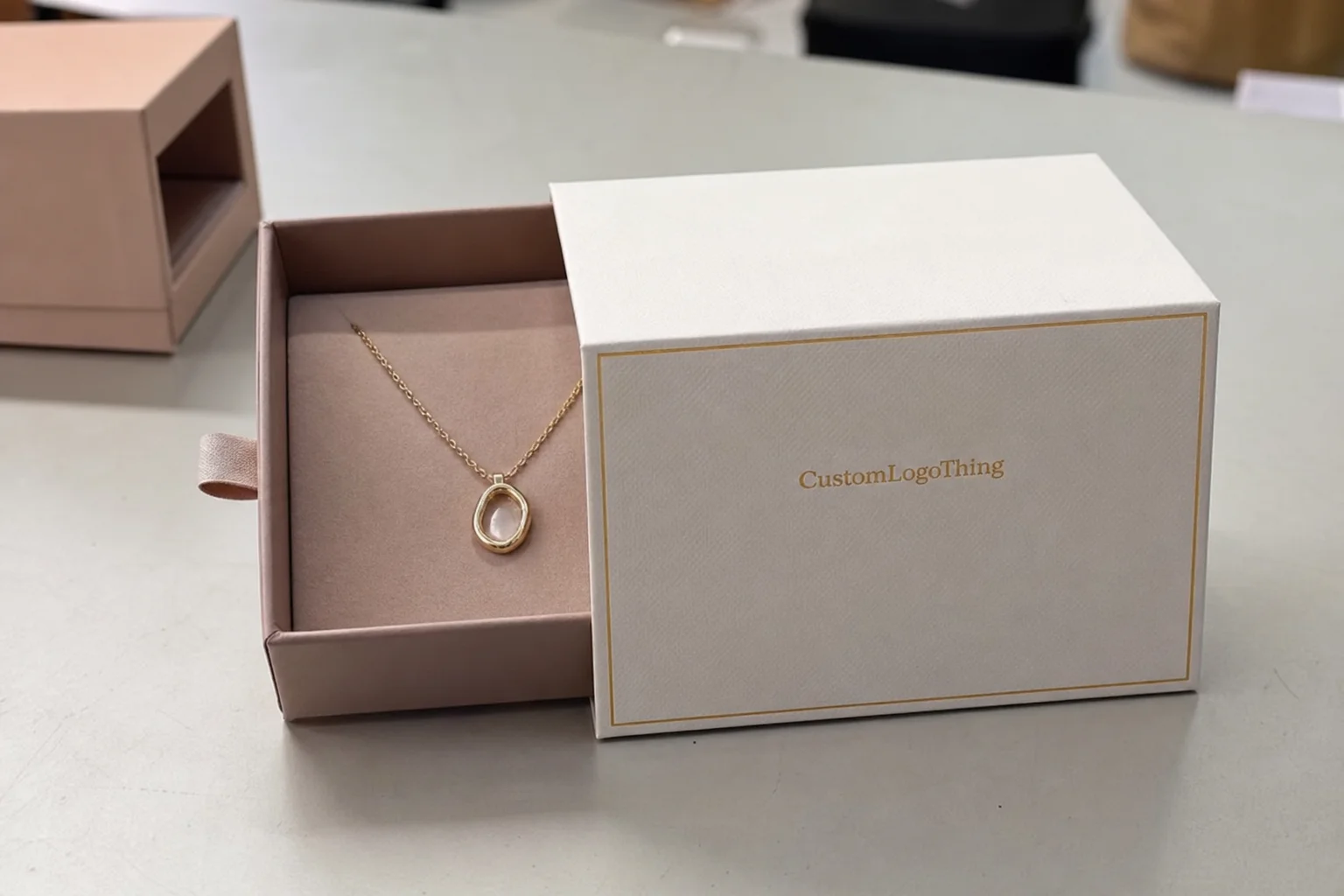
Skincare is sold on presentation as much as function, and matte film gives brands a controlled, refined look without making the design feel overly polished or loud. On small formats, that control matters. Serums, masks, exfoliants, refill packs, and travel sizes all benefit from packaging that keeps typography legible and visual noise low.
Matte finishes are also forgiving in real handling conditions. Fingerprints, scuffs, and small rub marks are less obvious than on high-gloss film, especially after packing and distribution. The pouch does not become scratch-proof, but the everyday wear is less visible. For brands that ship through multiple touchpoints, that can make a noticeable difference in how the product arrives.
Zipper recloseability adds another layer of usefulness. Many skincare formats are used in stages, and resealable packaging can support repeat opening without forcing customers to transfer the contents into another container. That is one reason zipper pouches work well for sample programs, refill packaging, seasonal sets, and travel kits.
There is also a quiet commercial advantage: matte packaging often reads as more premium without needing heavy visual effects. That allows a brand to present a clean design system, which is especially useful when a line is still growing and the packaging needs to signal consistency across multiple SKUs.
Matte is not only a visual choice. It affects how the bag reads in photos, how much handling wear shows up, and how the artwork performs once the pouch moves through packing and shipping.
Print, structure, and finish options that shape the final look
The biggest mistake buyers make is treating the pouch as one simple item. In production, it is a combination of structure, print, finish, and closure, and each choice affects cost and appearance. For skincare, common laminate structures include PET/PE for general applications, MOPP/PE when the buyer wants a different stiffness or feel, and mono-material options where recyclability goals and technical compatibility align. The right option depends on product sensitivity, shelf life expectations, and how much barrier protection the formula needs.
Barrier requirements matter more than many teams expect. Creams, powders, and actives can be sensitive to moisture and oxygen, and a pouch that looks right but performs poorly in storage can create returns, leakage complaints, or product degradation. If the formula is fragile, ask the supplier how the structure handles seal integrity, puncture resistance, and long-distance shipping stress. For regulated or export markets, ask whether the supplier can reference standard packaging test methods and provide documentation for seal checks or transit testing. Many buyers also review ISTA-style shipment testing criteria, and the International Safe Transit Association offers useful context at ista.org.
Print method has a major effect on both quote and consistency. Gravure printing is often used for larger runs because it supports stable color over long production cycles. Digital printing is usually better for shorter runs, versioning, and artwork that may still be in development. Flexographic printing can be a practical route for simpler artwork and certain budget targets. None of these is automatically “best”; the right choice depends on quantity, design complexity, and how tightly the brand needs to hold color.
The finish should be discussed in the same conversation. A true matte film gives a low-glare surface from the material itself. Soft-touch lamination creates a more velvety hand feel, but it usually raises cost and can change the way the pouch holds up during handling. A matte varnish effect may work on some structures, though it does not behave the same way across every substrate. Two pouches described as matte can feel very different in hand, which is why sample approval is worth the time.
Zipper details are just as important. Standard press-to-close zippers are common and usually the most economical. Child-resistant options may be necessary for specific formulas or market requirements. Tear notches, hang holes, and laser scoring can improve usability, but each feature adds a little cost and sometimes a little lead time. Window panels can support ingredient visibility, while white ink becomes essential on darker films to preserve opacity and keep copy readable. Spot gloss on a logo can also provide contrast against a matte field without changing the whole pouch.
Printed matte zipper bags quote for skincare: specs buyers should confirm
If you want an accurate printed matte Zipper Bags Quote for skincare, the supplier needs a complete spec set rather than a rough description. The more precise the brief, the fewer surprises later. At minimum, confirm bag width, height, gusset depth, material structure, print colors, finish type, zipper style, and target quantity. If any of those inputs are missing, the first quote may be only a placeholder.
Size should match the actual product format. Sample sachets need a different footprint from refill pouches, and full-size retail packs often need more internal volume, stronger seals, and more room for compliance copy. When brands are still deciding between sizes, requesting standard sample dimensions first can save time and reduce the risk of redesigning around a pouch that is too small or too expensive.
Artwork requirements should be settled before production starts. Confirm bleed, dieline approval, Pantone targets, barcode placement, and any legal text that has to sit on the package. If the pouch carries ingredients, batch coding, recycling marks, or country-of-origin details, those need to be built into the layout from the start. A bad layout can force a reprint, and a reprint usually costs more than any discount achieved on the original quote.
Finish language also needs to be specific. “Matte” can mean several things to different vendors. One supplier may mean a basic matte film; another may mean a matte lamination over printed film; another may be quoting a soft-touch surface. Buyers should ask for a physical sample or printed proof whenever appearance or tactile feel matters. The difference is not cosmetic only; it can change perceived quality and even the way fingerprints show up on darker colors.
| Spec area | What to confirm | Why it affects quote |
|---|---|---|
| Bag size | Width, height, gusset depth | Changes material usage and print layout |
| Material structure | PET/PE, MOPP/PE, mono-material | Impacts barrier, stiffness, and recyclability options |
| Print method | Gravure, digital, or flexographic | Affects setup cost, color control, and lead time |
| Finish | True matte, soft-touch, matte varnish | Changes appearance and unit cost |
| Zipper | Standard, child-resistant, tear notch | Impacts functionality and assembly cost |
Cost, pricing, and MOQ factors that move your quote
Pricing is driven by a handful of predictable variables: size, material complexity, print coverage, finish, zipper type, and quantity. Larger bags use more film. More complex barrier structures add converting cost. A design with multiple print colors or dense artwork is not equivalent to a simple one-color mark. A soft-touch surface or specialty matte treatment will usually push the cost higher than a standard matte film.
MOQ behavior is where many first-time buyers get caught off guard. Lower quantities almost always carry a higher unit cost because setup, proofing, plate or cylinder charges, and production waste are spread across fewer pieces. A run of 1,000 bags can be useful for a pilot launch, but it is rarely the most efficient price tier. Once the order moves to 5,000 or 10,000 pieces, the math usually improves, assuming the brand has the storage space and demand to support it.
For many printed skincare pouches, buyers may see pricing somewhere around $0.18 to $0.45 per unit at 5,000 pieces, with shorter runs often priced higher and more complex structures pushing the range upward. That number is only useful if the specs are matched. Two quotes can both be “cheap” or “expensive” depending on whether they include the same size, finish, zipper, and print coverage.
Hidden costs deserve attention before any comparison is made. Prepress fees, plate or cylinder charges, sample revisions, freight, customs clearance, carton configuration, and packing counts can all change the landed cost. A quote that looks lower at first glance may become more expensive once freight or proof revisions are added back in. The only fair comparison is a matched spec sheet with the same assumptions on all sides.
One buyer habit helps a lot: request at least two quantity scenarios from each supplier, usually the minimum order and the next logical volume break. That makes the trade-off visible. Sometimes the higher tier only adds a small amount to the total order value while lowering the per-unit cost enough to justify the inventory. Other times it does not. The point is to make the breakpoints visible before anyone approves artwork.
Process and lead time: from artwork approval to delivery
The production path is fairly standard: inquiry, spec review, artwork check, quote confirmation, proof approval, production, inspection, packing, and shipment. Delays usually come from incomplete inputs rather than from the printing itself. Missing dielines, low-resolution files, late color edits, or unclear zipper requirements can slow everything down faster than a complex pouch structure would.
Lead time depends on print method and order size. Digital samples and shorter runs can move quickly because setup is lighter. Larger printed orders need more time for cylinder preparation, color matching, drying or curing, and quality control. In practice, many buyers see 12 to 15 business days from proof approval on standard production windows, although that can stretch if the spec is complicated or freight is crowded.
Good suppliers do not just say “yes” and wait for problems later. They send a pre-production proof, ask for approval on the dieline, and provide updates during the run. For larger orders, inline inspection or staged checks can reduce the risk of a bad batch reaching the packing line. Final carton photos before dispatch are also useful, especially when the order is time-sensitive or headed to multiple destinations.
Shipping time matters just as much as factory time. Overseas freight, customs clearance, and destination distance can turn a reasonable production window into a late arrival if they are not built into the schedule from the start. For promotional launches or retail resets, the timeline should work backward from the in-stock date, not the ship date. That distinction is where many packaging projects lose margin.
Material availability can also affect timing. Specialty matte films, unusual zipper styles, and custom barrier combinations may require more coordination than standard stock structures. If the brand has a fixed launch date, it is safer to keep the spec simple unless the custom feature is truly necessary.
For brands weighing recyclability claims or disposal guidance, the EPA’s recycling resources provide helpful background on packaging recovery expectations and consumer-facing language; see EPA recycling guidance. That does not decide the spec for you, but it does help keep sustainability language grounded in what the material can realistically support.
How to choose a supplier that protects margin and brand consistency
Price matters, but consistency matters more once the product reaches the market. A low quote can become expensive if the seals are weak, the color drifts, or the zipper fails after filling. Returns, reorders, and brand damage usually cost more than the unit savings gained from picking the cheapest line item.
Supplier evaluation should focus on traceability, print consistency, documentation, and the quality of proofing. A good vendor can explain the difference between the material structure, the finish, and the print process in plain language. They should be able to tell you which spec changes lower cost and which ones compromise appearance or performance. If the explanation stays vague, that is usually a warning sign.
Skincare packaging is especially sensitive to visual drift. A matte pouch that prints cleanly on the first order and dulls or shifts color on the second order will hurt the brand more than a slightly higher quote ever would. If the packaging is likely to be replenished, ask whether the supplier can repeat the same color balance, hand feel, and zipper performance across later runs without changing the finished look.
Documentation also matters when packaging decisions touch sustainability claims or retail requirements. If paper components, inserts, or secondary packaging are part of the order, FSC-related sourcing discussions can be relevant. The Forest Stewardship Council provides a familiar benchmark for responsible sourcing at fsc.org. Not every pouch needs the same certification path, but buyers often need to know which elements can carry which claims.
Another practical test: ask for sample photos with measurements, not just a verbal confirmation. Good suppliers can show dimension checks, finish references, and proof layouts without turning the conversation into a guess. That small discipline tends to filter out the vendors who overpromise and under-document.
Next steps for ordering skincare zipper bags with confidence
A clean quote request saves time at every step. Include exact dimensions, quantity, artwork status, finish preference, zipper type, barrier needs, and the target ship date. If the launch volume is still unknown, give two scenarios so the supplier can price both the pilot and the likely reorder path.
It also helps to ask for two levels of pricing: the smallest practical production run and the next volume break. That makes the inventory trade-off visible before the order is approved. Sometimes the higher quantity only adds a modest amount to the total spend while lowering the unit cost enough to be worth carrying a little extra stock. Sometimes the answer is to stay lean. The numbers should decide that, not guesswork.
If texture, color accuracy, or matte depth matter to the brand, ask for a material sample or printed mockup before full production. Matte surfaces can vary across substrates, and the sample is the fastest way to check whether the pouch reads as intended under retail lighting. Also confirm the details that are easiest to miss later: barcode placement, pack count per carton, zipper type, and any batch-coding requirement.
For buyers comparing multiple vendors, use the same spec sheet for each one and compare the quotes line by line. That is the only honest way to judge the true landed cost of a printed Matte Zipper Bags quote for skincare. A small difference in finish or material can explain a big difference in price, and a strong quote should make that visible rather than hide it.
Once the brief is ready, the conversation becomes much more efficient. The supplier can respond with a cleaner price, a more realistic lead time, and fewer revisions before production starts.
What affects a printed matte zipper bags quote for skincare the most?
Bag size, material structure, print colors, matte finish type, zipper style, and order quantity are the biggest cost drivers. Lower quantities usually raise the unit price because setup and proofing costs are spread across fewer bags.
Can I get a quote for small-run skincare zipper pouches?
Yes. Short-run options are often available with digital printing or simpler specs. The unit price is usually higher than a large run, but the upfront inventory risk is lower.
What information do I need before requesting pricing?
Provide size, quantity, artwork files, finish preference, zipper type, and any barrier or compliance requirements. If those are not final, ask for sample dimensions and material suggestions first.
How long does production usually take after approval?
Lead time depends on print method, order size, and proofing speed. Many standard runs ship within 12 to 15 business days after proof approval, although freight and customs can extend the final delivery date.
Are matte zipper bags suitable for premium skincare branding?
Yes. Matte finishes often photograph well, reduce glare, and create a more restrained premium look. They also make small text and design details easier to read in retail and ecommerce settings.


