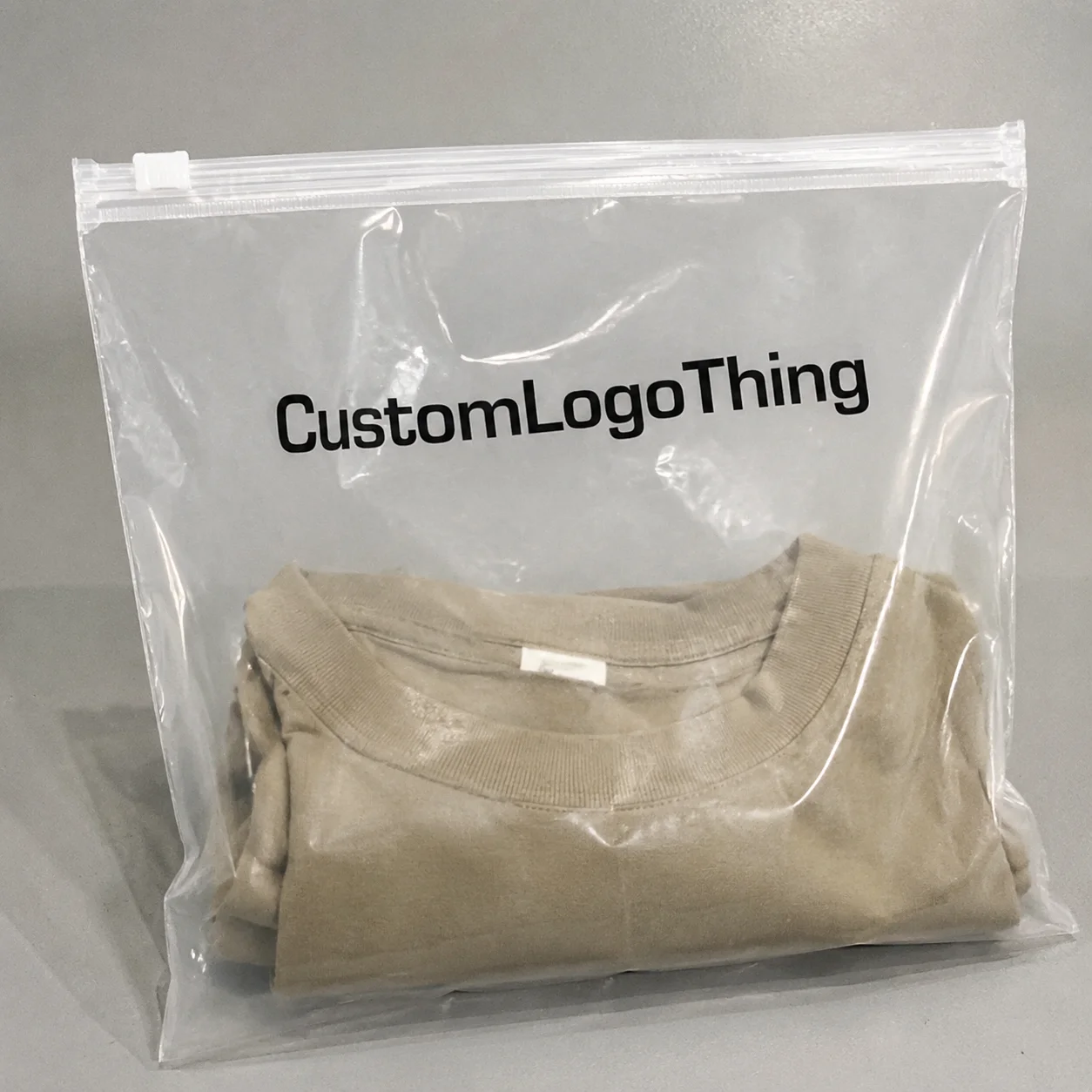
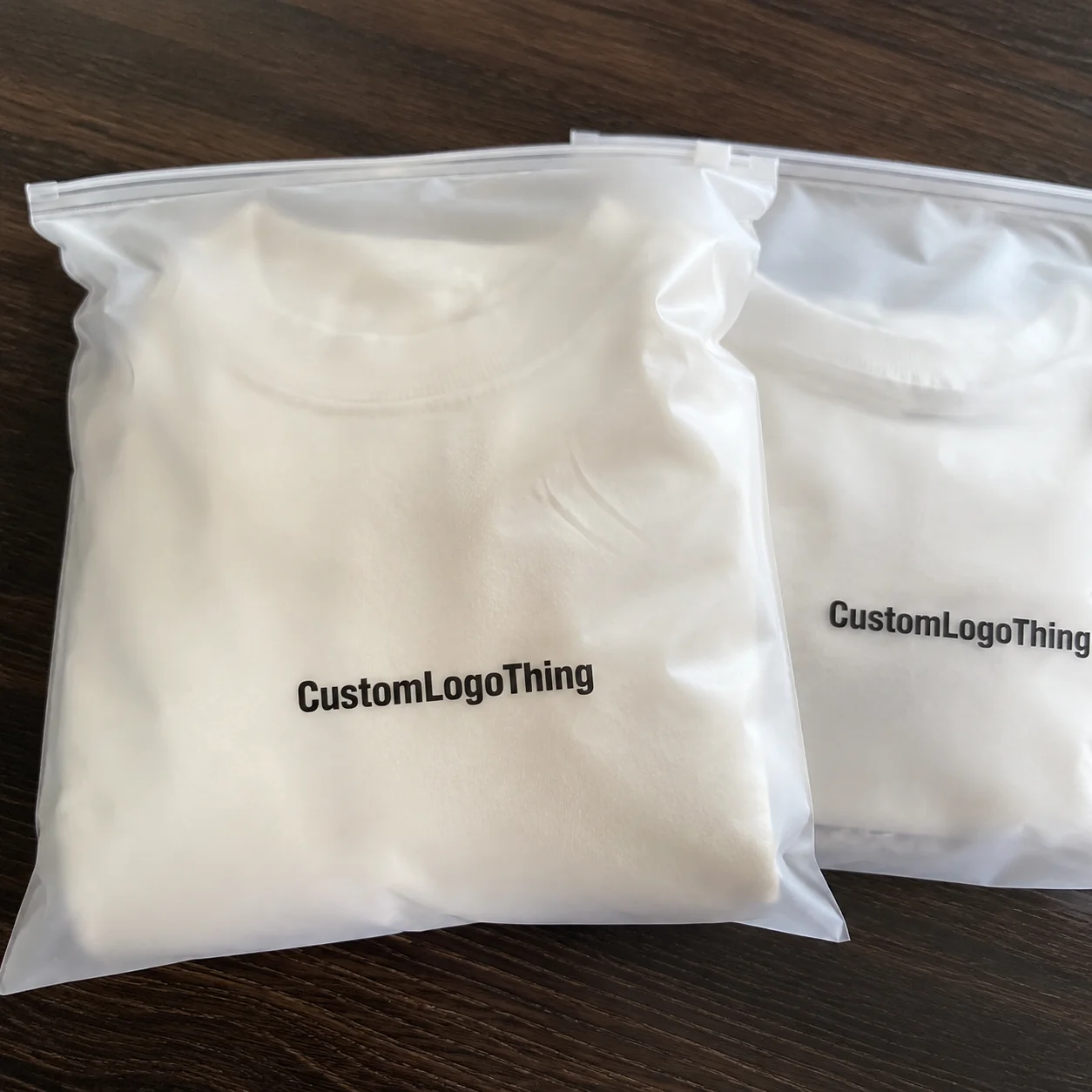
Matte Zipper Bags Unit Cost for Cosmetics: What Buyers Miss
Matte Zipper Bags unit cost for cosmetics is not just the price printed next to the pouch description. It is the combined result of material structure, finish, size, zipper style, print coverage, order quantity, setup charges, packing method, inspection requirements, and freight. A polished mockup can make every option look equally simple; the invoice will not.
Consider two 4 x 6 inch matte zipper pouches for skincare samples. One uses a stock matte film with a one-color logo. The other uses full-coverage artwork, white ink, spot gloss, a hang hole, rounded corners, a heavier barrier laminate, and a small trial quantity split across several SKUs. They may share the same rough dimensions, but they will not share the same unit cost.
Beauty buyers like matte resealable bags because they feel more controlled than high-gloss packaging. They reduce glare in photography, suit minimalist skincare branding, and work across a wide range of products: sheet masks, brow tools, beauty sponges, under-eye patches, nail accessories, bath salts, wax beads, refill powders, mini retail kits, and promotional sample sets.
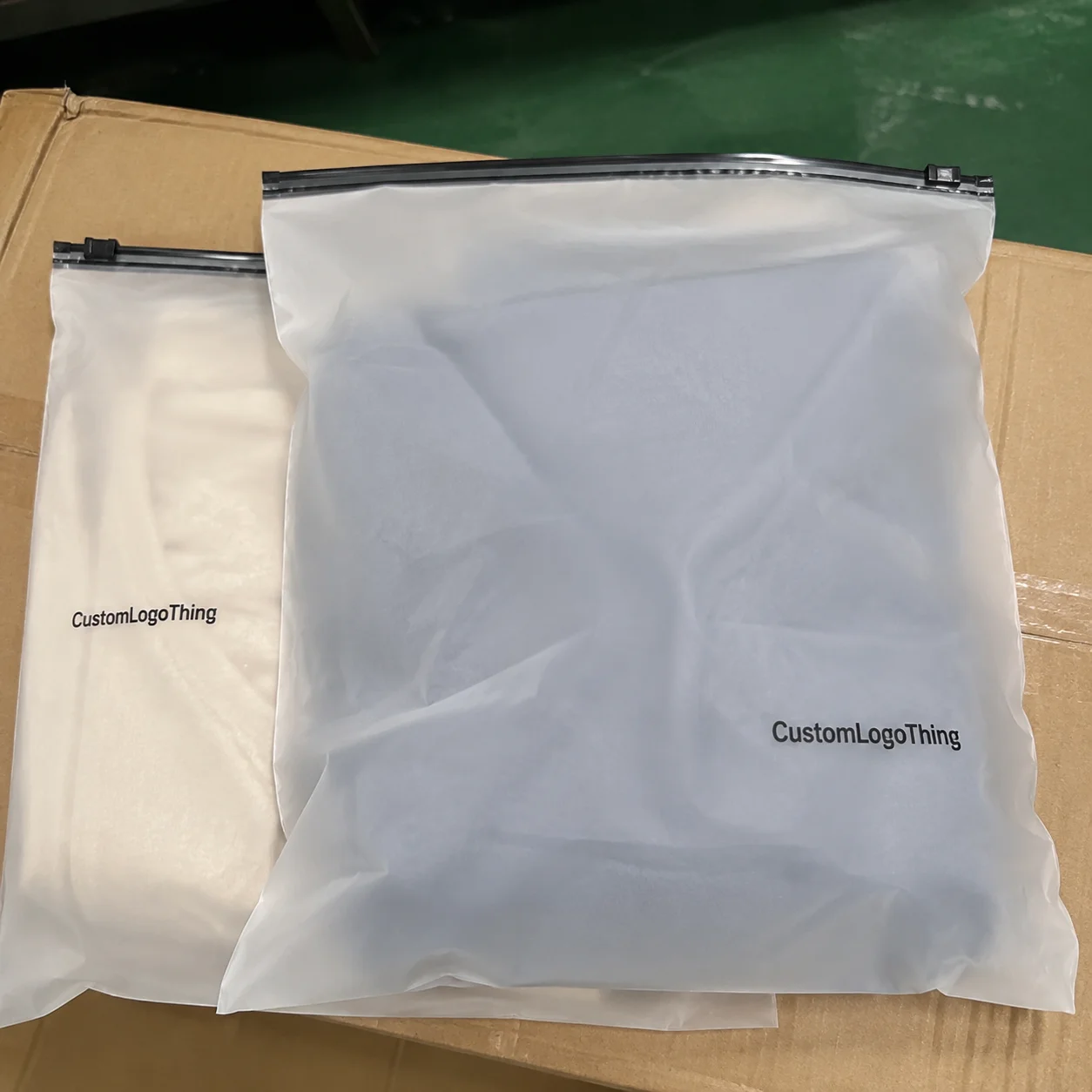
Matte is not one universal specification. A matte film gives one look and feel. Matte varnish behaves differently. Soft-touch matte lamination can feel more premium, but it may raise the price per piece and should be checked for scuffing, especially on dark colors or heavily handled retail packs. Frosted translucent film has its own character again, softer and lighter, but not always ideal for tiny text or dense color.
The practical goal is not to buy the fanciest pouch. It is to choose the structure that protects the product, presents the brand cleanly, seals reliably, and still leaves room in the product margin after freight and handling are included.
Good packaging math is plain but useful: the right cosmetic pouch protects the formula or item, supports the retail channel, passes basic handling checks, and lands at a unit cost the product can actually carry.
Best Cosmetic Uses for Matte Resealable Pouches
Matte resealable pouches work best for beauty products that need repeated opening, neat presentation, and a little shelf presence without the hard shine of glossy film. They are especially useful for dry beauty products, accessory kits, spa retail items, refill packs, sample assortments, influencer mailers, and promotional cosmetics that customers may open and close more than once.
Product fit matters more than many early packaging discussions allow. Sheet masks and under-eye patches often need moisture-barrier films that can handle serum, fragrance, and storage time. Brow razors, tweezers, cuticle tools, and nail accessories need puncture resistance so sharp edges do not stress the side seals or corners. Bath salts and powder refills need strong seals, moisture protection, and sometimes odor control. One pouch structure will not suit every beauty item, even if the outside shape looks similar.
The zipper is not decoration. A press-to-close zipper adds reuse and perceived value for sponges, tools, refill powders, salts, and multi-use spa products. For a true single-use sample, a tear notch and heat seal may be enough. For a product customers keep in a drawer, gym bag, travel pouch, or bathroom cabinet, zipper feel becomes part of the product experience. A weak zipper can make a premium-looking pouch feel cheap within seconds.
Matte surfaces are especially strong for minimalist skincare, botanical formulas, black-and-white cosmetic lines, and upscale sample kits. Gloss can still work, particularly for bright retail graphics, but it reflects light aggressively and shows fingerprints in ways matte often softens. For product photography and social content, matte film tends to behave better under studio lights and phone cameras.
Safety and compatibility still come first. Oils, fragrance, alcohol-based products, wet formulas, and active ingredients can migrate into or react with the wrong film, causing staining, softening, odor transfer, delamination, or distortion. Compatibility testing costs less than replacing a run of filled pouches.
Format choice also changes cost. Flat zipper bags are usually efficient for samples, tools, patches, and lightweight kits. Stand-up pouches make sense for heavier refill products, powders, bath salts, and shelf displays that need a base gusset. Die-cut shaped pouches can be memorable for promotions, but they may add tooling fees, material waste, and longer setup time. The more custom the silhouette, the more carefully the quantity needs to justify it.
Material, Finish, and Print Specs That Change the Price
The material structure is one of the largest cost drivers in matte cosmetic pouches. Common structures include PET/PE, matte BOPP/PE, PET/VMPET/PE, kraft-look laminated film, frosted PE, and higher-barrier laminated films for moisture-sensitive products. Each structure handles stiffness, sealing, barrier performance, print quality, opacity, and durability in a different way.
PET/PE is a practical workhorse for many dry cosmetic items. It can provide good printability, reasonable stiffness, and dependable sealing when matched to the right product. Matte BOPP/PE may be more economical for lightweight items and simpler programs, though it should still be checked against the product’s weight and handling conditions. PET/VMPET/PE adds a metallized barrier layer for stronger protection against light and moisture, often useful for powders, salts, fragrance-heavy contents, or formulas sensitive to light exposure.
Frosted PE creates a softer translucent look that suits samples, travel kits, and clean beauty branding. The tradeoff is that it may not deliver the same sharpness for fine type, dense coverage, or complex gradients. If the design depends on very small ingredient text or crisp barcode printing, the print surface and proofing method deserve extra attention.
Stock matte film is usually faster and less expensive than custom laminated film because the base material is already available and the production route is simpler. It can work well for lower quantities, simple logos, and dry products. Custom laminated film gives more control over barrier, opacity, stiffness, print finish, and size, but that control brings higher setup and material commitments. Sometimes it is the correct choice; sometimes it is over-engineering.
Finish choice has a direct effect on the quote. Matte lamination gives a smooth retail look and a more premium hand feel. Soft-touch finishes can feel elegant, but dark soft-touch surfaces may show rub marks, edge wear, or fingerprints depending on handling. Matte varnish can create a subdued surface over printed areas and may be more practical for some artwork. If the design calls for matte black with crisp white ink, ask about white opacity, ink laydown, and rub resistance. White ink needs the right film and coverage to look intentional rather than thin or gray.
Print method matters as much as the finish. Digital printing is useful for lower MOQs, short tests, multi-SKU launches, and artwork variations. It can reduce setup burden when each formula needs its own design. Flexographic or rotogravure printing usually improves bulk economics at higher quantities, but plates, cylinders, make-ready time, and minimum material runs can make small orders expensive.
Artwork coverage is another quiet cost driver. A small one-color logo is very different from full-coverage graphics. White ink underlays, metallic effects, spot UV, gradients, reverse printing, full bleed artwork, and tight registration can all add cost or production risk. They may be worth it for retail impact, but they should be priced with the real order quantity, not with wishful future volume.
| Spec Choice | Typical Use | Cost Impact | Buyer Advice |
|---|---|---|---|
| PET/PE matte pouch | Dry tools, sponges, sample sets | Low to moderate | A sensible starting point for many dry cosmetic products. |
| PET/VMPET/PE high-barrier pouch | Powders, bath salts, fragrance-sensitive items | Moderate to high | Use when light, moisture, or odor barrier is genuinely needed. |
| Soft-touch matte lamination | Premium skincare and retail kits | Moderate increase | Request scuff and handling checks, especially for dark colors. |
| Digital print | Small runs, multiple SKUs, launch tests | Better fit for lower quantities | Useful before committing to large inventory. |
| Flexo or rotogravure print | Repeat bulk orders | Lower unit cost at volume | Confirm setup charges, tooling, and minimum quantities. |
Functional add-ons affect pricing too: zipper profile, tear notch, hang hole, rounded corners, bottom gusset, tamper-evident seal, child-resistant zipper, valve, and extra-thick film. A child-resistant zipper, for example, may be required for certain regulated products, but it will not price like a standard press-close zipper. A hang hole is simple in concept, yet it still affects layout, tooling, usable space, and sometimes packing.
If the product is light and dry, avoid buying a high-barrier structure just because it sounds more premium. Extra barrier does not automatically mean better packaging. Better means matched to the product, channel, and shelf-life requirement.
Pricing, MOQ, and Unit Cost Ranges for Custom Orders
There is no honest universal Price for Custom matte cosmetic zipper bags. A useful quote needs finished size, material, thickness, print method, artwork coverage, quantity, SKU count, zipper type, finish, packing details, and shipping destination. Without those details, the number is only a placeholder.
Unit cost generally drops as quantity rises because setup, printing, material waste, make-ready time, inspection, and packing labor are spread across more bags. Small digital runs may start around a few hundred to a few thousand pieces, depending on size, film, and print requirements. Conventional printed laminated pouches often make more sense from several thousand pieces upward, particularly when plates, cylinders, or custom material structures are involved.
For planning purposes, a small 3 x 5 inch matte zipper sample bag with a one-color logo will usually price far lower than a 6 x 9 inch stand-up pouch with a bottom gusset, full-color coverage, metallized barrier film, white ink, and metallic detail. The difference is not arbitrary. Larger bags use more film, heavier structures cost more per square inch, and complex printing slows the process.
The main cost drivers are bag size, film thickness, laminated barrier layers, matte finish type, zipper profile, number of print colors, total artwork coverage, SKU count, packing method, inspection requirements, and shipping destination. Freight deserves early attention. A quote that looks excellent before shipping can lose its appeal once carton count, delivery location, and timing are added.
| Order Type | Common Quantity Range | Typical Cost Pattern | Best Fit |
|---|---|---|---|
| Small digital test run | About 500-2,000 pieces | Higher cost per piece, lower setup burden | Launch tests, sample kits, multiple designs |
| Mid-size custom run | About 3,000-10,000 pieces | Improved unit cost, more material options | Growing ecommerce or boutique retail programs |
| Bulk production run | About 10,000-50,000+ pieces | Stronger bulk pricing, setup spread across volume | Repeat SKUs, refill lines, retail distribution |
Digital printing can support lower MOQs and multiple designs with less upfront setup. Plate-based production usually has higher minimums but better economics for repeat orders. If one hero SKU sells every month, plate-based printing may bring the Matte Zipper Bags unit cost for cosmetics down over time. If twelve formulas are still being tested, digital may prevent setup charges and leftover inventory from swallowing the packaging budget.
Ask for tiered pricing at practical breaks such as 1,000, 3,000, 5,000, 10,000, and 20,000 pieces where those quantities fit your sales plan. The quote often reveals a breakpoint where the unit price starts to behave. Sometimes moving from 3,000 to 5,000 pieces creates a meaningful drop with manageable inventory risk. Sometimes the savings are too small to justify the extra cartons. The tiered quote makes that visible.
Low quotes deserve careful review. Check film thickness, zipper quality, odor, edge sealing, print registration, color consistency, carton packing, and freight terms. A cheap pouch becomes expensive when seals split, bath salts leak, barcodes fail to scan, or white logos rub off during transit. For broader transport testing guidance, brands can review resources from ISTA, especially if filled pouches ship through ecommerce, subscription boxes, or multi-stop retail distribution.
Artwork, Sizing, and Cosmetic Compliance Details to Prepare
A clean quote starts with complete specs. Prepare the finished outside dimensions, desired usable fill area, product weight or volume, fill method, artwork file, number of SKUs, target quantities, finish preference, and required delivery date. “Around 4 x 6” can begin a conversation, but it is not enough for final pricing.
Outside dimensions are not the same as usable interior space. Zippers, heat seals, tear notches, hang holes, rounded corners, and gussets all reduce available room. A 4 x 6 inch pouch does not provide a full 4 x 6 inch rectangle for product and artwork. Measure the actual item, including thickness and any irregular shape, rather than relying only on the product deck.
Fill testing prevents expensive surprises. Powders settle during handling. Tools press into corners. Wet masks add weight. Beauty sponges compress during packing, then expand. Bath salts can create hard pressure points along the seal area. The pouch has to survive filling, sealing, carton packing, shipping, retail handling, and customer use without bursting, wrinkling badly, or losing its intended shape.
Artwork should be production-ready before proofing begins. That means vector logo files, CMYK artwork, Pantone references where needed, proper bleed, safe margins, barcode placement, and clear front/back orientation. A low-resolution screenshot may help identify the logo, but it is not print artwork. Rebuilding files during production slows quoting, proof approval, and scheduling.
Cosmetic labeling also needs room. Depending on the market and product type, the pouch may need ingredient panels, warnings, batch or lot codes, net weight, country of origin, recycling marks, distributor details, and other required copy. Reserve space for regulatory and operational information before the design becomes too crowded to function.
Matte surfaces can mute color compared with gloss. Black may look softer. Bright colors may lose intensity. Fine gradients can shift depending on film, ink system, and print method. If color accuracy matters, request a physical sample, printed proof, or drawdown where available before approving full production. Screen proofs are useful for layout; they do not prove texture, opacity, or rub resistance.
Sustainability claims need precision. If you plan to use FSC-certified paper components for header cards, inserts, or kraft-look packaging, confirm chain-of-custody requirements with the supplier and review guidance from FSC. Claims such as recyclable, compostable, biodegradable, or plastic-free should be supported by the actual structure and the rules in the selling market. A kraft appearance does not automatically make a laminated pouch recyclable or paper-based.
SKU planning can reduce waste. If several formulas use the same size and structure, the supplier may be able to streamline material ordering, setup, and production. Different artwork may still be required, but common dimensions and film structures usually make buying easier. If every scent, shade, or formula uses a different pouch size, expect the order to behave like several small jobs rather than one efficient run.
Production Steps, Lead Time, and Turnaround Expectations
Custom pouch production has more steps than many buyers expect. The usual path includes quote request, spec confirmation, artwork review, digital proof, sample or pre-production proof if needed, deposit, material preparation, printing, lamination, curing, bag making, quality inspection, packing, and shipping.
Simple digital printed bags can move faster, especially when stock film is available and artwork is clean. Custom laminated or plate-based production takes longer because printing, lamination, curing, slitting, and conversion each need their own time window. Compressing one stage too aggressively can create defects that are harder to fix later.
Blank samples are the fastest way to check size, structure, hand feel, zipper strength, and product fit. They will not confirm color, print opacity, barcode readability, or final finish, but they can quickly show whether the pouch format is even workable. Printed samples or pre-production proofs take longer and may cost more, yet they reduce risk when brand color, surface feel, retail presentation, or compliance text matters.
Laminated pouches may need curing time after adhesives and inks are applied. That curing period matters for beauty products, especially fragrance-sensitive, wet, food-adjacent, or odor-sensitive items. Converting or packing too soon can contribute to odor, delamination, weak seals, or poor surface behavior. A premium mask pouch should not smell like solvent when opened.
The most common delays are predictable: late artwork, unclear dimensions, last-minute SKU changes, missing labeling copy, unapproved Pantone references, and shipping decisions left until the order is complete. Production may finish on schedule while cartons wait for freight instructions, final payment, or delivery appointments.
Confirm the bag structure before fine-tuning small design details. A perfect label layout on the wrong film is still wrong. Product compatibility, pouch format, finished size, fill weight, zipper needs, and sealing method should be settled first. Then color, finish, and graphic refinement can move forward with fewer reversals.
Order planning also affects cost. Emergency production limits material choices, increases freight pressure, and leaves less room for proofing or correction. Matte cosmetic pouches are rarely the item to source a few days before a launch, trade show, retail reset, or subscription box packing date.
How Custom Logo Things Helps You Spec the Right Bag
Custom Logo Things helps beauty brands match the pouch to the product rather than quoting the lowest possible line item in isolation. Lowest price is simple to request. The more useful question is whether that price includes the right film, zipper, print method, finish, packing, and lead time for the product being sold.
The support is practical: material recommendations, size checks, matte finish comparisons, print method selection, quote tiers, artwork review, and production coordination. For a dry, lightweight accessory, the recommendation may be a simpler PET/PE or matte BOPP/PE structure. For a moist, fragranced, oily, or active formula, the discussion should shift toward barrier needs, compatibility checks, seal performance, and sample review.
Cosmetic packaging has to look good and survive normal handling. Filled pouches may sit in warehouse cartons, ship through ecommerce, hang on retail pegs, move through subscription box packing, or get opened by customers with wet hands and lotion on their fingers. The zipper, seal, film, and print all need to hold up beyond the first product photo.
Customization options include matte black film, frosted clear film, soft-touch matte finishes, full-color graphics, logo-only printing, hang holes, stand-up gussets, zipper closures, tear notches, rounded corners, and multi-SKU runs. Some options fit lower quantities well. Others only make financial sense at higher volume. That distinction is often the difference between a reasonable pouch program and a beautiful package that strains the margin.
Accurate pricing depends on product details, quantity, dimensions, print goals, finish expectations, delivery location, and timing. Without those inputs, Matte Zipper Bags unit cost for cosmetics becomes a guess dressed up as a quote. With them, it becomes possible to compare production routes, simplify specifications where needed, and identify the quantity tier where the cost per piece begins to make sense.
Good specification planning can also reduce waste. If a requested pouch is too expensive for the order size, practical alternatives may include simplifying print coverage, changing the film structure, using a stock matte material, combining SKUs, adjusting pouch dimensions, or moving from a fully custom route to a digital test run before scaling.
Details to Confirm Before You Request a Cosmetic Pouch Quote
Before requesting final pricing, gather the basics in one place. Choose flat or stand-up format. Confirm finished size. Note product weight or volume. Identify whether the contents are dry, wet, oily, fragranced, powdery, sharp, fragile, or sensitive to light and moisture. Decide on the matte finish style, zipper needs, tear notch, and quantities by SKU.
- Format: flat zipper bag, stand-up pouch, die-cut pouch, or sample sachet style.
- Size: finished outside dimensions plus target usable fill area.
- Product details: weight, volume, texture, ingredients, fragrance, moisture level, and fill method.
- Artwork: vector logo, print-ready design, Pantone references, barcode location, and labeling copy.
- Quantity: two or three realistic tiers by SKU, not just one number.
- Timeline: launch date, event deadline, packing date, or retail delivery window.
- Shipping: delivery location, carton requirements, and any routing or packing instructions.
Ask for more than one quantity tier. A test run and a retail-ready run may price very differently, and the difference is not always linear. Seeing 1,000, 3,000, and 5,000 pieces side by side helps show whether a larger order is worth the inventory commitment.
Share the target retail channel as well. Ecommerce sample kits, spa retail, subscription boxes, boutiques, and larger retail programs may need different durability, labeling, hanging options, carton packing, and barcode placement. A pouch built for a mailer kit is not always the same pouch built for peg display.
If the formula includes oils, fragrance, alcohol, moisture, or active ingredients, request material guidance before full production. Compatibility testing belongs near the beginning of the project, not after the first filled pouches show staining, odor transfer, softening, or weak seals.
For the most accurate Matte Zipper Bags unit cost for cosmetics, provide bag size, quantity, artwork, product type, matte finish preference, and delivery location together. Photos, sketches, target unit cost, retail channel, and launch timing are useful too. Complete specs make it easier to compare the right production options instead of chasing a number that later changes when the missing details appear.
FAQ
What affects matte zipper pouch unit cost for cosmetic packaging the most?
The biggest drivers are order quantity, bag size, material structure, matte finish type, print coverage, zipper style, SKU count, and shipping destination. Full-color laminated printing usually costs more than simple logo printing, especially on small runs. High-barrier films for wet masks, powders, salts, or fragrance-heavy products can also increase the unit cost.
What is the typical MOQ for custom matte zipper bags for beauty products?
Lower MOQs may be possible with digital printing, especially for sample runs, simple designs, or multi-SKU launches. Traditional laminated printing usually needs higher quantities to make setup charges worthwhile. Ask for tiered pricing because the jump from a small MOQ to the next quantity break can change the cost per piece significantly.
Can I use matte zipper bags for wet cosmetics like sheet masks?
Yes, but the film structure must be compatible with moisture, serum, fragrance, and active ingredients. A basic dry-product pouch may not provide enough barrier protection for wet formulas. Material testing, blank samples, or printed proofs are wise before committing to full production.
Do matte custom zipper bags cost more than glossy cosmetic bags?
Often, but not always. Matte lamination and soft-touch finishes typically add cost, while stock matte film or matte varnish may be more economical depending on design, quantity, and material availability. The right choice depends on the desired hand feel, print sharpness, scuff resistance, durability, and budget.
How long does it take to produce custom matte zipper bags for cosmetics?
Timing depends on proof approval, printing method, material availability, lamination, curing, bag conversion, quality checks, packing, and shipping. Blank samples are usually faster than printed proofs. Projects move faster when dimensions, artwork, quantity, product details, and material needs are confirmed before quoting.