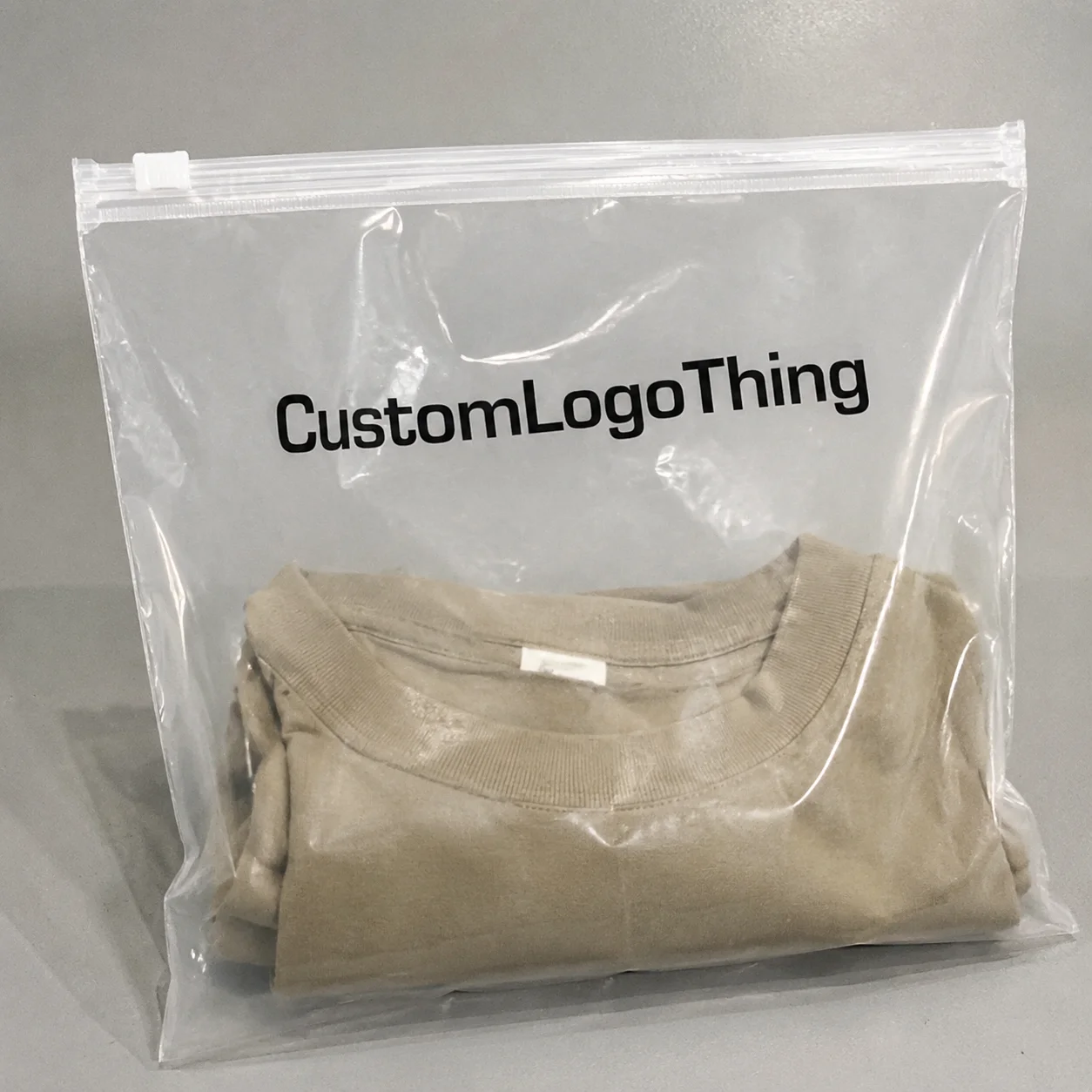
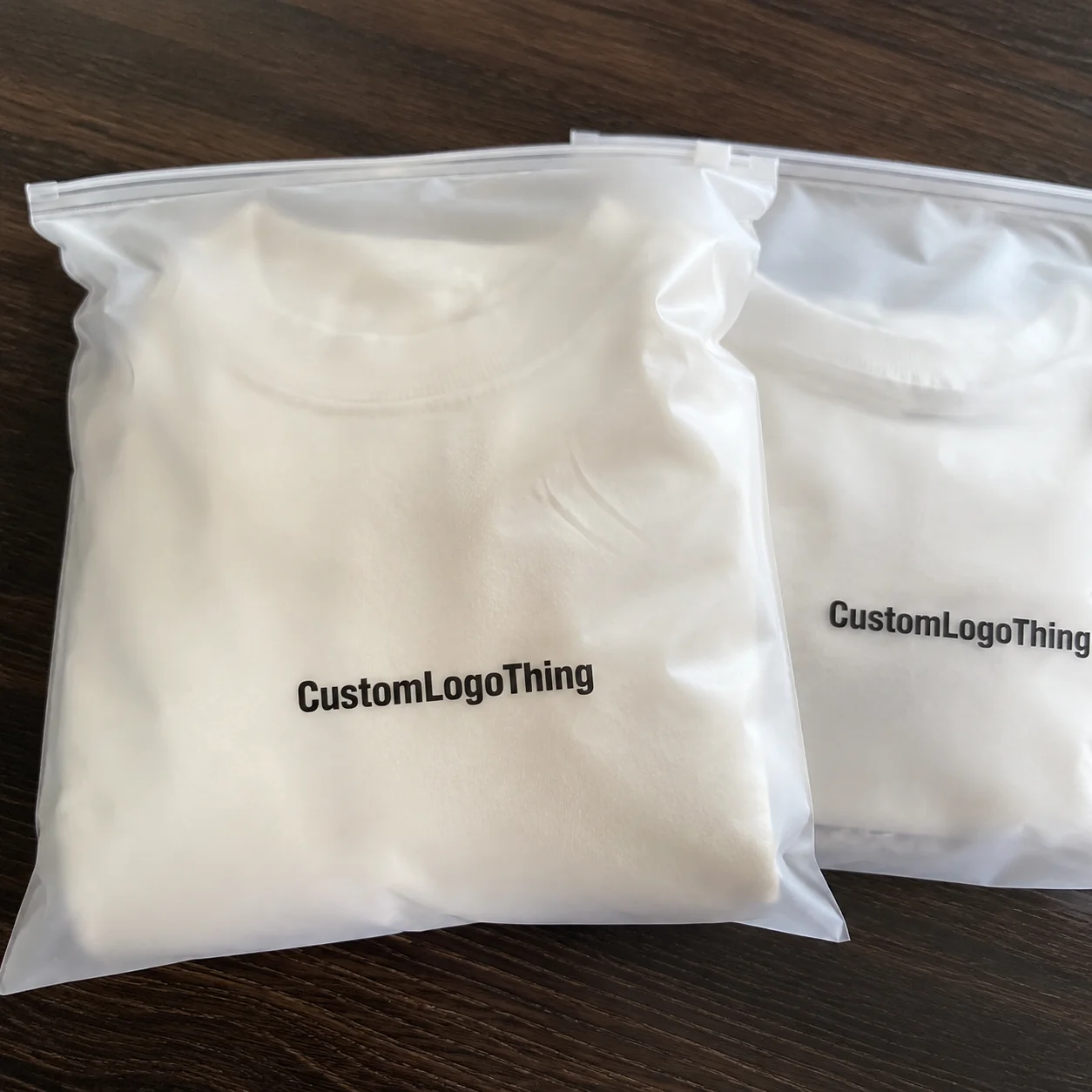
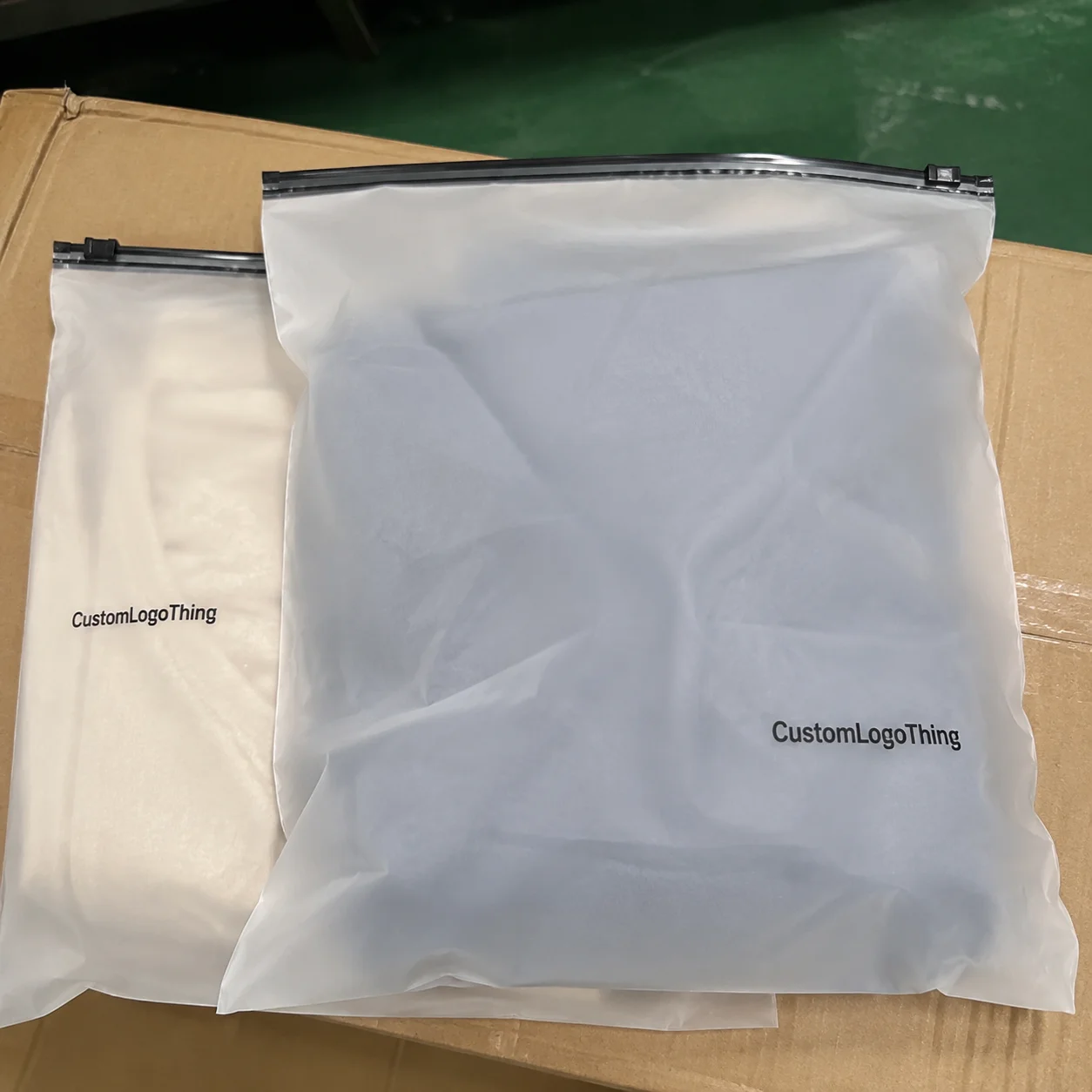
Matte Zipper Bags Unit Cost for Hotel Buyers to Order
The Guest-Room Packaging Detail That Quietly Changes Perceived Value
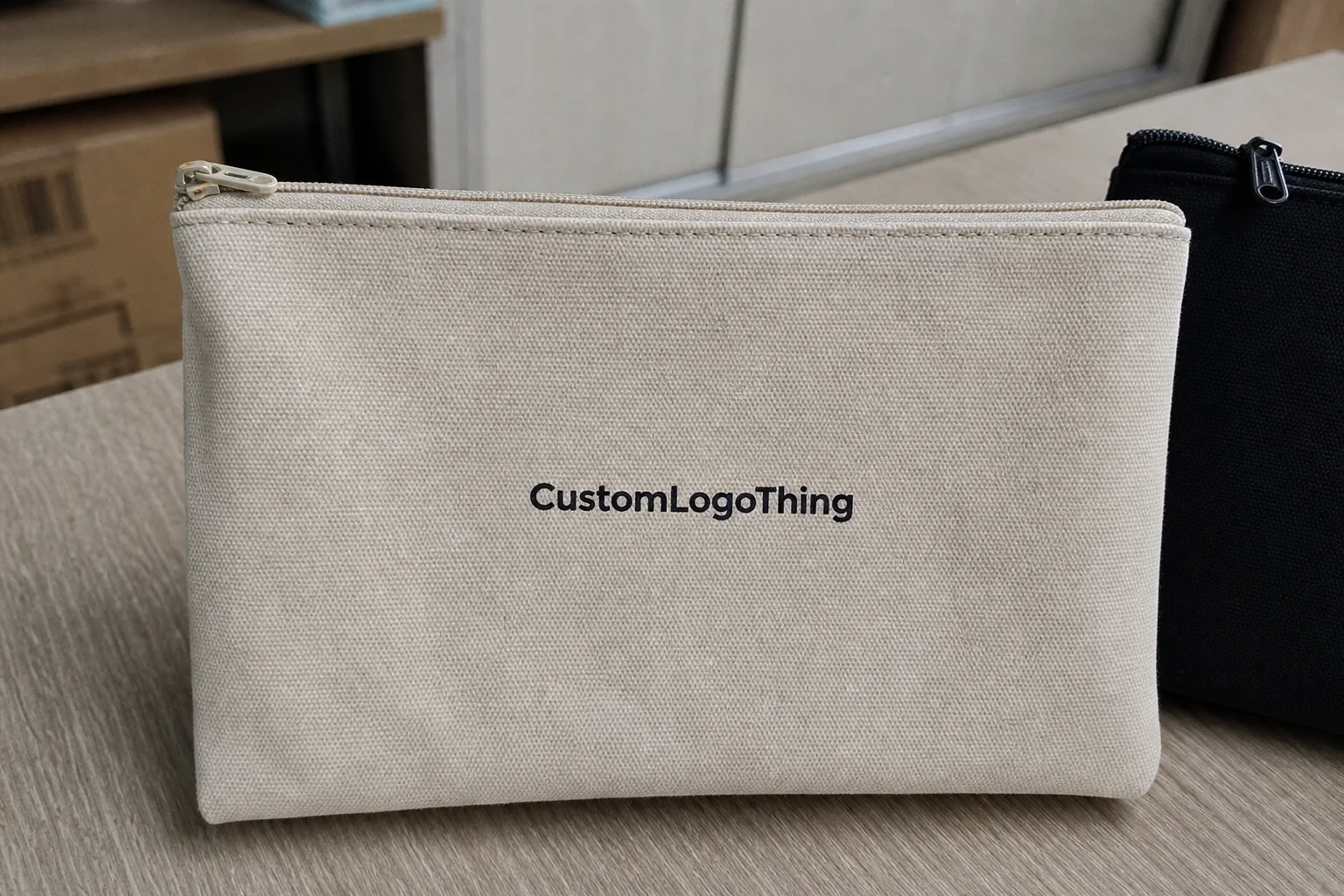
Two identical amenity kits sit on a hotel vanity. One is packed in a glossy clear pouch. The other sits inside a frosted matte zipper bag with a clean logo and enough structure to hold its shape. The products may cost the same, but the guest reads them differently. Matte Zipper Bags Unit Cost for hotel programs depends less on the bag alone and more on thickness, print coverage, zipper style, order quantity, packing labor, and shipping method.
That first touch matters. Hotels will often negotiate a shampoo bottle cost down by a few cents, then overlook the outer pouch that housekeeping handles first and the guest opens first. The bag becomes the frame around the product, and a weak frame can make good contents feel ordinary.
Matte Zipper Bags work because they do three practical things at once: reduce glare, hide fingerprints better than glossy plastic, and feel closer to a reusable retail pouch than disposable packaging. Beside folded towels, robes, slippers, and premium bath products, matte plastic usually looks more deliberate. Less like stockroom packaging. More like a branded guest item.
For hotel teams, the use cases are wider than basic toiletries. These bags can support spa samples, minibar bundles, dental kits, shaving kits, poolside essentials, kids club packs, event check-in gifts, housekeeping kits, and loyalty-tier room drops. A 160 mm x 220 mm pouch might suit a toothbrush, toothpaste, comb, and razor. A larger 250 mm x 300 mm format may handle slippers, travel-size bottles, or a wellness set.
Glossy plastic still has a place. It is usually clearer, often cheaper, and useful when the product must be visible at a glance. Matte finish, however, reduces reflection in guest photos and tends to make even simple one-color branding look more controlled. That is not packaging theater; it is surface finish shaping how guests perceive a low-cost item.
Packaging buyer’s rule: if guests are likely to photograph it, reuse it, or associate it with a premium room tier, the outer bag deserves the same cost discipline as the item inside.
The buying question is not “Which bag looks nicest?” It is sharper than that: what specification gives the right impression without adding unnecessary setup charges, tooling fees, freight weight, or housekeeping friction?
Where Matte Zipper Bags Fit in Hotel Operations
A matte zipper bag is a flexible plastic pouch with a reclosable press zipper or slider closure and a non-gloss surface. Common materials include PE, CPE, EVA, and laminated plastic structures. Each behaves differently. PE is the value-focused workhorse. CPE gives a softer frosted feel. EVA feels more flexible and premium. Laminated structures are used when print strength, opacity, or added durability matters.
Hotels use these bags in more places than procurement teams sometimes realize:
- Bathroom amenity kits with toiletries, combs, razors, cotton pads, and shower caps
- Slipper bags, spa product samplers, and poolside sunscreen packs
- Conference welcome kits with badges, vouchers, pens, and small gifts
- VIP room drops, loyalty gifts, kids club kits, and minibar bundles
- Staff uniform accessories, housekeeping supplies, and back-of-house kits
The zipper closure is not just a guest-experience feature. It helps operations. Pre-packed kits can be counted by carton, placed on housekeeping carts, and distributed faster than loose components. A reclosable bag also protects contents from dust during storage, which matters when kits are packed weeks before peak occupancy.
From a procurement point of view, matte zipper bags sit between two familiar options: low-cost open-top poly bags and rigid gift boxes. Open-top bags are cheaper, but they rarely look premium. Gift boxes can look excellent, yet freight, storage, and assembly time can be punishing for high-volume properties. Matte zipper pouches often offer the middle ground: flat-pack efficiency with better perceived value.
Sustainability deserves a sober paragraph. A reusable pouch can reduce secondary packaging if guests keep it for travel toiletries, chargers, or cables. That does not automatically make it sustainable. Material type, recyclability, local collection rules, and contamination all matter. The U.S. Environmental Protection Agency provides useful guidance on plastic waste and recycling infrastructure at epa.gov/recycle. Buyers should ask for material identification and avoid vague “eco” claims without supporting information.
Different departments judge the same bag differently. Procurement wants unit cost and MOQ. Housekeeping wants durability and fast pack-out. Marketing wants a clean logo with accurate brand color. Operations wants delivery certainty. The best specification is the one that survives all four tests.
One caution: matte surfaces can mute ink. Black may appear softer. Pastels can flatten. Metallics may lose bite. For brand-controlled hotel programs, Pantone references and a pre-production sample are not excessive; they are basic risk control.
Plastic, Thickness, Zipper, and Print Specifications to Lock Before Quoting
Bad quotes usually start with vague specifications. A photo is not a spec. “Similar to this” can hide a 40-micron difference in film thickness, a weaker zipper, or a completely different print process. For hotel matte zipper bag orders, the buyer should lock the measurable details first.
Material choice
PE is often the economical option for standard amenity kits. It can be matte or frosted, accepts simple logo printing, and works well for lightweight contents. CPE has a softer hand feel and a more refined frosted appearance, often used for slippers, spa kits, and higher-tier bathroom amenities. EVA brings flexibility and a more rubber-like softness, but the cost per piece usually rises. Laminated plastic structures make sense for richer graphics, stronger opacity, or added barrier needs.
The material name alone is not enough. A thin CPE pouch may feel weaker than a heavier PE pouch, and a laminated pouch may be unnecessary if the bag only carries a toothbrush and toothpaste for one night. Ask for the material, thickness, and intended use together, not as separate choices.
Thickness and bag strength
Thickness should match handling stress. Light amenity kits may work with roughly 60–80 microns, depending on material and bag size. Reusable toiletry pouches or VIP sets often move closer to 100–150 microns. Heavy contents need stronger side seals and enough zipper clearance. Reducing film gauge can cut cost, but if bags split during housekeeping pack-out, the savings are fictional.
Size planning
Send packed product dimensions, not only the desired empty bag size. A zipper pouch needs extra room for product depth, zipper closure, heat-sealed edges, and manual packing. If four bottles each measure 30 mm deep, a flat bag calculated only from width and height may bulge badly. Add clearance and test the filled kit before ordering thousands.
Zipper and closure details
Standard press-to-close zippers are common for hotel amenity programs because they are economical and familiar. Slider zippers are easier for guests and better for reuse, but they add cost and bulk. Reinforced seals may be needed for heavier items, multiple small bottles, or bags expected to travel home in luggage.
Finish and print
Matte finish can be fully frosted translucent, solid color matte, soft-touch matte, or created through printed matte backgrounds. Each affects price and visibility. A translucent frosted pouch lets guests see contents vaguely. A solid matte pouch feels more private and gift-like. A printed full-surface design looks closer to retail packaging, but print coverage and setup charges increase.
Printing options usually include one-color logo printing, multi-color spot printing, and full-coverage artwork. One-color logos are often the cleanest commercial choice for hotels. Multi-color spot printing helps brand accuracy. Full-surface print gives a stronger retail feel for gift programs, conferences, and spa retail kits.
Small production details can change the quote: rounded corners, hang holes, tear notches, zipper color, barcode labels, individual packing, mixed designs, carton marks, and split delivery. None are wrong. They simply need to be priced.
- Size: width, height, gusset if needed, and zipper clearance
- Material: PE, CPE, EVA, or laminated structure
- Thickness: target micron range or approved sample reference
- Print: artwork file, Pantone colors, print area, number of sides
- Closure: press zipper, slider zipper, or reinforced zipper
- Packing: bulk pack, inner bags, carton quantity, labels, destination
- Timing: required delivery date, event date, or opening schedule
Matte Zipper Bags Unit Cost for Hotel Orders
Matte Zipper Bags Unit Cost for hotel orders is volume-sensitive. The same pouch can feel expensive at 500 pieces and competitive at 10,000 pieces because film setup, print setup, labor, and quality control are spread across more units. That is the basic math behind bulk pricing.
The largest price drivers are straightforward: material type, film thickness, bag dimensions, print colors, logo coverage, zipper type, tooling fees, setup charges, packing method, and freight terms. A small PE frosted pouch with one-color printing in a standard size usually quotes far lower than a large EVA soft-touch pouch with slider zipper, multi-color print, and individual packing.
As a broad planning range, simple custom-printed matte PE pouches for amenity kits may land around the low tens of cents per piece at larger quantities, while heavier CPE or EVA pouches with premium closures can move higher. Small test runs, complex artwork, rush timing, air freight, or unusual sizes can push the landed price well beyond the base bag cost. Exact pricing should always be quoted against confirmed dimensions, material, print, quantity, and delivery terms.
MOQ also depends on customization depth. Standard sizes with simple logo printing often allow more flexible minimums. Custom dimensions, custom film color, full-surface artwork, or special zipper colors usually push minimums upward because the production line has to be set for that specific job.
| Specification Choice | Typical Cost Impact | Best Hotel Use | Buyer Watchpoint |
|---|---|---|---|
| Standard PE matte pouch, one-color logo | Lowest relative unit cost | Basic amenity kits, dental kits, shaving kits | Confirm thickness and zipper strength |
| CPE frosted pouch with spot-color logo | Moderate cost per piece | Slippers, spa samples, premium bathroom kits | Check logo opacity on frosted film |
| EVA soft-touch pouch with slider zipper | Higher unit cost | VIP gifts, reusable travel pouches, loyalty drops | Validate slider durability and added bulk |
| Laminated matte pouch with full artwork | Highest setup and print cost | Retail-style guest gifts, conferences, branded campaigns | Request proofs and confirm setup charges |
A useful pricing comparison is not “cheap versus premium.” It is “which feature creates value for this program?” Reducing thickness by 20 microns may save money, but if the bag tears around bottles during pack-out, the real cost rises. Choosing a standard size may save more than downgrading to a poor film. That is the trade-off many buyers miss.
Hidden costs deserve scrutiny. Sample fees, plates, screens, rush production, carton labeling, barcode stickers, split shipments, air freight, and changed artwork on reorder can all alter landed cost. A quote that looks lower may exclude setup charges or assume sea freight while another includes delivery. Those are not equal comparisons.
Hotels should request tiered pricing at three quantities: immediate test run, quarterly replenishment, and annual forecast. For example, ask for 1,000, 5,000, and 20,000 pieces if those tiers match the property count and occupancy pattern. The price curve will show where the unit cost drops meaningfully and where additional volume no longer changes much.
Custom Logo Things can help separate must-have specifications from decorative extras. A supplier should be able to say, plainly, “You do not need a slider zipper for this one-night kit,” or “This content weight needs stronger seals.” That kind of quote discipline protects budget better than a polished mockup with weak production details.
Process and Lead Time from Artwork to Hotel Delivery
The cleanest orders follow a sequence: inquiry, specification confirmation, artwork review, quote, proof or sample approval, production, inspection, packing, shipping, and delivery. Skip steps and risk increases. Sometimes quietly. Sometimes expensively.
Several details speed up the timeline. Send vector logo files, usually AI, EPS, or editable PDF. Include Pantone references if color matters. Confirm quantity, bag size, material preference, print area, delivery address, and the person authorized to approve proofs. If five departments must review the logo, say so early; approval routing can take longer than printing.
Proofing can happen at different levels. A digital mockup confirms layout and print position. Material swatches help evaluate matte feel and translucency. A physical sample is sensible for larger rollouts, premium VIP programs, or brand-standard properties. For very large distribution programs, packaging performance should be considered alongside appearance; organizations such as ISTA publish test procedures used across transit packaging to evaluate distribution stress.
Lead time depends on complexity. Standard-size bags with one-color printing usually move faster than custom-dyed matte film, full-coverage artwork, multi-SKU kits, or special packing instructions. A realistic timeline often includes several business days for proofing and internal approval before production starts. Production itself may move quickly for simple work, but sample shipping, freight booking, customs clearance, and warehouse receiving add time.
Quality control should cover zipper closure strength, side-seal integrity, print alignment, color consistency, bag count, carton labeling, and transit protection. Pull tests on seals, repeated open-close checks on zippers, and a filled-bag review are simple but useful checks. For hotel buyers, carton labeling is more than housekeeping neatness. A property opening or group event can involve hundreds of cartons arriving with furniture, linens, uniforms, and printed collateral. Poor labels cost labor.
Hospitality schedules are unforgiving. New property openings, seasonal occupancy peaks, conferences, weddings, spa promotions, and brand rollout dates create hard deadlines. The cheapest order can become expensive if it misses the opening date. Timeline discipline belongs in the first quote conversation, not the last email.
Common Buying Mistakes That Push Bag Costs Up
The first mistake is quoting from a photo only. A similar-looking matte pouch can vary widely in plastic type, film gauge, zipper profile, print method, and seal strength. A low quote may simply be a thinner bag.
The second mistake is overspecifying. Not every hotel amenity pouch needs a slider zipper, heavy-gauge EVA, custom-dyed film, and full-color coverage. For a one-night dental kit, a standard press zipper and one-color logo may do the job cleanly. Spend where the guest will notice.
The third mistake is underspecifying contents. If the bag is sized around flat dimensions instead of filled products, it may bulge, split, or sit awkwardly on the vanity. Send the supplier a photo of the actual items and, ideally, their dimensions. Bottles behave differently from sachets. Razors create pressure points. Slippers need more air space than they appear to need.
The fourth mistake is ignoring reorder consistency. Hotels should retain approved artwork, Pantone references, bag size, material type, thickness, zipper style, and carton pack records. Otherwise the next run may require fresh sampling or color correction. That slows reorder timing and can create inconsistent guest presentation across properties.
The fifth mistake is focusing only on ex-factory price. Freight, cartons, rush fees, customs, duties, warehouse handling, and split deliveries can materially change landed cost. A $0.02 saving at the bag level can disappear after air freight, relabeling, or repacking.
Investigative buying test: if one quote is sharply lower, ask what changed. Film thickness? Zipper grade? Print passes? Freight method? Carton quantity? The answer is usually in the specification, not in the salesperson’s adjective.
Ask direct questions before approving a hotel matte zipper bag quote:
- What exact material is quoted: PE, CPE, EVA, or laminated film?
- What thickness is included, and how is it measured?
- Is the zipper included in the unit price?
- Are tooling fees or setup charges separate?
- Is the price based on sea freight, air freight, or ex-factory terms?
- How many bags per carton, and what is the estimated carton size?
- Will the reorder use the same material, artwork file, and print method?
Custom Logo Things helps prevent these issues by turning hotel requirements into measurable specifications before production starts. That sounds basic. It is also where many avoidable costs are removed.
Quote-Ready Next Steps for Hotel Procurement Teams
A good quote request is short, specific, and measurable. Procurement teams do not need to write a technical manual, but they do need to send enough information for a supplier to price the actual bag instead of guessing.
- Confirm the use case: amenity kit, spa sample, slipper pouch, minibar bundle, conference pack, VIP gift, or staff kit.
- Send packed product dimensions: include length, width, depth, and total weight if available.
- Choose the desired finish: frosted translucent, solid matte, soft-touch matte, or printed matte background.
- Provide artwork: vector logo file, Pantone colors, logo size preference, and placement.
- Request quantity tiers: immediate need, next replenishment, and forecast annual volume.
- Confirm delivery details: hotel address, warehouse, distributor, or multiple property locations.
- State timing: opening date, event date, seasonal deadline, or target receiving week.
- Define packing: bulk packed, counted inner bags, carton labels, barcode labels, or property-specific cartons.
Small boutique hotels may start with one focused amenity pouch and a conservative MOQ. A hotel group should request pricing by property count, quarterly replenishment, or annual usage. The math changes quickly. A single property using 80 bags per night at 70% occupancy can move more than 20,000 bags in a year. Multiply that across a group and bulk pricing becomes a serious budget line.
Send photos of the contents going inside the bag, not just inspiration images. The contents determine size, thickness, zipper strength, and packing method. A beautiful reference pouch is useful for style, but the filled kit decides the engineering.
Also decide whether guest reuse matters. If the pouch is expected to travel home with the guest, material feel and zipper durability should rank above the lowest possible unit cost. If the pouch is only a neat way to stage a one-night kit, keep the specification controlled.
For larger orders, approve a sample. Matte finish can change how black, white, metallic, and pastel prints appear. Logo placement also looks different once the pouch is filled. A sample approval step may add time, but it can prevent thousands of bags from arriving with a logo too close to the zipper or a color that feels off-brand.
To compare matte zipper bags unit cost for hotel amenity programs accurately, send Custom Logo Things the bag dimensions, contents, artwork, quantity tiers, packing requirements, and deadline for a structured quote.
FAQs
What affects matte zipper bag unit cost for hotels the most?
The main cost factors are bag size, plastic type, thickness, zipper style, print colors, finish, order quantity, packing requirements, and shipping method. For hotel buyers, quantity and specification control usually matter more than chasing the lowest film grade.
What MOQ should a hotel expect for custom matte zipper bags?
MOQ depends on whether the hotel chooses a standard size or a fully custom size, film color, and print design. Standard-size bags with simple logo printing usually allow more flexible minimums than custom-sized or full-print matte bags.
Can matte zipper bags be printed with a hotel logo and Pantone colors?
Yes. Hotel logos can be printed in one color, multiple spot colors, or larger artwork layouts depending on the material and design. Pantone references are recommended because matte plastic can make colors appear softer than they do on coated paper or glossy film.
How long does production take for hotel matte zipper bags?
Lead time depends on artwork approval, sample requirements, bag complexity, production queue, and shipping method. The fastest timelines usually come from standard sizes, simple printing, approved vector artwork, and early confirmation of delivery details.
Are matte zipper bags better than clear plastic bags for hotel amenity kits?
Matte zipper bags generally look more premium, reduce glare, and can encourage guest reuse. Clear plastic bags can be cheaper and better when product visibility is the priority, so the right choice depends on guest experience goals, contents, and budget.