Fitness Packaging Looks Cheap When the Bag Feels Cheap
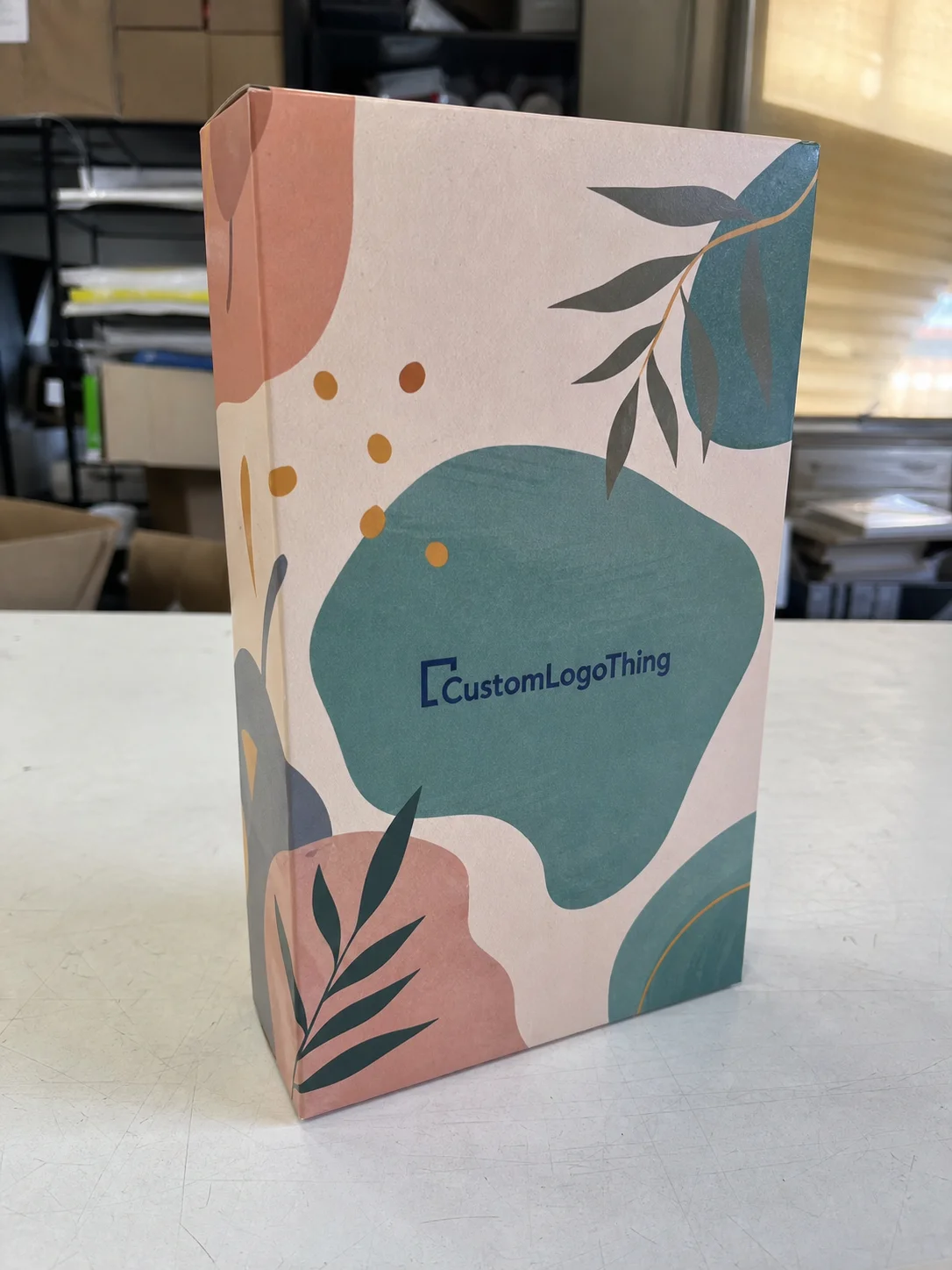
Matte Zipper Bags Unit Cost for fitness buyers matters because packaging does more than hold product. It sets the first impression, shapes shelf presence, and quietly tells customers whether the brand paid attention to the details. A clean matte pouch can make a protein blend, supplement, or wellness sample feel considered and premium; a flimsy one does the opposite in about two seconds.
That mismatch is more common than it should be. A brand may spend months refining flavor, scoop size, claims, artwork, and launch photos, then ship everything in a pouch that wrinkles badly, scuffs in transit, or collapses under its own weight. Customers may not talk in packaging terms, but they absolutely notice when a bag feels thin, leaks powder, or looks like it was chosen only because it was cheap.
Matte Zipper Bags fit well for fitness products that need a cleaner, more controlled presentation than a basic glossy poly bag, without moving into rigid tubs or jars. They are used for protein powder, collagen, greens, creatine, electrolytes, supplement samples, resistance bands, shaker inserts, retail kits, and gym welcome packs.
The appeal is practical as much as visual. Matte gives the front panel a softer, more premium look. A zipper supports reuse after opening. Custom printing can carry logo, flavor, net weight, serving count, warnings, barcode, and key product information without a stack of labels fighting for space. Once the pouch design is sorted properly, the package works harder and looks cleaner at the same time.
Unit cost, though, is never one fixed number. It depends on size, film structure, thickness, zipper style, print method, finish, quantity, barrier requirement, and what the product actually needs to survive storage and shipping. A 20g sample pack and a 2lb stand-up pouch may both be called “Matte Zipper Bags,” but they do not share the same economics or production constraints.
The point is not to chase the lowest quote on paper. It is to avoid buying a bag that looks acceptable in a mockup but fails in filling, shipping, or retail handling. Saving a few cents on a pouch that forces repacking or creates returns is not savings. It is a bill with extra steps.
What Matte Zipper Bags Actually Include
Matte zipper bags are flexible pouches or flat bags with a matte surface, a resealable zipper, and custom branding. In fitness and supplement packaging, they are typically selected for dry powders, capsules, gummies, accessory kits, resistance bands, towels, trial packs, and bundled retail items. They can be built as lightweight sample packaging or as higher-barrier laminated pouches intended for long shelf life.
The main formats are easy to distinguish. Stand-up pouches are the most common choice for protein, collagen, greens, pre-workout, and larger supplement fills because the bottom gusset helps the bag sit upright on a shelf. Three-side seal zipper bags are better for samples, single-serving packs, and smaller retail runs. Flat zipper bags are often used for bands, apparel accessories, welcome kits, and items that do not need shelf stance.
Matte finish itself comes in a few forms. Full matte laminate gives the entire pouch a muted surface. Spot matte creates contrast between design areas and can make logos or product names stand out. Soft-touch matte has a more velvety hand feel and tends to look especially premium, though it can show handling marks more easily. Matte varnish over printed film is another route, often used when a brand wants the visual effect without changing the full film construction.
Zippers vary too. A standard press-to-close zipper is enough for many powders and samples. Heavier fills or higher-use retail bags may benefit from a stronger zipper profile. Some regulated product categories may require child-resistant closures, depending on the market and use case. Tear notches are common because they make the first opening easier and reduce the odds of customers reaching for scissors.
A zipper does not replace the heat seal at the top of the bag. The zipper is for customer convenience after opening; the heat seal is what protects the product before that. If the top seal is weak, powder can leak during shipping long before the zipper ever matters. That is one of those small failures that looks tiny on a quote sheet and expensive in the warehouse.
Label space also matters more than many first-time buyers expect. The front panel usually carries the logo, product name, flavor, net weight, claims, and key selling points. The back panel needs room for supplement facts or nutrition facts, instructions, warnings, barcode, batch code, expiration date, and distributor information. If the product is sold in more than one region, compliance copy can expand quickly. Reworking a pouch design late in the project because the legal panel does not fit is a very avoidable problem.
Practical rule: if the product is dusty, oily, strongly scented, or moisture-sensitive, bag structure matters more than finish. Matte improves appearance; barrier controls performance.
For general packaging standards and industry guidance, the Packaging Association is a useful reference. Buyers who need to evaluate certified paper inputs can also review sourcing claims through FSC. Flexible pouches are more complex than a logo on a film sheet, so it helps to understand the structure before requesting quotes.
Specs That Change Performance Before They Change Price
Before any useful quote can be built, the basic specifications have to be clear. “A matte zipper bag for protein” is not a specification. It is a category name with a wish attached.
Start with bag style, dimensions, fill weight, product type, film structure, thickness, zipper type, print coverage, finish, number of SKUs, and quantity. Add the delivery location and target in-hand date. If the product has compliance requirements, include those early. A supplier cannot estimate material usage, converting complexity, or shipping accurately from a vague product label.
Size changes both cost and function quickly. Sample-size zipper bags may hold 5g to 30g of powder or capsules. Small retail formats often carry 100g to 500g. Larger fitness pouches may hold 1lb, 2lb, or even 5lb of product. Accessory bags for resistance bands, grip kits, shaker inserts, and apparel add-ons may need compact flat dimensions instead of gusseted shelf formats.
Film structure is one of the biggest cost drivers. PET/PE is a common option for general dry goods and accessories. PET/VMPET/PE adds a metallized barrier layer that improves protection against moisture and oxygen. Foil laminates provide a stronger barrier still, which can be useful for sensitive powders, drink mixes, gummies, or products affected by light and aroma transfer. More specialized structures may be needed for oily ingredients or strong flavor systems.
Thickness matters, but thicker is not always automatically better. Flexible pouches often fall in the approximate 80–160 micron range depending on size, format, and end use. Lighter films lower cost per piece, but they may crease easily, feel weak on a shelf, or lose shape after filling. Heavier laminated structures improve stiffness and perceived quality, but they add material cost and can increase carton weight.
Gusset choice changes both presentation and price. Bottom gussets help stand-up pouches display properly and give the front panel a more retail-friendly shape. Side gussets can work for bulkier fills, but they may complicate printing and converting. Flat bags are usually cheaper, though they do not show product as well. If the pouch is going into a retail aisle or a subscription box, presentation matters more than a small savings on film.
Printing method affects buying flexibility and setup cost. Digital printing works well for lower quantities, launch runs, seasonal flavors, and SKUs that may change soon. Flexographic and gravure-style production can make sense at larger volumes because the setup cost is spread across more bags. The right method depends on quantity, artwork complexity, color consistency, and how often the design is expected to change.
| Specification | Common Fitness Use | Cost Impact | Buyer Tradeoff |
|---|---|---|---|
| Flat zipper bag | Samples, bands, accessories | Lower | Cheaper, but weaker shelf presentation |
| Stand-up pouch | Protein, collagen, drink mixes | Medium to high | Better display and fill capacity |
| PET/PE film | General dry goods, accessories | Lower to medium | Less barrier than metallized or foil structures |
| PET/VMPET/PE film | Moisture-sensitive powders | Medium | Better protection, slightly higher unit cost |
| Foil laminate | Sensitive supplements, aroma control | Higher | Strong barrier, higher material cost |
| Soft-touch matte | Premium retail lines | Higher | Great hand feel, possible scuff risk |
Standards can help frame testing expectations. For shipping performance, many brands use ISTA procedures to simulate transit hazards and package handling. For material and seal testing, ASTM methods are widely referenced in packaging quality programs. Not every small run needs formal lab testing, but understanding the standards makes supplier conversations far more productive.
Matte Zipper Bags Unit Cost for Fitness Orders
Matte zipper Bags Unit Cost for fitness orders usually shifts most with quantity, material structure, print complexity, and size. That sounds obvious until a buyer compares a small sample pouch with a premium 2lb barrier stand-up pouch and expects them to price anywhere near the same range. They are not the same product, and they do not behave the same way in production.
Small digital runs cost more per unit because setup, proofing, handling, and converting are spread across fewer bags. A test order of 1,000 to 3,000 units can be a smart move for a new flavor or first retail test, even though the unit price will usually be higher than a larger run. That higher number is the tradeoff for flexibility and lower inventory exposure.
As a directional range, small sample-size zipper bags may land around $0.08–$0.22 per piece at higher volumes, depending on dimensions, print, and film. Mid-size flat or small stand-up pouches may run about $0.18–$0.45 per unit for moderate quantities. Larger custom matte stand-up pouches with barrier film, full-color printing, gussets, and stronger zippers can range from about $0.38–$1.20+ per piece. Very large 2lb to 5lb pouches with premium structures can exceed that range.
Those ranges are directional, not universal. Freight, currency, raw material movement, artwork condition, production method, and lead time all influence the final number. Anyone quoting one flat price without bag size, fill weight, and structure details is guessing at best.
Quantity breaks matter a great deal. Orders of 1,000 to 3,000 units often suit launches and market tests. Runs of 5,000 to 10,000 can improve bulk pricing because setup and production handling are spread over more bags. Larger orders of 20,000 or more may unlock better manufacturing economics if the artwork, formula, and dimensions are stable enough to justify the volume. If your nutrition facts change every few weeks, a warehouse full of old bags is not a smart discount.
| Order Quantity | Typical Use | Cost Behavior | Best Fit |
|---|---|---|---|
| 500–1,000 units | Samples, launch testing, events | Higher per unit, lower total cash outlay | New designs and market testing |
| 1,000–3,000 units | First retail run or SKU test | Still higher, but manageable risk | New flavors, starter supplement lines |
| 5,000–10,000 units | Established product runs | Better cost per piece | Stable artwork and confirmed fill size |
| 20,000+ units | Scaled production | Best production efficiency | Proven SKUs with steady sales velocity |
MOQ is tied to more than supplier preference. Minimum order quantity reflects printing method, film ordering, machine setup, lamination requirements, and converting efficiency. Lower MOQ protects cash flow and reduces storage risk. Higher MOQ usually lowers unit cost, but it can hurt brands that revise formulas, change product names, update claims, or refresh packaging too often.
Quote accuracy depends on clean inputs. Include artwork file condition, number of SKUs, color matching needs, matte finish type, zipper upgrade, tear notch, hang hole, rounded corners, gusset style, barrier expectations, and shipping destination. If the order is large enough to require plates, cylinders, or other tooling, ask whether those fees are one-time, repeated, or tied to design changes.
Practical buying advice: do not chase the lowest unit price if the pouch cannot protect powder from moisture or survive fulfillment. Saving three cents and replacing damaged stock is not a win.
For most fitness buyers, the smarter target is not “cheapest.” It is the lowest practical price for the correct structure, finish, and order quantity. That is the right way to judge matte zipper bags unit cost for fitness: cost against function, not cost in isolation.
Process, Timeline, and Lead Time From Quote to Delivery
A clean buying process saves time, and usually money too. The usual sequence is spec confirmation, quote, artwork review, proofing, sample approval if needed, production, quality check, packing, and shipping. Leave details vague at the start and you usually pay for it later through revisions, delays, or a quote that does not match the final bag.
Before requesting pricing, prepare dimensions, fill weight, product type, target quantity, artwork, number of designs, desired finish, delivery location, compliance needs, and target in-hand date. If you already have a pouch that works well, send photos and, if possible, a physical sample. A reference bag helps with sizing, structure, and print recommendations in a way a description never fully can.
Artwork proofing is where many schedules get slowed down. Custom packaging depends on accurate dielines, print-ready files, barcode placement, bleed, safe zones, and readable text at actual size. Nutrition or supplement panels that look fine on a monitor can become cramped or blurry on the printed pouch. Weak files are one of the most common reasons a project drags.
Small digital sample runs can be relatively fast when the structure is standard and the artwork is clean. Larger custom laminated runs usually take longer because they may involve film printing, lamination, curing, slitting, pouch converting, zipper insertion, seal checks, inspection, packing, and carton labeling. A typical custom run often needs 12–25 business days after proof approval, with more time if sampling, specialty film, or ocean freight is involved.
Pre-production samples are useful for new fitness products, new sizes, first-time artwork, high-value powders, or products where fit and presentation need to be tested before a larger commitment. They are less necessary for repeat orders with proven specs. If the same pouch already ran well, focus on color consistency, seal strength, and carton packing rather than reinventing the order.
Shipping affects the final landed cost. Air freight costs more but moves quickly. Ocean freight is better for larger orders when timing allows, but it adds planning and transit time. Domestic delivery still varies based on carton count, destination, pallet requirements, and warehouse receiving rules. A 1,000-piece test run and a 50,000-piece production order do not move through logistics in the same way.
Reorder before inventory gets uncomfortably low. Waiting until the warehouse is nearly empty turns speed into a premium fee. For products with steady monthly demand, it helps to set a reorder trigger based on weekly usage plus production and shipping lead time, then add a practical buffer. A panic buffer is expensive. A sensible one is enough.
Common Buying Mistakes That Raise the Real Cost
The first mistake is choosing the bag only by unit price. A cheaper pouch may fail on product fit, fill speed, shelf stability, zipper performance, or seal strength. The quote looks good; the repacking labor does not.
The second mistake is underestimating barrier needs. Protein powders, drink mixes, gummies, capsules, and scented products can react badly to moisture, oxygen, light, or aroma transfer. That can lead to clumping, flavor loss, odor bleed, and customer complaints. The pouch does not need to be overbuilt, but it does need to match the product.
The third mistake is forcing one universal bag across every SKU. Shared sizes can simplify purchasing and lower unit cost, but only if the fill weights and product densities actually make sense together. A 250g fluffy powder and a 250g dense creatine blend can sit very differently in the same pouch. One may look overfilled and the other underfilled, which is not a good retail look.
The fourth mistake is ignoring how matte surfaces behave in handling. Matte looks sharp, but darker or soft-touch finishes can show scuffs during fulfillment, retail stocking, or e-commerce shipping. If the bag ships loose with a scoop or accessory in the carton, test abrasion before committing to a premium surface.
The fifth mistake is overlooking the seal area. A strong zipper is helpful, but a weak top seal is still a failure. Powder contamination in the seal zone can cause leaks, especially in automated filling. There needs to be enough header space above the zipper, and the filling process must keep the seal area clean.
The sixth mistake is failing to reserve enough room for required information. Supplement facts, nutrition facts, warnings, ingredients, barcode, lot code, expiration date, distributor details, country-specific copy, and recycling marks all need space. If the design gives too much room to a large logo or flavor callout, somebody eventually has to compress the legal copy into type size nobody wants to read.
The cost of these mistakes is not always visible on the first invoice. Poor specs can lead to reprints, returns, repacking labor, delayed launches, write-offs, chargebacks, and slower fulfillment. That is where “saving” money turns into spending it later.
- Request physical samples before a new launch or size change.
- Test with the real product, not rice, beads, or assumptions.
- Review artwork at actual printed size.
- Approve the dieline before production starts.
- Check zipper feel, seal strength, shelf stance, and scuff behavior.
- Lock specs before the order enters production.
If sustainability claims matter to your brand, be precise. Flexible laminated bags are often harder to recycle than mono-material formats. The EPA recycling resources can help clarify the difference between recyclable, recycled-content, and disposal claims. Avoid vague green language unless it can be supported.
How Custom Logo Things Helps Fitness Brands Buy Better Bags
Custom Logo Things helps fitness brands match bag structure, finish, printing method, and quantity to the actual product. Not every buyer needs a premium foil laminate. Not every buyer should use the cheapest flat bag either. The right choice depends on what goes inside, how it is filled, where it is sold, and how customers use it after opening.
The buying process starts with practical inputs: product type, target fill weight, shelf requirements, branding goals, number of SKUs, and order volume. A collagen powder in a premium retail pouch has different needs than a resistance band kit, a gym challenge sample pack, or a small bag of electrolyte sticks.
Production options can include custom sizes, matte finishes, zipper closures, stand-up and flat formats, full-color printing, barrier film choices, tear notches, hang holes, rounded corners, and multi-SKU planning. If a brand has five flavors, keeping one pouch size and changing only the print artwork can make sense. If fill densities vary too much, forcing one structure may erase any savings.
Fact-based quoting is the point. Buyers get clearer pricing when specs are complete, and the tradeoffs become easier to compare: digital production versus larger custom runs, standard matte versus soft-touch, PET/PE versus metallized barrier film, lower MOQ versus better cost per piece, air freight versus slower bulk freight.
Consistency matters for repeat fitness SKUs. Stable color, dimensions, zipper feel, seal area, and carton packing help fulfillment teams work faster. Packaging changes that happen quietly in the background are a common source of slowdowns because warehouse teams have to adjust packing flow without warning. Predictability is valuable in production and even more valuable after the bags arrive.
The goal is not to make the cheapest bag possible. The goal is to make the right bag at the right quantity with fewer surprises. Quality control should focus on print alignment, seal strength, zipper function, surface finish, carton labeling, count accuracy, and protection during transit. Those details sound mundane until one of them fails and starts affecting the entire order.
Next Steps Before You Request a Quote
Send a clear quote request rather than a puzzle. If the request is just “custom matte bags,” the supplier has to ask several follow-up questions before any pricing can be trusted. That slows the project and increases the odds of a quote that does not match the final pouch.
Collect the core details first:
- Bag style: stand-up pouch, flat zipper bag, or three-side seal format
- Dimensions: width, height, gusset size if needed
- Fill weight: grams, ounces, pounds, or item count
- Product type: powder, capsules, gummies, accessories, apparel item, or kit
- Estimated order quantity and number of SKUs
- Artwork status: finished files, draft layout, or design needed
- Desired finish: matte laminate, matte varnish, spot matte, or soft-touch
- Zipper type: standard, stronger profile, or special closure requirement
- Barrier needs: moisture, oxygen, odor, oil, or light protection
- Delivery address and target in-hand date
Photos or samples of current packaging help a lot. A real reference speeds up sizing, structure recommendations, print planning, and quote accuracy. If you like a competitor’s pouch size, say so. It is far easier to work from something tangible than from a description that has to be decoded line by line.
For a new powder, supplement, or high-value fitness product, test a physical sample before committing to a larger run. Fit, seal, shelf stance, zipper feel, and scuff behavior are much easier to judge in hand than in a PDF proof. A proof confirms layout; a sample confirms reality.
Use the decision order that keeps products safe: function first, finish second, price optimization third. Reversing that order is how brands end up with attractive packaging that does not protect the product, fit the fill, or survive shipping. Pretty failure still counts as failure.
For an accurate matte zipper bags unit cost for fitness quote, send the specs, artwork, quantity, and delivery target so the pricing reflects the bag you actually need.
FAQ
What affects matte zipper bag unit cost for fitness supplements the most?
The biggest drivers are bag size, film structure, barrier level, order quantity, print method, matte finish type, and zipper choice. Larger bags and stronger barrier laminates cost more because they use more material and require more complex production. Higher quantities usually lower per-unit cost, but only if the design and specifications are stable enough to justify the volume.
What MOQ should fitness brands expect for custom matte zipper bags?
MOQs depend on the print method and specifications. Digital production can support lower test quantities, while larger laminated custom runs often require higher minimums. For new SKUs, a lower MOQ may be the smarter move even if the unit cost is higher because it reduces the risk of obsolete inventory. For proven protein, pre-workout, or supplement lines, higher MOQs can improve pricing and production consistency.
Are matte zipper pouches good for protein powder and drink mixes?
Yes, as long as the film structure provides the right moisture and oxygen barrier for the product. The zipper adds consumer convenience after opening, but the top heat seal is still important for freshness and leak prevention before first use. Powders should be tested for fill behavior, seal area cleanliness, shelf stance, and clumping risk.
How long does production take for custom matte zipper bags?
Timeline depends on artwork readiness, proof approval, sampling needs, production method, quantity, and shipping method. Larger custom-printed laminated runs usually take longer because they involve printing, lamination, curing, converting, inspection, and packing. Buyers can speed things up by providing correct dielines, print-ready artwork, confirmed specs, and a realistic delivery deadline.
Can I reduce the unit cost without making the fitness bag look cheap?
Yes. Start by optimizing size, order quantity, print method, and material structure instead of cutting film quality first. Use one shared bag size across compatible SKUs when possible, but only if the fill weight and product density still work. Avoid unnecessary upgrades like specialty soft-touch finishes or complex add-ons unless they support the brand position or retail requirement.


