Matte Zipper Bags Unit Cost Material Comparison Guide for Real Buyers
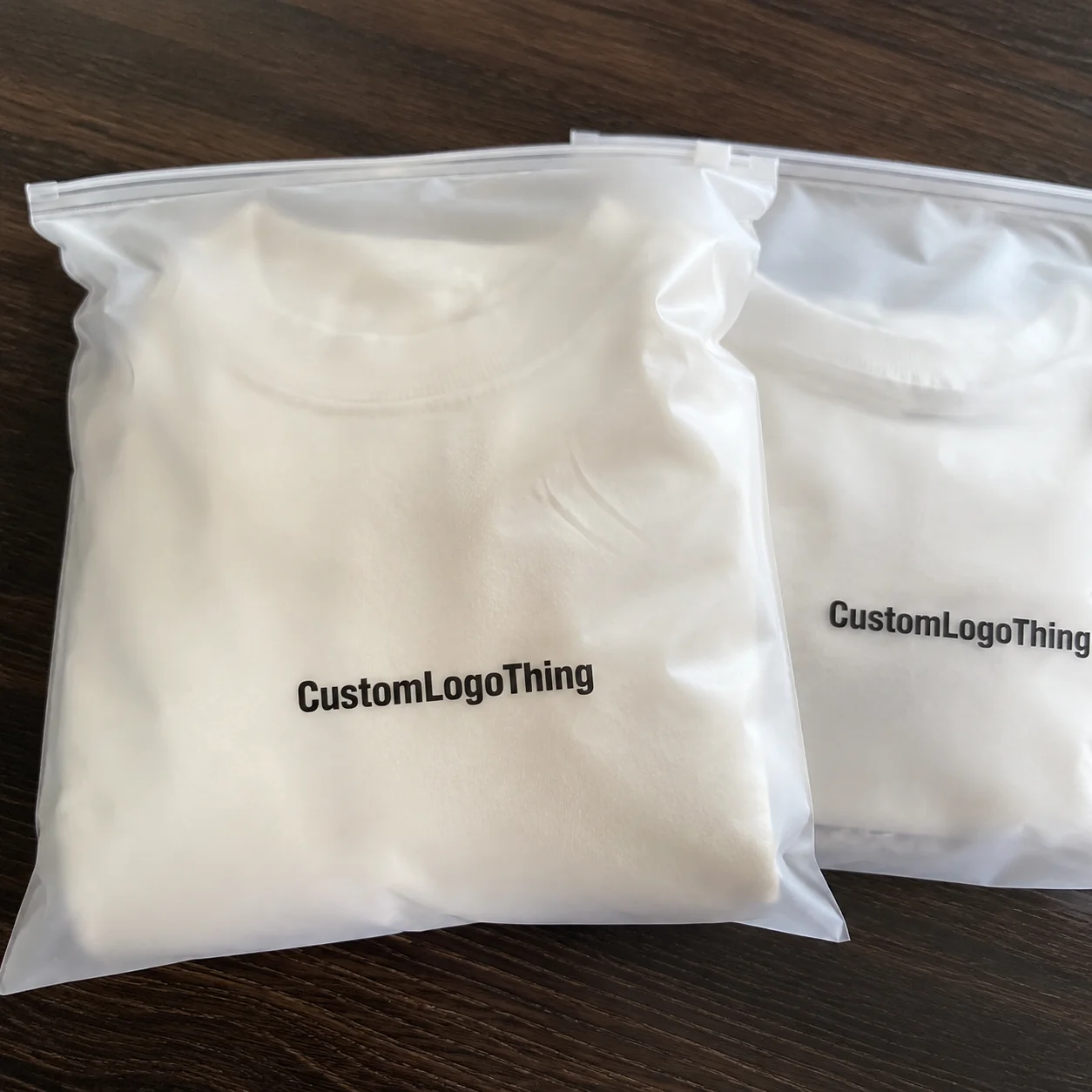
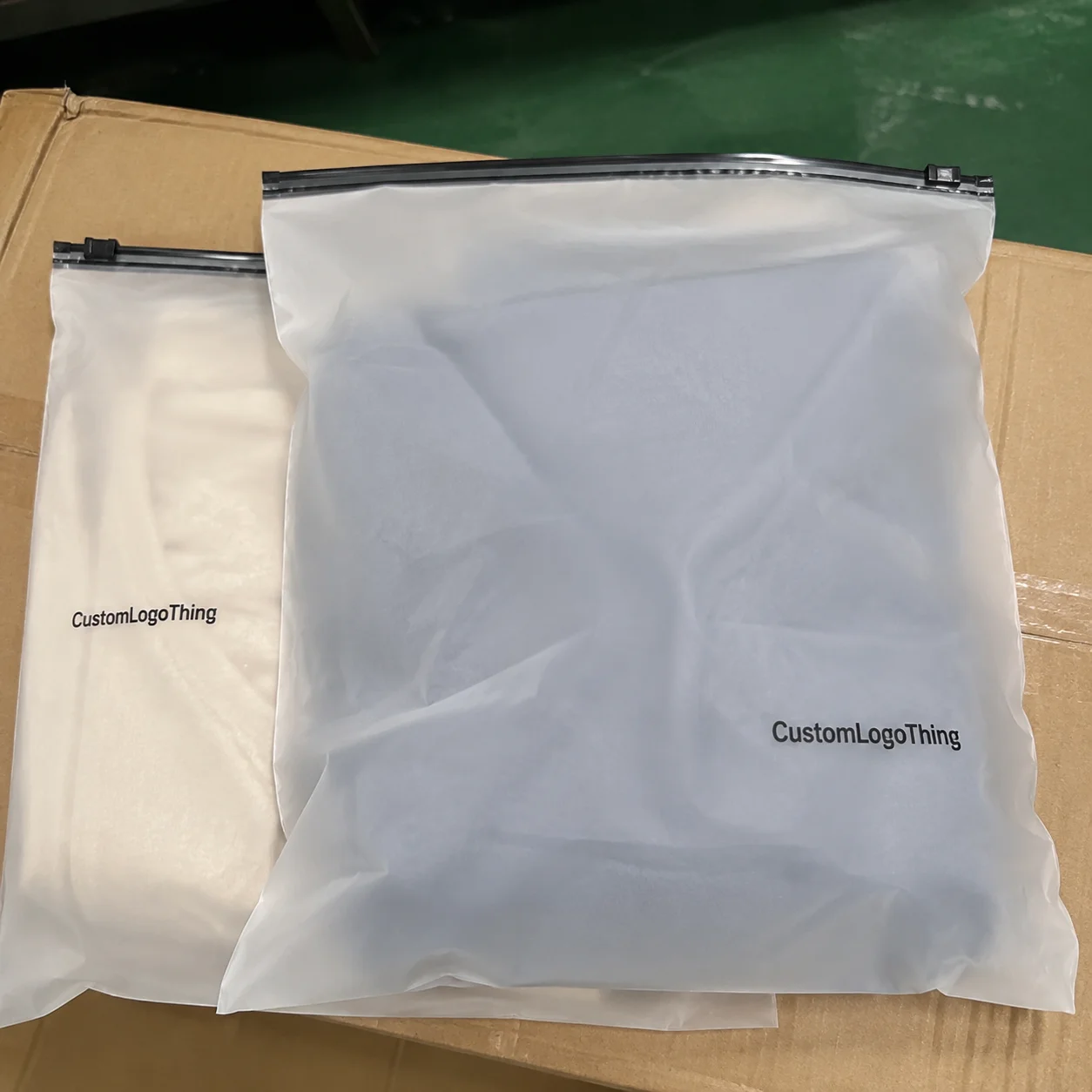
Two matte zipper bags can look nearly identical on a retail shelf. Same soft finish. Same resealable top. Same tidy front panel. Then one quote comes back at a noticeably higher unit cost because the film structure, zipper profile, print coverage, pouch size, and order quantity are not remotely the same.
This Matte Zipper Bags Unit Cost material comparison guide is for buyers preparing an actual quote request. Not a mood board. Not a vague “premium packaging” search. Real production decisions.
Matte zipper bags are used for dry snacks, powdered supplements, coffee trial packs, cosmetic samples, pet treats, craft supplies, apparel accessories, and small retail kits. They work because they do two jobs at once: protect the product and give the brand a cleaner shelf presence than a basic clear poly bag.
Unit cost is not a mystery number suppliers invent for sport. It is the result of choices. Film thickness, barrier level, matte coating, pouch format, zipper type, printed area, packing method, freight terms, and order volume all move the final price. A 90-micron flat zipper bag for lightweight accessories should not be priced like a 140-micron high-barrier stand-up pouch with full-panel graphics, a tear notch, and a degassing valve.
Practical buying rule: the best matte zipper bag is not always the cheapest bag. The better value is the one that matches product weight, shelf life, filling method, handling conditions, and brand presentation without adding material or finish cost you do not need.
The fastest way to get useful pricing is to narrow the variables before asking for a quote. A supplier can recommend better options when the request includes product type, target fill weight, shelf-life needs, size, finish, artwork coverage, and quantity range. “Send me matte zipper bag pricing” is not a specification. It is a guessing contest.
Material Structures That Change Performance and Price
Material structure is the first thing I check because it affects stiffness, seal strength, barrier, print quality, scuff resistance, and shelf feel. A basic PE zipper bag can be flexible and economical, but it will not behave like a laminated PET/PE retail pouch. Different structures have different jobs. Pretending otherwise is how buyers end up with pretty samples that fail during filling.
PE-based structures are often enough for lightweight dry products, inner packs, short shelf-life items, and applications with modest barrier needs. They seal well and keep cost controlled. The tradeoff is feel. PE bags are usually softer, less crisp, and less structured than laminated retail pouches.
PET/PE laminated films are common for branded retail packaging. PET on the outside improves stiffness, dimensional stability, print surface, and scuff resistance. PE on the inside supports heat sealing. For many dry goods, supplements, beauty samples, and small-product kits, PET/PE gives a practical balance of appearance and function.
BOPP/PE and MOPP/PE structures can give a clean surface, good stiffness, and attractive matte effects depending on the grade. MOPP is useful when the buyer wants a more naturally matte look and a firmer hand feel. For higher barrier needs, additional layers may be added, such as metallized film, EVOH, nylon, or foil-based laminates. Each extra layer can improve performance, but it also adds cost and may complicate recycling claims.
Matte appearance can come from matte film, matte varnish, matte lamination, or soft-touch coating. Matte varnish is often the practical printed finish. Soft-touch coating feels smoother and more premium, but dark colors can show fingerprints, rub marks, and carton scuffs more easily. Black matte packaging looks sharp until it gets dragged across a filling table. Then reality has opinions.
Frosted translucent bags, natural matte pouches, matte black bags, and full-color matte printed bags all need different planning. Opacity, white ink, product visibility, ink coverage, and scuff expectations should be discussed early. A clear window can help shoppers see the product, but it can also weaken the clean matte effect if placed badly or sized too large.
Optional features affect the structure too. Hang holes need enough strength around the punched area. Tear notches need film that opens predictably. Bottom gussets need enough stiffness for the pouch to stand after filling. Coffee valves require compatible high-barrier laminated structures. Powdered products may need zippers and seal zones that tolerate fine particles better than a standard dry snack pouch.
Sustainability claims deserve specific questions. Recycled content, post-consumer waste content, biodegradable claims, compostable claims, and paper-look films all need technical confirmation for the product, supply chain, and local disposal rules. If paper-based secondary packaging is part of the system, kraft paper or FSC certified materials may matter; the Forest Stewardship Council is a useful reference for responsible fiber sourcing.
Specifications Buyers Should Lock Before Requesting a Quote
A clean quote starts with clean specifications. Before requesting pricing, prepare the bag width, bag height, bottom gusset depth if any, target film gauge, fill weight, fill volume, zipper type, finish, print colors, artwork coverage, and quantity range. Rough numbers are better than nothing. Production-ready numbers are better than a week of back-and-forth.
Product weight alone is not enough. A dense powder, loose granola, flat apparel item, and hard pet treat can all weigh 100 grams and still need different film gauges. Powder pushes into zipper tracks. Granola needs headspace and puncture resistance. Apparel needs a broad face panel and smooth presentation. Pet treats may have hard edges that stress corners and seals.
Common formats include flat zipper bags for samples and light goods, stand-up zipper pouches for retail shelves, three-side seal zipper bags for compact presentation, and side-gusset zipper bags for larger fills. A flat bag usually reduces material and converting complexity. A stand-up pouch adds a gusset, more structure, and stronger shelf presence.
Zipper selection matters more than many first-time buyers expect. A standard press-to-close zipper works for many dry goods. A wider zipper profile can improve the opening feel, but it adds material cost. Powder-resistant zippers may help with fine contents. Child-resistant zippers require specific design and testing expectations. Slider zippers may be possible for some formats, though they usually raise cost and may require a higher MOQ.
Artwork details should be locked early. Provide logo placement, PMS color targets, full-panel art, matte versus gloss spot effects, QR codes, barcode size, and whether white ink is needed under color. Barcode readability should be checked against the finish because heavy matte coatings, low contrast, and curved pouch surfaces can make scanning less reliable.
Keep critical text and graphics away from seals, zipper tracks, gusset folds, tear notches, and hang holes. Small type in a fold looks bad. Tiny QR codes near a curved edge scan badly. Fine white text on matte black can fill in during print if the artwork is not prepared correctly. None of this is glamorous, but it saves reprints.
Physical references help. Send samples, dielines, competitor photos, or a filled mockup if available. A reference bag reduces interpretation errors faster than a long email thread, especially for mouth opening, gusset shape, finish feel, zipper height, and stiffness.
Unit Cost, MOQ, and Quote Factors for Matte Zipper Bags
The quoted price of a custom bag is built from raw film, lamination, printing setup, plates or cylinders where applicable, ink, zipper insertion, pouch converting, inspection, packing, freight, and quantity. That is why a useful material comparison has to cover production method, not just film names.
Digital printing is usually the most flexible route for short runs, multiple artwork versions, and early market testing. Plate-based flexographic printing can make sense for repeat orders and medium-to-large runs where setup cost is spread across more bags. Rotogravure-style production is usually used for high-volume branded packaging where print consistency and long repeat runs justify higher setup investment.
MOQ is a production efficiency issue, not just a sales hurdle. Machines need setup time. Film must be loaded. Print must be adjusted. Waste occurs during registration and converting. A run of 1,000 bags carries far more setup cost per unit than 25,000 bags using the same structure and artwork.
| Option | Best Fit | Cost Direction | Buyer Notes |
|---|---|---|---|
| Basic PE zipper bag | Light dry goods, inner packs, short shelf life | Lower | Good sealability, softer hand feel, modest barrier |
| PET/PE matte laminated pouch | Retail dry goods, supplements, beauty samples | Mid-range | Better stiffness, print surface, and shelf appeal |
| High-barrier matte laminate | Coffee, aroma-sensitive goods, moisture-sensitive powders | Higher | May include metallized, foil, EVOH, nylon, or special coatings |
| Soft-touch matte finish | Premium cosmetic, specialty retail, promotional kits | Higher | Excellent hand feel, but darker colors may show scuffs |
Typical cost drivers include thicker film, high-barrier layers, soft-touch coating, heavy ink coverage, valves, specialty zippers, custom shapes, rounded corners, low quantities, and multiple artwork versions. A full black matte pouch with white ink support and a valve will not price like a one-color logo bag on a stock-size clear film. That should be obvious. Somehow, it still surprises people.
Buyers can lower cost responsibly by standardizing sizes, avoiding unnecessary gauge, choosing a practical finish, consolidating artwork versions, and ordering forecasted volume when storage space allows. Do not reduce film thickness blindly. If the bottom seal splits or the zipper pulls out during opening, the cheaper unit price has created a more expensive problem.
Price ranges vary by size, material, print method, and quantity, but the pattern is consistent. Basic short-run custom bags often carry a higher per-unit cost because setup is spread across fewer pieces. Mid-volume laminated pouches usually become more competitive once the same artwork and structure are repeated. High-barrier, valve, soft-touch, or specialty zipper projects sit higher because the components and process steps cost more.
A complete quote should include unit price, tooling or setup charges, MOQ, lead time, material structure, dimensions, print method, packing count, shipping terms, proofing steps, and validity period. Ask for landed cost where possible, especially if comparing suppliers with different freight assumptions. One quote may look cheaper until freight, duties, cartons, or setup charges appear later. Cute trick. Bad buying.
Sampling, Approval Process, and Production Lead Time
The usual path is specification review, material recommendation, quote, artwork check, digital proof, sample or pre-production approval where needed, production, quality inspection, packing, and dispatch. Each step removes risk. Skipping proof review to save two days can cost far more if the barcode is too small or the zipper lands over a key design element.
Timelines depend on whether the project uses stock-size customization, digitally printed short runs, or fully custom laminated and converted matte zipper bags. Some digital projects can move quickly after proof approval. Custom laminated production usually needs more time for material sourcing, printing, lamination cure, pouch converting, inspection, and packing.
A digital proof checks layout, copy, logo position, screen-represented color, barcode placement, bleed, and safe zones. A blank material sample checks film feel, stiffness, zipper action, transparency, and size. A printed sample gives a better read on color and finish, though it may require extra time and cost. A production sample verifies the actual build before or during the full run, depending on the process.
Artwork is one of the most common delay points. Missing dielines, low-resolution logos, unclear PMS targets, late copy changes, unsupported fonts, barcode errors, and no bleed allowance can stop a job before it reaches production. The press does not care that the launch is next Friday.
Production lead time is affected by material availability, print complexity, lamination cure time, zipper stock, valve stock, order quantity, inspection requirements, and shipping method. If the product launch has a fixed date, confirm the shipping destination early and build in time for customs, freight transfer, and receiving inspection at your own facility.
The practical approach is simple: approve specifications first, provide complete artwork, respond quickly to proof questions, and plan reorders before inventory reaches a critical low point. The lowest unit price is not useful if the material choice cannot meet the launch schedule.
Quality Checks That Protect Shelf Appeal and Function
Quality control for matte zipper bags should cover function and appearance. The main checks are seal integrity, zipper alignment, opening feel, tear notch performance, print registration, color consistency, matte finish uniformity, and dimensional tolerance. For retail work, a few millimeters of variation can show up quickly when bags are packed in rows.
Matte finishes need careful handling. Some dark matte films and soft-touch coatings show scuffs, gloss variation, and fingerprints more clearly than glossy plastic bags. That does not make matte a poor choice. It means packing method, carton count, and shipping compression need attention. Inner poly packing or carton dividers may be worth discussing for sensitive finishes.
Useful performance checks include drop resistance, compression handling, heat seal strength, zipper open-close cycling, product fill testing, and basic moisture barrier review. For distribution testing language, buyers can reference organizations such as ISTA, especially for products that must survive parcel shipping or mixed-case handling.
Retail presentation checks are just as practical. Does the pouch stand when filled to the target weight? Does the front panel stay smooth? Does the hang hole align if the bag is displayed on a peg? Does the barcode scan through the finish and curvature? Does the tear notch open cleanly without ripping across the zipper track?
Filling method must match construction. Hand filling can tolerate more variation in mouth opening. Semi-automatic filling may need a wider open area and consistent pouch dimensions. Automated equipment may require tighter tolerances, specific seal zones, and zipper placement that clears the fill head. A bag that looks perfect in a product rendering may still need adjustment for the line that fills it.
Inspection is cost control. Catching zipper, print, or seal issues before shipment is cheaper than sorting defects after the product is packed, labeled, and ready to ship to retailers. This is one of the least glamorous parts of packaging, and one of the most valuable.
Where Custom Logo Things Fits the Process
Custom Logo Things is a practical fit for buyers who need custom matte zipper bags with material recommendations, MOQ guidance, and quote details that connect design choices to cost. The useful conversation is not “premium versus cheap.” It is “what structure protects the product, supports the brand, and fits the order plan?”
The team can help compare film structures, finish options, sizes, print methods, and optional features before specifications are locked. That matters because a small change can alter the quote. Moving from a flat zipper bag to a stand-up pouch affects material use and converting. Adding a clear window affects artwork layout and opacity. Adding a valve changes the structure and production process.
Working with a custom packaging manufacturer is especially useful for branded plastic bags that need repeat-order consistency. Retail packaging is not only about the first run. If a supplement pouch, beauty sample bag, pet treat package, or specialty retail kit will be reordered, the structure, color targets, zipper feel, and packing format should be documented from the start.
Dielines, artwork review, logo placement, material selection, and packing format are not minor details. They prevent common first-order mistakes: fine text placed in a gusset fold, a finish that hides the product too much, a bag size that looks good empty but bulges when filled, or a zipper position that cuts into the usable fill area.
Projects that often fit well include dry food packaging with suitable materials, supplement pouches, cosmetic and beauty sample bags, promotional kits, apparel accessory bags, pet products, specialty retail items, and branded small-product kits. If the project also needs corrugated shipper cartons, kraft paper inserts, or FSC certified secondary components, those details should be reviewed alongside the pouch so the full packing system works together.
A quote should make the tradeoffs visible. Buyers should understand why one matte structure costs more than another and what the extra cost does for shelf appeal, barrier, strength, handling, or production reliability. If the quote does not explain that, ask better questions before approving anything.
How to Prepare a Production-Ready Request
Before asking for final pricing, decide the bag style, estimate fill weight and volume, choose the matte appearance level, define a quantity range, gather artwork files, and identify any barrier or handling requirements. If the structure is uncertain, ask for two or three options: economy, balanced retail, and premium barrier. That comparison is more useful than guessing at one material too early.
Send product details that affect performance. Is the content dry or moist? Is it powder, granules, pieces, fabric, or hardware? Are there sharp edges? What shelf life is expected? Will the package sit in a warehouse, display under retail lighting, travel in e-commerce mailers, or ship in corrugated cases? Should the bag stand, hang, or lie flat?
Your first message should include dimensions, target quantity, print colors, finish preference, product type, zipper requirements, delivery location, and reference photos if available. If you have a dieline, send it. If not, send the closest sample photo and target fill weight. A packaging team can recommend a practical format from there.
Ask clear questions about tooling, MOQ, proofing, and shipping. The lowest unit cost on the first quote line is not always the lowest landed cost after setup charges, freight, revisions, storage, and risk are included. For regulated or sustainability-sensitive projects, ask for documentation related to food-contact suitability, recycled content, post-consumer waste content, or disposal claims rather than relying on broad marketing terms.
The point of a Matte Zipper Bags Unit Cost material comparison guide is not to make every buyer a film engineer. It is to help buyers ask sharper questions, compare real options, and avoid paying for features that do not help the product. Bring the product details, artwork goals, quantity range, and performance expectations to the quote process. The material choices become much easier to judge once the commercial realities are on the table.
FAQ
What affects matte zipper bag unit cost the most?
The biggest cost factors are material structure, bag size, film thickness, matte finish type, print method, ink coverage, zipper style, order quantity, and added features such as valves, hang holes, rounded corners, or custom shapes. MOQ matters because setup, waste, and machine time are spread across the order; higher quantities usually reduce the per-bag cost.
Which material is best for custom matte zipper bags?
For simple dry goods or light retail use, PE-based or BOPP/PE structures may be practical and cost-efficient. For stronger shelf presence, better stiffness, improved print quality, and better barrier, laminated PET/PE, MOPP/PE, or other multilayer structures are usually better choices.
Can I get a matte zipper bags material comparison before ordering?
Yes. Buyers should ask for material options based on product weight, shelf life, storage conditions, filling method, and desired finish. A useful comparison should explain tradeoffs in cost, stiffness, barrier, print quality, zipper performance, and scuff resistance instead of only listing film names.
What MOQ should I expect for matte zipper bags?
MOQ depends on size, material, print method, finish, and whether the project uses stock tooling or a fully custom setup. Shorter digital runs may be possible for some projects, while custom laminated printed bags typically require higher quantities for efficient production.
How long is the lead time for custom matte zipper bags?
Lead time depends on artwork readiness, proof approval, material availability, printing method, lamination or curing needs, converting schedule, order quantity, inspection, and shipping method. Buyers can reduce delays by confirming specifications early, supplying clean artwork, approving proofs promptly, and planning reorders before inventory runs low.