Matte Zipper Bags Unit Cost for Subscription Orders
Your Subscription Bag Cost Is Usually Decided Before Artwork Starts
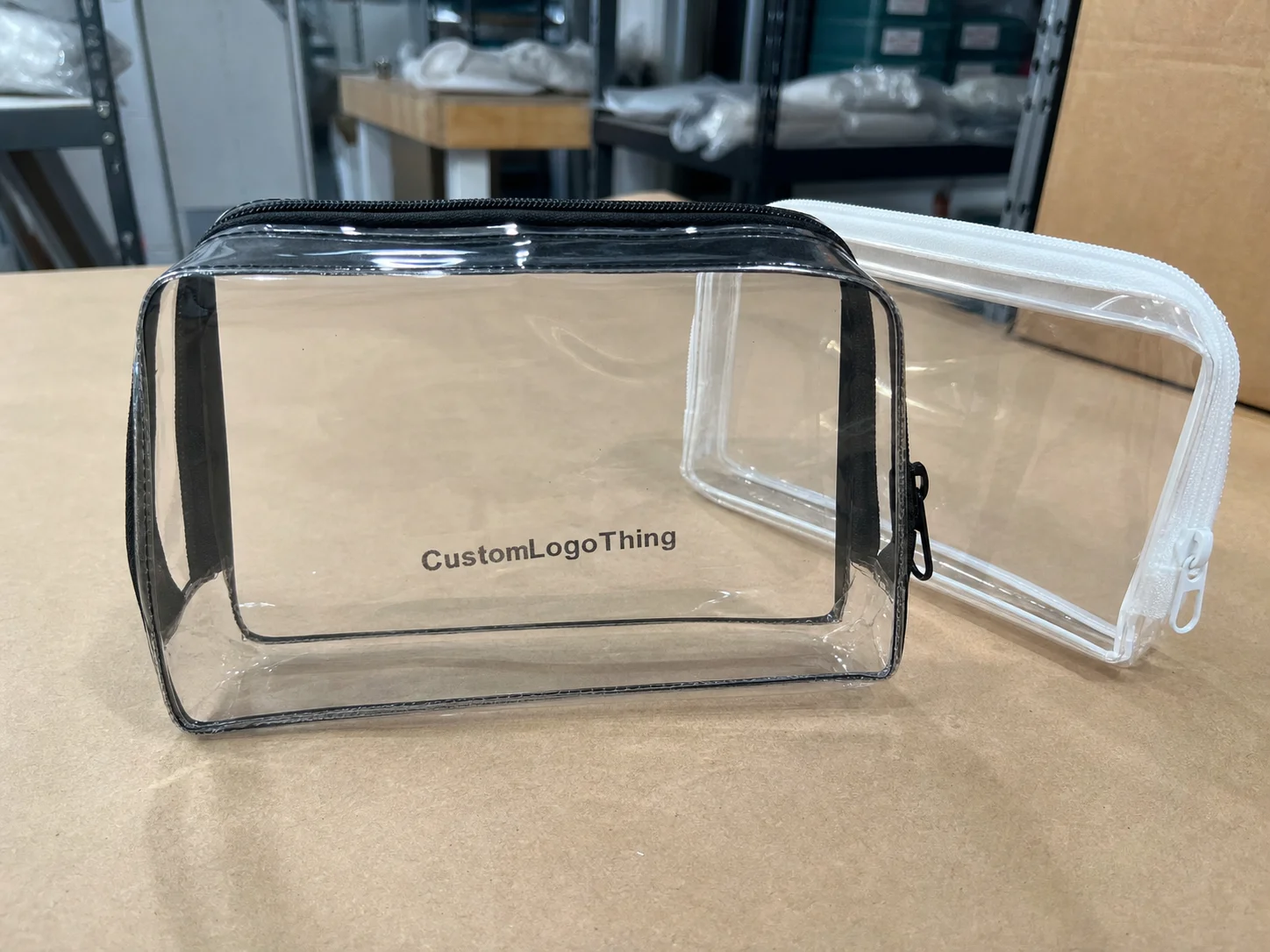
Most subscription brands start overpaying before the first logo file is opened. The Matte Zipper Bags unit cost for subscription orders depends less on the word “matte” and more on film structure, pouch size, print coverage, zipper type, MOQ, freight terms, and how many pieces you will actually reorder after the launch run.
That sounds dull. Good. Packaging buying should become dull once the spec is right. The expensive part is guessing.
Custom Matte Zipper Bags give subscription products a finished retail feel without the rigid-box price tag or the shipping penalty. A flexible pouch can protect the product, carry clean branding, reseal after opening, and fit into recurring fulfillment systems without eating half the parcel budget. Coffee samplers, supplement refills, snack packs, wellness kits, apparel accessories, stationery, and small-batch beauty products all use this format because it solves several practical problems at once.
Pretty packaging that slows packing is not premium. It is a tax. If your fulfillment team has to fight the zipper, squeeze product into an undersized pouch, or sort five nearly identical SKU designs by squinting at tiny back-panel text, the finish is not the issue. The bag was specified badly.
Matte zipper bags make the most sense when the customer opens and reseals the pack, shelf life matters, the pouch is visible during unboxing, or the product needs a softer, more deliberate look than glossy film. They also work well when the pouch needs to feel considered inside a plain mailer or shipping carton.
Practical rule: if the customer opens the bag once and throws it away, question the zipper. If they open it five to twenty times, buy a zipper that will not embarrass you.
The goal is not to chase a magical lowest price. The goal is to match the correct structure to your subscription volume so the bag looks intentional, protects the product, and does not make your unit economics ridiculous.
Product Details That Change Performance, Not Just Appearance
Custom Matte Zipper Bags are flexible plastic pouches with printed branding, a resealable zipper, and a matte surface finish. The format can be a stand-up pouch, flat pouch, or three-side seal bag. The right choice depends on the product, the filling process, and how the bag sits in the subscription box or mailer.
A stand-up pouch looks retail-ready and works well for coffee, snacks, powders, supplements, pet treats, and premium refill products. A flat pouch usually costs less, packs tighter, and makes sense for accessories, masks, stationery, cables, decals, samples, or lightweight kits. A three-side seal bag can be efficient for single-pack inserts, although it usually has less shelf presence than a gusseted stand-up pouch.
Matte finish choices
Matte can mean several things in production. A matte varnish over printed film is often the more economical route. Matte laminated film gives a richer finish and can improve scuff control, depending on the film, coating, and handling. Soft-touch matte feels expensive because it is. Nice, yes. Necessary, not always.
Spot gloss accents can create contrast on a logo, product name, or background pattern, but they add production complexity. Use them when the detail actually helps the product read better. Do not add spot gloss only because the mockup looks polished on a screen. Screens do not pay freight or fix registration problems.
Zipper and opening details
The zipper affects both customer experience and cost per piece. A standard press-to-close zipper is common for coffee, snacks, supplements, and refill packs. Pocket zippers can improve opening feel and alignment. Child-resistant zippers may be required for certain regulated categories, and they cost more because the structure, testing expectations, and production controls are different.
Tear notch placement matters too. If the tear line cuts too close to the zipper, the customer loses reseal function. If it sits too high, the first opening feels awkward and leaves an untidy lip above the zipper. For subscription packaging, these small annoyances repeat across every monthly shipment. Customers notice repetition, especially the bad kind.
Product fit and barrier needs
Powders need strong seals, good moisture control, and enough headspace to close the zipper after filling. Snacks usually need oxygen and moisture protection, often with a higher-barrier film. Coffee may need a degassing valve, depending on roast timing and packing method. Apparel accessories may not need aggressive barrier layers, but they still need scuff resistance, clean print, and a pouch that does not wrinkle like a cheap sandwich bag.
Recurring orders also need consistent color, bag feel, dimensions, and case pack quantities. Design the first run for easy reordering. Treating it like a one-off trade show sample is how brands create six months of fulfillment irritation.
Specifications to Lock Before Requesting a Quote
A useful quote starts with useful specs. “How much for a matte pouch?” is not a spec. It is a sentence that guarantees vague pricing.
Before requesting pricing from Custom Logo Things, lock as many of these details as possible:
- Bag style: stand-up pouch, flat pouch, three-side seal, or shaped pouch
- Dimensions: width, height, bottom gusset if applicable, and usable fill area
- Target fill: product weight, volume, or item count per bag
- Film structure: general barrier, high barrier, foil barrier, or recyclable option
- Thickness: often around 3 mil to 6 mil equivalent for many subscription pouches
- Zipper type: standard, pocket, child-resistant, or no zipper
- Print: number of colors, full coverage, spot color, CMYK, or Pantone targets
- Finish: matte varnish, matte laminate, soft-touch matte, or spot gloss
- Features: hang hole, tear notch, degassing valve, clear window, rounded corners
- Case pack: pieces per carton, carton labeling, and warehouse handling needs
Size is one of the fastest ways to ruin the budget. Oversized bags increase film cost, carton volume, storage space, and shipping cost. Undersized bags create packing frustration, bulging seals, zipper failures, and ugly wrinkles. Neither is clever. Both cost money.
Common film structures
PET/PE works for many general products where basic durability and print quality matter more than aggressive barrier. PET/VMPET/PE adds metallized barrier for better oxygen and moisture control. PET/AL/PE uses aluminum foil for stronger barrier needs, often used for coffee, sensitive powders, or products with longer shelf-life targets.
Recyclable mono-material options are available for brands with strict sustainability requirements, but they bring tradeoffs in barrier performance, stiffness, sealing behavior, print appearance, and sometimes cost. The EPA’s sustainable packaging resources are useful for understanding why recyclability claims need careful language. Marketing teams like simple labels. Packaging materials rarely cooperate.
Print and artwork requirements
Digital printing can work for lower quantities, fast changes, or multiple short-run designs. Flexographic or rotogravure printing usually fits higher-volume subscription runs with stable artwork, especially when bulk pricing matters. The best method depends on quantity, design complexity, lead time, color expectations, and how often your subscription theme changes.
Send vector logos, dieline-based layouts, CMYK values, Pantone references if color matching matters, barcode placement, safe zones, ingredient panels, nutrition panels, regulatory text, and clear front/back orientation. If the bag needs to pass through a retail or warehouse scan, test the barcode on the actual matte finish before the full run. Matte coatings can reduce contrast, and a barcode that works on a PDF is not automatically safe on a finished pouch.
Quality checks should include seal strength, zipper alignment, color tolerance, matte scuffing, odor, pouch dimensions, and transport performance. For shipping validation, many brands reference test methods from ISTA, especially when subscription packs move through parcel networks instead of pallet-only distribution.
Matte Zipper Bags Unit Cost for Subscription Pricing and MOQ
The matte zipper bags unit cost for subscription programs is driven by quantity, bag size, film structure, zipper type, print method, number of SKUs, finish level, setup charges, and freight terms. Small changes matter. A half-inch wider pouch sounds harmless until it changes film usage, carton count, and shipping efficiency.
As a working range, small custom runs may land around $0.35 to $1.50+ per bag, depending on size and specs. Larger repeat runs can drop into roughly $0.08 to $0.45 per bag for common pouch formats. Oversized bags, foil barrier, child-resistant zippers, soft-touch matte, small SKU splits, and complex print all push the cost per piece higher.
| Order Scenario | Typical Quantity | Likely Cost Range | Best Fit | Watchouts |
|---|---|---|---|---|
| Low-volume digital custom run | 1,000–5,000 pieces per design | $0.35–$1.50+ per bag | Testing, launch kits, frequent artwork changes | Higher unit cost, limited material options |
| Standard laminated production | 5,000–10,000+ pieces per design | $0.18–$0.75 per bag | Stable subscription products and repeat SKUs | Tooling fees, proofing time, longer lead time |
| High-volume repeat order | 25,000–100,000+ pieces | $0.08–$0.45 per bag | Monthly programs with predictable burn rate | Storage, artwork changes, cash tied in inventory |
| Premium or high-barrier build | Varies by spec | $0.25–$1.20+ per bag | Coffee, powders, sensitive snacks, regulated products | Overbuilding dry goods wastes money |
MOQ varies by process. Digital custom runs may start around 1,000 to 5,000 pieces per design. Printed laminated production often makes more sense around 5,000 to 10,000+ pieces. Stronger bulk pricing usually appears at 25,000, 50,000, or 100,000+ pieces, assuming the same size, film, zipper, and finish stay consistent.
First orders can include tooling fees, plate or cylinder costs, proofing, special material sourcing, sample fees, and artwork revision charges. Reorders are usually cleaner because the specs are already locked. That is why documentation matters. If your supplier cannot tell you the exact film, zipper, dimensions, and carton pack from the last run, your reorder is not as safe as you think.
Subscription math is not only about the lowest unit cost. Compare price against monthly burn rate, storage space, SKU count, reorder timing, and artwork stability. Ordering 100,000 bags at a beautiful unit cost is not smart if the flavor lineup changes after two shipments. Congratulations, you now own expensive recycling.
Freight deserves attention early. Matte zipper bags are lighter than boxes, but cartons still take space. Ask for packed carton dimensions, pieces per carton, estimated gross weight, and shipping method before approving the quote. A cheap pouch becomes less cheap if it ships inefficiently, arrives in awkward carton counts, or takes up more warehouse space than expected.
Best move: request pricing at three or four realistic quantities. For example, ask for 5,000, 10,000, 25,000, and 50,000 pieces if those volumes match your program. That shows the real price breakpoint instead of forcing you to guess.
Process, Lead Time, and Reorder Timeline for Subscription Runs
The buying process is simple on paper and messy only when specs keep changing. A typical matte subscription bag order moves through spec confirmation, quote, dieline setup, artwork upload, prepress review, proof approval, material preparation, printing, lamination or coating, pouch forming, quality inspection, packing, and shipping.
Simple digital projects may take about 2 to 4 weeks after artwork approval. Laminated custom production often runs about 4 to 8 weeks, depending on material availability, print method, quantity, finish, and production load. Add time for sampling, freight, customs if applicable, and internal approvals. Internal approvals are often slower than printing. Nobody wants to admit that, but there it is.
Delays usually come from unclear dimensions, missing barcodes, last-minute nutrition panel changes, unapproved Pantone references, custom film availability, and buyers who request quotes before deciding whether the pouch is 5 inches wide or 5.5 inches wide. Glamorous stuff.
Sampling options
Digital mockups help confirm layout, branding, and general front/back orientation. Blank size samples confirm fit, fill behavior, and how the bag sits in a shipper. Printed prototypes show color and finish direction, but they may not always represent final production if the print method changes. Pre-production samples are the closest check before bulk manufacturing, especially for higher-volume runs or regulated products.
Use samples for physical decisions. Does the product fit? Does the zipper close after filling? Does the matte finish scuff during packing? Does the barcode scan? Can the fulfillment team pack 500 orders without inventing new curse words? These are better questions than “Does the mockup look premium?”
Reorder timing for recurring programs
Subscription brands should plan packaging around fulfillment calendars, not panic. A safe reorder point may be 6 to 10 weeks before stockout for overseas laminated production, or 3 to 6 weeks for simpler domestic or digital runs. The exact number depends on the supplier, freight plan, approval speed, and whether materials are already available.
Reorders move faster when the first run is documented correctly. Dimensions, film structure, zipper type, print files, finish, carton count, and label details are already set. That is the whole point of not improvising every month.
For brands comparing matte resealable pouch costs, reorder speed can be just as valuable as shaving a few cents off the bag. Running out of packaging before a monthly ship date is not a cost-saving strategy. It is a customer service problem wearing a purchasing hat.
Factory Controls That Protect Color, Seals, and Repeat Orders
Subscription packaging buyers need repeatability more than drama. The first run has to look good, but the second, third, and fourth runs have to match closely enough that customers do not feel the brand has changed materials without explanation.
Direct manufacturing support matters because the quote, dieline, material matching, print production, finishing, inspection, and packing all need to align around the final bag spec. If one part changes, the unit cost, lead time, or performance can change with it. That is not a scare tactic. That is flexible packaging.
Quality control should cover film verification, print registration, color comparison, lamination bond, zipper alignment, seal strength, tear notch position, size tolerance, matte scuff review, odor checks, and carton labeling. For heavier products, drop and transport testing should be considered, especially if the pouch rides inside a mailer with minimal outer protection.
Color consistency needs realistic expectations. Matte surfaces can make colors appear softer than gloss. Digital, flexographic, and rotogravure print can produce different results. Pantone references help, but packaging films, inks, coatings, and lighting all affect perception. A responsible supplier will talk about tolerances instead of pretending every reorder will look identical down to the molecule.
Subscription-specific controls
Recurring programs need consistent case quantities, SKU tracking, artwork version control, and clear carton markings. Fulfillment teams should not have to open six cartons at 11 p.m. to find the right flavor, scent, size, or monthly theme. Label the cartons clearly. Boring labels save time.
Multiple SKUs can be managed efficiently when dimensions and print planning are handled early. Flavor sets, seasonal art, limited drops, private label variations, and monthly themes cost less to coordinate when the physical bag spec stays the same and only the artwork changes. Changing size, structure, zipper, and finish across every SKU creates separate setups. That means more cost, more proofing, and more ways to make a mistake.
Tradeoffs deserve honest discussion. The cheapest bag may save $0.03 per unit and cost far more in leaks, failed zippers, returns, or slow packing. The most expensive high-barrier film may be pointless for a dry accessory or stationery kit. Good buying is matching the bag to the risk.
The best supplier is not the one who says yes to everything. It is the one who tells you when a spec is overbuilt, underbuilt, or likely to wreck your timeline.
Next Steps Before You Order Custom Matte Subscription Bags
Before placing a bulk order, get the practical details in order. Start with the target bag style, product fill size, monthly usage, SKU list, zipper requirement, barrier needs, and finish level. Then decide what must be premium and what only needs to work. Those are not always the same thing.
Send these items for a serious quote:
- Bag dimensions, or product samples if the size is not finalized
- Target quantity per design and total program volume
- Monthly usage estimate and preferred reorder cadence
- Artwork files, logo files, and required regulatory panels
- Matte finish preference, such as varnish, laminate, or soft-touch
- Film requirements, including barrier needs or recyclable material goals
- Delivery location and desired in-hand date
- Whether the order is a first run or reorder
Quote multiple quantities if the volume is realistic. Ask for 5,000, 10,000, 25,000, and 50,000 pieces. That exposes the bulk pricing breakpoints and prevents emotional decision-making. Always a plus.
Test before full production whenever possible. Confirm the product fits. Fill the bag to the real weight. Close and reopen the zipper. Rub the matte surface with normal handling pressure. Scan the barcode. Put it into the shipper. Ask the fulfillment team to pack at the required speed. If the packaging fails during this test, it will not magically behave better across 20,000 pieces.
After the first approved run, document the exact spec: dimensions, film structure, thickness, zipper type, finish, print method, artwork version, carton quantity, carton weight, and reorder trigger. Subscription operations should be boring. Boring means the right bags arrive before the next shipment window, in the right cartons, with the right artwork.
To get an accurate matte zipper bags unit cost for subscription packaging, send the actual specs instead of asking for a generic pouch price. Generic specs get generic pricing, and generic pricing is usually wrong the moment real production starts.
FAQ
What affects matte zipper bag unit cost for subscription packaging the most?
The biggest cost drivers are order quantity, bag dimensions, film structure, zipper type, print method, matte finish type, SKU count, and freight. Quantity usually has the strongest effect because setup charges, material preparation, and tooling fees spread across more bags. High-barrier films, soft-touch matte finishes, and multiple designs increase the unit cost quickly.
What MOQ should I expect for custom matte zipper bags?
Lower digital runs may start around 1,000 to 5,000 pieces per design. Traditional printed laminated bags often make more sense at 5,000 to 10,000+ pieces. For better unit pricing, many subscription brands compare 25,000, 50,000, and 100,000 piece quotes, assuming the artwork and bag structure are stable enough to justify that volume.
Are matte zipper bags cheaper than boxes for subscription orders?
Usually, yes, especially if you compare material cost and shipping weight. Boxes may still be needed for outer protection or presentation, but matte zipper bags are often better for product containment, resealable use, and reducing parcel weight. A smart setup is often a branded pouch inside a plain shipper instead of an expensive custom box for every order.
How long does production take for matte resealable subscription bags?
Simple digital custom runs may take about 2 to 4 weeks after artwork approval. Laminated custom production often takes about 4 to 8 weeks depending on quantity, film, print method, finish, and factory schedule. Add time for sampling, artwork revisions, freight, and customs if applicable.
Can I order multiple subscription bag designs without raising the unit cost too much?
Yes, but the impact depends on whether the designs share the same size, film, zipper, and finish. Multiple SKUs cost less to manage when only the artwork changes and the physical bag spec stays the same. Changing size, structure, or finish across each design can create separate setups, longer proofing, and higher costs.


