Get a Printed Matte Zipper Bags Quote for Ecommerce
Why Matte Zipper Bags Work Harder in Ecommerce Than They Look
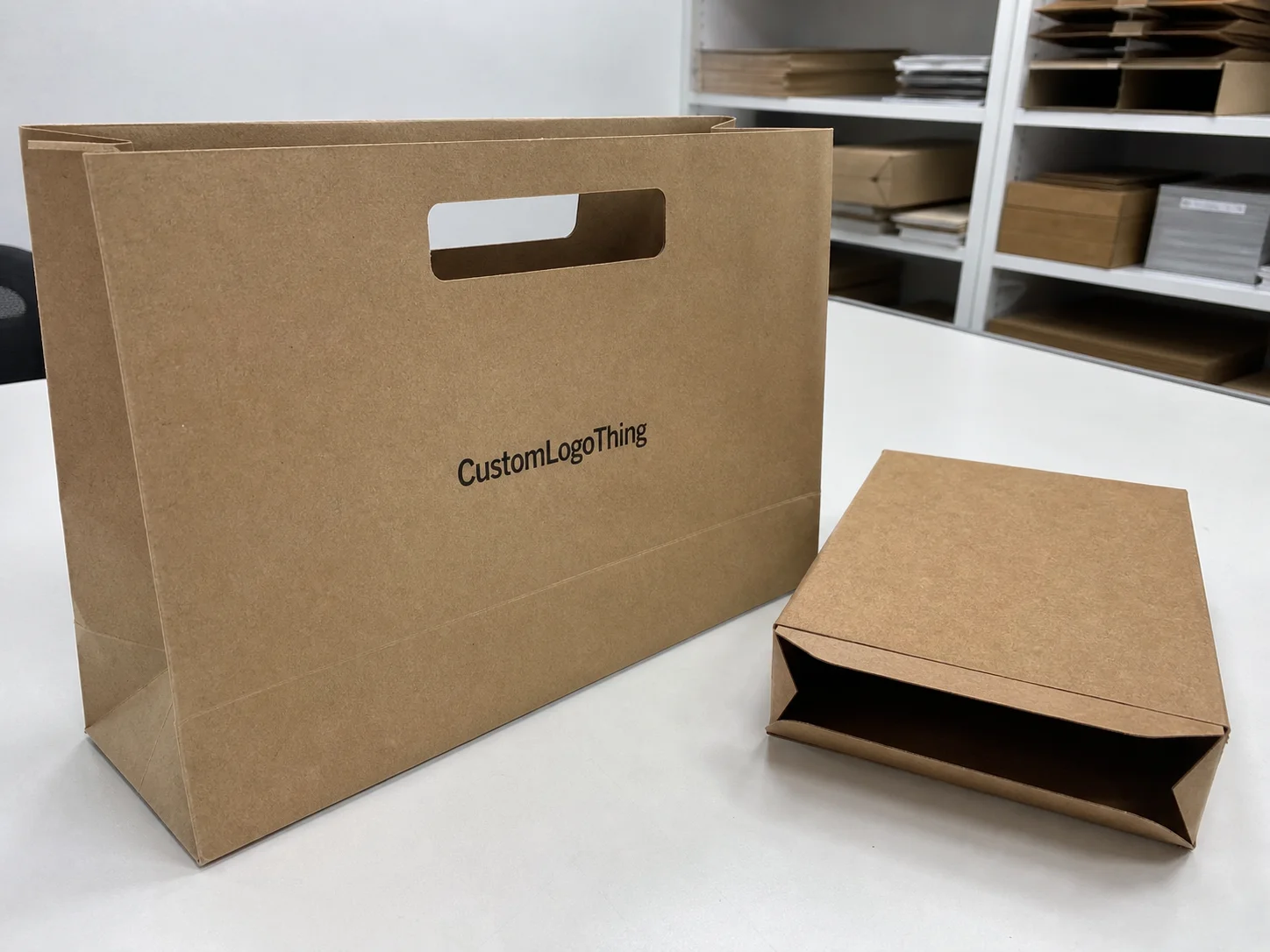
Eleven seconds can decide whether an online order feels premium or forgettable. A printed Matte Zipper Bags quote for ecommerce is not just a price check on plastic; it is a review of shelf impression, shipping durability, resealability, print quality, and the way a customer handles your product before they ever touch what is inside.
That is a lot of responsibility for a flexible pouch that may cost less than the branded insert card beside it. Packaging buyers know the quiet truth: the customer touches the bag first, and that first contact frames the perceived value of everything that follows.
Matte Zipper Bags behave differently from glossy poly bags. They reduce glare in product photos, hide light scuffs from fulfillment handling better than high-shine surfaces, and often read as more refined for apparel, socks, accessories, supplement refills, beauty samples, craft kits, and small lifestyle goods. Matte is not automatically better for every brand; a bright discount line or high-energy promotional kit may want gloss. For ecommerce brands selling soft premium rather than loud discount, matte usually gives the cleaner visual language.
The zipper earns its place too. A press-to-close closure gives the customer a second use: returns, storage, travel packing, refill organization, subscription extras, sample kits, influencer mailers, or multi-item bundles. A single-use bag does one job. A resealable custom zipper bag keeps showing the logo after the first order is opened.
Most quote mistakes start with comparing unit price alone. The real difference often sits in film thickness, print coverage, zipper quality, setup charges, proofing, and freight. A $0.06 gap per unit can disappear once a thinner bag creates more damage complaints, or once a “cheap” quote adds tooling, rush air freight, or color correction after the artwork is reviewed.
Custom Logo Things helps turn dimensions, fulfillment needs, artwork, and delivery requirements into a quote specific enough to compare. Not a vague estimate. A working commercial proposal tied to the actual packaging job.
Printed Matte Zipper Bags Quote for Ecommerce: What We Price
A proper quote is built around the bag construction, not a generic stock SKU with a logo added as an afterthought. Size, material structure, surface finish, zipper type, print method, order quantity, packing method, and delivery location all move the number.
Common ecommerce uses include apparel bags, socks and accessories, cosmetics refills, supplement packs, craft kits, document sets, hardware packs, promotional bundles, subscription refills, and sample packaging. Those uses may look similar on a spreadsheet. They do not behave the same in a warehouse bin, under mailer compression, or in a customer’s hands.
Matte can come from several production choices. It may be a matte material finish, a surface coating, or part of a laminated film structure. For a simple apparel bag, a matte PE or PP structure may be enough. For a scented product, oily cosmetic component, or moisture-sensitive supplement, a laminated barrier film may be the better answer. That distinction affects cost, minimum order quantity, proofing, and lead time.
Printing choices also shift the quote. Some buyers need a one-color logo on the front panel. Others need full-panel branding, front-and-back artwork, spot color printing, or full-color process printing. If the bag carries a barcode, ingredients panel, recycling mark, warning statement, or marketplace compliance label, artwork review becomes more than a cosmetic step.
Functional add-ons can be useful, but they are not free. Hang holes, euro slots, tear notches, vent holes, opaque backs, clear windows, bottom gussets, and write-on panels may affect tooling, waste, run speed, or material choice.
Quote discipline protects both sides. A low estimate based on missing specs is not a bargain if it changes after artwork, zipper style, film gauge, or freight is confirmed.
For the most accurate Printed Matte Zipper Bags Quote for ecommerce, send product dimensions, packed product weight, target quantity, artwork files, desired finish, packaging purpose, and destination ZIP code or country. If you are still testing sizes, send product photos and measurements. Guessing the bag size from a product page rarely works, especially for products that fold, compress, or bundle unevenly.
Ready to price a real project rather than a loose estimate? Send your details through Contact Us and the Custom Logo Things team can build the quote around the actual packaging job.
Material, Finish, and Closure Specifications That Change Performance
Material selection is where a packaging quote starts to become honest. Most plastic zipper bags use PE, PP, laminated film structures, or specialty barrier materials. PE is flexible and widely used. PP can give a crisper feel and clearer window options. Laminated films can add stiffness, opacity, print quality, and barrier performance. Specialty structures may be needed for moisture, scent, grease, or oxygen resistance.
Thickness is one of the fastest ways to change both price and perception. Flexible bag thickness is usually discussed in mils or microns. A lighter film may reduce unit cost, but it can wrinkle more easily, puncture under sharper contents, or feel flimsy in the customer’s hand. A heavier film improves hand-feel and protection, while increasing material cost and freight weight.
| Specification Choice | Typical Use | Cost Impact | Buyer Watch-Out |
|---|---|---|---|
| Light PE film, simple zipper | Soft goods, lightweight accessories, temporary storage | Lower unit cost | Can wrinkle or feel less premium if oversized |
| Medium-gauge matte film | Apparel, beauty samples, subscription kits | Moderate cost | Best value only if size is controlled closely |
| Laminated matte barrier film | Supplements, scented goods, refill packs | Higher cost | May require higher MOQ and longer proofing |
| Premium reusable zipper | Returnable storage, multi-use kits, travel packs | Higher component cost | Zipper alignment must be checked carefully |
Matte finish has tradeoffs. It reduces reflectivity and creates a softer tactile feel, which helps product photography and premium positioning. Dense colors can behave differently, though. Black, navy, forest green, burgundy, and charcoal may look softer on matte film than on glossy film. Heavy ink coverage also requires careful proofing to avoid uneven appearance, banding, or color expectations that do not match the finished material.
Zipper specification deserves more attention than it usually gets. A standard press-to-close zipper works for many ecommerce applications. Stronger reusable zippers may be better for bags customers will open repeatedly. Child-resistant options may be relevant for regulated categories, depending on product type and jurisdiction. Alignment affects function and appearance; a crooked zipper makes even good print look careless.
Sizing is another cost and performance lever. The product should fit without bulging at the zipper, stressing the side seals, or leaving excessive empty space. Oversized bags increase shipping volume and create a loose, underfilled unboxing impression. Undersized bags slow fulfillment teams and increase seal failures.
Ecommerce bags have to survive more than a product photo shoot. They move through fulfillment handling, warehouse bins, mailer compression, temperature swings, label application, customer opening, and sometimes a return trip. For irregular products such as scrunchies, cables, cosmetics, molded items, or multi-piece kits, samples or dielines are especially useful before committing to a production run.
Printing Choices, Artwork Files, and Brand Detail Control
Simple logo printing and full custom artwork are not the same quoting exercise. A one-color logo on a standard matte bag usually quotes faster. Full-panel artwork requires tighter review, better file preparation, more color control, and sometimes a different print method.
For logos and line art, vector files are best: AI, EPS, or editable PDF. High-resolution raster files can work for image-based designs, but low-resolution PNGs pulled from a website are a common source of fuzzy edges, weak registration, and proof delays. If the bag includes small text, barcodes, warning copy, QR codes, or product claims, the file quality matters even more.
Color control is one of the places where facts beat optimism. Pantone matching improves consistency for brand colors. CMYK process printing can reproduce rich graphics, but it may vary slightly across film types and production batches. Matte surfaces can make variation more visible because they reflect less light. A navy that looks strong on a backlit screen may land softer on matte film.
Artwork should include bleed, safe zones, zipper clearance, heat-seal clearance, barcode placement, recycling marks, and compliance panels where relevant. If the bag will be folded around a product, stacked in a subscription box, or handled by a fulfillment team wearing gloves, design for those realities too. Front-facing product photography is only one use case.
Proofing options usually include a digital proof for layout confirmation. For higher-stakes launches, a pre-production sample may be worth the added cost and time, especially if packaging will appear in paid ads, marketplace listings, influencer kits, or retail-adjacent photography. A production sample review can also help when schedule allows.
Standards matter when packaging needs to travel. For distribution testing, the International Safe Transit Association publishes widely used test protocols for packaged products moving through parcel and freight systems. Flexible bags may not be tested alone in every case, but the outer pack and packed product system should be considered together.
A practical printed matte zipper bags quote for ecommerce should identify whether the job is simple logo printing, full-panel branding, or a more technical packaging file with compliance details. That distinction keeps pricing grounded and reduces late-stage surprises.
Cost, Pricing, MOQ, and Unit Cost Variables to Compare
Unit cost depends on quantity, size, film structure, thickness, print colors, print coverage, finish, zipper type, add-ons, proofing requirements, and shipping method. That is why two bags that look almost identical on a mockup can price very differently in production.
MOQ is not arbitrary gatekeeping. Minimums are driven by material sourcing, machine setup, print setup, waste control, and production efficiency. If a press or converting line has to be set up for a custom size, color, film, and zipper profile, the production economics need enough units to spread that setup cost.
Price structures deserve scrutiny. A low unit cost may hide higher setup fees, print plate charges, freight, duties, sample fees, or overrun terms. A slightly higher unit cost may be cleaner if it includes more services upfront, such as artwork review, proofing, packing, and domestic delivery. Ask what is included before declaring one quote cheaper.
For context, simple custom printed zipper bag projects may land in broad ranges such as $0.18–$0.45 per unit at mid-volume quantities, depending on size, film, print, and freight. Larger, thicker, heavily printed, laminated, or specialty barrier bags can move well above that. Small runs often carry a higher unit cost because setup is spread across fewer pieces. These are directional figures, not universal pricing; final numbers depend on confirmed specs.
| Cost Variable | Why It Changes Price | Smart Buyer Question |
|---|---|---|
| Order quantity | Setup, print preparation, and waste are spread across more bags | Can I compare two or three quantity breaks? |
| Film thickness | More material increases cost and shipping weight | What gauge balances feel and freight? |
| Print coverage | Heavy coverage uses more ink and may slow production | Can the same look be achieved with less coverage? |
| Zipper type | Reusable or specialty zippers cost more than standard closures | How many times will customers reopen the bag? |
| Freight method | Air, parcel, LTL, ocean, and split shipment costs vary sharply | Is the deadline worth rush freight? |
Increasing order quantity often lowers unit cost. The overlooked part is inventory risk. Ordering 25,000 bags for a new SKU may look efficient on paper, but if the product size changes after launch, the savings turn into dead stock. Ecommerce brands with multiple SKUs should consider shared bag sizes, modular artwork systems, or common color rules to reduce complexity.
Ask about setup fees, plate or cylinder costs, sample fees, freight, duties for international delivery, rush charges, storage charges, and split-shipment charges. Also ask how overruns or underruns are handled. A 5% overrun on 20,000 bags is 1,000 extra units. That may be acceptable, but it should not be a surprise.
Custom Logo Things can quote good-better-best options so buyers can see how thickness, finish, quantity, zipper style, or print complexity moves the final number. That is often more useful than a single take-it-or-leave-it quote.
Process and Timeline From Quote Request to Delivered Bags
The typical sequence is straightforward: submit the request, confirm specifications, review artwork, receive the quote, approve the proof, enter production, complete quality checks, ship, and receive delivery tracking. The calendar depends on how cleanly those steps move.
Quoting moves faster with exact bag size, target quantity, artwork file, product photo, preferred finish, desired delivery date, and shipping destination. A request that says “small matte zipper bag with logo” can start a conversation. It cannot produce a reliable production quote.
Delays usually come from incomplete artwork, unclear dimensions, last-minute color changes, compliance labeling questions, custom material requests, or multiple stakeholders approving the same proof. One founder may want matte black. The operations manager may need a scannable label area. The fulfillment partner may want a wider opening. All three needs can be valid, but they should be settled before proof approval.
Lead time depends on order complexity, production capacity, proofing requirements, material availability, and transit method. Custom matte zipper bags are not the same as ordering blank stock bags from a shelf. Simple repeat orders with standard material and limited print colors are usually faster than first-time custom jobs with new sizing, dense artwork, or specialty film.
As a working planning range, many custom flexible packaging projects require several business days for quoting and artwork review, additional time for proof approval, and then production plus transit. More complex laminated structures, pre-production samples, or international freight can extend the schedule. If the launch date is fixed, build the timeline backward from the subscription box ship date, retail drop, campaign start, or inventory replenishment deadline.
Rush production may be possible for simpler specifications, standard materials, repeat orders, and limited print colors. Rush pricing and approval discipline matter. If a buyer approves a proof on Monday and changes the barcode on Wednesday, the schedule can move. Sometimes the cost moves with it.
For the fastest practical path, use Contact Us with your dimensions, artwork, quantity targets, and required in-hand date in the first message. That reduces back-and-forth and gives the estimating team fewer blanks to chase.
Quality Checks That Protect Your Launch, Returns, and Reviews
Ecommerce packaging quality is judged twice. First, fulfillment teams judge whether the bag opens, fills, closes, labels, scans, and packs at speed. Then customers judge whether it looks clean, opens without frustration, protects the product, and feels consistent with the price they paid.
Key quality checks include zipper function, seal strength, print registration, ink adhesion, matte finish consistency, cut accuracy, gusset alignment if applicable, and correct bag count. For printed bags, registration tolerance matters most around logos, borders, barcodes, fine text, and artwork that wraps near a seam or zipper.
Small failures create large downstream costs. Weak zippers can increase returns or customer service contacts. Poor seals can spill contents inside mailers. Inconsistent print can make a premium brand look unplanned. Customers rarely write a glowing review because a zipper worked properly, but they notice packaging that arrives scuffed, split, hard to open, or visually cheap.
For higher-value launches, pre-production review is practical insurance. It is especially useful when the packaging will be photographed for product pages, social media, marketplace listings, or paid campaigns. A matte surface that looks elegant in hand can photograph differently under studio lighting, so physical review can prevent expensive reshoots or reprints.
Fulfillment compatibility should not be treated as an afterthought. Bags should be easy to separate, open, fill, close, label if needed, and pack without slowing warehouse labor. If a bag saves $0.03 per unit but adds four seconds to every pack-out, that labor cost can erase the savings quickly at volume.
Custom Logo Things reviews quote details against real packaging use, not only artwork appearance. That includes product fit, closure function, print requirements, delivery needs, and the practical realities of ecommerce distribution.
Action Steps Before You Request Your Ecommerce Bag Quote
Before requesting a printed matte zipper bags quote for ecommerce, gather the details that drive real pricing. A clean request does not need to be complicated. It does need to be specific.
- Product dimensions: measure length, width, depth, and the product after folding, bundling, or assembling.
- Packed product weight: include inserts, samples, labels, or accessories that will sit inside the bag.
- Target quantities: request two or three volume breaks, such as 2,500, 5,000, and 10,000 pieces, if your buying plan allows it.
- Artwork files: send AI, EPS, or editable PDF files where possible.
- Color requirements: include Pantone references if brand color consistency matters.
- Matte preference: specify soft matte, opaque matte, matte with window, or reference packaging you like.
- Zipper needs: note whether the customer will reuse the bag or only open it once.
- Delivery details: provide destination ZIP code or country and required in-hand date.
Measure the product the way it will actually be packed. Flat dimensions often understate the real bag size. A folded hoodie, coiled charging cable, three-piece cosmetic set, or bundle of fabric accessories can add depth that pushes against the zipper and side seams.
Identify the bag’s role. Is it primary packaging? Secondary packaging inside a mailer? A promotional kit? A subscription refill pouch? Returnable storage? Each answer changes the best specification. A bag used for a refill program may need a stronger zipper than a one-time apparel sleeve.
Reference photos are useful. So are failure photos. If a previous bag split at the side seal, photographed too shiny, wrinkled badly, or slowed packing, share that information. Negative examples often reveal the correct spec faster than mood boards.
For sustainability claims, be careful and specific. Material choices, recycling access, labeling, and local recovery systems vary. The U.S. Environmental Protection Agency provides general recycling guidance, but claims on packaging should match the actual material and market where the product is sold.
Send your specs and artwork to Custom Logo Things through Contact Us for a printed matte zipper bags quote for ecommerce that includes material, print method, MOQ, timeline, and shipping details in one comparable proposal.
FAQs
What details do I need for a custom matte zipper bags quote for online orders?
Provide bag dimensions, product type, estimated packed weight, target quantity, artwork file, print colors, finish preference, zipper style, delivery location, and target in-hand date. If you are unsure of sizing, send product photos and measurements so the bag can be specified around the packed product rather than guesswork.
How does MOQ affect a printed zipper bag quote for ecommerce packaging?
MOQ affects setup efficiency, material use, and print production economics. Higher quantities usually reduce unit cost because setup is spread across more units, but the best order quantity depends on SKU count, inventory space, launch risk, and cash flow.
Can matte zipper bags be printed in full color for ecommerce brands?
Yes, many matte zipper bag projects can support full-color artwork depending on material, artwork complexity, and production method. For precise brand colors, provide Pantone references and request proofing because matte film can make colors appear softer than glossy film.
What lead time should I expect after approving a custom printed zipper bag proof?
Lead time depends on bag complexity, order quantity, material availability, proofing requirements, and shipping method. Simple repeat orders are usually faster than first-time custom matte projects with new artwork, custom sizing, or specialty film.
What makes a printed matte zipper bags quote for ecommerce more expensive?
Cost increases with larger sizes, thicker films, specialty barrier materials, heavy ink coverage, multiple print colors, premium zippers, added features, rush production, and freight requirements. To control cost, compare multiple quantities, simplify print coverage where possible, and standardize bag sizes across related SKUs. For a clear printed matte zipper bags quote for ecommerce, send the actual product measurements, artwork, destination, and launch deadline before pricing begins.


