Buyer Fit Snapshot
| Best fit | Metallic Poly Mailers Custom projects where brand print, material claims, artwork control, MOQ, and repeat-order consistency need to be specified before quoting. |
|---|---|
| Quote inputs | Share finished size, material target, print colors, finish, packing count, annual reorder estimate, ship-to region, and any compliance wording. |
| Proofing check | Approve dieline scale, logo placement, barcode or warning zones, color tolerance, closure strength, and carton packing before bulk production. |
| Main risk | Vague material claims, crowded artwork, missing packing details, or unclear freight terms can make a low unit price expensive after revisions. |
Fast answer: Metallic Poly Mailers Custom: Design, Pricing & Lead Time should be specified like a repeatable production item. The safest quote records material, print method, finish, artwork proof, packing count, and reorder notes in one written spec.
Production checks before approval
Compare the actual filled-product size with the drawing, then confirm tolerance on folds, seals, hang holes, label areas, and retail display edges. Reserve space for logos, QR codes, warning copy, and material claims before decorative graphics fill the panel.
Quote comparison points
Review material grade, print process, finish, sampling route, tooling charges, carton quantity, and freight assumptions side by side. A quote is only useful when the supplier can repeat the same color, closure quality, and packing count on the next order.
A Metallic Poly Mailers custom order can look premium in a mockup and still arrive wrinkled, thin at the seam, or scuffed from handling if the spec is loose. That is the part people miss: metallic Poly Mailers Custom work only when size, thickness, print coverage, and closure are chosen for the product, not just for the render.
For apparel brands, subscription kits, and limited releases, the mailer is often the first physical touchpoint. It sets the tone before the customer even reaches the product, which is why metallic poly mailers custom belong in the same packaging conversation as branded packaging, product packaging, and custom printed boxes—just with lighter freight, less rigidity, and fewer places to hide a weak decision.
What metallic poly mailers custom actually are
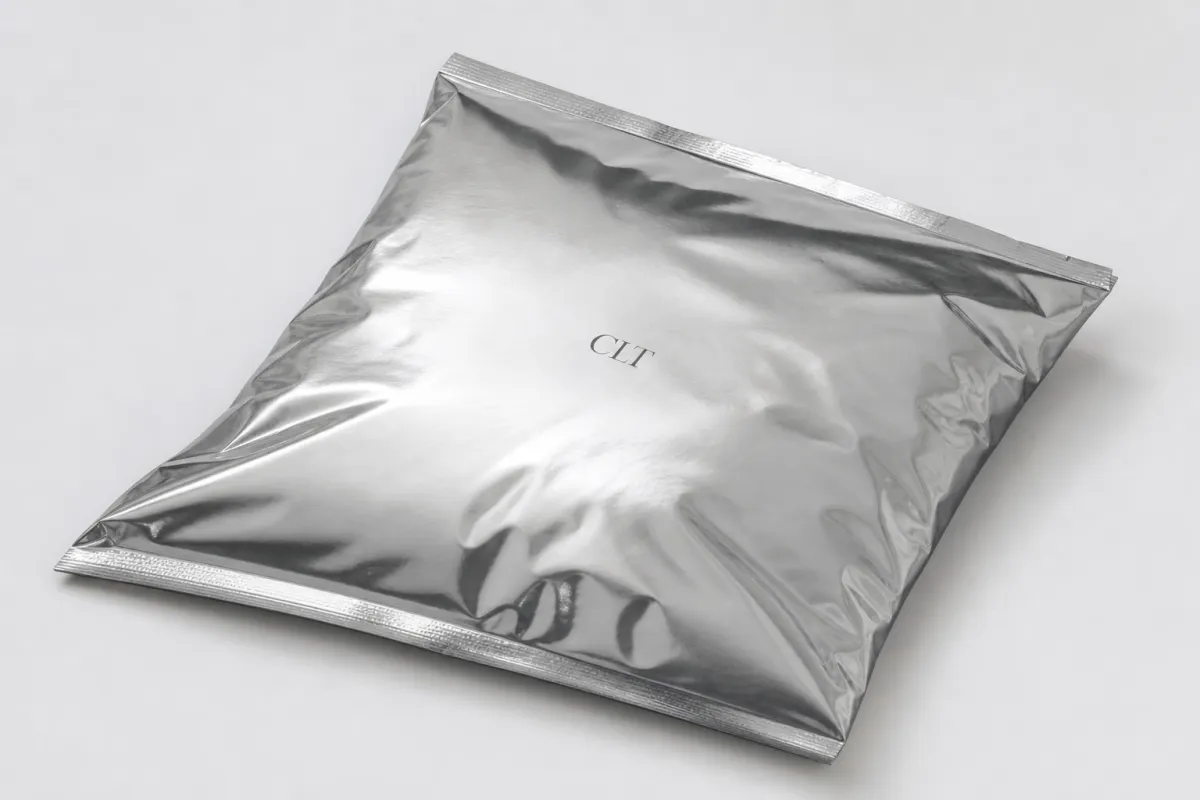
Think of metallic poly mailers custom as lightweight shipping bags made from plastic film with a reflective finish. They are commonly used for soft goods like apparel, socks, accessories, swimwear, beauty samples, and other non-fragile items that do not need a rigid carton. Put simply, you get a bag that ships economically, looks sharper than a plain poly mailer, and gives your package branding more presence right at the door.
The appeal becomes obvious the first time a customer receives a package that was supposed to feel elevated and instead shows up dull, creased, and thin enough to show every wrinkle from transit. The product might still be fine inside, but the experience has already slipped. Well-made metallic poly mailers custom correct that by giving the outside a clear signal of care and value. The finish is doing its job before the adhesive strip is even peeled back.
They fit best where presentation matters but box-level protection is unnecessary. Common uses include:
- E-commerce orders for tees, leggings, loungewear, and accessories.
- Influencer kits where the unboxing needs to feel intentional.
- Promotional shipments for launches, events, and giveaways.
- Seasonal drops where the packaging should feel limited and more premium than standard shipping.
Metallic poly mailers custom are not boxes, not bubble mailers, and not a fix for the wrong packaging format. If the item is rigid, sharp-edged, or fragile, the mailer is the wrong choice unless you add internal protection. If the bag is too thin, the seal gets stressed. If the bag is oversized, the package looks loose and freight volume can creep up. The spec needs to suit the product, or the shiny surface just makes the mismatch easier to see.
From a packaging buyer’s point of view, the draw is straightforward. You get visual impact, decent shipping efficiency, and a surface that can carry a strong logo lockup without turning the project into a full carton program. For many brands, metallic poly mailers custom sit in the middle ground between plain shipping and more expensive retail packaging.
How metallic poly mailers custom are made and sealed
The structure is usually a multi-layer film. One layer provides strength, another creates the metallic look, and a pressure-sensitive adhesive strip closes the flap. Some versions add a tear notch, a second seal line, or a tamper-evident closure. Good mailers feel consistent from sheet to sheet. Weak ones feel like they were pulled thin by cost-cutting, and you can usually tell just by flexing the corner.
Production starts with artwork prep and print setup. A buyer sends files, the factory checks size, bleed, line weight, and color coverage, then the job moves into plate-making or gravure cylinder prep depending on the print method. After that, the film is printed, converted into bag form, folded, cut, sealed, and packed for shipment. Metallic poly mailers custom may look simple in the final photo, but there are many steps before that finish reaches a loading dock.
Print methods buyers will hear about
Two methods come up often: flexographic printing and gravure printing. Flexo is common for simpler jobs and usually works well for straightforward logos, fewer colors, and practical order quantities. Gravure is better for richer image detail and smoother tonal work, though setup costs are higher and minimums tend to be less forgiving.
That choice affects more than price. It changes edge sharpness, setup time, and how the logo sits on reflective film. A clean icon with bold type may do just fine with flexo. Dense artwork or a photographic effect pushes the job into a more expensive lane, and metallic poly mailers custom stop behaving like a simple commodity order.
Finish choices that change the look
The finish is where a bag can move from decent to memorable. Silver gives the most neutral mirror-like base. Gold reads warmer and more promotional. Rose gold feels softer and more lifestyle-driven. Holographic-style surfaces create more movement, but they also raise the risk of visual clutter if the artwork is already busy.
Glossy metallic surfaces make color stronger, and they also expose flaws. Low-resolution logos look soft. Thin type can disappear. Poor contrast turns into visual noise. I have seen more than one metallic poly mailers custom design go sideways because someone assumed a reflective background would add energy and rescue weak composition. It usually does the opposite. That part is kinda unforgiving.
If your artwork only looks right on a flat white background, it is probably not ready for a reflective mailer. The finish should support the design, not cover for it.
Technical buyers should bring durability into the same conversation as appearance. Film strength, seal integrity, and shipping performance deserve attention alongside the visual spec. A capable supplier should speak clearly about basic film testing, seal performance, and transit testing aligned with industry practice. For a useful benchmark, look at resources from ISTA and broader packaging guidance from The Packaging Association. A glossy mockup is nice. Proof that the bag survives transit matters more.
By the time the job is packed out, metallic poly mailers custom should feel like a deliberate brand decision, not a random shiny wrapper. The finish, seal, and print method all need to point in the same direction.
Key factors that affect durability, print, and branding
The most common mistake buyers make is treating every mailer as if it were interchangeable. They are not. A bag that works for a 4 oz tee will not automatically suit a hoodie, and metallic poly mailers custom need more than a nice logo to justify the spend.
Thickness comes first. A heavier gauge usually resists puncture better, stretches less, and feels less flimsy in hand. That does not mean thicker is always better, because overbuilding a mailer can raise cost without solving the real issue. Still, if you are shipping folded garments with seams, zippers, or hang tags, a slightly heavier film often cuts down on split seams and corner stress complaints.
Size is the next decision people underestimate. Too small, and the seal has to fight the contents. Too large, and the product slides around inside, which looks sloppy and can create wear points during transit. Good metallic poly mailers custom are sized to the actual folded volume, not the idealized version of the product.
Print coverage matters more than many buyers expect. Full-bleed artwork can look striking, but it also makes every flaw visible. White ink can help logos stand off the surface, though it adds complexity. Tiny text becomes risky on metallic film, especially when the type weight is too light. In practice, bold shapes and high-contrast graphics usually outperform busy layouts.
Closure and security are the final practical layer. A strong adhesive strip, a clean tear line, and enough flap overlap can make a simple bag feel far more reliable. For returns, higher-value goods, or multi-touch logistics, some brands add a double seal or internal protection. That extra layer is not glamorous, but neither is paying for reships.
Sustainability deserves a plain answer, not a marketing halo. Some metallic poly mailers custom can include recycled content or be responsibly downgauged, but the metallic effect can make end-of-life recycling more complicated. If sustainability matters in your brief, ask about recycled-film options, content percentages, and how the finish affects recovery. The FSC system is useful for paper-based packaging decisions, but plastic mailers need their own review of material composition and local recycling guidance. For broader waste context, the EPA’s packaging waste resources are a useful reference point: EPA recycling guidance.
The best-looking package is the one that arrives intact and still looks like the brand promised. That is why metallic poly mailers custom should be judged as part of the full package branding system, not as a shiny side project.
Metallic Poly Mailers Custom Cost, MOQ, and quote basics
Pricing is where people either get practical or get pulled into vague language. Metallic poly mailers custom pricing usually depends on size, thickness, print colors, finish, quantity, and whether the art needs a white underbase or a special effect. A clean one-color logo on a standard size bag is one thing. A full-coverage holographic look with a custom size is another entirely.
For most buyers, the clearest way to think about it is this: lower quantities cost more per unit because setup gets spread across fewer bags, while larger runs reduce the unit price quickly. If you order a small test run, expect to pay more per piece. That is not a trick. That is how the math works.
Typical quote components include:
- Bag price based on size and film thickness.
- Plate or setup fees for printing, often charged per color.
- Proofing or sampling if you need a physical check.
- Shipping, which can shift a quote more than people expect.
- Special finish charges for holographic, custom metallic tones, or extra-print complexity.
Setup fees are normal. For flexographic work, it is common to see plates or setup charges in the range of roughly $80-$250 per color, though the number can move based on supplier and complexity. Freight is another place where quotes can mislead if it is left out. A low unit price paired with unpleasant shipping costs is not a bargain. It is a bad spreadsheet dressed up as a win.
| Option | Typical MOQ | Unit Price Range | Best For | Main Tradeoff |
|---|---|---|---|---|
| Standard metallic bag with single-color logo | 5,000-10,000 pieces | $0.10-$0.18 | Simple apparel shipping | Limited artwork complexity |
| Custom size with 1-2 color print | 5,000-10,000 pieces | $0.14-$0.24 | Brand-forward e-commerce orders | More setup and plate cost |
| Full-bleed reflective design | 10,000+ pieces | $0.18-$0.32 | Launches, influencer kits, seasonal drops | Longer approval and color control |
| Special finish or holographic effect | 10,000+ pieces | $0.22-$0.40 | Premium retail packaging feel | Higher cost and slower lead time |
Those figures are not universal, and any supplier pretending they are should be treated carefully. They are still useful for planning. If your quote lands well below that range, ask what was reduced. Usually it is thickness, print coverage, size tolerance, or quality control. If the quote lands well above it, check whether you are paying for unusually low MOQ, oversized bags, or unnecessary finish layers.
Before you approve a quote for metallic poly mailers custom, ask for the exact material spec, size tolerance, print limit, whether freight is included, and whether the supplier is quoting sampled or production-grade material. You want a quote you can compare, not a mystery wrapped in a shiny envelope.
If you are building a wider packaging line, it helps to compare the mailer against your other formats. Browse Custom Packaging Products if you need a broader mix, or review Custom Poly Mailers when you want to benchmark sizes and styles against standard options.
Process and timeline for metallic poly mailers custom orders
The process looks simple on paper and a little less obedient in real life. A normal metallic poly mailers custom order starts with a brief, then artwork submission, then proofing, revision, production, packing, and delivery. The weak point in the chain is usually approval. That is where “quick” jobs grow legs.
Here is the usual flow:
- Brief: you send size, quantity, finish, print needs, and target use case.
- Artwork prep: the supplier checks bleed, resolution, logo placement, and color expectations.
- Proof: you review a digital proof or sample and correct anything that looks off.
- Production: film is printed, converted, sealed, and packed.
- Transit: the bags move by air or sea depending on budget and deadline.
Timeline shifts with complexity. A simple one-color metallic poly mailers custom run can often move through production in about 12-15 business days after proof approval. Add custom sizing, full-bleed printing, special finishes, or more colors, and the more realistic window is 18-30 business days before shipping, sometimes longer if the factory queue is heavy. Transit adds its own clock after that.
What actually delays an order
Three things slow people down more than anything else: late proof feedback, color revisions, and not having the final quantity ready. If one person wants the logo larger, another wants the finish softer, and nobody is settled on the final dimensions, the calendar slips. It helps to approve the spec first and handle design preferences before the factory starts cutting film.
Shipping method matters too. Air is faster and more expensive. Sea is cheaper and patient in the irritating way only freight can be. If your launch date is fixed, work backward and leave room for proof changes and customs time. Rush fees are often what you pay when planning got replaced by hope.
One simple scheduling rule helps a lot: reorder before stock gets tight. A last-minute reorder for metallic poly mailers custom almost always costs more than the buffer inventory you thought you were saving. If the packaging supports a campaign or launch, tie the reorder point to your sales forecast instead of waiting until the pallet is empty.
Good planning also keeps you from mixing up packaging priorities. If your campaign includes labels, inserts, or custom printed boxes as part of the same drop, line those approvals up together so one delayed item does not stall the whole project.
Common mistakes that make metallic mailers look cheap
Most bad-looking mailers are not failing because the finish is wrong. They fail because the design and the spec work against each other. The fastest way to ruin metallic poly mailers custom is to treat the reflective surface like a shortcut that can hide weak branding. It cannot.
Low contrast is the first mistake. Pale gray text on silver film is a classic miss. Soft gradients can also get muddy on reflective surfaces, especially if the artwork was built on a white mockup and never tested on the actual material. Bold type and cleaner shapes usually hold up better.
Wrong sizing comes next. A bag that is too big balloons around the contents, creases hard, and makes the order feel under-planned. A bag that is too tight can wrinkle the seal area or split at the corner. Metallic poly mailers custom should fit the folded product with enough room to close cleanly and enough tension to stay tidy.
Spending too much on finish and too little on film thickness is a common mistake. People love the shine and then skip the durability question. That is backward. A premium-looking print on a flimsy bag still ends up looking cheap the second the carrier roughs it up.
Proofing errors create another round of trouble. Pantone expectations on reflective film can be optimistic at best. Tiny legal text may turn unreadable. Logos can shift in perceived color because the base itself is reflective. That is why physical samples matter when the finish or color is doing the heavy lifting. Metallic poly mailers custom are not the place to discover that your typeface has the structural integrity of wet tissue.
Too much going on can also break the design. One logo, one message, and maybe one support line is usually enough. Once you cram in a slogan, social handles, QR code, shipping note, and three decorative elements, the bag stops feeling premium and starts feeling like a flyer that got trapped in a shipping line.
If the bag is trying to say everything, it usually says nothing useful.
For brands that care about retail packaging as much as shipping efficiency, restraint is not boring. It is usually the difference between a product that feels edited and one that feels noisy. That is true whether you are designing metallic poly mailers custom, rigid mailers, or any other package branding piece.
Expert tips and next steps before you order
Ask for a sample or physical proof if the finish, color, or logo contrast matters. A screen mockup helps, but it will not show you how the reflective surface changes the artwork. For metallic poly mailers custom, the real material tells the truth faster than any PDF does.
Build a spec sheet before asking for quotes. Keep it simple and complete: dimensions, film thickness, closure style, print area, number of colors, finish type, target quantity, and whether you need a tear notch or double seal. The cleaner your brief, the less time you spend translating vague comments like “make it pop” into something a factory can produce.
Compare at least two suppliers using the same spec. Otherwise, you are not comparing prices. You are comparing different bags, different thicknesses, different print counts, and different assumptions. That kind of comparison is how people think they saved money and then spend it again fixing the order.
Test the bag with the actual product. Not a random shirt. Not a folded sample from last season. The real item. Volume, corner stress, seal overlap, and hand feel all change once the actual product is inside. With metallic poly mailers custom, that test usually shows whether the bag feels premium or merely shiny.
Use the packaging workflow as a checklist:
- Measure the folded product and note the finished dimensions.
- Request a quote that separates unit price, setup, and freight.
- Approve artwork on the actual material whenever possible.
- Confirm the reorder point before the first shipment lands.
- Save the spec sheet so the next order does not start from zero.
The brands that get this right do not treat metallic poly mailers custom as a novelty item. They use them as a functional branding asset, the same way they treat inserts, labels, and shipping cartons. That is the smart move. The mailer has one job: protect the product and make the brand look intentional while it does it.
Are metallic poly mailers custom good for apparel shipping?
Yes, especially for tees, socks, accessories, swimwear, and other soft goods. Metallic poly mailers custom work well for folded apparel because they are light, cost-effective, and visually stronger than plain shipping bags. Use the right thickness so the film does not stretch or split at seams and corners. If the item is rigid or delicate, add inner protection before sealing the mailer.
How much do metallic poly mailers custom usually cost?
Price depends on size, thickness, print coverage, finish, and order quantity. As a rough planning range, metallic poly mailers custom often land around $0.10-$0.40 per unit depending on spec and volume. Lower quantities usually carry a higher unit cost because setup is spread across fewer bags. Ask for a quote that separates setup, product, and freight so you can compare suppliers fairly.
What is the typical MOQ for metallic poly mailers custom orders?
MOQ varies by factory and print method, but custom runs often start around 5,000 pieces and can move higher for complex artwork or special finishes. Metallic poly mailers custom with full coverage, custom sizing, or holographic effects usually need larger minimums because setup is more involved. If you need a small test run, expect a higher per-unit price.
How long does the metallic poly mailers custom process take?
Simple orders move faster than custom sizes or heavily printed designs. For many metallic poly mailers custom projects, production after proof approval can take roughly 12-30 business days depending on complexity, with shipping added on top. Artwork approval, proof revisions, factory queue time, and transit method usually drive the timeline. Plan extra buffer before a launch, because lead time rarely behaves like a promise on a slide deck.
What artwork works best on metallic poly mailers custom?
Bold logos, high-contrast type, and clean shapes usually read best on reflective film. Tiny text and low-contrast gradients can disappear or look muddy on metallic backgrounds, especially if the design was built for a flat white mockup. Always check a proof on the actual material before locking the design for metallic poly mailers custom.
For brands that want the shine without the headache, metallic poly mailers custom are a practical format. Get the size right, keep the artwork disciplined, and ask for the spec in writing. Do that, and the mailer stops being a gamble and starts doing what good packaging should do: move the product, protect the product, and make the brand look like it knows exactly what it is doing.