Buyer Fit Snapshot
| Best fit | Moisture Resistant Mailing Bags Bulk for Reliable Shipping projects where brand print, material claims, artwork control, MOQ, and repeat-order consistency need to be specified before quoting. |
|---|---|
| Quote inputs | Share finished size, material target, print colors, finish, packing count, annual reorder estimate, ship-to region, and any compliance wording. |
| Proofing check | Approve dieline scale, logo placement, barcode or warning zones, color tolerance, closure strength, and carton packing before bulk production. |
| Main risk | Vague material claims, crowded artwork, missing packing details, or unclear freight terms can make a low unit price expensive after revisions. |
Fast answer: Moisture Resistant Mailing Bags Bulk for Reliable Shipping should be specified like a repeatable production item. The safest quote records material, print method, finish, artwork proof, packing count, and reorder notes in one written spec.
Production checks before approval
Compare the actual filled-product size with the drawing, then confirm tolerance on folds, seals, hang holes, label areas, and retail display edges. Reserve space for logos, QR codes, warning copy, and material claims before decorative graphics fill the panel.
Quote comparison points
Review material grade, print process, finish, sampling route, tooling charges, carton quantity, and freight assumptions side by side. A quote is only useful when the supplier can repeat the same color, closure quality, and packing count on the next order.
Moisture Resistant Mailing Bags Bulk for Reliable Shipping
Humidity does not need to flood a loading dock to cause trouble. A damp truck floor, a stormy doorstep, a warm warehouse, or a carton that sits in a holding area too long can soften labels, blur print, and make a clean shipment look neglected. That is why moisture resistant mailing bags bulk matters. The right bag cuts rework, reduces returns, and keeps a shipping program from leaking money in small, irritating ways.
For ecommerce teams, apparel brands, subscription sellers, and procurement buyers, the decision rarely hinges on marketing language. It comes down to film structure, seal consistency, size, freight, and total landed cost. A good mailer protects the order and keeps the line moving. A weak one creates quiet labor costs that only show up after complaints start landing in customer service. That is usually the expensive part nobody planned for.
Moisture Resistant Mailing Bags Bulk: Why Humidity Costs More Than Tape
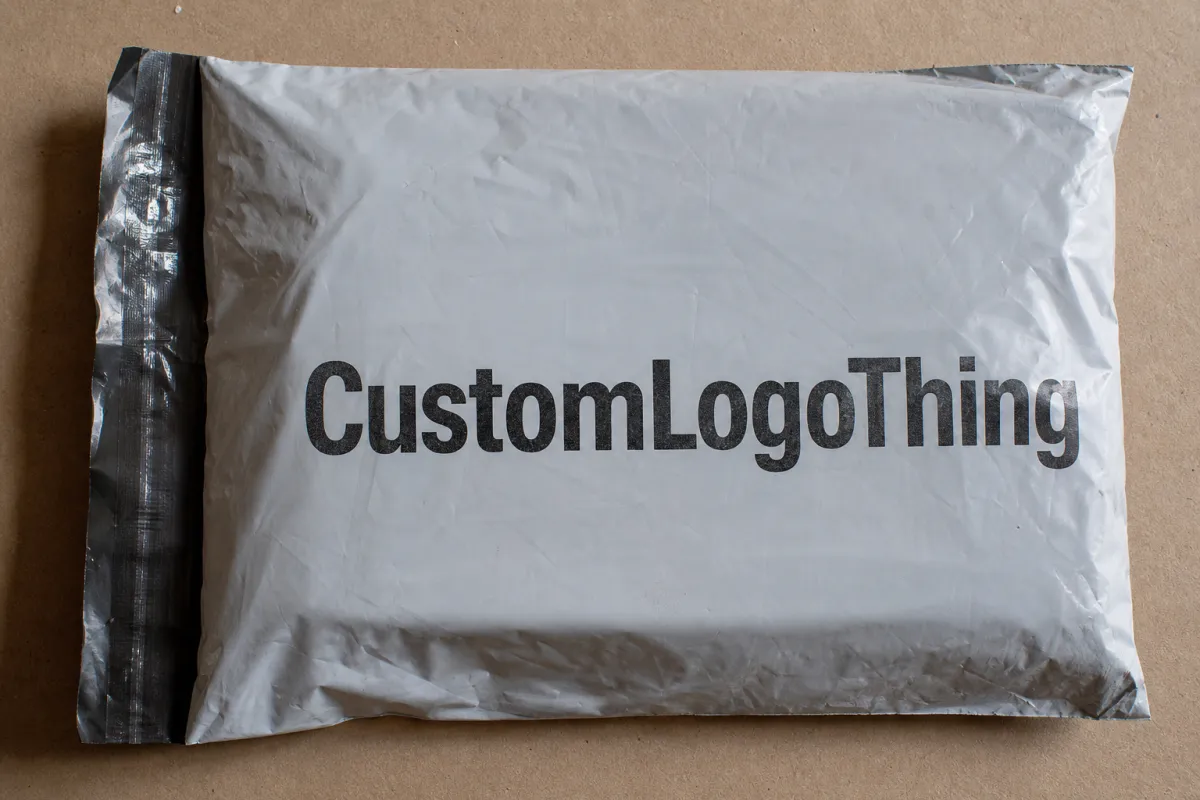
Shipping losses usually get blamed on punctures, rough handling, or crushed cartons because those failures are easy to see. Moisture damage is harder to spot. It shows up as a label that will not stay put, a film surface that feels tacky, a garment that smells off, or a package that loses stiffness after sitting in humid storage. From a packaging buyer’s point of view, that hidden damage is exactly what makes the cost annoying. The bag looked fine when it left the facility. The claim arrives later.
Most teams underestimate how moisture gets in. A warehouse with fluctuating temperature can be enough. So can line-haul transfers, a rainy dock, or a delivery route that leaves parcels sitting outside for too long. None of that sounds dramatic. It does not need to. A few hours in the wrong environment can be enough to compromise paper inserts, adhesives, and outer packaging that should have stayed clean and intact.
A better mailer can save more than it costs. One extra cent per unit sounds minor until it prevents repack labor, customer service follow-up, and replacement shipments. Across 10,000 units, a small jump in film quality or seal reliability can protect a budget line that would otherwise disappear into fixes. That math usually lands harder than any polished sales pitch.
A shipping bag does not need to be flashy to earn its keep. It needs to be consistent, moisture resistant, and sized for the product instead of forcing the product to adapt.
Think of this section as a buyer’s checklist, not a brochure. What is the bag made from? How does the closure behave in real packing conditions? What minimum order applies? What is included in the quote? How long does production actually take? Clear answers let procurement teams compare suppliers on facts instead of friendly-sounding guesses.
Brands that already track damaged-in-transit rates should look at the pattern, not just the number. If moisture-related complaints cluster around humid seasons, cross-country lanes, or warehouse overflow periods, the packaging spec deserves a second look. If a standard poly mailer is already doing the job, there may be no reason to move up. Buy for the actual shipping environment, not for the tidy version where everything stays dry and polite.
That practical view matters because not every route needs the same level of protection. A subscription box that travels through climate-controlled centers has different needs from a garment order that crosses a rainy region in summer. A buyer who understands that difference makes better decisions. A buyer who ignores it usually pays for the mistake in labor, not just packaging.
What These Poly Mailers Are Made To Do
A poly mailer is a lightweight shipping bag made from film layers, usually sealed with a self-adhesive strip. For many ecommerce orders, it is the cleanest outer package because it uses less material than a carton and takes up less room in packing, storage, and transit. A moisture resistant version is designed to shed surface moisture better, resist ordinary humidity exposure, and protect the contents from the kind of dampness that ruins a clean unboxing experience.
The difference between a standard mailer and a moisture resistant one often stays hidden until the shipment meets reality. Better film structure, more reliable seams, and tighter closure behavior all matter. A cheap bag can look similar on a spec sheet and still fall apart in practice because the adhesive strip opens too easily or the film stretches unevenly. That “savings” disappears fast. A moisture resistant mailing bag is a packaging choice, not a branding accessory dressed up for a meeting.
Best-fit applications usually involve soft goods and low-fragility items that still need a clean outer barrier. Common examples include:
- Apparel and folded textiles
- Books, catalogs, and printed kits
- Accessory packs and small subscription items
- Promo shipments and event mailers
- Returns packaging for lightweight goods
These bags are not the answer for everything. If the contents need crush protection, corner strength, or foam padding, a corrugated mailer or box makes more sense. If the item is highly sensitive to water intrusion, a poly mailer alone is not enough. That distinction matters. A good buyer does not over-spec the package, and does not under-spec it either. Both mistakes cost money. One is just louder.
Customization is often where the product starts earning its keep. Options may include opaque or white film, custom logo printing, recycled-content blends, multiple thickness levels, and sizing that aligns with both product dimensions and postage efficiency. For teams building a consistent outbound presentation, branded Custom Poly Mailers can support the customer experience without adding much packaging weight.
If the volume is large enough to matter, a supplier should also be able to discuss pack count per carton, pallet configuration, and whether the film structure suits machine packing or hand packing. Those details sound operational because they are. They decide how fast the team can ship when order volume spikes and everyone suddenly needs the bags yesterday.
There is also a practical limit worth stating plainly: moisture resistant does not mean waterproof. A mailer can help with humidity, drizzle, and short exposure during normal transit. It is not a substitute for barrier packaging in wet environments or for products that cannot tolerate any liquid contact at all. Honest product positioning saves everyone time.
Moisture Resistant Mailing Bags Bulk: Specifications That Matter
Most packaging problems trace back to one of five things: the film is too light, the seal is weak, the size is wrong, the print is hard to read, or the buyer skipped the sample and hoped for the best. That is why spec detail matters more than broad claims about weather resistance. A spec sheet should tell you what the bag can do, under what conditions, and what tradeoffs come with it. If it cannot do that, it is just marketing in a clean shirt.
Film thickness and hand feel
Thickness is often listed in microns or mils, and the right answer depends on the product. Lightweight apparel may work in a thinner film, while heavier contents, sharper edges, or longer distribution lanes usually call for a thicker gauge. A 2.0 mil bag can work for simple soft goods. A 2.5 to 3.0 mil structure usually gives buyers more confidence for mixed SKUs or rougher handling. The number matters, but the feel matters too. A film can look fine on paper and still feel flimsy once it is loaded.
The best test is practical: how does the bag behave after it is filled, sealed, stacked, and moved across a packing table? If it curls badly, stretches unevenly, or feels thin at the seams, the film may not be strong enough for the route. Buyers who pack orders every day tend to notice that faster than anyone in a sample room.
Seal performance
The closure matters more than most first-time buyers expect. Adhesive strip strength, tamper evidence, and consistency across a production run can make the difference between a clean pack-out and a return. If the seal opens before delivery, moisture resistance no longer means much. Ask whether the adhesive is pressure sensitive, how it behaves in warmer rooms, and whether it has been tested on the actual substrate being used. A bag that seals well on a cool sample table may act differently in a hot warehouse where nobody is in the mood for surprises.
That is also why staff feedback matters. Warehouse teams know quickly if the adhesive grabs too slowly, feels too aggressive, or needs a second pass to hold. A supplier that listens to that feedback is usually more useful than one that only talks about film chemistry and leaves the operator to figure it out alone.
Sizing and fit
Right-sizing saves money in two directions. It cuts material waste and keeps the bag from shifting around the product. Too much slack creates wrinkles, bulk, and wasted freight space. Too little space slows packing and raises the chance of seal failure. A good rule is to leave enough room for the product, a clean insertion path, and any label or invoice area you need. For items with odd shapes, ask for a sample or sizing chart before approving the run. Guessing is expensive.
Size also affects the warehouse floor. Oversized bags are awkward to handle and can make a simple packing station feel clumsy. Undersized bags slow the line because employees have to force the product in or rework the pack. The right fit reduces both waste and frustration.
Print, opacity, and finish
Branding only helps if the package stays readable and easy to handle. Logo placement should not interfere with address labels, barcodes, or handling marks. Opacity matters if the contents need to stay hidden. Finish matters too. Glossy film can look sharp but may scuff more visibly, while a matte finish can reduce glare under warehouse lighting. If the team scans labels at speed, the visual layout should support that workflow instead of slowing it down.
Opacity deserves a specific check. A bag that looks opaque in daylight may show shadowing under bright warehouse lamps. If privacy is part of the requirement, ask for a live sample under the same lighting where the bags will be packed and received. Small details like that keep expectations honest.
Quality and sustainability checks
Buyers are asking more specific questions now. Is recycled content available? Is the structure recyclable where local systems accept it? Can the supplier provide a sample before mass production? What is the carton pack count? Is the bag tested for film strength, seal integrity, or transit durability? For formal validation, some teams reference ISTA transit testing standards and related protocols to simulate shipping stress before approving a wider rollout. If the packaging has to support a sustainability claim, ask for documentation instead of assuming the answer is yes because the brochure said so.
For buyers who want a quick checkpoint, use this short list before issuing a purchase order:
- Confirm thickness in microns or mils
- Verify seal style and adhesive behavior
- Match bag dimensions to the packed product
- Check print area, barcode space, and opacity
- Ask for samples and production proofs
- Review carton count, pallet count, and storage needs
One more practical note: moisture resistance is not the same as waterproof protection. If a product needs submersion protection or long exposure to wet conditions, a mailer is the wrong format. That is not a flaw in the product. It is the buyer doing the job properly before placing a bulk order that would have failed anyway.
For higher-volume programs, buyers should also ask how much spec drift is acceptable from run to run. A supplier that can hold dimensions, seal placement, and print alignment within tight tolerances will make life easier for operations, inventory, and customer service. That consistency is not glamorous. It is useful, which is better.
Cost, Pricing, and MOQ for Bulk Orders
Pricing for bulk mailers usually comes down to a simple list: size, film grade, thickness, print coverage, finish, packing format, and whether the order is stock or custom. MOQ, or minimum order quantity, follows the same logic. The more customized the bag becomes, the more the supplier needs to recover setup, tooling, and production planning costs. That does not mean the product is overpriced. It means the economics are doing what economics do.
For a buyer, the real question is not whether a quote looks low. It is whether the quote is complete. A low unit price can hide freight, setup charges, or a higher minimum that forces you to overbuy. That is where landed cost matters more than headline cost. The number on the first line is usually not the number that ends the argument.
| Option | Typical Use | Typical MOQ | Indicative Unit Price | Typical Lead Time |
|---|---|---|---|---|
| Stock opaque mailer | Fast replenishment, standard apparel | 500-1,000 units | $0.06-$0.14 | 3-7 business days |
| Custom printed mailer | Branded ecommerce shipping | 3,000-10,000 units | $0.10-$0.28 | 12-20 business days |
| Heavy-gauge or reinforced seal | Heavier soft goods, longer transit lanes | 3,000+ units | $0.14-$0.35 | 15-25 business days |
| Recycled-content or specialty structure | Sustainability-focused programs | Varies by spec | $0.12-$0.30 | 14-25 business days |
Those numbers are planning ranges, not promises. Volume, artwork complexity, freight mode, and current resin conditions can move them. Still, the pattern stays predictable: cost per unit usually falls as order quantity rises, and custom work usually adds setup. A procurement team should ask for price breaks at several tiers, not just the first quote. That makes supplier comparison a lot less theatrical.
Here are the hidden costs that show up most often:
- Artwork revisions after the first proof
- Sampling or prototype fees
- Rush production or priority scheduling
- Split shipments or partial releases
- Import duties, if applicable
- Nonstandard carton counts or pallet layouts
It also helps to ask what the quote includes. Some suppliers quote the bag alone. Others include print setup, final packing, and export documentation. A clean quote should separate unit cost, setup or plate charges, freight, and any optional extras. If you are comparing two vendors, make sure both are pricing the same spec. Otherwise the lower number may simply reflect a lighter bag or a smaller print area, which is a classic move and not a clever one.
For teams managing multiple SKUs, volume programs can create more predictable pricing across the year. Our Wholesale Programs page is built for buyers who need repeatability across reorders, not just a one-time quote. That matters because procurement pressure rarely comes from the first purchase. It comes from what happens on the third and fourth replenishment, after everyone has already forgotten how annoying the first quote was.
Best practice: ask for a quote structure that lists unit cost, setup fees, landed cost, and tiered pricing at several volumes. If a supplier cannot show that clearly, comparison shopping turns into guesswork with a spreadsheet on top.
Order Process, Timeline, and Production Steps
A clean ordering process is one of the fastest signs that a supplier understands commercial packaging. The path should not feel mysterious. It should move from inquiry to specification, from proof to production, and from inspection to shipment with very few surprises. When the process is clear, the buyer can plan inventory and avoid unnecessary expediting.
The normal sequence is straightforward:
- RFQ and initial needs review
- Size, material, and print specification confirmation
- Artwork review and proof preparation
- Sample or digital proof approval
- Material sourcing and film conversion
- Printing, sealing, slitting, or bag forming
- Quality checks and carton packing
- Shipment and delivery
Where time gets lost is usually not the machine. It is the paperwork. Missing artwork files, unclear print instructions, undecided sizing, and late proof changes slow more jobs than manufacturing capacity does. A good buyer can save days by confirming the spec before the purchase order goes out. The more exact the first brief, the less correction is needed later.
Production time depends on customization and order size. Stock products can often ship in a few business days if they are in inventory. Custom printed orders often need two to four weeks once art is approved, and larger or more complex runs may take longer. Freight method adds another layer. Air gets boxes there faster, while ocean or ground freight changes both the calendar and the landed cost. The supplier should be able to explain those tradeoffs plainly, not hide behind jargon and a hopeful smile.
Some buyers also ask for quality checks tied to distribution risk. Good instinct. For sensitive shipments, request proof of dimensional checks, seal verification, print inspection, and carton count review. For products that will travel through multiple handoffs, it can be useful to pair packaging validation with transit simulation or rough-handling testing. Standards and source-reduction guidance from places like EPA source-reduction guidance may help inform waste decisions, but the core operational question stays the same: does the package perform in the path your orders actually travel?
One scheduling habit prevents a lot of pain: do not wait until the last carton is open. Replenishment should start before safety stock gets thin. Otherwise a shipment that could have gone by standard freight turns into a rush order with higher cost and more pressure on the packing team. Nobody enjoys that version of the week.
For recurring programs, it often helps to lock the spec once, then reorder against that approved master. That reduces variation from one run to the next. It also helps customer service, because the same bag size, seal feel, and print layout show up every time. Small consistency gains create outsized operational value. Procurement people call that control. Warehouse teams call it less chaos.
Why Choose Us for Bulk Poly Mailer Supply
Buyers do not keep suppliers because a sample looked nice on a desk. They keep suppliers because the next shipment matches the last one. Consistency is where packaging suppliers earn trust. The same dimensions, the same seal performance, the same print placement, and the same carton count across reorders reduce warehouse friction and lower the odds of avoidable customer complaints.
At Custom Logo Things, the focus is on making the buying process easier to evaluate and repeat. That means clearer quotations, straightforward specification support, sample options where appropriate, and a structure that procurement teams can audit without chasing five different answers. For bulk programs, that clarity matters as much as the bag itself. Maybe more, if we are being honest.
Fact-based quality control should cover more than a visual check. Buyers should expect dimensional verification, seal review, print inspection, and packaging review before release. Those checks do not erase every risk, but they do cut the odds that a production shift, material batch, or packing error reaches your warehouse unnoticed. In practical terms, that protects the team that receives and stores the bags, and the staff that uses them every day.
There is also an operational benefit that gets missed all the time: predictable packaging keeps the packing line moving. A bag that opens cleanly and seals the same way every time shortens pack-out time. A bag that arrives with uneven cuts or vague specs forces the team to improvise. Over a month, those extra seconds become real labor cost. Packaging is one of the few inputs that can either remove friction or create it at scale.
For brands comparing repeated orders, this is where buying through a supplier with wholesale structure can pay off. Higher-volume ordering can stabilize unit cost, simplify replenishment, and make forecasting easier. If you are building a long-term outbound program, the best supplier is usually the one that can stay consistent after the initial quote is signed.
That is also why buyers should ask for samples before they commit to a full run. A sample is not just a piece of film. It is a test of how the material behaves when folded, loaded, sealed, labeled, and handled by real staff in real conditions. If the sample passes, the bulk order is far more likely to do the same. If it does not, you just saved yourself from a very boring disaster.
There is a simple trust signal worth watching for: a supplier who answers the awkward questions directly. If the adhesive behaves differently in heat, say so. If a bag is moisture resistant but not a barrier against standing water, say that too. Buyers do not need a sales performance. They need enough truth to place the right order.
Next Steps to Order Without Delays
If you want the order to move quickly, gather the key information before you request a quote. The supplier needs the product dimensions, approximate weight, artwork files, target monthly volume, preferred ship-to location, and any storage or handling limits. Those details make a meaningful comparison between stock and custom options possible instead of turning the quote into a vague guess dressed up as a number.
Then decide what level of protection you actually need. If the package is moving through humid storage, rainy delivery windows, or mixed-condition routes, a moisture resistant film makes sense. If the product only needs a clean outer shell and the lane is controlled, a simpler mailer may be enough. The goal is not to buy the most material. It is to buy the right material for the risk profile. That is the part that saves money and avoids drama.
A practical buying sequence looks like this:
- Choose stock or custom based on reorder frequency
- Confirm the moisture resistance level needed for the route
- Request a sample or short pilot run for fit and seal testing
- Check label placement, barcode readability, and pack speed
- Approve the bulk spec only after real-use validation
That sequence protects cash and cuts surprises. A pilot run can reveal if the bag is too large, too slippery, too light, or just awkward for the packing team. It is cheaper to find out with a short sample order than with a full pallet commitment. For many buyers, that is the difference between an efficient procurement cycle and a frustrating one that chews through time nobody wanted to spend.
Storage matters too. Keep cartons in a dry, clean area away from direct sun, standing water, and heat sources. Do not leave bags open to dust or humidity if they will sit for a while before use. If your warehouse runs warm or damp, test a small batch first and confirm the adhesive and film still behave the way you expect. Packaging is not magical. It responds to the environment, whether the schedule likes that or not.
If you are ready to move forward, gather the spec, request a quote, and compare the full landed cost rather than the unit price alone. For apparel, kits, and other soft goods, moisture resistant mailing bags bulk can reduce rework, keep orders cleaner, and create a more reliable shipping process. The value shows up in fewer exceptions, not louder packaging.
The useful takeaway is straightforward: define the route, test the seal, and buy the smallest bulk tier that still gives you stable performance and acceptable landed cost. That is the cleanest way to avoid overbuying while still protecting the shipment.
FAQ
How do I choose the right size for moisture resistant mailing bags bulk?
Measure the product flat, then add enough room for easy insertion, a clean seal, and any label or invoice pouch you plan to use. Skip oversized bags unless the product truly needs extra clearance, because excess slack can shift in transit and waste postage space. Ask for a sample or size chart before approving a full run, especially if the item has awkward edges or varies slightly by batch. Guessing at size is how buyers end up paying twice.
What material is best for moisture resistant mailing bags bulk orders?
For most ecommerce applications, a co-extruded poly film gives a solid balance of moisture resistance, flexibility, and cost control. If the contents are heavier or the route is rougher, step up to a thicker film and stronger seal profile. If sustainability matters, ask whether recycled-content or recyclable options are available for your size and print needs. The best material is the one that survives your shipping lane, not the one that sounds nice in a sales deck.
What MOQ should I expect for moisture resistant mailing bags bulk?
Stock sizes usually have lower minimums than custom printed or custom-sized bags because no tooling or artwork setup is needed. Higher MOQs often unlock better unit cost, so it is smart to compare price breaks across several volume tiers before ordering. If your demand is uncertain, ask whether a pilot quantity is available before you commit to a larger replenishment run. That small ask can save you from filling a storeroom with inventory nobody can use fast enough.
Can moisture resistant mailing bags bulk be custom printed?
Yes, most bulk poly mailers can be printed with a logo, brand message, barcode area, or simple handling instruction. Before production, confirm artwork resolution, color count, imprint area, and whether you need a proof for approval. Keep the design functional as well as branded, so address labels, handling marks, and barcodes remain easy to scan. Pretty is nice. Operationally useful is better.
How should I store moisture resistant mailing bags bulk before use?
Store cartons in a dry, clean area away from direct sun, heat sources, and standing water. Keep the bags sealed in their cartons until needed so dust, humidity, and handling do not affect the adhesive or finish. If your warehouse runs hot or damp, test a small batch first to make sure the seal and film performance stay consistent. Packaging hates bad storage almost as much as buyers hate avoidable defects.
Are moisture resistant mailing bags bulk a replacement for waterproof packaging?
No. They are designed to resist humidity, light dampness, and normal shipping exposure. They are not the right choice for products that may sit in standing water, face prolonged rain, or need full liquid protection. If that is the use case, choose a different package structure and save yourself from a false sense of security.

