Buyer Fit Snapshot
| Best fit | MOQ Packaging Supplier projects where brand print, material claims, artwork control, MOQ, and repeat-order consistency need to be specified before quoting. |
|---|---|
| Quote inputs | Share finished size, material target, print colors, finish, packing count, annual reorder estimate, ship-to region, and any compliance wording. |
| Proofing check | Approve dieline scale, logo placement, barcode or warning zones, color tolerance, closure strength, and carton packing before bulk production. |
| Main risk | Vague material claims, crowded artwork, missing packing details, or unclear freight terms can make a low unit price expensive after revisions. |
Fast answer: MOQ Packaging Supplier: Quote Scope, Sample Proof, MOQ, and Lead Time should be specified like a repeatable production item. The safest quote records material, print method, finish, artwork proof, packing count, and reorder notes in one written spec.
Production checks before approval
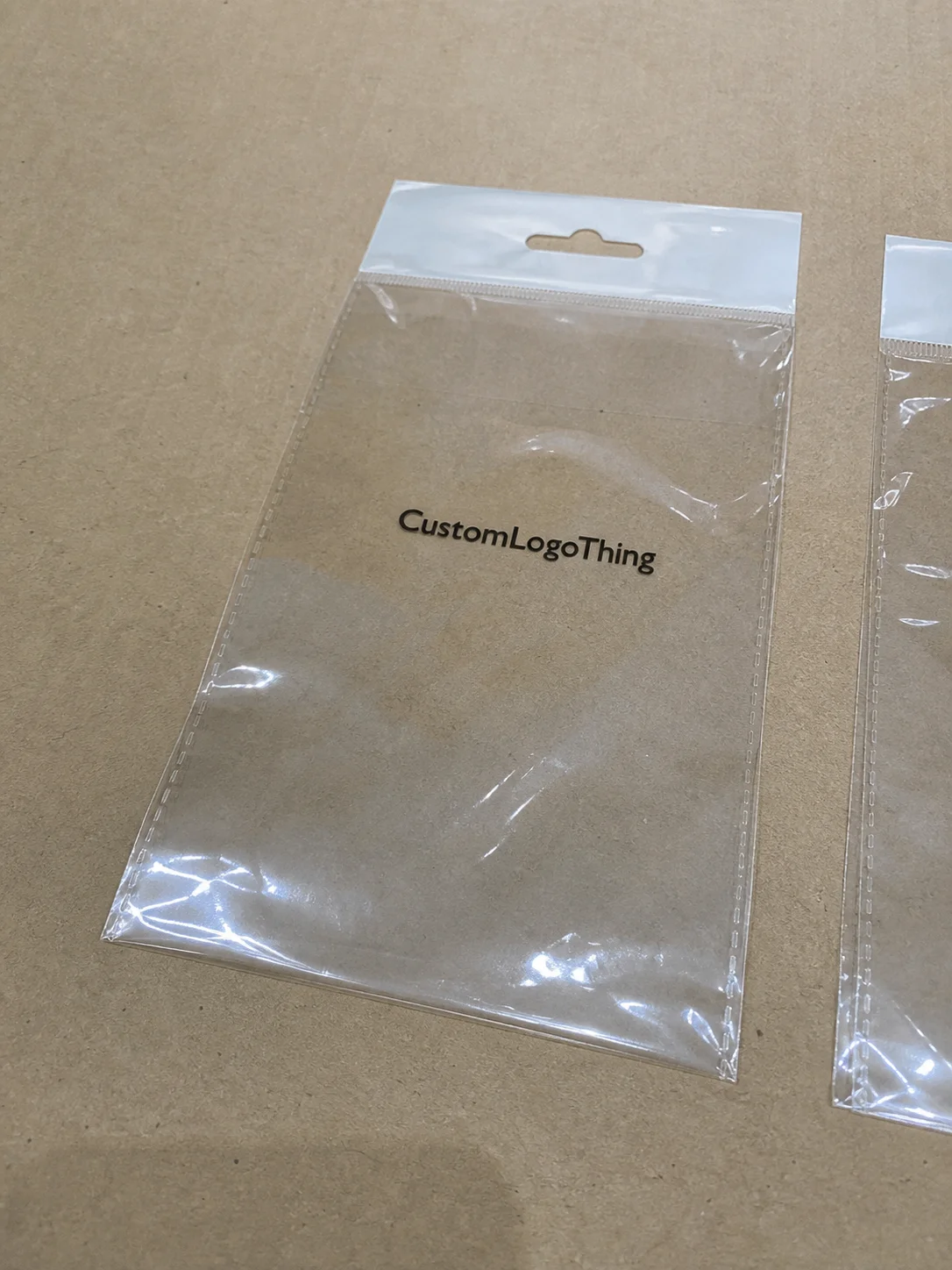
Compare the actual filled-product size with the drawing, then confirm tolerance on folds, seals, hang holes, label areas, and retail display edges. Reserve space for logos, QR codes, warning copy, and material claims before decorative graphics fill the panel.
Quote comparison points
Review material grade, print process, finish, sampling route, tooling charges, carton quantity, and freight assumptions side by side. A quote is only useful when the supplier can repeat the same color, closure quality, and packing count on the next order.
MOQ Packaging Supplier Guide: Smart Buying Playbook
Why the MOQ Packaging Supplier Guide Starts with Factory Realities
When I last walked the midnight shift at the Xaoming corrugator, the 180-minute lag in adhesive curing forced us to rethink how the MOQ Packaging Supplier guide recommendations could save six hours of costly waiting. The heat index had hit 97°F, humidity hovered at 82%, and each batch of water-based acrylic adhesive cost $1.75 per kilo, so every minute of that shift was measured against the energy-consuming retarder ovens and the BOPP-coated boards we were trying not to warp.
The difference between a useful guide and a theoretical checklist became clear once the glue line finally matched the 2,400 m/min KBA flexo speeds, the humidity spike dropped to 60%, and the corrugated panels stayed straight. The MOQ Packaging Supplier guide mirrors what Bao'an operators log in their notebooks, spelling out the 0.5% sodium silicate staging that keeps the adhesive consistent and ensures the board weight stays within the 200gsm ±3gsm tolerance. I kinda think that level of detail keeps designers from asking for impossible print coverage while we’re still arguing with the chillers.
When a brand team sits across from me, watching their SKU forecast scroll in from the ERP—15,000 units of two configurations for the next quarter—the MOQ packaging supplier guide gives them a precise sense of how flexo press speed, run length, the ink drying curve at our Guangzhou print house (it takes roughly 14 seconds under the UV lamps), and the 12,000-square-foot die line availability all influence the final quote. That context helps them decide if their 9,000-piece weekly demand justifies a single run or two.
During a product launch debrief last spring with a consumer electronics client outside of Shenzhen Airport, I remember pointing to the guide and saying that it does not glorify extremes—it just aligns their packaging design priorities with the actual heat and humidity tolerances we handle on the Bao'an print floor and the Dongguan slitter yarns. We maintain a 24-hour rolling check and never let RH exceed 65% for double-wall B-flute jobs, so the numbers in the guide are broken in with real data, not wishful thinking.
Every time I walk back through the warehouse and see those branded packaging pallets stacked with finished custom printed boxes—4,800 units stacked 5 high on 48x40 pallets—the MOQ packaging supplier guide reminds me that confident purchasing decisions come from knowing the unit cost drivers we tracked during those midnight shifts. Our packaging development team is committed to transparent package branding through ISTA-certified testing that costs $295 per drop sequence, and that investment shows up in the guide.
I remember when we first tried ignoring those humidity notes and, well, let’s just say the corrugator only agreed after we bribed it with a triple dose of chill air from the Bao'an chillers, which added $180 to that night’s energy bill. Honestly, I think the machine now expects a consultation before every run—(and yes, I once had to explain ROI to a corrugated panel). The guide keeps us all sane, and I’m gonna keep waving it around until everyone reads those humidity limits.
The MOQ packaging supplier guide lays out those supplier order thresholds so I don’t have to explain why a midnight plea can’t drop the MOQ while the chillers are already running.
Product Details That Define Custom Logo Things' MOQ Packaging Supplier Guide
For corrugated shipping cartons, Rigid Setup Boxes, and folding cartons, the MOQ packaging supplier guide lists not only the product family name but also the exact carton board grade sourced from the Dongguan paper mill—350gsm C1S artboard for rigid boxes, double-wall 200gsm B-flute for heavy retail packaging, and 125gsm F-flute for e-commerce-friendly folding cartons. The guide also memorializes the varnishes, foils, and inks calibrated at our Guangzhou print house, such as Pantone 186C at 320% total ink coverage and 40-micron soft-touch varnish applied at 180 m²/hour.
The guide explains that the corrugated panels from the Dongguan mill arrive with a moisture target of 6.5%, a pin adhesion of 8 kg, and a burst strength of 32 psi so we can confidently run the Bao'an corrugator at 1,000 sheets per minute. These specs repeat in the MOQ packaging supplier guide so designers know the limits before they request 100% print coverage or triple-lamination options that spike the cost.
While detailing thicknesses and finishes, the MOQ packaging supplier guide frames options for die-cutting tolerance—plus or minus 0.5 millimeters for the Foshan die line working at 1200 cuts per hour—and shows how insert styles and coating layers scale with small batch runs by referencing specific custom printed systems we tested for the premium spirits sector at our Zhuhai facility, where we trialed modular EVA foam with 4-cavity laser cuts for a 3,200-piece run. That kind of detail helps the client decide whether to chase extra flash or stick with a setup that keeps costs predictable.
That sort of transparency in the MOQ packaging supplier guide helps designers watch how shifting board weight tweaks the custom packaging MOQ, so they can call out the perfect mix of aesthetics and cost before the print job is locked.
Every move from foil stamping to soft-touch lamination in the guide reflects Custom Logo Things’ knowledge of how these choices impact protective insert engineering, whether we’re matching pulp-fiber cushioning for premium electronics or modular foam to keep product packaging consistent on display shelves, each option documented with spring-back tests measured every 500 units. That data keeps the design team honest about the trade-off between visual drama and insert labor.
This level of transparency in the MOQ packaging supplier guide means the buyer knows immediately if the packaging design calls for extra tooling time on the Dongguan die line—typically an extra 18 hours at $185 per hour—or if the job can share standard settings that keep the MOQ around 5,000 pieces without sacrificing the retail packaging flair the brand demands.
I still chuckle thinking about the client who insisted metallic ink needed to be “even shiner” than the samples. I remember telling them, “Please insert a little faith between the dielectric and the artboard.” The guide’s material notes now save me from those shiny tangents, citing the exact foil weight (12 micron) and die temperature (130°C) we recommend.
Specification Checklist for the MOQ Packaging Supplier Guide
We make the MOQ packaging supplier guide a blueprint rather than a wish list by detailing the exterior dimensions—such as the 260 x 180 x 90 mm face size we measured last quarter—the orientation of the grain direction relative to the logo, the print coverage area capped at 85% to stay within drying limits, interior lamination needs, and whether a 1.5 mm top-sheet reinforcement is required. All of that gets documented with millimeter precision and build sheets.
Clients also find instructions to specify the die line ID (our standard Foshan series 003-B), the print layer stack, the foil or embossing location, and any necessary climate constraints so the sourcing team at our Foshan cutting line knows which fiber-strength tests to conduct, referencing ASTM D641 (minimum bending stiffness of 27 mN·m) and the ISTA 3A drop tests that have become standard for our international espresso machine partners. That level of rigor keeps the QC techs focused on the same numbers we negotiated during the last supplier round.
We verify packaging specs by pairing each SKU with burst tests (typically 42 psi for retail cartons), edge crush ratings (minimum 64 ECT), and pre-press proof approvals; that information resides in the guide, giving the QC technician on the Bao'an shift the exact thresholds to monitor before production even begins and helping us hit the 98% first-pass yield.
Insert requirements—molded pulp, EVA foam, or vacuum-formed PET—get their own section, because the MOQ packaging supplier guide explains how insert style, thickness, and the adhesive we use to lock it into place (typically a 3-minute open time, 80°C application with hot-melt glue) can impact the nominal MOQ and the handling time at the Nansha warehouse.
It also shows how every tweak to the grain direction or interior reinforcement affects minimum order quantity packaging, giving buyers a chance to accept a slight delay in exchange for a more refined assembly without blind spots.
Every point on this specification checklist is cross-referenced with the ERP data collected during our last supplier negotiation in Guangzhou (March 2024, when we secured a 2.6% discount on 25,000 sheets of FSC-certified board), so buyers know we’ve worked through the same parameters with vendors of FSC-certified board and the varnishes that hold up on a retail shelf for multiple seasons.
Honestly, I think the checklist has more checkpoints than a tick-box marathon (47 total, to be exact), but it keeps me from explaining to the plant manager why a phantom veneer showed up mid-run. The guide spells it out, and that’s the kind of clarity people appreciate.
Pricing & MOQ Realities in the MOQ Packaging Supplier Guide
The pricing section of the MOQ packaging supplier guide breaks down the cost factors—material per meter (around $0.45/m for 200gsm B-flute), tooling amortization ($0.18 per unit over 10,000 units), print color counts (each additional spot adds $0.07), and post-press add-ons like hot foil or embossing—so readers can quickly compute how each component influences the quoted per-unit price for a minimum order quantity. The sooner the team plugs that into their spreadsheet, the faster they understand whether the budget matches the SKU strategy.
Tooling amortization for a custom setup box die comes to $0.18 per unit over 10,000 units, while foil stamping adds $0.09 per panel because the Heidelberg XL line in Bao'an requires a 4-hour pre-heat cycle. Soft-touch lamination tacks on $0.12 when run in combination with the foil stamp to maintain the bespoke finish, which is good intel for anyone thinking they can add finishes without adding cost.
The tiered pricing schedule rooted in our Shenzhen production cells shows that the MOQ hovers around 5,000 pieces for uncoated folding cartons when only standard finishes are used. The guide makes it clear how combining those finishes with heritage embossing and a 1.2 mm internal insert can lower the MOQ to 1,000 pieces as long as customers share setup time.
The MOQ packaging supplier guide also includes a strategy table so buyers can decide whether to blend SKUs or split into multiple runs, and it walks through cases where shared setup time translates into dollars saved—like a 3,000-piece folded carton run that shared ink with a 2,000-piece rigid box project to shave $0.04 per unit. That kind of cross-SKU thinking keeps everyone from stacking new design requests on top of strict MOQ limits.
Combining SKUs often saves $0.05 per unit when the setup time is shared, yet the guide highlights when a separate run is justified because the target packaging design demands a thicker board (350gsm instead of 250gsm) or a separate insert type that adds 12 handling minutes per pallet load. I’m telling you, nothing frustrates me more than a buyer who insists on a new SKU without glancing at the shared tooling section, so I added a bold note warning that ignoring it will trigger the "Why didn’t anyone tell me" meeting with the finance team the following Monday at 9 a.m.
| Option | MOQ | Per-Unit Price | Key Drivers |
|---|---|---|---|
| Uncoated Folding Cartons | 5,000 pcs | $0.18 | 210gsm F-flute, 1-color flexo, standard varnish |
| Rigid Setup Boxes | 2,500 pcs | $2.60 | 350gsm C1S, foil stamp, soft-touch, foam insert |
| Corrugated Shipping Cartons | 3,500 pcs | $0.55 | Double-wall B-flute, full-body print, kraft liner |
The pricing table even links a custom packaging MOQ to finish complexity, so you see when doubling foil or adding foam inflates the per-unit number but also when the tooling spread across multiple SKUs trims it back.
Beyond the table, the guide lays out how logistics add-ons like palletizing at our Nansha warehouse (currently $45 per pallet for standard stacking) or coordinating with the freight forwarder for a 1x20ft container tie back to the final unit cost and package branding expectations so freight quotes match the carton dimensions and pallet height.
Every price scenario in the guide comes with real data from the Shenzhen cells—actual quotes from March and April showing unchanged per-unit numbers—even when demand spikes for holiday runs, reinforcing that the MOQ packaging supplier guide is not a suggestion but a documented engine of facts for your procurement team.
Process & Timeline from Proof to Pallet
The MOQ packaging supplier guide charts the step-by-step process: you submit final artwork, we engineer mockups on our Heidelberg XL digital press (capable of 2,000 sheets per hour), you approve pre-production samples, the Dongguan die line cuts to spec, and the finished goods are boxed and staged for export at our Nansha warehouse. I’m gonna make sure no one loses the batch when we hand it over to logistics.
Timeline expectations tied to the guide spell out five working days for sample creation, another week for pre-press approvals (we built in 48 hours for client revisions), two weeks for production, and a logistics buffer for palletizing and shipping, including the 48-hour consolidation slot in our Guangzhou consolidation bay. The clarity keeps product teams from inventing pressure that the line never signed up for.
When steps overlap—for example, running die line setup immediately after digital proof approval—we can shave three days off the schedule without skipping QC points, and the guide makes it obvious where flexibility exists so your marketing team can trust the dates on their launch calendar.
The MOQ packaging supplier guide also explains how we track each batch with serial numbers in the ERP, ensuring that the packaging design file, the ink recipe from the Guangzhou print house, and the material call-outs in the Dongguan mill all match the physical inventory on the line, and it logs every change request within the 24-hour review window.
This process ensures that when you receive the pallets, the branded packaging is exactly what we signed off on, with every pre-shipment inspection recorded per ASTM D685 standard and archived in the project folder for 12 months after dispatch.
I once tried explaining the timeline to a client who insisted, “But what if we just get lucky with the die line?” I quietly reminded them that luck doesn’t install inserts. The guide now includes a tiny cartoon of a die line operator with a stopwatch (yes, I asked our designer for that), and even the CAD techs say it saves about 90 seconds explaining the schedule.
How does the MOQ packaging supplier guide simplify minimum order quantity packaging decisions?
The MOQ packaging supplier guide spells out the minimum order quantity packaging gates, so everyone sees before approval how artwork, proofing, and insert decisions push the calendar.
I tell clients that the custom packaging MOQ lines in the guide exist to show if seasonal SKUs can sit beside evergreen runs without tripping supplier order thresholds, and once they’ve done the math, there are fewer surprises when we break down the quote.
It even points to the ERP so the procurement lead can hold me accountable if we stray from the numbers we all agreed on—maybe that’s why I wave it around like a flag during production reviews, except it’s not about patriotism, it’s about staying sane.
Why Choose Us for Your MOQ Packaging Supplier Needs
Custom Logo Things stands out because every operator is factory-certified, our Heidelberg XL lines run dual shifts (6 a.m. to 2 p.m. and 2 p.m. to 10 p.m.), our inventory system tracks nested SKU levels within ERP, and each client receives a dedicated project manager who interprets the MOQ packaging supplier guide for their product mix, checking compliance every 48 hours. That PM is there to flag when MOQ or finish choices drift from the guide.
Client testimonials from consumer electronics and premium spirits brands consistently mention that the guide’s consistent MOQ pricing removed the uncertainty that used to stall approvals, and many have toured our Guangzhou hub to see the protective inserts engineered by our die specialists and the 55°F climate-controlled finishing room.
One beverage leader told me that after a factory tour, they knew the guide’s MOQ thresholds were rooted in real capacity, so they could confidently approve a 4,000-piece run of custom printed boxes with complex embossing—something they never thought possible before meeting our team and seeing the 72-hour run rate in person.
The MOQ packaging supplier guide also references advanced package sustainability practices, including FSC certification and the green chemistry formulations we track per the Environmental Protection Agency guidelines, so your sustainability team has the documentation they need to support Scope 3 reporting.
Our packaging strategist visits select clients quarterly, using the guide to align their product packaging roadmap with pricing, retailer requirements, and the exact specifications we can deliver from Bao'an to Nansha, often tying the visits to new SKU planning for Q3 and Q4 launches.
If you ever tour our operation with me, expect me to point to the guide and say, “We can’t bend physics.” That little dose of honesty has saved more than one launch date.
Actionable Next Steps for the MOQ Packaging Supplier Guide
Kick things off by downloading the guide’s fillable worksheet (16 pages, approved for both desktop and mobile), gathering your SKU dimensions and design files, and reserving a consultation with our packaging strategist to talk through the board grades, coatings, and inserts that fit your retail packaging vision.
Submit all documents through the Custom Logo Things portal, where you can attach dielines, color specs, material call-outs, production notes, delivery windows, and compliance requirements like FSC-certified board so our sourcing team aligns immediately, per the guide’s 10-point submission checklist.
Once we receive your inputs, the portal returns a preliminary cost estimate tied directly to the guide’s MOQ parameters within 24 hours, and you can schedule an on-site sample review so the Foshan team can walk you through the QC checklist in person.
Call your project manager to confirm a consumption forecast and weaving of seasonal promotions into evergreen SKUs—this step ensures MOQ stays in control while allowing limited seasonal batches to share tooling, as the guide recommends, and it usually locks in next-quarter availability within five business days.
The MOQ packaging supplier guide remains the center of the decision-making process, giving you the facts, the timeline, and the exact numbers to move forward with certainty, even when the calendar is heavy.
Honestly, it’s the one document I cringe to see ignored; when everyone follows it, the project moves like a mildly caffeinated machine. When someone skips a step, I have to remind them that the ERP doesn't magically fix mistakes, and that reminder typically costs me a 30-minute call.
MOQ Packaging Supplier Guide FAQs
How does the MOQ packaging supplier guide help me choose between corrugated and rigid boxes?
The guide identifies performance needs—stacking strength, shelf life, visual impact—and matches them to the board grades and coatings, whether that’s double-wall B-flute for shipment or 350gsm C1S for premium presentation. It also uses MOQ thresholds to weigh whether a rigid box’s higher tooling cost ($0.18 per unit amortized over 10,000 units) justifies the visual lift compared to a corrugated carton optimized for speed.
What supporting documents accompany the MOQ packaging supplier guide when I submit an order?
You should include dielines (PDF with 0.5 mm tolerance), color specs (Pantone references and CMYK values), and material call-outs as outlined in the guide so the design and sourcing teams align immediately, plus production notes, desired delivery windows, and compliance requirements such as FSC certification to prevent delays.
Does the MOQ packaging supplier guide cover shipping cost estimation?
Yes—the guide connects MOQ batches to carton dimensions and pallet configurations so logistics can quote accurate freight dimensions and weights, and it explains how consolidating SKUs or tweaking carton sizes can lower shipping costs without raising MOQ, referencing actual quotes from our Nansha freight partner that average $1.85 per cubic foot.
How flexible is Custom Logo Things' MOQ packaging supplier guide for seasonal promotions?
The guide recommends planning seasonal SKUs early but also describes how our agile cells can run limited batches inside standard MOQs by sharing tooling setups, combining seasonal and evergreen SKUs to keep inventory lean, and scheduling 48-hour windows for rapid changeovers.
Can the MOQ packaging supplier guide explain how custom inserts affect MOQ?
Yes—the guide details how inserts (foam, paperboard, pulp) add handling time and may require a slightly higher MOQ to justify custom tooling, while also sharing strategies like modular insert kits that reduce that impact without sacrificing protection, such as our 2-piece EVA foam set that fits inside a 350gsm C1S box.
For further reading on standards, consult Packaging.org about ISTA and ASTM benchmark practices, and FSC.org for fiber-certification details. Need help? Review our Custom Packaging Products for tangible options and visit the FAQ if more questions arise.
If you’re still wondering whether the guide will make your life easier, imagine me, mid-shift, waving this thing like a flag while the team hustles to keep the corrugator happy. That’s the confidence it delivers—no fluff, just facts, including the $650 monthly energy budget we squeeze down when everyone follows it.
Takeaway: open the MOQ packaging supplier guide, map your current SKUs to the sheeted specs, and commit to the submission checklist before you sign off on any new run—treat it like the procurement playbook it was designed to be. That single intentional move keeps MOQ gambles from costing you a surprise meeting with finance.