Buyer Fit Snapshot
| Best fit | Offset Printing vs CMYK Cartons projects where brand print, material claims, artwork control, MOQ, and repeat-order consistency need to be specified before quoting. |
|---|---|
| Quote inputs | Share finished size, material target, print colors, finish, packing count, annual reorder estimate, ship-to region, and any compliance wording. |
| Proofing check | Approve dieline scale, logo placement, barcode or warning zones, color tolerance, closure strength, and carton packing before bulk production. |
| Main risk | Vague material claims, crowded artwork, missing packing details, or unclear freight terms can make a low unit price expensive after revisions. |
Fast answer: Offset Printing vs CMYK Cartons: What Actually Wins should be specified like a repeatable production item. The safest quote records material, print method, finish, artwork proof, packing count, and reorder notes in one written spec.
Production checks before approval
Compare the actual filled-product size with the drawing, then confirm tolerance on folds, seals, hang holes, label areas, and retail display edges. Reserve space for logos, QR codes, warning copy, and material claims before decorative graphics fill the panel.
Quote comparison points
Review material grade, print process, finish, sampling route, tooling charges, carton quantity, and freight assumptions side by side. A quote is only useful when the supplier can repeat the same color, closure quality, and packing count on the next order.
A carton can look polished on a screen and still miss badly in production. The brand red lands a shade off. Tiny legal copy gets soft. A clean layout starts to look crowded once it is wrapped around board and finished. That is the real issue behind offset printing vs cmyk cartons: the artwork is rarely the problem. The print route is.
Offset printing is usually the stronger option for crisp detail, consistent color, and premium shelf presence. CMYK cartons make more sense for shorter runs, faster launches, and projects that need room to change without burning cash on setup. Pick the wrong route and the damage is not theoretical. The carton can look flat, underpowered, or too inconsistent to support the brand.
Packaging buyers do not need a lecture about which method sounds more advanced. They need to know which one keeps the carton readable, believable, and on budget for the actual order. That is the point of this comparison. It stays on production reality, board behavior, and the places where cost quietly grows.
Practical rule: choose the print method that keeps the carton legible, color-consistent, and commercially believable at your real volume. A pretty proof is useful. A finished run that misses the brand tone is what gets shipped.
Quick Answer: Why the Wrong Print Method Breaks a Carton
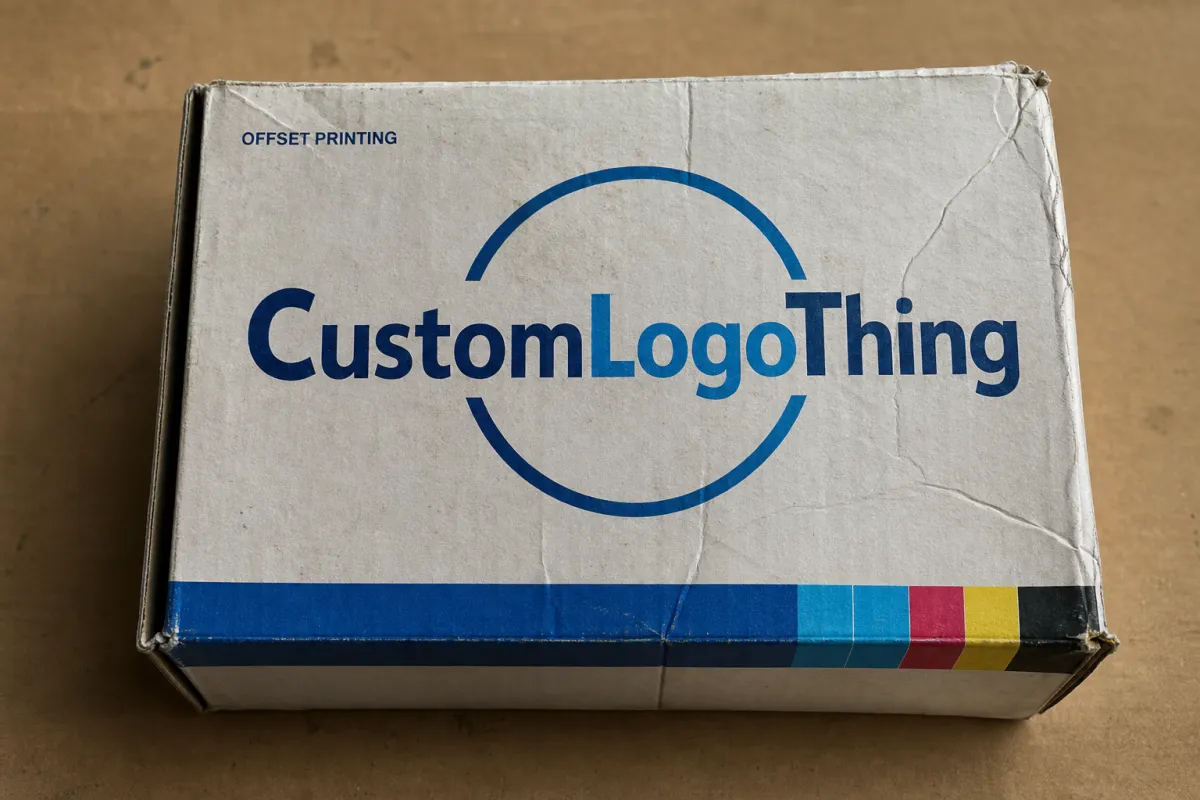
If the carton carries the brand, the print method is part of the product. Offset printing usually wins for premium folding cartons because it gives cleaner edges, steadier spot color control, and more repeatable results across reorders. That matters for cosmetics, spirits, electronics, gift packaging, and any SKU where the box does more of the selling than the item inside.
CMYK cartons can still look excellent, especially when the artwork leans on photography or the order is small. The benefit is flexibility. Short runs, quicker artwork changes, and lower setup costs make CMYK the practical choice for seasonal launches, test markets, and brands that need to move without locking up too much cash.
The tradeoff is visual risk. Offset can keep a premium carton from looking dull or inconsistent. CMYK can keep a launch from becoming too expensive before demand is proven. Brands need both kinds of protection. Just not at the same stage.
That is why this comparison works better as a decision tool than a loyalty test between print methods. You are balancing visual precision, speed, order volume, and budget discipline. A good supplier should say that plainly and show sample cartons instead of hiding behind vague claims.
Offset Printing vs CMYK Cartons: Top Options Compared
Offset printing and CMYK cartons get talked about as if they are the same thing. They are not. CMYK is a color model. Offset is a press method. In packaging, the two often show up together because offset presses commonly run CMYK process colors, sometimes with one or more spot inks to keep brand hues stable. That difference matters once the goal is carton consistency instead of color on a monitor.
The board changes the result too. A white SBS board, a coated duplex board, and an artboard with matte or soft-touch lamination all reflect ink differently. A deep navy that looks rich on a coated surface can come out softer on a more absorbent board. That is why a printed sample on the real substrate is worth more than a screen proof and a hopeful promise.
| Category | Offset Printing | CMYK Cartons |
|---|---|---|
| Color control | Very strong, especially with spot color support and press calibration | Good, but more dependent on file prep, board, and ink coverage |
| Fine detail | Excellent for small type, thin rules, and clean brand marks | Solid for most artwork, but fine lines may soften if the substrate or profile is off |
| Turnaround | Often longer because of plates, setup, and press approval | Often faster for short runs and artwork changes |
| Best fit | Premium cartons, repeat orders, high-visibility retail packaging | Launches, seasonal promotions, test markets, lower volumes |
| MOQ behavior | More efficient as volume rises | More approachable for smaller orders |
| Finish compatibility | Excellent with foil, embossing, soft-touch lamination, and spot varnish | Also compatible, though finish selection must account for color shift |
Offset printing usually dominates premium cartons because it handles dense blacks, brand reds, and sharp line work with more discipline. It also pairs well with foil stamping, embossing, debossing, spot UV, and soft-touch lamination. Those finishes can make a carton feel deliberate, but only if the base print is clean enough to support them.
CMYK cartons are often the smarter buy when the project needs speed and flexibility. A brand testing three scent variants may not want to pay for a large offset setup on every SKU. A managed CMYK workflow can be a practical bridge, especially when artwork keeps changing and the launch date is already tight. Digital printing and offset printing are not the same thing, and they should not be judged by the same color-stability standard.
Another comparison buyers skip too quickly is flexographic printing. Flexo can work for labels, corrugated shippers, and some packaging structures, but it is usually not the first choice for a high-end folding carton where small type, photographic gradients, and subtle brand tones matter. Judge the carton against the actual print route, not a generic packaging label.
Bottom line: offset printing tends to win on visual authority, while CMYK cartons usually win on speed and order flexibility. A carton that looks expensive but arrives late is not a win. A carton that ships fast but looks underdone is not a win either.
Detailed Reviews: Color Accuracy, Detail, and Shelf Impact
Offset printing review: controlled, sharp, and built for brand discipline
From a buyer’s point of view, offset printing is strongest when the carton cannot afford drift. The press setup takes more work, and that work pays back in repeatability. Brand blues stay closer to target. Rich blacks hold their density better. Fine text, legal copy, and ingredient panels usually stay crisp enough to read without the design turning muddy.
That matters most on cartons that depend on clean hierarchy. A small logo at the top, a product claim in the middle, and regulatory copy at the base can all compete for space. Offset printing helps preserve the separation between those pieces, especially when the design uses white space instead of stuffing every inch with decoration. It is easier to make a carton feel premium when every line lands where it should.
Offset also handles spot color more predictably. If a brand uses a specific red that has to match a bottle label, an inner tray, and a shipper insert, spot color control reduces the chance of mismatch across the pack system. That is not a design preference. It affects how coordinated the product feels on shelf.
CMYK cartons review: efficient, flexible, and more sensitive to setup quality
CMYK cartons can look excellent, but they are less forgiving. A strong file, proper profiles, and a disciplined supplier matter more. If the artwork includes saturated orange, teal, or a deep burgundy, the print can shift faster than the buyer expects. On a monitor, those colors often look richer than they can on paper, especially if the board absorbs ink differently than planned.
That said, CMYK cartons are often the right move for work that changes often. Seasonal packaging, promotional runs, and early-stage product tests rarely justify locking into a large offset run. In those cases, a slightly looser color match is a fair trade for faster availability and lower upfront cost.
The trap is assuming CMYK is “good enough” without checking the real sample. Fine gradients, skin tones in product photography, and high-contrast black text over image backgrounds are the spots where print can soften. The carton may still pass in a bright studio. Under retail lighting, it can look tired. That is a rude little surprise nobody wants on launch day.
Shelf impact is where the comparison gets real
Packaging does not live in a vacuum. It sits next to five, ten, sometimes fifty competitors, all fighting for a glance. A carton that reads clearly at 18 to 24 inches matters more than one that looks impressive in a PDF. From that angle, offset printing often holds the edge because it preserves contrast and sharpness better in a fast shopping moment.
Shelf impact is not only about print sharpness. Finish matters too. A soft-touch laminated carton with a restrained foil accent may feel premium even if the print itself is simple. A bold CMYK carton with too much saturation can feel louder without feeling better. The smarter question is which method supports the design intent without making the carton feel overworked.
The best brands keep the artwork honest. They use print to reinforce the hierarchy, not rescue weak design. That means readable type sizes, proper bleed, realistic ink coverage, and a plan for how the carton will look under warehouse light, shop lighting, and the ugly mixed light that lives in most stores.
Useful standard to remember: if your packaging has to survive distribution, check the sample against transit expectations as well as visual expectations. The ISTA testing framework is a good reminder that cartons are both a branding surface and a shipping object.
Process and Turnaround: Production Steps That Change the Outcome
Lead time changes more than most buyers expect. The print method is only one part of the schedule. Final artwork, prepress checks, proof approval, material availability, finishing setup, and shipping all shape the result. If one of those steps slips, a tidy 12-business-day plan can turn into something much less pleasant.
Offset printing usually needs more front-end preparation. Plates have to be made. Ink targets need to be set. The press needs calibration. If the carton uses spot color, those inks must be matched and checked carefully. That is why offset often brings a longer approval path, especially on first runs where the brand has not yet locked a stable production standard.
CMYK cartons can move faster because the workflow is often simpler, especially for shorter runs. A digital or hybrid setup may cut out plate-making and allow quicker file corrections. That can matter a lot if a launch window is tight or the product team is still adjusting claims, regulatory text, or flavor naming.
Where delays usually happen
Most delays do not start at the press. They start with late artwork edits, messy dielines, or finish changes made after sampling begins. One extra line of copy can move a barcode. A foil area added late can force a new proof. Even a small change in board stock can alter how the image lays down, especially if the carton depends on a white or matte finish for contrast.
Here is the sequence that usually matters most:
- Artwork is finalized with correct bleed, safe zones, and color profiles.
- The dieline is approved and matched to the product dimensions.
- A digital proof is reviewed for content and layout.
- A hard proof or press proof is checked for color, finish, and board behavior.
- Production starts only after written sign-off.
That order matters because a perfect digital file can still fail in production if the proofing step is treated like a box to tick. A proof is not a courtesy. It is the point where the buyer sees the difference between artwork on a screen and the carton that will actually exist.
Typical timing, in plain terms: CMYK cartons may land in roughly 7 to 15 business days after approval when the board and finish are straightforward. Offset printing may take about 12 to 25 business days depending on plates, color control, and finishing complexity. Those are not guarantees. A foil stamp, custom insert, or imported specialty board can push either route longer.
If you want fewer surprises, ask your supplier to put the production sequence in writing. On our Manufacturing Capabilities page, the useful detail is not only what can be printed, but how the workflow moves from artwork to carton delivery.
There is a standards angle here too. Packaging That Ships in bulk should be judged for transit conditions, not only color. If the cartons are going out in volume, the mix of print, board, and finish should not create scuffing or cracking during handling. Careful planning beats a sales pitch every time.
Cost, Pricing, and MOQ: What You Actually Pay For
Packaging pricing gets described too loosely. Buyers hear “cheap,” “premium,” or “competitive,” which means very little without a quantity and a spec. The better question is what the quote includes. A carton price can be built from setup, prepress, plate work, materials, finishing, wastage allowance, and freight. If those parts are hidden, the quote is not easy to compare.
Offset printing usually carries more upfront cost because of press setup and prepress work. That can make the first run feel expensive, especially at lower quantities. Once the run gets large enough, the unit cost often becomes more efficient because the setup cost is spread across more cartons. For a brand ordering 10,000 or 20,000 pieces, that difference can matter a lot.
CMYK cartons usually look friendlier at smaller quantities. The lower setup burden can make short runs easier to approve, which is why startups and seasonal programs often prefer them. A 1,000 to 3,000 piece order may not justify a heavier offset setup unless the carton is central to the brand story. For trial runs, the math often points the other way.
| Order Type | Offset Printing | CMYK Cartons |
|---|---|---|
| 1,000-3,000 units | Often harder to justify because setup is spread across fewer cartons | Usually more practical for launch testing and small campaigns |
| 5,000-10,000 units | Can become competitive if the design is stable and repeatable | Still attractive if artwork changes often or time is tight |
| 10,000+ units | Frequently stronger on unit economics, especially with repeat runs | Can remain viable, but the unit price may not drop as much |
For context, a simple folding carton might land in a broad range such as $0.18 to $0.45 per unit depending on quantity, board choice, print coverage, and finish complexity. A premium carton with foil, embossing, and specialty lamination can move much higher. Those numbers are not universal, but they are more useful than vague claims because they remind the buyer that finish selection is never free.
MOQ is another place where buyers get misled. Some suppliers advertise a low minimum, then make the economics back through higher shipping, packaging, or finishing fees. Others quote a lower per-unit cost but insist on a bigger run than the brand actually needs. The only fair comparison is total landed cost at your real quantity.
From a packaging buyer’s point of view, the unit cost question should always be paired with reorder cost. A carton that is cheap on the first run but hard to repeat without color drift is more expensive in the long run. That is especially true if the product sells across multiple channels and has to look the same in each one.
Practical check: ask for pricing at three quantities, not one. Compare 2,000, 5,000, and 10,000 units if that matches your forecast. The curve tells you more than a single quote ever will.
For sustainable sourcing considerations, brands that specify board responsibly can ask whether the substrate supports FSC certification or chain-of-custody documentation. That is not mandatory for every carton, but it is worth discussing early if the brand has sustainability claims on pack. The FSC system is the most recognizable reference point in that conversation.
How to Choose the Right Carton Printing Method
The simplest way to choose is to answer three questions: how premium must the carton look, how many units do you need, and how fast does the job need to land? Those three factors usually reveal the right path faster than a long sales call.
If the product sits in a category where packaging is part of the value proposition, offset printing is usually the safer choice. That includes cosmetics, fragrance, wine and spirits, premium supplements, consumer electronics, gift sets, and any carton where the box is expected to sell the promise before the product is opened. Offset can also be the better choice for brands with strict visual standards and repeat replenishment schedules.
If the launch is experimental, seasonal, or regional, CMYK cartons often make more sense. A brand testing a new scent, a holiday bundle, or a limited-edition design may prefer speed and flexibility over absolute color tightness. In those cases, moving quickly and protecting cash flow is often more valuable than shaving a few cents off a future unit price.
A simple buyer checklist
- Ask for a print method recommendation in writing. A good supplier should explain why offset, CMYK, or another route fits the artwork and quantity.
- Request a real sample on the final board. Paper stock changes the result enough that a generic sample is not enough.
- Review under retail lighting. A carton can look great in daylight and flat in a store.
- Check the tolerance for reorders. Ask whether the supplier can hold color consistency over multiple runs.
- Confirm finish compatibility. Spot varnish, foil, soft-touch lamination, and embossing can affect timing and cost.
It also helps to compare two sample cartons side by side instead of one at a time. Put them next to a competitor carton and look at legibility from six feet away, then from arm’s length. That simple exercise catches weak hierarchy, poor contrast, and overcomplicated graphics faster than a long internal debate ever will.
Keep the technical conversation grounded. Ask about CMYK profile handling, ink density, overprint settings, bleed, and the carton dieline. If the supplier cannot talk clearly about those details, the risk is not theoretical. It is already in the order.
If you need a broader view of board options, print paths, and finishing choices, our Manufacturing Capabilities page is a useful place to start because the real decision is usually a mix of substrate, ink, and finish rather than one print method alone.
Decision rule: choose offset printing for visual control and recurring premium demand. Choose CMYK cartons for speed, shorter runs, and product tests. If the carton has to do heavy branding work, offset usually earns its keep. If the run is exploratory, CMYK often does.
Our Recommendation and Next Steps
My recommendation is simple. For stable, premium products with repeat demand, offset printing is usually the better investment because it protects brand color, sharpness, and shelf presence. For agile launches, short runs, and products still being tested, CMYK cartons are often the smarter operational choice because they reduce upfront pressure and keep the schedule more flexible.
The mistake is pretending those categories are the same. A carton supporting a luxury price point should not be judged by the same standard as a test-market mailer or a seasonal promo. The buying logic is different. The risk profile is different. The right print method changes with it.
Before approving production, ask for a sample carton and a written quote broken out by setup, board, finishing, and freight. Then inspect the sample under the same lighting your customers will actually see. Retail lighting exposes weak contrast faster than studio conditions, and a carton that fails that check is not ready.
Then lock the schedule. Finalize the artwork. Confirm the finishes. Approve the proof. Set the reorder expectation in advance so the second run does not drift away from the first. That matters more than many teams think, especially once a carton becomes part of the brand identity instead of a one-off job.
For buyers comparing offset printing vs cmyk cartons, the last question is straightforward: which option protects the brand story, the budget, and the shelf impact at the same time? If the answer is offset printing, make the setup work count. If the answer is CMYK cartons, use the savings to move faster and test more intelligently.
Final takeaway: the best carton is not the one that sounds most technical. It is the one that prints true, arrives on time, and looks right beside the competition.
Frequently Asked Questions
Is offset printing better than CMYK cartons for small runs?
Usually not if the order is very small, because offset setup costs are harder to absorb at low volume. CMYK cartons are often the more practical choice for short runs, test launches, and seasonal SKUs. If color precision is the top priority, request samples and compare the actual unit cost before deciding.
Do CMYK cartons match brand colors as well as offset printing?
They can get close, but they are not always as tightly controlled as offset for exact brand tones. Deep reds, blues, blacks, and gradient-heavy artwork are the most likely to show visible differences. If color matching is critical, ask for a proof and a printed sample under the same lighting conditions.
What is the typical turnaround difference between offset printing and CMYK cartons?
CMYK cartons are often faster because they can involve less setup than a traditional offset run. Offset may take longer due to plates, calibration, and more detailed prepress approval. The real schedule depends on finishes, artwork revisions, and whether the supplier already has the board in stock.
Which option usually has the lower unit cost at higher volume?
Offset printing often wins at higher volume because the setup cost gets spread across more cartons. CMYK cartons can be cheaper for shorter runs, but the unit cost may stay higher as quantities rise. Always compare quoted unit cost at your actual order size, not a generic price bracket.
Can the same artwork file work for offset printing and CMYK cartons?
Yes, the same base artwork can often be used, but it should still be checked for color profiles, bleed, and image resolution. Print method, substrate, and finish can all change how the file looks once produced. A press-ready file and a proof review are essential before approving either method.