Buyer Fit Snapshot
| Best fit | Order Branded Rigid Box Sample Kits projects where brand print, material claims, artwork control, MOQ, and repeat-order consistency need to be specified before quoting. |
|---|---|
| Quote inputs | Share finished size, material target, print colors, finish, packing count, annual reorder estimate, ship-to region, and any compliance wording. |
| Proofing check | Approve dieline scale, logo placement, barcode or warning zones, color tolerance, closure strength, and carton packing before bulk production. |
| Main risk | Vague material claims, crowded artwork, missing packing details, or unclear freight terms can make a low unit price expensive after revisions. |
Fast answer: Order Branded Rigid Box Sample Kits: Board, Finish, Dieline, and Unit Cost should be specified like a repeatable production item. The safest quote records material, print method, finish, artwork proof, packing count, and reorder notes in one written spec.
Production checks before approval
Compare the actual filled-product size with the drawing, then confirm tolerance on folds, seals, hang holes, label areas, and retail display edges. Reserve space for logos, QR codes, warning copy, and material claims before decorative graphics fill the panel.
Quote comparison points
Review material grade, print process, finish, sampling route, tooling charges, carton quantity, and freight assumptions side by side. A quote is only useful when the supplier can repeat the same color, closure quality, and packing count on the next order.
When brands order branded rigid box sample kits, they usually think they’re buying a pretty preview. That’s part of it. The real value is colder and more practical: the sample tells you whether the box actually works before you spend $8,000, $18,000, or $40,000 on production. I’ve watched a beautiful proof get rejected in the hand because the magnet snap was weak, the insert pinched a glass serum bottle, and the “soft-touch” finish showed fingerprints like a crime scene. Those problems do not fix themselves after you approve artwork, especially not on a run of 5,000 units in Dongguan or Suzhou.
I’ve spent 12 years walking factory floors, arguing with glue teams, and comparing samples under fluorescent lights in Shenzhen while someone insists the color “looks close enough.” It isn’t close enough. If you order branded rigid box sample kits early, you catch color drift, board thickness problems, sloppy corner wrapping, and closure issues before your finance team has to explain why a reprint just cost another $3,200. Honestly, that’s a much better use of everyone’s time than pretending the first sample is “fine” and hoping the packaging gods will be kind. I have seen one bad approval turn into a 14-day delay and a second freight bill from Ningbo to Los Angeles.
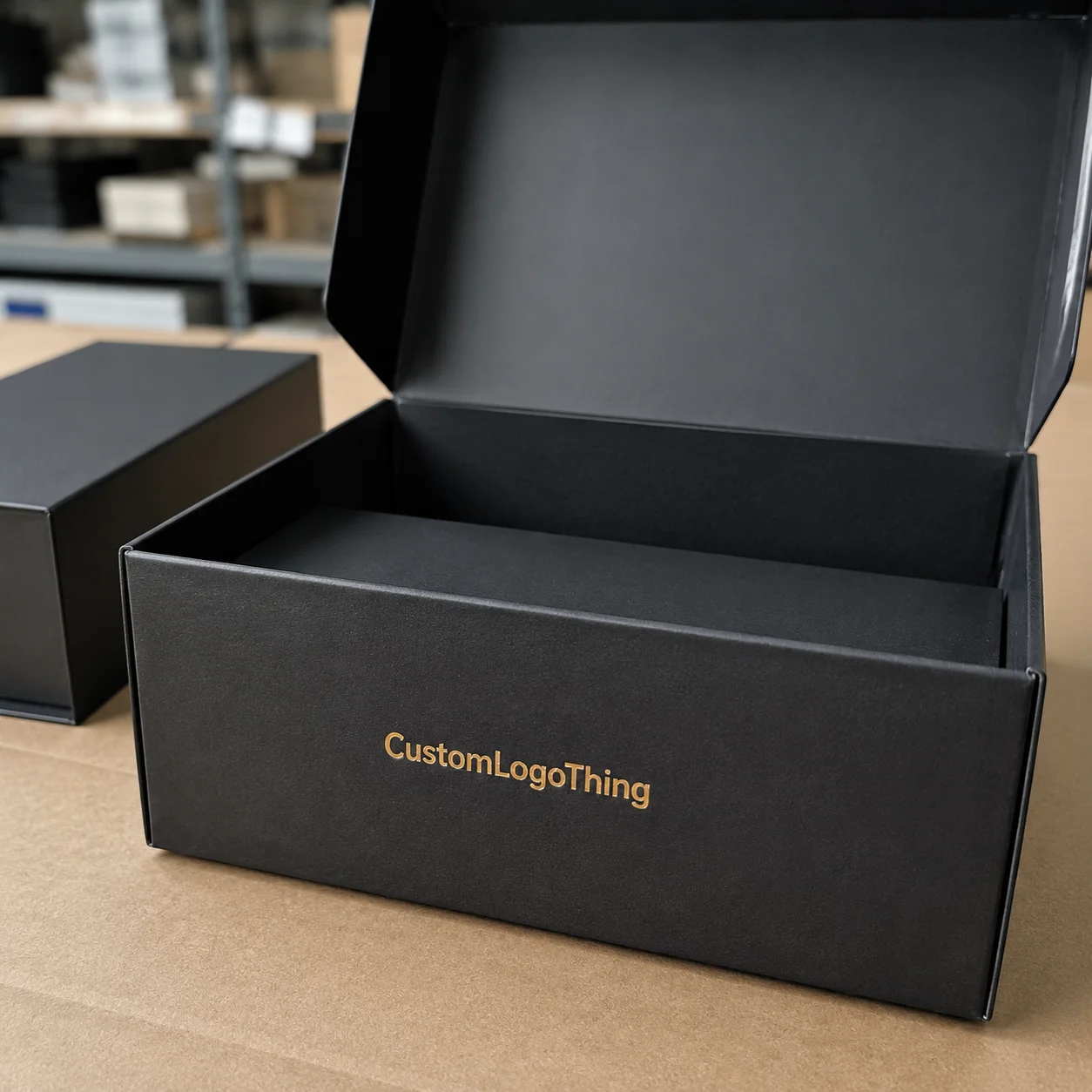
For Custom Logo Things, the sample kit is not a cute add-on. It’s the decision tool. It helps you compare foil stamping, embossing, debossing, soft-touch lamination, matte lamination, and insert styles side by side. If you’re building Packaging for Cosmetics, fragrance, premium retail, or gift sets, order branded rigid box sample kits before you lock anything down. Your future self will thank you. Probably with fewer headache pills and a shorter revision chain.
Order Branded Rigid Box Sample Kits Before You Sign Off
Here’s the factory-floor reality most buyers miss: most packaging problems show up in the sample stage, not after production starts. I’ve seen a client approve a digital mockup, then open the physical sample and realize the box was 4 mm too shallow for the product lid. The artwork looked fine. The structure was wrong. That one detail would have caused a full production delay and a lot of angry emails from New York to Hong Kong.
That’s why smart buyers order branded rigid box sample kits before they sign off on the final structure. A sample kit lets you test the box against the actual product, not against a screen. You can check whether the lid lifts with enough resistance, whether the magnet alignment is clean, and whether the insert holds the item without crushing the edges. If you’re selling a premium item, the unboxing experience matters. So does shipping durability, shelf presentation, and production accuracy. Pretty boxes that collapse in transit are not premium. They’re expensive problems, especially if the carton is moving through a 1,200-km domestic lane.
I had one client in skincare who loved a black rigid set-up box with gold foil. Beautiful thing. On the mockup, everyone clapped. Then we got the sample in hand, and the serum bottles rattled because the insert depth was off by 2.5 mm. The client changed direction immediately and chose a molded paper insert with a different cavity layout. That one sample saved them from a return issue that would have cost far more than the sample fee. I still remember the look on their face when they shook the box and heard that awful little rattle. Nothing kills premium vibes faster than packaging that sounds like loose change in a taxi from Guangzhou.
That’s the point. When you order branded rigid box sample kits, you’re not only judging looks. You’re validating structure, insert fit, closure behavior, finish quality, and shipping survivability. I like to tell buyers to treat the kit like a checklist, not a mood board. Compare the options honestly. Ask the ugly questions. If the sample feels cheap at $1.20 to make, production will not magically feel expensive at scale, even at 10,000 pieces.
“We thought the foil was the issue. It turned out the board was the problem.” — a cosmetics buyer who learned the hard way after approving a sample too fast
If you want proof before production, you can also compare similar packaging outcomes in our Case Studies and see how other brands handled structure changes, finish choices, and insert revisions. I’ve seen enough rushed approvals to say this plainly: the sample kit is where money gets saved, not where it gets spent. In our experience, the difference between a clean approval and a messy one can be a 0.3 mm board tolerance, which is smaller than most people expect and bigger than they like.
What’s Inside a Branded Rigid Box Sample Kit
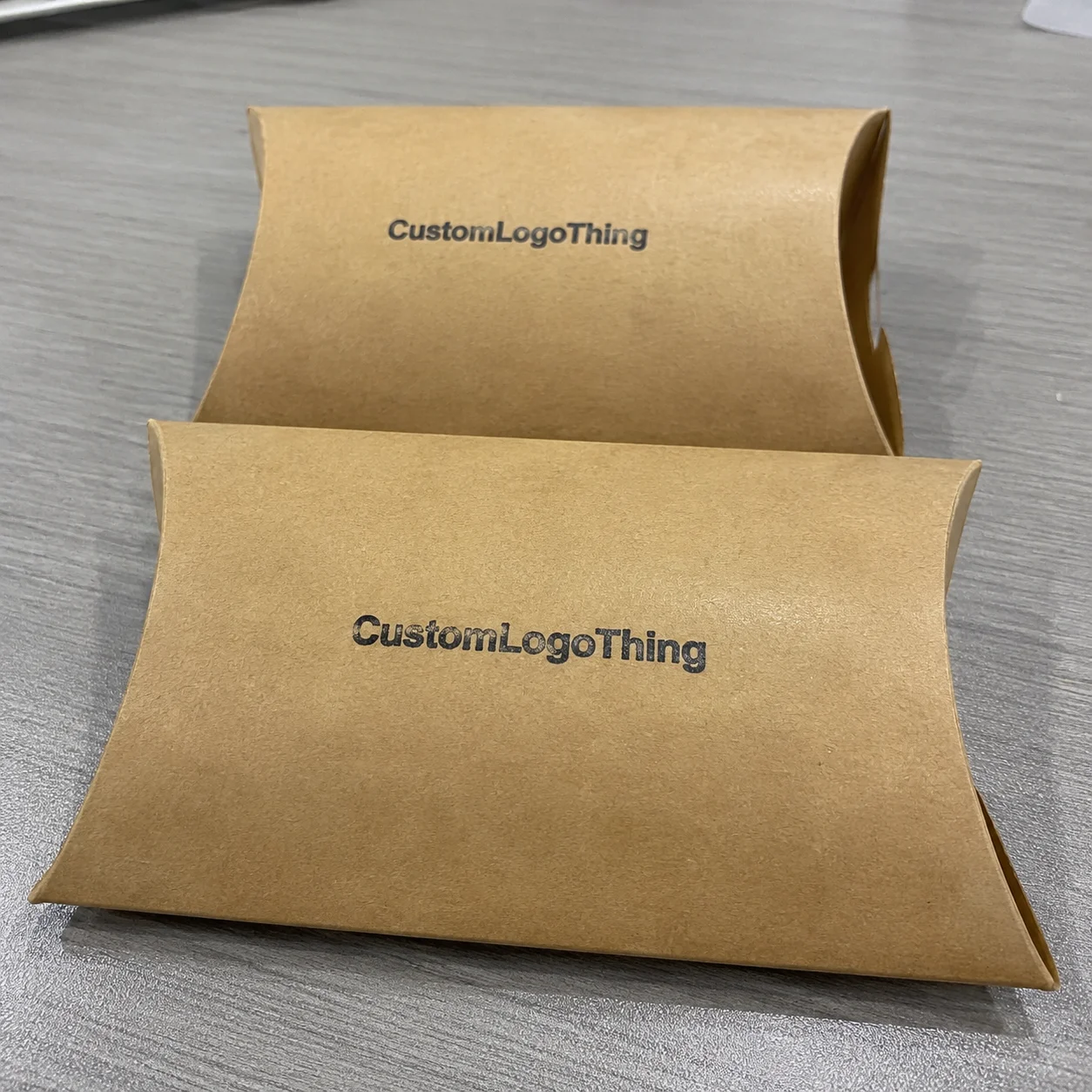
Most buyers expect one box. That’s not really a sample kit. A proper order branded rigid box sample kits package should include several options so you can compare structure and finish without guessing. At minimum, I like to see rigid box styles, lid types, closure options, inserts, finish swatches, print method samples, and decoration examples. If you’re paying for a sample kit, make it do some work, whether the final run is 500 pieces or 50,000.
Typical contents vary by use case. A cosmetic sample kit may include a magnetic closure set-up box, a drawer-style rigid box, and a foldable rigid prototype for shipping efficiency. A luxury retail kit might include a book-style rigid box with ribbon pulls, a sleeve-and-tray combo, and foil swatches in gold, silver, and matte black. A subscription or gift kit may show you how the structure behaves after repeated opening. An e-commerce premium package needs a different conversation entirely because the box has to survive courier handling, not just a countertop reveal between Shanghai and Chicago.
I’ve opened sample kits on factory tables in Shenzhen that were basically mini packaging libraries. That’s the good stuff. You want side-by-side comparisons. A flat swatch tells you almost nothing by itself. A pre-made stock sample gives you a sense of construction quality. A custom prototype, though, is where the real truth lives because it shows your dimensions, your logo placement, and your actual structural choice. If you order branded rigid box sample kits and only receive a foil card, you didn’t get a sample kit. You got a teaser. And frankly, I’ve had tea that was more satisfying, even in a factory office at 9:15 a.m.
Buyers should inspect specific details in hand:
- Board thickness — commonly 1.5 mm, 2 mm, or 3 mm depending on the product weight and price point.
- Corner quality — clean edges, tight wrap, no lifting paper, no crushed corners.
- Glue lines — invisible if done properly, sloppy if they show through the wrap.
- Hinge behavior — if it cracks on the third open, that’s not premium.
- Insert accuracy — cavity size, retention, and how the product sits in the box.
- Finish consistency — matte, gloss, soft-touch, or textured paper should match across panels.
Branded sample kits often include multiple material and finishing options so you can compare them side by side. That matters because a soft-touch box can look elegant but show fingerprints. Matte lamination can feel clean but flatten your brand color. Embossing adds dimension, but if the artwork is too fine, the detail disappears. When you order branded rigid box sample kits, you’re buying a physical decision framework, not just a box. A prototype built with 350gsm C1S artboard and 2 mm grayboard will feel very different from one wrapped in 157gsm art paper with 1.5 mm chipboard.
If you want a deeper look at packaging program structure, our Wholesale Programs page shows how brands often move from samples into repeated production with tighter pricing and better planning. And if you have basic ordering questions, our FAQ covers the simple stuff before you get into the custom details.
Order Branded Rigid Box Sample Kits: Specs That Matter
If you want the sample to reflect production correctly, you need real specs. Not “about this size.” Not “close enough.” I’ve had buyers send a logo file and a product photo, then act surprised when the sample fit was off by 6 mm. That is not a packaging spec. That’s a hope, and hopes do not hold a 220 g candle jar in transit from Yiwu to Toronto.
When you order branded rigid box sample kits, the key specs start with dimensions: length, width, and height of the product, plus any insert clearance needed. Then comes board caliper. A 2 mm grayboard is common for many luxury boxes, but heavier products may need 2.5 mm or 3 mm depending on structure. Wrap paper weight also matters. A 120gsm art paper behaves differently from a 157gsm coated stock. It wraps corners differently and takes foil differently. Funny how physics keeps ruining bad assumptions. The same layout printed on 250gsm specialty paper in Guangzhou can look heavier and crisper than a lighter stock sourced in Vietnam.
Here’s a quick comparison of sample kit options and where they tend to fit best:
| Sample Kit Type | Typical Use | Common Price Range | Best For |
|---|---|---|---|
| Stock sample kit | Basic structure and finish review | $25–$85 | Early-stage comparisons, budget checks |
| Custom prototype sample | Your dimensions, artwork, and insert layout | $120–$350 | Final approval before production |
| Advanced branded sample set | Multiple finishes and closure options | $180–$500 | Luxury brands, packaging committees, retail testing |
How the dieline is set up affects the final quote and approval process. If your logo crosses a wrap seam, that can increase setup time and raise risk for misalignment. If the insert needs extra die-cutting or a custom EVA foam cutout, the cost goes up. If you order branded rigid box sample kits without sharing exact product dimensions, you’re forcing the supplier to guess. Suppliers guess in your favor about as often as freight forwarders refund surprise charges. A structure that works for a 75 ml fragrance bottle in Paris may fail for a 120 ml bottle with a thicker cap in Seoul.
Print and finishing choices are where buyers get tempted. CMYK printing works well for detailed graphics. Pantone matching is better for strict brand colors. Foil stamping gives a premium look, but the foil color has to suit your paper stock. Debossing and embossing add texture, while spot UV creates contrast on matte surfaces. Soft-touch coating feels rich, but it can show wear differently than matte lamination. These are not abstract choices. They affect how the sample feels in hand and how the final unit performs under handling across a 3,000-unit shipment.
Match product weight to board thickness and insert design. A 120 ml glass bottle is not the same as a lightweight candle jar. A magnetic closure may feel elegant, but if the product is heavy and the lid opens in transit, your internal packaging needs redesign. If you’re shipping nationally, I also recommend thinking about ASTM and ISTA guidance for transport durability. For general packaging standards reference, the ISTA site is a useful place to start, and the Institute of Packaging Professionals has solid industry resources.
Common mistakes happen fast. Buyers forget to specify the product weight. They skip drop-test needs. They ignore shelf requirements and then complain that the box looks too bulky on retail displays. I’ve seen a brand choose a gorgeous rigid box, then discover it exceeded shelf depth at a major retailer by 8 mm. That is the kind of mistake order branded rigid box sample kits can prevent if you provide the right data up front, ideally in millimeters and with one reference photo of the actual packed item.
Pricing, Setup Costs, and MOQ for Sample Kits
Let’s talk money, because that’s usually where the conversation gets weird. Sample pricing is not random. When you order branded rigid box sample kits, the cost is usually built from four parts: the sample itself, tooling or setup, custom printing, and shipping. If the supplier is honest, they’ll show you where each dollar goes. If they aren’t, keep asking until they do. On a project out of Dongguan, I’ve seen line items that were perfectly reasonable once broken down: $18 for materials, $42 for assembly, $15 for print setup, and $38 for air freight to Singapore.
A stock sample kit might cost $25 to $85, depending on how many structures and finish samples are included. A custom prototype sample usually runs $120 to $350 because it requires dieline adjustments, material sourcing, printing setup, hand assembly, and often a few rounds of internal checking. If you want a complicated insert or multiple finish combinations, $180 to $500 is not unusual. Rush timing can add $30 to $100 on top of that because someone has to stop working on another order and prioritize yours. Facts. Not fairy dust. If the production run is 5,000 units at $0.15 per unit, a bad sample can still end up costing more than the prototype once rework and freight are added.
Here’s how I usually break down sample cost logic for buyers:
- Number of styles included — one box sample is cheaper than a three-box comparison kit.
- Print complexity — simple logo placement costs less than full-wrap artwork with foil and embossing.
- Insert type — paperboard inserts are cheaper than EVA foam or molded pulp prototypes.
- Finish choice — soft-touch, specialty papers, and custom textures add cost.
- Rush timing — faster turnaround means more labor pressure and higher shipping expense.
MOQ logic matters too. A sample kit helps reduce expensive order mistakes before production MOQ kicks in. For many custom rigid box runs, the production MOQ might start around 500, 1,000, or even 3,000 units depending on structure and decoration. If you approve the wrong sample, you’re not just wasting sample money. You’re locking in a much bigger mistake across the production run. In practical terms, a 1,000-piece mistake in Shenzhen or Foshan can cost more than three rounds of sampling and still leave you with the wrong lid height.
Sometimes the sample fee can be credited back on a larger order. Sometimes it cannot. That depends on the supplier, the complexity of the prototype, and whether the sample was fully custom. I always tell buyers to ask before paying. Don’t assume. I’ve seen sales reps promise a credit in a phone call, then the paperwork says “not applicable.” Amazing how memory changes once the invoice gets issued.
If you’re budgeting for a new packaging program, reserve a sample line item before you lock your launch budget. I typically recommend setting aside 2% to 4% of the estimated packaging spend for sampling, revisions, and freight. That’s not an official rule. It’s a practical cushion. If you’re doing a premium program with multiple SKUs, that cushion can be the difference between a clean launch and a scramble, especially if one SKU needs a 2.5 mm insert change after the first proof.
Also, ask for shipping terms in writing. A $140 sample can become $240 once international freight and duties are added. If you’re ordering from overseas, the fastest air option is not always the smartest one. I’ve paid more for sample freight than for the sample itself, especially when someone decided they needed it by Friday and approved the request on Wednesday. Packaging does not teleport from Shenzhen to Seattle, no matter how urgent the launch calendar looks.
How to Order Branded Rigid Box Sample Kits: Process and Timeline
The process should be simple if the supplier knows what they’re doing. When you order branded rigid box sample kits, start by submitting your product specs: dimensions, weight, target use case, logo files, and any finish preferences. If the box needs to sit in retail, say so. If it needs to survive courier shipping, say that too. The more context you give, the less guessing happens later. A supplier in Guangzhou can work faster with one accurate spec sheet than with three emails and a blurry screenshot.
Step one is usually quote review. Step two is artwork or logo placement confirmation. Step three is payment. Step four is sample development. If the supplier is organized, they’ll send you a proof, a construction note, or a sample reference before assembly begins. Good communication saves time. Bad communication creates “surprise” charges and revision rounds that nobody enjoys. I’m still mildly haunted by one project where three people approved three different versions of the same dieline. We earned every headache on that one. The sample was supposed to fit in 11 business days; it took 19 because of a seam shift no one owned.
- Send product dimensions, artwork, and structural preferences.
- Choose sample format: stock kit, custom prototype, or multi-option comparison.
- Confirm finishes, insert style, and closure type.
- Approve the quote and pay the sample fee.
- Receive the sample kit and inspect it under real conditions.
- Send revision notes if needed, then approve the final structure.
Turnaround expectations vary. Stock sample kits often ship in 3 to 7 business days because the materials already exist. Custom prototypes usually take 7 to 15 business days from proof approval, sometimes longer if foil plates, specialty paper, or custom inserts need sourcing. Add international shipping, and the timeline can stretch another 4 to 10 business days depending on carrier and destination. If your project is tied to a launch event, build that buffer in. Please. I’ve seen brands plan a product reveal and then discover customs was sitting on the sample box like it owed money, usually at a hub in Hong Kong or Long Beach.
After the sample arrives, the real work starts. Open it. Test the fit. Close it ten times. Check the finish under natural light and under store lighting. Compare the box against your brand colors, not against the supplier’s monitor. Then collect notes from sales, ops, brand, and fulfillment. You want one final decision, not six opinion loops. Otherwise, you’ll revise until the packaging committee dies of old age.
To avoid back-and-forth delays, prepare these items before you place the order:
- Final product dimensions in millimeters or inches.
- Product weight and fragility level.
- Artwork files in vector format, preferably AI, PDF, or EPS.
- Logo placement notes and color references.
- Desired finish: foil, emboss, deboss, matte, gloss, or soft-touch.
- Target shipping method and delivery date.
For more ordering basics, our FAQ page answers common questions about sampling and production handoff. If your team also needs volume planning after approval, our Wholesale Programs page explains how larger runs are structured. In many cases, the fastest route from sample to production is a clear approval on the same day the kit is received.
Why Buyers Choose Us for Rigid Box Sample Kits
People don’t come to us for fluff. They come because they want packaging done correctly the first time. At Custom Logo Things, I focus on practical specs, realistic pricing, and honest feedback. If a sample needs to be adjusted, I’ll say so. If a finish is likely to fail on a dark paper stock, I’ll say that too. I’d rather annoy someone in email than cost them $6,000 in rework later, especially if the order is heading toward a 20,000-piece retail rollout.
My experience comes from factory visits, supplier negotiations, and fixing problems after other teams said everything was “basically fine.” In our Shenzhen facility, I’ve watched board stock batches get checked for consistency across multiple production lines. That matters because a 0.2 mm difference in board behavior can change how a lid closes or how a corner wraps. Small detail. Big headache. We also keep an eye on sourcing from Dongguan and Huizhou so the substrate, wrap paper, and insert materials stay within the same tolerance window.
We also work through quality control checkpoints that matter in real production: paper caliper checks, adhesive alignment, insert fit testing, magnet pull consistency, and finish comparison under different lighting. When buyers order branded rigid box sample kits from a team that understands these checks, they get fewer surprises and less revision noise. That means fewer redraws, fewer proof rounds, and fewer awkward conversations about why the lid gap changed by 1.5 mm.
One example sticks with me. A fragrance brand wanted a magnetic rigid box with a ribbon pull and gold foil. The first sample looked stunning, but the ribbon angle made it awkward to remove from the insert. We adjusted the cavity depth by 3 mm and changed the ribbon width from 6 mm to 4 mm. That tiny adjustment made the unboxing feel elegant instead of fussy. The client later told me the sample saved them from a launch embarrassment. That’s not hype. That’s just good packaging work, the kind that usually gets sorted before the 12–15 business day mark after proof approval.
Another time, a retail buyer pushed for a soft-touch finish on a white box because it “felt luxurious.” It did, until the sample sat near a countertop with makeup residue and started showing marks within minutes. We switched to matte lamination with a spot UV logo, and the result held up better under retail handling. Sampling exists so you can make those calls before production becomes a sunk cost. A sample in Guangzhou can reveal a retail problem in London long before 10,000 units are printed.
If you want to compare what other brands have done before you order branded rigid box sample kits, our Case Studies page is useful because it shows the tradeoffs, not just the pretty photos. I trust real examples more than sales adjectives. Always have. If a supplier can show you how a 2 mm board, spot UV, and EVA insert performed on a live project, that beats a polished brochure every time.
We also follow industry guidance where it applies. For environmentally conscious programs, FSC-certified paper options are available through FSC-aligned sourcing standards, and buyers can review the framework at fsc.org. If sustainability reporting matters to your team, the EPA sustainable materials management resources are a decent reference point. Not every packaging decision is about sustainability, but brands keep asking about it, so it belongs in the conversation.
Next Steps After You Order Branded Rigid Box Sample Kits
Once the kit arrives, don’t just admire it. Test it like a buyer, a picker, and a customer. If you order branded rigid box sample kits and then leave them on a conference table for three days, you’ve missed the whole point. Open the box. Close it. Shake it gently. Slide the product in and out five times. Check the finish under daylight and under warehouse lighting. See if the color shifts. See if fingerprints appear. See if the closure feels too stiff or too loose. A kit that looks perfect at 9 a.m. in Shenzhen may look very different at 3 p.m. under office LEDs in Chicago.
Use a simple approval checklist so internal feedback does not become a runaway committee meeting. I like a one-page sheet with six categories: fit, closure, print accuracy, finish, insert performance, and shipping durability. Give each reviewer one line to comment, not a blank page to write a novel. Brand teams can overthink a ribbon color for 45 minutes. Operations will notice if the box jams the packing line. Both opinions matter, but one of them costs more money, especially at a 2,000-unit minimum.
- Sales checks shelf appeal and customer impression.
- Operations checks packability and line speed.
- Brand checks color, logo placement, and finish.
- Fulfillment checks fit, protection, and shipping damage risk.
After feedback, make one final decision. Not three. Not “let’s keep both options open.” Pick the best structure and move forward. Then send the final dieline, final artwork, quantity, delivery target, and any shipping instructions. That is how you turn a sample into an order instead of another round of expensive hesitation. If the approved version is a 350gsm C1S artboard wrap over 2 mm grayboard with a magnetic closure, put that in writing and keep the revision count low.
I’ve seen brands spend six weeks debating a foil shade that looked different under three types of lighting, then rush the final order and blame the supplier for their own delay. That’s not a supplier issue. That’s a process issue. If you want fewer surprises, order branded rigid box sample kits, review them with real criteria, and lock the decision quickly. A 12-day approval window is healthier than a 6-week loop that ends with nobody remembering who changed the insert cavity.
And yes, if you need more help after the sample stage, our FAQ covers the handoff questions people always forget to ask. If you’re ready to move from testing to volume, we can map the next production step without drama. That part is underrated, and it usually saves the most money.
FAQ
What do I need to order branded rigid box sample kits?
You need product dimensions, box style preference, logo or artwork files, and any finish requests such as foil, embossing, or soft-touch lamination. Share the use case too, whether the box is for retail, gifting, or shipping, so the sample matches the real job instead of just looking nice on a desk. If you already know the product weight, include that as well, because a 90 g item and a 450 g item do not need the same insert or board thickness.
How long does it take to receive branded rigid box sample kits?
Stock sample kits usually ship faster because the components are already available, often within 3 to 7 business days. Custom samples take longer because materials, printing, and assembly must be prepared to your specs, and international freight can add another 4 to 10 business days depending on destination. In many cases, the full cycle from proof approval to delivery lands in 12 to 15 business days if the design is simple and the paper stock is readily available in Shenzhen or Dongguan.
Are sample kit costs credited toward production orders?
Sometimes, but not always. Some suppliers will credit the sample fee if you place a larger production order, while others treat the sample as a separate development cost. Ask before you pay so there’s no confusion later when the invoice arrives and everyone suddenly remembers different conversations. A clear written note in the quotation is better than a verbal promise that disappears after the deposit clears.
Can I compare different finishes in one rigid box sample kit?
Yes. Many sample kits include multiple finishes such as foil stamping, embossing, debossing, matte lamination, gloss coating, and soft-touch options. Comparing them in hand is the fastest way to Choose the Right premium look, because a finish that seems elegant online can look flat or harsh in real light. I recommend comparing at least three options side by side if your final run will exceed 1,000 pieces.
What should I check before approving the final rigid box order?
Check fit, closure strength, print accuracy, finish quality, and insert performance. Also confirm quantity, delivery schedule, and whether any revisions are still pending. If the sample passes all of those checks, you can move into production with far fewer expensive surprises. For most programs, that means confirming the final dieline, the final board spec, and the packing method before the order is released.
If you’re ready to order branded rigid box sample kits, do it with real specs, real expectations, and a real approval process. Review the sample in hand, compare the options honestly, and then move into production once the structure, finish, and fit all check out. That’s how you avoid paying twice for the same box, whether your supplier is in Shenzhen, Guangzhou, or Foshan.