Fitness Packaging That Gets Judged Before It Gets Opened
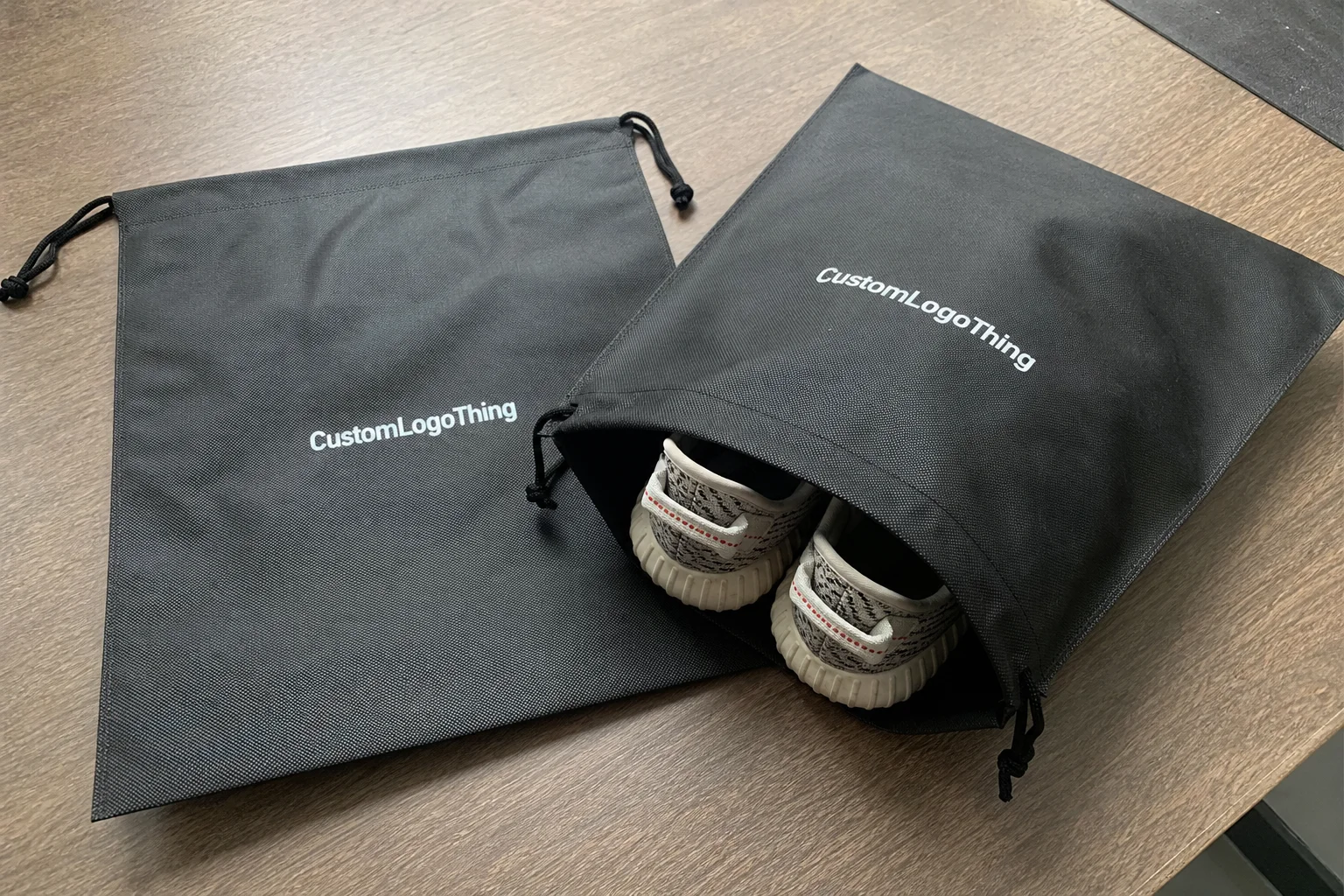
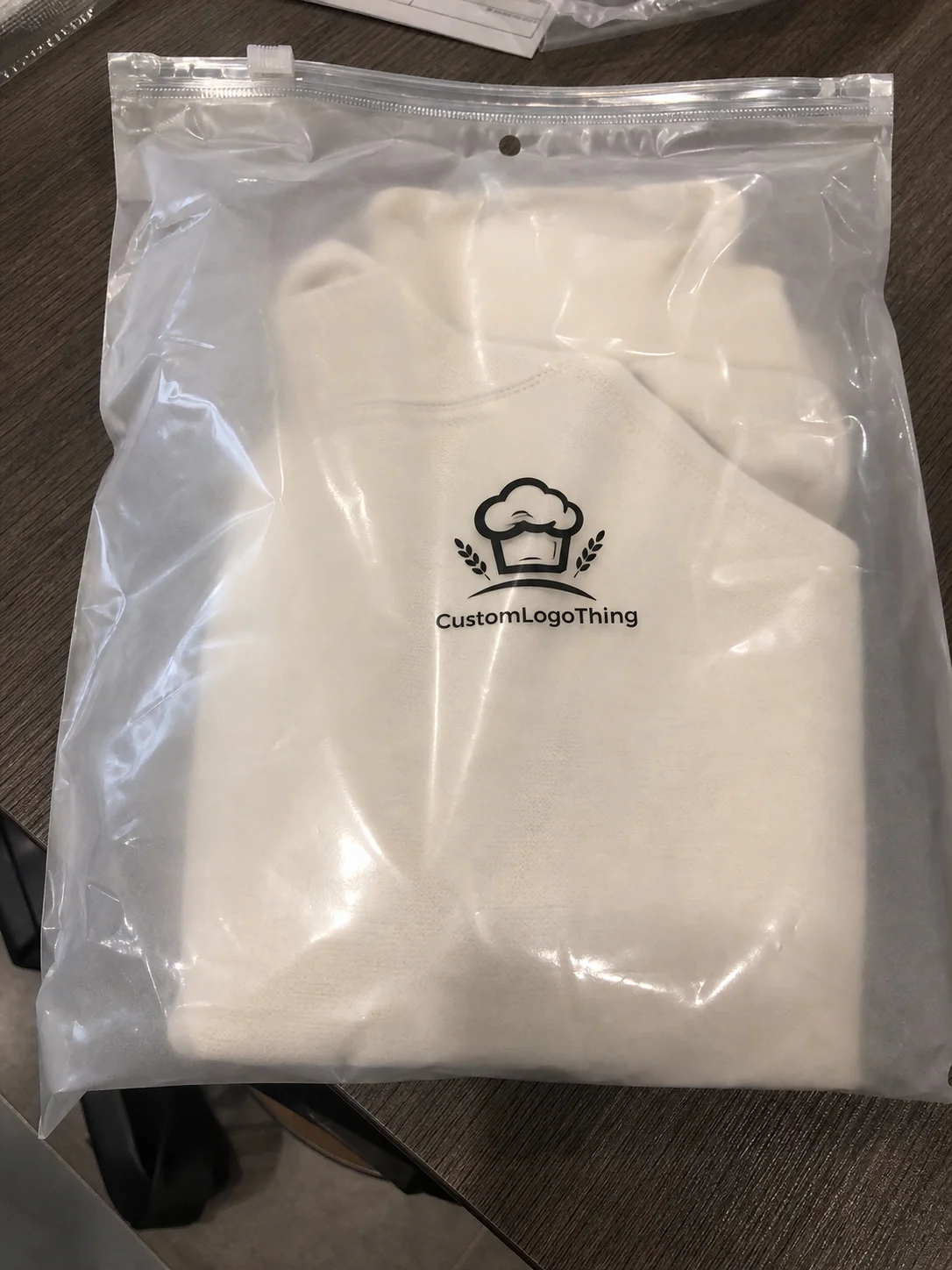
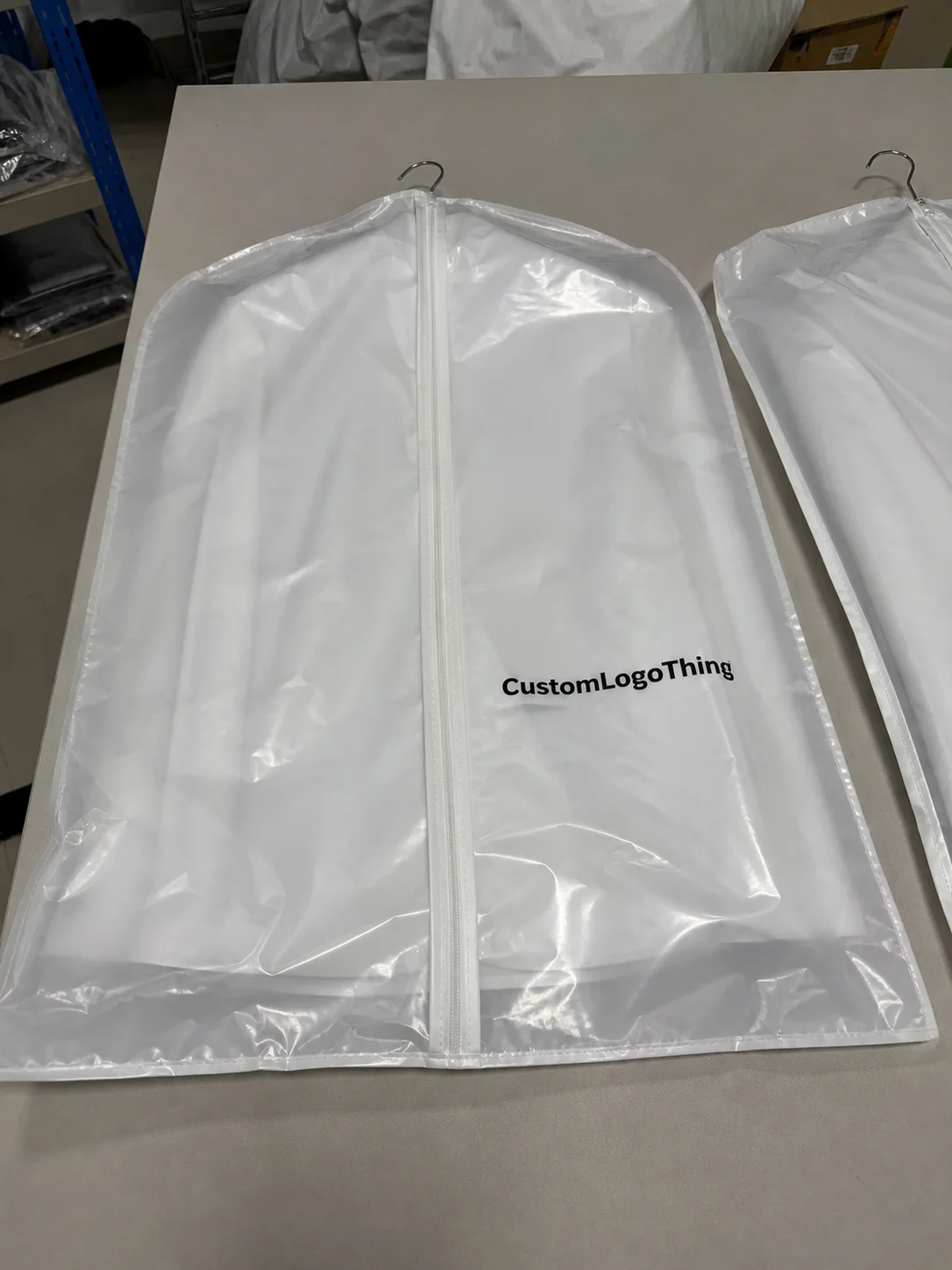
A customer picks up a resistance band set, shaker sample kit, supplement scoop bundle, or recovery accessory, and the package has already done part of the selling. Buyers comparing Clear Zipper Bags Unit Cost for fitness products are rarely looking for the cheapest bag in isolation. They are trying to find the lowest landed cost that still protects the product, looks clean in the sales channel, and keeps the kit organized through packing, shipping, storage, and use.
Clear Zipper Bags work well in fitness because they answer practical questions quickly. Is the band color correct? Are all three resistance levels included? Are the jump rope handles packed with the cable? Did the workout card, QR insert, or small hardware piece make it into the kit? A customer, packer, or warehouse inspector can check those details without opening the pack.
That visibility reduces friction. It can lower mis-picks, help catch missing components before cartons leave the packing table, and make small accessories feel less like loose parts. A clean clear bag also protects against dust, moisture from handling, and scuffing during routine movement through a fulfillment operation.
From a packaging buyer’s point of view, the value is not just cosmetic. A good clear zipper bag gives you resealability, product visibility, bundle control, fast kitting, and a simple inspection path. One operator can load the components, press the zipper closed, confirm the contents by sight, and move the unit into a master carton without extra folding, taping, or sleeve assembly.
Unit cost depends on more than size. Film structure, gauge, zipper profile, finished dimensions, print coverage, order quantity, inner packing, and freight all matter. A 3 mil LDPE zipper bag for a flat fabric loop band will not price like a high-clarity printed CPP bag with a euroslot header for a retail peg display. Same general product category, very different build.
The better starting question is not “How cheap can the bag be?” It is “What bag protects this product, presents it honestly, and still supports margin after packing labor, rejects, and freight are included?”
Packaging floor rule: if the bag saves a few seconds during kitting and prevents missing-component complaints, it may be worth more than the cents saved by choosing the wrong spec.
Where Clear Zipper Bags Fit in Fitness Product Lines
Clear zipper bags cover a wide range of fitness packaging jobs. Common uses include resistance bands, mini loop bands, grip pads, jump rope parts, massage balls, barbell clips, supplement sample packets, apparel accessories, hygiene kits, fitness challenge packs, and event giveaway bundles. They also work nicely for compact branded kits sold through gyms, studios, races, wellness events, and online stores where shoppers want to see exactly what is inside.
A clear bag is often better than a fully opaque pouch for these products because the customer can inspect color, quantity, accessory count, and instructions without breaking the seal. That matters with multi-resistance band sets, where color usually indicates tension level, and with small kits where one missing item makes the whole pack feel careless.
Retail and fulfillment needs are not identical. A retail peg display may need a round hang hole or euroslot header, plus enough stiffness at the top of the bag to hang straight rather than curling forward. An e-commerce pack may need carton-friendly dimensions, a flat barcode label zone, and controlled air release so the bag does not balloon inside a shipper.
Warehouse teams may ask for writable panels, lot code areas, or label zones that scan cleanly under bright pick-line lighting. These details sound small during quoting, but they affect packing speed and error rates once thousands of units are moving through a line.
Zipper bags are also friendly to staged kit building. Components can be packed in one area, reopened for inspection, topped off with an instruction card or promo insert, and resealed before shipment. That is useful for fitness bundles that combine multiple SKUs, such as bands, door anchors, handles, ankle straps, and printed workout guides.
Brand positioning can stay simple or move more polished. Some brands choose completely clear utility bags. Others use a clear front with a printed back panel, frosted clear material for a softer wellness look, or a clear bag with an insert card to control branding cost. Insert cards are especially practical when one product line has five resistance levels but the same bag size can serve all five.
The zipper closure changes how the product behaves after purchase, too. Customers often keep bands, massage tools, wraps, and small gym accessories in lockers, backpacks, car consoles, or home workout drawers. A reusable zipper bag quietly tells the customer, “Keep this together,” and that small convenience can improve the perceived value of the product.
Material, Film Gauge, and Zipper Details That Affect Performance
Material choice drives hand feel, clarity, toughness, seal performance, and cost per piece. LDPE is common because it feels soft, flexible, and forgiving. It is a practical fit for many band sets, fabric accessories, hygiene kits, apparel add-ons, and lightweight fitness bundles.
LLDPE blends can improve puncture and tear resistance, which helps when the product has texture, corners, or repeated handling. The improvement is not magic; the bag still needs proper sizing and seal design. But for rubber accessories, cable ends, or hardware pieces that press into the corners, the blend can be the difference between a bag that survives routine distribution and one that shows stress too quickly.
PP and CPP materials usually offer higher clarity and a crisper feel. They can make product colors pop under store lighting, which is valuable for retail packaging where customers compare colors and sizes side by side. Laminated structures enter the discussion when a buyer needs added stiffness, better print appearance, a specific barrier requirement, or a more premium hand feel. They cost more, but sometimes the extra structure makes the pack easier to fill, hang, scan, and display.
Gauge selection should stay practical. Lighter gauges can work for flat, soft items. Heavier products, sharp-edged accessories, rubber parts, metal components, or reusable kits usually need thicker film and stronger seams. Many light accessory bags fall around 2 to 3 mil, while heavier reusable fitness kits may require 4 mil or more depending on product weight, corner pressure, and expected reuse.
Do not overbuy thickness simply to feel safe. A bag that is too thick costs more, packs bulkier, and can reduce carton efficiency. Going too thin creates its own trouble: cloudy stress marks, stretched corners, zipper distortion, and seam splits. The right answer usually comes from fit testing with the actual product, not guessing from a photo or matching a competitor’s bag by eye.
Zipper and Closure Choices
Standard press-to-close zippers are the workhorse for everyday fitness kits. They are economical, familiar to customers, and fast enough for fulfillment teams. A heavier zipper profile can make sense for reusable storage bags, especially if the customer will open and close the pack many times.
Slider zippers add convenience, but they also add cost, thickness, and sometimes packing complications. They are easier to justify on higher-value kits or user-facing storage packs than on a simple single-band item. If the slider makes the bag too bulky for a shelf tray or master carton, the upgrade may work against the overall packaging goal.
Bottom construction matters as well. Side-weld bags, bottom-seal bags, and three-side-seal formats behave differently under load. A small scoop kit may be fine in a basic zipper bag. A dense massage ball, spring clip, or metal grip accessory may need stronger seals, rounded corners, or a different shape so the weight does not concentrate at one point.
Visibility, Venting, and Handling Details
High-clarity films show color and contents well, but clarity can be damaged by rough packing. Scuffing, tight cartons, heavy compression, and sharp product edges create cloudy stress marks. If the bag needs to look good at retail, the packing method matters almost as much as the film grade.
Optional features include hang holes, euroslot headers, vent holes for air release, tear notches where suitable, rounded corners for comfort, and label zones for UPC, lot tracking, or warehouse routing. Venting is especially useful for soft bulky items that trap air, but hole placement should avoid areas that weaken the hang zone or expose the product unnecessarily.
For supplement-adjacent products, be careful with assumptions. If the bag directly contacts consumable items, powders, tablets, or samples, specify contact requirements at the start so suitable materials and documentation can be reviewed. ASTM test methods and distribution testing principles can also guide performance expectations, and many brands reference ISTA procedures when planning packaged-product handling for transit.
Clear Zipper Bags Unit Cost for Fitness Orders
Clear Zipper Bags Unit Cost for fitness orders is driven by several cost centers: film weight, bag size, zipper profile, print method, ink coverage, setup charges, order quantity, packing format, and freight. A simple plain bag ordered in bulk will price very differently from a custom printed retail bag with heavy ink coverage and a header hang hole.
Size has a bigger effect than many buyers expect. A half-inch of extra width or height may look harmless on a dieline, but across 10,000 or 50,000 bags it increases film usage, case cube, pallet space, and sometimes shipping cost. Right-sizing is one of the cleanest ways to control unit cost without weakening the package.
Printing decisions also shape the quote. Plain clear bags with applied labels usually have the lowest starting cost and work well for launch runs, sampling programs, internal kits, or SKU testing. One-color direct printing balances branding and budget, especially for logos, resistance levels, web addresses, QR codes, and simple icons.
Multi-color printing or full-coverage graphics raise tooling fees, plate or screen costs, ink usage, and production time. They can be the right choice for retail, but only if the graphics support the sale. Covering too much of the clear window can defeat the reason the buyer chose a clear bag in the first place.
MOQ realities should be handled early. Lower minimums may be possible for plain clear zipper bags or label-applied programs. Direct custom printing generally needs higher quantities because setup charges must be spread across enough pieces to make the cost per unit reasonable. For many fitness brands, the smarter quoting method is to compare a sample run, launch quantity, and replenishment quantity rather than asking for a single number.
| Packaging Approach | Typical Best Fit | Cost Behavior | Branding Notes |
|---|---|---|---|
| Plain clear zipper bag | Fast launches, internal kits, low-risk trials | Lowest starting cost; depends mainly on size, film, and MOQ | Branding usually handled with insert card or external label |
| Clear bag with custom label | Multiple SKUs, changing resistance levels, short runs | Moderate cost; label material and application labor affect total usable cost | Flexible, but less integrated than direct print |
| One-color direct print | Repeat fitness accessories and simple retail packs | Setup charges apply; bulk pricing improves as quantity rises | Clean logo presentation without covering too much product visibility |
| Multi-color direct print | Retail launches, premium kits, stronger shelf branding | Higher setup and production cost; better suited for larger runs | Allows stronger visual identity, warnings, QR codes, and product details |
As a working estimate, simple clear zipper bag programs may start in the low cents per piece at larger volumes, while custom printed structures move higher depending on size, gauge, artwork, and order quantity. For smaller custom runs, setup can be the part that stings. For larger repeat orders, material usage and freight often become the bigger levers.
Cost-saving methods are straightforward: right-size the bag, avoid over-specifying thickness, use insert cards for variable information, consolidate sizes where possible, and choose print coverage based on selling needs rather than decoration alone. A quote should compare total usable cost, not only bag price. Rejects, packing speed, freight efficiency, and whether the bag protects the product through the full selling cycle all matter.
Artwork, Branding, and Compliance Specs Buyers Should Prepare
A useful quote starts with clear inputs. Before asking for pricing on fitness clear zipper bags, gather the finished bag size, product weight, product dimensions, target quantity, clear or frosted preference, zipper style, print colors, hang hole requirement, and destination. Photos help, especially if the product is irregular, rubbery, textured, or bundled with several components.
Vector artwork is preferred for custom printing. Send AI, EPS, or editable PDF files when available, with notes on print placement, safe areas, barcode zones, and any portion of the bag that must stay transparent over the product window. If the product color is part of the selling point, avoid covering it with a large ink block just because the screen mockup looks attractive.
Flexible plastic has print limits. Fine type can fill in. Large solid ink areas may show variation. Tight registration between colors can be harder on a flexible substrate than on paperboard. Very light colors over clear film may disappear unless backed by white or adjusted for contrast. A careful prepress review catches those issues before a proof turns into a production problem.
Labels versus direct print is a business decision. Labels are practical for lower volumes, multiple SKUs, seasonal promotions, or frequent content changes. Direct printing gives a cleaner finished appearance and often becomes more economical for stable repeat orders. Many fitness brands start with labels for the first launch, then move to direct print once reorder volume and SKU mix are more predictable.
Fitness packaging may need more information than a logo. Common callouts include resistance level, size, included parts, QR code for workouts, warnings, country of origin, recycling guidance, UPC, and lot or batch tracking areas. If sustainability claims are used, keep them accurate and specific. The EPA recycling resources are a useful reference point for consumer-facing recycling language, although local acceptance still varies by material and region.
Physical product testing is strongly recommended before final approval for textured bands, rubber products, small metal pieces, powder packets sealed in separate sachets, or accessories that may create odor transfer or abrasion. Rubber can haze some films. Metal can scuff. Powder packets can create pressure points. A printed proof cannot tell you that; a real fit sample can.
Custom Logo Things can help align artwork with manufacturing limits before production. That saves time, but the larger benefit is avoiding packaging that looks polished on a flat monitor and then becomes hard to fill, hard to scan, or hard to read on the packing table.
Process and Lead Time From Quote to Finished Bags
The process usually follows a steady sequence: requirement review, material and size recommendation, quote, artwork setup, proof approval, optional sample or pre-production check, production, quality inspection, packing, and shipment. Skipping steps may feel faster, but it often creates bigger delays if the first production run does not fit the product correctly.
Accurate information speeds everything up. Send product dimensions, weight, photos, target quantity, artwork files, shipping destination, and any retailer requirements at the start. If you already have a sample bag that almost works, measure it and explain what needs to change. “Too tight at the zipper” is useful feedback. “Make it better” is not.
Several factors slow projects down: uncertain sizing, artwork changes after proof approval, special material requests, heavy ink coverage, custom zipper profiles, compliance documentation, and waiting on product samples for fit testing. A custom zipper bag with a special header, multi-color print, and specific documentation requirements needs more planning than a plain stock-style clear bag.
Proofs and Samples
Digital proofs confirm layout, size callouts, print position, and basic copy. Physical samples confirm fit, hand feel, clarity, zipper function, and fill behavior. For larger custom print runs or retail launches, a production sample or pre-production check may be worth the extra time because it can catch print placement, opacity, and closure issues before the full run is packed.
Typical timelines depend on material availability, order complexity, approval speed, and shipping method. Simple programs can move faster if artwork and specifications are ready. Custom printed bags with sampling, approvals, and freight planning often need several weeks from final approval to delivery. The safest launch calendar includes time for product arrival, kitting tests, UPC approval, retailer review, production, inspection, and transit.
Quality checks should include finished size tolerance, seal integrity, zipper function, print placement, clarity, count accuracy, and carton labeling. For e-commerce, carton strength and inner packing also matter because a clear retail-ready bag can still get crushed or scuffed if it is packed loosely in a master carton.
Send product dimensions and order goals early. That gives the packaging recommendation room to be engineered properly before launch pressure forces an expensive rush decision. Rush decisions tend to create oversize bags, overbuilt film, air freight, or avoidable rework.
Quote-Ready Next Steps for a Cleaner Fitness Pack
If you want a quote that is useful on the first pass, start with the product. Measure it at the widest, tallest, and thickest points after it is folded, rolled, bundled, or nested exactly as it will be packed. A resistance band set wrapped with a paper belly band may need a different zipper bag size than the same bands loose in a stack.
- Measure the product: width, height, thickness, and packed weight.
- Choose the selling format: peg display, shelf tray, e-commerce carton, event giveaway, or gym counter sale.
- Select the look: completely clear, frosted clear, clear with label, clear front with printed back, or direct printed clear film.
- Estimate quantities: first order, reorder quantity, and expected SKU count.
- Identify key features: hang hole, vent holes, barcode zone, rounded corners, insert card, or lot code area.
- Send artwork: vector logo files, barcode files, warning copy, QR code, and placement preferences.
Photos or samples help a lot. They are especially useful for irregular accessories, bundled kits, rubber resistance products, and items with sharp edges that may affect film thickness. A small metal cable end, for example, can change the recommended gauge or corner construction even if the rest of the kit is lightweight.
There are three clean quoting paths. Plain clear zipper bags are best for speed and budget. Clear bags with custom labels are practical for flexible SKU changes. Direct Printed Clear Zipper Bags give stronger brand presentation at scale and often make sense once the product line has stable repeat volume.
Ask for two or three quantity breaks instead of one price. Fitness brands often discover that a modest increase in order volume can materially lower the per-unit packaging cost because setup charges, tooling fees, and freight are spread across more pieces. The right quantity is still a cash-flow decision, but bulk pricing gives you the facts.
Custom Logo Things can return a quote with recommended material, gauge, bag size, closure style, print approach, MOQ, unit price tiers, setup details, estimated production timing, and shipping considerations. That is the level of detail needed to compare packaging options fairly.
For buyers comparing clear zipper bags unit cost for fitness packaging, the smartest next step is to share product dimensions, target quantity, and branding goals so the quote reflects the real bag your product needs.
FAQ
What affects clear zipper bags unit cost for fitness accessories the most?
The biggest drivers are bag size, film thickness, zipper type, order quantity, print method, and freight. Right-sizing the bag usually reduces cost more effectively than simply choosing the thinnest film. Custom printing raises setup cost, but it can lower labor and improve shelf presentation at larger volumes.
What MOQ should fitness brands expect for custom clear zipper bags?
MOQ depends on whether the order is plain, labeled, or directly printed. Plain or label-applied options may support lower starting quantities, while direct custom printing typically requires higher volume to make setup economical. Requesting multiple quantity breaks helps compare launch budget against long-term unit cost.
Which thickness is best for clear zipper bags for gym products?
Soft, lightweight items can often use a lighter gauge, while resistance bands, hardware, or reusable kits need heavier film. The correct thickness should be based on product weight, edges, reuse expectations, and shipping conditions. A fit test is recommended before production if the product has rubber texture, metal parts, or bulky components.
Are printed clear zipper bags better than using labels for fitness packaging?
Labels are flexible for small runs, multiple SKUs, or frequent content changes. Direct printing gives a cleaner, more professional look and can be more efficient for repeat orders. Many fitness brands start with labels and move to direct print once the product line and reorder volume are stable.
How long does it take to produce custom clear zipper bags for fitness kits?
Timeline depends on material availability, artwork readiness, sample needs, print complexity, order volume, and shipping method. The process usually includes quoting, proofing, approval, production, inspection, packing, and transit. Providing product dimensions, artwork files, and target quantity at the start helps avoid delays.