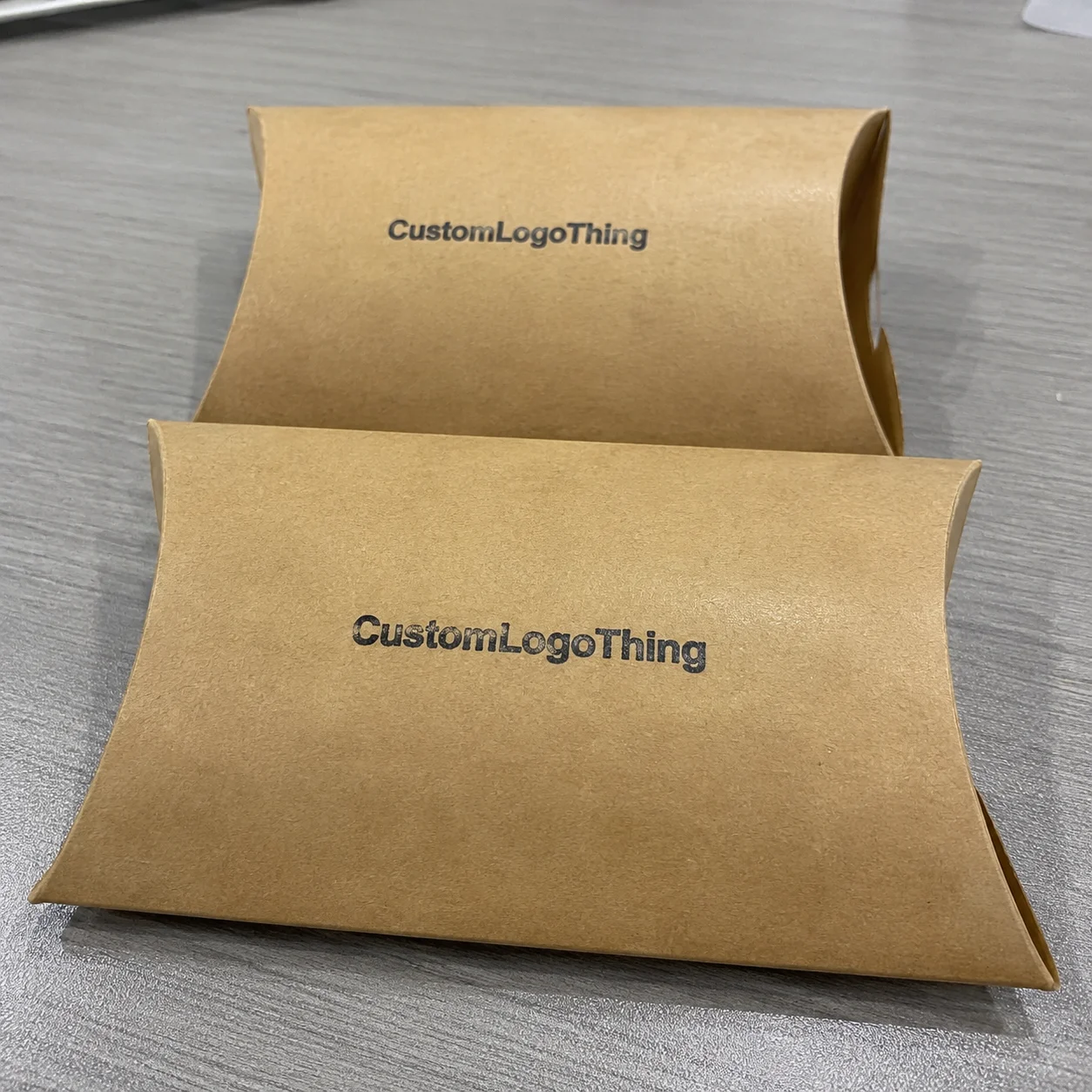
A tea brand can spend real money on embroidered aprons, launch-event jackets, staff uniforms, or giftable apparel, then lose half the presentation value by shipping those pieces in thin, cloudy poly bags that wrinkle the garment and say nothing about the brand. Custom PVC Zipper Garment Bags for tea brands solve a practical packaging problem: they protect apparel while turning the garment cover into reusable branded packaging for uniforms, influencer kits, trade show merchandise, retail collaborations, and hospitality programs.
The idea is straightforward, but the details do the heavy lifting. A PVC zipper garment bag is typically made from flexible PVC film with a zipper closure, a hanger opening or reinforced hanging slot, printed logo artwork, and either a full-length or folded format. Depending on the design, it may include carry handles, document pockets, bottom gussets, vent holes, reinforced seams, or a branded zipper pull. For tea brands, that combination supports visual cleanliness, back-of-house organization, and a more giftable handoff than a disposable apparel sleeve.
Why Custom PVC Zipper Garment Bags for Tea Brands Make Sense
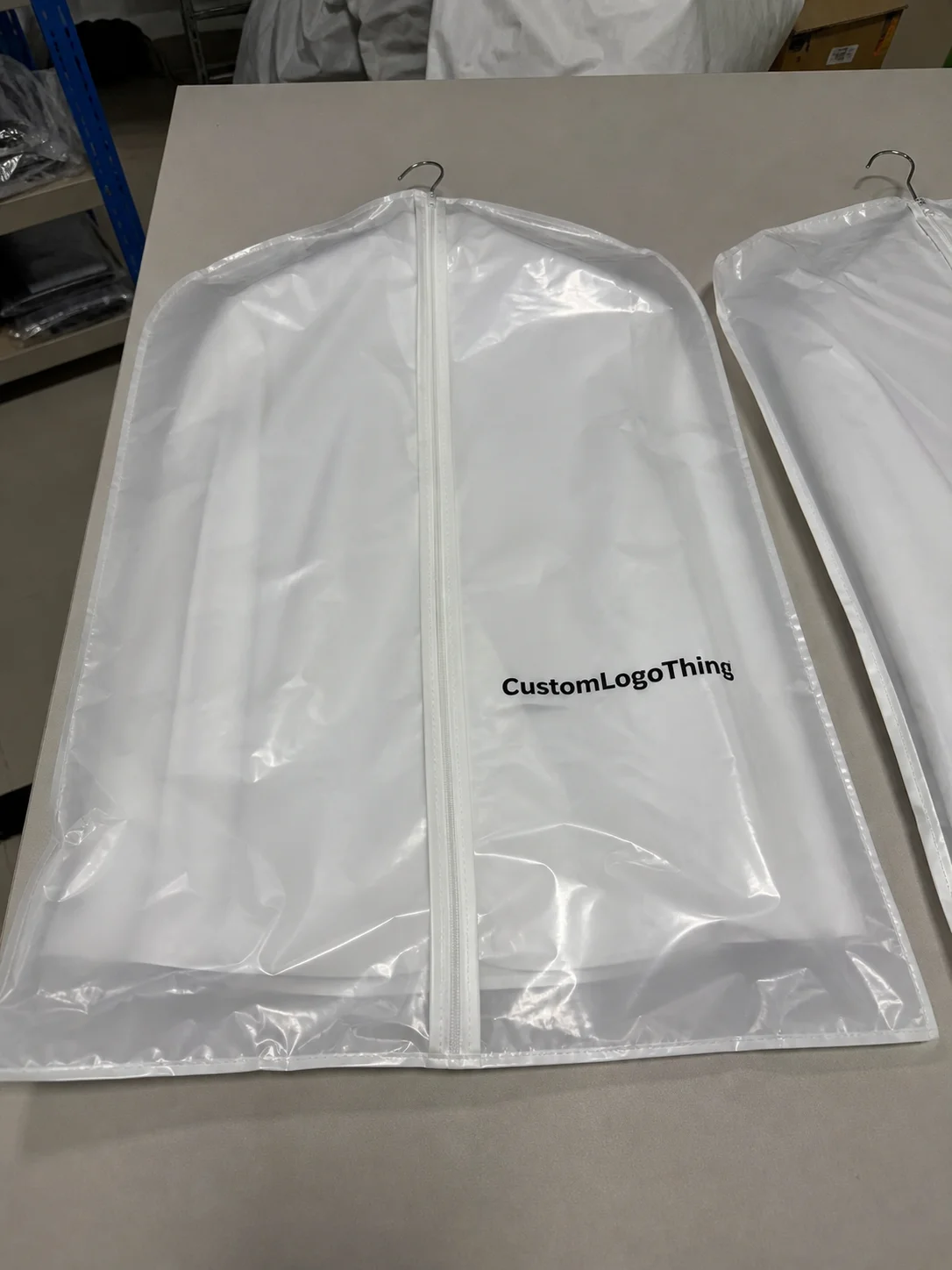
Tea brands tend to care about presentation in a way that differs from many apparel buyers. The product story often involves botanical ingredients, calm color palettes, clean counters, hospitality, and sensory detail. If a staff apron arrives crushed in a plain bag, or an influencer kit includes a beautiful branded jacket inside a flimsy wrapper, the packaging undercuts the experience before the garment is even worn.
Custom PVC Zipper Garment Bags for tea brands are not just covers. They act like reusable presentation packaging. A clear or frosted front panel can show the garment color, while the printed logo reinforces the brand before the zipper opens. For event teams, the bag keeps sizes sorted. For retail or hospitality programs, it helps uniforms stay clean in storage. For launch kits, it gives apparel a more finished, intentional feel.
PVC is usually selected for this application because it gives more structure and clarity than basic LDPE garment covers. It is wipe-clean, flexible, and available in clear, frosted, tinted, or colored finishes. A 0.12 mm film may be fine for light event use, while 0.18 mm to 0.25 mm feels more substantial for repeated handling. Heavier gauges can look premium, but they also raise unit cost and freight weight, so more is not automatically better.
From a packaging buyer’s point of view, the best version depends on garment length, print method, reuse target, compliance needs, shipping method, and budget. A full-length uniform bag for embroidered coats has different requirements than a fold-over bag for tea-shop T-shirts. A one-color logo behaves differently on clear PVC than a soft botanical illustration printed across a frosted panel.
Practical rule: design the bag around the garment first, then the brand artwork. If the bag does not load easily, hang straight, and zip without stress, even beautiful printing will not save the experience.
Buyers also need to account for how these bags are actually used. In a tea shop, garment storage may happen in back rooms with limited space, frequent staff turnover, and routine handling by people who are not packaging specialists. In a brand partnership or gift program, the bag may be opened by the recipient in a photo-friendly setting, which makes scuffed film, crooked print, or a cheap zipper especially noticeable. That is why the “presentation” conversation cannot be separated from the “function” conversation. The bag has to survive both.
How PVC Zipper Garment Bags Are Built and Printed
Most PVC Zipper Garment Bags start with roll film that is cut into panels. The panels are aligned, zippers are inserted, hanger openings are punched or reinforced, and the edges are sealed, stitched, or both depending on the construction. A simple flat bag may use heat-sealed edges, while a reusable staff uniform bag may benefit from stitched reinforcement at the top, zipper ends, handles, and stress points.
Film thickness is one of the first choices. Lightweight PVC around 0.10 mm to 0.12 mm keeps cost and carton weight down, but it can feel thin if the bag is handled repeatedly. Mid-weight film around 0.15 mm to 0.20 mm is common for reusable garment covers and retail packaging. Premium applications may move toward 0.25 mm or thicker, especially when the bag needs body, but thicker film can crease if packed tightly and will cost more to ship.
Zippers deserve more attention than many buyers give them. Nylon coil zippers are flexible and practical for garment bags because they bend with the film and are less likely to feel stiff. Metal-look pulls can improve presentation without using an actual heavy metal zipper. Full-length zippers are helpful for suits, robes, long aprons, and uniforms, while shorter top or side zippers may work for folded apparel packs, scarves, T-shirts, or compact event merchandise.
Printing depends on the artwork. Screen printing is often efficient for bold logos, one to three spot colors, and moderate print coverage. Heat transfer or digital print options can support more detail, although the right choice depends on quantity, color count, and the PVC finish. If artwork changes often, a printed insert, hang tag, or label may be smarter than printing every bag panel differently.
Clear PVC shows the garment best. Frosted PVC softens the view and can feel more refined. Tinted PVC gives color without fully hiding the product, while solid colored PVC is useful when the bag itself is part of the package branding. Tea brands often lean toward earthy greens, amber tones, cream, charcoal, muted clay, or metallic accents, but ink opacity changes on transparent and tinted film, so color matching should be checked with a sample when brand color is critical.
Functional details are not decoration. Vent holes help reduce trapped air and odor concentration. Document pockets can hold size cards, staff assignment sheets, or care instructions. Carry handles improve event distribution. Bottom gussets add room for bulkier garments. Reinforced hanger openings reduce tearing, especially if the bag will hang loaded for weeks at a time.
Seal quality, zipper alignment, and edge finishing matter as much as the film itself. Buyers often focus heavily on logo size while ignoring zipper drag, crooked top seals, or weak corners. That is backwards. Custom PVC zipper garment bags for tea brands are often opened and closed many times, and the weak points usually reveal themselves at the zipper ends, hanger hole, and bottom corners.
Key Specs to Confirm Before You Design the Bag
Start with measurements, not artwork. Measure the longest garment, shoulder width on the hanger, folded thickness, hanger height, and any bulky features such as embroidery, apron ties, robe belts, or quilted lining. A bag that matches the flat garment length on paper can still be too tight once the hanger and fabric bulk are added.
Full-length bags suit coats, dresses, uniforms, aprons, robes, and hospitality apparel that should hang cleanly. Half-fold or fold-over zipper bags can work well for T-shirts, scarves, tea-shop apparel kits, and event merchandise that ships folded. A folded format may reduce film usage and freight volume, but it can introduce fold marks if the garment is meant to look pressed and ready to wear.
Film thickness should match the handling cycle. For one-time event distribution, a lighter PVC may be enough. For seasonal storage or retail presentation, mid-weight film usually feels safer. For long-term staff uniform management, a thicker film with stronger zipper tape and reinforced hanger openings can reduce replacement rates. That said, thicker PVC is not always the right answer; if the bag must be packed in cartons and mailed individually, extra weight can become expensive quickly.
Branding zones should be decided early. Common choices include a front chest-height logo, a lower corner logo, back panel message, printed care note, zipper pull branding, or a hang tag paired with a simpler printed bag. For tea brands, leaving enough transparency to show the garment is usually wise. Heavy full-panel printing can hide the apparel and make the package feel busy.
Color matching needs discipline. If your brand uses a muted matcha green, botanical sage, oolong brown, or metallic copper, ask how the ink will appear on clear, frosted, or tinted PVC. Transparent materials change the visual read of ink. White underprint may be needed for opacity, and metallic effects may require a different process than standard screen ink.
Closure and handling choices affect daily use. A vertical zipper is familiar for hanging garments. A horizontal zipper can work for folded packs. A zipper that runs around the edge may make loading easier for bulkier apparel. Hanger openings should fit the actual hanger hook, not a generic drawing. Carry handles should be placed where the loaded bag balances well, especially for event staff carrying 20 or 30 units at once.
Compliance and sensory considerations should be discussed before production. Confirm PVC grade, expected odor level, phthalate-related requirements if relevant, and destination-market restrictions. For general packaging sustainability research, the U.S. EPA Sustainable Materials Management resources are a useful reference point, even though the exact material decision depends on your use case, distribution market, and brand policy.
It also helps to think beyond the first shipment. A bag that looks good in a sample tray may behave differently after folding, packing, and warehouse storage. Creases can soften the print, and sharply folded film can make a premium bag feel ordinary. If your team intends to reuse the bags for seasonal uniforms or recurring tasting events, ask whether the chosen film will hold up after multiple open-close cycles and whether the zipper track stays aligned once the bag has been loaded and emptied several times.
| Use Case | Typical Format | Common PVC Thickness | Practical Notes |
|---|---|---|---|
| Event apparel giveaway | Fold-over or short zipper bag | 0.10 mm–0.15 mm | Lower cost, good for short handling cycles, simple one-color logo often works well. |
| Staff uniform storage | Full-length hanging bag | 0.15 mm–0.22 mm | Consider reinforced hanger opening, stronger zipper, and size labeling. |
| Retail collaboration apparel | Clear or frosted presentation bag | 0.18 mm–0.25 mm | Better structure and shelf presence, but carton weight increases. |
| Premium influencer kit | Full-length or gusseted bag | 0.20 mm–0.30 mm | Useful for stronger package branding, handles, hang tags, and printed inserts. |
Process and Timeline from Artwork to Finished Bags
A clean production process usually starts with specification gathering. The supplier confirms dimensions, target quantity, film thickness, zipper style, print colors, artwork files, delivery date, packing method, and shipping destination. After that comes quote approval, artwork setup, material selection, sampling if needed, bulk production, inspection, packing, and freight booking.
The best quotes come from specific requests. “Clear PVC garment bag with logo” is too loose. A stronger request would read: 24 in x 40 in full-length clear PVC zipper garment bag, 0.18 mm film, nylon coil zipper, reinforced hanger opening, one-color front screen print, 5,000 pieces, 50 pieces per carton, packed flat, target delivery date provided. That level of detail saves time because it gives estimating, prepress, cutting, sealing, and packing the same target.
Artwork should be prepared with vector logo files whenever possible, usually AI, EPS, or clean PDF formats. Print colors should be called out clearly, preferably with Pantone references if color consistency matters. Small type, fine leaf veins, delicate botanical illustrations, or thin serif lettering may need adjustment for screen printing. PVC is not paperboard; ink sits and behaves differently on film than it does on custom printed boxes or paper retail packaging.
Sampling has two levels. A digital proof checks layout, scale, and placement. It is quick and useful, but it cannot tell you how the zipper feels or how ink looks on actual PVC. A physical pre-production sample confirms film feel, zipper function, print opacity, color behavior, logo scale, and how the bag hangs when loaded. For a first run of Custom PVC zipper garment bags for tea brands, it is safer to see a physical sample than to approve from a flat mockup alone.
Lead time depends on details. A simple one-color job using standard clear PVC may move much faster than a project requiring custom tinted film, special zipper pulls, multiple print passes, or several sample revisions. Large quantities need more cutting and sealing time. Freight mode also matters; air freight reduces transit time but can be costly because PVC bags are often bulky and heavier than basic poly covers.
Quality checkpoints should be written into the order. Common checks include film thickness verification, zipper pull testing, seam strength, print registration, logo color, hanger opening reinforcement, packing count, carton labeling, and a loaded fit test if a garment sample is available. For transit testing concepts, the International Safe Transit Association provides useful standards and test-procedure context for packaged products moving through distribution.
Factory-floor note: a clean, approved spec sheet prevents most delays. Every operator, printer, inspector, and packer works from the same details. If the purchase order says “heavy duty,” one person may think 0.15 mm, another may think 0.25 mm, and the buyer may expect something else entirely. Put the numbers in writing.
Cost, Pricing, MOQ, and Quote Factors to Expect
Material usage drives cost first. Larger garment bags consume more film, and thicker PVC adds both material cost and shipping weight. A full-length 24 in x 40 in bag at 0.20 mm uses far more material than a compact fold-over bag for shirts. That sounds obvious, but it is the main reason two quotes for similar-looking bags can differ sharply.
Major price drivers include size, film thickness, zipper length and quality, number of print colors, print coverage, handles, pockets, gussets, reinforcements, individual packing, carton requirements, and inspection level. A simple one-color logo on one side may be economical. A full-coverage botanical print on two panels with white underprint, a pocket, and branded zipper pull will sit in a different price bracket.
MOQ exists because custom production has setup time. Printing screens or digital setup, material purchasing, cutting, zipper insertion, sealing, inspection, and packing all require labor before the first usable unit comes off the line. Very small runs can be produced in some cases, but the unit cost may look high because setup cost is spread across fewer pieces.
For reference, a basic custom garment bag might price very differently depending on size and specification. A small folded PVC apparel pouch in a moderate quantity could land well under a full-length reusable uniform cover. A mid-weight full-length printed PVC zipper bag might fall somewhere around $1.20–$3.50 per unit at several thousand pieces, depending on film thickness, zipper, print, and packing. Premium versions with gussets, handles, pockets, or heavier film can move higher. These are broad planning ranges, not promises, because freight, market conditions, and exact construction change the final number.
Freight should be considered early. PVC garment bags packed flat can create large cartons, and heavier film raises carton weight. If the bags are individually polybagged, folded with inserts, or packed with hang tags, the carton cube can increase again. For buyers comparing product packaging options across apparel and promotional kits, the Custom Packaging Products page is a useful place to think about how garment bags, boxes, labels, and inserts might work together.
Ask for tiered quotes. A pilot quantity, a standard replenishment quantity, and a larger run can reveal the buying curve. For example, 1,000 pieces may carry a high unit cost, 3,000 pieces may improve meaningfully, and 5,000 or 10,000 pieces may provide the best balance if storage space and cash flow allow. Do not chase the lowest unit price if it leaves you sitting on three years of inventory that may no longer match your uniform program.
Also ask how pricing changes with packaging decisions that may seem minor at first glance. Individual polybagging, barcode stickers, folded inserts, or carton dividers all affect labor and cube. Sometimes the cheapest-looking quote becomes the most expensive once packing requirements are added. A good estimate separates the bag itself from the downstream handling costs so there are fewer surprises once the production order is approved.
| Quote Factor | Lower-Cost Direction | Higher-Cost Direction | Buyer Tip |
|---|---|---|---|
| One-color front logo | Multi-color, two-sided, large coverage | Keep the garment visible unless the artwork is central to the presentation. | |
| Film | Standard clear lightweight PVC | Thicker, frosted, tinted, or custom color PVC | Match thickness to reuse level, not just perceived quality. |
| Zipper | Standard nylon coil zipper | Longer zipper, premium pull, special color tape | Test zipper movement with the actual garment inside. |
| Features | No handles or pockets | Handles, gussets, pockets, reinforced seams | Add features that solve a handling problem, not features for their own sake. |
Common Mistakes That Make Garment Bags Feel Cheap
The first mistake is choosing the thinnest film only to save a few cents. If the bag is meant for one event and then disposal or light storage, that may be fine. If it is part of a premium tea brand experience, a flimsy panel, curling corners, or a zipper that waves under load will make the whole presentation feel weaker.
Undersizing is just as common. Garment bags need room for shoulder width, fabric bulk, hanger height, and zipper movement. A jacket that measures 38 inches long may still need a 40 inch or 42 inch bag once the hanger and natural drape are included. Aprons can be tricky because ties and embroidery add bulk in odd places.
Poor zipper placement can ruin usability. If the zipper fights the garment, snags fabric, or forces staff to wrestle with the bag at an event table, the design needs work. A zipper should support the loading motion. For full-length garments, a vertical zipper down the front or side is usually practical. For folded kits, a top or edge zipper can be cleaner.
Overprinting clear PVC is another trap. Too much ink can block the product view, stiffen the panel, and make the design feel heavy rather than refined. Tea brands often do better with restraint: a crisp logo, a small botanical accent, a subtle back message, or a coordinated hang tag. Strong package branding does not always mean covering every inch.
Odor and storage conditions also matter. PVC can have a noticeable smell if packed too quickly, stored poorly, or made from a grade that does not fit the project expectations. Ask about material grade, airing practices, and destination-market requirements. If garments are delicate or scent-sensitive, discuss that early rather than after the cartons arrive.
Skipping a sample is risky for first-time custom designs. A flat proof cannot show how frosted film changes logo contrast, whether metallic ink looks right, or whether the bag hangs straight once loaded. For Custom PVC zipper garment bags for tea brands, the sample is where design intent meets real handling.
Vague purchase orders create avoidable problems. Words like “standard size,” “strong zipper,” or “heavy duty” mean different things to different people. Write down the dimensions, millimeter thickness or gauge, zipper type, print colors, reinforcement details, packing count, and approval sample reference. That written spec protects both buyer and supplier.
Next Steps: Build a Spec Sheet Before You Order
Before requesting pricing, build a simple spec sheet. Start with the garment type: apron, jacket, robe, shirt, scarf, or uniform set. Measure length, shoulder width, folded bulk, and hanger style. Decide whether the bag should be full-length, half-fold, or compact. Then choose clear, frosted, tinted, or colored PVC based on how much garment visibility you want.
Next, define the reuse level. A bag used once at a launch event does not need the same construction as a staff uniform bag opened twice a week. For repeated use, consider mid-weight PVC, a stronger nylon coil zipper, reinforced hanger opening, and enough internal room that the garment slides in without stress. For gift presentation, pay closer attention to film clarity, logo placement, and how the bag feels in hand.
Prepare brand assets before quoting. A vector logo, color references, placement mockup, and any tea-related messaging will help the supplier estimate accurately. If the garment should remain visible through the front panel, say so. If the design should coordinate with custom printed boxes, hang tags, or other retail packaging in your program, include those references too. You can also review the Case Studies area for broader ideas on how packaging design choices affect presentation across different branded projects.
Decide on add-ons before the quote goes out. Handles, zipper pull style, document pocket, bottom gusset, vent holes, reinforced seams, hanger opening shape, individual packing, and carton count all affect price and production. Asking for those items after approval can trigger requoting or sampling changes.
A smart request is to ask for two or three options rather than one vague quote. For example, request an economy event-use version, a mid-weight retail presentation version, and a premium reusable uniform storage version. That comparison lets you see where the cost increase actually buys better function.
Review proofs and samples carefully. Check actual dimensions, zipper movement, seam alignment, logo position, print opacity, color accuracy, film clarity, and loaded garment fit. Hang the sample for a day if it will be stored hanging. Zip and unzip it 20 times. Put the real garment inside, not a guess. Small tests like these catch issues before bulk production.
Custom PVC zipper garment bags for tea brands work best when the design starts with the garment, the handling environment, and the brand impression you want the customer, staff member, or event guest to feel when the zipper opens. Get those basics right, and the bag becomes more than a cover; it becomes practical, reusable product packaging that supports the apparel and the tea brand at the same time.
Frequently Asked Questions
What are custom PVC zipper garment bags for tea brands used for?
They are commonly used for staff uniforms, embroidered aprons, event jackets, retail apparel collaborations, influencer gift kits, and branded merchandise storage. They protect garments from dust, handling marks, and light moisture while giving the tea brand a cleaner, more finished presentation than plain poly packaging. They can be made transparent, frosted, tinted, or printed so the garment and the brand identity work together visually.
What PVC thickness is best for branded zipper garment bags?
Lightweight PVC can work for short-term events or lower-cost apparel covers, especially around 0.10 mm to 0.12 mm. Mid-weight PVC, often around 0.15 mm to 0.20 mm, is usually a better choice for reusable staff uniforms, retail presentation, or gift packaging because it feels more structured. Thicker PVC is better for premium reuse, but it increases unit cost, carton weight, and freight cost, so it should match the actual handling need.
Can tea brands print detailed artwork on PVC garment bags?
Yes, but the right print method depends on the artwork style, number of colors, print area, and whether the PVC is clear, frosted, or colored. Simple logos and bold marks are often efficient with screen printing, while detailed botanical art or multi-color designs may need another print approach or a printed insert. A physical sample is helpful when color accuracy and ink opacity are important.
How do I get an accurate quote for custom zipper garment bags?
Provide bag dimensions, target quantity, PVC thickness, zipper length, print colors, artwork files, handle or pocket requirements, and packing instructions. Ask for tiered pricing at more than one quantity so you can compare the unit cost at different MOQs. Confirm whether sampling, tooling, artwork setup, cartons, and freight are included or quoted separately.
Are PVC garment bags reusable for tea shop uniforms and events?
Yes, when the film thickness, zipper quality, seam strength, and hanger reinforcement are selected for repeated handling. For staff uniforms, consider a stronger zipper, reinforced hanger opening, and a size that allows garments to slide in without stress. Reusable bags should also be packed and stored flat or hanging to reduce creasing and preserve the printed branding.