Why Fitness Apparel Needs Better Clear Bag Packaging
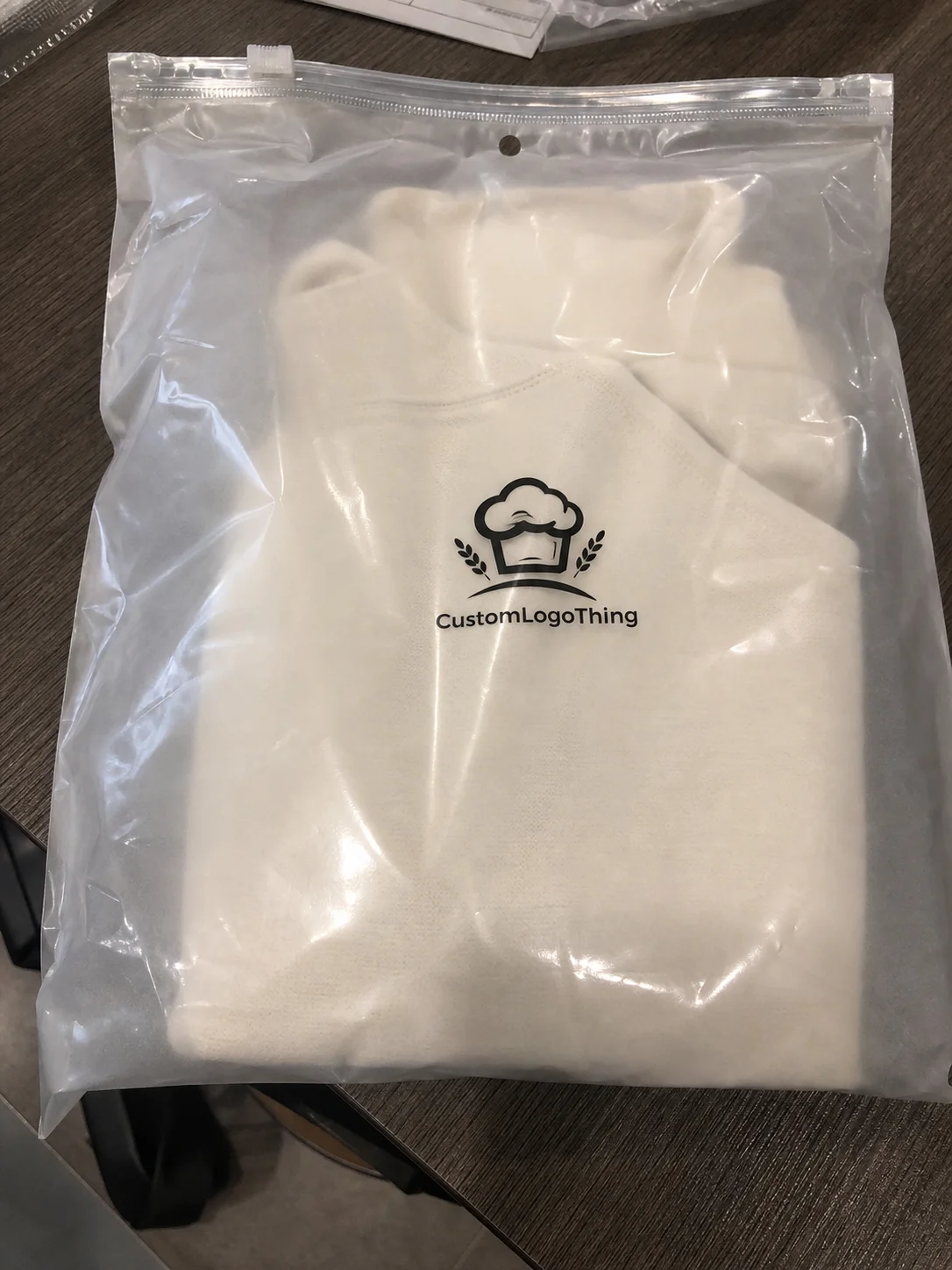
A $68 pair of leggings can lose perceived value in three seconds if it arrives in a cloudy, wrinkled bag with a weak seal. Buyers asking for a printed PVC Zipper Garment Bags quote for fitness are usually trying to solve several problems at once: presentation, protection, SKU control, and repeat handling.
That is not a cosmetic concern. Fitness apparel is often technical, moisture-wicking, compressive, brushed, bonded, ribbed, or cut from dense stretch fabric. The product may be premium, but the packaging sometimes looks as if it was chosen only after the launch date became urgent.
Clear PVC Zipper Garment Bags give activewear brands a useful middle position between disposable film and rigid retail packaging. The garment stays visible, so color, size, folded shape, hangtag, insert card, and promotional material can be checked without opening every unit. Warehouse staff can identify a black medium sports bra or navy compression top faster than they can with a blank opaque polybag, especially during replenishment or returns processing.
The zipper matters as much as the clear panel. An adhesive flap may survive one opening if the garment is packed carefully and the bag is not dusty. A zipper bag can be opened, checked, re-packed, and stored again, which is valuable for showroom samples, influencer kits, team apparel, subscription boxes, gym merchandise, and uniforms that move in and out of storage.
The buyers are not only large apparel companies. Activewear startups, private-label fitness brands, yoga studios, martial arts clubs, sports teams, boutique gyms, subscription apparel services, and corporate wellness programs all use this style of packaging. Their quantities, budgets, and presentation standards differ, but the quote logic is the same.
A quote is a specification translated into cost. Material thickness, dimensions, zipper style, print method, packing count, and delivery deadline all affect the final number.
Miss one of those details and the price can move sharply. A 20 mm size change may sound minor, but across 5,000 bags it can affect material yield, carton volume, freight weight, and production timing. Good packaging quotes start with accurate physical details, not guesswork from a size chart.
Printed PVC Zipper Garment Bags Quote for Fitness: What You Are Buying
A Printed PVC Zipper Garment bags quote for fitness covers a reusable transparent or semi-transparent PVC bag with a zipper closure and Custom Printed Branding. It is made for folded apparel storage, retail-ready presentation, e-commerce order preparation, showroom samples, shipment staging, or event merchandise packing.
This is not the same product as a basic plastic garment cover. A thin garment cover is usually loose, open-ended, and made for hanging apparel. A PVC zipper garment bag is more structured. It closes, stacks, and can carry a folded hoodie, leggings set, compression shirt, towel, resistance band kit, socks, team uniform, or branded giveaway.
Think of the category as sitting between a disposable polybag and a rigid apparel box. Polybags are low-cost and compact, but they rarely feel premium and usually do not support repeated access. Rigid boxes look expensive and photograph well, but they add storage space, freight cost, and assembly labor. PVC zipper bags often land in the practical center: better presentation than thin film, less bulk than cartons, and easier reuse than adhesive packaging.
Branding can stay simple or become highly functional. Common specifications include a one-color front logo, multi-color artwork, frosted panels, matte finish, barcode window, size marking, care instructions, warning text, zipper tape in a brand color, or a retail label area. A subscription fitness brand may want a clean logo and a blank SKU sticker zone. A sports club may need player name labels, team issue markings, or a bag that fits folded warmups plus socks.
Compliance should be handled before production, not after cartons are packed. If bags are distributed through retail, used near children, shipped cross-border, or packed with small accessories, confirm warning labels, ventilation holes, material requirements, and destination-market expectations early. For transport testing references, buyers can review packaging test frameworks from ISTA. For broader packaging and environmental context, the EPA Sustainable Materials Management resources are a useful starting point.
For a clean quote, most buyers want five answers quickly: unit price, MOQ, setup cost, production timeline, and freight estimate. Those answers are only reliable if the request includes the bag size, material gauge, logo plan, quantity, and shipping destination.
Material, Thickness, Zipper, and Print Specifications
PVC thickness is one of the first cost and quality decisions. Common garment bag ranges often run from about 0.10 mm to 0.30 mm, depending on product size, desired structure, and expected reuse. Thin PVC reduces material cost and shipping weight. Thicker PVC improves hand-feel, clarity retention, crease resistance, and the way the bag sits when stacked or displayed.
There is no universal best gauge. Lightweight tanks, sports bras, leggings, compression shorts, socks, and thin base layers can often use a lighter material. Bulky hoodies, tracksuits, folded yoga sets, towels, team kits, or merchandise packs with accessories may need a heavier sheet, a gusset, and a stronger zipper seam.
Buyers should define construction details before requesting pricing. A vague “clear zipper bag with logo” request produces a vague estimate, and the final invoice may change once the real specs appear. Better quote requests include:
- Bag width and height: measured from the folded garment, with insertion allowance.
- Gusset depth: useful for hoodies, towels, bundled sets, shoes, uniforms, or multi-item kits.
- PVC thickness: a target range, or a description of the desired hand-feel and reuse level.
- Zipper style: standard plastic zipper, slider zipper, metal puller, or reinforced zipper tape.
- Opening direction: top-opening, side-opening, or a hanging format.
- Ventilation holes: often requested for apparel packaging and safety requirements.
- Handle cutout or hanger hole: helpful for retail display, gym storage, sample rooms, or event bins.
Zipper choice deserves more attention than it usually receives. A standard plastic zipper may work for one-time customer presentation. A slider, stronger tape, or metal puller is usually better for showroom use, repeated opening, or team uniform distribution. If the bag will carry dense garments or move between warehouse, retail floor, event table, and customer bag, seam reinforcement should be part of the discussion.
Print method depends on artwork, quantity, and print area. Silk screen printing is common for bold logos, one-color marks, and limited-color brand graphics. More complex artwork may require transfer-style or digital-style production methods, depending on the available process, number of colors, and coverage. Pantone references help reduce color drift, especially for neon green, hot pink, cobalt blue, pastel lilac, metallic effects, or dense black branding.
Placement changes both cost and usability. A front-center logo is simple and familiar. A corner logo leaves more garment visible. A size grid supports warehouse picking. A back-panel care message may reduce insert cards. A side logo can read well on stacked bags. A retail label window keeps barcode scanning clean.
Small dimensional changes can have outsized effects. If a bag moves from 250 mm wide to 280 mm wide, material nesting may change during cutting. Across thousands of units, that can shift material consumption by several square meters and may change carton dimensions as well. Confirming the folded garment size before quoting is not administrative clutter; it is cost control.
Cost, Pricing, MOQ, and Unit Cost Drivers
The unit cost for custom Printed PVC Zipper Garment Bags is driven mainly by bag size, PVC thickness, zipper type, print color count, order quantity, packing method, and freight destination. That combination explains why two quotes can look far apart for bags that appear similar in a photo.
MOQ behavior is predictable. Lower quantities may be possible in some cases, but custom printing, material cutting, zipper setup, artwork handling, and packing labor make larger runs more economical. A buyer asking for 300 pieces may face a high unit cost because setup time is spread across fewer bags. At 3,000 or 5,000 pieces, the unit price usually improves, though storage space and cash flow still matter.
Typical pricing logic is plain: a large gusseted hoodie bag in thicker PVC with a color-matched slider zipper and multi-color print costs more than a flat, small, one-color pouch for leggings. That is not upselling. It is material, labor, component cost, and spoilage risk.
| Specification Choice | Lower-Cost Direction | Higher-Cost Direction | Buyer Impact |
|---|---|---|---|
| Bag size | Flat bag for leggings or tops | Large gusseted hoodie or kit bag | Affects PVC usage, carton size, and freight |
| PVC thickness | About 0.10-0.15 mm | About 0.20-0.30 mm | Changes hand-feel, structure, and reuse potential |
| Printing | One-color logo | Multi-color artwork or large coverage | Influences setup, registration time, and reject risk |
| Zipper | Standard plastic zipper | Slider, metal puller, or reinforced zipper | Improves handling but adds component cost |
| Quantity | Starter run | Bulk run with tiered pricing | Higher volume usually spreads setup cost better |
Setup charges may include artwork preparation, screen setup, sample production, cutting adjustments, or rush scheduling. A nonstandard shape can require tooling or cutting preparation. A tight delivery deadline may require schedule changes, simplified specifications, or expedited freight.
For a reliable quote, provide dimensions, thickness preference, artwork, print color count, quantity tiers, shipping address, target delivery date, and product photos if available. Quantity tiers are especially useful. Asking for 1,000, 3,000, and 5,000 pieces can reveal the price break where setup cost begins to spread efficiently.
Freight is often underestimated. PVC is denser than thin poly film, and thicker zipper bags can consume carton space quickly. Carton dimensions, stacked bag thickness, packing count, and destination can affect landed cost noticeably. A low ex-factory unit price can lose its advantage if the bags are packed inefficiently or must travel by air because the order started late.
The cheapest quote is not always the safest quote. Weak seams, poor zipper alignment, cloudy PVC, or print that rubs off can make a fitness product look cheaper than it is.
If Custom Logo Things is pricing the order, the most useful request includes the working specs, product category, artwork, destination, and two or three quantity targets. A single complete request is faster than several partial emails that each change one detail.
Process and Timeline from Artwork to Delivery
The production path is straightforward, but each step depends on buyer approvals. A normal order sequence includes spec confirmation, artwork review, quote approval, sampling or proofing, material preparation, printing, cutting, zipper installation, inspection, packing, and shipping.
The first decision is risk tolerance. Do you need a physical pre-production sample, a production proof, or direct bulk production? A sample adds time, but it can catch problems in fit, stiffness, logo scale, zipper position, print color, and whether the packed garment looks clean inside the bag. Direct bulk production may be acceptable for simple repeat orders or urgent promotional packaging, but it carries more risk.
Artwork review works best with vector files such as AI, EPS, or print-ready PDF. Raster images copied from a website are not ideal because edges can print soft, especially on clear material. Pantone references or approved brand color values help reduce variation between a screen image and printed PVC. Black is not always just black, either; an athleticwear brand using a dense black mark should specify the intended tone rather than assuming the ink will match a digital mockup.
Sample timing depends on complexity. A custom size with one-color printing can move faster than a frosted multi-panel bag with barcode blocks, warning text, and a custom zipper color. Production after proof approval often runs in business-day blocks, and the exact schedule depends on quantity, material availability, machine loading, inspection requirements, and shipping method.
Common delays are easy to predict:
- Unclear dimensions or no folded garment measurement
- Low-resolution artwork that must be redrawn
- Late approval of proofs or samples
- Material thickness changes after quoting
- Complex multi-color print that needs tighter registration
- Missing barcode, warning, or retail label details
- Last-minute freight upgrades caused by launch pressure
Timeline should be discussed before price is finalized. A rushed launch may require alternative PVC thickness, simplified printing, adjusted packing, or expedited shipping. Those choices affect cost and should be visible before the purchase order is issued.
Quality inspection should verify dimensions, zipper function, seam strength, print registration, logo clarity, carton count, and packaging cleanliness. Random inspection is practical for bulk runs. For higher-risk retail launches, buyers may request tighter AQL-style checks, documented tolerances, or more detailed approval samples.
Ask for a written timeline with approval deadlines. If the trade show, gym event, retail drop, or product launch date is fixed, the packaging plan needs the same discipline as the apparel production schedule. Assumptions are expensive, especially after cartons are already moving.
Quality Checks That Matter for Gymwear and Activewear Brands
Fitness packaging is handled harder than many buyers expect. Warehouse teams pick it. Sales reps open it. Customers reuse it. Returns come back in it. Event staff pack it into bins, vans, and display tables. Every touch stresses the zipper, seams, corners, and print.
Inspection should be specific. “Good quality” is too vague for a purchase order. Better criteria include smooth zipper movement, reinforced edges where needed, consistent bag size, no sharp corners, no ink smudging, no strong odor, clean transparency, and stable print placement. A tolerance such as ±3 mm on dimensions may be acceptable for some apparel bags; tighter tolerances may be needed for retail display consistency or multi-SKU packing.
Print durability matters more for reusable bags. A front logo should remain legible after normal handling, especially for team apparel, instructor uniforms, corporate wellness merchandise, or retail floor samples. If the bag is meant to be reused in a gym locker, rubbed against equipment, or packed in a travel duffel, print adhesion should be discussed before production.
Garment compatibility should also be checked. Dark fabrics, white fabrics, coated accessories, textured compression materials, silicone grip details, and heat-transfer labels can interact differently with packaging. The approved sample should be tested with the actual garment where possible. Pack it, leave it for a short period, open it, and check for marking, rubbing, odor transfer, or residue.
PVC clarity influences perceived product value. Clear PVC displays color and folding, which can help printed leggings, bright team apparel, and seasonal collections. Frosted PVC can feel more restrained and can hide minor folding imperfections, which may suit minimalist hoodies or recovery wear. Both can work; the wrong choice depends on the garment, the channel, and how much of the product should remain visible.
A branded zipper bag can function like a small retail fixture. A cloudy or warped bag can make premium activewear look like overstock. That comparison sounds harsh, but buyers see it in unboxing photos, event tables, and retail shelves every day.
Document requirements in the purchase order. Material thickness, print location, zipper color, carton pack count, warning label placement, defect thresholds, and approved sample reference should be written down. The approved sample should become the benchmark, not scattered email comments from three weeks earlier.
How Custom Logo Things Builds Fitness Packaging Orders
Custom Logo Things helps buyers turn a packaging idea into a quote-ready specification. That matters because many brands start with a catalog image and a rough size guess. A catalog image does not tell the supplier whether the bag needs 0.15 mm PVC, a 40 mm gusset, a slider zipper, or a barcode panel.
The process is fact-based. The team reviews garment size, retail channel, branding requirements, target quantity, budget expectations, and shipping destination before recommending specs. A startup selling leggings online may need practical MOQ guidance and a clean one-color logo. An established activewear brand may need tighter color control, bulk carton labels, multi-SKU consistency, and repeat-order documentation.
Customization can include bag dimensions, PVC thickness, zipper color, puller style, logo printing, warning labels, barcode panels, frosted effects, matte finishes, hanger holes, ventilation holes, and carton packing formats. Not every option belongs on every order. Many brands overspend by adding features that do not improve the customer experience, warehouse flow, or retail presentation.
The opposite problem is just as common. A buyer underspecifies the bag, saves a few cents per unit, then discovers the zipper catches, the PVC wrinkles around bulky hoodies, or the logo sits too low once the garment is inserted. Cheap packaging becomes expensive when it creates repacking work, customer complaints, or a product presentation that does not match the apparel.
Hidden cost drivers deserve attention early: freight volume, sampling decisions, artwork readiness, print coverage, carton packing, and the risk of a bag that looks fine in a static image but fails during handling. Better specification work produces clearer pricing, fewer revision cycles, more reliable replenishment, and packaging that matches the buyer’s fitness product positioning.
For an activewear launch, team apparel program, yoga studio merchandise line, or subscription fitness apparel order, share the working details through Contact Us. The more complete the inputs, the more useful the quote.
Next Steps Before You Request Your Custom Bag Quote
Before requesting a printed pvc zipper Garment Bags Quote for fitness, measure the product, not just the size chart. Fold the garment exactly as it will be packed. Measure width, height, and thickness. Add enough allowance so warehouse staff can insert the item without forcing the zipper or distorting the folded shape.
Then define the bag’s job. Is it for e-commerce packaging, retail display, influencer kits, gym merchandise, team uniform storage, showroom samples, or reusable customer storage? A bag built for a one-time online shipment does not need the same zipper and PVC gauge as a sample bag opened repeatedly by a sales team.
Prepare these details before sending the request:
- Folded garment measurements: width, height, and thickness or gusset requirement.
- SKU count: number of sizes, colors, or product types using the bag.
- Bag sharing plan: whether one bag size can serve several apparel sizes.
- Artwork: vector logo, color references, placement notes, and print size.
- Retail information: barcode area, warning text, care message, or size marking.
- Quantity tiers: for example, a starter quantity plus two replenishment options.
- Deadline and destination: required arrival date and shipping address or region.
Photos help. A folded hoodie inside an existing bag tells more than a spreadsheet cell. A resistance band set with inserts and socks may need a gusset even if the apparel size looks small on paper.
Two or three quantity tiers are useful because they show whether the price break justifies ordering more at once, or whether a smaller first run is smarter for a new product launch. The right answer depends on cash flow, storage space, SKU uncertainty, and replenishment speed.
For the fastest review, send dimensions, quantity, artwork, thickness preference, zipper preference, and delivery requirements together through Contact Us. Complete information beats a rushed one-line request every time, especially for packaging that needs to protect the garment and support the way the brand sells it.
Frequently Asked Questions
What information is needed for a printed PVC zipper garment bags quote for fitness apparel?
Provide bag width, height, gusset if needed, PVC thickness preference, zipper style, print colors, artwork file, order quantity, shipping address, and target delivery date. If dimensions are uncertain, send the folded garment size or a photo with measurements so the bag can be quoted accurately.
What MOQ should fitness brands expect for custom printed PVC zipper garment bags?
MOQ depends on size, print method, and customization level. Custom printed runs usually become more cost-efficient at higher quantities because setup, cutting, and printing costs spread across more units. Request multiple quantity tiers, such as a starter run and two larger options, to compare unit cost and setup impact.
How thick should PVC zipper bags be for leggings, hoodies, or gymwear sets?
Lightweight items such as leggings, tanks, and sports bras can often use thinner PVC. Hoodies, tracksuits, towels, and bundled fitness kits may need thicker material for better structure and reuse. The right thickness depends on garment weight, presentation goals, handling frequency, and shipping conditions.
Can printed PVC zipper garment bags include logos, barcode panels, and warning text?
Yes. Bags can typically include front logos, size labels, barcode areas, care text, warning statements, and short brand messages. Vector artwork and clear placement instructions reduce proofing delays and improve print accuracy.
How long does production take for custom PVC zipper garment bags for fitness brands?
Timeline depends on sample approval, material availability, print complexity, quantity, and shipping method. The fastest path is to approve dimensions and artwork early, confirm the quote promptly, and avoid changing material thickness or logo placement after proofing.


