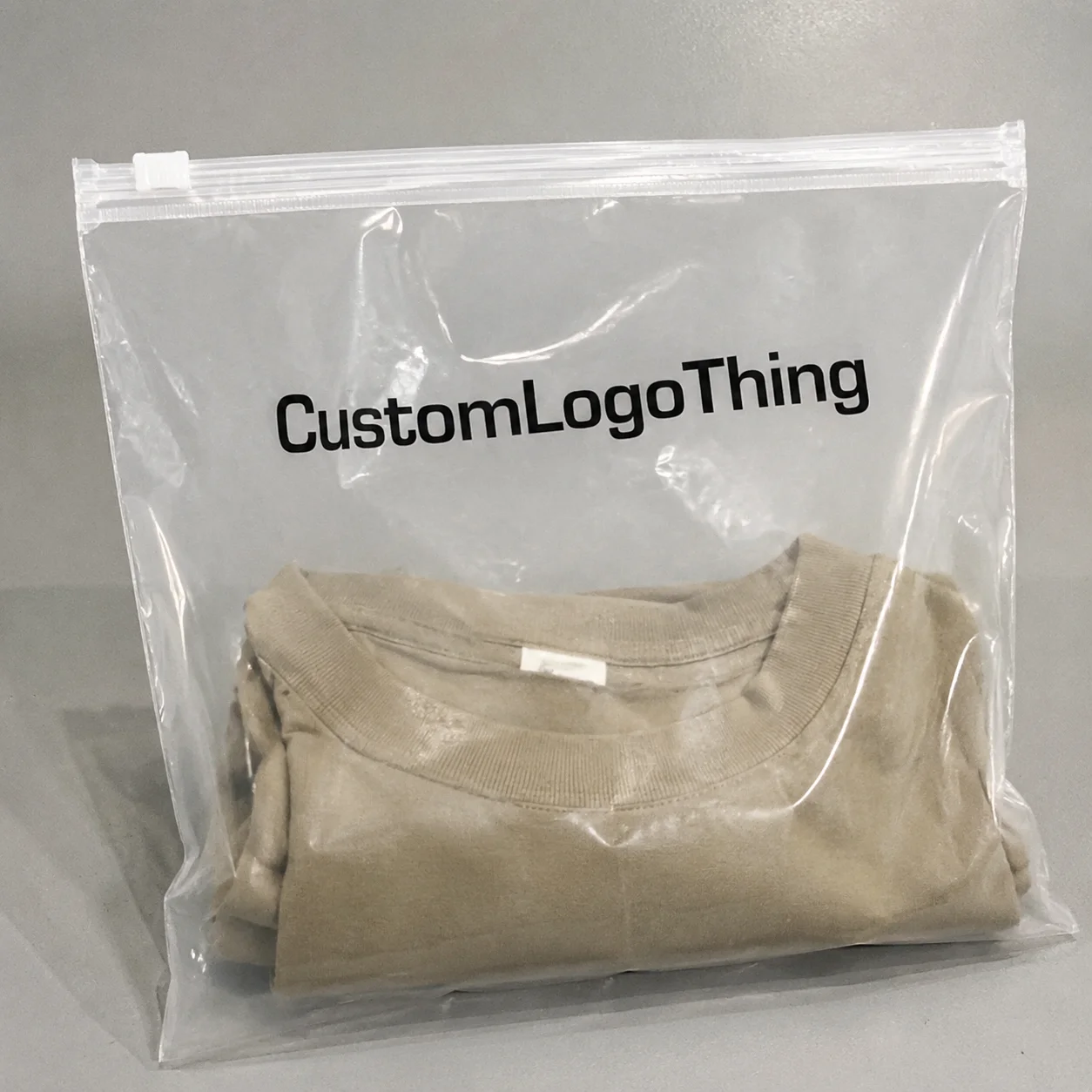
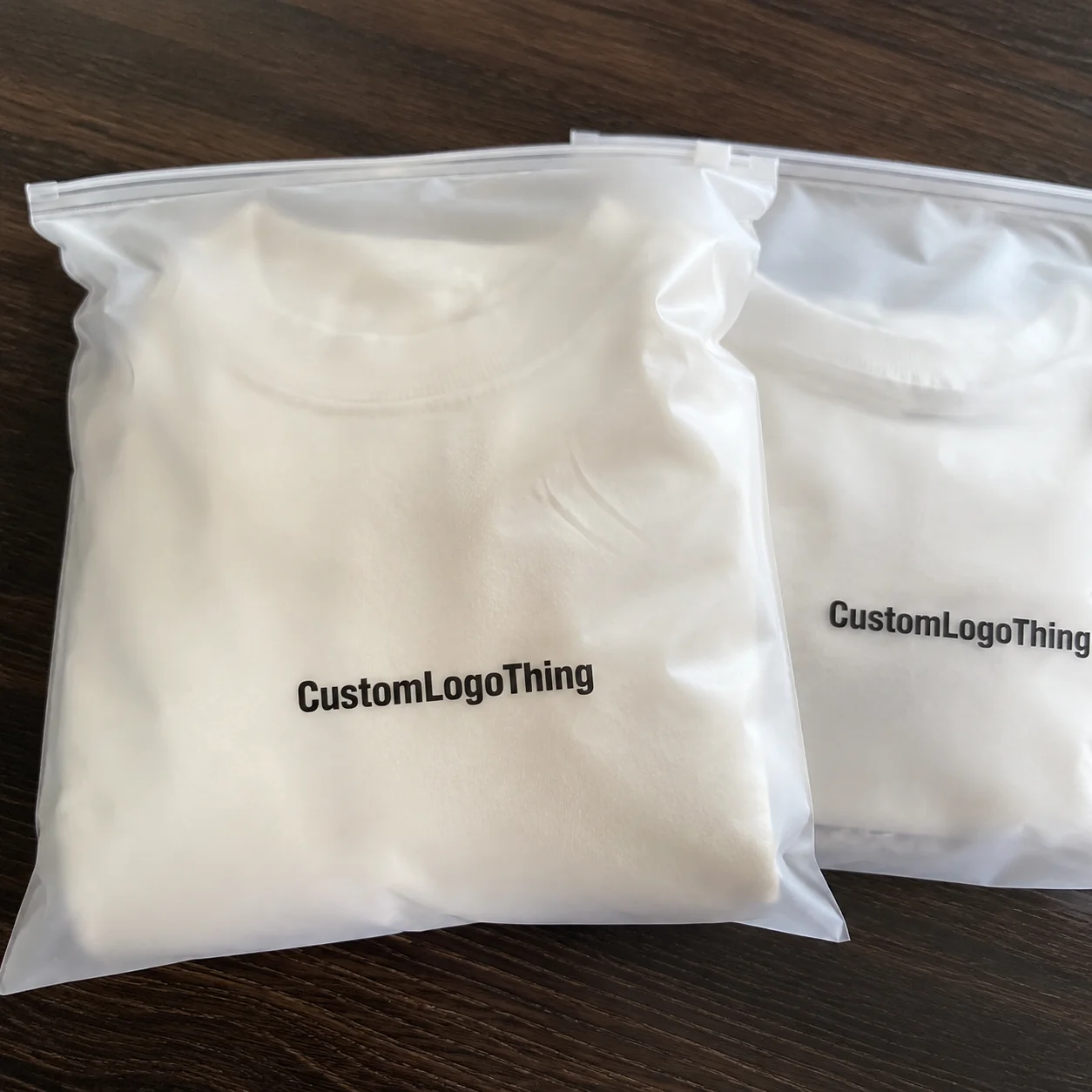
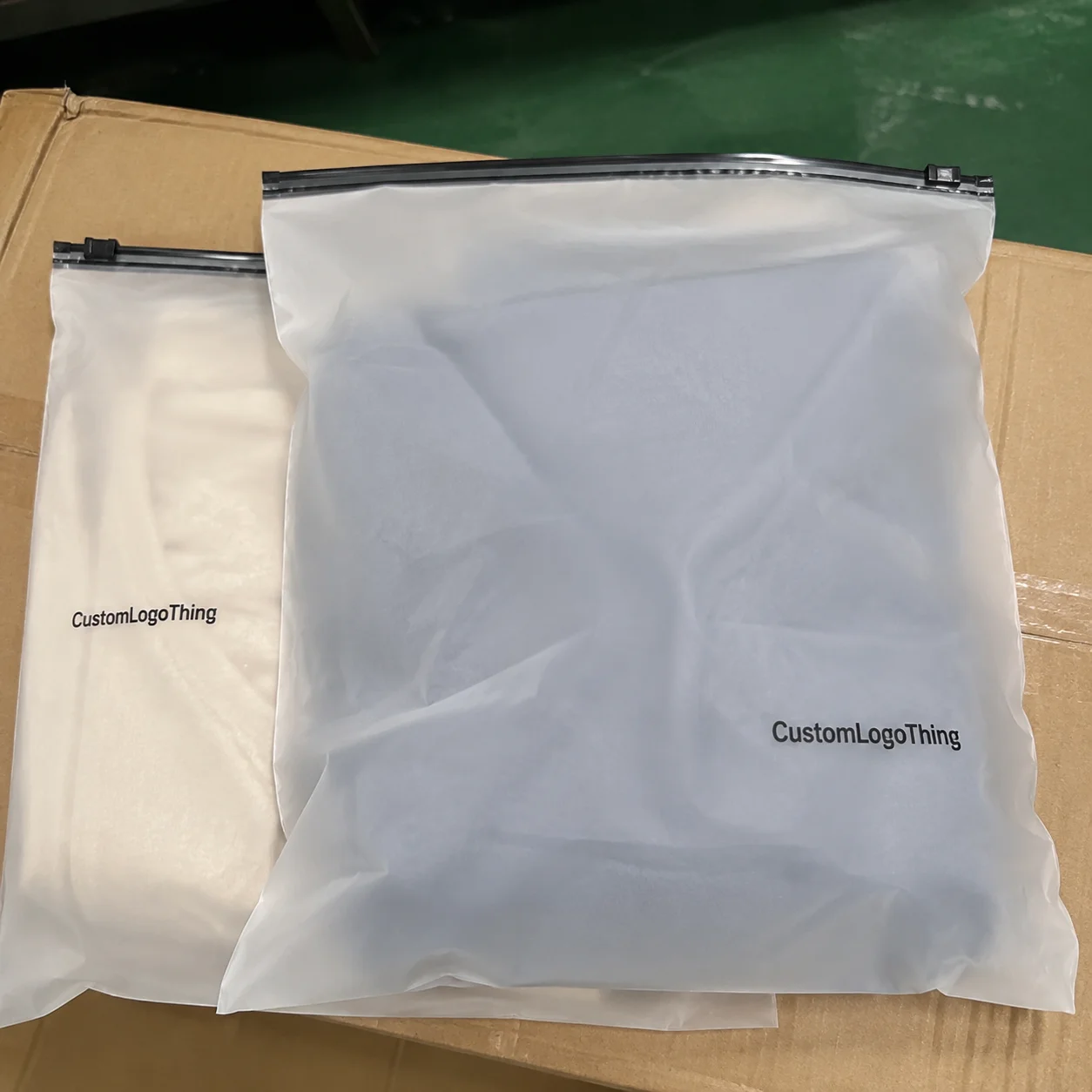
A pressed suit can leave housekeeping looking perfect, then pick up lint from a cart, rub against a corridor wall, fold awkwardly in a closet, or get tossed into a car trunk before the guest reaches the airport. That is the real job of custom PVC Zipper Garment Bags for hotel brands: they protect the garment, but they also protect the service impression the hotel has already worked to create.
Hotels spend carefully on interiors, uniforms, scent programs, stationery, guest amenities, and linen presentation. Then some properties return dry cleaning in a thin, noisy sleeve that feels like it came free with a discount rain poncho. Guests notice that kind of mismatch, especially in suites, wedding blocks, long-stay rooms, and valet laundry service.
A well-specified PVC zipper garment bag is part protection, part workflow tool, and part branded packaging. It should hang neatly, open without a fight, survive repeated handling, and carry the hotel mark with enough restraint that the bag feels intentional rather than promotional.
What Custom PVC Zipper Garment Bags for Hotel Brands Actually Do
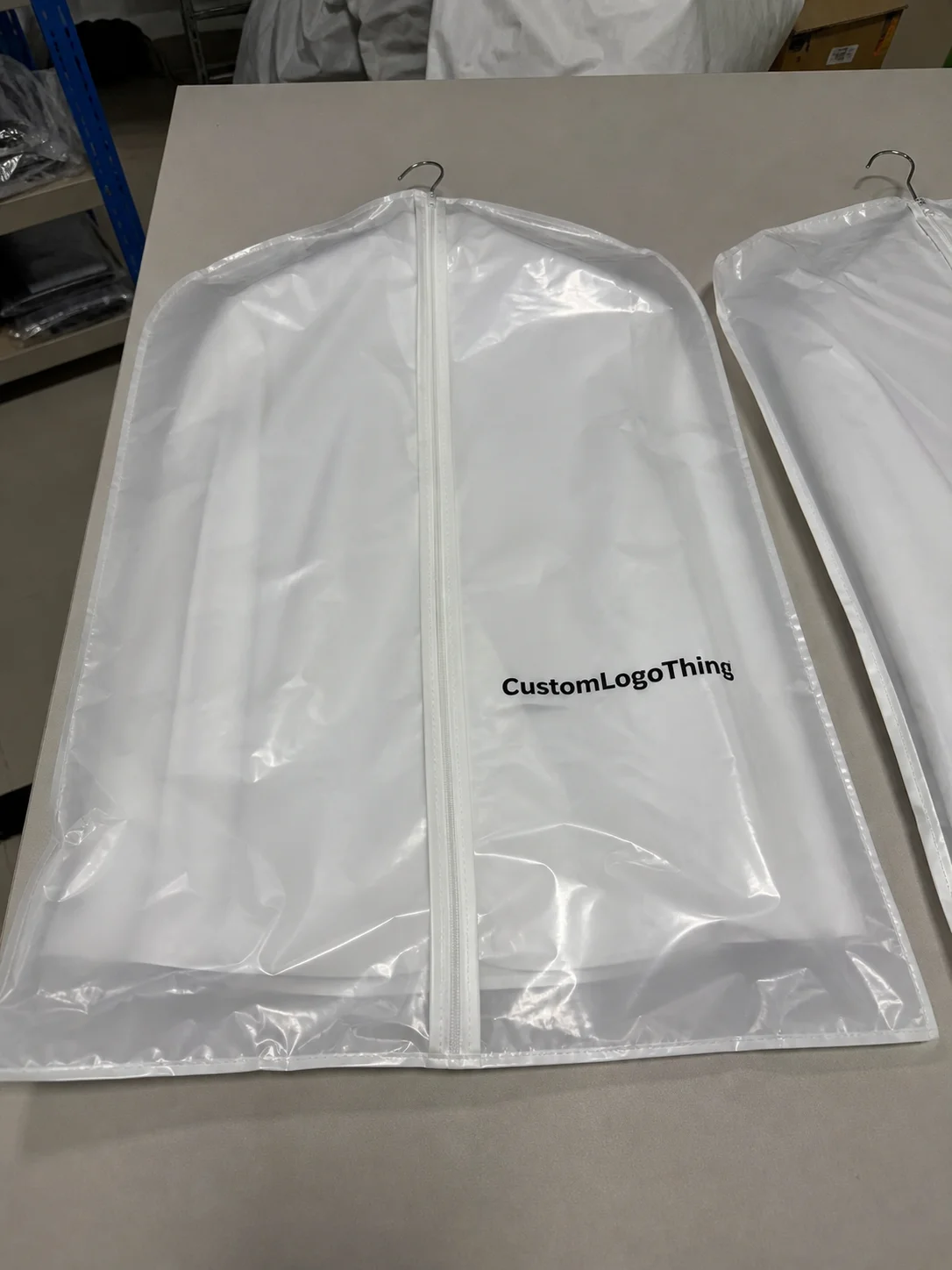
Custom PVC Zipper Garment Bags for hotel brands are clear, frosted, tinted, or semi-clear PVC covers made with a zipper closure, hanger opening, reinforced seams, and printed hotel branding. They are used by luxury hotels, boutique properties, resorts, casino hotels, spas, serviced apartments, and hospitality groups that handle laundry, dry cleaning, wardrobe storage, wedding garments, VIP luggage, staff uniforms, or retail-style guest merchandise.
The basic function is simple: keep garments clean, organized, and presentable after staff have already done the labor. A suit jacket returned from valet laundry should not collect dust from a closet rail or wrinkle because the cover is too short. The bag is the final layer between “premium service” and “why did I pay extra for this?”
Disposable poly garment covers still have a place. They are cheap, light, and useful for high-volume back-of-house movement where the guest may never really interact with the packaging. PVC Zipper Garment Bags are different. They look cleaner, feel more substantial, hang better, and can be reused for guest-facing service.
Common hotel use cases include:
- In-room closet presentation for suites, VIP rooms, and extended-stay guests.
- Valet laundry return where garments need a more polished handoff.
- Wedding garment care for dresses, suits, tuxedos, gowns, and eveningwear.
- Conference wardrobe support for speakers, executives, performers, and event hosts.
- Retail-style amenity packaging for robes, spa garments, resort apparel, or branded merchandise.
- Luggage support where guests take the bag into cars, airports, homes, and sometimes photos.
That last point deserves attention. A napkin logo usually stays in the room. A garment bag can leave the property and continue carrying the brand in closets, vehicles, and guest homes. From a packaging perspective, that is useful visibility attached to an item with a real purpose.
Practical rule: the best hotel garment bags balance clarity, durability, zipper feel, print quality, and storage efficiency. Chasing only the lowest unit price usually creates a bag that looks tired before the guest even touches it.
How PVC Zipper Garment Bags Are Built and Branded
A standard PVC zipper garment bag has a front panel, back panel, zipper track, top hanger slit or reinforced hanger opening, side seams, and bottom seam. Depending on the service model, the bag may also include carry handles, side gussets, snap closures, name card pockets, laundry tag windows, matte trim, custom zipper tape, or bound edges.
Most hotel bags use PVC somewhere between 0.10 mm and 0.30 mm thick. Lighter laundry bags often sit around 0.10 mm to 0.15 mm. They reduce cost and storage bulk, but they crease more easily and feel less substantial. Reusable guest-facing bags often sit around 0.18 mm to 0.30 mm, with the heavier end reserved for bags that need a more structured, premium feel.
Clear PVC is practical because staff and guests can see the garment without opening the bag. Frosted PVC looks softer and hides light scuffing better. Tinted PVC can support a hotel color palette, especially smoke gray, champagne, soft black, muted bronze, or warm neutral tones. Opaque panels give stronger visual control, but they reduce garment visibility. Materials always ask for tradeoffs.
Zippers deserve more attention than they usually get. Nylon coil zippers are common because they are flexible, economical, and easy to source. A metal-look slider can make the bag feel more refined without adding the weight and stiffness of a full metal zipper track. For suits, dresses, and gowns, a full-length front zipper is usually easier for both staff and guests than a short opening. If the garment has to be wrestled in or out, the bag is working against the service.
For branding, screen printing is usually the cleanest method for simple hotel logos and one- or two-color marks. Heat transfer or digital print can suit detailed artwork, gradients, or more complex packaging design. Printed labels and inserts may work for lower-volume customization, although they rarely feel as integrated as direct printing.
Logo placement should be controlled. Hotels usually do well with center-front logos, lower-corner marks, subtle vertical branding near the zipper, or a small branded header area. A giant logo across the whole front can make the bag feel like event swag. Fine for a conference giveaway, less convincing inside a five-star wardrobe.
| Spec Option | Best Use | Typical Tradeoff |
|---|---|---|
| 0.10 mm–0.15 mm clear PVC | Basic laundry return, operational use | Lower cost, lighter feel, less premium durability |
| 0.18 mm–0.25 mm frosted PVC | Guest-facing hotel closets, suites, VIP service | Better presentation, higher unit cost and carton volume |
| 0.25 mm–0.30 mm tinted PVC | Luxury garment care, wedding service, premium storage | Premium feel, higher material and freight cost |
| Full-length nylon zipper | Frequent staff and guest access | Easier use, slightly higher cost than short zipper openings |
| Reinforced hanger opening | Reusable hotel bags and heavier garments | Adds cost, prevents tearing at the highest-stress area |
If garment bags belong to a wider guest packaging system, they should coordinate with other custom packaging products such as amenity boxes, robe packaging, laundry envelopes, wardrobe tags, and retail bags. Consistent material choices and logo scale make the brand feel planned. Random finishes make procurement look rushed, even when the service behind them is excellent.
Key Specs Hotels Should Decide Before Ordering
Start with size. Not logo, not color, not the zipper pull. Size. A beautiful bag that crushes the bottom of a dress or leaves suit shoulders exposed is just decorative failure with a zipper attached.
Shorter formats may work around 24–26 inches wide by 36–40 inches tall for shirts and jackets. Suit and dress bags often run closer to 24–28 inches wide by 42–54 inches tall. Long gowns, formal uniforms, and wedding garments may need 60 inches or more in length. Exact sizing should come from the property’s service needs, not a generic catalog template.
Measure real garments before requesting quotes. Use at least three samples: a suit jacket, a dress or gown, and the longest item the hotel expects to handle. Add clearance for the hanger and leave enough bottom space so garments do not bunch. Also check wardrobe depth and hanging height in the rooms where the bags will be used. A long bag folded against the closet floor looks sloppy and can wrinkle the garment it is supposed to protect.
Thickness is the next practical decision. Thin PVC keeps cost and bulk down, which helps high-volume laundry programs. The downside is more creasing, weaker stress points, and a lighter hand feel. Thicker PVC looks and feels more premium, but it costs more, increases carton volume, and may require more storage room in housekeeping areas.
Zipper length and placement affect labor. A full front zipper usually wins for ease of use. A partial zipper can reduce cost, but only if garments are not accessed often. For valet laundry and guest-facing wardrobe care, staff should not need to angle, bend, and tug the garment into the bag. Staff time is a cost, even when it does not appear as a line item on a supplier quote.
Seam quality matters as much as the panel material. Heat-sealed seams are common for PVC garment bags and can be fully suitable when properly executed. Stitched and bound edges can look more premium, especially with matte or fabric-like trim. Reinforcement around the hanger opening is strongly recommended for reusable hotel bags because that area carries repeated load from hangers, garment weight, and staff handling.
For hospitality branding, restraint usually looks more expensive. A one-color logo, subtle tone-on-tone print, or small lower-corner mark often feels more refined than large multicolor artwork. Save louder graphics for retail packaging if the brand calls for it. In a hotel closet, calm usually wins.
Operational details should be settled before quoting:
- Will bags be stored flat, folded, or hanging?
- How many bags need to fit in a housekeeping cart?
- Should cartons be labeled by room type, service tier, or department?
- Will staff need to read or scan laundry tags through a window or pocket?
- Does the hotel want individual packing, bundled packing, or bulk carton packing?
- Will the bag be reused by staff, retained by guests, or treated as a premium disposable item?
A simple spec sheet saves time. Include finished size, PVC thickness target, material color, zipper style, logo color count, print placement, quantity, packing method, delivery deadline, and any internal compliance requirements. Clear specs produce useful quotes. Vague specs produce quote soup.
Pricing, MOQ, and Unit Cost Drivers
Pricing for hotel-branded PVC zipper garment bags depends on material thickness, finished size, order quantity, zipper quality, print method, number of logo colors, reinforcement details, packing method, and shipping terms. A serious quote should ask for those details. If it does not, the number is probably a placeholder wearing a confident hat.
Small custom runs carry higher setup costs because artwork preparation, printing setup, sample work, and production handling are spread across fewer units. Larger runs spread those costs across more bags. Basic custom PVC garment bags may start at a few hundred units, but better unit pricing often appears around 1,000 units or more. For hotel groups, resort openings, or multi-property programs, quantity breaks at 2,500, 5,000, or 10,000 units can change the numbers significantly.
A basic clear PVC garment bag with lighter material and a simple one-color logo may fall in a broad range around $1.20–$2.50 per unit at moderate quantities. Premium frosted or tinted bags with thicker PVC, full zippers, reinforced hanger openings, custom zipper tape, and neater packing may land closer to $2.80–$6.50+ per unit. Larger gown bags, luxury builds, specialty finishes, and complex printing can go higher. These are directional ranges, not fixed pricing, because freight, resin costs, labor, and exchange rates do not care about tidy spreadsheets.
Large bags cost more than small bags even with the same logo. More PVC, a longer zipper, more seam work, larger cartons, and higher freight volume all add cost. A 60-inch gown bag is not merely a tall shirt bag; it has a different cost structure.
Print choices also move the price. One-color screen printing is usually the most economical. Multiple colors, large coverage, metallic effects, full-panel artwork, or high-detail digital printing add complexity. Metallic inks and specialty finishes should be tested on the selected PVC surface because ink adhesion, drying behavior, and rub resistance can vary.
Freight can surprise buyers. PVC garment bags are not usually extremely heavy, but they are bulky. Air freight is faster and expensive. Ocean or ground shipping is slower and easier on the budget. If a hotel opening is four weeks away and the bags are still in proofing, air freight may become the only workable option, and that is where a nice unit price starts losing its charm.
Do not compare quotes unless the specs match. A 0.12 mm clear bag with a short zipper is not the same product as a 0.25 mm frosted bag with a full-length zipper and reinforced hanger opening. Both may be described as PVC garment bags, but the guest experience and cost basis are not the same.
Before choosing a supplier, ask for:
- Unit cost at two or three quantity breaks.
- Setup charges, plate charges, and sample fees.
- Estimated carton dimensions and carton weight.
- Production lead time after proof or sample approval.
- Freight options by air, ocean, ground, or courier.
- Whether hanger-opening reinforcement is included.
- Size tolerance, print tolerance, and basic quality-control standards.
For properties comparing garment bags with other branded items such as custom printed boxes, laundry folders, and amenity packaging, it helps to review completed work and material decisions. The Custom Logo Things case studies show how specification choices affect final presentation and cost.
Testing and transit standards can also matter for larger programs. For shipping performance, the International Safe Transit Association publishes widely used package testing protocols. They are more often discussed for boxed goods than garment bags, but the thinking still applies: packing method, carton strength, and transit handling should be planned before pallets are moving.
Process, Timeline, and Production Steps
The normal process is straightforward: confirm the use case, choose dimensions and thickness, provide logo artwork, review a digital proof, produce a sample if needed, approve production, manufacture, inspect, pack, and ship. The sequence is simple. Delays usually come from unclear decisions, missing artwork, revised deadlines, or late internal approvals.
The design stage should cover both branding and function. Pretty artwork does not help if housekeeping cannot open the zipper quickly or the bag is too short for guest garments. A useful proof should show logo size, placement, bag dimensions, zipper direction, hanger opening, pockets, handles, and any trim or reinforcement details.
Artwork should be supplied as vector files whenever possible. AI, EPS, or editable PDF files are the usual preference. Low-resolution screenshots are not production artwork; they are a problem waiting to be redrawn. If the hotel has brand guidelines, provide logo spacing rules, Pantone references, preferred placement, minimum logo size, and any restrictions on color use.
Sampling is smart for premium hotel brands, new sizes, custom zipper colors, tinted PVC, heavier gauges, or higher-volume orders. A pre-production sample can add one to two weeks, sometimes more for unusual trim or printing. That extra time is often worth it. A sample can reveal a stiff zipper, excessive PVC odor, weak hanger reinforcement, awkward logo scale, or a bag length that looked fine on paper but fails in the actual closet.
Typical timing looks like this:
- Use-case and spec confirmation: 1–3 business days if measurements are ready.
- Digital proofing: often 2–5 business days depending on revision rounds.
- Sample production: commonly 7–14 days for basic builds, longer for complex customization.
- Bulk production: often several weeks after approval, depending on quantity and production schedule.
- Shipping: a few days by express air in some cases, several weeks by ocean depending on route and destination.
Rush orders are sometimes possible. They are not magic. Rush production narrows customization choices, increases error risk, and may require air freight. If the hotel opening, brand refresh, or wedding season launch is fixed, build a reverse timeline from the date the bags need to be in the stockroom. Add time for inspection, freight, production, sampling, proofing, and internal review.
Quality control should check logo placement, print clarity, zipper movement, seam strength, PVC clarity, odor level, size tolerance, and packing accuracy. PVC odor can vary by formulation and production freshness, so allow airing time if bags will go straight into guest rooms. Also confirm that the material and printing meet any applicable buyer requirements, local regulations, and internal hotel procurement standards.
For sustainability and material policy discussions, the EPA’s Sustainable Materials Management resources are useful background reading. PVC is durable and reusable, but it is still a plastic material. Hotels with strict sustainability goals may want to compare expected lifespan, reuse rate, storage needs, and alternative materials before committing to a large program.
Common Mistakes That Make Hotel Garment Bags Look Cheap
The first mistake is choosing the thinnest PVC available to save a few cents. Guests can feel flimsy material immediately. Staff can feel it too, usually right before the hanger opening starts splitting. If the bag is guest-facing, ultra-thin material is rarely the smart savings move it appears to be.
The second mistake is oversizing the logo. Hospitality packaging should feel polished, not like trade show merchandise. A clean mark in the lower corner, centered upper panel, or subtle vertical placement often looks more expensive than a giant logo shouting from inside the closet.
The third mistake is ignoring zipper quality. If the zipper catches, jams, or separates, the whole bag feels defective even if the PVC is acceptable. Test zipper movement with the bag hanging and with a real garment inside. Flat table testing is useful, but it does not show the full handling experience.
The fourth mistake is using the wrong size. A bag that crushes the bottom of a dress or leaves suit shoulders exposed defeats the purpose of garment protection. Measure before ordering. Catalog defaults are not psychic.
The fifth mistake is skipping storage planning. Thick reusable garment bags need space in housekeeping carts, laundry rooms, closets, and stock areas. A premium 0.25 mm bag may look excellent, but if the housekeeping team has nowhere to store 2,000 of them, the project becomes irritating quickly.
The sixth mistake is approving a quote without checking freight. The unit price may look pleasant until carton volume and delivery speed enter the conversation. Ask for carton dimensions early. Bulky packaging creates bulky freight bills.
The seventh mistake is not testing staff workflow. A bag that looks great on a conference table can be frustrating during real laundry return. Have housekeeping or valet staff test opening, loading, hanging, tagging, folding, and cart storage. Five minutes of staff feedback can prevent months of quiet annoyance.
The eighth mistake is ordering too close to launch. Custom packaging has proofing, production, inspection, and transit stages. Pretending those stages do not exist does not make them shorter; it just pushes stress into the final two weeks.
Build a Bag Spec Your Supplier Can Quote
Start by identifying the exact hotel use case. Is the bag for laundry return, closet presentation, VIP garment care, wedding service, uniform handling, spa garment packaging, or a guest retail amenity? Each use has different size, durability, and branding requirements.
Next, measure three real garments: a suit jacket, a dress or gown, and the longest item the property expects to handle. Use those measurements to set width and length. Add hanger clearance. Check the hotel wardrobe height. If the bag will be folded into luggage, test the fold pattern and see whether the PVC creases too aggressively.
Choose a quality tier:
- Basic reusable: clear PVC around 0.10 mm–0.15 mm, simple zipper, one-color logo, bulk packing.
- Premium guest-facing: 0.18 mm–0.25 mm PVC, full front zipper, reinforced hanger opening, refined logo placement.
- Luxury branded: 0.25 mm–0.30 mm or heavier feel, frosted or tinted PVC, upgraded slider, custom trim, careful packing.
Then set the visual direction. Clear PVC with a small logo is practical and clean. Frosted PVC with tone-on-tone printing feels quieter and more upscale. Tinted PVC with contrast print can support a strong brand palette. Opaque trim with a branded zipper color can tie the garment bag to the hotel’s wider product packaging system.
Prepare a quote packet before asking suppliers for pricing. Include quantity, finished size, thickness target, PVC color, zipper style, logo file, print colors, packing requirements, delivery location, and deadline. Ask for quantity breaks, sample options, production timeline, freight estimates, and confirmation on hanger reinforcement.
Order a prototype if the bags are guest-facing, tied to a hotel opening, used for weddings, or intended for a luxury property. Guessing is cheaper until it becomes reordering. A sample lets the team feel the PVC, test the zipper, load actual garments, check logo scale, evaluate odor, and confirm storage fit.
The strongest Custom PVC Zipper Garment Bags for hotel brands are built around two realities: guest perception and back-of-house handling. Get both right, and the bag quietly supports the service. Get either wrong, and everyone notices for the wrong reason.
FAQ
What size custom PVC garment bags do hotel brands usually need?
Most hotels choose sizes based on suits, shirts, dresses, and laundry return needs rather than copying a generic retail garment bag. Shorter bags can work for shirts and jackets, while gowns, uniforms, and wedding garments need longer formats. Measure real garments before ordering and allow enough shoulder width, hanger clearance, and bottom space so clothing does not bunch.
How much do custom PVC zipper garment bags for hotels cost?
Cost depends on size, PVC thickness, zipper type, logo print, order quantity, packing, and freight. Basic custom bags may land around $1.20–$2.50 per unit at moderate quantities, while premium hotel-facing bags can run $2.80–$6.50+ depending on specs. Compare quotes only when thickness, size, zipper, reinforcement, and print details match.
What is the typical MOQ for hotel branded PVC zipper garment bags?
Many custom orders start at a few hundred units, but better unit pricing often appears at higher quantities such as 1,000 units or more. MOQ can change based on material color, zipper customization, print method, and whether similar components are already available. For boutique hotels, a simple one-color logo on a standard clear PVC bag can help keep MOQ and cost more manageable.
Are PVC zipper garment bags better than disposable poly garment covers?
PVC zipper bags are usually more durable, more premium-looking, and better for reusable guest-facing service. Disposable poly covers are cheaper and fine for basic dry-cleaning protection, but they rarely feel luxury. Hotels often use PVC bags for VIP, suite, wedding, or branded laundry service and poly covers for lower-cost operational use.
How long does production take for custom hotel garment bags?
Timeline depends on proofing, sampling, production complexity, order quantity, and shipping method. Digital proofing may take a few business days, samples can add one to two weeks, and full production usually requires several weeks after approval. If bags are needed for a hotel opening or event, build the schedule backward and leave buffer time for revisions, inspections, and freight delays.
Final advice: custom PVC zipper garment Bags for Hotel Brands work best when the specification is practical, not just attractive. Choose the right size, thickness, zipper, reinforcement, and logo placement first. The polished brand impression follows from those decisions.