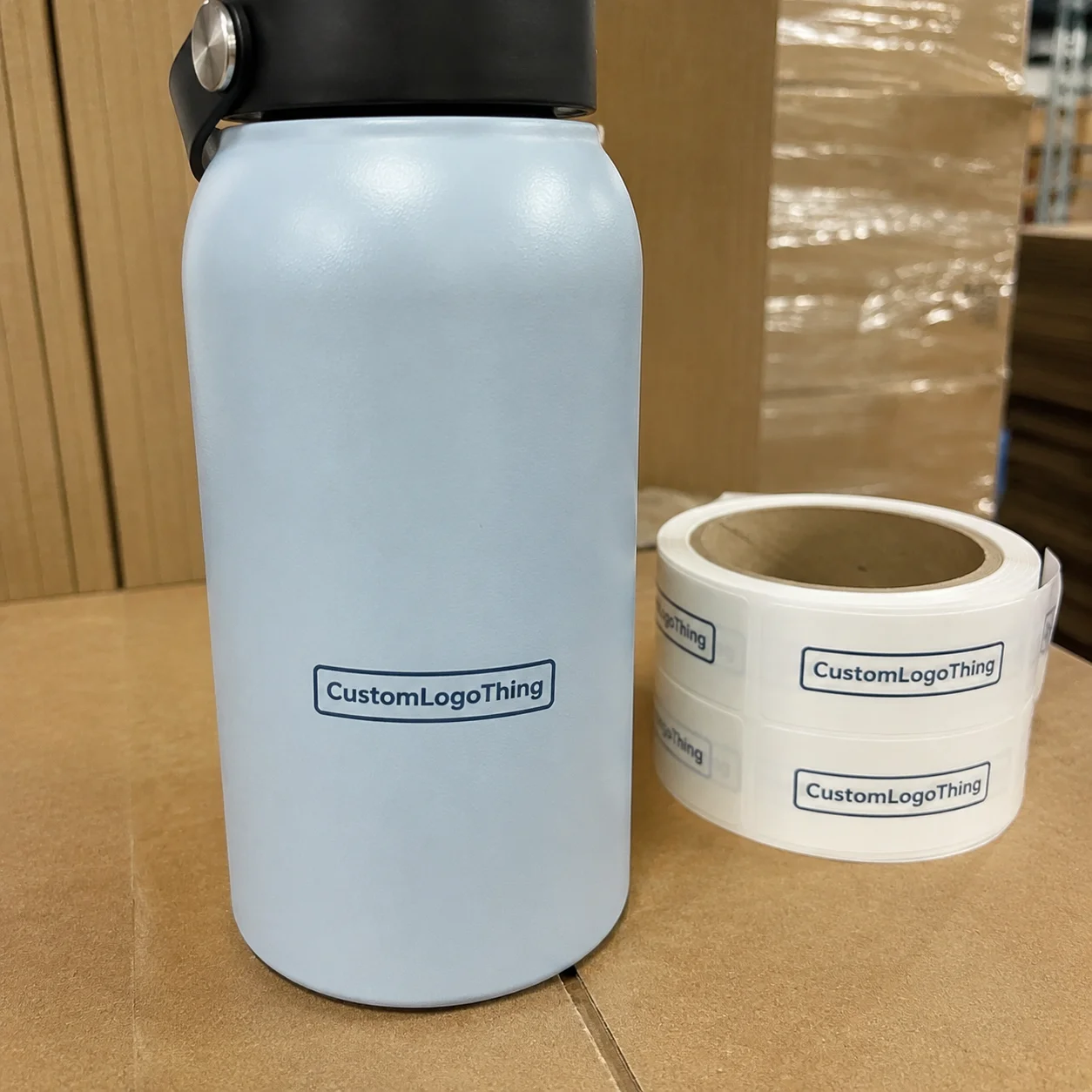
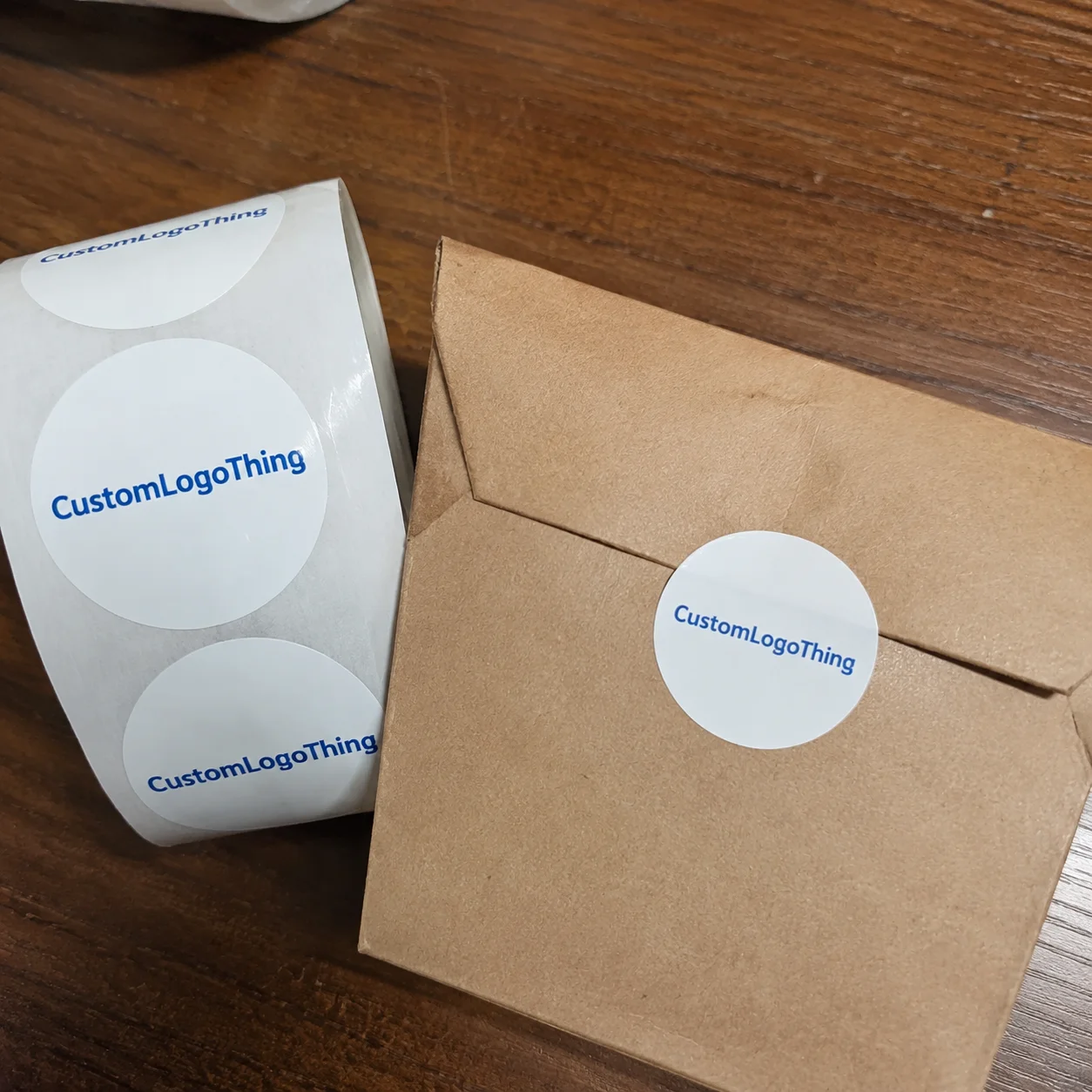
A bat sticker is often smaller than a credit card, yet it may carry a team name, player identity, sponsor mark, equipment ID, and tournament branding in one sweaty, dusty, high-friction spot. That is a lot of work for a small piece of printed adhesive film.
Custom bat stickers are adhesive labels made for baseball, softball, cricket, and training bats. In practice, the better ones are built from durable vinyl, laminated film, or specialty label stock that can tolerate repeated hand contact, gear-bag abrasion, dugout dust, and wipe-downs with a towel. They are not paper office labels with a sports logo printed on top.
A bat is curved. It is gripped, dropped, packed, cleaned, tapped against cleats, leaned on fences, and sometimes dragged through dirt by a player who has no interest in preserving your label specification.
Packaging reality check: the best bat decal is not always the thickest one. Edge shape, adhesive choice, surface prep, and placement usually decide whether it survives the season.
What Custom Bat Stickers Actually Do on a Bat
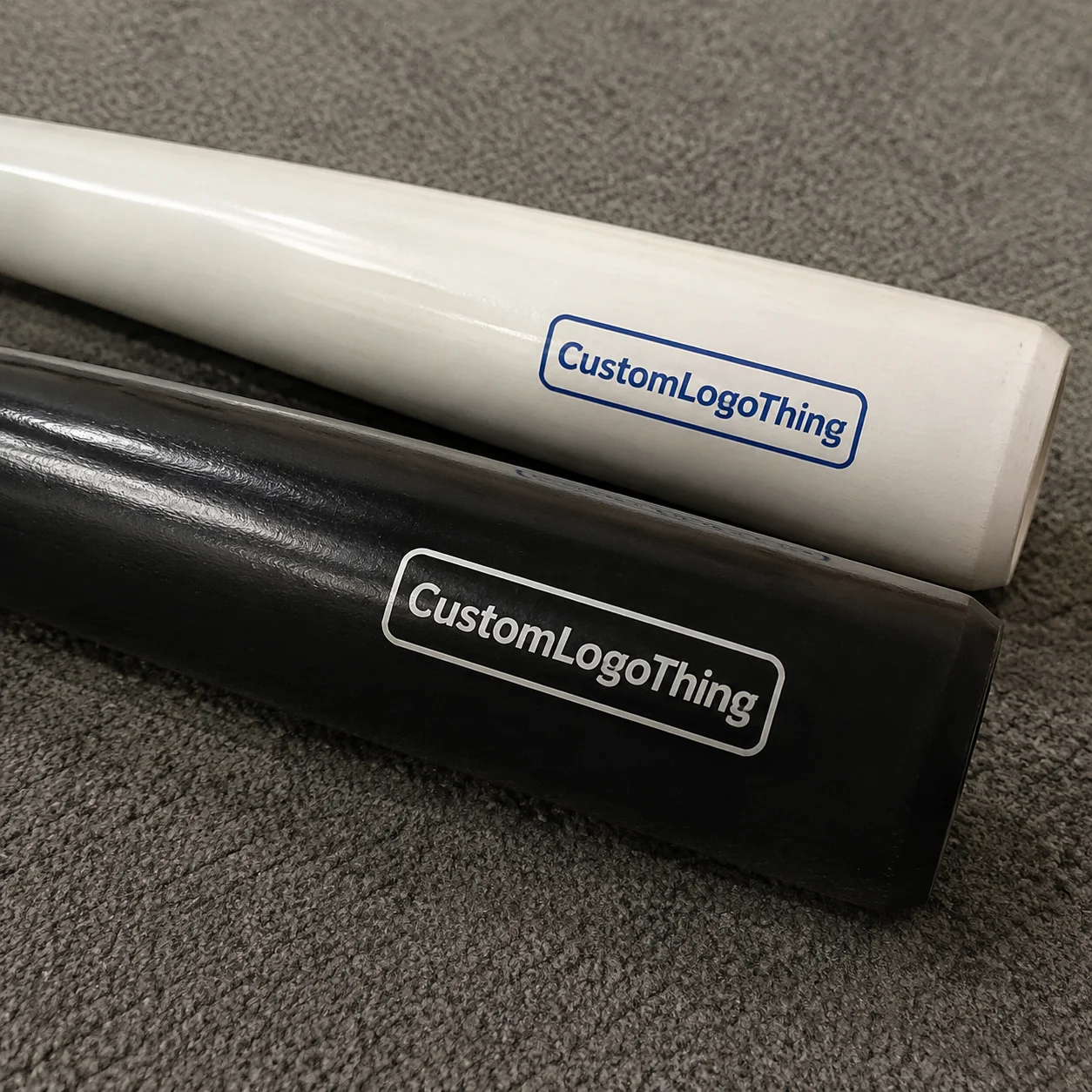
From a packaging buyer’s point of view, custom bat stickers sit between product labeling, equipment branding, and field-use identification. They can be player name decals, team logo marks, knob labels, barrel decals, fundraiser merchandise, sponsor recognition pieces, or equipment room tracking labels. One sticker helps a coach sort 28 bats after practice. Another gives a sponsor visible placement during a tournament weekend.
The tradeoff is simple and unforgiving: the sticker must look clean from a few feet away and still behave properly when applied to wood, aluminum, composite, taped surfaces, or a knob end that sees constant handling. A narrow player-name label needs to read fast in a crowded dugout. A sponsor mark may need more width for legibility. A QR code, if used for inventory or registration, needs quiet space and enough printed contrast to scan.
Most failed orders start in the wrong place. Someone begins with the artwork file, then asks, “Can we make this into a sticker?” Better ordering starts with the bat environment. Is the surface sealed wood or raw wood? Glossy composite or slightly textured aluminum? Will the label sit on the barrel, handle, knob, or grip tape? Those questions should shape the specification before the mascot, font, or metallic finish gets a vote.
- Identification: player names, jersey numbers, positions, roster codes, or bat sizes.
- Branding: team logos, academy marks, tournament names, or sponsor decals.
- Operations: inventory labels, equipment room tags, QR codes, or check-in labels.
- Merchandise: limited-run decals for fundraising tables, camp kits, or fan packs.
That last use case connects neatly with broader package branding. A team selling decals beside shirts, caps, or Custom Printed Boxes for booster events needs a sticker that feels deliberate, not like a last-minute workaround from an office supply drawer. Small format does not mean low stakes.
Materials, Adhesives, and Finishes That Hold Up
Vinyl is usually the practical default for custom bat stickers because it bends around curved surfaces better than paper, resists moisture, and accepts protective lamination. White vinyl gives strong color contrast for team graphics. Clear vinyl creates a painted-on look, especially on glossy bats, but it may require white ink beneath the artwork to keep colors from disappearing. Metallic film can add a premium feel for player kits or sponsor packages, although it tends to cost more and may show scratches faster under rough use.
Adhesive choice matters as much as face stock. A removable adhesive can make sense for a three-day tournament, temporary tryout numbers, or event check-in labels. Permanent adhesive is better for season-long player IDs, sponsor marks, and inventory labels. There is a catch: if the bat owner expects clean removal later, permanent adhesive may leave residue after heat, friction, or long storage.
Surface compatibility is the quiet risk. Unfinished wood can absorb oils and dust. Sealed wood is easier, but wax or polish can interfere. Aluminum and composite bats often hold labels well when cleaned first, while grip tape and heavily textured areas are unpredictable. For a league ordering a few hundred pieces, one physical sample on the actual bat surface is cheap insurance.
| Material or Finish | Best Use | Buyer Watchout |
|---|---|---|
| White vinyl with gloss laminate | Bold team logos, names, numbers, high-contrast graphics | Gloss can reflect stadium lights or sun on small dark designs |
| Clear vinyl | Subtle branding on painted or composite bats | White ink may be needed for opacity and color accuracy |
| Matte laminated vinyl | Equipment-grade look, lower glare, fewer fingerprints | Can look less bright than gloss on sponsor colors |
| Metallic film | Premium player kits, awards, limited editions | Higher unit cost and more visible scuffing in gear bags |
| Removable adhesive | Temporary tournament labels or tryout numbering | Less suitable for a full season of heavy contact |
Laminate choices are not cosmetic decoration. Gloss adds color pop and wipeability. Matte reduces glare and fingerprints. Soft-touch can feel premium in retail packaging, but on sports equipment it may show rub marks faster than a harder gloss or matte laminate. For abrasive use, ask the supplier what laminate thickness they recommend; common protective films often sit around 1 to 3 mil, depending on the print system and stock.
Edge lift is the enemy. Rounded corners reduce the number of points that gloves, towels, hands, and bags can catch. A 2-inch rounded rectangle with a sensible adhesive will usually outlast a dramatic lightning-bolt contour cut with six fragile points. Less exciting on the proof, maybe. Better after ten practices.
For broader material thinking, the International Safe Transit Association is a useful reference point for how packaging professionals think about distribution stress. Bat stickers are not shipping cases, but the logic is related: design for the abuse the item actually receives, not the abuse you wish it received.
Artwork, Size, Shape, and Placement Specs to Decide Early
Bat decal artwork needs speed-reading discipline. Initials, numbers, short names, mascots, and simple sponsor marks usually outperform detailed illustrations once the sticker wraps around a curved barrel or sits on a small knob. A crest that looks sharp at 6 inches wide on a screen can become decorative fog at 1.5 inches on a black knob.
Decide placement before final sizing. Knob decals are often compact circles or small domed-looking labels. Player name labels are usually narrow rectangles or rounded rectangles. Barrel decals can carry more visual weight, but they should avoid direct impact zones. Handle decals compete with hands, tape, and friction, so they need conservative sizing and clean edge design.
Practical size ranges vary by bat and use. A knob label might sit around 0.75 to 1.25 inches in diameter. A player name label might run 0.5 to 1 inch tall by 2 to 4 inches wide. A sponsor decal may need more width, perhaps 3 to 5 inches, but larger is not automatically better. Curved surfaces punish oversized stickers with wrinkles, tension, and lifted edges.
Die-cutting deserves a sober conversation. Circles and rounded rectangles are easier to align and less vulnerable to tearing. Intricate contour cuts can look impressive, especially for mascots, but tiny points and narrow bridges create mechanical weaknesses. If the decal will be sold as merchandise, visual drama may be worth it. If it needs to sit on 60 team bats for a full season, simplicity usually wins.
- Best file type: vector artwork such as AI, EPS, or press-ready PDF for logos and cut paths.
- Acceptable backup: high-resolution PNG for simple graphics, ideally at final size or larger.
- Risky file type: screenshots, social media downloads, or small JPEGs with fuzzy edges.
- Color check: review navy, black, maroon, and dark green under real lighting because small dark colors can collapse together.
Leave quiet space around names, numbers, QR codes, and sponsor marks. Cutting equipment is accurate, but no supplier should pretend trim tolerance is zero. A practical margin of 1/16 inch to 1/8 inch can prevent crowded edges on small stickers. If you already buy Custom Labels & Tags, the same packaging design rule applies here: the smaller the label, the more ruthless the hierarchy must be.
Process and Timeline From Artwork to Finished Stickers
A clean order process usually follows seven steps: choose the use case, confirm the bat surface, select placement, estimate quantity, prepare artwork, approve a digital proof, then produce and ship. Simple orders move faster. Variable player-name batches, specialty films, physical samples, and unusual cut shapes add time because each decision needs checking.
The proofing stage catches expensive mistakes while they are still cheap. Misspelled player names. Wrong jersey numbers. Sponsor logos stretched out of proportion. A left-facing mascot that should face right. Colors that vanish on a dark bat. One careful proof review can save an entire batch from the trash bin.
Typical production can be as short as several business days for a straightforward one-design vinyl order after proof approval. Personalized roster decals, laminated specialty stock, and custom die lines may need 8 to 15 business days before shipping. Physical samples add more time, but they are worth considering for unusual surfaces, long seasons, or high-visibility sponsor work. Rush orders exist; they also compress review time, and review time is where errors are caught.
Repeat orders are usually easier because the die line, artwork, material note, and production settings already exist. A reorder of the same team logo in the same size is a different project from a first-time order with 42 names, three sponsor marks, and two bat types. Build that distinction into your deadline.
Practical ordering rule: approve one final roster spreadsheet before production. Names sent through texts, screenshots, and email chains are how “Maddox” becomes “Madox” across 50 labels.
Variable data production is straightforward in concept. The base design stays the same, while names, numbers, QR codes, or inventory IDs change from sticker to sticker. The risk is not the printing technology. The risk is the source data. Use columns for first name, last name, jersey number, quantity, and any special note. Lock the file before approval.
Buffer time matters. Opening day, tournament weekends, school fundraisers, and team picture day all create deadline pressure. Shipping delays and late roster changes are common enough that they should be treated as planning variables, not surprises.
Cost, Pricing, MOQ, and Unit Cost Drivers
Sticker pricing is shaped by quantity, material, size, finish, cut shape, number of artwork versions, personalization, and sorting requirements. MOQ means minimum order quantity. Very small runs often carry a higher unit cost because setup, proofing, cutting, and press preparation still happen even if the order is tiny.
As a rough planning range, a simple laminated vinyl team-logo sticker might land around $0.35 to $0.85 per piece at a few hundred units, depending on size and finish. Small personalized batches can climb above $1.00 to $2.50 each because variable data, sorting, and proofing add labor. Metallic film, clear film with white ink, specialty adhesives, or complex contour cutting can push pricing higher. These are planning ranges, not quotes; supplier equipment, material availability, and artwork condition change the math.
One team logo printed 250 times is much simpler than 40 player-name versions with six pieces per player, even if the total count is similar. The press may print both efficiently, but file prep, data checking, sorting, and packaging the finished decals take extra time. That labor shows up in the unit cost.
| Order Scenario | Likely Cost Driver | Typical Planning Note |
|---|---|---|
| 250 identical team logo decals | Material, size, laminate, cut shape | Usually the lowest unit cost because setup is spread across one design |
| 40 player-name versions | Variable data, sorting, proof review | Higher unit cost even when total sticker count is similar |
| Clear sponsor decals | Clear film, possible white ink, color matching | Useful for subtle branding, but proof carefully on dark bats |
| Metallic fundraiser decals | Specialty stock, finish premium, packaging | Better perceived value for retail-style team sales |
| Small rush reorder | Setup, scheduling, expedited shipping | Often more expensive than ordering extras upfront |
Ask for tiered pricing at three quantities: current roster count, roster plus season backups, and fundraiser quantity. The difference can be revealing. If 120 pieces cost $1.20 each and 250 pieces cost $0.72 each, the extra inventory may pay for itself when replacement bats, new players, and lost gear appear.
Oversized stickers are not always better value. Large decals can wrinkle on curved barrels, collect abrasion along the edges, or interfere with the feel of the bat. A smaller, well-placed decal can outperform a bigger piece that tries too hard. The same restraint applies across Custom Packaging Products: product packaging works best when the format supports the job rather than shouting over it.
Common Mistakes That Make Bat Decals Fail Early
The most common failure is boring and preventable: applying the sticker to a dusty, oily, waxed, wet, or textured surface, then blaming the material when the edge lifts. Adhesive needs intimate contact with the surface. Dirt, oil, pine tar, polish, and moisture create a barrier. Clean first. Dry fully. Then apply.
Sharp corners are another weak point. Hands, batting gloves, towels, bat racks, and gear bags repeatedly catch exposed corners. Rounded corners reduce that mechanical stress. Even a small radius can improve survival because there is less for friction to grab.
Artwork overload causes a different kind of failure. A tiny sticker cannot carry a full tournament schedule, three sponsor taglines, a complex mascot, a QR code, and a player name without turning into noise. If a QR code is required, test it at final size on the printed proof or a sample. Many codes need roughly 0.8 to 1 inch of clean printed area to scan reliably, and low contrast makes that worse.
- Bad surface prep: dust, wax, oil, pine tar, moisture, or loose grip tape under the adhesive.
- Weak geometry: sharp corners, thin points, or delicate contour shapes that catch and lift.
- Too much content: tiny type, crowded sponsor marks, low-contrast colors, or untested QR codes.
- Roster errors: outdated spreadsheets, duplicate numbers, nickname confusion, or last-minute text updates.
- Light pressure: poor edge contact because the decal was not pressed firmly from center outward.
Skipping proof review is expensive. A digital proof is the cheapest moment to fix alignment, spelling, color, orientation, scale, and cut line. Once the batch is printed and cut, every correction becomes a reprint conversation.
Application pressure also matters. The installer should press from the center outward to push out air and secure the adhesive across the full surface. A squeegee, firm thumb pressure, or a clean cloth can help. Avoid applying over deep texture, loose tape edges, wet areas, or direct impact zones.
Durability expectations need honesty. No sticker is immune to bat impact, deliberate picking, pine tar buildup, heavy abrasion, or constant rubbing against metal fence hooks. A good specification improves the odds. It does not suspend physics.
Build a Sticker Spec Before You Request Samples
Before requesting samples or a quote, build a basic spec. It does not need to be fancy. It does need to answer the questions that affect production: bat type, sticker location, expected season length, indoor or outdoor use, quantity, number of designs, finish preference, and deadline.
Measure the actual application area with a flexible ruler or a paper mockup. Product photos distort scale, and bats vary more than buyers expect. Wrap a strip of paper around the target area, mark the available width, then flatten it. That quick test reveals whether a 4-inch sponsor idea really fits or whether a 2.75-inch rounded rectangle is safer.
Choose one primary job for the sticker. Identification. Branding. Sponsorship. Decoration. Inventory control. Fundraising. A sticker can support secondary goals, but one job should lead the design. If everything has equal priority, the layout usually becomes crowded.
Prepare a clean artwork folder before quoting. Include vector logo files, team colors, roster spreadsheet, sponsor approvals, and examples of styles you like. If exact color matters, provide Pantone references or prior printed samples when possible. Digital screens are not color standards. Printed vinyl, laminate, and bat color all influence the final look.
If sustainability claims matter for your broader branded packaging program, keep them precise. Stickers are often film-based for performance reasons, while cartons, sleeves, or backer cards may use certified paperboard. The Forest Stewardship Council is a recognized authority for responsibly sourced paper materials, which may be relevant if decals are sold in retail packaging or team kits.
Review the proof like a production document, not a mood board. Check spelling, scale, cut line, color contrast, margin, orientation, and whether the design still works on a curved bat. Ask whether the adhesive fits the surface. Confirm whether the finish is gloss, matte, clear, metallic, or another stock. Verify quantity by version, not just total quantity.
The smartest path to custom bat stickers does not start with the prettiest graphic. It starts with the bat, the hand, the season, and the exact job the sticker must survive. Nail those details first, and the final decal has a much better chance of looking sharp after the first game, the tenth practice, and the long ride home in a crowded equipment bag.
FAQ
What material is best for custom bat decals?
Durable vinyl with a protective laminate is usually the safest choice because it bends around curved bat surfaces, resists moisture, and handles repeated contact better than paper. Clear vinyl works well for subtle branding, while white vinyl gives stronger contrast for names, numbers, and team logos. For season-long use, ask about permanent adhesive and rounded corners to reduce edge lift.
How long do custom bat stickers usually last?
Lifespan depends on material, adhesive, surface prep, placement, and how much the bat is handled or stored in a crowded gear bag. Stickers placed away from direct impact areas generally last longer than decals placed where the bat contacts balls, racks, dirt, or heavy abrasion. Cleaning the surface first and pressing the sticker firmly improves durability.
Can custom bat labels include player names and numbers?
Yes. Player names, jersey numbers, positions, QR codes, or inventory IDs can be printed as variable data. The base design stays consistent while the personalized details change for each sticker. Use one final approved spreadsheet to prevent misspellings, duplicate numbers, and roster errors.
What affects the price of custom baseball bat stickers?
The biggest pricing factors are order quantity, sticker size, material, finish, cut shape, number of artwork versions, and whether personalization is needed. A single team logo in bulk typically has a lower unit cost than many individualized name decals. Requesting tiered pricing helps compare roster-only quantities against extras for replacements or fundraising.
How should I apply stickers to a bat without bubbles or peeling?
Clean and dry the surface first, removing dust, oil, wax, pine tar, or moisture. Align the sticker carefully, press from the center outward, and apply firm pressure across the full surface and edges. Avoid applying over deep texture, loose grip tape, wet surfaces, or areas that receive direct bat impact.