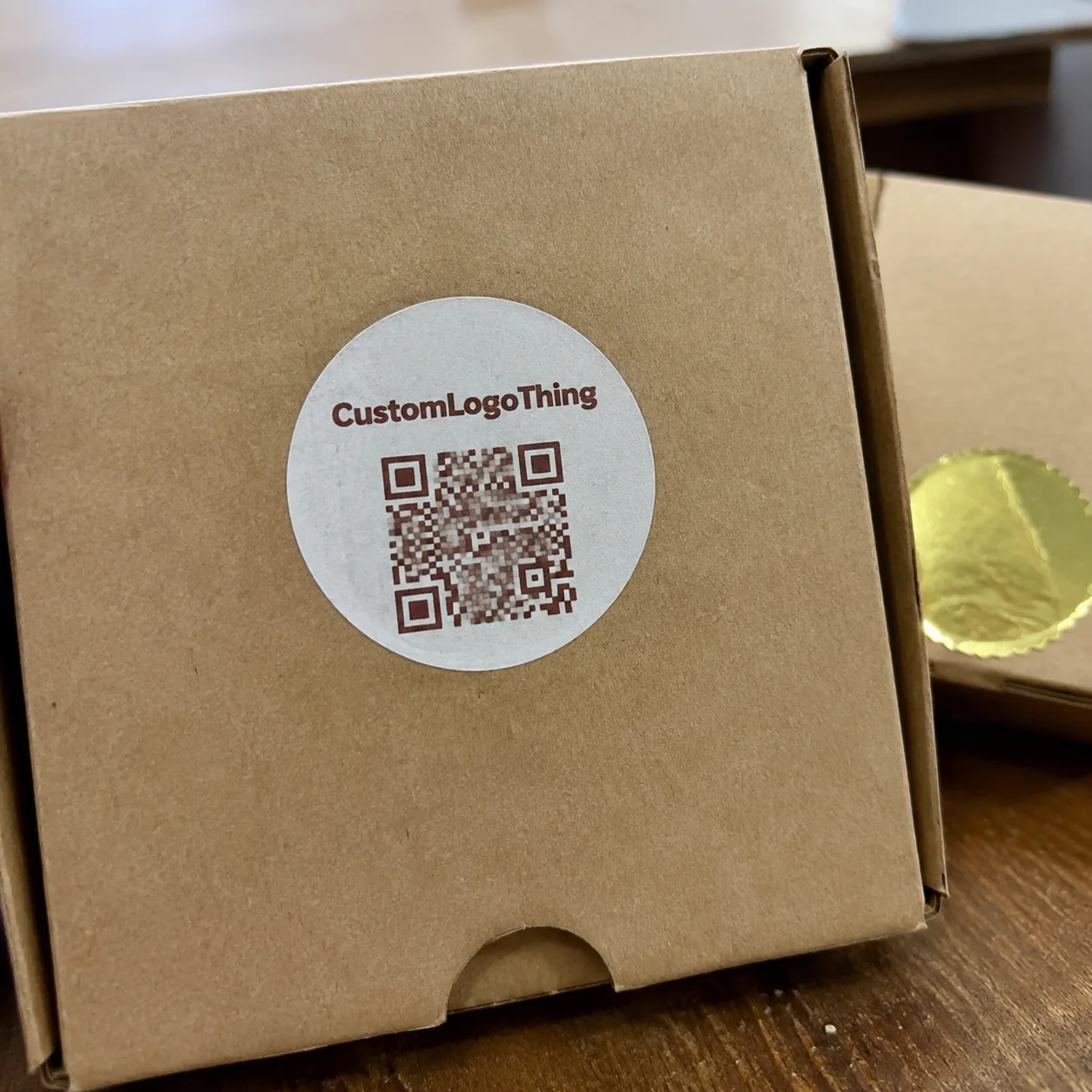
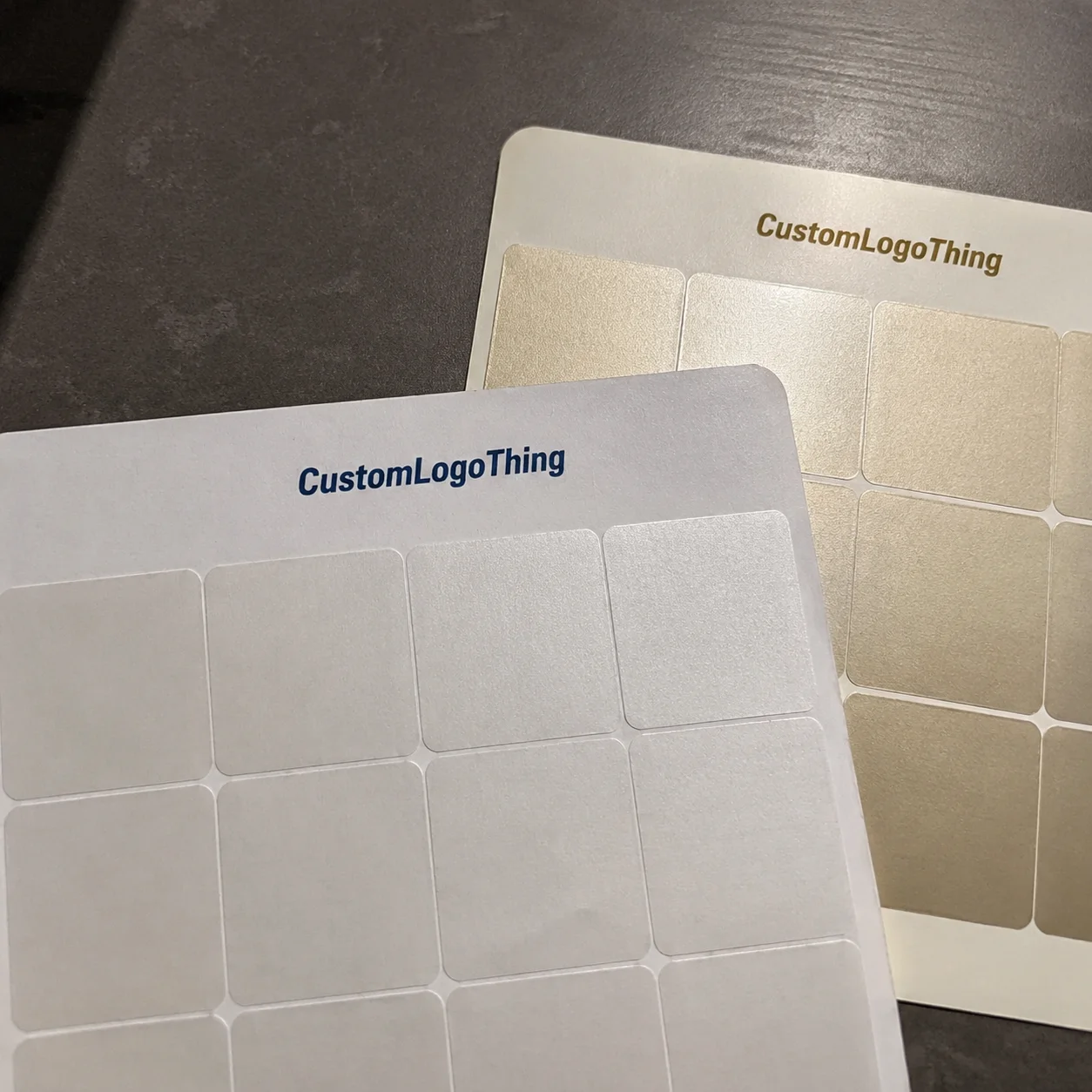
Custom Clear Label stickers are used when a brand wants graphics on the package without covering the bottle, jar, or product inside. Done well, they create a clean printed-on effect that works especially well for beauty, beverage, candle, wellness, and home-care packaging.
They also expose mistakes more than paper labels do. Scratches, molding lines, trapped air, uneven fill heights, glare, and weak contrast all show up faster on transparent film. That makes clear labels a spec-driven buy, not just a style choice.
If you are comparing options in Custom Labels & Tags, the key questions are practical: which film fits the package, when white ink is required, what affects cost, how lead time is built, and what to confirm before production.
Why custom clear label stickers can make a bottle look label-free

The no-label look comes from transparent film carrying the print while unprinted areas stay see-through. When the film is clear, the adhesive stays clean, and the label is applied accurately, the eye reads more of the container and less of the label edge.
That can make packaging feel quieter and more premium, especially in categories crowded with dense graphics. It is also flexible: brands can test new SKUs, seasonal runs, or pilot launches on standard containers without committing to direct printing or new molds.
But the effect is not automatic. Dark fills can swallow fine text, curved panels can wrinkle film, and reflective metal can hurt readability. Clear labels work best when the container surface, the product fill, and the artwork support each other.
Callout: The cleaner the container looks before labeling, the better the finished label will look. Haze, scratches, and uneven sidewalls become more visible under clear film.
How transparent labels work on real packaging surfaces
A clear label is a layered construction: transparent face stock, adhesive, and liner. The difference from paper labels is that light passes through the film and reflects off the container or product behind it. That means the package itself becomes part of the visual result.
Color and contrast can shift more than buyers expect. A tone that looks bright on white paper may look deeper over amber liquid or weaker over frosted glass. A dark logo may read sharply on white lotion and disappear on pale oil.
White ink is the main way to control this. It can be printed as a flood under most of the design or as spot white under logos, barcodes, and text. Spot white is common because it preserves transparency where you want product visibility but adds opacity where readability matters.
Common clear label materials
BOPP is usually the default for consumer packaging. It is flexible, moisture resistant, and cost-effective for many bottles and jars used in food, beverage, wellness, and household products.
PET is stiffer and more resistant to heat, chemicals, and abrasion. It is often the better choice for cleaners, oils, bath products, or higher-friction handling, though it usually costs more.
Vinyl is less common for standard bottle labeling but can help on uneven surfaces or outdoor applications where extra conformability matters.
For most buyers, the real comparison is BOPP versus PET: BOPP for mainstream retail jobs, PET when durability matters more than shaving unit cost.
Surface type changes performance
Glass usually gives the cleanest result because it is rigid and smooth. Clear PET bottles can also look strong, but sidewall distortion and panel shape may affect how art reads. Aluminum and tin create glare. Flexible pouches crease and stress the film. Heavy texture is usually a warning sign if the goal is a crisp printed-on effect.
Adhesive matters just as much. Permanent adhesive is standard for most retail packaging. Removable adhesive makes sense for temporary use or reusable vessels. Cold storage, condensation, oils, bathroom humidity, and repeated handling narrow the choice quickly.
For broader packaging guidance, the Institute of Packaging Professionals is a useful reference.
The specs that matter most before you order
Many quote requests include only width, height, and quantity. That is not enough for a clear film job. The same label can behave very differently on a glass candle jar, a clear PET drink bottle, an amber dropper, or a cosmetic tube.
The container and product fill come first. If the product is opaque, it becomes the background color. If it is translucent, label appearance may shift with fill variation, settling, or color drift between batches.
Artwork contrast is the next checkpoint. Fine text, pale colors, and compliance copy need more scrutiny on clear stock than on white paper. What looks elegant on screen may turn weak once it is printed and wrapped around a real package.
Finish and physical specs
Gloss clear film usually creates the strongest transparent effect. Matte clear film cuts reflections but softens some of the glass-like clarity. Soft-touch laminates exist, though they are more specialized and not always ideal for wet environments.
- Size and shape: Larger labels use more material and are harder to apply over curves.
- Corner radius: Sharp corners are more likely to lift.
- Application method: Hand application allows flexibility; machine application needs tighter roll specs.
- Use environment: Refrigeration, oils, abrasion, steam, and squeezing affect both film and adhesive choice.
If transparency or readability is important, ask for a physical sample on the actual package. A PDF confirms layout, but it cannot show glare, silvering, or how color changes over the fill.
Custom clear label stickers pricing: what drives cost and unit economics
The main cost drivers are material, label size, print complexity, white ink coverage, finish, quantity, and delivery format. Clear film labels usually cost more than basic paper labels because the stock is pricier and the print setup is less forgiving.
For short and mid-size runs, digital printing is common. A 3" x 4" clear BOPP label may run about $0.18 to $0.34 each at 500 to 2,500 pieces, depending on white ink coverage and finish. At 5,000 to 10,000 pieces, that same label may drop closer to $0.07 to $0.16 each. Large flexographic runs can go lower, but plate and setup charges usually make flexo less attractive for small runs or frequent art changes.
| Label Type | Typical Run Size | Approx. Unit Cost | Best Fit |
|---|---|---|---|
| Clear BOPP, digital, no white | 500-2,500 | $0.14-$0.24 | Simple artwork on light containers |
| Clear BOPP, digital, spot white | 500-2,500 | $0.18-$0.34 | Better contrast for text and logos |
| Clear PET, digital or flexo, spot/flood white | 2,500-10,000+ | $0.10-$0.28 | Higher durability or chemical exposure |
| Custom shape with laminate and specialty finish | 1,000-5,000 | $0.22-$0.40+ | Premium retail presentation |
White ink raises cost because it adds another printed layer and tighter registration. Flood white typically costs more than spot white because it covers more area. Specialty laminates and varnishes can also add more than buyers expect.
- Spoilage allowance: Automatic lines often need extra labels beyond sellable unit count.
- Roll configuration: Wrong unwind direction or orientation can make labels unusable on the line.
- Storage conditions: Heat and humidity affect adhesive shelf life.
- Freight: Label rolls take more space than many first-time buyers plan for.
The useful metric is not just cost per label. It is cost per usable package after application, storage, scanning, and handling.
Artwork process and lead time: from file setup to finished rolls
The production path is simple: quote, confirm specs, approve a dieline, submit art, review prepress, approve proof, print, finish, and ship. Most delays come from unclear white ink layers, wrong panel measurements, or missing machine-application details.
For many digitally printed custom clear label stickers, a realistic lead time is 7 to 12 business days after proof approval. Jobs with a new die, complex white masks, or machine testing often run 12 to 15 business days. Rush service may be possible but usually adds cost and reduces revision time.
Artwork requirements that prevent rework
- Vector files: AI, EPS, or press-ready PDF for logos and text
- Bleed: Commonly 0.0625" to 0.125"
- Safe zone: Keep critical text at least 0.0625" inside the cut line
- Outlined fonts: Prevents substitution errors
- Color mode: Usually CMYK unless otherwise requested
- White ink layer: Built on a separate named layer or spot channel
Digital printing suits short runs, multiple SKUs, and frequent art changes. Flexography gets more efficient at larger repeat volumes. If the label must coordinate with broader Custom Packaging Products, confirm print-method differences early so color expectations stay realistic across substrates.
A PDF proof checks layout and spelling. A wet proof gives a better sense of printed color. A physical sample on the real container is the best test when transparency, barcode scan reliability, and edge visibility matter.
Practical rule: If the design uses pale colors, fine text, or clear windows over variable product fill, ask for a physical proof before full production.
For products that also need shipping validation, especially in e-commerce, ISTA standards can help frame testing.
Step-by-step: how to choose the right transparent label for your product
- Measure the actual container. Record material, finish, usable panel height, diameter, seams, embossing, and shoulder curvature.
- Decide what should stay visible. Some designs need near-total transparency; others need stronger printed zones.
- Test art with and without white ink. Spot white under the logo, text, and barcode often solves readability fast.
- Choose film and adhesive based on use conditions. BOPP fits many standard retail jobs; PET is better for harsher environments.
- Confirm roll specs early. Core size, outer diameter, unwind direction, and orientation matter for machine application.
- Review a physical sample on the filled package. This is where contrast, glare, and edge visibility become obvious.
- Order quantity with restraint. A pilot run is often smarter than chasing the lowest possible unit price on an untested design.
What are custom clear label stickers and how do they work?
Custom clear label stickers are transparent film labels, usually made from clear BOPP or clear PET, printed with branding and product information and backed with adhesive for application to bottles, jars, tins, and other containers.
They work by combining clear face film, printed inks, adhesive, and a release liner. In many designs, white ink is printed beneath logos, text, or barcodes so those elements remain readable while other areas stay transparent. That balance between opacity and visibility creates the printed-on effect.
Common mistakes that ruin the clean "printed-on" effect
One of the biggest mistakes is skipping white ink where it is needed. That can leave logos weak, pastel colors muddy, and fine text hard to read.
Another is ignoring the product fill. Clear serum, amber oil, white lotion, and tinted cleaner all change how the same label looks. If the fill varies by batch, the label appearance will vary too.
Poor placement also causes problems. Critical text should not cross seams, embossed panels, shoulder curves, or strong reflection zones. On narrow bottles, the usable area usually feels smaller in person than it did on screen.
Adhesive mismatch is another common failure point. Refrigerated drinks, oily body products, cold-fill foods, and bathroom-stored cosmetics all stress the bond differently. The wrong adhesive can cause edge lift, corner curl, or silvering.
Barcodes are easy to overlook. Printed over transparent liquid or reflective metal, they may not scan well unless a white underprint creates a solid reading field.
If sustainability claims matter, review substrate and disposal details carefully. For paper-based packaging, the FSC framework is widely recognized. For film labels, recyclability depends on the full package system, including container, adhesive, and end-of-life stream.
Next steps: build a quote-ready spec sheet before you buy
Accurate pricing starts with a usable spec sheet. It does not need polished branding; it needs enough detail for a printer to quote and produce the label without guessing.
- Label dimensions: width, height, shape, and corner radius
- Container details: material, color, finish, and usable label panel size
- Product conditions: refrigerated, wet, oily, humid, or room temperature
- Application method: hand-applied or machine-applied
- Roll specs: core size, unwind direction, and orientation
- Artwork notes: CMYK colors, white ink zones, barcode, and any variable data
- Quantity tiers: such as 500, 2,500, and 10,000
- Finish: gloss, matte, laminate, or other surface preference
A photo of the container helps, and a physical sample helps more. If opacity is uncertain, prepare two art versions: one more transparent and one with stronger spot white support. Comparing both on the real package is faster than debating proofs on screen.
Before approval, ask: What proof type is included? Are barcode areas checked for contrast? When does lead time start? Is overage recommended for machine application? How long can the rolls be stored before use?
For new SKUs or automated lines, a pilot order is usually worth it. It confirms line compatibility, reveals readability issues, and shows how the label behaves during handling and storage.
FAQs
Are custom clear label stickers waterproof?
Often, yes. Clear film materials such as BOPP and PET are generally water-resistant or waterproof, but real performance depends on the adhesive, laminate, and use environment. Condensation, bathroom humidity, oil exposure, and ice-bucket storage should be specified before ordering.
Do clear sticker labels need white ink?
In many cases, yes. Small text, pastel colors, logos, and barcodes usually print more clearly with white ink support, especially on tinted, transparent, or dark containers. Spot white improves contrast while keeping open areas transparent.
What is the minimum order quantity for custom transparent labels?
Minimums depend on print method, size, material, and finishing details. Digital printing can support shorter runs, sometimes in the low hundreds. Flexographic jobs usually make more sense at higher volume.
How long do custom clear label stickers take to produce?
Straightforward orders may ship in 7 to 10 business days after approval. Jobs with white ink layers, custom shapes, or machine-application requirements often need 12 to 15 business days or longer.
Can barcodes and small text print clearly on clear labels?
Yes, if the artwork is built for contrast and supported correctly. White underprinting is often necessary behind barcodes, legal copy, and fine text. A physical proof on the actual package is the safest check before full production.