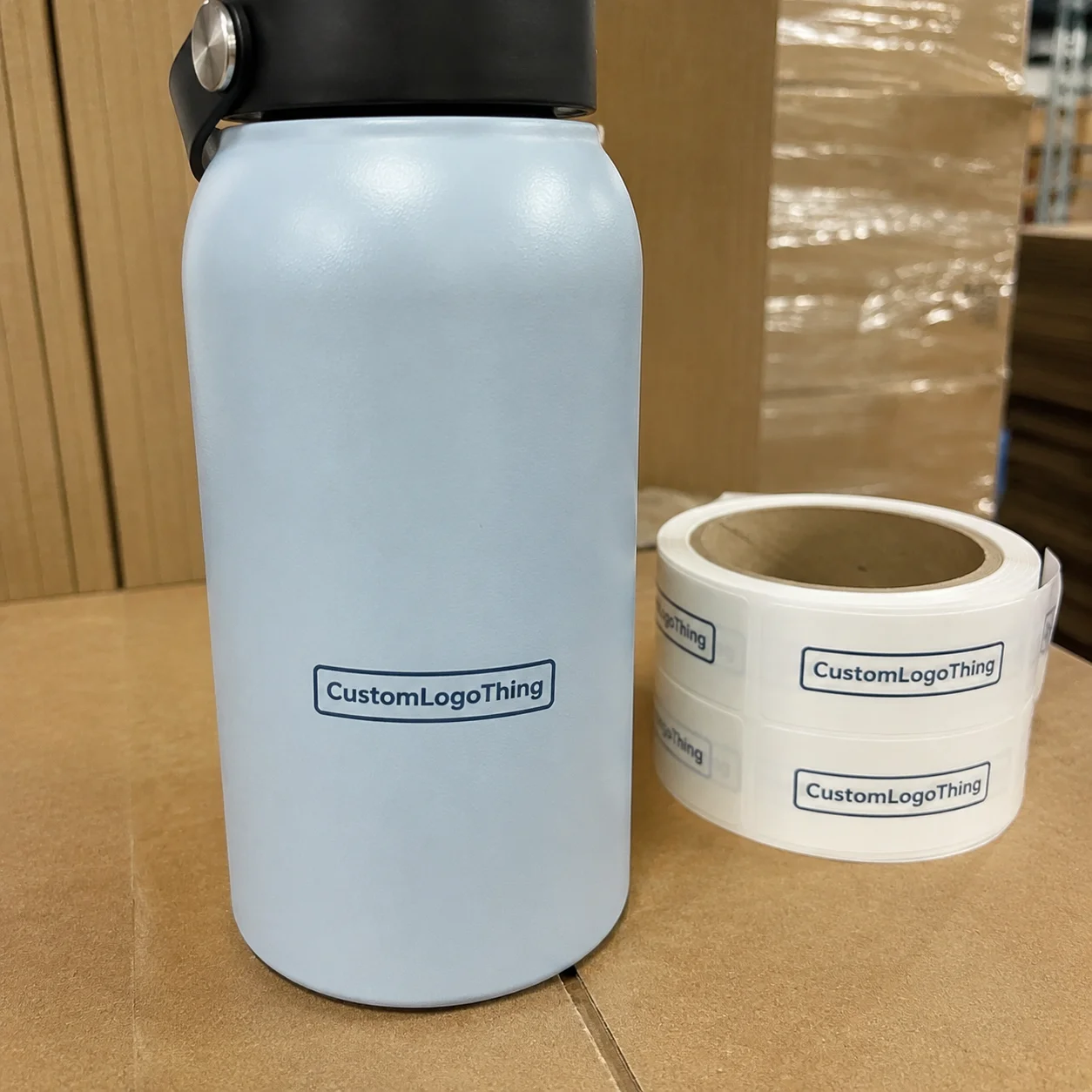
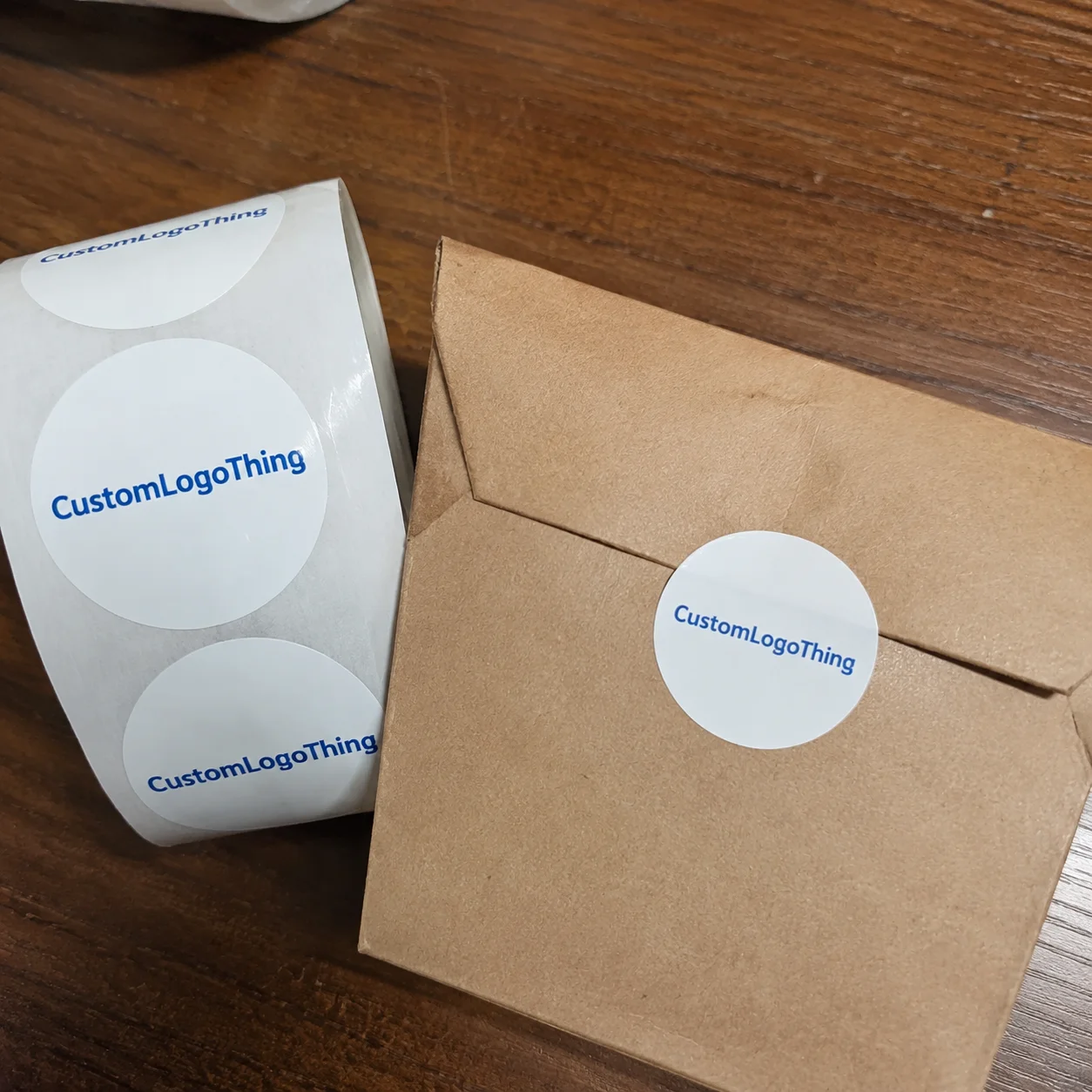
A small decal can carry more public-facing authority than a full brochure. It appears on laptops, water bottles, patrol gear, equipment cases, school folders, event tables, academy binders, and community handouts. Then it keeps appearing.
That repeated exposure is the appeal of custom police stickers. For departments, unions, academies, K9 units, school resource officers, and neighborhood programs, stickers turn badges, patches, mottos, safety reminders, QR codes, and recruiting messages into durable, portable identifiers.
The risk is treating them like ordinary promotional giveaways. Police-related designs can read as ceremonial, friendly, tactical, instructional, or official depending on size, material, artwork, placement, and finish. A sticker handed out at a safety fair has one job. A decal placed on an equipment case has another.
What Custom Police Stickers Actually Do Beyond Decoration
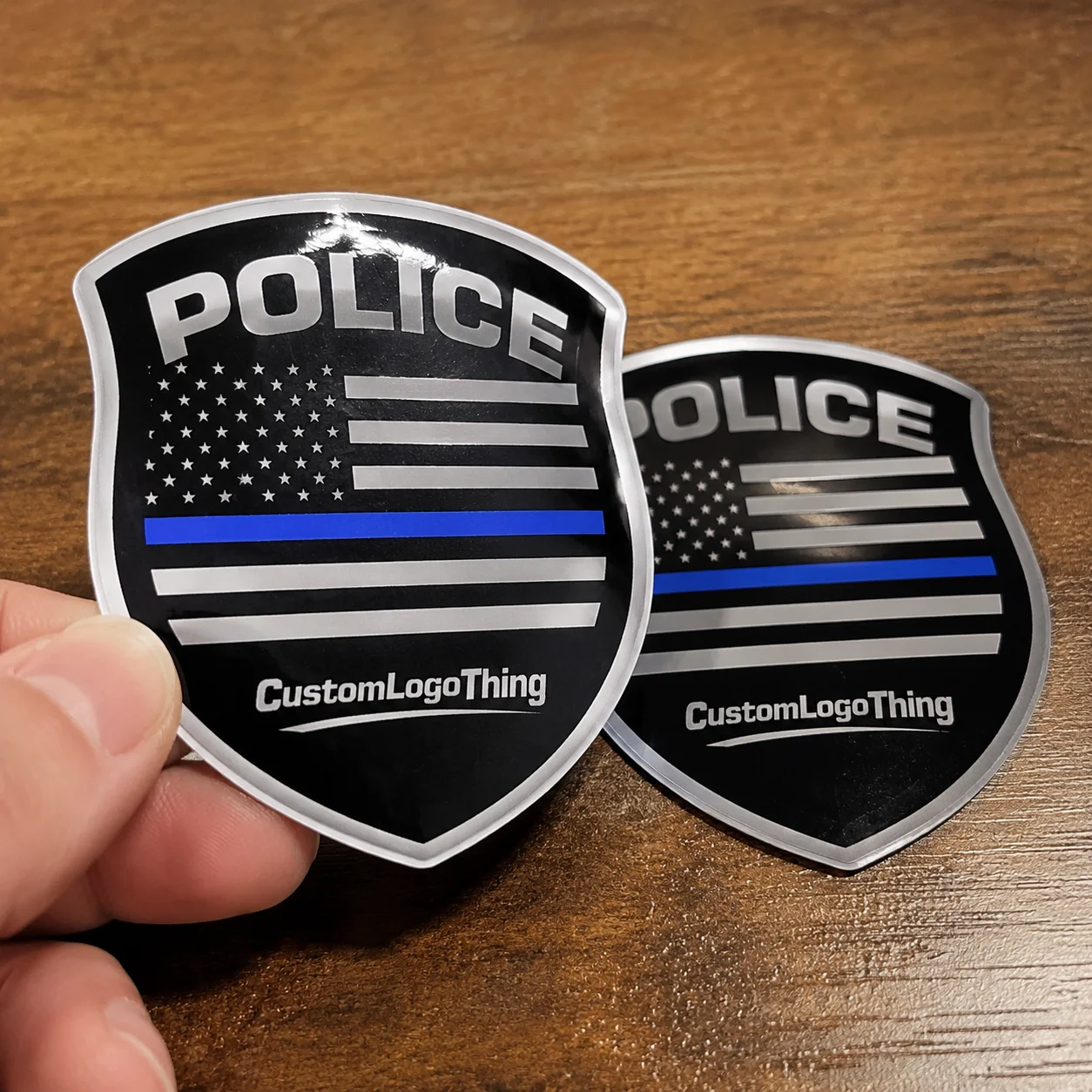
Custom police stickers are adhesive printed pieces made with department-specific artwork, badge-inspired graphics, unit names, event logos, safety slogans, recruitment messaging, or scannable QR codes. The same category can include a 2-inch school resource officer giveaway, a laminated helmet decal, a reflective equipment label, or a large window decal used during a hiring campaign.
That range matters because use controls risk. Official-use decals may need stricter approval because they identify property, equipment, vehicles, or authorized programs. Promotional stickers are usually designed for public distribution at events. Morale stickers often use unit pride, challenge-coin-style artwork, or internal references. Evidence and property labels need legibility, adhesive reliability, and sometimes sequential numbering. Giveaway stickers need to be memorable without looking like credentials.
Practical rule: start with the sticker’s job before judging the artwork. Ask where it will be applied, how long it must last, who will see it, and whether the tone should be official, approachable, tactical, or instructional.
Compliance sensitivity is real. Designs should avoid impersonation risk, unauthorized seals, misleading badge replicas, badge numbers used without permission, or graphics that could be mistaken for official identification outside approved contexts. This is the part buyers often underestimate. A friendly safety sticker and a badge-shaped window decal do not carry the same public meaning.
From a packaging buyer’s point of view, the discipline is familiar. The sticker is not just “art.” It is a small piece of applied branding that must carry identity, instruction, and trust under physical conditions. The same thinking used for Custom Labels & Tags applies here: substrate, adhesive, ink, finish, and use environment all have to agree.
How Police Sticker Printing Works From Artwork to Adhesive
The production chain looks simple: artwork preparation, proofing, material selection, printing, cutting, finishing, quality check, packing, and shipping. The sequence matters. If the artwork is not clean before proofing, every later decision becomes slower and more expensive.
Digital printing is the flexible workhorse for short runs, multiple versions, variable information, and quick design changes. It is common for outreach stickers, recruitment graphics, QR code decals, and multi-design sheets. Screen printing can make sense for bold spot colors, thicker ink deposits, and long-lasting outdoor graphics, though minimums are often higher and revisions are less forgiving.
Specialty finishing changes both performance and price. Reflective film supports visibility. Metallic effects can mimic badge-style gold or silver, though printed metallic tones and true metallic films are not the same thing. Matte laminate reduces glare. Gloss laminate gives stronger color and tends to wipe clean more easily. Clear vinyl works well on glass but can change color density if white ink is not specified. Polyester offers better dimensional stability for labels that face more handling.
Format is another fork in the road. Departments often compare kiss-cut singles, die-cut shapes, sticker sheets, rolls, bumper-style decals, window clings, helmet decals, and equipment labels. Kiss-cut singles are easy to hand out because the backing stays larger than the sticker. Die-cuts look polished but can cost more if the shape is intricate. Rolls suit labeling workflows. Sheets work well when a program needs several designs in one kit.
Adhesive choice should be discussed early, not after a proof looks good. Removable adhesive is useful for temporary outreach campaigns or short-term event use. Permanent adhesive is better for gear, cases, binders, and long-use indoor surfaces. High-tack adhesive helps on textured plastics or powder-coated metal, although testing is still smart. Exterior exposure usually requires weather-resistant adhesive that can tolerate rain, humidity, vehicle heat, and cleaning.
Common face stocks include white vinyl, clear vinyl, polyester, reflective film, paper, and laminated stocks. White vinyl is the default for durable handouts and general-purpose decals. Clear vinyl works on glass but needs careful color planning. Polyester is useful for equipment labels and more demanding handling. Reflective film costs more but can support safety or visibility programs. Paper is economical for folders, short-term event packets, and indoor campaign materials.
Durability usually depends on three things working together: face material, ink system, and laminate. A thick vinyl sticker without the right laminate can still fade, scratch, or scuff quickly. Proofs protect the buyer by confirming finished size, cut line, spelling, colors, badge details, QR code function, and layout before production begins.
Key Specs That Decide Durability, Legibility, and Trust
The practical question is blunt: will the sticker be handled once at a recruiting table, or will it face sun, rain, cleaning chemicals, glove abrasion, and vehicle heat for months? Those are not minor differences. They decide whether a basic paper sticker is enough or whether the order needs vinyl, polyester, laminate, outdoor adhesive, and tighter color control.
Size drives both cost and readability. Small 2-inch seals work for folders, helmets, hard hats, academy materials, and property identifiers. A 3- to 4-inch die-cut is a comfortable giveaway size because it feels substantial without taking over a laptop lid. Larger 5- to 8-inch decals fit windows, equipment cases, campaign signage, or display boards. Larger formats may need flat packing to prevent curl, bent corners, or edge damage.
Shape signals purpose. Circles suit seals and anniversary-style designs. Shields work for badge-style artwork, but they deserve careful approval review. Rectangles are best for warnings, QR codes, property information, and instructional labels. Contour cuts make mascots, K9 graphics, motorcycles, helicopters, or unit emblems more appealing, but fine cut paths can slow finishing and increase waste.
Finish changes the read. Gloss gives bold color and wipes clean more easily. Matte reduces glare and can feel more tactical. Soft-touch has a premium handout feel but is not always the best choice for grime, heavy abrasion, or outdoor exposure. Laminate adds scratch resistance and UV protection; common laminate films may be around 1 to 3 mil depending on supplier and use case.
Color accuracy deserves attention for navy, black, metallic gold, silver, and badge-style gradients. A deep navy on white vinyl may look solid. The same navy on clear vinyl can look weak if white ink is not specified. Metallic gold printed as CMYK yellow-brown will not behave like foil or metallic film. Reflective film can also shift perceived color because the base material changes how light returns through the ink.
Readable police sticker design is often simpler than buyers expect. Avoid tiny legal text, low-contrast slogans, crowded badge art, and QR codes that shrink below reliable scanning size after lamination and die-cutting. A viewer at arm’s length may give the sticker one or two seconds before deciding whether to keep it. Brochures can carry paragraphs. Stickers survive on hierarchy.
For physical testing language, standards such as ASTM methods for adhesion and abrasion can be relevant, depending on the application. Packaging teams also borrow thinking from transport testing organizations such as ISTA when products must survive packing, transit, stacking, and handling. Not every sticker order needs formal testing. Still, the mindset helps: define the stress before selecting the material.
| Sticker Type | Typical Size | Best Use | Common Material | Relative Cost |
|---|---|---|---|---|
| Giveaway die-cut | 3 to 4 inches | Community events, recruiting, school programs | White vinyl with gloss or matte laminate | Low to medium |
| Equipment label | 2 to 5 inches | Cases, tools, bins, property identification | Polyester or durable vinyl with permanent adhesive | Medium |
| Reflective decal | 3 to 8 inches | Outdoor gear, visibility programs, specialty units | Reflective film with laminate | High |
| Paper event sticker | 2 to 3 inches | Indoor handouts, folders, temporary campaigns | Coated paper | Lowest |
Cost, Pricing, and Unit Cost Variables to Watch
Sticker pricing is driven less by the word “police” and more by specification. Size, material, quantity, shape, finish, adhesive, number of versions, packaging, proofing needs, and shipping speed do the heavy lifting. A simple 3-inch vinyl circle is a different product from a reflective shield decal with metallic effects and high-tack adhesive.
Unit cost drops as quantity rises because setup, proofing, file prep, and machine time are spread across more pieces. As a rough buying framework, a standard 3-inch vinyl sticker might land around $0.18 to $0.45 per unit at 5,000 pieces, depending on finish, print coverage, packing, and supplier model. Smaller runs of 250 to 500 pieces may range closer to $0.75 to $2.50 each because the same preparation work supports fewer stickers. Reflective or specialty laminated decals can move higher, sometimes several dollars each in short runs.
Budget-friendly options include standard vinyl circles, rectangles, and simple kiss-cut shapes. Higher-cost choices include reflective films, metallic finishes, heavy laminates, intricate die-cuts, multi-design sticker sheets, roll labels with special unwind requirements, and individually bagged sets. Packaging adds cost too. Bundling stickers into academy graduation packs, outreach kits, or retail-style fundraising envelopes creates more handling than bulk packing in stacks.
Minimum order quantity depends on the print method and material. Digital suppliers may handle short runs because setup is lighter. Specialty films, screen-printed spot colors, custom dies, and certain adhesives may require larger minimums. This is not always a supplier being difficult. Materials are purchased in rolls, machines need setup time, and waste during calibration is real.
Artwork cost is the quiet variable. Clean vector files reduce prep time. Low-resolution badge scans, screenshots from a website, embroidered patch photos, and complex seals often need redrawing. Multiple approval revisions can add design labor, especially if command staff, public information officers, union representatives, or outside event partners all request changes.
A strong quote request should include finished size, quantity, material preference, intended surface, indoor or outdoor use, finish, cut style, number of designs, delivery ZIP code, and deadline. If the sticker is connected to product packaging, Custom Printed Boxes, fundraising kits, or retail packaging, say that early. The decal may need to match other packaging design elements, not just stand alone.
Cost warning: the cheapest quote may hide tradeoffs in adhesive quality, laminate thickness, color consistency, proofing support, or replacement policy if defects occur.
Be careful with sustainability claims. A recyclable claim for a sticker is tricky because adhesives, inks, liners, and end-use surfaces complicate recovery. If environmental positioning matters, ask about liner waste, paper options, film alternatives, and sourcing. The Forest Stewardship Council is a useful reference point for paper-based materials, though vinyl and film constructions follow different considerations.
Process and Timeline: Production Steps Before You Order
A clean ordering process usually follows eight steps: define the use case, choose size and material, gather artwork, Request a Quote, review the digital proof, approve production, complete printing and finishing, then inspect delivery. Skip one step and the job tends to expose the gap later.
Timelines depend on artwork complexity, proof revision speed, specialty material availability, order quantity, finishing type, packaging requirements, and shipping distance. Standard vinyl designs with clean vector artwork often move faster than reflective, metallic, multi-version, or heavily revised orders. A realistic planning window for many standard jobs is 7 to 15 business days after proof approval, while specialty materials or complex finishing can add time. Treat that range as planning guidance, not a guarantee.
Delays usually have patterns. Missing vector files. Unapproved seals. Badge permissions that were assumed but not confirmed. Late stakeholder reviews. Quantity changes after proofing. A sudden discovery that the sticker must survive harsher conditions than originally described. Versions of these problems show up across packaging projects too, especially when branded pieces move from “nice artwork” to “must perform under real handling.”
Build in approval time if the design includes official marks or public-facing messaging. Command staff, public information officers, union representatives, school partners, academy coordinators, or event committees may all need to review. A one-day proof cycle can become a one-week pause if the approval owner is unclear.
A good proof should show finished size, shape, bleed, cut line, colors, spelling, QR code function, material note, finish, and quantity. If the design includes a seal, badge-style border, motto, or memorial language, check it at actual size. Zoomed-in artwork on a monitor is forgiving. A 2.5-inch sticker is not.
Consider two scenarios. A community event order for simple vinyl handouts may only need artwork approval, standard material, and bulk packing. A reflective equipment label order may require specialty film, adhesive discussion, laminate selection, test samples, and tighter review. Both fall under custom police stickers, but the timeline risk is not equal.
Ask about rush production separately from rush shipping. Printing faster does not always solve carrier transit time. Also ask whether partial shipments are possible if an event deadline is fixed but the full quantity can arrive later.
Common Ordering Mistakes Departments Can Avoid
The highest-impact mistake is ordering based on how the sticker looks on screen instead of where it will be used. Screens are backlit. Stickers live on curved helmets, dusty cases, wet windows, textured plastic, powder-coated metal, and student laptops scraped inside backpacks.
Indoor materials can fail outdoors through fading, edge lifting, water exposure, adhesive breakdown, or abrasion from cleaning and handling. A paper sticker may be perfectly reasonable for an indoor folder or event packet. Put that same sticker on a case in a patrol vehicle and disappointment arrives quickly.
Artwork shortcuts cause trouble too. Files pulled from websites, screenshots, embroidered patch images, and social media graphics often lack the resolution and clean edges needed for crisp printing. Vector artwork is better because it scales cleanly and holds badge shapes, typography, borders, and cut lines. High-resolution PNG or TIFF files can work for simple designs, but they are not a universal substitute.
Overcomplicated badge art is another common issue. Fine lines, tiny stars, small motto text, detailed eagles, gradients, and miniature seals may look official at 8 inches wide. At 2 inches, they can turn muddy. The fix is not always “make it bigger.” Often, the better answer is to simplify the design for sticker scale.
Legal and approval mistakes deserve blunt treatment. Do not use municipal seals, badge numbers, agency marks, memorial language, or official emblems without permission, especially for fundraising, resale, third-party events, or public distribution. Even well-intentioned designs can create confusion if they resemble identification credentials or imply endorsement.
Quantity mistakes cut both ways. Ordering too few can make reorders more expensive because setup and shipping repeat. Ordering too many event-specific stickers can leave boxes of outdated materials after a campaign ends. For annual events, consider leaving the date off the main design or producing a smaller dated add-on label.
Surface mismatch is the technical trap. Standard stickers may not bond well to powder-coated metal, fabric gear, curved helmets, wet surfaces, oily plastics, or textured cases. For performance-critical jobs, test a small batch on the actual surface for at least several days. If cleaning chemicals are involved, test after wiping, not before.
Actionable Next Steps Before Requesting a Sticker Quote
Before requesting a quote, build a short specification brief. It does not need to be formal. It does need to answer the questions that affect price and performance.
- Job: recruiting giveaway, K9 fundraiser, academy graduation pack, school safety campaign, property label, helmet decal, or vehicle-window decal.
- Surface: laptop, water bottle, glass, equipment case, helmet, folder, sign, plastic bin, metal panel, or packaging insert.
- Lifespan: one-day event, 30-day campaign, year-round indoor use, or outdoor exposure for months.
- Size range: 2-inch seal, 3- to 4-inch handout, 5- to 8-inch window decal, or custom equipment label.
- Quantity: short test run, event batch, annual supply, or multi-location distribution.
- Approval owner: department contact, public information officer, union representative, school partner, or event lead.
Collect the best artwork files available. AI, EPS, SVG, or editable PDF files are preferred. Include official color references or brand guidelines if the design must match uniforms, patches, vehicle graphics, product packaging, or other Custom Packaging Products. If only a low-resolution file exists, say that upfront so artwork cleanup can be estimated honestly.
Pick one primary use case first. Recruitment giveaways and National Night Out handouts need broad appeal and clean messaging. Academy graduation packs may benefit from premium finish or individualized versions. K9 unit fundraising stickers may need retail packaging or paired inserts. Property labels need function over decoration. Vehicle-window decals need weather resistance and visibility.
Create two specification tiers for comparison. A standard durable vinyl option might include white vinyl, full-color digital print, contour cut, and gloss or matte laminate. A premium version might add reflective film, metallic effect, heavier laminate, clear construction, or special adhesive. Comparing two tiers gives procurement a better decision than comparing three vague quotes.
Ask suppliers direct questions: What adhesive is recommended for the surface? What outdoor life is realistic? How many proof revisions are included? Can the order be repeated later from the same file? Are samples available? How will the stickers be packed? What happens if there is a production defect? Specific questions produce better answers.
Testing is the sober move when performance matters. Apply samples to helmets, equipment cases, vehicle windows, outdoor signs, or surfaces exposed to cleaning chemicals. Check edge lift, scuffing, readability, color shift, and residue after removal if removability matters.
The cleanest custom police stickers usually come from a clear first message: intended use, artwork, quantity, size, deadline, target surface, and durability expectations. That gives the supplier enough information to recommend a material, price the job accurately, and flag problems before production starts.
FAQ
What files are best for custom police decal artwork?
Vector files such as AI, EPS, SVG, or editable PDF are best because they scale cleanly and keep badge shapes, text, borders, and cut lines sharp. High-resolution PNG or TIFF files may work for simpler artwork, but screenshots, web logos, and social media images usually print poorly. If the design includes an official seal, badge, or unit emblem, confirm that the file is approved for sticker production before proofing begins.
Are custom law enforcement stickers waterproof?
Vinyl or polyester stickers with weather-resistant adhesive and laminate can be made water-resistant or suitable for outdoor exposure. Paper stickers are usually better for short-term indoor handouts, folders, or event materials where moisture is not a concern. Ask whether the sticker needs to survive rain, washing, UV exposure, cleaning chemicals, or repeated handling because each condition affects material choice.
How much do custom police stickers cost per piece?
Unit cost depends on size, quantity, material, finish, cut shape, adhesive, artwork prep, and shipping requirements. Simple vinyl circles or rectangles are usually the most economical, while reflective, metallic, laminated, or intricate die-cut designs cost more. Larger quantities usually reduce unit cost because setup and proofing time are spread across more stickers.
Can police stickers be made for fundraisers or community events?
Yes, departments, associations, K9 units, school resource officers, and community programs often use stickers for outreach, fundraising, recruiting, and safety campaigns. Designs should be reviewed for brand permission, badge usage, seal rules, and any policies about resale or public distribution. Event stickers often work best when the message is simple, friendly, and easy to understand at a glance.
What is the typical turnaround for custom police sticker orders?
Turnaround depends on proof approval speed, order size, material availability, finishing requirements, and shipping method. Standard vinyl designs with clean artwork usually move faster than reflective, metallic, multi-version, or heavily revised orders. The best way to protect a deadline is to submit approved artwork, final quantity, target delivery date, and surface-use details at the quote stage.