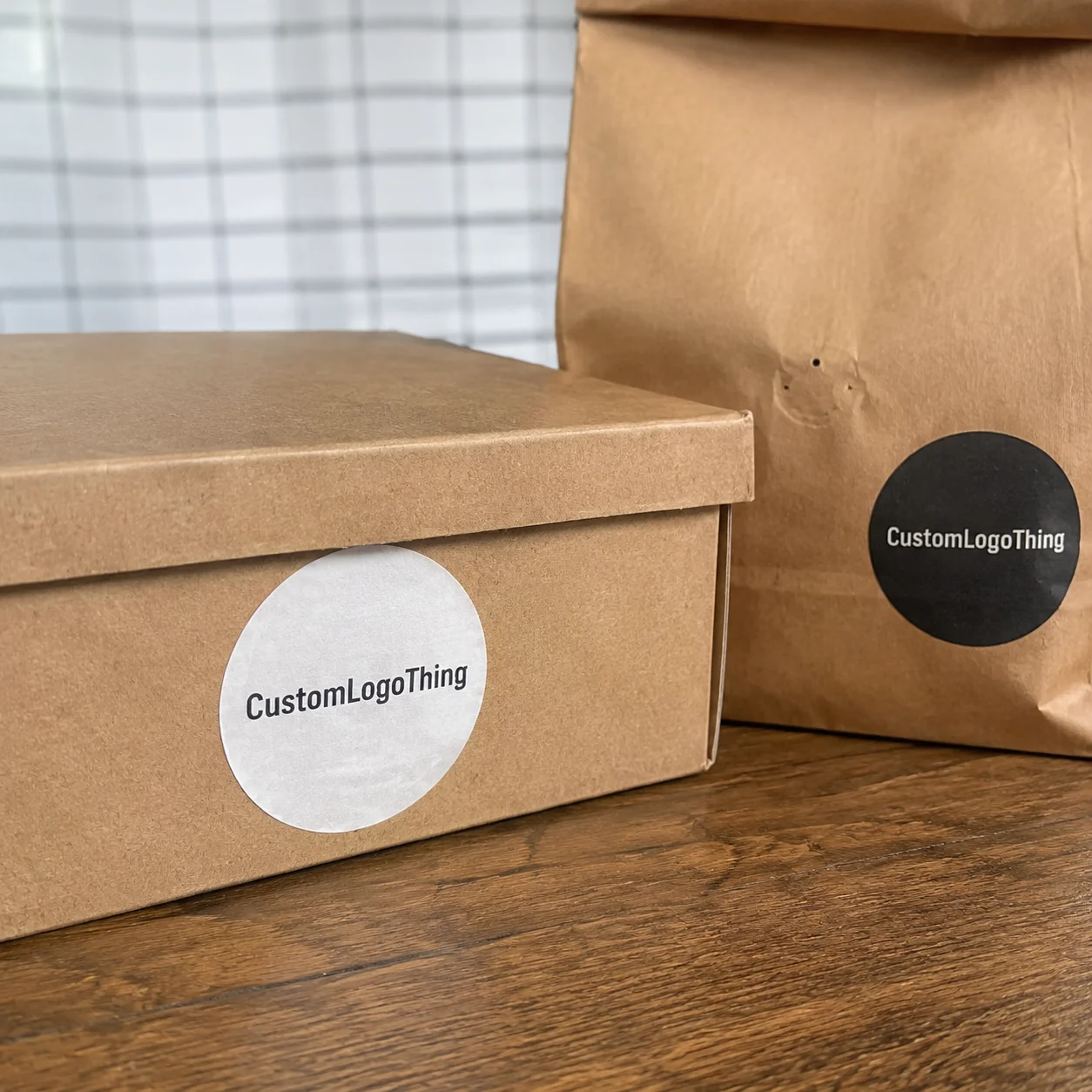
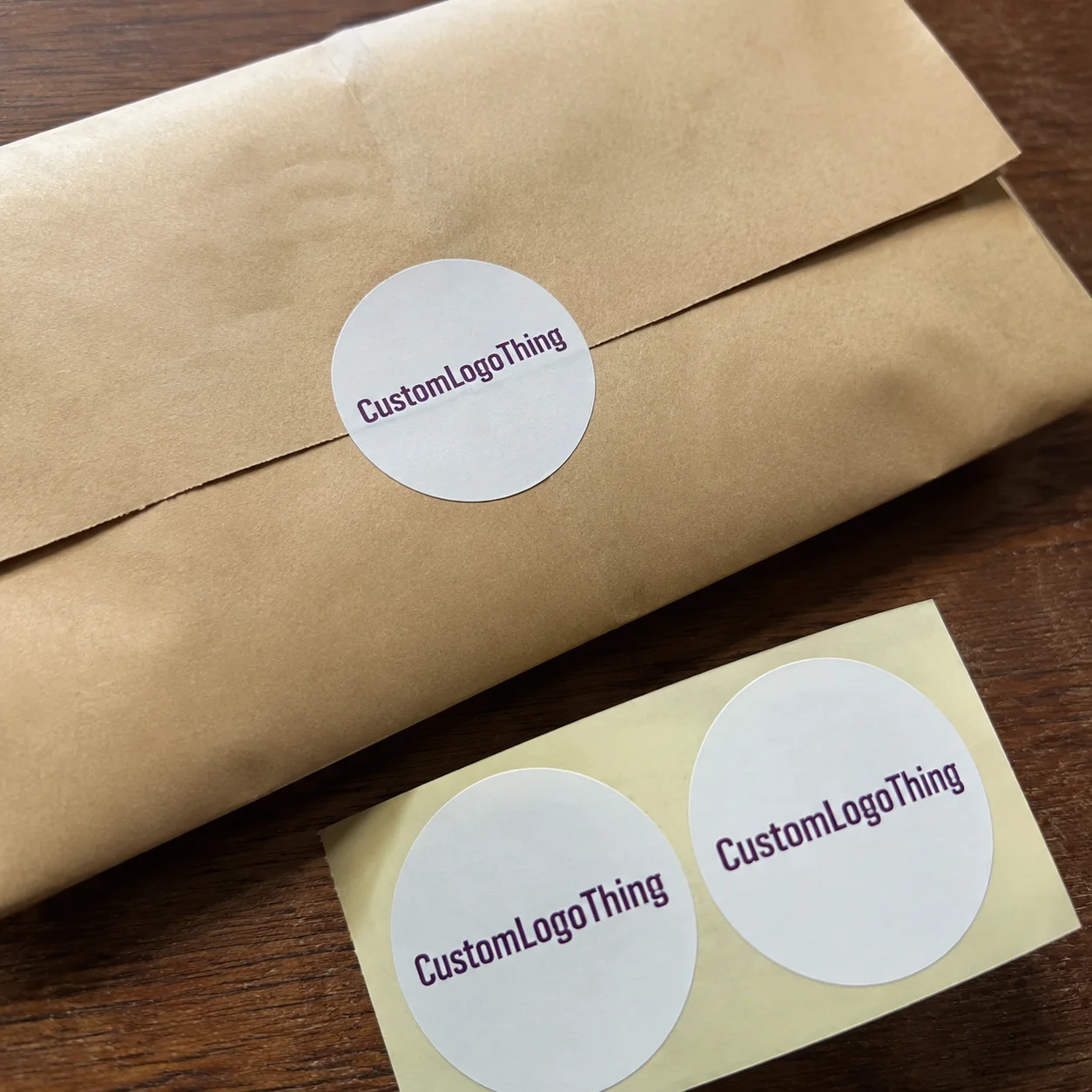
A sticker is often the smallest branded surface a customer touches. It can also travel farther than the box, bag, or product it was applied to. That is the practical surprise: Custom Stickers Made for brands are not just decorative extras. They seal tissue paper, identify a product, carry a QR code, support compliance, mark a limited drop, or turn plain packaging into something that feels intentional.
Small does not mean simple. A 2-inch sticker on a mailer may be handled by warehouse staff, delivery drivers, retail buyers, and the end customer before it lands on a laptop or water bottle. A jar label may need to survive condensation. A promotional sticker sheet may need clean peeling without tearing. Same category. Very different specs.
What Custom Stickers Made for Brands Actually Need to Do
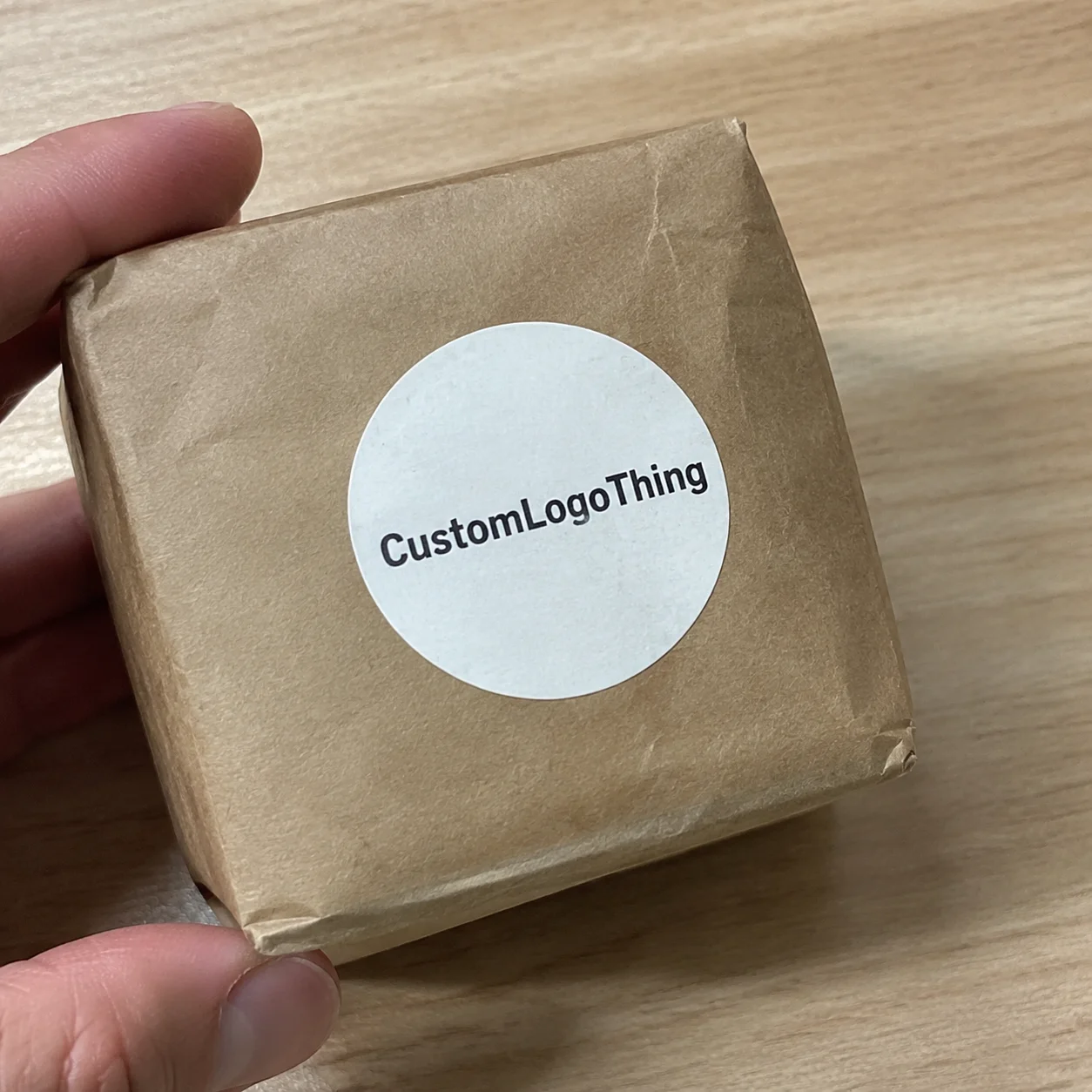
The usual mistake is treating sticker buying as a design decision first. It is not. It is a fit-for-use decision. Surface, environment, lifespan, quantity, finish, and application method decide whether the sticker performs or turns into a tiny packaging failure. Tiny failures are still failures. Customers notice.
The language gets muddy, so clean it up before quoting. Custom stickers usually refer to adhesive graphics used for branding, decoration, sealing, or promotion. Labels are usually more information-heavy: ingredients, barcodes, batch codes, warnings, product names, or regulatory text. Decals are often more durable graphics intended for windows, vehicles, equipment, or outdoor use. Seals close packaging such as tissue paper, retail bags, cartons, or mailers. Sticker sheets group several designs on one sheet and work well for kits, events, influencer mailers, and retail packs.
Production methods overlap, but the intent changes the spec. A paper seal on a coffee bag might only need to hold through shipping and shelf handling. A waterproof vinyl sticker handed out at a festival may be expected to live on a cooler for months. A BOPP product label on skincare packaging may need moisture resistance, oil resistance, and clean color reproduction under store lighting.
Stickers show up almost everywhere in packaging workflows: product jars, mailer boxes, tissue paper, retail bags, thank-you cards, event handouts, QR code campaigns, subscription boxes, and limited-edition product packaging. They also pair well with Custom Packaging Products when a brand wants seasonal variation without reprinting every box or insert.
Packaging buyer’s rule: decide what the sticker must survive before choosing what it should look like.
That rule saves money. It also prevents the awkward version of “brand experience” where the sticker curls at the edge before the product reaches the customer. Nobody puts that in the mood board.
Sticker Materials, Adhesives, and Finishes That Change Performance
Material choice sets the performance ceiling. Paper is usually the right answer for indoor, short-term use: bakery seals, tissue closures, thank-you labels, small retail packaging accents, or dry product packaging. It prints beautifully, feels familiar, and can be economical at scale. But paper is not the hero if moisture, oil, abrasion, or outdoor exposure is part of the job.
Vinyl is tougher. It is common for durable decals, outdoor promos, laptop stickers, water-bottle stickers, and applications that need more tear resistance. BOPP, a polypropylene film, is widely used for product labels because it handles moisture better than paper and works well on jars, bottles, tubes, and flexible packaging. Clear film gives the “no-label” look, especially on glass or glossy plastic. Textured stocks, such as laid or estate-style papers, can create a premium cue for candles, wine-style packaging, handmade goods, or boutique retail packaging.
Adhesive matters just as much as the face stock. Permanent adhesive is typical for packaging seals and product labels. Removable adhesive suits temporary promos, window stickers, or packaging that should not leave residue. Freezer-grade adhesive is designed for cold storage and chilled products. Aggressive adhesive helps on rough, curved, textured, or low-energy surfaces, though it can be harder to remove cleanly.
Low-energy plastics deserve their own warning. Polyethylene and polypropylene containers can be stubborn because adhesives do not always wet out across the surface cleanly. Recycled kraft board can also cause trouble if it is dusty, fibrous, or heavily textured. If the package feels “natural” and gritty, test adhesion before buying thousands of stickers. Charming texture is not a production spec.
Finishes change both appearance and handling. Gloss boosts color saturation and makes bright artwork pop. Matte reduces glare and often photographs better for social commerce. Soft-touch lamination feels premium, especially on cosmetics, wellness goods, and gift packaging. Holographic film gets attention fast, but it can overpower small typography. UV coating adds scuff resistance and can extend useful life when stickers face frequent handling.
- Die-cut stickers: cut to the shape of the artwork, useful for logos and standout promos.
- Kiss-cut stickers: cut through the sticker layer but not the backing, easier to peel by hand.
- Roll labels: efficient for production lines, label dispensers, and repeated application.
- Sticker sheets: practical for kits, inserts, events, and retail packs with multiple designs.
A candle brand may need labels that tolerate warm rooms and occasional wax handling. A coffee roaster may choose matte paper seals because the sticker’s job is tactile package branding, not moisture survival. A skincare brand probably needs BOPP or another moisture-resistant film because bathroom storage is a tougher environment than a desk drawer.
The prettiest material is not always the right one. If stickers for product packaging will be chilled, shipped, rubbed, or wrapped around a curved container, performance beats novelty.
Process and Timeline: From Artwork Proof to Finished Stickers
A normal sticker order follows a predictable path: inquiry, specification confirmation, artwork review, digital proof, approval, printing, cutting, finishing, quality check, packing, and shipping. Simple jobs may feel quick. Complex jobs need more breathing room.
Proofing is where the quiet problems surface. The supplier checks trim lines, bleed, safe zones, cut paths, color mode, spelling, white ink layers for clear materials, and QR code readability. A good proof is not decoration. It is a production document.
Typical bleed for sticker artwork is often around 0.0625 to 0.125 inches, depending on equipment and cut tolerance. Tiny type can become a liability below roughly 5 or 6 points, especially on textured stocks, dark backgrounds, or high-glare finishes. QR codes should be tested at final size with the actual phone distance a customer will use. For many small stickers, 0.8 to 1 inch is a practical minimum for a QR code, though code density and contrast can push that higher.
Clear stickers add another layer: white ink. Without it, colors printed on clear film can look washed out once applied to glass, amber bottles, black jars, or colored plastic. White ink can sit behind the whole design, only behind selected elements, or not at all. That choice should be shown clearly in the proof. Guessing here is how a crisp logo becomes a ghost.
Turnaround depends on complexity, not just quantity. A standard 2-inch round paper sticker may move far faster than a clear vinyl decal requiring white ink, lamination, a tight custom contour cut, and individual backing cards. Foil, embossing, variable data, custom sheets, specialty adhesives, and roll-label converting add steps. Each step adds a possible queue.
Planning ranges vary by supplier, but a straightforward digitally printed sticker order often needs about 5 to 10 business days after proof approval. Larger runs, specialty materials, roll-label converting, or premium finishing may sit closer to 12 to 20 business days. Add freight time. Add internal approval time. Add more time if the sticker supports a retail launch where buyers, legal teams, or compliance reviewers need to sign off.
The slowest part is often not the press. It is the email chain. Missing artwork, unclear sizing, late proof approval, or a last-minute finish change can cost more time than the print run itself because production clocks usually reset after approval.
For testing protocols around packaged product distribution, resources from ISTA are useful context. Sticker adhesion is not the same as transport testing, but vibration, compression, humidity, and handling all influence whether package branding survives the trip.
Cost and Pricing Factors Behind a Sticker Quote
Sticker pricing is built from several pieces: material, size, shape, print method, finish, quantity, setup complexity, proofing needs, packing format, and shipping. Small changes can move the quote sharply. A 2-inch round paper sticker on sheets is a different product from a waterproof die-cut vinyl sticker with white ink, gloss lamination, and individual backing cards.
Unit cost usually falls as quantity rises because setup time spreads across more pieces. Bigger orders still create storage, cash-flow, and forecasting questions. Buying 50,000 stickers at a lower unit cost is not automatically smart if the campaign changes in six weeks or the product packaging size is still being tested.
Minimum order quantity, or MOQ, simply means the lowest quantity a supplier will produce efficiently. MOQs exist because machine setup, material waste, proofing, labor, and finishing time create a floor before scale savings begin. Digital printing is friendlier to short runs than traditional flexographic production, but it still has setup and handling costs. The machine does not care that the order feels small to you.
| Sticker type | Typical use | Common cost range | Main cost drivers |
|---|---|---|---|
| 2-inch round paper sticker | Tissue seals, thank-you cards, dry packaging | $0.04-$0.12 per piece at higher quantities | Paper stock, quantity, sheet or roll format, finish |
| Die-cut vinyl sticker | Promos, events, laptop decals, outdoor giveaways | $0.18-$0.55 per piece depending on size and run | Cut complexity, lamination, durability, backing format |
| Clear film product label | Glass jars, bottles, cosmetics, premium products | $0.08-$0.30 per piece in mid-volume runs | White ink, film grade, adhesive, registration tolerance |
| Sticker sheet | Retail packs, influencer kits, event handouts | $0.40-$1.50 per sheet based on size and count | Sheet size, number of cuts, artwork versions, packing |
Those ranges are directional, not universal. A domestic rush job with specialty film and split shipments may cost more. A high-volume repeat run with stable artwork may cost less. Shipping also matters: rolls are usually efficient to pack, while individually bagged singles or backing cards add labor and carton volume.
Ask for tiered pricing at several quantities, such as 500, 1,000, 2,500, 5,000, and 10,000 pieces. Price breaks become visible fast. You might discover that moving from 1,000 to 2,500 pieces lowers the unit cost enough to justify extra inventory, or that a premium finish adds less than expected once setup is already covered.
Watch the hidden costs: rush fees, artwork cleanup, specialty proofs, split shipments, barcode testing, individual bagging, and reprints caused by unapproved files. Reprints are especially painful. Paying twice for the same sticker because a spelling error slipped through proofing is not a supplier problem; it is a process problem.
Value is not the same as low unit price. If a sticker peels from a curved jar, slows the packing line, or makes a premium product look cheap, the cheaper quote becomes expensive. Durability, application speed, brand perception, and failure risk all belong in the calculation.
Step-by-Step Ordering Guide for First-Time Sticker Buyers
Start with the surface. Is the sticker going on cardboard, glass, plastic, metal, fabric, paper, curved packaging, cold items, or handled products? Corrugated mailers behave differently from glass jars. Matte laminated boxes behave differently from kraft paper bags. Low-energy plastics can be stubborn. Dusty recycled board can reduce adhesion.
Next, define the job. A branding sticker has different priorities from a compliance label. A seal needs adhesive strength and clean placement. A QR campaign needs contrast and scan reliability. Tamper-evident stickers need a different construction entirely. Decorative unboxing stickers may prioritize texture, color, and peel experience.
Measure the available area with a ruler, not instinct. A 1.5-inch mark can feel large on a screen and tiny on a sample carton. If the sticker needs to be noticed immediately, leave enough contrast around it. If it should blend into the packaging design, match finish, stock tone, and visual weight with the surrounding system.
Prepare artwork carefully. Vector files such as AI, EPS, or editable PDF are usually preferred because they scale cleanly and preserve cut paths. High-resolution PNG, TIFF, or PSD files can work for image-based designs if they are built at final size, usually 300 dpi or higher. Include bleed. Outline fonts. Add spot color notes if brand color is critical. For clear materials, give separate white ink instructions so the printer knows what should appear opaque and what should remain transparent.
- Confirm the surface and environment.
- Choose the sticker’s primary job.
- Measure the final application area.
- Select material, adhesive, finish, and format.
- Send production-ready artwork or request file cleanup.
- Review the proof as a technical document.
- Approve only after internal stakeholders agree.
Format should match use. Rolls are best for production lines, hand labelers, and repeated application. Sheets suit manual packing stations and small batches. Singles work for giveaways. Kiss-cut backing helps staff or customers peel designs quickly without digging at the edge.
Roll labels need a few extra details. Ask about roll direction, outside or inside wound orientation, core size, gap between labels, and maximum roll diameter if the stickers will run through a dispenser or label applicator. These details sound boring because they are. They also stop a packing line from turning into a group project.
If your sticker carries legal, ingredient, warning, retail, or campaign-specific information, approval needs more discipline. One person should own the final proof. Everyone else should review before approval, not after the cartons are packed.
Brands that are already coordinating labels, hang tags, inserts, and carton graphics may want to compare sticker specs with Custom Labels & Tags. Consistency matters. Package branding feels more intentional when finish, color, and typography are aligned across the system.
Common Mistakes That Make Stickers Peel, Blur, or Miss the Mark
The most expensive mistake is choosing a material before defining the surface and environment. That is how brands end up with stickers that peel from curved tubes, bubble on textured mailers, fade in sunlight, or slide off chilled containers. Adhesion is chemistry plus surface energy plus pressure plus time. Design taste cannot override that.
Artwork mistakes are almost as common: low-resolution logos, missing bleed, hairline cut paths, unconverted fonts, tiny text, and color expectations based only on a backlit monitor. Printed color is affected by material, ink set, coating, lighting, and neighboring colors. If exact brand color matters, ask about a physical proof, drawdown, or color standard. ASTM has useful standards related to materials and testing, and broader packaging organizations such as PMMI can help buyers understand how packaging systems fit together, even though a sticker job may look simple on the surface.
Scale errors are brutal. A logo that looks confident at 400% zoom may become muddy at 1 inch wide. QR codes are even less forgiving. Dense codes, low contrast, metallic finishes, and curved surfaces can all reduce scan success. Social handles, ingredient text, and small disclaimers should be printed at final size before approval whenever possible.
Application problems often get misdiagnosed as print problems. Dusty surfaces, oily containers, cold packaging, wet hands, and rushed manual application can all reduce performance. Many pressure-sensitive adhesives need firm pressure and dwell time before reaching full bond strength. Applying labels in a cold warehouse to products that later move into warmer air can also create condensation problems.
Storage matters too. Stickers should usually be kept in a clean, dry, temperature-controlled space before use. Extreme heat, cold, humidity, and dust can damage face stock or adhesive before the sticker ever touches a package. Do not store label rolls next to a loading dock door for three months and then act shocked when application gets weird.
Ordering mistakes add another layer. Buying too few stickers for a launch creates rush reorders. Skipping samples removes the cheapest testing opportunity. Approving proofs casually invites reprints. Changing packaging dimensions after sticker production begins can leave you with inventory that no longer fits.
Failure diagnosis: if stickers fail, investigate the surface, adhesive, storage conditions, application temperature, and dwell time before blaming print quality.
Custom Stickers Made for packaging have to live in the same messy physical reality as boxes, bottles, mailers, and hands. That is why testing on real product packaging beats judging a PDF on a laptop.
What to Prepare Before You Request a Sticker Quote
A strong quote starts with a clear brief. Gather the basics before contacting a supplier: size, shape, quantity, material preference, application surface, indoor or outdoor use, finish, artwork file, packing format, and deadline. If you do not know the right material yet, say so. A good supplier can recommend options faster when the use case is clear.
Photos help more than buyers expect. Send images of the application surface, the full package, and the sticker location. A supplier may spot risks that a written spec misses: a curved shoulder on a jar, a dusty kraft texture, a fold line, a cold-chain requirement, or a label panel that is smaller than the design assumes.
Order samples or a small test batch when the sticker must survive moisture, cold, abrasion, shipping, retail handling, or curved containers. Apply samples to real packaging. Wait at least 24 hours when possible. Check edge lift. Scan QR codes. Photograph under store-like lighting. Rub the surface with dry and slightly damp fingers. If removability matters, test removal after one day and again after a longer dwell period.
Ask practical quote questions:
- What quantity tiers create the best price breaks?
- What proof will be provided before production?
- What lead time starts after proof approval?
- Which shipping method is included or recommended?
- Is vector art required, or can file cleanup be quoted?
- Are roll direction, core size, or sheet layout important for application?
For sustainability claims, be careful. FSC-certified paper stocks may support responsible sourcing goals; the Forest Stewardship Council explains chain-of-custody certification in detail. But recyclability depends on the total package, adhesive, ink, coating, local recycling rules, and the substrate the sticker is attached to. A small sticker can still complicate a recycling stream if the material mix is wrong.
Before ordering custom stickers made for a campaign or product line, lock the use case first. Then match material, adhesive, finish, quantity, and timeline to that job. The result is a sticker that looks right, applies cleanly, survives the journey, and supports the larger packaging system instead of becoming its weakest part.
FAQs
How are custom stickers made for product packaging?
They usually start with artwork and specifications, then move through proofing, printing, cutting, finishing, quality checks, and packing. The exact method depends on material, adhesive, shape, quantity, and whether the stickers are supplied on rolls, sheets, or as individual pieces. Packaging stickers often require more testing than giveaway stickers because they must adhere cleanly to real product surfaces.
What file format is best for getting custom stickers printed?
Vector files such as AI, EPS, or editable PDF are usually preferred because they scale cleanly and preserve cut lines. High-resolution PNG, TIFF, or PSD files may work for image-based artwork if they are large enough for the final print size. Files should include bleed, outlined fonts, clear color notes, and separate layers for cut paths or white ink when needed.
How much do custom stickers cost per piece?
Unit cost depends on size, material, quantity, finish, print method, cut complexity, packing format, and shipping. Simple paper stickers in higher quantities cost much less per piece than waterproof vinyl, clear film, foil, or individually packed stickers. The most useful quote compares several quantity tiers so buyers can see where setup costs spread out.
How long does it take to have custom stickers made?
Timeline depends on proof approval speed, material availability, finishing complexity, order volume, and shipping distance. Straightforward sticker jobs can move quickly once artwork is approved, while specialty finishes, custom shapes, or high-volume orders need more planning time. First-time buyers should build in extra time for proof revisions, samples, and internal review.
What is the difference between custom stickers and custom labels?
Stickers are often used for branding, decoration, sealing, promotions, and customer engagement. Labels are usually more information-driven and may include product names, ingredients, barcodes, compliance text, or batch details. The production methods can overlap, but the intended use, application format, and durability requirements often differ.