Most custom stickers Singapore problems are not caused by bad printing. They start earlier: vague specs, rushed artwork, and the quiet assumption that one sticker will behave the same on glass, kraft paper, plastic tubs, chilled bottles, courier boxes, and oily food packs.
Cute file. Wrong material. A label curling at the edge by lunchtime.
A cafe, cosmetics brand, event team, or retail packer can approve attractive artwork and still receive Stickers That Peel, smudge, wrinkle, scan badly, or make the pack feel cheaper than planned. The sticker is not just decoration. It is part of the product packaging, the handling experience, and often the first printed surface a customer touches.
Custom Stickers Singapore: What Buyers Usually Get Wrong
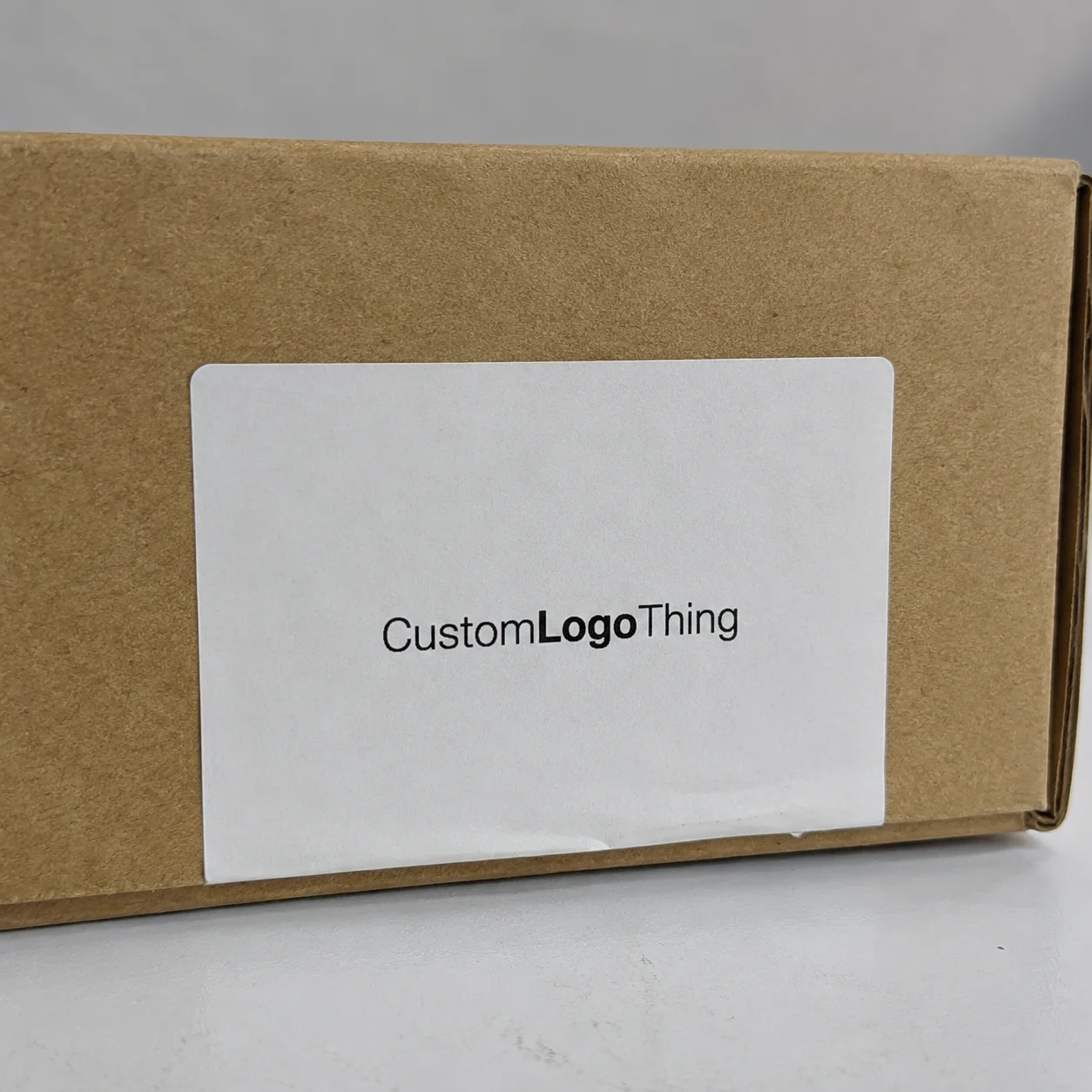
In buyer terms, custom stickers Singapore refers to Printed Adhesive Labels or decals made to a chosen size, shape, material, finish, and quantity. They are used for branding, packaging, promotions, logistics, seals, QR codes, ingredients, warranty markings, event kits, retail displays, and a dozen smaller jobs that rarely get enough attention until something fails.
People use “stickers,” “labels,” “decals,” and “seals” as if they mean the same thing. That is fine in casual conversation. In production, the better questions are practical: where will it stick, how long must it stay there, how should it look under light, and will it meet moisture, friction, cold, oil, sunlight, or repeated handling?
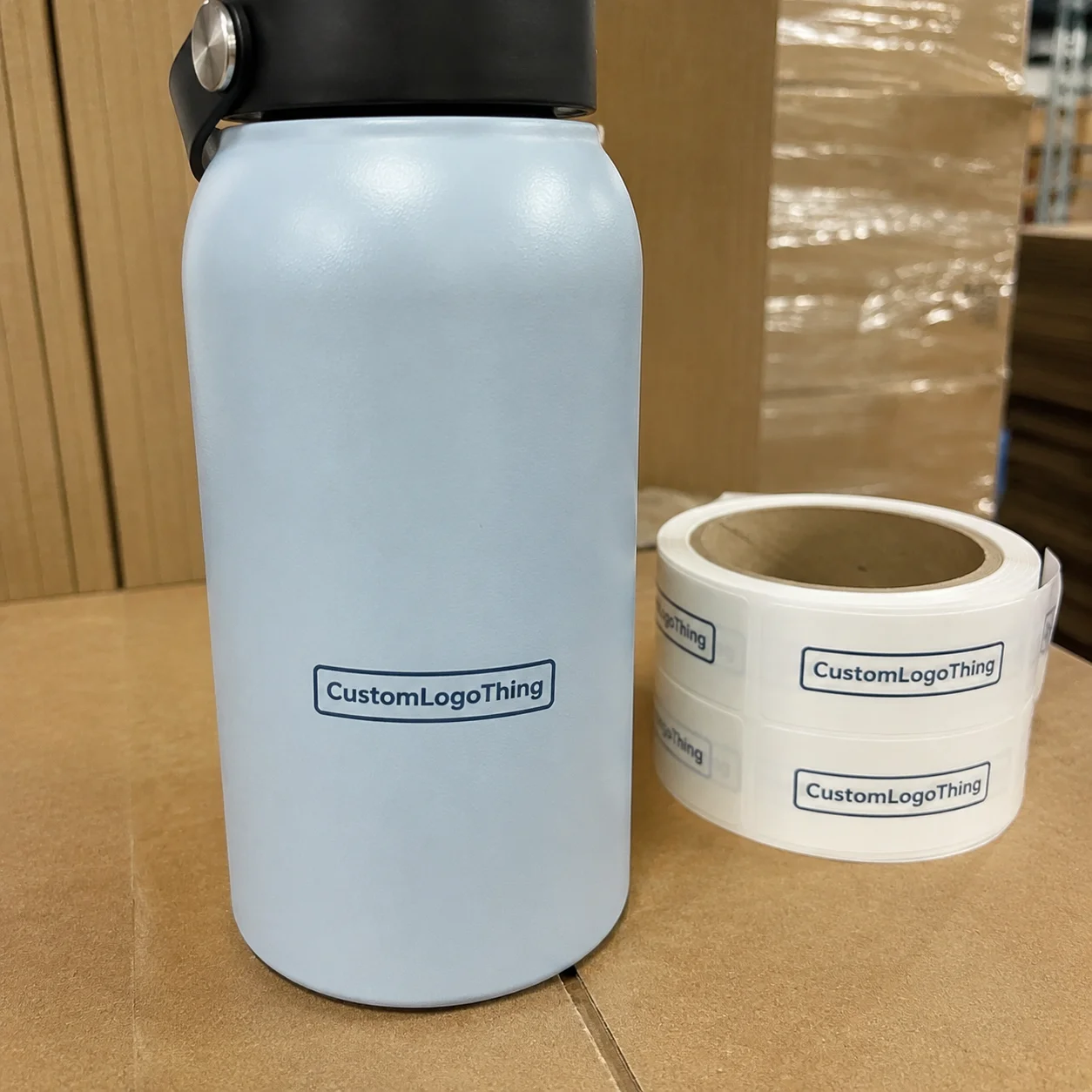
A sticker on a paper takeaway bag has an easy life. A label on a chilled juice bottle covered in condensation does not. A seal across a jar lid needs bend resistance and adhesive grip. A decal for outdoor branding needs stronger weather resistance than a short-term event name tag. One design file may need several technical specifications once the surface and use case change.
The main choices usually fall into five groups: indoor paper sticker, waterproof synthetic sticker, removable promotional sticker, tamper-style seal, or premium finished brand label. If you sell skincare, food, candles, bottled drinks, or boutique gifts, the sticker should sit inside your Custom Labels & Tags planning, not appear at the end as a cheap afterthought.
Use case first. Artwork second. Price third. Doing it backward is how attractive designs become expensive waste.
How Sticker Materials and Adhesives Work in Real Use
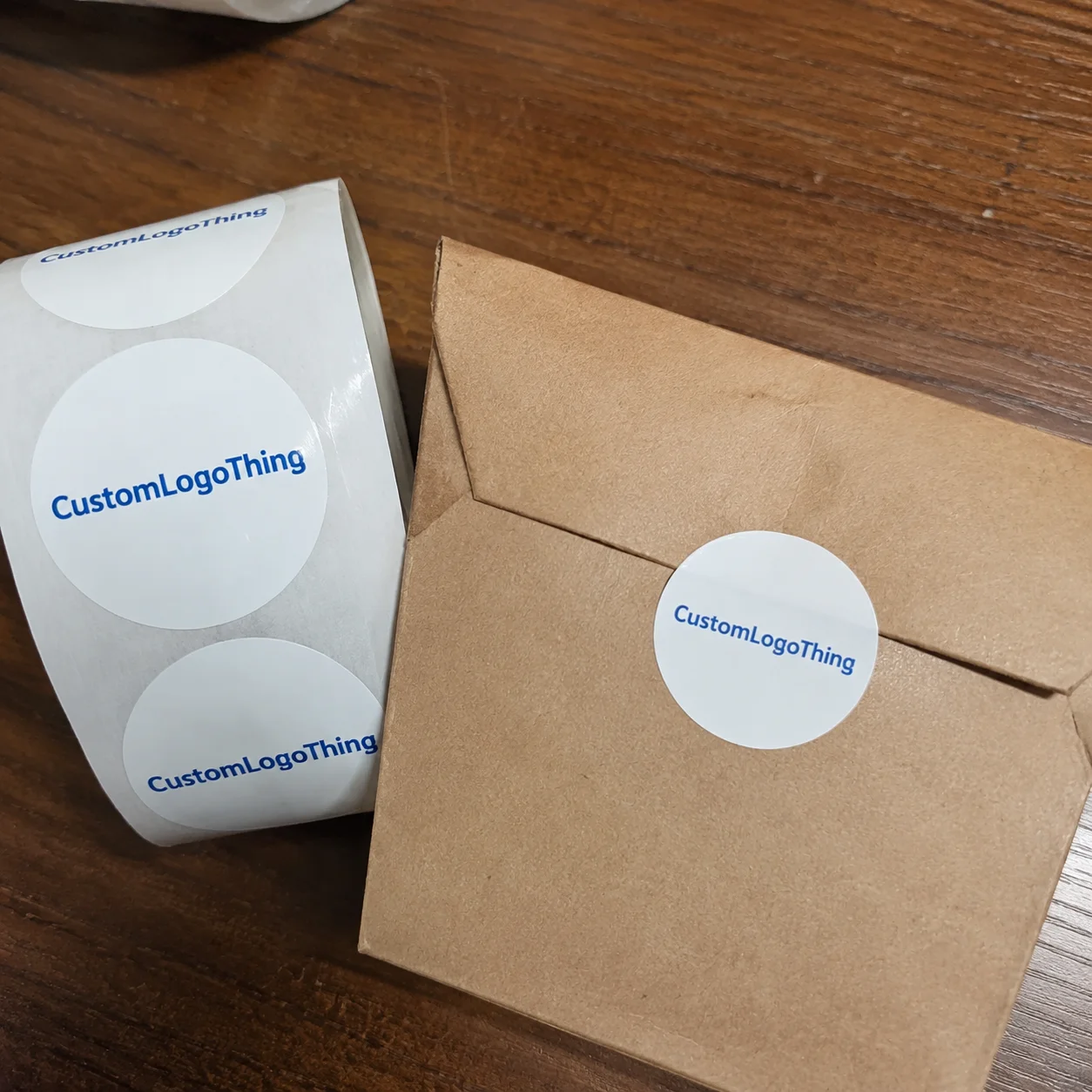
Paper stickers are the economical choice for dry, short-term, indoor use. Think takeaway packaging, envelopes, event packs, hang tags, retail paper bags, bakery boxes, and simple promo labels. They print cleanly, cost less at scale, and pair well with matte or gloss finishing.
Paper also has limits. It does not cope well with rain, condensation, oils, sauces, wet hands, freezer storage, or bathroom counters. If the sticker may be rubbed, chilled, splashed, or handled during delivery, paper should not be the default just because it is cheaper.
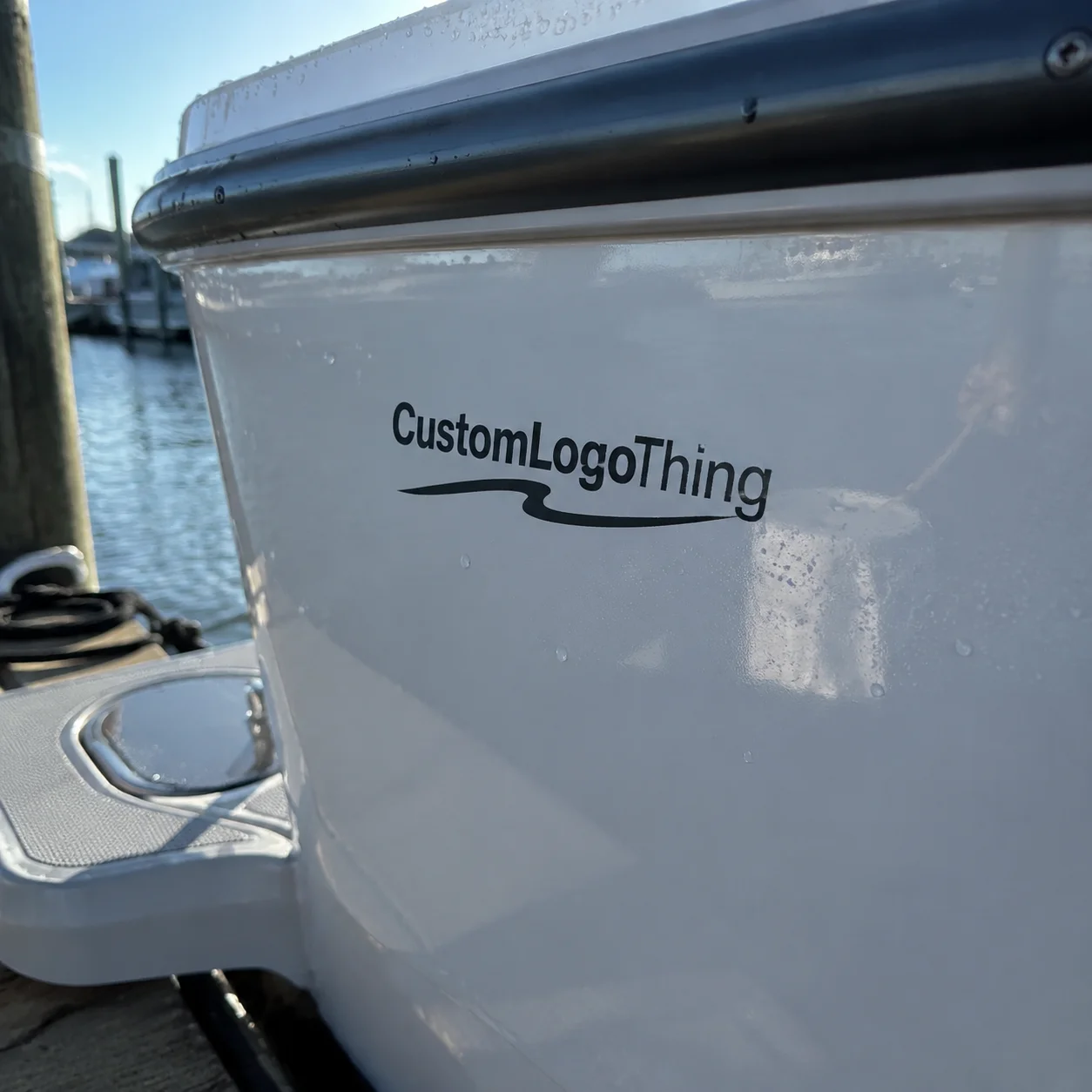
Synthetic materials such as PP, PET, PVC, and vinyl cost more, but they solve different problems. PP is a common everyday waterproof option for cosmetics, chilled drinks, food tubs, and general retail packaging. PET is stiffer and more dimensionally stable, often used when the label needs a cleaner premium feel or stronger resistance. Vinyl is popular for decals, laptop stickers, outdoor markings, window graphics, and longer promotional use.
Adhesive matters as much as the face stock. Permanent adhesive is the usual choice for product labels and branded packaging that must stay put. Removable adhesive suits temporary campaigns, pricing stickers, window promotions, and event use where residue would create complaints. Freezer-grade adhesive is made for cold storage. Stronger adhesive may be needed for textured paper, curved containers, flexible pouches, or low-energy plastics such as some polyethylene and polypropylene surfaces.
Surface type changes the result. Glass is smooth but shows bubbles. Plastic tubs vary wildly because different plastics have different surface energy. Kraft paper absorbs and textures the adhesive bond. Metal tins can be slick. Compostable packaging may reject standard adhesives or shift under humidity. Adhesive chemistry is not sentimental.
Testing does not need to be elaborate. Apply the sticker to the real surface, leave it for 24 to 48 hours, rub the edge, chill it if needed, wet it if needed, and check whether the ink, lamination, and adhesive still behave. For condensation, oil, sauces, skincare formulas, chilled delivery boxes, and courier handling, this small test can prevent a large bad order.
- Paper: dry, indoor, lower cost, short-term.
- PP: waterproof everyday use for food, drinks, and cosmetics.
- PET: firmer premium feel with better durability.
- Vinyl: decals, outdoor use, windows, laptops, and longer promotions.
Cost, Pricing, and MOQ Factors That Change Your Quote
Sticker quotes move because specifications move. The biggest quote drivers are size, material, quantity, number of designs, print method, finishing, die-cut shape, sheet versus roll format, and delivery requirements. A 30 mm round paper sticker on sheets is not priced like a 90 mm waterproof PET label on rolls with matte lamination and a custom shape. Obvious, yes. Still a common source of confused quotations.
Unit cost drops as quantity rises because setup, artwork checking, plate or die preparation, machine time, test pulls, and waste are spread over more pieces. A short digital run is flexible, but the unit price is usually higher. Larger roll production can reduce unit cost significantly, especially for repeated product runs where the artwork stays stable.
As a practical range, small short-run jobs may sit around S$0.20 to S$1.20 per sticker depending on size, material, and finish. Larger roll or sheet orders can fall into the S$0.03 to S$0.18 range per piece for simpler specifications. Premium finishes, special shapes, waterproof stock, multiple artwork versions, and unusual packing requirements push the number up. These are guidance bands, not a universal price list. Suppliers price differently based on equipment, stock, labour, wastage, and order batching.
| Sticker Option | Best For | Typical Cost Level | Buyer Tradeoff |
|---|---|---|---|
| Paper sheets | Events, envelopes, dry packaging, small teams | Low to medium | Affordable, but weak against water and oil |
| Waterproof PP rolls | Food tubs, drinks, cosmetics, repeated packing | Medium | Durable and efficient, but MOQ may be higher |
| PET premium labels | Skincare, candles, luxury packs, retail jars | Medium to high | Cleaner finish, higher material cost |
| Vinyl decals | Outdoor marks, laptops, windows, promos | Medium to high | Longer-lasting, but not always needed for packaging |
Sheets are convenient for hand application, mixed designs, small teams, and events. Rolls are better for production lines, label dispensers, repeated packing, and larger product runs. Individually cut stickers work well for giveaways, inserts, influencer packs, and merchandise bundles, though counting and packing can add labour.
MOQ is not just a supplier being difficult. Very low MOQs are flexible but more expensive per sticker. Higher MOQs reduce unit cost but increase storage risk if branding, ingredients, barcodes, pricing, QR codes, compliance text, or promotional claims change. For a new product launch, a short validation run is often safer than ordering a year’s worth of labels. Warehousing obsolete stickers is not a business strategy.
Add-ons can quietly change the quote: matte lamination, gloss lamination, foil, spot UV, special shapes, kiss-cut sheets, waterproof stock, rush production, split designs, variable data, and special packing. If budget is tight, ask for the add-ons line by line.
A useful quote request includes exact size, quantity, material, finish, application surface, number of designs, format, and deadline. “How much for stickers?” is not a quote request. It is a guessing game with invoices.
Process and Timeline From Artwork to Delivered Stickers
The usual flow is simple: confirm specifications, submit artwork, run prepress checks, issue a digital proof, approve the proof, print, finish, cut, pack, and deliver. The messy part is rarely the printing machine. It is missing information before production starts.
Artwork checks should cover resolution, bleed, safe zone, colour mode, line thickness, QR code size, barcode readability, and whether white ink is needed for clear or metallic materials. For small stickers, tiny type can turn into dust. Barcodes and QR codes need enough quiet space and contrast. A 12 mm QR code may scan nicely on a monitor and fail after printing, lamination, and curvature.
The timeline starts after proof approval, not when a buyer sends a blurry logo in a messaging app. Brutal but accurate. If the artwork needs cleanup, fonts are missing, the dieline is unclear, or five people still need to approve the file, production has not truly begun.
Simple digital sticker jobs can often move in about 3 to 7 business days after print-ready artwork and proof approval. Custom die-cuts, specialty finishes, larger quantities, roll labels, foil, or unusual materials often need 7 to 15 business days, sometimes longer if stock is tight or testing is required. Rush jobs may be possible, but rush usually means fewer options and a higher price.
Common delays include late proof approval, missing dielines, low-resolution images, unclear finish choices, stock availability, public holidays, courier timing, and last-minute design changes. If the stickers are needed for a launch, trade show, retail listing, product photography session, or gift campaign, build buffer time. Stickers are small. Delays are not.
Approve a final PDF proof internally before production. Marketing, operations, and compliance should not start fighting after printing has begun. If you sell regulated products or food items, check the latest labelling requirements with the relevant authority and keep supplier proofs archived. For broader packaging performance planning, standards from groups such as ISTA can be useful when stickers form part of shipping or distribution packs.
Step-by-Step Guide to Specifying Stickers Before You Order
A clean sticker order starts with a specification, not a file dump. Answer these points before asking for a quote and you will get better pricing, fewer revisions, and less supplier guesswork.
- Define the job. Is the sticker for product packaging, shipping cartons, jars, event giveaways, retail displays, warranty seals, QR codes, or outdoor branding?
- Measure the application area. Include the actual surface curve, lid edge, bottle taper, or label panel. A sticker that looks perfect on screen can look drunk on a curved container.
- Choose material based on exposure. Ask whether it faces water, oil, sunlight, refrigeration, abrasion, delivery handling, or repeated touching.
- Choose finish based on brand feel and function. Matte looks softer, gloss makes colours pop, clear stock creates a no-label look, and lamination adds protection.
- Decide the format. Sheets suit manual application and mixed designs. Rolls suit faster packing and machine application. Individually cut stickers work for giveaways or inserts.
- Prepare artwork correctly. Include bleed, safe margins, vector logos, outlined fonts, embedded images, high-resolution graphics, and legible small text.
- Order samples or a short run. Do this for high-value products, unusual surfaces, new packaging formats, or any sticker expected to survive moisture, cold, or oil.
For packaging design, decide the sticker alongside the box, pouch, jar, or bag rather than after everything else is finished. That keeps the material, finish, and placement aligned with the rest of the branded packaging. A matte black paper box with a shiny low-cost label can feel confused. A clear label on a frosted jar can look excellent, but only if white ink and contrast are handled properly.
If your sticker is part of a larger launch, compare it with your Custom Packaging Products early. Matching custom printed boxes, paper bags, labels, and seals can tighten package branding without making every item expensive. Spend where customers notice. Save where they do not.
Common Sticker Ordering Mistakes That Waste Budget
The most common mistake is ordering by price only. Cheap is useful. Wrong is expensive. A low unit price means little if the adhesive fails, the colours look flat, the sticker wrinkles on the product, or the finish makes the whole pack look rushed.
Another classic mistake is choosing paper stickers for chilled drinks, oily food packs, bath products, courier boxes exposed to rain, or products handled with wet hands. Paper has limits. It is not a superhero. If moisture is part of the journey, use a waterproof synthetic stock and consider lamination.
Buyers also underestimate application conditions. Condensation, curved containers, rough kraft paper, freezer storage, flexible pouches, and textured recycled boards all affect performance. For paper-based packaging, responsible sourcing may matter too; brands that care about chain-of-custody materials often check standards from organizations such as FSC.
Small artwork is another budget trap. Tiny fonts, thin lines, low-contrast colours, and overly detailed illustrations do not sharpen because the design is attractive. If customers need a microscope, the design has failed. For small labels under 40 mm wide, keep the hierarchy ruthless: logo, one key message, maybe a QR code if there is enough space.
Forgetting bleed and safe zones causes uneven edges, clipped text, and logos sitting too close to the trim line. A common setup is 2 mm to 3 mm bleed, with key text kept at least 2 mm inside the cut line, though the exact requirement depends on the printer and cutting method. Ask before finalising artwork.
Ordering too many stickers with dated claims is risky. Seasonal messages, temporary prices, QR codes, batch details, promotional slogans, and compliance information can change. If the label includes anything unstable, reduce the quantity or plan version control properly.
Skipping proof review because the order is urgent is how spelling errors become very sticky, very permanent little monuments to chaos. Check size, material, finish, spelling, colour notes, cut line, quantity, and delivery address before approval. That 10-minute review can save the whole run.
Expert Tips for Better Finish, Durability, and Brand Feel
Matte lamination works well when the brand needs a softer, more premium feel. It suits skincare, candles, boutique food, minimalist packaging, wellness products, and gift sets. It reduces glare and can make simple artwork feel more considered. The tradeoff: colours may look slightly less punchy than gloss.
Gloss lamination makes colours brighter and more reflective. Use it for sauces, snacks, children’s products, event branding, promotional stickers, and anything that benefits from shine and energy. It also adds surface protection. The tradeoff: glare can make small text harder to read under strong retail lighting.
Clear stickers are useful when the product or packaging colour should show through. They can create a clean no-label look on glass jars, bottles, or coloured packs. Remember white ink. Without it, light colours can disappear on dark surfaces or look weak on transparent containers. Clear labels look simple only when the print setup is not lazy.
Rounded corners are not just aesthetic. They help labels resist lifting, especially on bottles, tubs, flexible packaging, and products handled often. Sharp corners catch fingers, edges, condensation, and friction faster. For many rectangular product labels, a 2 mm to 5 mm corner radius is a small change with a practical benefit.
QR codes should be tested after printing, not only on screen. A safe minimum depends on scanning distance, print contrast, surface curve, and phone camera quality, but many product labels perform better with QR codes around 18 mm to 25 mm wide. Test with multiple phones, under normal lighting, on the final surface.
If brand colour consistency matters across boxes, bags, labels, and stickers, ask about colour proofing. Digital proof files show layout; they do not always show exact colour. Spot colours, CMYK conversion, material shade, ink density, and lamination can all shift appearance. For serious retail packaging, colour should be managed across the full pack system, not judged one sticker at a time.
Match sticker finish to packaging finish. A luxury matte box with a cheap glossy sticker can weaken the entire pack. A kraft bag with a textured paper label can feel intentional. A waterproof PP label on a chilled bottle can look clean and survive handling. Good package branding is often less about extra decoration and more about not letting one weak component damage the whole impression.
Next Steps Before You Request Samples or Place an Order
Before contacting suppliers, create a buying brief. Include sticker size, shape, quantity, material preference, finish, number of designs, usage surface, indoor or outdoor exposure, and target delivery date. If you do not know the right material, describe what the sticker must survive: water, oil, cold, sunlight, abrasion, courier handling, or repeated touch.
Prepare artwork in editable vector format where possible. Outline fonts, embed images, include bleed, mark cut lines clearly, and provide linked brand files if colour consistency matters. For logos, vector files such as AI, EPS, or print-ready PDF are usually safer than screenshots or low-resolution PNG files. Screenshots are not artwork. They are evidence.
Photograph or describe the surface where the sticker will be applied, especially if it is curved, textured, chilled, oily, flexible, compostable, or exposed to water. A supplier can recommend better when they understand the surface. If the application is unusual, ask for one budget-friendly specification and one upgraded durable or premium option. The tradeoff becomes visible instead of mysterious.
Request samples when the sticker is mission-critical, used on retail packaging, applied to unusual materials, or expected to survive moisture, refrigeration, or outdoor exposure. For custom stickers Singapore buyers, the smartest order is not the prettiest file or the cheapest unit price. It is the specification that fits the surface, timeline, budget, and brand job without drama.
FAQs
What materials are best for custom sticker printing in Singapore?
Paper is best for dry indoor packaging, envelopes, and short-term promotions. PP or PET is better for waterproof product labels, chilled drinks, cosmetics, and items handled often. Vinyl is usually the stronger choice for decals, outdoor use, and longer-lasting promotional stickers. The right material depends on surface, moisture, handling, temperature, and how long the sticker must stay clean and stuck.
How much do custom stickers in Singapore usually cost?
Pricing depends on size, quantity, material, shape, finish, number of designs, and whether the stickers are supplied on sheets, rolls, or individually cut. Small runs have higher unit costs because setup and production time are spread over fewer pieces. Bulk orders usually reduce unit cost, but only make sense if the artwork and product information will not change soon. For accurate quoting, provide size, quantity, material, finish, application surface, artwork files, and deadline.
What is the typical lead time for custom stickers Singapore orders?
Simple jobs can often move in about 3 to 7 business days once artwork is print-ready and the proof is approved. Custom die-cut shapes, specialty finishes, roll labels, larger quantities, or unusual materials often need 7 to 15 business days or more. The clock normally starts after final proof approval, not when the first enquiry is sent. Add buffer time for launches, events, retail deadlines, holidays, courier delays, and internal approval rounds.
Should I order sticker sheets, rolls, or individually cut stickers?
Sticker sheets are convenient for small teams, hand application, events, and mixed designs. Sticker rolls are better for repeated packing, higher quantities, and label dispensers or machine application. Individually cut stickers work well for giveaways, inserts, merchandise, and promotional packs. The right format depends on how the stickers will be stored, applied, counted, and distributed.
Can custom stickers be waterproof and still look premium?
Yes. Waterproof synthetic materials such as PP, PET, or vinyl can look polished when paired with the right print and finish. Matte lamination gives a softer premium feel, while gloss lamination boosts colour and shine. Clear waterproof stickers can create a clean no-label look, but white ink may be needed for visibility. For premium packaging, test the sticker on the actual product surface before placing a large order.