Custom Tamper Stickers: Design, Price, and Order Tips
Custom Tamper Stickers: What They Actually Prove
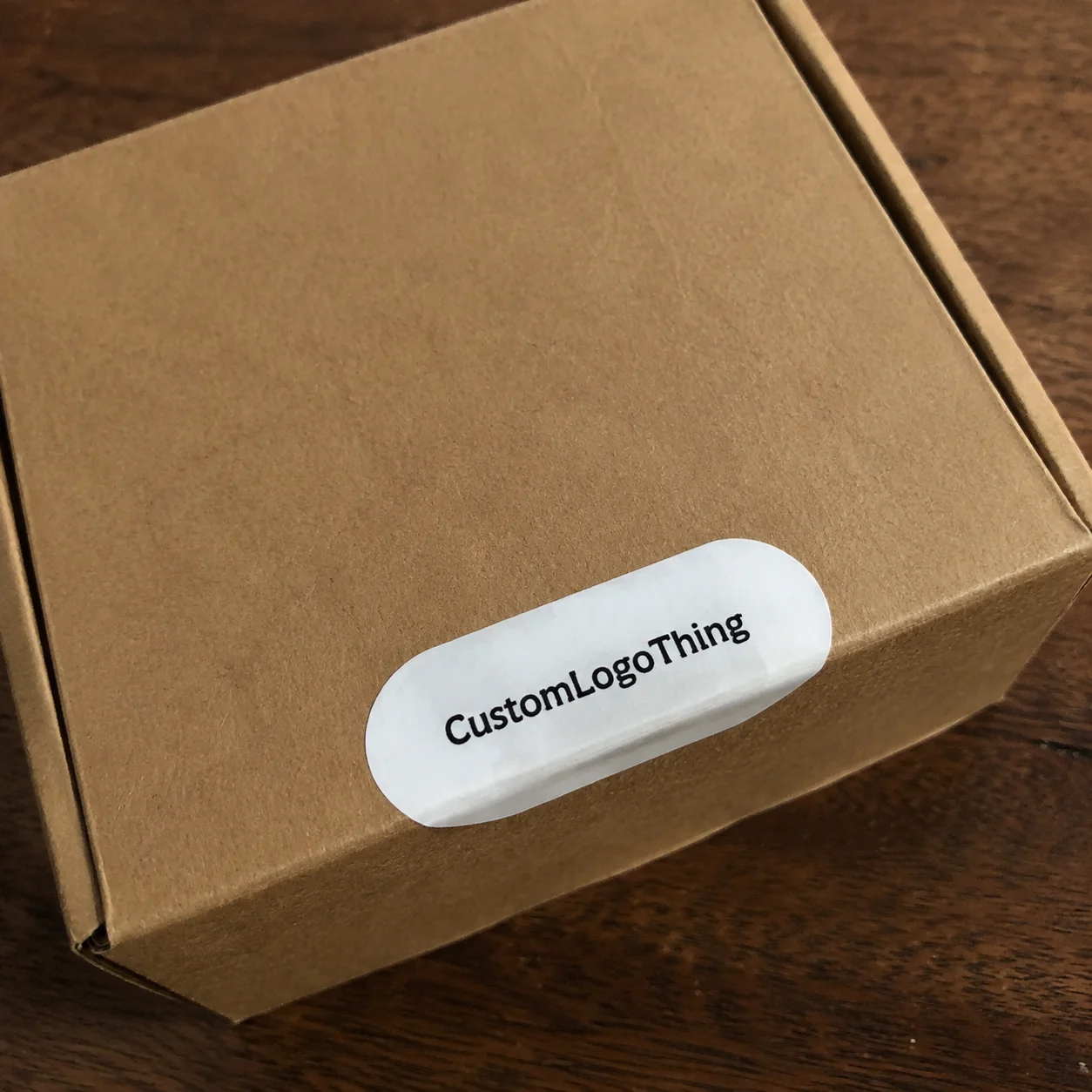
A customer receives a sealed electronics box, supplement jar, document envelope, or equipment case. One corner of the label lifts. A “VOID” message appears, the film fractures, or adhesive residue stays behind. That visible evidence is the point of custom tamper stickers: they do not stop every theft attempt, but they make opening, swapping, resealing, and unauthorized access much harder to hide.
In packaging terms, these are pressure-sensitive security labels designed to show interference. The label may leave residue, split into flakes, reveal a checkerboard pattern, or expose a hidden message in the face film. The job is detection, confidence, and accountability. Not brute-force protection.
Three terms often get mixed together. Tamper-evident means the label shows signs of removal or disturbance. Tamper-resistant means the closure or package is harder to open without effort. Security branding adds trust cues such as logos, serial numbers, QR codes, holographic effects, or warning copy. A strong seal may use all three, but a sticker is still not a lock.
Packaging buyers use these labels for retail packaging, warranty control, restricted access panels, asset tracking, shipping cartons, samples, regulated products, and high-value goods. They can also support brand presentation when the seal carries a logo, lot code, or direct instruction such as “Inspect seal before use.”
The right construction starts with the package, not the artwork. Smooth glass, powder-coated metal, coated folding cartons, and low-energy HDPE bottles behave differently under adhesive. A design that works beautifully on a glass jar may lift from a textured carton or fail to void on a polypropylene cap.
How Tamper-Evident Label Constructions Work
Void labels are the most familiar option. When someone peels the label, the face film separates from the adhesive layer and leaves behind “VOID,” “OPENED,” a checkerboard, or a custom message. Some versions transfer the message to the product surface. Others reveal the message inside the label film. Smooth surfaces such as glass, painted metal, PET containers, and coated cartons usually produce the cleanest result.
Destructible vinyl works differently. Instead of leaving a message, it breaks into small pieces when lifted. Clean transfer becomes nearly impossible because the label cannot be peeled off in one piece and moved to another package. This construction is common for warranty seals, electronics housings, access covers, tool cases, inspection points, and serialized asset labels.
Frangible paper is more economical and often suitable for short-life seals, document envelopes, foodservice closures, and some paperboard applications. Checkerboard transfer labels leave a patterned footprint. Full-residue constructions leave a stronger adhesive mark. Non-residue void labels show evidence in the label film without leaving much adhesive behind, useful for rental equipment, reusable totes, or surfaces that cannot be gummed up after inspection.
Adhesive chemistry matters as much as the face material. Permanent adhesive is common, but high-tack formulas may be needed for textured board, cold application, or slightly rough plastics. Low-temperature adhesives are used when labels are applied or stored in refrigerated conditions, often around 25°F to 40°F. Specialty adhesives may be needed for HDPE, PP, powder-coated metal, molded texture, or surfaces exposed to handling oils.
Face stock changes the outcome too. Polyester is durable, stable, and clean-printing for barcodes or QR codes. Vinyl conforms better to curves and uneven surfaces. Paper keeps cost down but has weaker moisture and abrasion resistance. Holographic film adds a strong visual deterrent and can support authentication, though small type and fine QR details need careful handling.
Practical callout: Tamper performance depends on dwell time, firm application pressure, surface energy, temperature, and cleanliness. A label tested 30 seconds after application may behave very differently after 24 hours of adhesive flow and bond build.
For formal packaging validation, especially where shipping stress matters, buyers often pair label trials with broader distribution tests from groups such as ISTA. ASTM methods are also common reference points for adhesive and material performance, though the exact method depends on the construction and end use.
Key Specs to Decide Before You Request Artwork
Before design begins, settle the working specifications: label size, shape, quantity, face material, adhesive, tamper pattern, print colors, finish, roll or sheet format, and application method. These details drive cost, performance, and how the sticker behaves on the real package.
Surface type is the first filter. Glass usually accepts permanent adhesives well if it is clean and dry. Corrugated board can be dusty and uneven, so a high-tack adhesive may be safer. Coated cartons and Custom Printed Boxes need testing because varnish, aqueous coating, soft-touch film, or UV coating can change bond strength. HDPE and PP bottles are lower-surface-energy plastics; standard adhesive may not grab aggressively enough. Painted metal, laptops, and powder-coated panels need a construction that resists clean removal without leaving unacceptable residue.
Application environment is the second filter. Refrigerated storage, hot warehouses, outdoor exposure, moisture, dust, oils, abrasion, and frequent handling all push the specification in different directions. A polyester void label with overlaminate may survive scuffing better than uncoated paper. A seal on a curved 2-ounce cosmetic jar needs conformability. A label across a rigid carton flap may need stiffness and strong edge adhesion.
Size deserves more attention than it usually gets. A 0.5-inch by 1-inch seal can be discreet, but warehouse staff or customers may miss it. A 2-inch by 4-inch seal is highly visible, yet it may wrinkle on a small bottle radius or bridge poorly over a carton corner. Many product seals land between 0.75 inch and 2 inches wide, depending on whether they seal a lid, flap, latch, cap, or shrink-wrapped edge.
Artwork choices can include logo, warning text, serial number, barcode, QR code, lot number, brand colors, matte finish, gloss finish, metallic effect, or holographic security cues. Keep the inspection message readable. Tiny 4-point text, low contrast, or a QR code crossing a fracture zone can create press problems and customer confusion. Good security design leaves room for both branding and verification.
- Best for visibility: high-contrast warning text, 7-point type or larger, and a simple tamper message.
- Best for scanning: clear quiet zones around barcodes or QR codes, plus stable polyester or coated stock.
- Best for branded packaging: logo, brand color, and a direct instruction such as “Do not accept if seal is broken.”
Cost, Pricing, and MOQ Factors That Move the Quote
Pricing is usually driven by construction, adhesive, label size, print method, color count, finishing, order quantity, numbering, inspection requirements, and roll or sheet format. A simple printed paper security seal can be inexpensive. A serialized holographic polyester void label with specialty adhesive, tight inspection standards, and custom roll orientation costs more.
For planning, small commercial runs often start at a few hundred to a few thousand pieces, but better unit pricing usually appears once setup time is spread across larger quantities. A basic printed security seal might land around $0.05 to $0.12 per unit at 10,000 pieces, depending on size and ink coverage. Polyester void labels commonly run around $0.10 to $0.28 per unit at similar quantities. Destructible vinyl, holographic film, variable data, and specialty adhesives can push higher, especially in lower volumes.
| Security Label Type | Typical Use | Common Cost Range | Buyer Notes |
|---|---|---|---|
| Printed paper security seal | Document envelopes, cartons, short-life retail packaging | $0.04–$0.12 each at mid-size runs | Good value, but limited moisture and abrasion resistance. |
| Polyester void label | Electronics, jars, boxes, smooth containers | $0.10–$0.28 each at mid-size runs | Clean print and strong evidence on compatible surfaces. |
| Destructible vinyl label | Warranty seals, assets, access panels | $0.12–$0.35 each at mid-size runs | Excellent breakaway behavior; slower to remove during service. |
| Holographic security label | Authentication, premium product packaging | $0.18–$0.60 each at mid-size runs | Strong visual deterrent, but design must preserve readability. |
| Serialized or QR-coded label | Traceability, asset control, warranty tracking | Adds roughly $0.02–$0.10 each | Requires clean data files and barcode verification planning. |
Minimum order quantity is tied to production reality. Label runs require setup, press calibration, material waste, die cutting, matrix stripping, winding, inspection, and packing. Very small batches carry those fixed costs across fewer labels, so the unit price can look disproportionate. Larger runs lower unit cost, but a big order is risky if the adhesive has not been tested or the package dimensions may change.
Hidden cost drivers include custom dies, rush production, multiple artwork versions, special roll orientation, serialized data files, extra inspection, specialty laminates, and unusual core sizes. Ask for two or three quantity breaks, such as 1,000, 5,000, and 10,000 pieces. If the surface is uncertain, request samples or a prototype before approving the full run of custom tamper stickers.
Buyers already ordering Custom Labels & Tags or broader Custom Packaging Products can often keep packaging consistent by matching colors, finishes, and copy style across security labels, printed boxes, sleeves, and inserts.
Production Steps, Timeline, and Lead Time Expectations
A typical production path is direct: define the use case, confirm the surface and environment, choose the construction, prepare artwork, review the proof, approve a sample if needed, print, finish, inspect, and ship. Standard labels with ready artwork move faster than specialty constructions. The testing step should not be treated as optional.
During artwork review, prepress checks bleed, safe area, color mode, minimum type size, barcode readability, QR code quiet zones, and whether the hidden tamper message conflicts with the visible design. If a 1-inch label includes a logo, warning text, serial number, and QR code, something may need to shrink or disappear. Clean hierarchy prints better and reads faster.
Digital printing suits short runs, multiple versions, and variable data because it reduces plate cost and supports faster iteration. Flexographic printing is often more efficient for larger or repeat orders, especially where roll finishing, spot colors, and high-speed application matter. Neither method is automatically superior; volume, color needs, repeatability, and finishing decide the better fit.
Finishing may include lamination, varnish, die cutting, matrix stripping, roll winding, sheet cutting, numbering, and quality checks for adhesive and print consistency. Roll labels also need core size and unwind direction confirmed. Hand application is forgiving. Machine application is not. One wrong unwind direction can stop a packaging line even if the labels are otherwise perfect.
Turnaround can stretch because of specialty material sourcing, custom dies, variable data setup, proof revisions, unusual adhesives, transit delays, or failed surface testing. As a practical range, standard printed security labels may take about 7 to 12 business days after proof approval. Specialty void, holographic, serialized, or destructible constructions can run closer to 12 to 20 business days, depending on material availability and inspection needs.
The biggest timing mistake is approving production from a polished PDF proof alone. A tamper label that looks sharp on screen can behave badly on textured board, curved bottles, cold glass, or low-energy plastic. Build in time for a real package test, particularly for retail packaging exposed to heat, cold, vibration, stacking pressure, and repeated handling.
Step-by-Step Ordering Guide for Security Labels
Start with the actual risk. Are you trying to detect product swapping, warranty fraud, counterfeiting, returns abuse, equipment access, transit tampering, or customer concern during unboxing? The answer shapes the label. A premium authenticity marker is not the same as a breakaway warranty seal over a screw.
- Measure the application area. Decide whether the sticker seals an opening, bridges two surfaces, covers a screw or latch, wraps over a cap, or sits flat as an authenticity marker.
- Collect surface details. Record material, coating, texture, temperature range, and exposure to refrigeration, humidity, sunlight, dust, or handling oils.
- Choose the tamper response. Options include void residue, no-residue void, destructible breakaway, checkerboard transfer, holographic deterrent, or a layered construction.
- Prepare artwork. Include logo, warning text, serial data, QR code, lot number, and brand colors, but keep the message legible at final size.
- Confirm application format. Rolls may need a specific unwind direction, core size, outside diameter, or gap for hand or machine application.
- Test before full approval. Apply samples to the actual package and remove them after dwell time to confirm the evidence matches the security goal.
If sustainability claims are part of your packaging strategy, use careful language. Security films, laminates, and adhesives may complicate recyclability, especially on paperboard or plastic containers. For fiber sourcing, buyers often reference FSC certification, but the full package structure still needs review before any environmental claim goes on the label or carton.
Keep final specifications documented. A repeat order should include the approved size, material, adhesive, tamper pattern, color target, roll direction, core size, quantity, and artwork version. That record prevents small changes from creeping into future runs.
Common Mistakes That Make Tamper Seals Fail
The most common mistake is choosing by appearance alone. A glossy security sticker may look premium, but if the adhesive is wrong for the surface, it can lift cleanly or fail before the customer sees the package. Good-looking failure is still failure.
Surface contamination causes plenty of trouble. Dusty corrugated board, oily plastic, cold glass, silicone residue, textured powder-coated metal, and fresh varnish can all reduce bond strength. For consistent results, apply labels to clean, dry surfaces at controlled temperature, usually around normal room conditions unless the adhesive is designed for cold application.
Testing too soon is another trap. Many pressure-sensitive adhesives need dwell time to build full bond strength. A quick peel after 60 seconds might look weak, while the same label after 24 hours may tear, transfer, or void as intended. Ask for the recommended dwell time for the exact construction.
Design mistakes also show up fast. Tiny warning text, low-contrast printing, QR codes placed over fracture zones, and shapes with sharp corners can reduce readability and performance. Rounded corners usually resist edge lift better than square corners. Long, skinny strips may wrinkle over curves if the material is too stiff.
Operational habits can defeat a good specification. Inconsistent hand pressure, applying over seams with heavy tension, storing rolls in a hot warehouse, or loading the wrong unwind direction into an applicator can create avoidable defects. If warehouse staff will apply thousands of seals per shift, make placement obvious and the label forgiving enough for normal hand variation.
Retest after packaging changes. A new bottle resin, carton coating, shrink film, supplier varnish, or shipping route can change how the label performs. Skipping pilot testing after those changes can turn a security feature into a customer service problem.
Final Checks Before You Approve a Full Run
Before approving production, gather five basics: photograph the package, measure the seal area, identify the surface material, describe the tamper concern, and note storage or shipping conditions. Those details narrow the construction quickly and keep the quote realistic.
If the surface is uncertain, test two likely constructions instead of guessing from a catalog image. Compare polyester void against destructible vinyl on the same package. On a coated folding carton, compare a full-residue void label with a high-tack paper seal. On HDPE, expect to test a stronger adhesive than the one used for glass or coated paperboard.
A practical test is simple. Apply labels with firm thumb or roller pressure, wait the recommended dwell time, expose them to normal handling conditions, then try removal from different angles. Check whether the label lifts, fractures, voids, leaves residue, damages the package, or remains too easy to transfer. If the package travels through heat, cold, or humidity, include that exposure in the test.
Also check the user experience. Can customers understand the message in two seconds? Can warehouse staff apply the labels consistently without wrinkles? Does the seal interfere with opening instructions, barcode scanning, product photography, or retail display? Security that confuses legitimate users creates friction you did not price into the project.
Before production starts, confirm final roll direction, core size, quantity breaks, proof approval process, estimated ship date, reorder name, and data file requirements if serialization is involved. Custom tamper stickers perform best when the material, adhesive, print design, and application process are chosen together rather than treated as separate decisions.
FAQs
What are custom tamper-evident stickers used for?
They show visible evidence of opening, removal, product swapping, warranty interference, or restricted-access entry. Common uses include retail packaging, electronics, supplements, cosmetics, document envelopes, equipment panels, serialized assets, and shipping cartons. They are best viewed as a detection and trust tool, not a physical lock.
Do custom tamper stickers work on plastic bottles and jars?
Yes, but the adhesive must match the plastic type, surface texture, curve, and storage conditions. Low-energy plastics such as HDPE and PP can require more aggressive adhesive than glass or coated paperboard. Testing on the actual bottle or jar is strongly recommended before approving production.
What is the difference between void labels and destructible labels?
Void labels leave a visible message or pattern when removed, making opening attempts easy to notice. Destructible labels break apart into fragments, making clean removal or transfer very difficult. Void labels often suit smooth surfaces, while destructible labels are useful for asset tags, warranty seals, and applications where transfer risk is high.
How much do custom security stickers cost?
Cost depends on size, material, adhesive, print colors, quantity, tamper feature, variable data, finishing, and roll or sheet format. Simple printed security seals are usually less expensive than holographic, serialized, or specialty adhesive constructions. Quantity breaks and sample testing help control unit cost while reducing the risk of ordering the wrong construction.
How long does it take to produce custom tamper seals?
Timeline depends on artwork readiness, material availability, proof approval, sampling needs, quantity, finishing, and shipping method. Standard constructions with approved artwork usually move faster than specialty adhesives, holographic films, custom dies, or serialized labels. Build in extra time for surface testing because adhesive performance matters as much as print appearance.