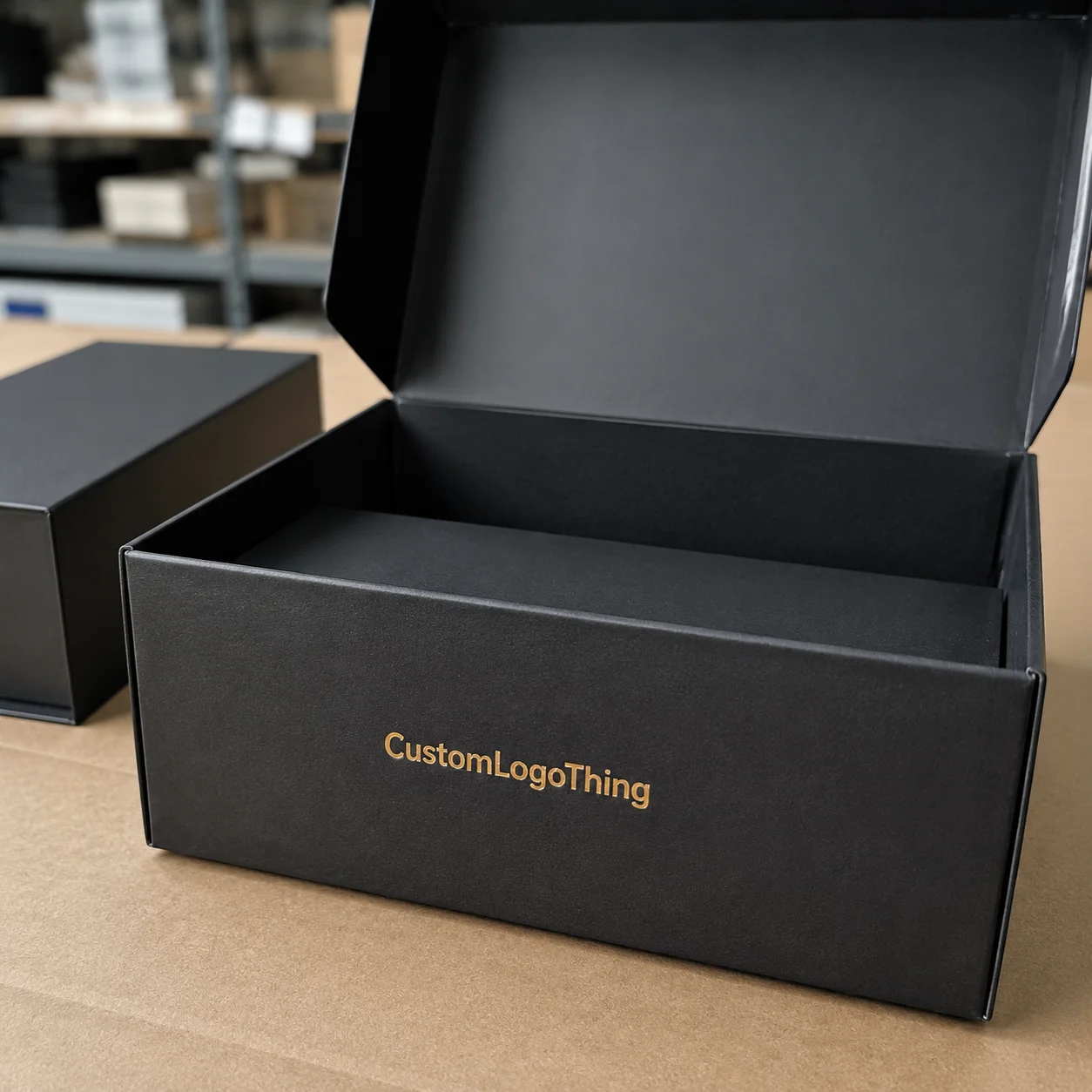
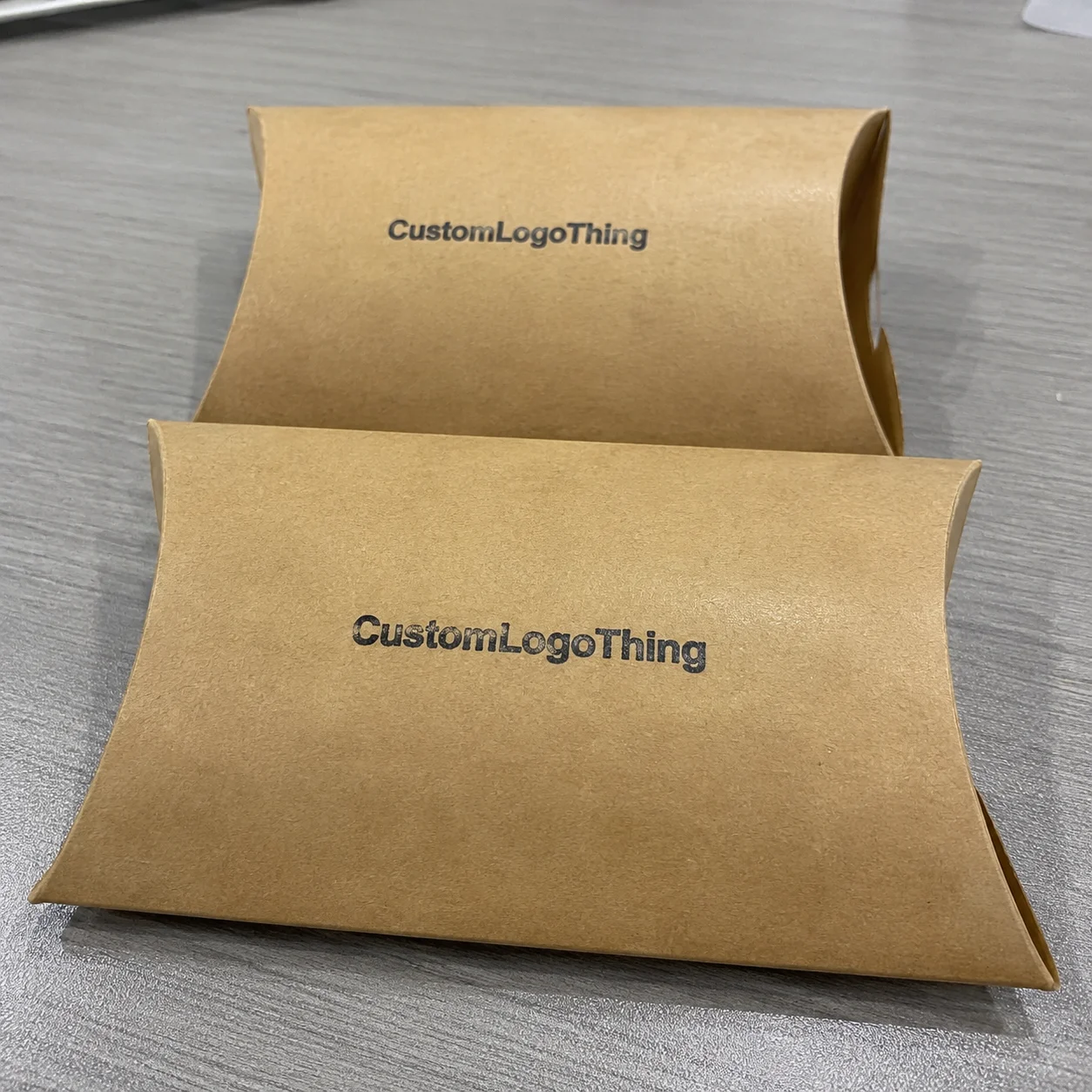
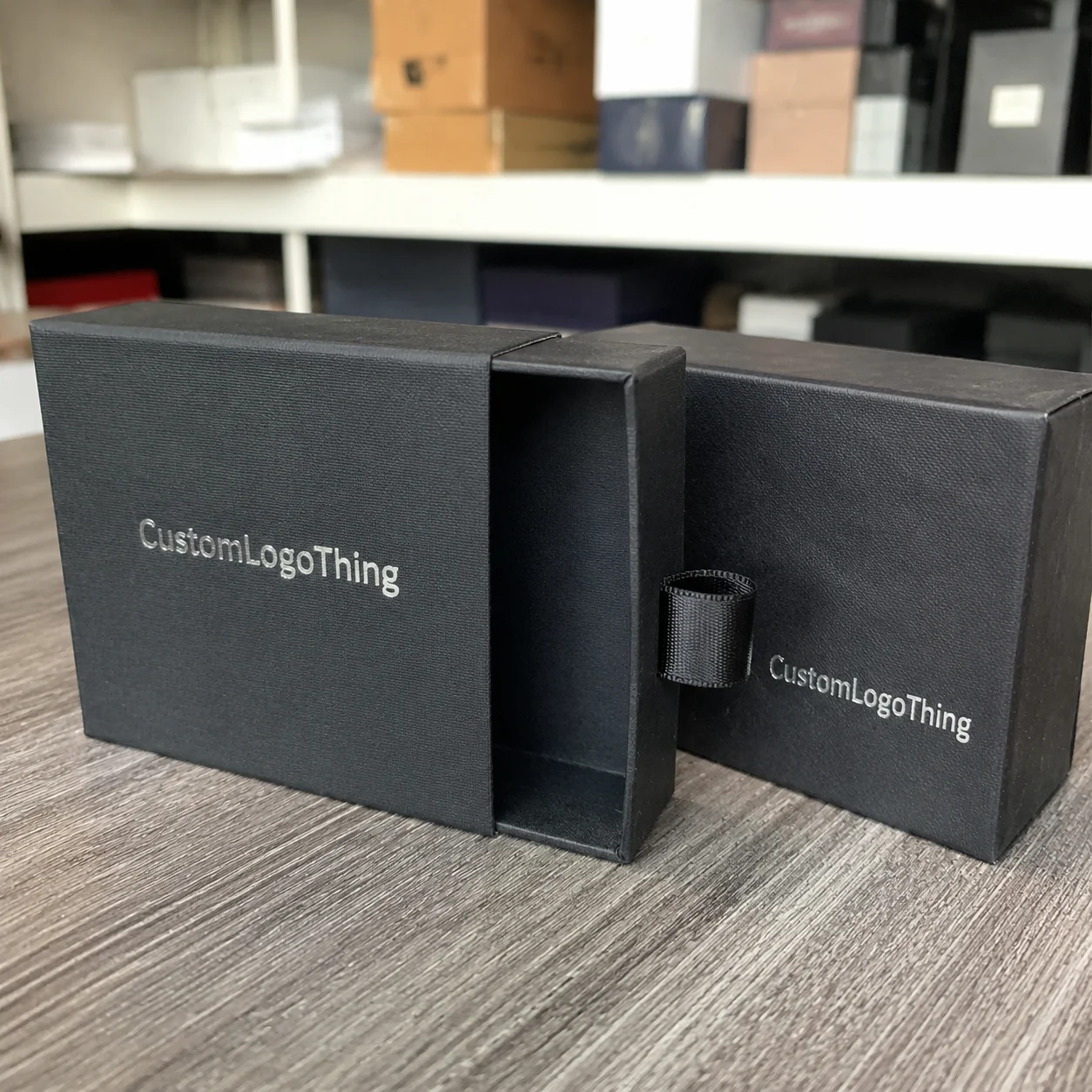
A plain carton can make a premium brownie look interchangeable with a store-brand snack. A rigid sleeve with the right logo placement, on the other hand, changes how the product is perceived before anyone opens it. That is why Custom Food Packaging boxes with logo matter: they influence shelf appeal, protect the food, and signal price and quality in a single glance.
For a packaging buyer, the real decision is not whether branded packaging looks better. It is whether the structure, print, and material choices help the product sell, ship, and stay fresh without creating avoidable cost. A box that does those three things earns its place. A box that only photographs well usually does not.
The practical part is less glamorous than the marketing version. Food packaging has to survive handling, temperature changes, moisture, stacking, and the occasional rough carrier route. A logo can strengthen the brand story, but it cannot compensate for a board grade that buckles, a closure that opens too easily, or a finish that smears under condensation.
Why branded food boxes change buying behavior
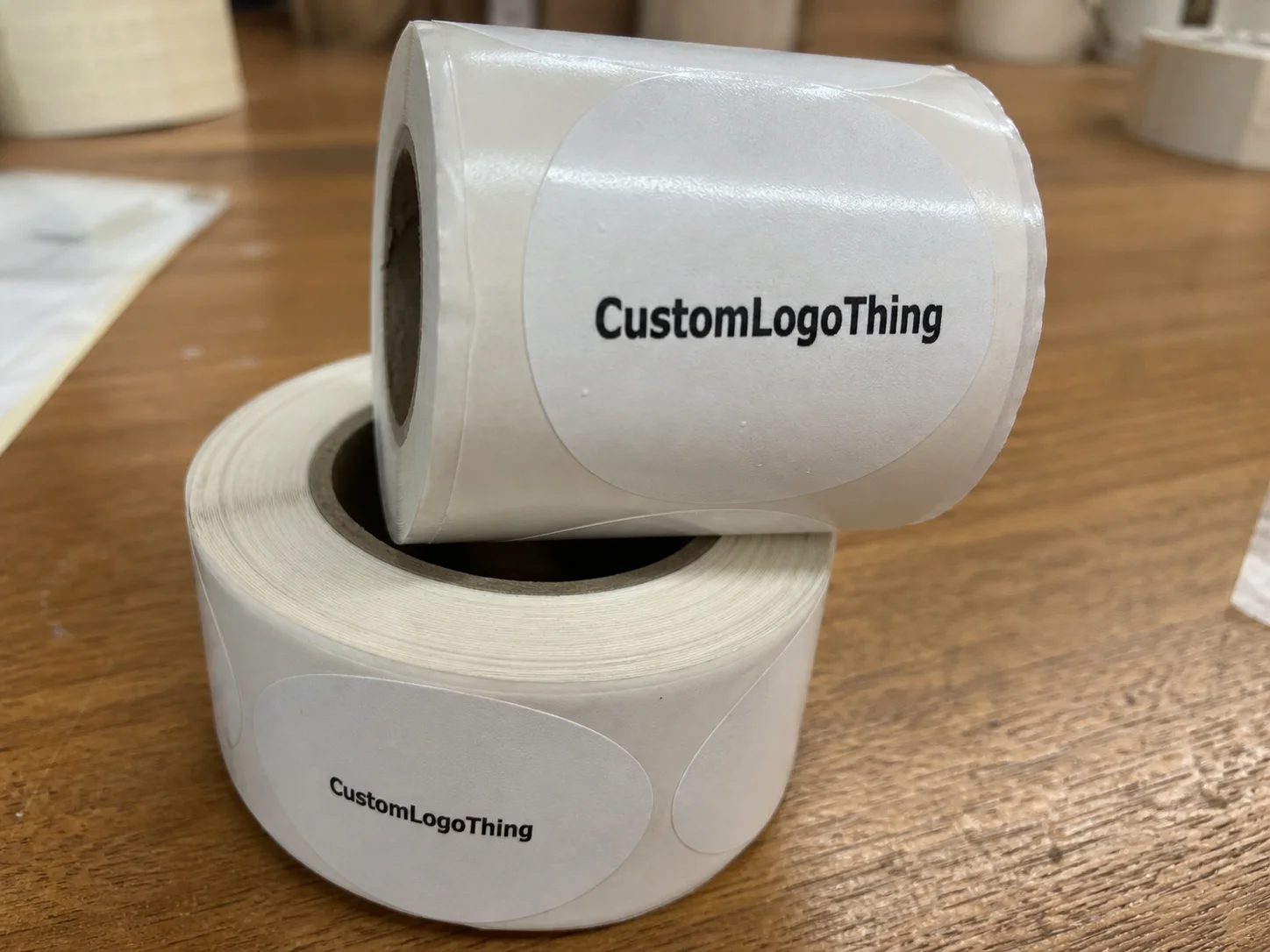
Walk down a bakery aisle, a snack endcap, or the chilled case in a grocery store and the difference becomes obvious. Plain cartons disappear into the background. Boxes with clear typography, deliberate spacing, and a coherent logo lockup read as intentional. That shift happens fast. Consumers often decide whether something feels premium, trustworthy, or worth the price in only a few seconds.
Custom food packaging Boxes with Logo usually have three jobs at once. They brand the item, protect it through transport and handling, and communicate enough information for the buyer to understand what is inside. That third role is easy to under-specify. If the panel layout hides the flavor, weight, allergen note, or handling instruction, the package can look refined and still underperform at retail.
The buying logic changes by category. A bakery box needs crush resistance and a clean presentation, but it does not need the same moisture barrier as a frozen entree carton. Deli packaging has different concerns: grease resistance, speed of use, and clarity at the point of sale. Takeaway packaging has to handle heat, condensation, and repeated opening. Shelf-ready snack packaging leans more heavily on barcode placement, stacked display stability, and print consistency.
There is also a pricing effect that is easy to miss. A better-looking box often supports a better perceived value, which can help a product hold its margin even if the ingredient list or fill weight stays the same. That is not magic. It is packaging doing part of the selling work that a brand would otherwise need to do with promotions or discounting.
For a technical view of materials and shipping expectations, two useful references are the Packaging Association site and ISTA shipping test standards. They are not a substitute for a real spec sheet, but they help frame the performance side of Custom Printed Food packaging.
A logo does not fix weak packaging. It only makes weak packaging easier to notice.
Production process and lead time: what happens after approval
Once the brief is accepted, the job usually moves through a predictable sequence. First comes dieline review, where box dimensions, folds, glue areas, and panel placement are checked. Then the artwork is reviewed for bleed, safe zones, barcode readability, and any compliance text that has to sit in a fixed location. After that, the vendor prepares a proof, either digital or press-based depending on the complexity of the order.
Missing files slow the project more than most buyers expect. A logo supplied only as a low-resolution PNG may need to be redrawn. A last-minute size change can force the dieline to be rebuilt. Even color adjustments can take longer than planned if the artwork uses flattened images instead of editable vector elements. If brand color accuracy matters, it should be stated early, with Pantone targets or equivalent references where possible.
Lead time depends heavily on the print method and finishing. Digital printing is usually better for shorter runs and faster approval cycles because setup is lighter. Offset printing often makes more sense for larger quantities, repeat orders, and tighter color control, but it usually requires more prepress work and longer setup. Standard stock sizes move faster than custom dimensions. So do plain coatings compared with soft-touch lamination, foil, embossing, or a structural window patch.
Buyers should confirm a few points before approving an order:
- Proof timing: how long after artwork submission the first proof will arrive
- Sample approval: whether a physical prototype is needed before production
- Production window: the actual run time after proof sign-off
- Transit time: freight time from the facility to the receiving location
- Rush options: what can be accelerated, and what cannot
For a straightforward job, production is often measured in roughly 12 to 15 business days after proof approval. That number moves quickly once the order includes specialty finishing, a custom insert, a new structure, or a large quantity. Timelines also stretch when approval cycles drag. The schedule is rarely one big delay; it is usually a stack of small ones.
Materials, barrier layers, and print choices that protect food
Material selection should start with the food, not the artwork. Kraft board can fit a rustic bakery line or a brand that wants a natural look, but it is not the answer to every grease or moisture problem. SBS board gives a cleaner surface for sharper imagery and more consistent print quality. Corrugated construction adds strength for shipping, stacked cartons, and heavier items. Coated board helps hold color density and image sharpness, which matters for premium retail-facing packaging.
Barrier needs come next. A dry granola box may only need a food-safe interior and good structural integrity. A pastry carton may need a grease-resistant liner. A chilled meal or frozen item may need moisture resistance, condensation management, or an insulated secondary component. If the food is oily, fragile, or temperature-sensitive, graphics alone will not keep the product in good condition.
Print choices influence both appearance and durability. CMYK works well for most artwork, but spot colors still matter for brand-critical shades and repeat consistency across runs. Matte coating softens the look and hides fingerprints. Gloss improves saturation and adds more visual pop. Foil and embossing create a premium cue, though they raise cost and can extend lead time. The practical test is simple: does the finish still read clearly after handling, stacking, and transport?
Not every product format needs the same construction. A windowed pastry carton may need reinforcement around the cut-out. A frozen meal sleeve may need a board grade that can handle cold-chain conditions. A deli box may need a food-safe insert or coating that resists oil migration. For brands selling through multiple channels, the better solution is usually the one that holds up under the worst likely handling condition, not the best studio mockup.
One more variable matters more than many buyers expect: condensation. A box that looks fine in a dry packing area may warp, soften, or scuff once it sits in a refrigerated case or moves from cold storage to a warmer environment. That is why a clean-looking carton is not enough. It has to survive the distribution path as well.
Typical material choices by use case
- Kraft board: suitable for lighter products, natural branding, and a more organic appearance
- SBS / coated board: better for premium graphics, sharper type, and retail-facing cartons
- Corrugated: better for shipping strength, stacked cartons, and heavier food items
- Grease-resistant liners: useful for bakery items, fried foods, and oily products
- Food-safe inserts: helpful for fragile items, separated portions, or premium assortments
If the buyer wants more than a visual upgrade, the specification needs to say so directly. That is the point where custom printed boxes stop being a branding exercise and become a functional packaging system.
Cost, pricing, and MOQ drivers behind your quote
Quotes for Custom Food Packaging Boxes with logo usually break down into a handful of variables: board grade, box structure, print coverage, coating, finishing, freight, and setup charges. The headline number can be misleading if one supplier includes die cutting and another does not, or if one quote assumes a stock size while another includes a custom dieline.
MOQ rises for practical reasons. Custom tooling takes time. Special coatings add setup. Complex folds and unique windows increase waste during make-ready. Offset printing usually favors larger runs, while digital printing can support smaller quantities with less friction. If the box needs foil, embossing, or a specialty insert, the minimum often climbs again.
Unit cost usually falls as quantity rises. That part is straightforward. The less obvious cost is inventory risk. A 20,000-unit order may lower the per-box rate, but it can also lock up cash, require storage, and create exposure if the recipe changes, the label copy changes, or the promotion ends early. Lower unit pricing does not always mean a better purchase decision.
For real comparisons, buyers should ask for line-item quotes. That is the only reliable way to compare like for like. A lower quote may be hiding thinner board, a lighter coating, a larger waste allowance, or freight billed separately. In other words, the cheapest number is not always the cheapest package.
| Option | Typical order profile | Unit cost tendency | Lead time tendency | Best fit |
|---|---|---|---|---|
| Digital print, stock size | Short run, simpler artwork | $0.18-$0.35 per unit | Faster | Launches, test SKUs, seasonal items |
| Digital print, custom size | Moderate run, new dieline | $0.24-$0.42 per unit | Moderate | Brands that need fit without large inventory |
| Offset print, standard coating | Higher run, repeatable artwork | $0.12-$0.28 per unit | Longer setup, efficient output | Retail packaging with stable demand |
| Offset print, special finish | Premium look, foil or embossing | $0.22-$0.55 per unit | Longest | Premium product packaging and gift sets |
Those ranges are directional, not universal. A rigid carton, a window patch, a laminated sleeve, or a food-safe insert can move pricing quickly. Freight can also swing the total. A quote that ignores shipping is not a complete quote.
If the buying team is also reviewing broader packaging supply options, it helps to compare structural specs across the full line of Custom Packaging Products before locking the carton format. That often makes clear where one box style can be standardized and where a product truly needs its own build.
Ordering plan for first-time buyers
The cleanest ordering process starts with a one-page brief. Include product dimensions, fill weight, target quantity, artwork status, food-contact needs, and any required finish. If the box has to ship flat, say so. If it has to stack in a display case, say that too. The more concrete the brief, the less back-and-forth later.
Measure the product carefully and think about the actual selling environment. A box that looks perfect on a screen can fail if the opening is too tight, the closure is too weak, or the stack height causes trouble in a cooler or on a shelf. Good packaging design accounts for handling, not just presentation.
Three checks matter immediately for food packaging: ingredient copy, nutrition panel, and allergen notes. Barcode placement matters as well. If there is a recycling mark or a certification logo, confirm that it is accurate and allowed for the material. Small compliance mistakes are expensive because they usually show up after print approval, not before.
For a fragile pastry, a premium dessert, or a launch that cannot absorb a reprint, a prototype is worth the extra time. A sample can reveal structural issues that do not appear in a flat proof. Fold strength, edge crush, closure fit, and the way the printed carton looks under real light all matter once production starts. That is especially true for branded packaging aimed at premium retail shelves.
The best buyers do not wait for a mistake to prove the point. They use prototypes to test fit, graphics, handling, and storage before the full run is approved. That small delay usually costs less than one reprint.
Simple first-order checklist
- Confirm product size, weight, and temperature exposure.
- Choose the box style that fits the food and the channel.
- Request a dieline before finalizing artwork.
- Review bleed, safe zones, and barcode placement.
- Approve a sample if the product is sensitive or high-value.
- Lock the production and freight schedule in writing.
That sequence sounds basic, but it prevents a large share of revision cycles. A little discipline here saves time everywhere else.
Common mistakes that cause waste, delays, and reprints
The most expensive errors are often the least visible at first. Oversized cartons waste board and make the product look underfilled. Weak closures can open during handling. Poor contrast makes a logo disappear under store lighting. Artwork that ignores folds or glue zones may look fine in a PDF and fail on the finished carton.
Another common mistake is approving graphics before checking the dieline. Bleed, safe zones, and panel orientation should be reviewed before final sign-off, not after. Once a design crosses a fold or a seam, text can shift into an awkward position. That is especially painful on custom printed boxes with tightly packed nutrition panels or legal copy.
Material mismatches create a different kind of waste. A carton that looks strong on paper may soften in humidity, lose appearance in cold storage, or pick up oil stains from the product itself. A glossy finish may photograph well but show scuffs quickly in a high-touch retail setting. If the box is handled repeatedly, durability is part of the brand story.
Logistics assumptions cause problems too. If carton counts are unclear, if the ship date is loose, or if there is no storage plan, the order can trigger rush freight and avoidable cost. That risk rises with larger runs because the inventory sits longer and the receiving plan becomes more complicated. Clear quantities and clear dates matter as much as the print file.
There is also a temptation to optimize only for the first order. That can create a carton that looks good for launch but becomes expensive or hard to replenish once demand settles. A better approach is to think about repeatability, not just novelty. The most reliable projects are the ones where the box is treated like a production component, not a last-minute graphic exercise.
Next steps: build a cleaner spec before you request quotes
If you are preparing to source Custom Food Packaging Boxes with logo, start with a tighter brief than you think you need. A useful spec should include dimensions, quantity, board preference, print method, finish, artwork status, and any food-contact or distribution requirements. If the package has to work across retail, shipping, and cold storage, say that explicitly. It changes the recommendation.
Compare two or three suppliers on structural fit, lead time clarity, and quote transparency before focusing on unit price. A vendor that explains what is included is usually easier to work with than one that gives a low number and adds extras later. Ask for a sample or prototype if the item is fragile, premium, or sensitive to handling. That small step often prevents a larger reprint.
If the product line is growing, consider whether one format can be standardized across multiple SKUs. That can simplify inventory, reduce ordering friction, and make package branding more consistent. Do not force a standard shape onto a product that needs a different barrier or closure, though. The box has to fit the food and the distribution model, not the other way around.
The practical test is simple: do the Custom Food Packaging Boxes with logo fit the food, the run size, and the way the item will actually move through your supply chain? If the answer is yes, the package is doing real work. If not, it is only adding print.
For brands that want Better Shelf Appeal without losing control of cost and timing, the next move is usually a cleaner spec, a realistic sample review, and a quote comparison that separates structure from decoration.
FAQ
What foods work best in custom food packaging boxes with logo?
Bakery items, snack assortments, frozen meals, deli portions, and carryout products are common fits because they need both structure and branding. The right box depends on temperature, moisture, and handling conditions, not just how it looks on a shelf.
How does MOQ change for branded food packaging boxes?
MOQ usually rises when the order needs custom tooling, special coatings, complex folding, or offset printing. Standard sizes and simpler builds typically support lower entry quantities and fewer setup barriers.
What artwork files should I prepare for food packaging boxes with a logo?
Provide vector logo files, the correct dieline, and editable copy for compliance text and barcode placement. Before final approval, confirm bleed, safe zones, and color settings against the printer's proofing specs.
How do I compare quotes for custom printed food cartons?
Compare like for like: board grade, dimensions, print coverage, coating, quantity, freight, and setup fees. Ask for unit cost and total cost so hidden extras do not distort the decision.
How long does production usually take for custom logo food boxes?
Lead time depends on proof approval, print method, quantity, finishing, and whether the project needs sampling. Rush options may be available, but they usually cost more and reduce flexibility on finishing or quantity.