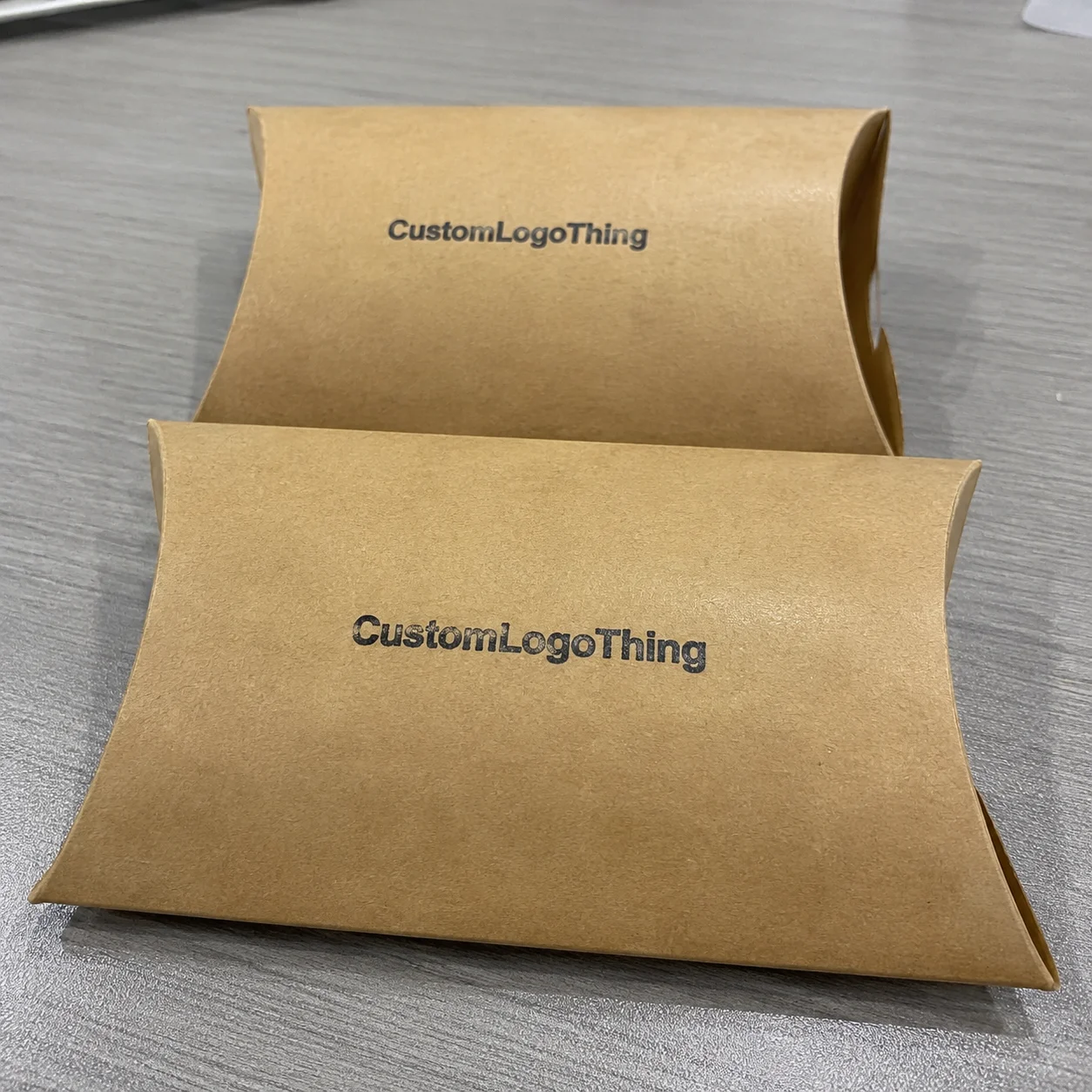
Personalized Plastic Shopping Bags do more than move a purchase from the counter to the car. In retail, they carry the brand into the customer’s next few minutes, sometimes longer, which means the print, the handle, the thickness, and the bag size all have to work together from the beginning. A bag that looks sharp in a mockup but opens awkwardly, tears at the top seal, or feels too flimsy in the hand becomes part of the complaint, not part of the experience.
That is why buyers usually get better results when they treat the bag as a working package rather than a simple printed accessory. The right choice depends on what it needs to hold, how fast staff need to pack it, whether customers are likely to reuse it, and how much visual weight the brand wants to carry through checkout. Those decisions are practical, not decorative, and they affect cost just as much as appearance.
For apparel, beauty, gift retail, boutique food, event merchandise, and promotional programs, the bag often ends up doing quiet but useful work. It protects the item, keeps the counter moving, and gives the customer one more touchpoint with the brand. When the spec is right, it disappears into the transaction in a good way. When it is wrong, everyone notices immediately.
What Personalized Plastic Shopping Bags Are
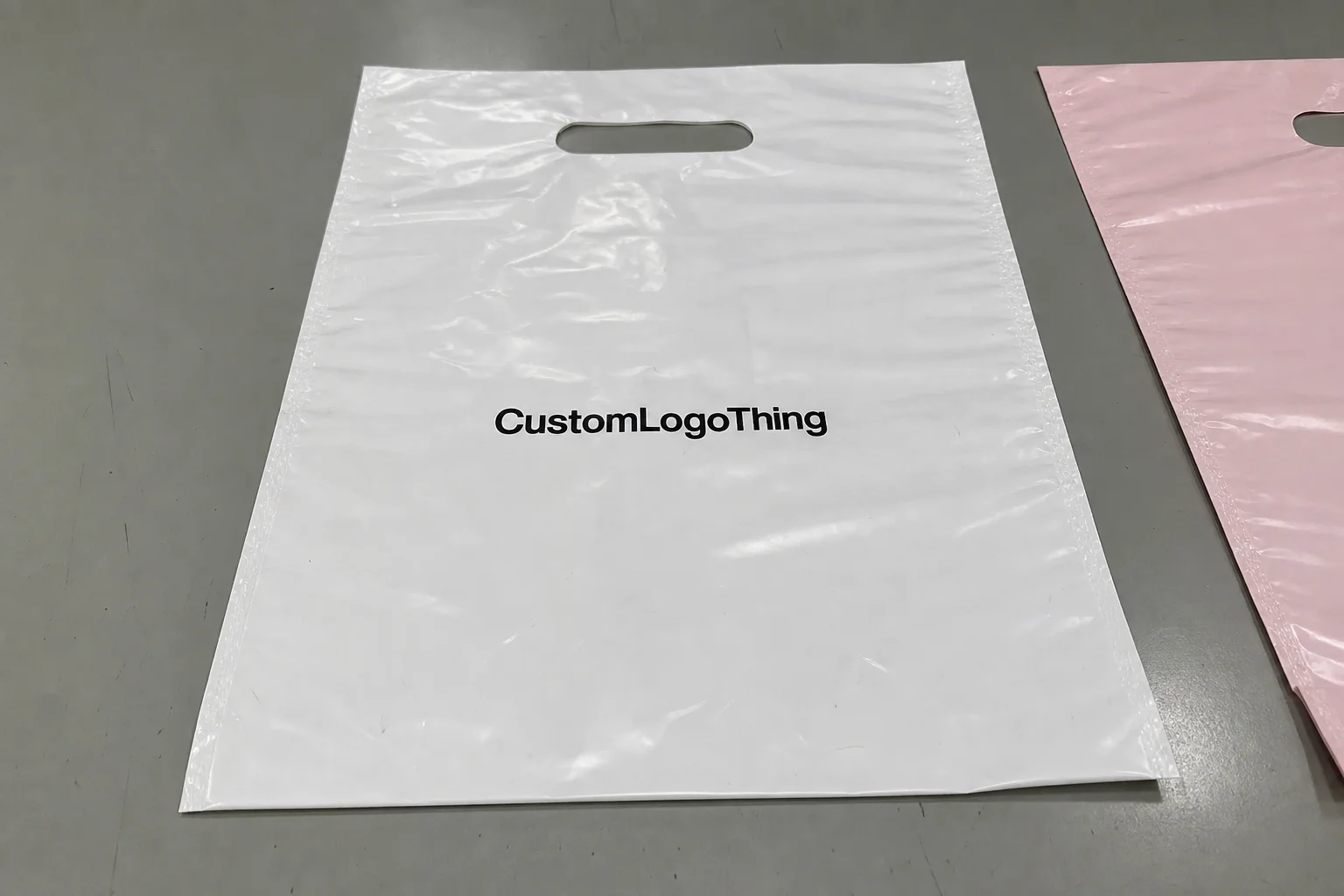
At the simplest level, personalized Plastic Shopping Bags are retail carry bags made to match a specific brand instead of a plain stock option. That personalization can be a printed logo, a custom film color, a chosen handle style, a particular bag shape, or a combination of those elements. Some orders are straightforward, with one logo in one color on a standard white bag. Others need a custom-size format, a stronger film, and a more deliberate print layout to support a higher-end presentation.
They are especially common in retail environments where speed matters and the product being carried is light to moderate in weight. Apparel stores use them because they pack quickly and keep folded garments tidy. Gift shops and beauty counters use them because the bag becomes part of the unboxing effect before the customer even gets home. Food brands and promotional programs use them when a branded carryout bag needs to do a little marketing work without slowing the staff down.
The better bags are designed around use first and decoration second. That means the opening should be easy to grab, the handle should be comfortable enough for the expected load, and the printed area should stay readable once the bag is filled. A bag that looks polished on a flat proof but collapses under product weight is not doing its job. The same is true of a bag that is too large for the product, because excess space makes packing slower and can make the contents shift around during carryout.
There is also a practical branding point that buyers sometimes underestimate. A bag leaves the store with the customer, which means it is seen outside the retail environment by other shoppers, delivery staff, and anyone who happens to be nearby. That broad visibility is one reason brands ask for Custom Retail Bags instead of plain stock. The printed bag continues working after the sale is complete.
How Print and Bag Construction Work
Printing and construction are linked more tightly than many first-time buyers expect. A logo can be perfectly prepared as a file and still look wrong if it lands too close to a fold, a gusset, or a seal area. Plastic bags stretch, crease, and change shape when they are filled, so the artwork has to respect the physical structure of the bag. Safe areas matter. So do exact dimensions. A general size label is not enough when the print has to sit cleanly on a moving surface.
Flexographic printing is common for this category, especially when the design is built around a logo, brand name, or short line of copy. Spot colors are often the most efficient choice because they keep the setup cleaner and the cost easier to control. More colors mean more plates, more setup time, and more chances for registration problems if the artwork is busy or the layout is crowded. Large solid areas can also affect the way the film feels, especially on thinner material, because ink coverage changes drying behavior and can make the bag look heavier than its base film would suggest.
Construction details are just as important as the graphic itself. Die-cut handles are common for lighter retail use, and they can be reinforced to improve comfort and strength. Loop handles usually feel better in the hand and can support more weight, but they add cost and are not always necessary for every order. Side gussets increase capacity and help the bag stand open at packing, which matters when staff are working quickly. Bottom seals, handle welds, and the consistency of the film all show up later in real use, often after the order has already been delivered and distributed.
A bag that looks clean on a screen proof still has to perform in the store. The final test is simple: it should open quickly, hold shape, and keep the print readable while it is being packed and carried.
If packaging durability and transit handling are part of your concern, ISTA publishes widely used test methods for packaged goods at ista.org. For recycling and disposal guidance on plastic film, the EPA keeps current consumer information at epa.gov/recycle. Those resources are useful reference points when a buyer wants to understand how a finished bag may be handled after use.
Material, Size, and Finish Choices That Change Performance
Film thickness is one of the first decisions that changes how a bag performs in the real world. Lighter apparel and soft goods can often use thinner film, while boxed merchandise, hard-edged items, or repeated reuse call for more structure. A thinner HDPE bag may be perfectly adequate for a folded shirt or a small accessory, but once the load gets heavier or more awkward in shape, a thicker gauge or a softer LDPE construction often gives better tear resistance and a more dependable carry feel.
Size matters just as much, and it should be based on the actual product rather than an estimate. Width determines how much can fit side to side, height affects how the bag frames the purchase and how much room there is above the contents, and gusset depth controls the expansion once the bag is filled. A bag that is too tall can bunch up around the product. One that is too shallow can slow packing because staff have to fight the opening every time. In stores with multiple product types, one bag family can work better than a single size forced across all SKUs.
Finish changes the tone of the presentation. Glossy film reads bright and clean under retail lighting, which helps logos stay visible from a distance. Matte finishes feel more restrained and can support a premium look, though they sometimes soften the visual impact of small type or fine line work. Opaque color film hides the contents and gives the brand more control over the visual field. Translucent options can work where a lighter, more open look is useful, but they are not right for every retailer. The choice should be tied to the product and the setting, not just preference.
Storage and handling conditions matter too. Heat, compression, and long storage can influence how a stack of bags opens on the register, especially if the film is light or the bags are packed tightly in cartons. Moisture resistance is another point to consider if the bags will be used outdoors, shipped into humid environments, or stored in a back room with limited climate control. These details rarely show up in the mockup stage, but they often decide how well the bag behaves on the floor.
| Bag Style | Typical Use | Typical Unit Cost at 5,000 Pieces | What It Usually Means in Practice |
|---|---|---|---|
| 0.8 to 1.0 mil HDPE die-cut bag | Light apparel, folded tees, small accessories | $0.12-$0.20 | Economical, crisp, and fast to pack, but not meant for heavier loads |
| 1.5 mil LDPE loop-handle bag | Boutique retail, gifts, cosmetic kits | $0.18-$0.30 | Softer hand feel, better carry comfort, and a more finished retail presence |
| 2.0 to 2.5 mil reinforced bag | Heavier boxed goods, layered apparel, reusable retail bags | $0.24-$0.40 | More tear resistance and more material cost, with better long-term use |
| Opaque custom-color bag with two-color print | Fashion, branding-heavy retail, promotions | $0.22-$0.38 | Stronger brand presentation, though color and setup choices raise the total |
The best spec is usually the one that fits the load without overbuilding the bag. Buyers sometimes assume thicker is always safer, but that can push cost up without creating much benefit if the merchandise is light. The better approach is to match the film and construction to the product weight, the expected carry distance, and the way the bag will be used after checkout.
Production Timeline, Proofs, and Lead Times
The normal workflow starts with a quote request, then artwork review, then proof approval, and finally production. That sequence sounds simple, but each step has its own pressure points. The quote stage is where the supplier checks size, film thickness, color count, and quantity. The proof stage is where artwork gets evaluated for placement, resolution, color separation, and any issues with the safe print area. If the order is fully custom, the proof review often takes more time because the final bag shape affects where everything lands visually.
Clean files move faster. A vector logo is easy to review. A low-resolution image copied from a website usually causes delay because it has to be rebuilt or corrected before approval can move forward. Color matching can also extend the schedule if a brand has a strict Pantone target or if the film color changes how the ink reads. None of that is unusual, but it should be planned for instead of treated like a surprise.
For many retail orders, production commonly runs about 12 to 15 business days after proof approval. That is a practical baseline, not a promise, because the final schedule depends on the quantity, the factory load, the bag construction, and whether the order needs a new mold, special handle reinforcement, or a custom film color. Freight sits outside that window. A buyer planning a store opening or seasonal launch should treat transit as a separate phase and leave time for receiving, carton handling, and any internal distribution to multiple locations.
Rush orders do happen, but they work best when the bag is simple, the artwork is already prepared, and the quantity is modest. Once the design becomes more custom, the room for compression narrows. If the launch date is fixed, the safest move is to approve the artwork early and build a buffer into the schedule. That cushion is less expensive than correcting a mistake under deadline.
Cost, Pricing, MOQ, and What Drives the Quote
Pricing is driven by a short list of variables: bag size, film thickness, print colors, the number of sides printed, and total quantity. Quantity matters more than most people expect because setup and manufacturing costs are spread across the run. A smaller order often looks expensive on a per-bag basis even when the design is simple, while a larger order can bring the unit cost down sharply without changing the actual artwork.
MOQ, or minimum order quantity, is tied to production efficiency. Standard sizes and common colors are usually easier to produce at lower minimums. Unusual dimensions, thicker film, custom handles, and multiple print passes can push the minimum up because they require more setup or more specialized material handling. If a retailer only needs a few thousand bags for a seasonal rollout, it is worth asking which features are essential and which ones can be simplified without hurting the presentation.
A practical pricing lens helps. A one-color die-cut bag in a standard size might sit near the lower end of the range, while a thicker custom-color bag with two-sided print and reinforced handles will cost more. For orders around 5,000 pieces, a realistic range is often $0.12 to $0.40 per unit, with setup, plates, and freight added separately. That spread is not a sign of inconsistency. It reflects the fact that this category is really a set of material and print decisions packaged together.
Buyers should compare quotes on the same spec sheet. If one vendor quotes a thinner film, fewer colors, smaller handles, or reduced reinforcement, the number may look better but the product is not the same. The cheapest option is not always the best value if it tears, wrinkles badly, or makes the store look careless. A slightly better bag can improve handling at checkout, reduce waste from failures, and make the customer’s carryout experience feel more deliberate.
- Setup work: plate charges, artwork prep, color matching, and proofing.
- Material choice: film type, thickness, opacity, and handle reinforcement.
- Print complexity: number of colors, printed sides, and ink coverage.
- Logistics: carton count, palletization, destination, and freight method.
Common Mistakes That Hurt Print Quality and Usability
The biggest mistake is sending artwork that was never prepared for print. A logo taken from a website, a low-resolution JPG, or type that is too small will usually come back looking fuzzy, soft, or uneven. On plastic film, those flaws can be more visible than they would be on paper because the surface finish and print method tend to expose weak files quickly. If the brand mark matters, it should be supplied in a proper vector format and reviewed at actual size.
Another common miss is choosing the bag size by instinct instead of measuring the real product stack. Retail teams often think in broad size labels, but the bag has to fit the merchandise, the fill line, and the way staff actually pack at the counter. If the bag is too tight, the line slows down. If it is too large, the contents shift and the customer may see the bag as wasteful. Neither result is good.
Thickness and handle strength are easy to underestimate. That matters most when the bag will be reused, carried any distance, or filled with items that have corners or edges. A weak handle can be acceptable for a short trip to the car and still fail on the second use, which is exactly when the brand problem becomes visible to other people. Storage also plays a part. If the bags sit compressed in a hot back room, they may not open as cleanly as the proof suggested.
Color expectations can cause trouble too. Printed ink sits differently on clear, white, and tinted film, so a logo that looks crisp on one material may appear softer on another. Buyers who care about precise brand color should ask how the film color affects the final look and whether a sample or physical proof is available before the full run starts. A screen render is useful, but it is not the same as the finished bag in hand.
Finally, do not skip the check for local requirements. Some regions have limits, fees, or labeling rules for plastic carry bags, and those rules can affect material choice or distribution plans. The packaging spec should be set with those constraints in mind before production begins, not after the order is already committed.
How to Specify, Approve, and Order the Right Bag
Start with the product, not the artwork. List what the bag needs to hold, how often it is likely to be reused, how far a customer will carry it, and whether the bag needs to look premium or simply functional. From there, choose the size, then the handle style, then the print placement. That order matters because each decision narrows the next one.
A useful spec sheet does not need to be long, but it does need to be complete. Include dimensions, film thickness, color count, print sides, handle style, artwork files, delivery destination, and the in-hand date. If the bags are tied to a store opening, trade event, or seasonal launch, that timing should be stated clearly so production time and freight time are not mixed together. Those are separate risks, and they should be treated separately.
For heavier merchandise, strict brand colors, or a flagship location where the packaging will be seen by a lot of people, ask for a proof or sample. It is the quickest way to catch a bad size choice, a weak handle, or a logo that looks smaller in reality than it did on screen. If the order will be distributed to multiple stores, a sample can save more than it costs because it reduces the chance of discovering a problem after the bags have already shipped.
Compare the proof against the actual retail use, not just the mockup. Does the bag open without resistance? Does the logo sit where a customer can see it? Does the handle feel secure when the bag is full? Do the colors still read clearly under store lighting? Those are the questions that matter on the floor. If the answer is yes, the bag is doing its job, and the brand gets a clean, usable packaging piece instead of a generic carryout solution.
The best orders are the ones where the spec, the timeline, and the budget line up before production starts. That is what turns personalized plastic shopping bags from a commodity line item into a reliable part of the retail experience.
What details do I need for personalized shopping bag pricing?
Provide bag dimensions, film thickness, handle style, print colors, total quantity, and the shipping destination. If you already know the product weight and how the bag will be used, include that as well because it affects the recommended construction. The more complete the information, the closer the quote will be to the final order price.
How long do custom plastic shopping bags usually take to produce?
A proof or artwork review usually happens first, and that step can move quickly if the files are clean and complete. Production commonly takes a few weeks after approval, with freight adding separate transit time. Rush schedules are possible in some cases, but they depend on the bag spec, the quantity, and the current press schedule.
What thickness should I choose for retail shopping bags?
Lighter apparel and gift items can often use a thinner film, while heavier merchandise needs more structure and tear resistance. If the bag will be reused, carried farther, or packed with sharp-edged products, a thicker option is usually safer. The right choice should be based on the actual load, not just on how the bag looks.
Can I order personalized shopping bags in a low quantity?
Yes, though lower quantities usually raise the unit cost because setup and manufacturing costs are spread across fewer bags. Standard sizes and common colors are usually easier to source at smaller minimums than fully custom options. If minimum quantity is a concern, ask which specs are flexible and which ones will increase the minimum.
What causes the most print problems on personalized shopping bags?
The most common issues are low-resolution artwork, too many colors, incorrect print sizing, and ignoring the bag’s safe print area. Material choice also matters because some films show ink differently and can make fine detail harder to read. A physical proof or sample is the best way to catch problems before the full run starts.