Order Single Custom Stickers Without Bulk Waste or Delays
Learn when single custom stickers make sense, how pricing works, which specs matter, and how to order one-off decals without delays or expensive reprints.
Why single custom stickers are useful beyond one-off fun
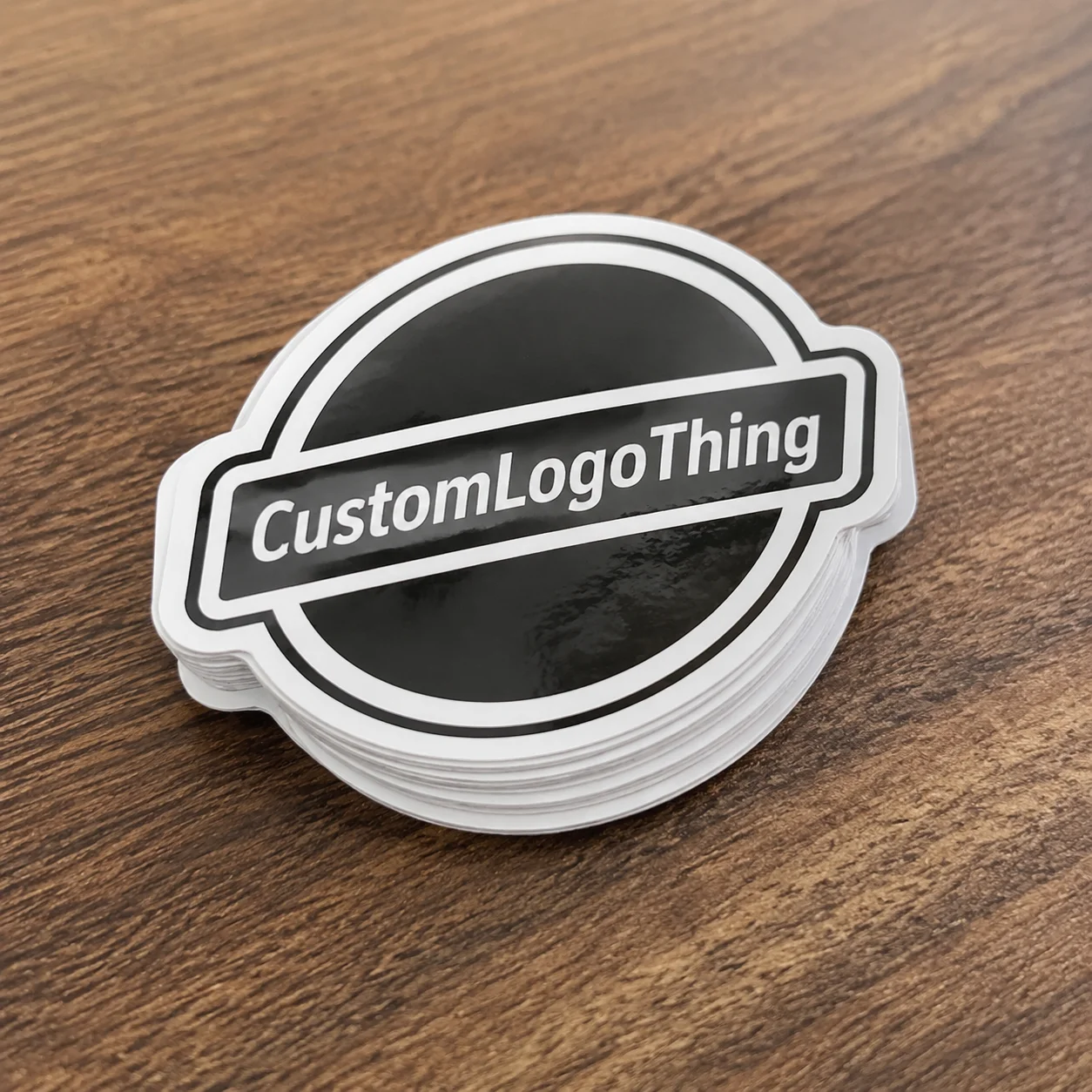
Single custom stickers can do something oddly valuable: stop one packaging mistake from turning into a full production loss. One test decal on a jar, pouch, mailer, sample kit, or prototype box can reveal a sizing problem before 500 finished units come back with the logo sitting half an inch too low.
That sounds minor. It is not. In packaging work, a 3 mm shift can make a label look careless, cover a heat seal, interfere with a barcode, or wrap awkwardly around a curved bottle shoulder. One sticker can act as a prototype label, replacement decal, sales sample, product photo prop, event badge, laptop sticker, or quick branding test before a larger spend.
Bulk sticker runs still have their place. If the artwork, size, material, adhesive, and application surface are already proven, ordering 250, 500, or 1,000 pieces usually lowers the unit cost dramatically. Bulk also locks in decisions. If the label is too glossy for product photography, too stiff for a squeeze tube, too transparent on amber glass, or too small for readable ingredients, that cheap unit price stops looking clever.
A coffee roaster may need to check whether a front label crosses the bag’s fold and seal area. A skincare brand may need to see if a clear decal disappears properly on amber glass. A maker replacing one damaged equipment label may care more about durability than price per unit. In those cases, one sticker is not a novelty order. It is a risk-control tool.
The useful mindset is simple: treat the first sticker as a production check, not just a decoration. A little inspection before a larger run beats a painful reprint later. Every time.
How one-off sticker ordering works from file to finished decal
The ordering flow is usually straightforward: choose size, shape, material, finish, adhesive, and quantity; upload artwork; review the digital proof; approve it; then the printer produces, cuts, checks, packs, and ships the decal. Production often starts after proof approval, not after file upload. That detail matters more than buyers expect.
Sticker language can get slippery, so clear terms help. A printed sticker usually means artwork printed on paper, vinyl, or synthetic stock with adhesive backing. A vinyl decal often signals a more durable outdoor, equipment, window, or bottle-style sticker. A kiss-cut sticker is cut through the top layer but left on a backing sheet, which makes peeling easier. A die-cut sticker follows the outer contour of the design. A transfer decal uses transfer tape to move separate vinyl elements onto a surface. Sheeted stickers place multiple labels on one sheet, useful for handling and repeated application.
Digital printing is what makes one-off stickers practical. Traditional label production often required plates, dies, and longer setup runs. Digital equipment can produce a single piece without the same plate-making economics, although setup work does not disappear. A prepress operator or automated workflow may still check resolution, bleed, cut paths, color mode, transparency, white ink layers, and file scaling.
Proofing is the control point. The proof should show the trim line, safe area, final shape, spelling, orientation, and approximate color expectation. It is not always a contract proof for exact color unless a calibrated proofing process is specified. It should still catch obvious problems: missing bleed, clipped text, the wrong size, a strange cut line, or artwork that prints softer than expected.
Packaging buyer’s rule: approve the proof as if the sticker is already printed. If the cut line, scale, or spelling is wrong on the proof, assume it will be wrong on the finished decal.
Even one sticker may pass through the same file review and cutting setup as a larger job. That is why minimum charges, proofing fees, or setup fees sometimes appear when the quantity is one. Annoying? Sure. Also normal.
Sticker specs that decide durability, finish, and fit
Before ordering, define the specifications that decide whether the sticker will work in real use: dimensions, shape, material, finish, adhesive type, indoor or outdoor exposure, and expected lifespan. A sticker for a product photo may only need to look perfect for one shoot. A decal on a cooler, toolbox, window, delivery bin, or reusable bottle may need months of abrasion, sunlight, moisture, and handling resistance.
Common materials behave differently. Paper stickers are economical and work well for indoor packaging, inserts, envelope seals, dry retail tags, and short-term samples. White vinyl is a common durable choice for laptops, bottles, hard cases, retail displays, and branded packaging tests. Clear vinyl gives a printed-on look, but the surface color behind it affects visibility. Holographic film adds shine and movement for promotional designs, though it can fight with small text. Static cling suits temporary glass use. Waterproof synthetic stocks are better for chilled, wet, or heavily handled products.
Finish changes both appearance and function. Gloss can deepen color and make graphics pop, but it reflects light in product photography. Matte reduces glare and often looks more refined on retail packaging. Soft-touch feels upscale, though it may show oils or scuffs depending on the laminate. UV coating adds surface protection and shine. Lamination, usually a thin clear film, improves scratch resistance and water resistance; many outdoor vinyl decals use laminate for longer life.
Adhesive is the quiet spec that causes loud problems. Permanent adhesive is useful for product packaging, equipment labels, shipping cartons, and anything expected to stay put. Removable adhesive is better for temporary signs, event labels, laptop decoration, or short-term samples. Freezer-safe adhesive helps cold-chain packaging. Weather-resistant adhesive matters outdoors. Low-tack adhesive can help with temporary sampling, but it may fail on rough cardboard, dusty surfaces, or textured packaging.
Surface compatibility deserves a real check. Glass is smooth but may have condensation. Cardboard can be porous or dusty. Plastic may have low surface energy, making adhesion harder. Metal can be cold, slick, or powder-coated. Coated mailers vary widely; some poly mailers accept labels well, while others cause edge lift. A sticker that behaves perfectly on a flat proof sheet may act completely different on a curved jar, flexible pouch, or rough kraft box.
Sizing is more mechanical than most buyers expect. Measure the actual application surface, not the design space in your head. Leave breathing room around edges, seams, curves, caps, and folds. For small labels, keep critical text above roughly 6 pt to 7 pt where possible, and avoid thin reversed-out type on textured, metallic, holographic, or transparent material. If the sticker wraps around a jar or tin, test the curve with a paper mockup first.
Opacity is another overlooked spec. White vinyl gives printed colors a stable base. Clear film does not. If a clear sticker goes on dark glass, colored plastic, or kraft paper, the artwork may need a white ink layer behind certain elements. Without it, black text may survive, light colors may vanish, and pale brand marks may look like a ghost of the file you approved. Very fancy. Very useless.
If sustainability claims matter to the brand, ask about stock sourcing and disposal limitations. Paper label stocks may be available with FSC-certified content; the Forest Stewardship Council explains certification basics for responsibly sourced fiber. Adhesives, coatings, release liners, and laminates can affect recyclability, so do not assume every paper-faced label is recycling-friendly on every package.
Cost and pricing factors for a single sticker order
The unit cost of one sticker can look surprisingly high beside a bulk price. That does not automatically mean the printer is padding the bill. File review, proofing, machine setup, color management, cutting, material waste, packing, and shipping do not vanish because the order quantity is one.
The biggest cost drivers are size, material, finish, shape complexity, lamination, ink coverage, turnaround speed, and custom cutting. A 2-inch round paper sticker may be inexpensive to produce. A 12-inch laminated contour-cut vinyl decal with full-bleed color, clear backing, white ink, and rush handling is a different animal.
Separate price per sticker from total landed cost. The landed cost includes design help, proof revisions, rush fees, shipping, taxes, and the replacement risk if the specs are wrong. A single premium waterproof decal for testing may cost more than expected, but it can still be smarter than buying 250 cheap labels that fail on a wet bottle.
| Order type | Typical use | Cost behavior | Buyer risk |
|---|---|---|---|
| One paper sticker | Indoor mockup, presentation sample, dry package test | Low material cost, but minimum order or setup charges may apply | Lower financial risk, limited durability |
| One laminated vinyl decal | Outdoor sample, bottle test, equipment decal, retail display | Higher material and finishing cost, especially with custom shape | Good durability test before bulk production |
| Small bulk run | Market test, event handout, limited product packaging | Lower unit price, higher total spend | Artwork or sizing mistake affects many pieces |
| Full production run | Approved label system or repeat packaging program | Best unit economics after specs are proven | Highest reprint exposure if assumptions are wrong |
As a practical benchmark, small-format one-off decals may land around several dollars each before shipping, while oversized, laminated, metallic, clear, or specialty adhesive pieces can cost much more. For bulk orders, unit pricing can drop sharply because setup is spread across hundreds or thousands of pieces. That spread is the core economic difference.
Ask for a quote instead of trusting an instant calculator if the decal is oversized, uses clear or metallic film, needs specialty adhesive, has a complex contour cut, or must match existing branded packaging. The same applies if the sticker is part of a broader product packaging test with boxes, tags, wraps, sleeves, or inserts. For related packaging components, compare options under Custom Labels & Tags rather than treating the sticker as an isolated purchase.
Watch shipping, too. Paying $4 for a sample and $12 to ship it may feel ridiculous, but small parcels still require packing, tracking, and carrier handling. If timing is flexible, standard shipping usually makes more sense than rush freight. If the sticker is needed for a shoot, pitch meeting, or shipment approval, the math changes.
Process, timeline, and turnaround expectations
A normal one-off sticker timeline has more steps than buyers expect: artwork submission, file check, proof generation, customer approval, printing, drying or curing where relevant, finishing, cutting, quality control, packing, and carrier transit. Again, the production clock often starts after proof approval.
Approval speed is the hidden bottleneck. If a proof arrives at 4:30 p.m. and sits unanswered for two days, the order has not really moved. For event badges, investor samples, product photography, or retail packaging tests, assign one person to review and approve proofs quickly. Too many reviewers can slow a single sticker more than the actual press time.
Rush orders can compress some steps, not all of them. A printer may prioritize printing and cutting, yet artwork fixes still take time. Specialty vinyl may not be in stock. Lamination or UV coating may need curing or handling time. Carrier transit remains carrier transit, because physics refuses to care about launch calendars. Overnight shipping helps only after the package leaves production.
Lead time also changes with shape and material. A simple square, rectangle, or circle is easier to cut and inspect. A contour-cut logo with tiny points, thin script, or separated elements is slower and more fragile. Clear material requires closer attention to white ink layers and opacity, especially if the sticker goes on dark glass, colored plastic, or kraft paper.
For planning, build in a buffer. For a presentation or photo shoot, ordering 7 to 10 business days ahead is more comfortable than ordering at the last possible moment. For unusual materials, oversized decals, specialty adhesives, or packaging tests tied to custom printed boxes, a 10 to 15 business day window is safer. The exact range depends on the supplier, proof cycle, shipping method, file readiness, and how many changes happen after the first proof.
Quality control for a single piece should still be practical. Check that the sticker matches the approved proof, the cut line is clean, the laminate is smooth, the backing releases without tearing, and the surface is free from obvious scratches, dust, banding, or registration issues. For clear stickers, inspect opacity on the intended background, not just in your hand.
Shipping tests follow similar logic. Organizations such as ISTA publish transport testing protocols for packaged products, and while one sticker does not need a full distribution test, the mindset is useful: test the thing in the condition where it will actually be used. A label that looks fine on a desk may lift after cold storage, carton flexing, condensation, or weak hand-applied pressure.
Step-by-step guide to ordering the right one-off sticker
Ordering one sticker should feel simple, but the best results come from asking a few packaging-minded questions before choosing the prettiest finish. Use the process below to reduce rework.
- Define the sticker’s job. Is it testing product packaging, replacing one damaged label, branding a prototype, decorating a laptop, preparing a sample kit, or creating a photo prop? The use case decides the material more than the artwork does.
- Measure the application surface. Use a ruler or caliper if the fit is tight. Check whether the sticker sits flat, wraps around a curve, crosses a seam, touches a heat seal, covers required information, or needs to remove cleanly after use.
- Prepare the artwork properly. Vector files such as AI, EPS, SVG, or print-ready PDF are best for crisp cut lines. High-resolution PNG or JPG files can work for simple printed stickers, but aim for 300 DPI at final print size. Add bleed if the design runs to the edge, and keep text away from the trim line.
- Choose material by environment. A beautiful paper sticker can fail quickly on a wet bottle, chilled jar, outdoor sign, or reusable container. Vinyl or synthetic stock with lamination may be a better fit if moisture, sunlight, friction, or handling is expected.
- Review the proof like an inspector. Check spelling, cut line, scale, orientation, color expectations, and whether the decal will look right on the intended surface. If the sticker sits on transparent packaging, dark glass, colored plastic, or kraft board, ask how opacity will be handled.
One practical trick: print the artwork on office paper at actual size, cut it out, and tape it to the package. It will not show finish or adhesion, but it catches sizing errors fast. I have seen buyers spend days debating laminate texture while missing the fact that the label covered a required barcode zone.
If the sticker is one part of a packaging system, compare it against adjacent components. A glossy decal on a matte carton can look intentional, or it can look like an afterthought. The same label may look different beside kraft mailers, rigid boxes, poly bags, or Custom Packaging Products that use different surfaces and print methods.
For replacement decals, match more than the artwork. Check the original size, corner radius, material thickness, finish, adhesive strength, and whether the old label left residue. A new decal that is visually close but materially wrong can peel, curl, or stand out under light.
Common mistakes and final checks before ordering
The most common mistakes are predictable: ordering the wrong size, skipping surface testing, uploading low-resolution artwork, placing text too close to the cut line, and assuming every sticker is waterproof. Another quiet problem is forgetting how the sticker will be applied. Hand-applied labels need enough backing and stiffness for easy placement; tiny decals with delicate edges can frustrate the person applying them.
Do not judge color only from a phone screen. RGB previews, screen brightness, material color, ink coverage, and finish can all change the final look. Clear film over amber glass will not look like clear film on a white proof. Matte laminate can mute saturation. Gloss can make dark colors appear deeper but also show glare under studio lights.
The cheapest material is not automatically the best buy. A low-cost paper sticker may be perfect for an indoor envelope seal, but poor for a refrigerated bottle or outdoor equipment decal. The wrong adhesive or finish can make one sticker fail faster than expected, which is especially painful if that one piece is needed for a shipment, sample meeting, or launch photo.
- Measure the surface twice, including curves, seams, and edge clearance.
- Photograph the application area so material and color choices have context.
- Confirm indoor use, outdoor exposure, moisture, cold storage, and handling level.
- Upload the best available file, preferably vector or 300 DPI at final size.
- Check bleed, safe margins, spelling, barcode zones, and cut line on the proof.
- Allow enough lead time for proof revisions, finishing, packing, and shipping.
A one-off decal is still a production decision, just on a smaller invoice. Single custom stickers work best with a clear use case, verified specs, and enough time to catch problems before the bigger order. Treat the sample seriously and it will usually tell you what you need to know.
FAQ
Can I order single custom stickers without buying in bulk?
Yes. Many digital sticker printers can produce one custom sticker, but the unit price may be higher because setup, proofing, cutting, packing, and shipping costs still apply. A single order is useful for prototypes, replacement decals, product photography, event samples, and label testing before a larger run.
What file type is best for one custom sticker?
Vector files such as AI, EPS, SVG, or print-ready PDF are best for sharp cut lines and scalable artwork. High-resolution PNG or JPG files can work for simple printed stickers, but they should usually be at least 300 DPI at the final print size.
How much does a single custom sticker usually cost?
Pricing depends on size, material, finish, shape, cutting complexity, proofing, and shipping, so one sticker can cost more per unit than a bulk order. For unusual materials, oversized decals, waterproof finishes, or specialty adhesives, Request a Quote instead of relying on a generic price table.
How long do single custom decals take to make?
The timeline usually includes file review, proof approval, printing, finishing, cutting, quality control, packing, and shipping. Approval delays, rush requests, custom shapes, laminated finishes, and carrier transit can all affect the final delivery date.
Are single custom stickers waterproof and outdoor-safe?
Only if the material and finish are chosen for that environment. Vinyl, synthetic stocks, UV coating, and lamination are common choices for moisture or outdoor exposure. Paper stickers may be fine for indoor packaging but can wrinkle, fade, or lose adhesion when exposed to water, sunlight, or abrasion.