Custom Face Stickers Reviews: Quick Answer for Buyers
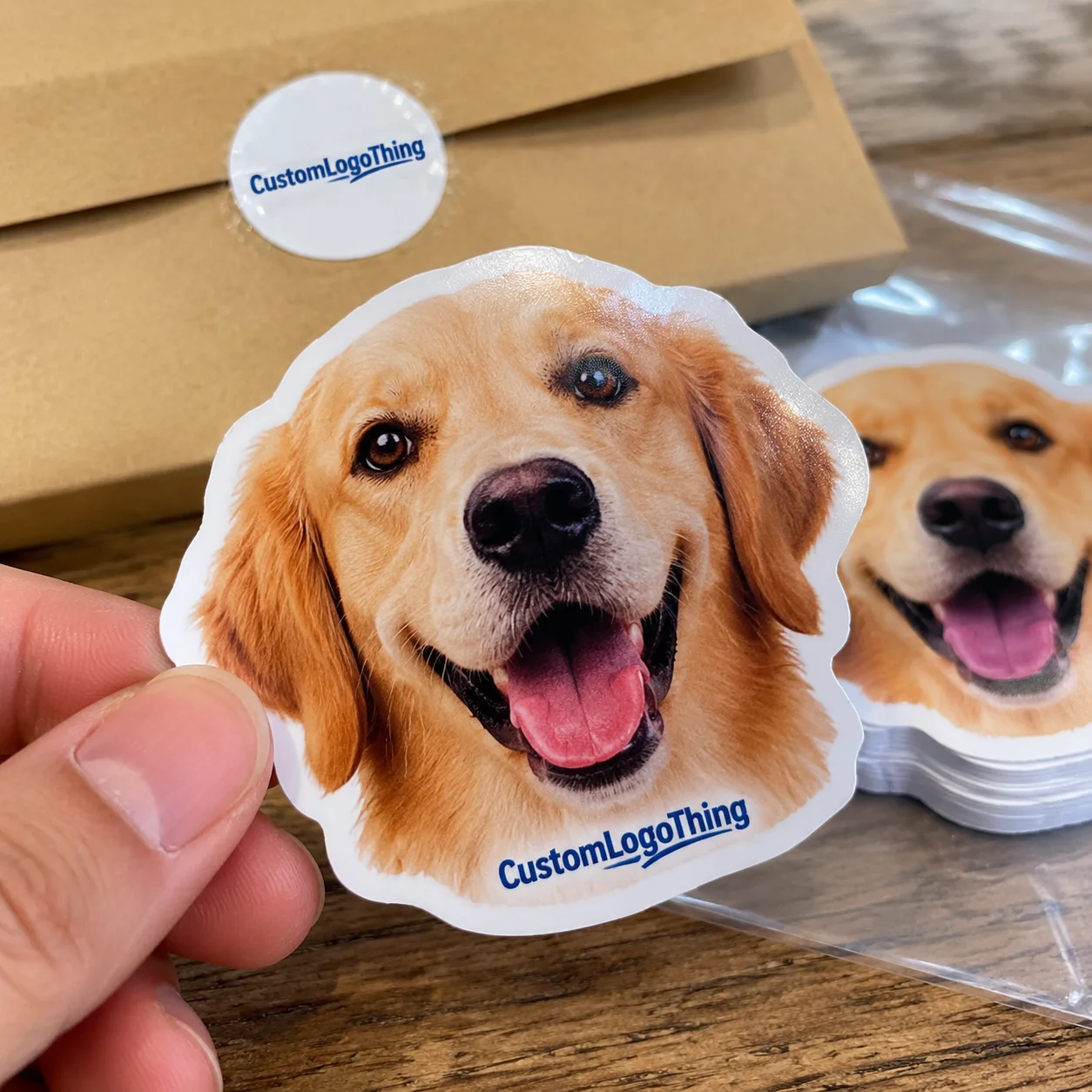
The funniest face sticker in the stack can still feel cheap if the cut line clips the hair, the adhesive curls at the edge, or the photo prints muddy instead of crisp. Useful custom face stickers reviews should judge the production details buyers actually pay for: print quality, material choice, proofing, durability, price, and delivery reliability. The joke gets attention. The manufacturing decides whether anyone keeps the sticker.
Here is the short version. Choose die-cut vinyl face stickers for events, giveaways, creator merch, school spirit packs, packaging inserts, and brand campaigns where the sticker needs to feel like a finished product. Choose sticker sheets when you want several faces, expressions, sizes, captions, mascots, or small accessories on one piece. Choose roll stickers when a team needs to apply hundreds or thousands of stickers to bags, boxes, cups, mailers, envelopes, or product packaging with less handling time.
The best custom photo sticker is not decided by the face alone. It is decided by four production details: the resolution of the photo, the accuracy of the cut path, the coating or laminate over the ink, and the way the adhesive behaves on the intended surface. A 2.5-inch vinyl sticker with a clean 1.5 mm outline border can look far better than a larger sticker made from a compressed screenshot with a rough cut.
My review criteria are plain: clean edge cutting, repeatable color, no oversized white border unless requested, easy peel release from the liner, enough scratch resistance for normal handling, and packaging that protects corners in transit. Faces are unforgiving. A one-millimeter crop shift can nick the hairline, flatten the expression, or make the finished sticker feel wrong.
Buyer note: Always ask for a digital proof before production. For face stickers, proofing is not paperwork. It is the moment where crop, border, size, and cut shape get locked down.
This review is written for party planners, creators, schools, sports teams, ecommerce brands, corporate event buyers, and anyone comparing suppliers before spending real money. If you already buy Custom Labels & Tags for branded packaging, the same print discipline applies here. The sticker may be playful. The manufacturing still needs control.
Top Face Sticker Options Compared by Use Case
Most face sticker comparisons skip the format question, and that is where buyers get mismatched products. A face sticker for a laptop has different needs than a sticker being applied to 3,000 bakery bags or placed temporarily on a glass office door. Format affects cost, application speed, peel feel, durability, and presentation.
| Option | Best Use | Durability | Application Speed | Visual Impact | Likely Cost Level |
|---|---|---|---|---|---|
| Individual die-cut vinyl | Events, merch, giveaways, laptops, water bottles | High with laminate | Medium | Premium, giftable feel | Mid to premium |
| Kiss-cut sticker sheets | Multiple faces, expressions, slogans, party packs | Medium to high | Fast for users | Fun and varied | Low to mid |
| Roll labels | Packaging lines, mailers, cups, bags, envelopes | Depends on material | Fastest | Consistent and commercial | Low to mid at volume |
| Removable adhesive | Windows, mirrors, badges, temporary promotions | Short to medium term | Medium | Clean temporary use | Mid |
| Waterproof vinyl | Drinkware, coolers, outdoor events, damp shipping | High | Medium | Strong color and utility | Mid to premium |
| Holographic or clear film | Special campaigns, retail packaging, novelty drops | Medium to high | Medium | High attention value | Premium |
Individual die-Cut Vinyl Stickers usually give the best handout value. They feel more like merchandise than scrap paper, especially in the 2-inch to 4-inch range. On laptops, notebooks, helmets, tumblers, and event favor bags, white vinyl with a gloss or matte laminate has enough body to peel cleanly and hold its shape.
Sticker sheets are often the smartest buy for variety. One 4-inch by 6-inch or 5-inch by 7-inch sheet can carry several faces, speech bubbles, hats, sunglasses, mascots, pet heads, or inside jokes. For birthdays, student events, influencer mailers, and creator fan packs, the sheet format stretches the design value without forcing each tiny face to be packed as a separate piece.
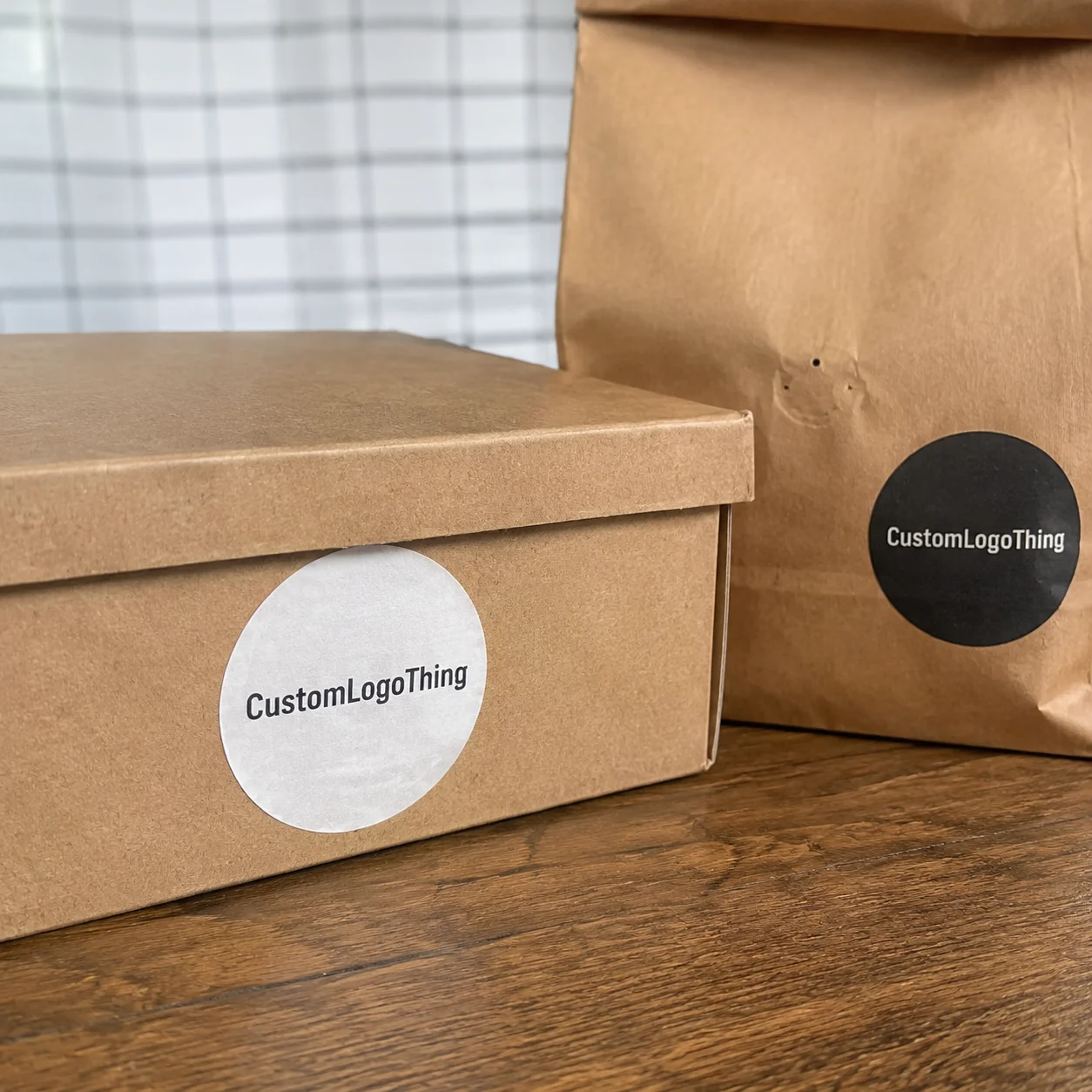
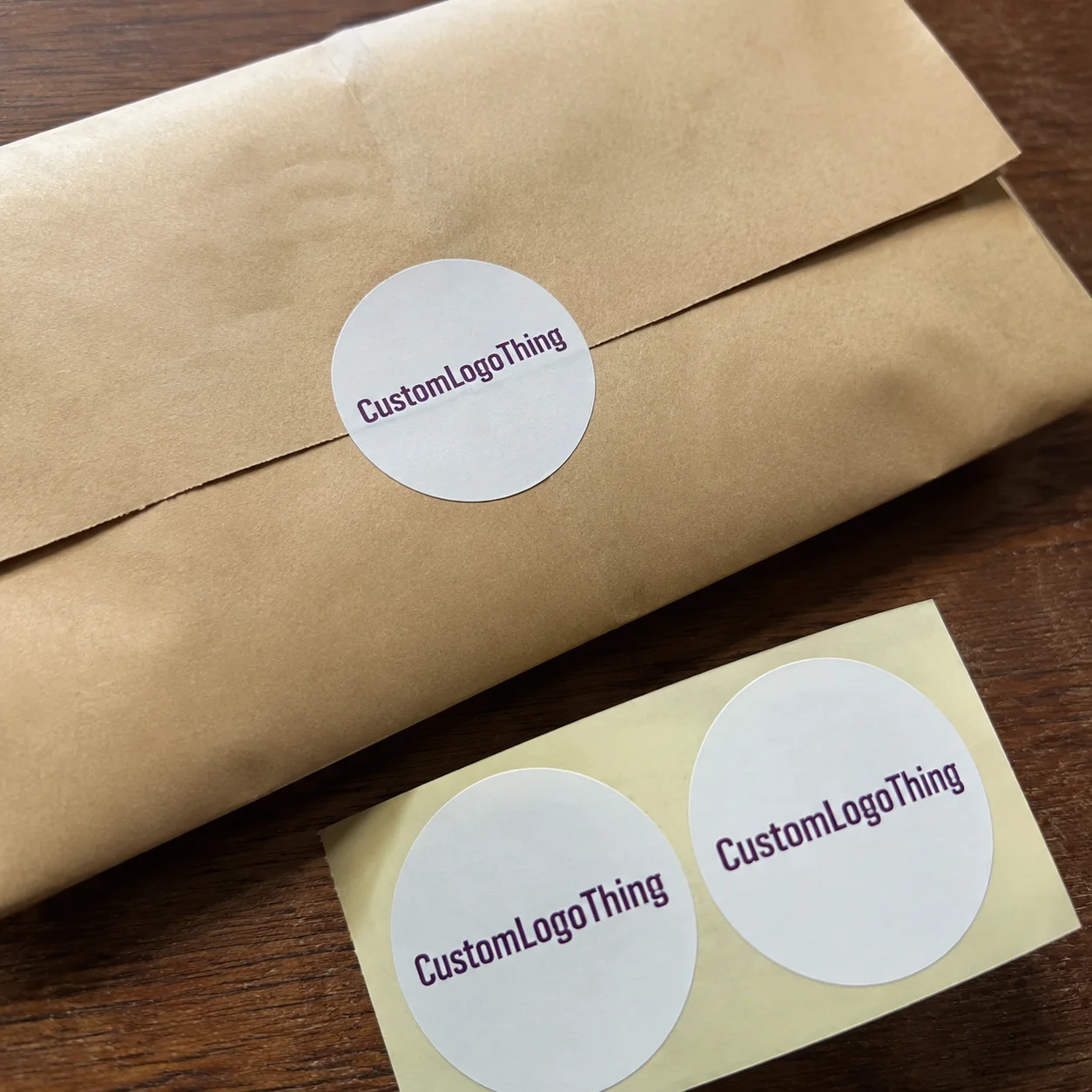
Roll stickers are the commercial option. If staff are applying stickers to product packaging, shipping cartons, paper shopping bags, or Custom Printed Boxes, rolls reduce hand sorting and make dispensing cleaner. Roll direction, core size, outside roll diameter, and the gap between labels matter if a dispenser or label applicator is used. Ignore those details and someone in fulfillment gets to improvise. Always a joy.
Removable face stickers belong on temporary surfaces: mirrors, glass, office doors, event badges, photo booth props, and short campaigns where residue would create a cleanup problem. Waterproof vinyl matters for coolers, drinkware, outdoor tailgates, sweaty event environments, and mailers that may meet moisture during shipping. Do not choose only by lowest unit price; thin face stock, weak adhesive, and loose cutting tolerance can turn a clever design into a throwaway novelty.
Detailed Reviews of Materials, Print Quality, and Adhesive Feel
White vinyl is the balanced standard for most face sticker orders. It gives strong opacity behind skin tones, holds bold color well, and works on most flat or lightly curved surfaces. A common durable build uses white vinyl or polypropylene film with pressure-sensitive adhesive and a gloss or matte protective layer, often landing around 3 to 6 mil total thickness depending on the facestock and laminate.
Paper face stickers are not bad. They are just honest about their limits. They work for short-term indoor party favors, envelope seals, classroom rewards, simple packaging inserts, and low-budget event kits. Around moisture, abrasion, or repeated handling, paper usually loses the comparison. If the sticker will be handled all weekend, stuck to a bottle, or used outdoors, paper is the wrong economy.
Clear film can look sharp on glass, clear bags, and certain product packaging, but there is a catch buyers miss all the time. Pale skin tones, teeth, white shirts, and light hair can disappear on clear material unless white ink support is printed under the image. If the supplier cannot explain whether white ink is available, assume clear film will be more transparent than the mockup on your screen.
Finish changes the personality of the sticker. Gloss makes photo stickers look bright, saturated, and lively, which is why it works well for party faces and colorful character designs. Matte cuts glare and feels more controlled for stationery, retail packaging, premium event kits, and package branding that needs a softer look. Soft-touch can feel excellent, but for a funny face sticker it may be more finish than the order needs.
Lamination or protective coating is one of the biggest review factors. A handled sticker needs protection from scuffing, finger marks, and ink wear. For a laptop or water bottle, I would rather see a laminated vinyl sticker than an uncoated print with slightly richer color on day one and obvious wear by day ten. If a project has unusual performance requirements, ask the supplier what test methods or specification language they can support for adhesion, abrasion, water resistance, or outdoor exposure.
Adhesive should match the job. Permanent adhesive grips well for merch, brand inserts, and packaging. Removable adhesive is friendlier for temporary placements and cleaner removal. Aggressive adhesive may be useful on difficult plastics, outdoor gear, or rougher surfaces, but it is unnecessary for simple handouts and can create problems on painted, delicate, rented, or coated surfaces.
Cut quality separates strong suppliers from bargain printers. A die-cut face sticker should follow hair, hats, shoulders, pets, or props without jagged corners, awkward flat spots, or thin fragile points that lift during peeling. Wispy hair is especially tricky. A modest outline border, often 1 to 2 mm, protects the shape and makes peeling easier.
Photo preparation matters before any ink hits material. Original high-resolution images beat screenshots, dark group crops, compressed social media downloads, and photos where hair or hats are already cut off at the edge. For clean results, send the largest original file, keep the face sharp and well lit, and leave enough background around the head so the cut path has room to breathe.
For production files, suppliers generally prefer high-resolution JPG, PNG, PDF, AI, EPS, or PSD files, depending on their workflow. Vector artwork is ideal for logos and illustrated faces. For real photos, resolution and lighting matter more than file type. A blurry 300 DPI file is still blurry. Numbers do not perform miracles.
Cost, Pricing, MOQ, and Unit Cost Tradeoffs
Pricing for custom face stickers is driven by size, quantity, material, finish, number of designs, cut complexity, proofing labor, packing method, and shipping speed. That is why two quotes for “500 face stickers” can be far apart. One may be a 2-inch paper circle on sheets. Another may be a 3.5-inch laminated die-cut vinyl sticker with three face designs and individual packing.
Small quantities feel expensive per sticker because setup work does not disappear. File review, background cleanup, cut path creation, proofing, press calibration, cutting, counting, and packing all happen whether the order is 25 pieces or several thousand. As quantity rises, that setup time spreads across more units, and the production run becomes more efficient.
| Specification Level | Typical Build | Best Fit | Cost Behavior |
|---|---|---|---|
| Low-cost indoor | Paper or basic film, simple shape, sheeted | Party favors, school fun, short-use inserts | Lowest material cost, less durable |
| Mid-range all-purpose | White vinyl, kiss-cut or die-cut, matte or gloss finish | Events, creator merch, ecommerce inserts | Best balance of cost and quality |
| Premium durable | Waterproof vinyl, laminate, complex die-cut, specialty finish | Drinkware, outdoor use, retail campaigns | Higher unit cost, stronger performance |
Sticker sheets can be economical when multiple small faces share one sheet. Rolls can reduce both sticker cost and labor cost for high-volume packaging because staff apply from a roll instead of sorting singles. Individual die-cuts often carry more handling time, but they also create better perceived value as giveaways or paid merch.
Minimum order quantities vary. Some manufacturers set minimums by total order value, sheet count, roll quantity, material waste, or press efficiency rather than one universal sticker count. A specialty holographic run may have a different threshold than a standard white vinyl sheet. That is normal, and it is one reason a quote should list the actual construction instead of hiding behind a vague “custom sticker” line item.
For accurate quotes, provide finished size, quantity, material preference, indoor or outdoor use, adhesive type, number of faces or designs, finish, deadline, and shipping destination. Hidden cost areas include rushed proof approvals, low-resolution art cleanup, multiple design versions, split shipping, specialty finishes, and expedited freight. Compare total delivered cost, not only unit price, because freight and handling can change the value quickly on bulky or time-sensitive orders.
A practical pricing comparison also accounts for waste and application labor. A cheaper sticker that is difficult to peel can slow a packing table. A roll wound in the wrong direction can create extra handling. A fragile die-cut with thin points can produce more rejects. None of that looks dramatic on a quote. It shows up when the team is trying to finish 1,500 mailers before pickup.
Production Steps, Proofing Process, and Turnaround Timeline
The normal production path is straightforward, but every step has a quality consequence. The buyer uploads artwork or a photo, the supplier reviews image quality, the cut path is created, a digital proof is generated, the buyer approves or requests revisions, then the order moves to print, laminate or coating if specified, cutting, weeding or separating, quality check, packing, and shipping.
Proofing is not a formality for face stickers. The proof confirms the crop, border, background removal, cut line, sticker size, and whether small facial details remain readable. On a face, the difference between funny and awkward can be one crop decision around the chin, hairline, ears, or eyes.
Simple approved files can move quickly, especially when the material is standard and the cut shape is clean. Low-resolution photos, multiple faces, specialty materials, complex die-cuts, or delayed proof approval can extend lead time. Buyer-side delays are common: screenshots instead of original photos, changing sizes after proofing, requesting many design variations, or approving the proof late in the day after the production cutoff.
Cutting complexity deserves respect. Wispy hair, fingers, pet fur, hats, microphones, and props can create fragile points. A tiny point may look accurate on a screen but lift during peeling or catch on the liner. A small outline border often improves durability, speeds peeling, and reduces scrap.
Ask what quality checks are performed before shipping. Useful checks include color consistency across the run, registration between print and cut, clean peel from the liner, correct count, and protective packing that prevents bent corners. For larger orders tied to retail packaging or customer-facing launches, pack-out matters almost as much as print. Bent sticker corners do not look premium in an unboxing kit.
Build in buffer time for weddings, trade shows, product launches, school events, sports banquets, and influencer mailers. Shipping delays can sit outside the printer’s control, even when production is on schedule. For packaging performance and transit planning, resources from ISTA are useful because they focus on the way packed goods move through distribution, not just how they look leaving the pressroom.
If a deadline matters, get the production schedule in writing. Ask for the proof approval cutoff, expected ship date, transit method, and delivery target. A clear timeline protects both sides and removes the guesswork that causes most rush-order frustration.
How to Choose the Right Custom Photo Sticker Supplier
The best supplier is not always the cheapest one, and it is not always the one with the flashiest online mockup. In practical custom face stickers reviews, the better signals are artwork support, material options, proof clarity, cut precision, adhesive guidance, order minimums, sample availability, packaging method, and customer service responsiveness.
A good supplier should ask where the sticker will be applied, how long it needs to stay there, whether the surface is smooth or textured, and whether the use is indoor, outdoor, temporary, or retail-facing. Those questions matter. A face sticker going on a coated mailer has different adhesive needs than one going on a mirror for two hours.
Look for clear specifications rather than vague claims. Useful details include material type, finish, approximate thickness, adhesive category, waterproof or weather-resistant wording, and whether the sticker is individually cut, sheeted, or rolled. For paper-based packaging programs, buyers may also care about certified sources; the Forest Stewardship Council is a common reference point for responsibly sourced paper and board.
File handling is a major value point. Suppliers who can check resolution, remove backgrounds cleanly, smooth a cut path, and advise on border width are often worth more than a bargain printer that simply prints whatever is uploaded. Face stickers are not forgiving files. A bad crop looks personal because the subject is personal.
Red flags include no proof option, unclear shipping timing, no mention of material, poor examples of cut edges, generic templates that do not fit faces well, and pricing that omits setup or freight. Be careful with suppliers that show perfect mockups but no real product photos. Mockups do not reveal liner release, edge quality, color consistency, or adhesive curl.
Match the surface before you choose the format. Use vinyl for durable merch, removable adhesive for temporary placements, paper for low-cost indoor fun, roll format for production application, and sticker sheets for variety packs. If your stickers are part of broader packaging design, compare them against your boxes, tissue, mailers, and inserts so the finish does not fight the rest of the presentation. Custom Logo Things also supports broader Custom Packaging Products if the sticker is only one part of the product packaging plan.
For paid merch, retail packaging, or customer-facing campaign materials, order samples or a short pilot run before committing to a full batch. A pilot can reveal whether the face is sharp enough, whether the border feels right, and whether the adhesive behaves on the actual surface. The right supplier prevents the usual pain points: blurry faces, odd crops, peeling corners, messy liner release, and late deliveries.
Recommendation and Ordering Checklist
For most buyers, the safest all-around specification is white vinyl