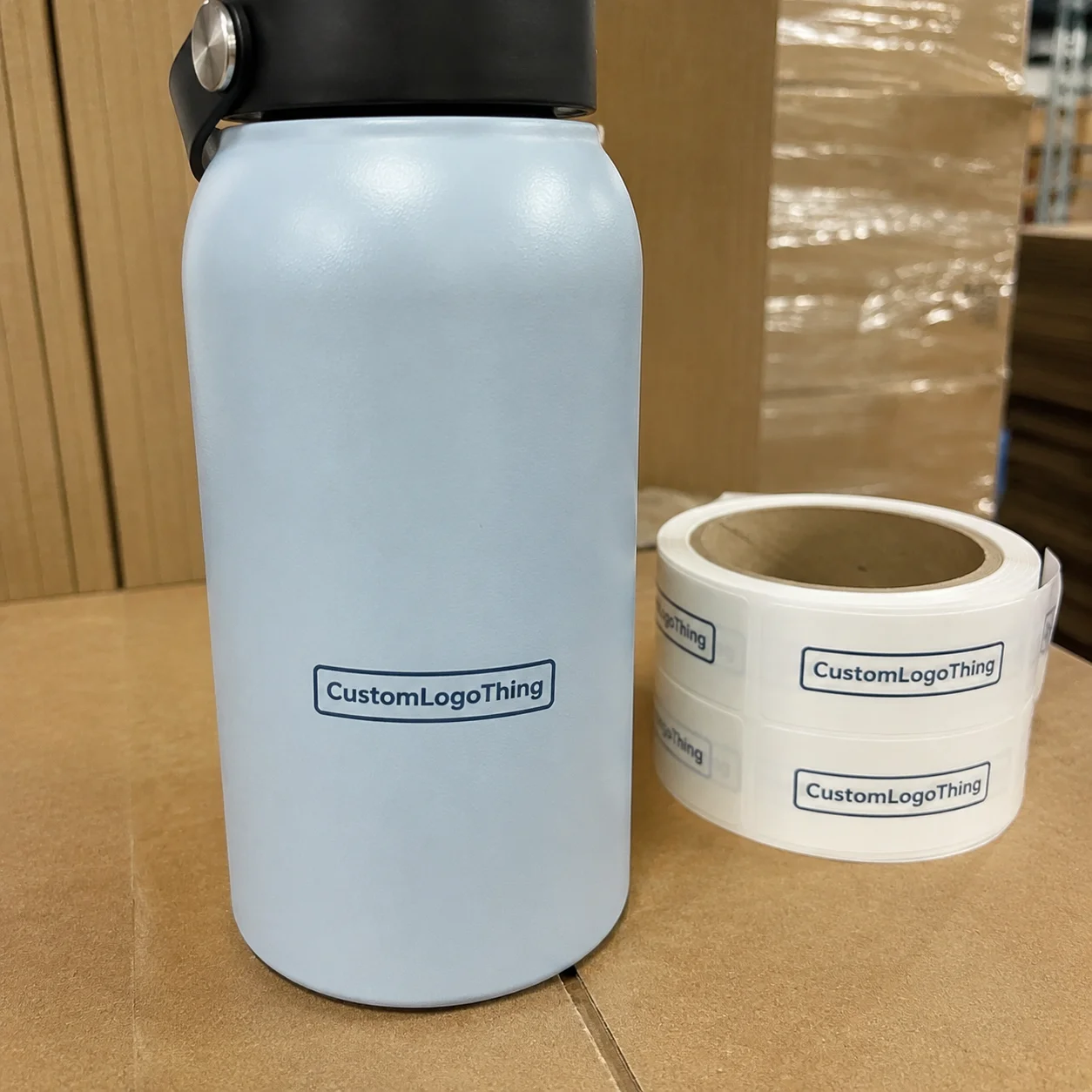
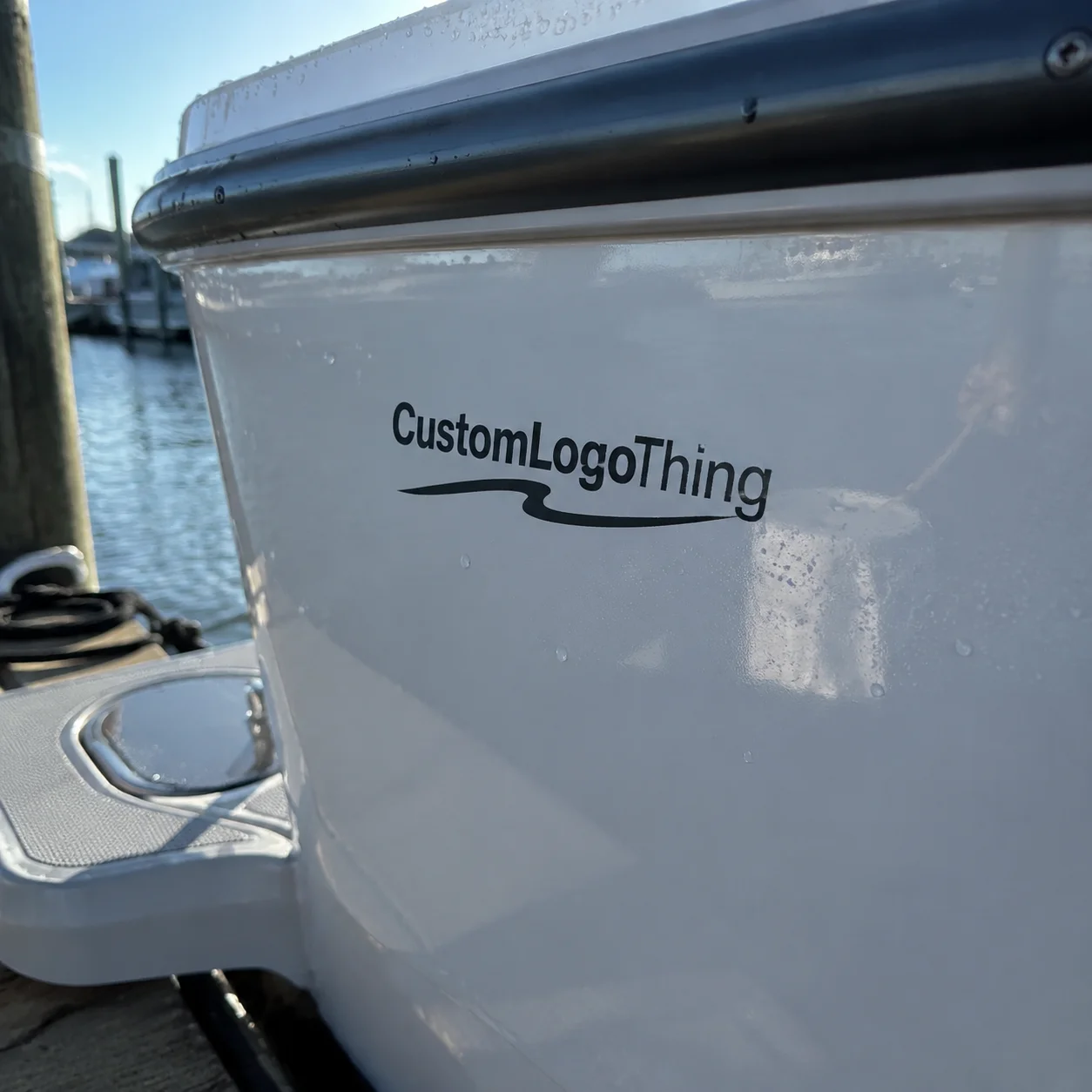
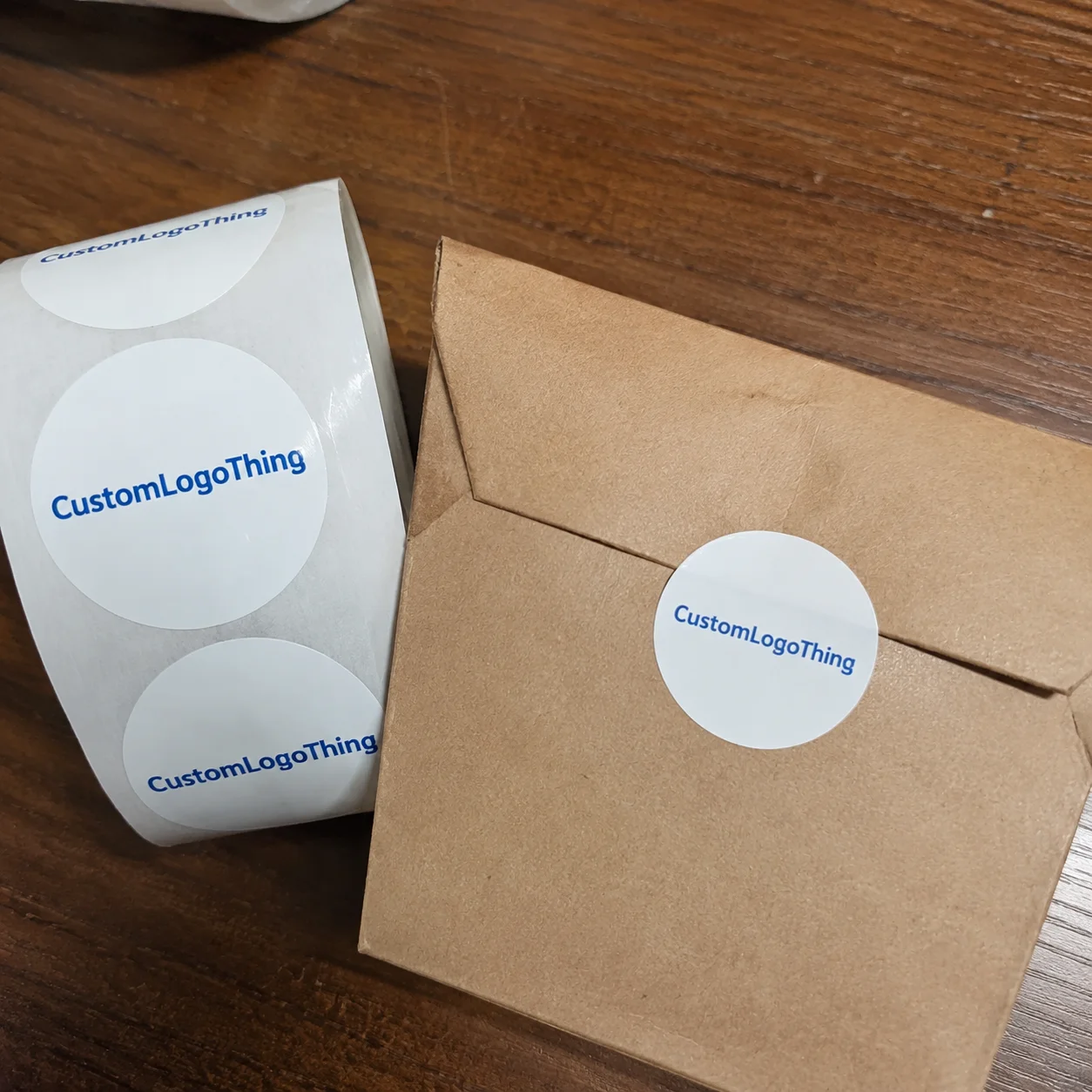
Make Your Own Custom Stickers: What That Really Means
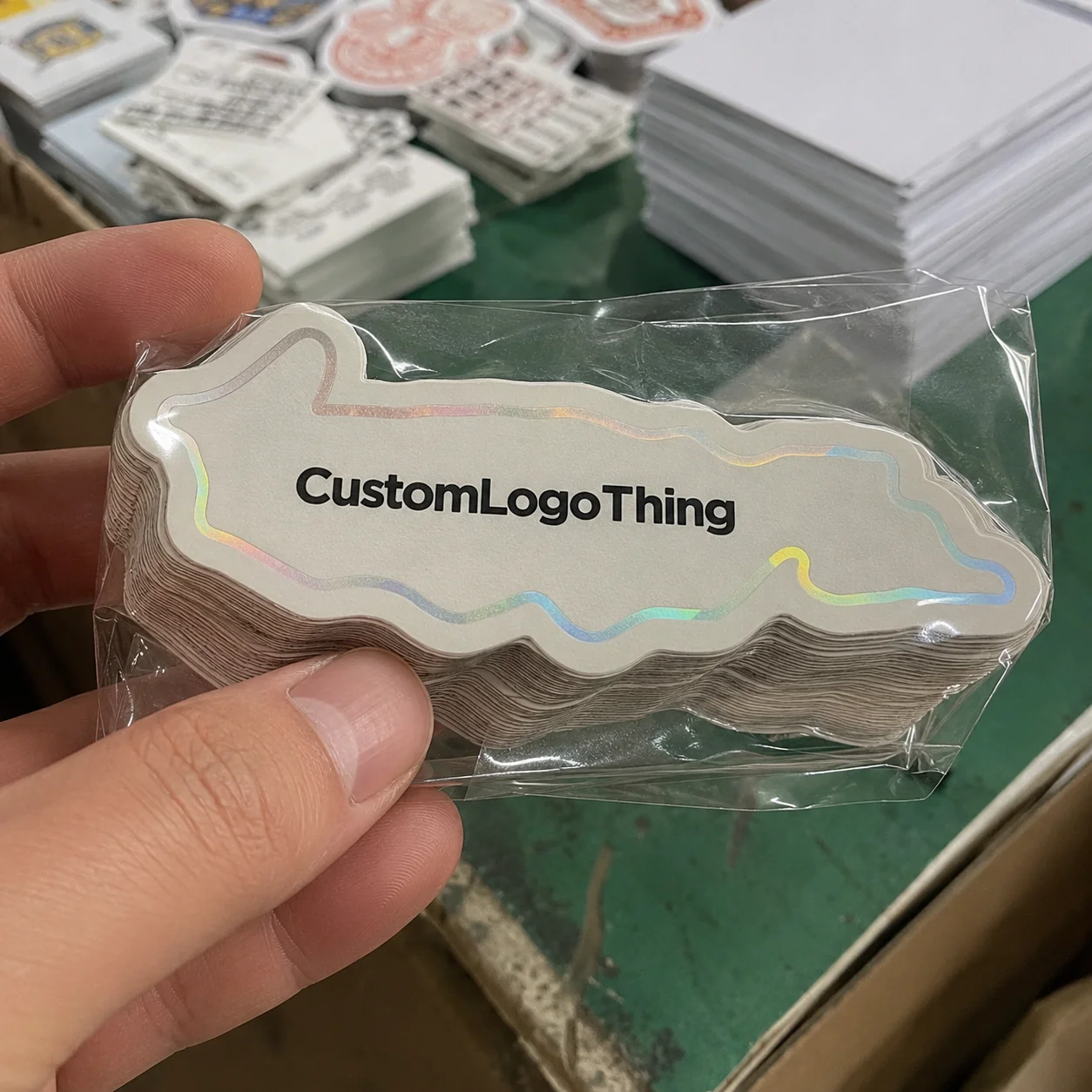
A sticker looks inexpensive right up until it peels off a mailer, smears in transit, or makes a premium product look like it was labeled in a spare room. Cute design does not rescue bad material. To make your own custom stickers can mean printing them at home, designing the artwork yourself and sending it to a printer, or using a mixed approach: you control the file, someone else handles production.
“Custom stickers” is a loose phrase. Buyers use it for logo stickers, product labels, packaging seals, QR code stickers, promotional decals, warning labels, event handouts, and branded extras tucked into ecommerce orders. Same family. Different jobs.
Here is the useful distinction: stickers are often decorative, promotional, or brand-building. Labels usually carry product names, barcodes, ingredients, compliance details, batch codes, or handling instructions. The overlap gets messy because packaging vocabulary has a talent for making simple things sound more technical than they are.
DIY production makes sense for very small batches, early design testing, internal use, craft projects, short-term events, or temporary promotions where durability is not mission-critical. If you need 20 laptop decals for a staff meetup, fine. Print, cut, move on.
Professional production makes more sense for retail products, ecommerce packaging, food and beverage packaging, outdoor use, exact brand color, waterproof labels, bulk orders, or anything customers will judge with their eyes. And customers do judge. Quietly. Immediately. Sometimes unfairly.
If the sticker affects branded packaging, shelf appeal, or product trust, treat it like a packaging component rather than a decorative afterthought. That same thinking applies to Custom Labels & Tags, printed boxes, tissue, inserts, and any other piece of the customer-facing packaging system.
The practical questions are not glamorous. What surface will it touch? Will it meet water, oil, cold, sunlight, friction, or curved packaging? Does it need to peel cleanly or stay put? Those answers determine the material, adhesive, finish, and production method long before anyone argues about font weight.
How Custom Sticker Production Steps Work
The production path is straightforward on paper: define the sticker’s job, choose material, prepare artwork, confirm size and shape, select finish, approve the proof, print, cut, inspect, pack, and ship. Problems usually start when someone skips the first step and jumps straight to “make it look nice.” Nice for what surface? For what temperature? For how long?
Digital printing is the common choice for short runs, colorful artwork, variable designs, and lower minimums. It works well for test batches, small business packaging, event stickers, and mixed designs. Flexographic printing is better for larger roll label runs where speed, repeatability, and lower unit cost matter. Screen printing still has a place for bold spot colors, specialty inks, and heavy-duty decals where durability is the point.
Cutting changes both function and cost. Kiss-cut stickers stay on a backing sheet and peel away from the liner, which makes them easy to handle. Die-cut stickers follow the exact outer shape of the artwork, so they look more intentional but can cost more. Roll labels are built for repeated application by hand, dispenser, or labeling machine, especially for product packaging and retail runs.
Timelines vary by specification. Simple digital sticker orders may ship within a few business days after proof approval. Custom shapes, specialty films, foil stamping, embossing, lamination, freezer-grade adhesive, or large roll label orders often need more time. If a supplier says “after proof approval,” believe that phrase. The clock usually starts after artwork and proof are approved, not when someone sends a blurry logo at 11:47 p.m. and hopes manufacturing physics will be kind.
Good printers check color consistency, cut alignment, adhesive performance, finish quality, roll direction, label spacing, and packaging condition before shipment. For roll labels, unwind direction matters if you use an applicator. For die-cut decals, edge smoothness matters. For clear stickers, white ink placement can decide whether the artwork looks crisp or vanishes on the product.
Practical callout: Faster turnaround usually means fewer customization options, higher rush charges, or both. Speed is not free. It just hides in the quote.
Sticker Materials, Adhesives, and Finishes That Matter
Material choice decides whether your sticker behaves like packaging or like a temporary office supply. Paper, white vinyl, clear vinyl, BOPP, polyester, kraft paper, metallic film, and removable stock all have a place. Pick wrong and the design will not save you.
Paper stickers are low-cost and work well for indoor packaging, bakery boxes, thank-you seals, shipping inserts, and dry retail products. They are a poor match for water, oil, condensation, or hard abrasion. A wet cooler is not their natural habitat.
White vinyl handles water and rougher use better than paper. It is common for laptop stickers, bottle decals, outdoor promotions, and higher-durability logo stickers. Clear vinyl looks clean on glass jars, bottles, windows, and minimalist packaging, but white ink may be needed under colors so the artwork does not disappear. Transparent stock is not a magic invisibility cloak.
BOPP is common for product labels because it is moisture-resistant, flexible, and suitable for jars, bottles, pouches, cosmetics, supplements, and many food packaging applications. Polyester is stronger and more dimensionally stable, so it suits industrial labels, outdoor equipment, warning labels, and harsh handling. Kraft paper gives an earthy look but has the same basic weakness as paper: water does not care about your rustic brand story.
Adhesive matters as much as face stock. Permanent adhesive is the standard for long-term packaging. Removable adhesive suits temporary promotions, reusable containers, and clean-peel situations. Freezer-grade adhesive is designed for cold storage and condensation. High-tack adhesive helps on textured cardboard, rough kraft boxes, curved plastic, and other difficult surfaces that punish lazy specs.
Finishes change appearance and performance. Matte gives a softer, more restrained look. Gloss makes colors appear brighter and adds shine. Soft-touch can feel more premium, especially for cosmetics, gifts, and higher-end product packaging. Lamination improves abrasion resistance. UV coating can add scuff protection, though performance depends on the coating, ink system, substrate, and actual use.
Shape and size create their own tradeoffs. Tiny stickers need simple artwork, heavier lines, and readable text. Large decals need stronger material and often lamination. Irregular shapes may cost more because they create material waste, slow cutting, or require tighter registration.
| Material | Best Use | Durability | Typical Buyer Note |
|---|---|---|---|
| Paper | Indoor packaging, seals, giveaways | Low to moderate | Good for budget runs, poor for wet use |
| White Vinyl | Logo decals, bottles, laptops | Moderate to high | Better water resistance and handling strength |
| Clear Vinyl | Glass, jars, windows, clean branding | Moderate to high | Often needs white ink under color |
| BOPP | Product labels, cosmetics, pouches | Moderate to high | Strong all-around choice for packaged goods |
| Polyester | Industrial, outdoor, warning labels | High | Costs more but performs better under stress |
Choose based on where the sticker will live: cardboard mailer, glass jar, plastic pouch, freezer, bathroom shelf, car window, laptop, or outdoor equipment. For broader package planning, review related Custom Packaging Products so the sticker does not feel bolted onto an otherwise polished system.
Custom Sticker Cost, Pricing, and MOQ Factors
Sticker pricing depends on size, quantity, material, adhesive, finish, shape, color coverage, roll versus sheet format, packing method, and shipping. That sounds like a lot because it is. A 2-inch paper circle on sheets is not priced like a 5-inch laminated vinyl die cut with outdoor adhesive.
Basic small paper stickers can be very low per unit at volume. Simple 1.5- to 2-inch paper stickers may land around $0.03 to $0.12 each in larger quantities, depending on finish, print coverage, and supplier setup. Short runs cost more per piece because proofing, setup, file handling, and machine time still exist whether you print 50 or 5,000.
Waterproof vinyl, BOPP labels, specialty adhesives, foil accents, Custom Die Cuts, and laminated outdoor decals cost more. A short run of 100 Custom Vinyl Stickers might fall around $0.40 to $1.50 each. A 1,000-piece run may drop closer to $0.12 to $0.45 each, depending on size and specifications. Large roll label orders can go lower per unit, but only after the quantity justifies the setup.
Quantity creates the classic packaging tradeoff. Ordering 50 stickers is smart for testing, but the unit cost will be high. Ordering 500 to 5,000 usually drops the unit cost sharply. Quote two or three quantity breaks, such as 250, 500, and 1,000 units. The cheapest-looking order size is not always the best value once freight, waste, shelf life, and design changes are included.
Minimum order quantity depends on the production method. Digital printers may handle low minimums. Custom roll labels, specialty materials, exact Pantone matching, foil, embossing, or unusual adhesives can require higher MOQs. If the supplier has to set up a special material, custom die, or finishing process, 25 pieces may not be realistic. Annoying, yes. Mysterious, no.
Size changes pricing quickly. A 4-inch sticker uses about four times the material area of a 2-inch sticker if the shape is similar. Odd shapes create waste between cuts. Full-bleed artwork, heavy ink coverage, and tight registration can also affect production difficulty.
Hidden cost drivers include rush production, split designs, variable data, individual bagging, barcode sequencing, exact PMS color matching, sample proofs, freight, and artwork cleanup. If your logo file is a tiny screenshot, expect either a cleanup fee or a sad print result.
Do not compare a home inkjet sticker sheet to a production-grade waterproof sticker. That is not comparison shopping. That is comparing a raincoat to a napkin.
Step-by-Step Guide to Ordering Custom Stickers
If you want to make your own custom stickers without turning the quote into an expensive guessing game, slow down before uploading artwork. A clean order starts with the job, not the design file.
- Define the sticker job. Decide whether it is for branding, sealing packaging, labeling a product, promoting an event, adding a QR code, decorating a surface, or supporting compliance. A packaging seal and a warning label should not be specified the same way.
- Measure the application area. Use the actual bottle, box, pouch, mailer, jar, tin, or card insert. Screens lie. A 3-inch label may look perfect on a monitor and ridiculous on a 2-ounce jar.
- Choose the shape and format. Circles, rectangles, ovals, custom die cuts, sheets, rolls, and individually cut stickers all handle differently. Rolls are better for repeat packaging application. Singles are better for handouts and merch.
- Pick material and adhesive by environment. Ask whether the sticker must survive water, cold, oils, sunlight, friction, curved surfaces, textured stock, or repeated handling. If the answer is yes to three of those, stop buying the cheapest paper option.
- Build print-ready artwork. Vector files are best for logos and cut lines. Set final dimensions, include bleed, keep text readable, outline fonts, and avoid placing important details near the cut line. For raster artwork, use 300 DPI at final size as a baseline.
- Request a proof and check it like money is involved. Because it is. Review spelling, size, cut line, safe area, color, finish, roll direction, quantity, and material. Proofs are not decorative PDFs.
- Test the real use case before approval. If the sticker will go on a jar, print a paper mockup at actual size and wrap it around the jar. If it needs a QR code, scan it from the expected distance.
- Inspect the first delivery. Check adhesion, color, cut quality, finish, packaging, roll direction, and application fit before placing a larger reorder.
For QR codes, leave quiet space around the code and test at actual size. Tiny QR codes below about 0.8 inches can get unreliable depending on print contrast, surface curve, phone camera, and lighting. Fine text has similar limits. Five-point type may technically print, but customers should not need a jeweler’s loupe to read your flavor name.
If sustainability is part of the packaging brief, ask about FSC-certified paper options through credible sourcing programs such as the Forest Stewardship Council. For transport testing and damage risk, especially on larger packaging systems, standards from ISTA are useful reference points. A sticker does not ship alone; it rides on a package that gets crushed, rubbed, chilled, and handled by people who are not emotionally invested in your brand palette.
Common Mistakes That Make Custom Stickers Look Cheap
The fastest way to ruin custom stickers is to treat them like tiny posters. They are not. They are printed, cut, peeled, stuck, rubbed, shipped, chilled, touched, and judged at close range.
- Designing too small. Fine text, hairline strokes, tiny QR codes, and detailed illustrations can fall apart at sticker size. Simplify before production forces the issue.
- Choosing paper for wet use. Paper has its place. A refrigerated bottle, oily jar, bathroom shelf, or outdoor cooler is not that place.
- Ignoring bleed and safe zones. Artwork too close to the edge can get clipped during cutting, especially on custom shapes. A common bleed range is 0.0625 to 0.125 inches, but follow the printer’s template.
- Using low-resolution files. Screens are forgiving; printing is not. A fuzzy PNG pulled from a website usually produces a fuzzy sticker.
- Picking the wrong adhesive. Removable stickers may fall off product packaging. Permanent adhesive may leave residue where customers expected a clean peel.
- Forgetting the surface. Cardboard, glass, plastic, kraft paper, textured boxes, curved bottles, and powder-coated metal all behave differently. Adhesion is chemistry, pressure, and surface energy, not wishful thinking.
- Over-ordering before testing. A 5,000-piece mistake is still a mistake, just with more boxes in the corner.
- Approving proofs too quickly. Proof approval is the last cheap place to catch bad spelling, wrong size, missing white ink, or a cut line that slices through your logo.
Color expectation causes plenty of disappointment. RGB screens glow. Ink sits on material. Matte lamination can dull color slightly, gloss can increase perceived saturation, and kraft stock will warm everything up. If exact color matters, ask about PMS matching, drawdowns, or physical proofs. Not every order needs that level of control, but premium retail packaging often does.
Also check packaging fit. A sticker that looks great on a flat proof may wrinkle on a tapered jar, lift on a curved tube, or bridge across the flap of a mailer. If the sticker acts as a seal, test whether it tears, peels cleanly, or holds through shipping. Those are three different outcomes, and only one may be right for the product.
Final Checks Before You Print Stickers
Before you make your own custom stickers, run a basic pre-order check. Confirm the purpose, application surface, environment, size, shape, material, adhesive, finish, quantity, deadline, and application method. Hand application gives you more flexibility. Machine application demands tighter roll specs, spacing, liner strength, and unwind direction.
Make a physical mockup before ordering. Print the design at actual size on plain paper, cut it out, and place it on the product or package. This catches more bad design decisions than another meeting ever will. Check readability from normal viewing distance, not from three inches away while squinting like a detective.
Ask suppliers specific questions:
- What material do you recommend for this surface and environment?
- Is the sticker waterproof, water-resistant, oil-resistant, freezer-safe, or UV-resistant?
- What is the minimum order quantity for this material and finish?
- What is the lead time after proof approval?
- Can I see a digital proof, physical proof, or material sample?
- For roll labels, what are the roll direction, core size, outside diameter, and label spacing?
Order samples if the sticker affects customer experience, product labeling, ecommerce unboxing, or retail shelf appeal. Samples are cheaper than explaining to a retailer why every label is curling. They are also cheaper than reprinting a batch because the clear stock needed white ink or the removable adhesive removed itself a little too enthusiastically.
Quote multiple quantities and finishes so you can compare real tradeoffs. Ask for 250, 500, and 1,000 pieces. Compare paper versus BOPP. Compare matte versus gloss. Compare sheets versus rolls. The right answer is rarely “whatever is cheapest.” It is usually the option that performs correctly at the lowest total risk.
Start with the use case, not the artwork. The right material, adhesive, size, and proofing process will do more for the final result than one more trendy font.
FAQ
Can I make my own custom stickers at home?
Yes, if you only need a small batch for crafts, tests, short-term indoor use, or simple promotional pieces. You will need printable sticker paper, a decent inkjet or laser printer, cutting tools, and possibly laminate for protection. Home printing usually struggles with waterproofing, exact color consistency, bulk quantities, and clean die-cut shapes.
What is the best material for custom logo stickers?
Paper is best for low-cost indoor packaging and giveaways. Vinyl is better for water resistance, outdoor use, laptops, bottles, and rougher handling. BOPP is a strong choice for product labels on jars, bottles, pouches, cosmetics packaging, and many retail packaging applications.
How much does it cost to make custom stickers?
Cost depends on size, quantity, material, finish, shape, adhesive, and whether the stickers are on rolls, sheets, or individually cut. Small test runs have higher unit costs because setup and proofing are spread across fewer pieces. Ask for pricing at several quantities, such as 250, 500, and 1,000 pieces, to find the best value.
How long does custom sticker production take?
Simple digital sticker orders can often move quickly after proof approval. Special materials, custom die cuts, foil, lamination, roll labels, or large orders usually add production time. Lead time normally starts after the final artwork and proof are approved, not when the first quote request is sent.
What file do I need to make personalized stickers?
Vector files such as AI, EPS, or print-ready PDF are usually best for sharp logos and clean cut lines. High-resolution PNG or TIFF files can work for some artwork if they are sized correctly at 300 DPI. Include bleed, safe margins, outlined fonts, and a clear cut line for custom shapes.