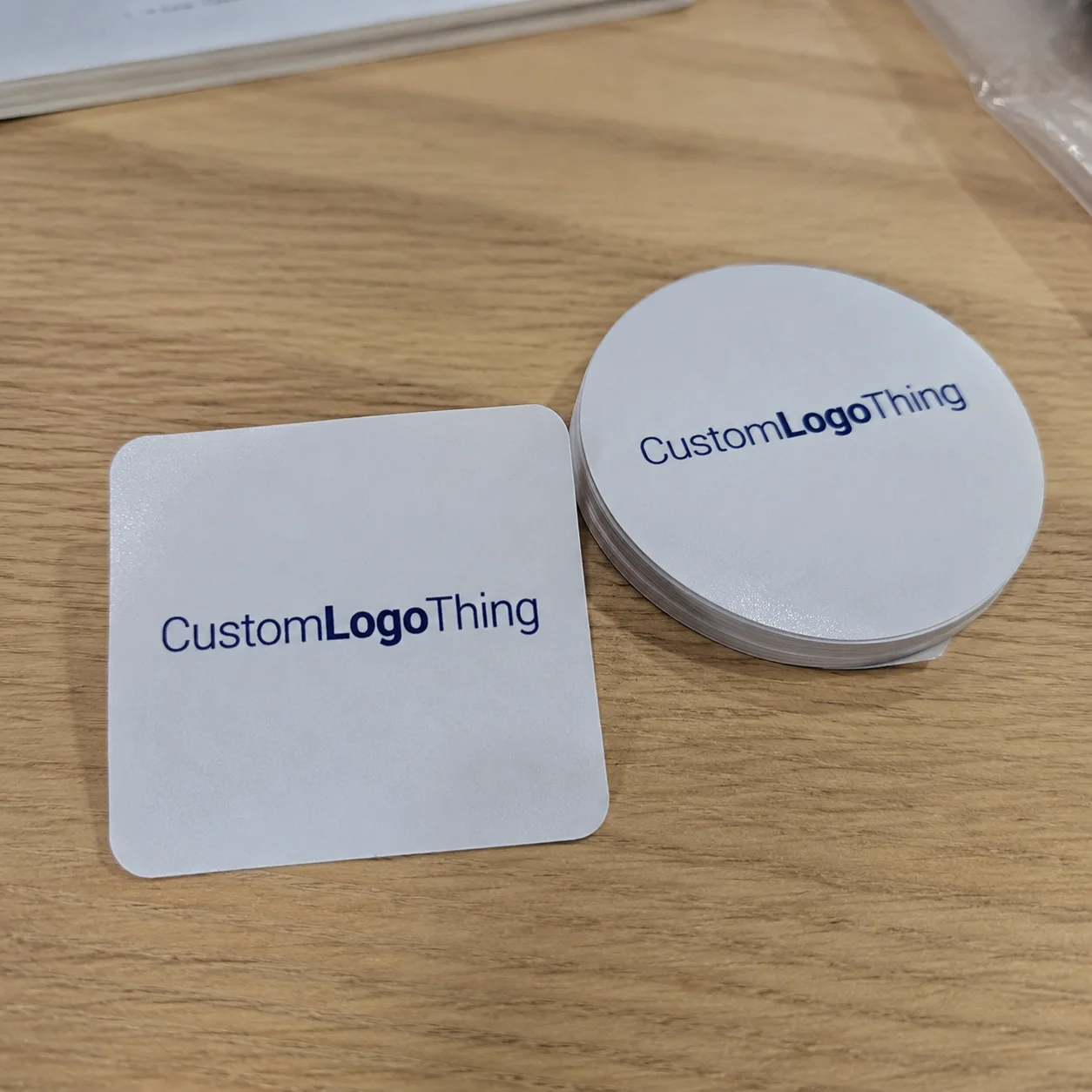
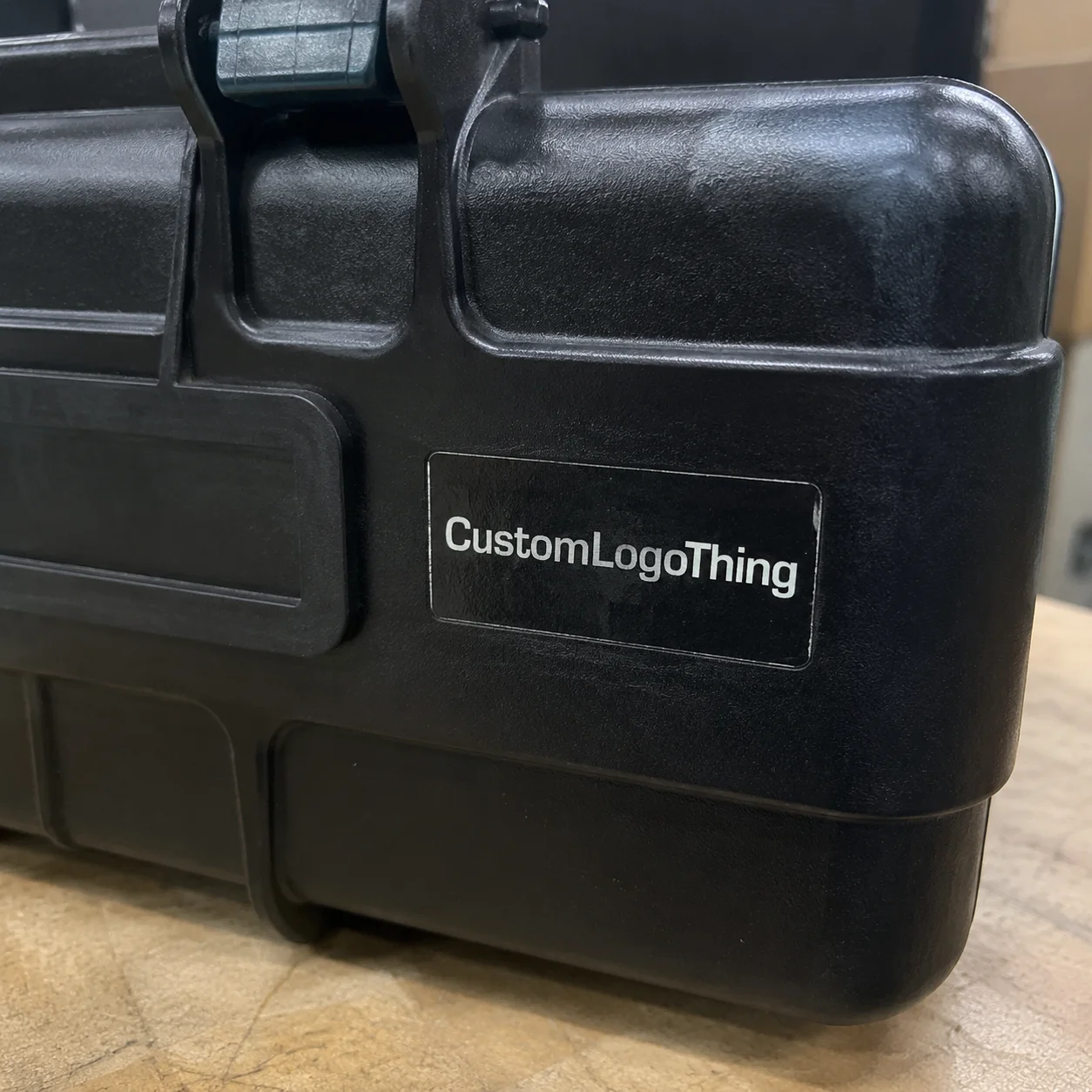
A sticker may get more physical contact than the product box it arrived in. Laptops, water bottles, delivery bags, jars, mailers, hard hats, storefront windows, and takeout containers can turn a small adhesive graphic into a brand asset that keeps working after the carton is gone. That is the practical value behind stickers custom vinyl.
For buyers, Custom Vinyl Stickers are adhesive graphics printed on durable vinyl film, cut to a chosen shape, and finished for indoor or outdoor use. Size, color, adhesive, finish, liner format, quantity, and application method all shape the final spec. So no, you are not just buying “a sticker.” You are buying a small piece of packaging, signage, warning communication, or product branding that has to survive handling.
What Stickers Custom Vinyl Really Means for Buyers
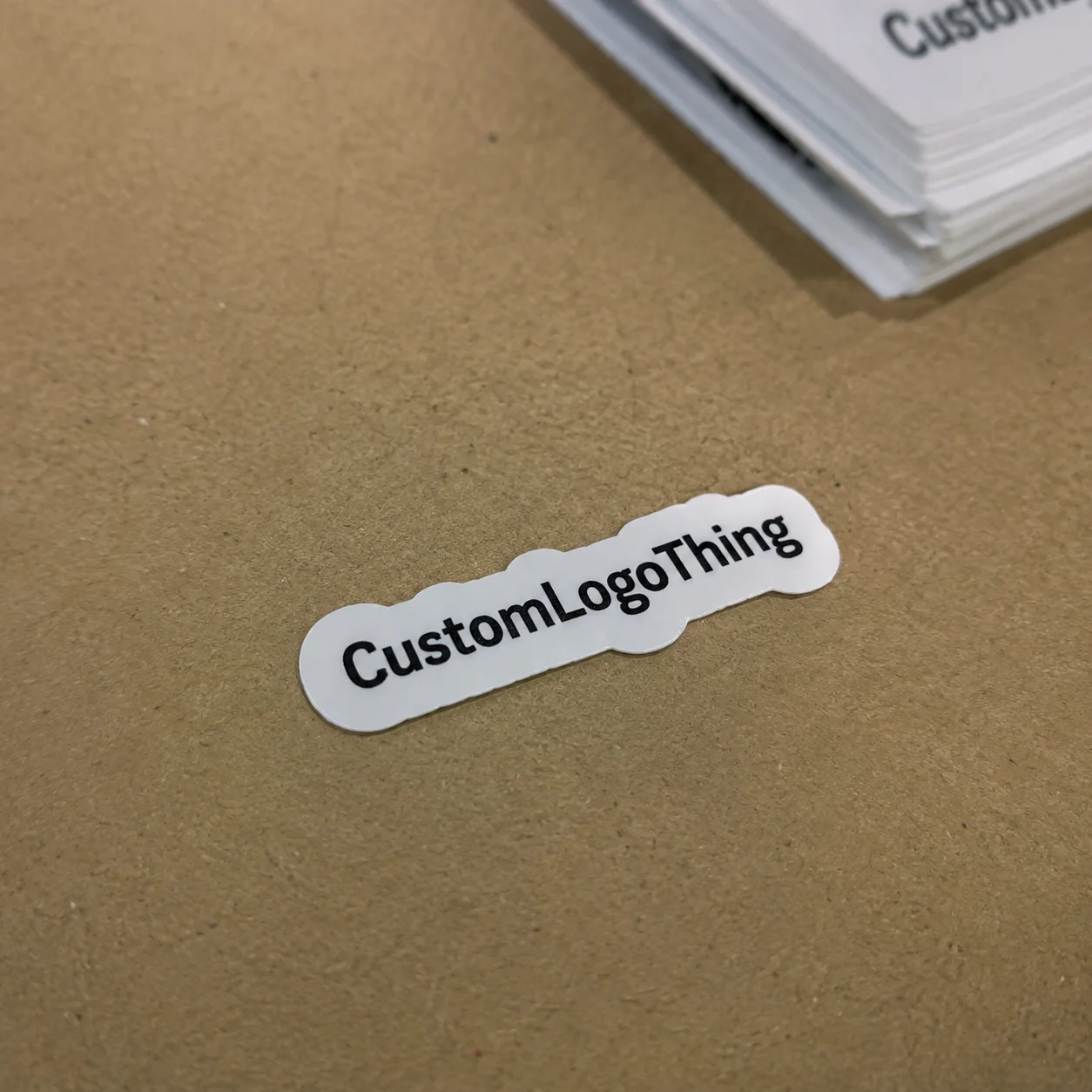
Vinyl differs from paper in one very practical way: it handles punishment better. Paper stickers are often fine for dry, short-life uses such as event badges, bakery boxes, simple packaging seals, temporary inserts, and short-run promotions. Vinyl is usually chosen because it resists moisture, oil, abrasion, sunlight, and repeated handling better. Not forever. Not under every condition. But better enough to justify the cost in the right use case.
Typical applications include product branding, promotional giveaways, QR code decals, bumper stickers, equipment labels, warning labels, subscription box inserts, food packaging accents, and retail display graphics. A 2-inch circle on a candle lid has a different job than a 6-inch decal on a delivery vehicle. One faces fingerprints and shelf presentation. The other faces UV exposure, road grime, pressure washing, and temperature swings.
That distinction matters. The best sticker is not automatically the thickest, glossiest, or most expensive one. A smarter question is more specific: what surface will it touch, and what will happen to it after application?
Will a person apply it by hand, by machine, or with transfer tape? Will it stay indoors for 30 days or outdoors for three years? Will it go on glass, coated paperboard, HDPE, powder-coated metal, or a curved PET bottle? Those answers affect material, adhesive, laminate, cut style, packing format, and cost.
Buyer rule: match the sticker to the surface and exposure first, then tune the design. Reversing that order is how attractive stickers become expensive failures.
If you already buy Custom Labels & Tags, vinyl stickers are a related but more durable format. They are often used for premium packaging, brand promotions, and utility marking where a paper face stock would scuff, curl, stain, or fail early. In practice, stickers custom vinyl sit between print, packaging, and light-duty signage.
The buyer’s job is to narrow the use case. Are you improving unboxing? Creating a reusable giveaway? Labeling a product that needs moisture resistance? Marking equipment? Each answer pushes the specification in a different direction.
That is why a capable supplier asks detailed questions before quoting. Surface type. Temperature range. Indoor or outdoor exposure. Application method. Cleaning chemicals. Shelf life. Those are not idle sales questions. They are performance questions.
Budget still matters, obviously. But the cheapest unit price can become the most expensive choice if the adhesive fails, the print fades, or the sticker wrinkles during application. A sticker that peels off a refrigerated bottle after two days does not save money. It creates waste, complaints, and rework.
How Custom Vinyl Stickers Are Made
The production flow is straightforward, though the details carry most of the risk. Most Custom Vinyl Stickers move through artwork preparation, print, lamination if needed, contour cutting, waste removal, quality checks, and packing. Depending on the supplier, the print method may be digital UV, eco-solvent, solvent, latex, or screen printing for certain high-volume or specialty jobs.
Each method has tradeoffs. Digital print is flexible for short and medium runs, variable artwork, and fast proofing. Solvent and eco-solvent systems are common for outdoor graphics because they bond well to vinyl films. UV printing can produce crisp results and fast curing, but ink flexibility and surface compatibility still need to match the job. Screen printing can make sense for large runs, spot colors, and durable outdoor decals, although setup costs are higher.
Artwork is usually the first risk point. A design that looks fine on a screen can fail once it becomes a physical object. Small text may blur. Thin lines may disappear. Transparent effects can behave differently on matte or gloss vinyl. A QR code that scans beautifully in a mockup may become unreliable if it is too small, too low-contrast, or placed near a tight cut edge.
If the sticker uses a contour cut, the cut path needs to be clean. The die line should be a separate vector path, usually with enough offset from the printed artwork to account for normal cutting tolerance. Tight internal corners, tiny points, and fragile shapes can slow production and increase waste. Cute design trick. Annoying manufacturing reality.
Print quality is only half the story. The substrate matters just as much. A 3 mil vinyl film behaves differently from a heavier 4 mil or 5 mil option. Cast vinyl behaves differently from calendared vinyl. Calendared vinyl is often the budget-friendly choice for flat surfaces and short to medium service life. Cast vinyl is thinner, more conformable, and better suited to curved surfaces or longer outdoor exposure.
Laminate is another major decision. A gloss overlaminate can boost color, add moisture resistance, and improve abrasion resistance. Matte laminate reduces glare and can make premium branding feel softer and more restrained. Some indoor or short-life orders skip laminate to reduce cost. That can be perfectly reasonable.
If the sticker will live on a water bottle, cooler lid, delivery vehicle, box cutter handle, or high-touch display, laminate often earns its keep. Ink alone can scuff faster than buyers expect.
Cutting affects both appearance and handling. Kiss-cut stickers are cut through the vinyl layer but left on the backing, which makes them easy to peel. Die-cut stickers are cut through both the vinyl and the backing into a full custom shape. Sticker sheets can hold multiple designs together for sets, sampler packs, or handout kits. Roll format is often better for machine application, high-volume labeling, or packing lines where speed matters.
Color management deserves more attention than it gets. If your brand team expects a precise Pantone match, ask whether the supplier can simulate it within the chosen print process and film type. Exact spot matching is not always realistic in digital print, especially on small runs, metallic effects, fluorescent colors, or highly saturated hues. A good supplier will flag the risk before production, not after the stickers arrive.
Quality control should include more than “does it look nice.” Useful checks include print registration, cut accuracy, color consistency, liner release, edge lifting, laminate bubbles, and adhesive transfer. For larger runs, buyers should ask how defects are handled and whether overs are included. Small flaws are normal in print manufacturing. Uncontrolled flaws are not.
Material, Adhesive, Finish, and Shape Decisions
The ordering process usually turns on four decisions: material, adhesive, finish, and shape. Each one affects the others. That is why sticker specifications can get crowded fast.
Material. Vinyl film is the baseline, but not all vinyl behaves alike. Calendared vinyl usually works for flat surfaces, simpler applications, and shorter life spans. Cast vinyl is more conformable and generally better on curves, rivets, helmets, bottles, and outdoor surfaces that expand and contract. If the sticker needs to wrap around a container or stay clean on a curved surface, conformability matters more than shaving a few cents off the unit price.
Adhesive. Permanent adhesive is the common choice for labels and branding that should stay put. Removable adhesive works when the sticker needs to come off later, such as temporary promotions, retail windows, or reusable packaging. Repositionable adhesive can help during installation, but it is not magic. Dust, oil, moisture, low-surface-energy plastics, and textured finishes can still interfere with bonding.
Some adhesives are designed for cold-temperature application or freezer performance. Others are not. That difference gets missed until the first cold-room test, which is a rotten time to discover it.
Finish. Gloss is brighter and usually more eye-catching. Matte reduces glare and can improve readability on bottles, windows, and retail displays. Soft-touch or textured finishes are less common, but they can support premium packaging if the budget allows. Finish is not only aesthetic. It changes fingerprint visibility, scuff resistance, readability under light, and how the sticker ages in the field.
Shape. Circles, squares, rectangles, and rounded rectangles are efficient. Custom contours can be striking, especially for mascot art, logos, or brand marks with a distinctive silhouette. The tradeoff is waste and setup complexity. If speed and economy matter most, a standard shape may outperform a clever outline. If brand recognition matters more, the custom contour may be worth it.
Surface is the part buyers underestimate. Smooth glass is very different from powder-coated metal. Curved plastic behaves differently from corrugated mailer board. Texture, curvature, coatings, and cleanliness all affect adhesion. A sticker that performs perfectly on acrylic may fail on kraft paper, a chilled bottle, or a slightly oily plastic container.
For food and beverage brands, the stakes are higher. A jar label, tamper-evident seal, or QR sticker may need to survive condensation, refrigeration, handling, and occasional wiping. In those cases, adhesive and laminate matter as much as artwork. Some operations also need material documentation, especially if the sticker sits near food-contact packaging or works alongside regulated labeling systems. Ask for available specifications rather than assuming one vinyl construction fits everything.
Sustainability deserves a sober answer. Vinyl is durable, which can reduce replacement and waste in long-life applications, but it is still a plastic-based material. It is not always friendly to paper recycling streams. If a brand is trying to simplify packaging end-of-life, a heavy vinyl sticker on a recyclable mailer may be the wrong move unless the durability need is real. Sometimes paper is the better answer. Sometimes a smaller vinyl decal is enough.
The cleanest way to choose is to work backward from use. Indoor and short-term? A simpler vinyl and standard adhesive may be enough. Outdoor and weather-exposed? Better film, better laminate, stronger adhesive. Curved surface? Ask about conformability. High-touch surface? Prioritize abrasion resistance. That logic sounds obvious. Purchase orders still ignore it all the time.
Cost, Pricing, MOQ, and Unit Cost Drivers
Pricing for stickers custom vinyl is shaped by more than size and quantity. Print coverage, material grade, laminate, adhesive, shape complexity, proofing, packing format, and turnaround all move the number. A simple 2-inch standard-shape sticker can cost far less than a large laminated decal with full-bleed color, custom contour cutting, and a specialty adhesive.
For small runs, buyers often see pricing from roughly $0.20 to $1.50 per piece, depending on size and complexity. Very small batches can run higher because setup gets spread across fewer units. At higher volumes, the unit cost can fall sharply. A 5,000-piece run of standard kiss-cut vinyl stickers may land around $0.12 to $0.35 per piece, while larger, laminated, die-cut, or specialty adhesive builds can sit above that range.
Those are working ranges, not promises. Supplier location, print method, raw material costs, freight, rush fees, and inspection requirements can change the quote.
Minimum order quantity matters because sticker production has fixed setup work. Prepress, color checks, cutter setup, test cuts, material loading, and proofing happen before the first good unit is packed. That means a 100-piece order may look expensive per unit, while a 10,000-piece order spreads setup across more pieces. Buyers should compare total landed cost, not just sticker price.
Several cost drivers are predictable:
More print coverage. Full-bleed artwork uses more ink and usually requires tighter color control.
Custom shapes. Unusual contours increase cutting time and can create more waste.
Special finishes. Matte laminate, clear overlays, metallic effects, and textured coatings raise cost.
Performance adhesives. Removable, freezer-grade, low-temperature, or high-tack adhesives generally cost more than basic permanent options.
Tight turnaround. Rush production can add fees, especially when material sourcing or press time is constrained.
One quiet cost gets missed: application labor. A sticker that peels quickly and places cleanly on the first try can be worth more than a cheaper sticker that wrinkles, curls, tears, or slows a packing line. On manual lines, a few extra seconds per unit becomes expensive fast. Roll format, sheet layout, liner release, and backing thickness can affect real operating cost as much as print price.
Shipping format matters too. Flat-packed sheets are easy to store and hand out. Rolls are better for machine use and high-volume packing. Individually cut pieces are convenient for giveaways or inserts, but they may increase sorting and handling labor. If the sticker goes into a kit, a mailer, or a retail pack, quote the format you actually need. Changing it later can affect both cost and timeline.
If you are comparing suppliers, give each one the same spec. Otherwise the quotes are mostly theater. One may include laminate; another may not. One may assume gloss; another matte. One may quote a short-life indoor film while another quotes an outdoor-grade construction. Standardize the request before judging the price gap.
Process, Timeline, and Lead Time from Art to Delivery
The typical order path is simple: artwork submission, file check, proof, approval, production, cutting, packing, and shipping. The delays usually happen before production starts. Missing fonts, unclear cut lines, wrong dimensions, low-resolution images, and late approvals burn more time than the printing itself.
For straightforward jobs, proof approval to shipment often runs about 5 to 10 business days. More complex sticker sets, specialty materials, large volumes, or seasonal demand can push that to 12 to 15 business days or longer. Add freight transit time on top. If the stickers support a product launch, retail drop, trade show, or seasonal promotion, build in a buffer. Custom print and panic are a bad pairing.
Artwork readiness is the biggest schedule lever. A print-ready file with correct dimensions, embedded or outlined fonts, proper bleed, and a clean vector cut line can move quickly. A file that needs resizing, color correction, missing-font replacement, or contour cleanup will not. Every correction adds a proof cycle, and every proof cycle adds room for misunderstanding.
Proofing is where buyers should slow down. Check the dimensions. Check the cut path. Inspect small type. Confirm the finish. Verify the adhesive if the proof lists it. If the design includes a barcode or QR code, test the code. A beautiful sticker that will not scan is decorative waste.
Physical samples are worth requesting for risky or high-visibility applications. They are especially useful if the sticker will go on a difficult surface, live in refrigeration, face outdoor exposure, or appear on customer-facing packaging. Sample testing can reveal curling, edge lift, smearing, poor adhesion, glare problems, and liner issues before a full run is produced.
Basic field checks do not need to be complicated. Apply samples to the actual surface. Let them dwell for 24 to 72 hours. Rub the print. Chill the package if refrigeration is part of the use case. Wipe it if cleaning is expected. Bend or squeeze the container if consumers will. Crude? Maybe. Useful? Absolutely.
For regulated or semi-regulated packaging environments, documentation may matter too. Ask whether the supplier can provide material data, compliance statements, or relevant testing references. Some buyers may need information tied to indoor/outdoor durability expectations, abrasion resistance, transit testing, or adhesive performance. Not every sticker order needs formal test data. Some do. The deciding factor is risk.
Seasonality also affects lead time. Orders tied to holidays, product launches, school calendars, and event windows often hit supplier capacity at the same time. If your sticker supports packaging or fulfillment, do not leave it until every other launch asset is finished. A low-cost component can still block a shipment. Annoying, but true.
Common Mistakes That Make Vinyl Stickers Fail
The failures are usually boring. That is what makes them expensive. A sticker peels because the surface was dusty. It lifts because the adhesive was not suited to cold storage. It fades because the film was chosen for price instead of exposure. The design looked fine. The performance did not.
One common mistake is using indoor-grade vinyl outdoors. Another is assuming all adhesives behave the same on every surface. They do not. Glass, powder-coated metal, coated paperboard, HDPE, PP, PET, painted metal, and textured packaging all interact differently with adhesive chemistry. A sticker can be technically well made and still fail on the wrong substrate.
Application temperature is another problem. Some adhesives need warmer conditions to develop a strong bond. If a label is applied to a chilled bottle, cold package, or refrigerated container, the bond may never form properly. The result can be bubbling, edge lift, or full peel. Beverage, dairy, meal kit, and frozen-food buyers should ask about application and service temperature early.
Design can also sabotage durability. Tiny serif text, thin borders, hairline details, and dense QR patterns can become hard to read after printing and cutting. Stronger hierarchy usually performs better. Use larger text where possible. Keep contrast high. Give the artwork breathing room. A crowded design often looks clever on a screen and weak on a package.
Then there is over-specifying, the expensive cousin of caution. Some teams ask for every premium option because the quote sheet makes them feel safer: thicker film, special laminate, removable adhesive, custom shape, metallic accent, rush turnaround. It sounds sophisticated. It may also be unnecessary. The job is to buy performance, not collect features.
Pack-out conditions matter too. If stickers are going into kits, sleeves, retail envelopes, or shipping cartons, they may need to stay flat under pressure and release cleanly from the liner. Poor liner release can slow staff down. Overly delicate die-cut shapes can snag. Stickers stored in heat can curl or block together. That is not a branding issue. That is a handling issue.
Storage deserves a line in the spec. Most vinyl stickers should be stored flat or in properly wound rolls, away from high heat, humidity, direct sun, and dust. Old inventory can lose tack or become harder to apply cleanly. If you are ordering a year’s worth to chase a lower unit price, ask about expected shelf life first.
End-of-life should not be ignored either. If a brand is moving toward recyclable packaging, a large vinyl sticker on a paper mailer may create friction unless it has a clear purpose. Sometimes a paper label is more appropriate. Sometimes the vinyl sticker should be reserved for the customer-facing giveaway, not the disposable shipper. Use durable material where durability matters.
Next Steps Before You Place a Vinyl Sticker Order
Before requesting quotes, write a short spec brief. Include size, quantity, application surface, indoor or outdoor use, temperature exposure, expected life, finish preference, adhesive requirement, packing format, and whether the sticker must remove cleanly. That one page saves time on both sides. It also makes supplier quotes easier to compare.
If the order supports packaging, share the container or substrate details. A jar label, corrugated mailer seal, plastic bottle decal, and powder-coated equipment sticker are not interchangeable jobs. If the order is tied to a promotion, define whether it is a giveaway, a brand insert, a functional label, or a permanent mark. Intended use should drive material choice more than the artwork does.
Ask for samples when the application is risky, expensive, or highly visible. Test the sticker on the real surface, under the real conditions, with the real application method. If you have multiple package formats, test each one. A result that looks good on one surface may fail on another.
Keep artwork disciplined. Convert fonts to outlines. Build bleed where required. Keep the cut path separate and clean. Make sure the final dimensions match the package or surface, not just the mockup. Confirm QR codes, barcodes, and small legal text before approval. The press will print what you approve. It will not politely fix your typo.
Supplier questions are not friction. They are usually the quickest path to the right product. A supplier asking about wash cycles, refrigeration, sunlight, chemical exposure, or application temperature is trying to prevent a bad outcome.
The best stickers custom vinyl orders usually start with a clear job, not a vague design request. Know what the sticker must survive. Know where it will be applied. Know how long it needs to last. That clarity trims waste, reduces rework, and gets you a sticker that looks right long enough to matter.
FAQ
Are vinyl stickers waterproof?
Many are water-resistant, and some perform very well in wet or humid conditions. “Waterproof” depends on the full construction: film, ink, laminate, adhesive, and application surface. A laptop sticker and a refrigerated bottle label are not the same product.
What is the difference between kiss-cut and die-cut?
Kiss-cut stickers are cut through the vinyl layer only and stay on the backing. Die-cut stickers are cut through the vinyl and backing into the final shape. Kiss-cut usually makes peeling easier; die-cut gives a cleaner standalone silhouette.
How long do Custom Vinyl Stickers last outdoors?
Outdoor life depends on the film, laminate, adhesive, ink system, and exposure. Lower-cost constructions may suit short-term outdoor use. More durable builds can last much longer, but sun, heat, abrasion, and cleaning chemicals shorten service life.
Can vinyl stickers be used on curved surfaces?
Yes, if the film and adhesive suit the curve. Cast vinyl generally conforms better than calendared vinyl. For strong curves, textured surfaces, or squeeze bottles, test samples before full production.
What file format is best for print?
Vector files are usually preferred for logos and cut lines. High-resolution raster files can work for detailed artwork. Most suppliers want outlined fonts, embedded images, bleed, and a separate contour layer for custom cuts.
What is a reasonable MOQ?
It varies by supplier, print method, and specification. Small runs can work for testing or promotions, but larger orders usually reduce unit cost. The better question is whether the sticker’s use justifies the material, finish, and setup cost.
Do I need laminate?
Not always. Indoor, short-life, low-touch stickers may not need it. Outdoor, high-touch, moisture-heavy, or abrasion-prone applications usually benefit from laminate. Treat it as a performance choice, not just a cosmetic upgrade.