Order Custom Vinyl Stickers Cheap Without Guesswork
Custom Vinyl Stickers Cheap: What Buyers Should Know First
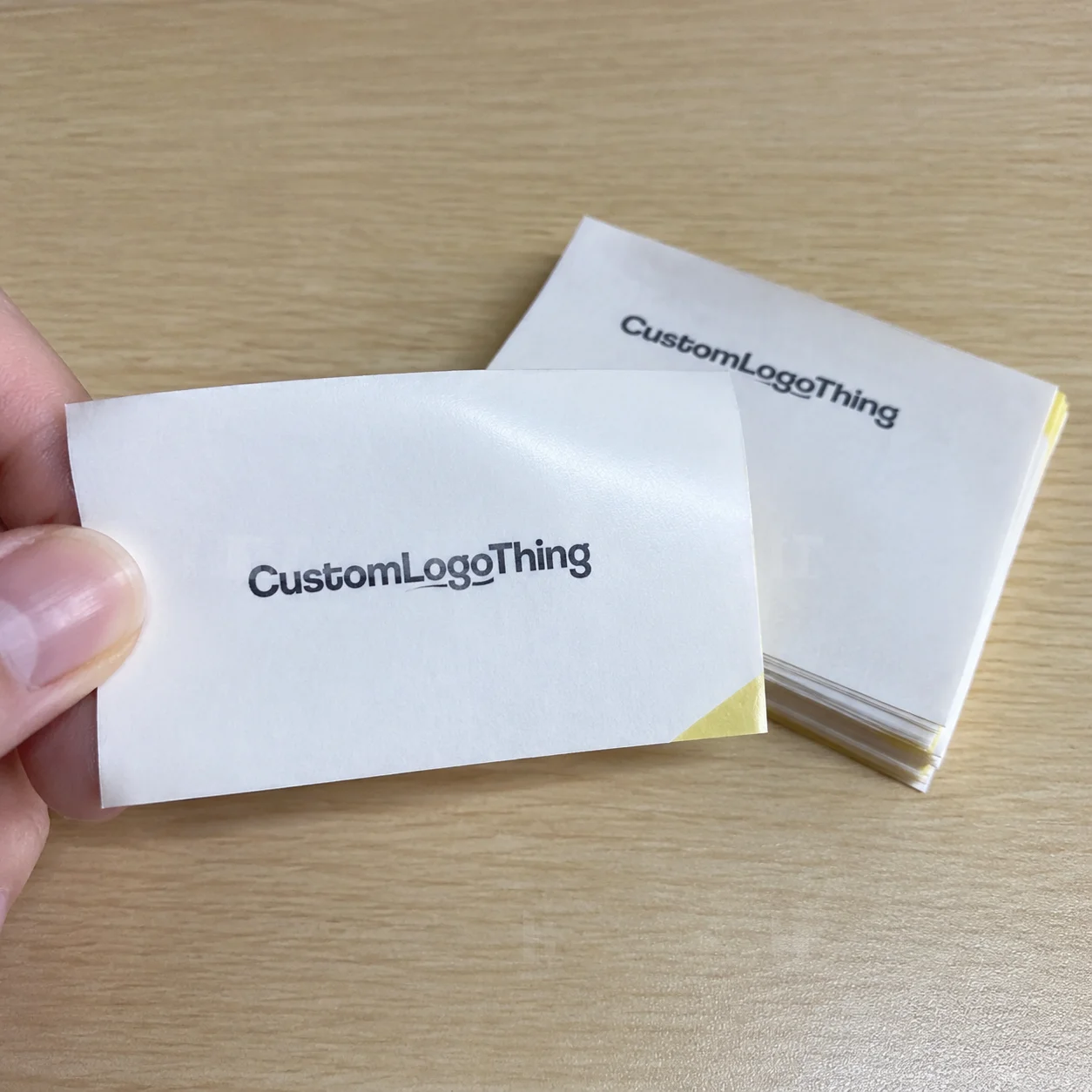
A low sticker price looks great on a quote. Then the order reaches the packing bench, retail shelf, event table, or customer’s hands, and the real cost shows up. Buyers searching for Custom Vinyl Stickers cheap usually want dependable branded pieces without paying for extras they do not need. That is reasonable. It only works if the material, adhesive, print protection, and order size match the job.
The mistake is comparing unit price alone. A sticker that saves $0.06 per piece can get expensive fast if the adhesive lifts from coated paperboard, the logo scratches during shipping, or the film is too thin to apply cleanly by hand. Wasted inventory, repacking time, and missed launch dates are not theoretical costs. They land on someone’s desk, usually right before a deadline.
Vinyl stickers are popular because they solve a lot of small branding problems. They can carry a logo, QR code, barcode, batch note, warning mark, campaign message, or product detail across many surfaces. Common uses include mailers, cartons, bottles, jars, tins, laptops, windows, display trays, smooth plastic housings, and branded packaging inserts. For a small brand, stickers can upgrade plain packaging without the commitment of fully printed cartons. For a larger program, they can segment flavors, short runs, regional offers, or seasonal promotions while the main packaging stays consistent.
The right quote starts with practical questions. Will the sticker be used indoors or outdoors? Is the surface glass, paperboard, plastic, metal, or painted equipment? Does it need to peel off later, or should it stay down for months? Does clear vinyl need white ink behind the design? Is matte worth the added cost, or would gloss do the job? These answers matter more than choosing the thickest film or the fanciest finish because it sounds safer.
Practical buying rule: cheap should mean fit-for-purpose, not underbuilt. A good vinyl sticker quote trims waste, avoids overspecification, and still protects the way the sticker looks and performs in real use.
Custom Logo Things helps buyers treat low-cost vinyl stickers as a specification exercise, not a guessing game. The key decisions are material, adhesive, finish, size, quantity, proofing, production time, and shipping method. Miss one, and the bargain may not stay a bargain.
Vinyl Sticker Materials, Adhesives, and Finish Options
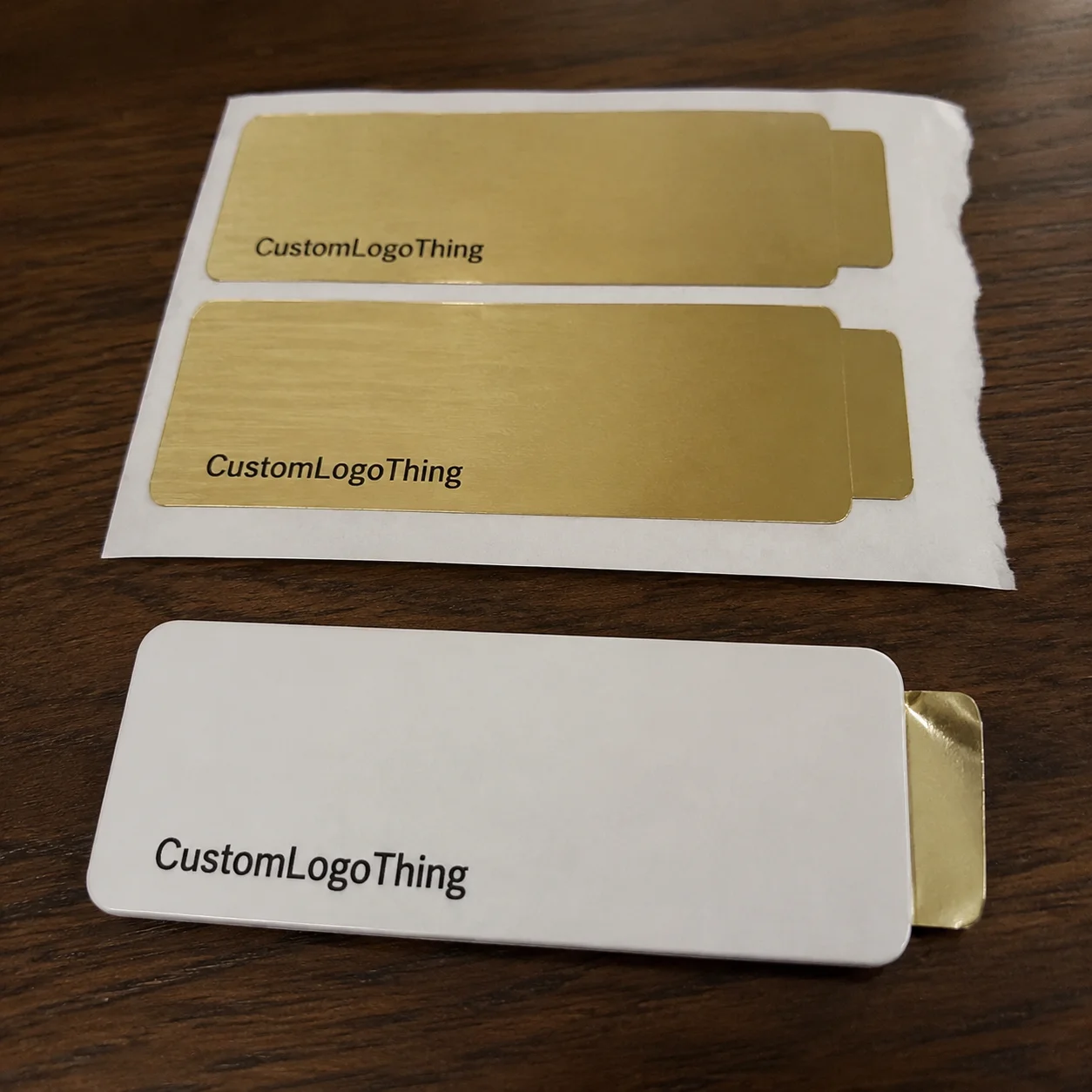
Vinyl sticker construction starts with the face film. White vinyl is the everyday workhorse because it gives strong color contrast, holds brand graphics cleanly, and fits most retail packaging, e-commerce inserts, event handouts, and service labels. Clear vinyl works on glass jars, windows, clear bottles, or plastic containers when the background surface should show through. Specialty films, including metallic-look and holographic-style materials, can make a promotion feel more distinctive, but they add cost and should earn their spot in the budget.
Adhesive matters as much as the film. Permanent adhesive is the standard choice for packaging labels, product branding, shipping inserts, and long-term promotional stickers. Removable adhesive makes sense for seasonal window decals, temporary retail displays, reusable bins, or campaigns where clean removal is part of the requirement. Stronger adhesive options may be needed for powder-coated metal, some plastics, curved containers, outdoor equipment, or surfaces that see vibration and repeated handling.
Surface condition changes everything. Clean glass is friendly. Smooth coated paperboard is usually predictable. Plastic jars are trickier because polyethylene, polypropylene, PET, and PVC do not all accept adhesive the same way. Metal tins often work well if they are dry and oil-free. Painted surfaces may need testing, especially if the coating is textured, low-energy, or recently applied. Slightly textured cartons reduce adhesive contact area, which is why a small application test can be smarter than approving 20,000 pieces on faith. Faith is not a quality-control system.
Finish affects both appearance and durability. Gloss finish gives bright color and a retail-ready shine. Matte finish softens reflection and can make packaging feel more premium, especially for cosmetic, wellness, stationery, and boutique product lines. Protective lamination adds a clear layer over the print, improving scratch resistance, moisture resistance, and handling durability. It is not always required for indoor carton seals or short-use inserts. For water bottles, laptops, coolers, toolboxes, outdoor decals, or anything handled constantly, lamination is usually worth pricing.
Digital printing works well for short runs, full-color artwork, and orders with several design versions. Larger runs may allow more efficient production depending on sticker size, print coverage, cutting pattern, and finishing steps. If your team is comparing stickers with cartons, inserts, labels, and other printed packaging components, the U.S. EPA Sustainable Materials Management program is a useful reference for broader materials thinking. It will not choose your sticker film for you, but it gives helpful context for packaging decisions.
Size, Shape, Artwork, and Durability Specifications
Size drives visibility and unit cost. A 2-inch circle may be enough for a logo seal on a mailer. A 3-by-4-inch rectangle gives room for ingredients, QR codes, instructions, or promotional copy. Smaller stickers usually cost less per piece, but there is a limit. Fine type under about 5 or 6 points, thin reverse text, and dense QR codes can fail visually even if the press can technically print them.
Standard shapes are cost-friendly. Circles, squares, rectangles, rounded rectangles, and ovals generally cut efficiently and pack cleanly. Custom die-cut stickers follow the outline of a logo, mascot, icon, or product shape, which gives a stronger branded look for giveaways, retail counter bowls, welcome kits, and merch-style promotions. More shape detail can mean more cutting time, especially when the outline has tight corners, narrow points, or complicated internal curves.
Artwork quality protects a budget order more than most buyers expect. Vector files such as AI, EPS, or properly prepared PDF files are preferred because the logo, text, and cut line stay sharp at the final size. High-resolution PNG or JPG files may work if they are clean and built at print size, commonly 300 dpi for raster artwork. Fonts should be outlined or included. Important elements need to sit inside a safe margin so normal cut tolerance does not nick letters, borders, or small design details.
Kiss-cut and die-cut formats solve different handling needs. Kiss-cut stickers are cut through the vinyl layer but left on a larger backing sheet, making them easier to peel during hand application on packing lines, fulfillment tables, or retail labeling stations. Die-cut stickers are trimmed through the backing, creating a finished individual piece that feels better as a handout, event giveaway, customer freebie, or merch insert.
| Specification Choice | Best Use | Cost Effect | Practical Note |
|---|---|---|---|
| 2-inch circle, white vinyl | Mailer seals, logo labels, small giveaways | Usually lower unit cost | Keep text minimal and logo bold |
| 3-by-3-inch square | Retail packaging, inserts, box branding | Moderate cost | Good balance of visibility and print area |
| Custom die-cut shape | Promotions, merch, event stickers | Higher than standard shapes | Simple outlines cut faster than complex profiles |
| Gloss lamination | Outdoor use, water bottles, heavy handling | Adds cost | Improves scuff and moisture resistance |
Durability depends on exposure. Indoor packaging may only need clean print, reliable adhesion, and basic scuff resistance. Outdoor stickers face sunlight, rain, heat, cold, abrasion, and cleaning. A sticker for a tumbler, freezer pack, delivery vehicle, warehouse bin, or daily-use product needs a more serious conversation about lamination, adhesive strength, and UV exposure. A low price only works if the sticker survives the job it was bought to do.
Pricing, MOQ, and Unit Cost Factors for Vinyl Stickers
Vinyl sticker pricing comes from several moving parts: material, size, shape, print coverage, finish, lamination, quantity, artwork complexity, packing method, and shipping destination. A small rectangular white vinyl sticker with one design and no laminate will not price like a clear vinyl die-cut sticker with white ink, matte laminate, and five artwork versions. That is normal production math, not mysterious price padding.
Unit cost usually decreases as quantity increases because setup, proofing, file preparation, machine setup, cutting setup, and packing labor are spread across more pieces. A 250-piece test run may be right for sampling a new package design or checking adhesive on a curved jar. A 2,500-piece order often makes more sense for regular e-commerce use. A 10,000-piece or higher run can lower unit cost for ongoing retail packaging, subscription boxes, event programs, or multi-location service branding.
Exact pricing depends on final specifications, but buyers should expect real differences between quantity levels. A simple 2-inch white vinyl logo sticker may cost much more per piece at 250 pieces than at 5,000 pieces because the setup work is similar while the production volume changes. For large quantities, a few cents per sticker matters. For small tests, speed and flexibility may matter more than squeezing out the lowest possible unit price.
Minimum order quantity, often shortened to MOQ, depends on the production method and finish. Low minimums help test a campaign, confirm fit on a package panel, or launch a short seasonal offer. Bulk orders are better for repeat product packaging, ongoing retail programs, and high-volume fulfillment teams. If your brand also uses Custom Labels & Tags or custom printed boxes, it may be useful to align sticker dimensions and artwork standards across the full packaging system.
Cost-saving choices do not have to hurt performance. Choose a standard shape if the outline is not central to the design. Right-size the sticker instead of paying for empty space. Skip lamination for short-term indoor use if the sticker will not face abrasion or moisture. Combine similar artwork sizes where possible, because changing dimensions, films, and finishes across many designs can increase handling time.
For a clean quote on Custom Vinyl Stickers cheap, provide exact dimensions, quantity breaks, finish preference, application surface, indoor or outdoor use, number of artwork versions, delivery location, and packing needs. Quantity breaks are especially useful. Ask for a small test quantity, a realistic reorder quantity, and a bulk quantity so you can compare the real cost curve before committing.
Proofing, Production Steps, and Turnaround Timeline
A good order process should feel controlled from the first quote to final delivery. The usual path is simple enough: submit size and artwork, confirm material and finish, receive pricing, review the digital proof, approve production, print, cut, pack, and ship. Each step protects the buyer from avoidable mistakes, especially if the sticker is part of branded packaging, retail packaging, trade show kits, or product packaging with a firm launch date.
Proofing is the control point. Check spelling, logo placement, cut line position, final size, color expectations, bleed, safe margin, and clear vinyl details before approving. If the design uses clear vinyl, confirm whether white ink is needed behind the logo or text to keep the print visible. Clear film without white ink can look subtle. Sometimes that is perfect on a window. On a dark bottle, it can disappear.
Production starts with file preparation. The art team checks resolution, cut paths, bleed, margins, and print layout. The press is set up for the film, ink coverage, and sheet or roll format. Printed stickers may need curing or drying depending on the ink system. If lamination is selected, the protective layer is applied after printing. Cutting follows, then sheet handling, weeding where needed, quality checks, counting, packing, and shipping.
Quality checks should be boring. That is the point. A solid production review looks for obvious print defects, incorrect cuts, shifting registration, missing pieces, surface scratches, poor peel performance, count errors, and packing damage. For stickers with QR codes or barcodes, scanner checks are useful before the order ships. For kiss-cut sheets, the cut should release the sticker without slicing through the backing. For die-cut pieces, the edge should look clean without ragged corners or half-cut points.
Lead time depends on order quantity, material availability, specialty films, custom shapes, multiple designs, proof approval speed, lamination, packing style, and freight method. Standard shapes with clean print-ready artwork usually move faster than complex custom die-cut stickers with multiple revisions. Many routine orders can move through production in a practical window after proof approval, but hard deadlines need to be discussed before the quote is finalized.
If you have a trade show, retail reset, subscription box drop, product launch, or seasonal mailer deadline, share the required in-hands date early. Production time and transit time are separate. A sticker order can print on schedule and still miss the mark if freight was underestimated, especially for bulk cartons shipping across zones or to multiple locations. For broader transport testing principles, the International Safe Transit Association is a useful authority on distribution stresses that affect packaged goods.
How to Avoid Cheap Sticker Mistakes That Raise Total Cost
The common expensive mistakes are not mysterious. Buyers order the wrong adhesive, make important text too small, skip lamination for heavy handling, assume every vinyl sticker is outdoor-safe, or approve artwork that looked fine on a screen but prints soft at actual size. Any one of those errors can turn Custom Vinyl Stickers cheap into reprint cost, rush freight, delayed packing, or weak brand presentation.
Low-resolution artwork is a frequent problem. Fuzzy edges, jagged logos, and unreadable fine print make even a budget sticker look sloppy on finished cartons, jars, or promotional kits. If the only available file is a small web graphic, ask whether it can be redrawn or cleaned before production. That small artwork fix often does more for perceived quality than upgrading to a more expensive film.
Color expectations need a plain conversation. A backlit phone or laptop screen will not perfectly match printed vinyl, and different materials reflect ink differently. Brand-critical colors should be communicated clearly, ideally with Pantone references or previous printed samples if available. Digital proofs are excellent for layout, size, copy, and cut position. They are not a perfect physical color match, no matter how nice the PDF looks.
Confirm the application surface before ordering. Curved bottles can wrinkle a stiff sticker if the size is too large for the radius. Frosted jars may need adhesive testing. Textured cartons reduce contact area. Freezer use introduces condensation and temperature stress. Oily surfaces, waxy coatings, and some low-energy plastics can create adhesion failures even with a sticker that works beautifully on glass.
QR codes and barcodes deserve their own check. Leave enough quiet zone around the code, keep contrast high, and avoid placing tiny codes on a busy background. If the sticker will be scanned during packing, receiving, or checkout, test the code at the printed size before ordering thousands. A code that scans on a 27-inch monitor tells you almost nothing. Helpful, right?
Custom Logo Things approaches sticker quotes the way a practical production partner should: ask the surface, use condition, quantity, finish, shape, and deadline before pushing options. That is where buyers usually save the most money. Not by stripping every specification down to the lowest grade, but by choosing the construction that does the job and leaving out upgrades that do not improve the result.
Next Steps to Order the Right Vinyl Stickers
Preparation makes the quote faster and more accurate. Before requesting pricing, gather the basics: quantity, size, shape, artwork file, application surface, indoor or outdoor use, finish preference, deadline, shipping address, and special packing requirements. If the sticker needs to fit a specific panel, cap, bottle, mailer, display card, or insert, send a photo with measurements. A phone photo with a ruler in frame can prevent a surprising amount of back-and-forth.
- Quantity: request one test quantity, one practical reorder quantity, and one bulk quantity.
- Size: provide width by height in inches or millimeters, not just “small” or “standard.”
- Shape: choose circle, square, rectangle, oval, rounded rectangle, or custom die-cut.
- Material: state white vinyl, clear vinyl, or ask for a recommendation based on use.
- Finish: choose gloss, matte, or lamination if handling, moisture, or outdoor exposure is expected.
- Deadline: share the in-hands date, not only the preferred ship date.
Quantity breaks show the real cost curve. A buyer might compare 500, 2,500, and 10,000 pieces and find that the mid-size order is the best balance of cash flow and unit cost. Another buyer might start with 250 pieces to test adhesive on a new jar before ordering 15,000 for full production. Neither choice is automatically right. It depends on risk, budget, storage space, and how quickly the packaging program moves.
Flag practical concerns upfront. Say if the sticker must be removable, freezer-ready, water-resistant, outdoor-safe, readable as a barcode, scannable as a QR code, or easy for hand-applied labeling at 300 pieces per hour. If your project includes other branded items, review related Custom Packaging Products so the sticker, carton, insert, tag, and mailer feel like one packaging system rather than separate pieces bought in isolation.
Buyers ready to order custom vinyl stickers cheap should send artwork, dimensions, quantity targets, finish preference, application surface, shipping details, and deadline to Custom Logo Things. The quote can then be built around the real job: the right material, the right finish, and no unnecessary guesswork.
Frequently Asked Questions
How can I order custom vinyl stickers cheap without getting low-quality stickers?
Match the material and finish to the actual use case instead of paying for unnecessary upgrades or choosing the lowest-grade film blindly. Use clean artwork, practical dimensions, and a standard shape when possible to reduce avoidable production cost. Ask for quantity breaks so you can compare unit cost at small, mid-size, and bulk order levels.
What is the usual MOQ for cheap custom vinyl stickers?
MOQ depends on size, material, print method, finish, and artwork count. Smaller test runs are often possible, but larger quantities usually lower the unit cost because setup and finishing labor are spread across more stickers. For an accurate MOQ, provide dimensions, artwork count, finish preference, and intended application surface.
Are low-cost vinyl stickers waterproof or outdoor-safe?
Vinyl handles moisture better than paper, but waterproof and outdoor performance depend on adhesive, ink system, lamination, and exposure conditions. For outdoor use, frequent handling, or wet environments, protective lamination is usually worth discussing during quoting. If the sticker will face sunlight, rain, washing, refrigeration, or abrasion, state that before production.
What artwork do I need for affordable custom vinyl sticker printing?
Vector files such as AI, EPS, or PDF are preferred because they keep logos, text, and cut lines sharp. High-resolution PNG or JPG files may work if the artwork is clean and sized properly for print. Include fonts or outline text, confirm final dimensions, and keep important design elements away from the cut edge.
How long does it take to produce custom vinyl stickers at a low price?
Turnaround depends on proof approval speed, order quantity, material availability, cutting complexity, lamination, and shipping method. Standard shapes and ready-to-print artwork usually move faster than custom die-cut shapes with multiple revisions. Share your required in-hands date early so the quote can account for both production time and transit time.