Buyer Fit Snapshot
| Best fit | Order White Poly Mailers Bulk projects where brand print, material claims, artwork control, MOQ, and repeat-order consistency need to be specified before quoting. |
|---|---|
| Quote inputs | Share finished size, material target, print colors, finish, packing count, annual reorder estimate, ship-to region, and any compliance wording. |
| Proofing check | Approve dieline scale, logo placement, barcode or warning zones, color tolerance, closure strength, and carton packing before bulk production. |
| Main risk | Vague material claims, crowded artwork, missing packing details, or unclear freight terms can make a low unit price expensive after revisions. |
Fast answer: Order White Poly Mailers Bulk: Specs, Pricing, Timeline should be specified like a repeatable production item. The safest quote records material, print method, finish, artwork proof, packing count, and reorder notes in one written spec.
Production checks before approval
Compare the actual filled-product size with the drawing, then confirm tolerance on folds, seals, hang holes, label areas, and retail display edges. Reserve space for logos, QR codes, warning copy, and material claims before decorative graphics fill the panel.
Quote comparison points
Review material grade, print process, finish, sampling route, tooling charges, carton quantity, and freight assumptions side by side. A quote is only useful when the supplier can repeat the same color, closure quality, and packing count on the next order.
When brands call me because they want to order white Poly Mailers Bulk, the first thing I ask is not how cheap they want the bag to be, but how their packing line actually runs on a Tuesday morning at 10:00 a.m. when orders are stacking up. I’ve watched fulfillment teams in Shenzhen, Los Angeles, and New Jersey lose more money to reordering interruptions, receiving delays, and mismatched packaging than they ever saved by chasing a tiny unit-price difference, which is why the smartest buyers focus on supply continuity, not just the bag price. If you need a clean, professional mailer that works for apparel, cosmetics, accessories, and soft goods, order white poly mailers bulk with a clear spec sheet and you’ll usually get better control over cost, inventory, and output consistency, especially when you are planning 5,000 to 25,000 units per run.
Honestly, a lot of first-time buyers overcomplicate this purchase. They imagine they need a premium custom-printed solution right away, when in practice a dependable white stock mailer often does the job better because it gives strong label contrast, hides contents well, and keeps the receiving team moving without a lot of extra handling. I’ve seen boutique clothing brands pack 800 orders a day with one white mailer SKU and a stack of thermal labels, and that simplicity beat more fancy packaging every single time. There’s a certain joy in watching a clean, boring, reliable mailer just do its job without drama (a rare gift, frankly), especially when the bag is a standard 10 x 13 inch size with a 3.0 mil film and a 2-inch adhesive flap.
For buyers comparing suppliers, the goal is usually straightforward: order white poly mailers bulk at a landed cost that makes sense, with the right film thickness, the right seal, and a timeline that supports weekly outbound volume. That sounds basic, but basic is often what keeps a warehouse humming. And if you’ve ever had a pallet show up late on a Monday, you know “basic” can suddenly feel like a luxury, particularly when the next inbound truck is scheduled for 4:30 p.m. and your dock crew in Dallas is already counting cartons.
Why Order White Poly Mailers Bulk Instead of Small Runs?
The biggest savings from order white poly mailers bulk rarely show up only in the per-unit price. On a factory floor, the real wins come from fewer interruptions at the packing station, fewer emergency reorder calls, and fewer half-days lost while staff waits for a delivery to clear the dock. I remember visiting a cosmetic fulfillment operation in Southern California where their team was switching between three bag sizes because nobody had planned a stable inventory level; the result was constant line-side clutter, five minutes lost here and there, and enough inefficiency to outweigh the entire savings from buying small. Once they standardized on one dependable white mailer, output improved almost immediately, and their packers were moving 1,200 parcels a shift instead of fighting the packaging.
If your outbound mix is steady, a single white poly mailer SKU can cover a wide range of products. I’ve seen it used for T-shirts, leggings, small hoodies, socks, flat pouches, beauty bundles, and lightweight accessory kits. That works especially well when the products pack flat and the shipping rule set is simple. When you order white poly mailers bulk, you also reduce the admin burden: fewer purchase orders, fewer receiving counts, fewer vendor emails, and fewer chances for the wrong size to land on the dock. And let me tell you, nobody in receiving wants to become an amateur mailer detective at the end of a long shift, especially if the incoming pallet has 50 cases of 500 bags each and the labels are smudged from rain in transit.
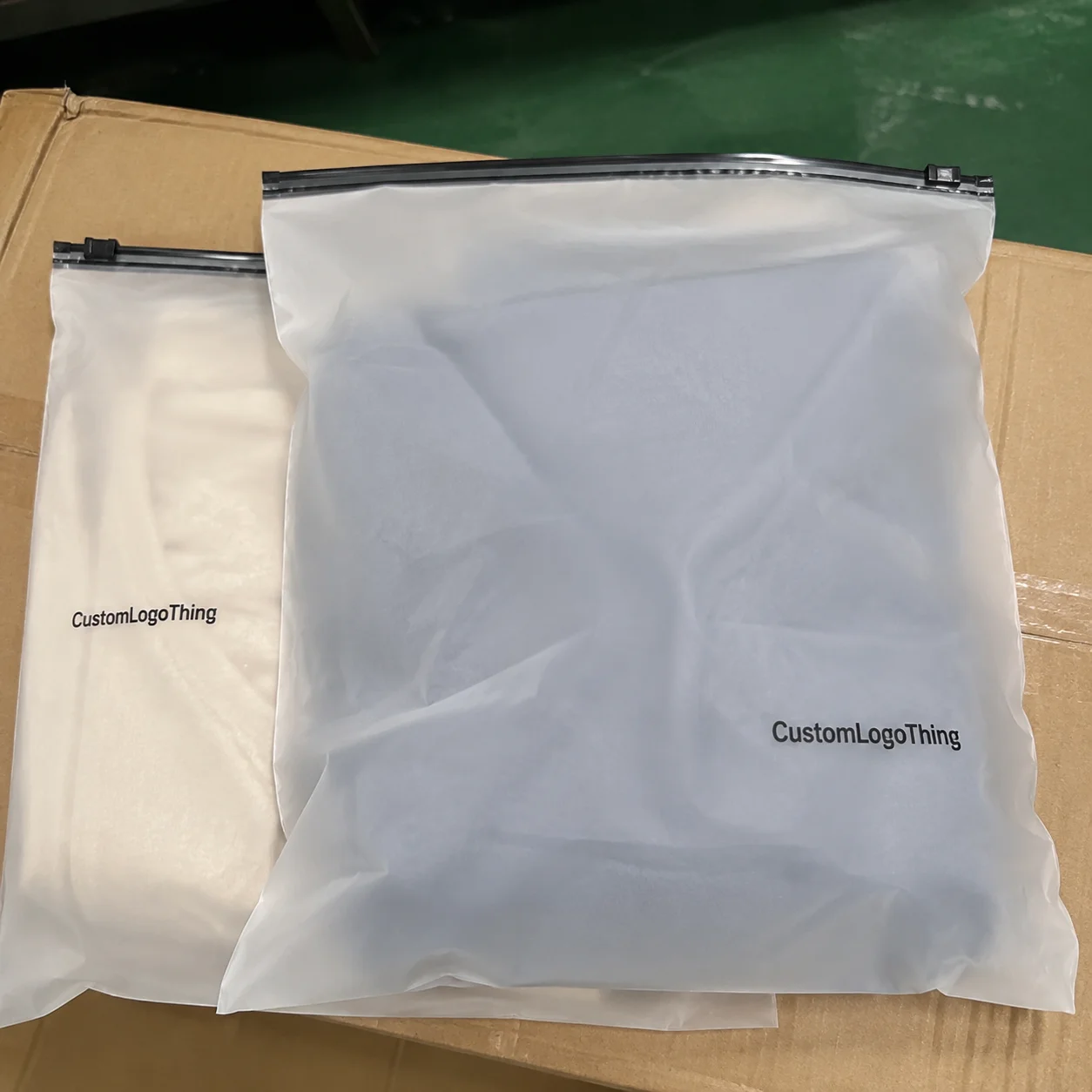
A clean white exterior also supports branding without added printing cost. It gives you a neutral surface for labels, barcodes, and branded stickers, and it photographs well for unboxing content. A matte white mailer tends to look a little softer and more premium in hand, while a glossy white mailer often feels a bit slicker and can show light better under warehouse lamps. Either way, if you need a professional look fast, order white poly mailers bulk and let the label or insert card carry the brand voice, whether you are applying a 4 x 6 thermal label in-house or using a 2-inch square brand seal.
Bulk purchasing is especially useful for 3PLs and fulfillment centers that cannot afford to run out of shipping supplies during peak weeks. If you manage weekly outbound volume, the economics of order white poly mailers bulk are about predictability as much as price. A 3PL I worked with in Texas had a simple rule: if a SKU moved more than 200 cases a month, it had to be locked into a replenishment cycle. That kind of discipline kept them from paying rush freight on packaging every other week, and it also helped them avoid the $180 to $350 add-on that often appears when small replenishment orders have to move by air rather than truck.
“The cheapest bag on paper is not always the cheapest bag in the warehouse. If it causes a line stop, it costs more than the premium mailer you avoided.” — one operations manager I worked with in a New Jersey fulfillment center
Most buyers searching to order white poly mailers bulk are not asking for exotic features. They want the right balance of price, quality, and fast replenishment. That means enough strength to survive parcel handling, enough opacity to protect the product inside, and enough consistency that the packing team does not have to re-train every time a shipment arrives. I’d argue that consistency is underrated; people get dazzled by a lower quote and then spend the next quarter fixing preventable problems, such as weak seals, inconsistent gauge, or a carton count that shifts from 100 to 125 bags without warning. That is also why phrases like poly mailers wholesale, shipping mailers, and ecommerce packaging matter in the buying conversation, because they point to the same practical requirement: dependable supply that supports the way your operation actually ships.
White Poly Mailer Product Details and Material Options
Standard poly mailers are usually made from multilayer polyethylene film, often co-extruded so the layers can each do a specific job. In plain terms, one layer can contribute toughness, another can improve puncture resistance, and another can help with moisture protection. That construction matters when you order white poly mailers bulk, because a thin single-layer bag can feel fine in the hand but fail once it goes through parcel sorting and truck vibration. I’ve seen co-extruded film outperform cheaper film every time on stretch, tear behavior, and resistance to corner punctures, especially on runs coming out of factories in Guangdong and Jiangsu where the production line is set for consistent gauge control.
Closure style is the next decision. Most stock mailers use a self-seal adhesive strip that closes with firm pressure. Better bags use a tamper-evident seal so the buyer can tell if the package has been opened, and some apparel sellers prefer a dual-adhesive return-seal layout that makes returns easier to manage. If your customer base is returning products frequently, that second strip can save a lot of repackaging labor. When you order white poly mailers bulk, it is worth asking whether the adhesive is hot-melt or acrylic-based and whether it performs consistently in humid warehouses. I once had a shipment stick beautifully in the morning and act like it had a personal grudge against the packing team by late afternoon heat in Houston, which is not the kind of personality you want in packaging adhesive.
Matte and glossy white finishes each have their place. A matte finish hides scuffs better and feels calmer under bright lighting, while a glossy finish can present as brighter and more reflective. Both support clean label adhesion, but the surface energy can affect how certain stickers hold up in cold storage or damp conditions. I’ve watched a warehouse in Georgia switch from one glossy bag to a matte version because barcode labels were lifting at the corners after the bags sat on a loading dock in afternoon heat around Savannah, where summer humidity can make a 6-hour shift feel like 12.
Flat mailers are the most common choice for soft goods that compress easily, while gusseted options help when the product has depth, such as bundled hoodies, packed blankets, or larger cosmetic kits. A gusset can add a little breathing room, but it also changes the way the mailer lies in a carton and how it feeds into a packing station. If you plan to order white poly mailers bulk, do not choose a gusseted style just because it seems safer; choose it because your product actually needs that extra volume, such as a 12 x 15.5 inch bag for a folded sweatshirt or a 14 x 19 inch bag for a soft bundle with inserts.
Customization can come later if you want to move beyond stock supply. Many buyers start with plain white mailers, then add printed logos, custom sizes, or interior tinting once volumes justify the change. That staged approach makes sense because it lets you validate your shipping workflow before you invest in printed tooling. If you already know you’ll need more brand control later, it is smart to build a supplier relationship that can support both stock and custom poly mailers from the same sourcing lane. You can also review our Custom Poly Mailers if you want to compare standard and branded formats side by side, including one-color print runs that often start around 5,000 pieces and scale from there.
For broader packaging programs, buyers often cross-reference mailers with labels, cartons, and inserts through our Custom Packaging Products catalog, because supply consistency across several SKUs matters just as much as the mailer itself. A packaging program that uses 350gsm C1S artboard inserts, 32 ECT corrugated shipper boxes, and a 3.0 mil white poly mailer often performs better than a mixed assortment of random supplies pulled from different vendors in different states.
Specifications to Check Before You Order White Poly Mailers Bulk
If you want to order white poly mailers bulk without headaches, the spec sheet has to be clear before the first quote goes out. The core items are dimensions, film thickness, adhesive strength, opacity, seal width, and print compatibility. Those details sound simple, yet they determine whether the mailer survives real shipping abuse or becomes a recurring source of complaints. In my experience, the buyer who asks the right spec questions upfront usually gets the smoother supply chain later, especially if the supplier is quoting from an industrial park in Dongguan, Xiamen, or Ningbo where the line will be built around the exact file and film grade you approve.
Thickness is typically measured in mils or microns, depending on the supplier. A slightly thicker mailer can reduce punctures during sorting and transit, especially if the products have zippers, buttons, corner boxes, or other hard edges. That does not mean thicker is always better. A 2.5 mil film may be enough for lightweight apparel, while 3.0 to 3.5 mil may make more sense for heavier soft goods or longer transit lanes. If you plan to order white poly mailers bulk, ask for the actual film gauge and not just a marketing description, because a quote that says “heavy-duty” without a gauge number is too vague to compare properly.
Size matching matters more than many buyers expect. I usually recommend matching the mailer to the packed dimensions plus a small allowance for folding, an insert card, and maybe a return label. Buying oversized stock by default can create a sloppy presentation and increase material cost. Buying too small causes overstretching, weak seals, or the need to force the product into the bag, which nobody wants on a busy line. When a client in Illinois moved from a generic 10 x 13 inch bag to a properly fitted 9 x 12 inch version, their pack-out became cleaner, and they stopped overfilling the mailer just to make inventory work. That sounds like a tiny change, but tiny changes love to become expensive if nobody pays attention.
Mailers should also be evaluated for carrier handling. Many lightweight ecommerce shipments move well in poly mailers, but dimensional weight rules, regional carrier policies, and service-level agreements can affect the total shipping cost. I never tell a buyer that one bag is automatically USPS-friendly or carrier-approved without checking the actual shipment profile and the buyer’s own account rules. If you want to order white poly mailers bulk, ask your carrier rep or operations lead to confirm thresholds before you lock the size, especially if your parcels move through hubs in Atlanta, Dallas, or Edison where parcel handling rules can affect the final bill.
Testing is where theory meets reality. Before a large purchase, I like to see at least three checks: a seal pull test, a simple drop check, and some kind of moisture exposure test. That does not need to be lab-grade for every project, but it should be enough to reveal whether the adhesive lets go in cooler environments or whether the film scuffs when stacked with cartons. Industry guidance from organizations such as ISTA can be useful when you want a more formal approach to distribution testing, and it pairs well with a 3-drop test from 36 inches for light parcels.
Here is a simple comparison that buyers often find helpful before they order white poly mailers bulk:
| Option | Typical Use | Strength | Best For | Common Tradeoff |
|---|---|---|---|---|
| Standard flat white mailer | Apparel, socks, light accessories | Good for low-profile items | High-volume ecommerce | Less room for bulkier goods |
| Thicker flat white mailer | Heavier soft goods | Better puncture resistance | Products with zippers or seams | Higher unit price |
| Gusseted white mailer | Bundled apparel, small kits | More volume capacity | Items with thicker profiles | Can cost more and take more shelf space |
| Dual-seal return mailer | Retail brands with returns | Convenient for reverse logistics | Apparel and customer service programs | Extra material and sometimes higher MOQ |
If your packaging program also has sustainability targets, you may want to review material sourcing standards and recycling guidance through a neutral source such as the EPA. I always tell buyers that recyclability claims depend on local collection systems, not just the bag’s material designation, so that piece needs a real conversation rather than a brochure slogan. A mailer made in Shenzhen from polyethylene resin may be technically recyclable in one city and effectively unrecyclable in another, depending on collection and sorting capacity.
Pricing, MOQ, and What Affects Bulk Cost
The short version is this: when you order white poly mailers bulk, unit price usually drops as quantity rises, but the real landed cost depends on several other moving parts. Size, film thickness, material grade, print requirements, case pack configuration, and freight destination all matter. I have seen quotes that looked great until the freight line was added, and suddenly the cheap option was no longer cheap. That is why I always tell buyers to compare delivered cost rather than catalog price, especially if the order is shipping from a factory in Guangdong to a warehouse in Phoenix or Toronto.
Typical pricing behaves in tiers. Smaller orders might sit at a higher per-unit cost because setup, handling, and packaging labor are spread across fewer pieces. Larger orders, especially pallet quantities, usually create a better cost curve because the supplier can produce, pack, and ship more efficiently. If you intend to order white poly mailers bulk on a repeating schedule, it makes sense to ask for quantity breaks at case level, master carton level, and pallet level, then compare those three landed costs against your monthly usage. In many supply chains, a 1,000-piece order can cost meaningfully more per unit than a 5,000-piece run, while 10,000 pieces may push the rate down again by several cents.
MOQ logic differs between stock and custom. Stock white poly mailers often allow lower minimums because the supplier already has the material and standard size on hand. Custom-printed or custom-sized mailers usually require a higher minimum because of film sourcing, plate work, print setup, and production scheduling. That is not a hard rule, but it is the way most manufacturing runs are organized. If you are testing demand, you can sometimes order white poly mailers bulk in a stock size first, then graduate into branded versions once the numbers are stable, such as moving from a 2,000-piece test to a 5,000-piece branded reorder once the pack station has proven the size.
One thing buyers miss is hidden cost. Split shipments can add a few hundred dollars. Rush production can increase the per-case price. Special inserts or custom retail packaging can turn a straightforward supply order into a more complicated shipment. Even the bag count per case affects total cost because denser packing reduces storage and freight waste. I remember a client in Florida who kept asking why their same mailer quote kept changing, and the answer was simple: they changed the case pack from 100 to 50, which increased handling and pallet space. Packaging math has a way of being stubborn like that, especially if the warehouse is paying $28 per pallet position each month.
Here is a practical view of what often moves price when you order white poly mailers bulk:
- Mailer size: larger bags use more film and take more carton space.
- Film thickness: heavier gauges usually cost more per unit.
- Material grade: higher consistency film tends to price higher than commodity stock.
- Printing: one-color branding is not the same as full coverage graphics.
- Freight mode: ocean, truck, air, and courier all hit the landed cost differently.
- Destination: a warehouse in Dallas will not price like a DC in Toronto or Miami.
If you are trying to decide whether to order white poly mailers bulk now or hold off, run the math on usage and replenishment frequency. A bag that is two cents cheaper but requires twice as many emergency orders is not a win. The cleaner calculation is total annual supply cost, including receiving time and stockout risk. For buyers who need predictable replenishment, our Wholesale Programs can help structure repeat orders around consumption rather than guesswork, with repeat runs often scheduled every 30 to 45 days for active shipping programs.
Order White Poly Mailers Bulk: Process and Timeline
The process to order white poly mailers bulk usually starts with size selection and quantity confirmation, then moves into spec review, sample approval if needed, and production planning. If you are buying a stock mailer with no printing, the timeline is often faster because there is no artwork cycle or plate setup. If printing is involved, expect an extra step for proofs, file checks, and approval before production starts. I have sat in enough prepress meetings to know that a clean logo file can save a week, while a blurry one can drag everything out. Nothing wakes up a production team like a pixelated logo and a deadline, and not in a good way, especially if the art team is trying to recover a PDF exported at 72 dpi.
For stock supply, lead time is often more predictable because the material profile is already established. For custom-printed jobs, the factory needs time for print setup, ink matching, and in some cases a proof review. Add freight mode, and the timeline can shift again. Air freight can compress timing but raise cost sharply; ocean freight can lower unit transportation cost but extend the delivery window; domestic trucking sits somewhere in the middle. If you need warehouse splits or direct-to-site delivery, that also adds coordination time. That is why buyers should order white poly mailers bulk only after they have confirmed where the cartons actually need to land, whether that is a 3PL in Atlanta, a distribution center in Reno, or a fulfillment hub in New Jersey.
Here is the information that speeds up a quote the most:
- Exact dimensions, such as 10 x 13 inches or 12 x 15.5 inches.
- Preferred film thickness in mils or microns.
- Closure style, including standard self-seal or dual-seal.
- Quantity needed now and monthly usage forecast.
- Shipping ZIP code or destination port.
- Whether samples are required before production.
- If printing is needed, provide logo files and artwork notes.
A realistic planning sequence for buyers who want to order white poly mailers bulk looks something like this: quote request, spec confirmation, sample check, production scheduling, quality inspection, and dispatch. Exact timing depends on supplier capacity and freight availability, so I never promise a date without checking the live production queue. For a simple stock order, some buyers can move from quote to shipment in about 7 to 10 business days; for custom work, the process naturally takes longer because the proof cycle and production slot both matter, and the whole cycle is typically 12 to 15 business days from proof approval for a standard print run.
One factory-side lesson I learned the hard way came from a line stoppage caused by unclear artwork approval. The customer thought “white mailer” meant no design review was needed, but the job still needed a logo placement signoff for the exterior label panel. That one misunderstanding pushed the schedule back and cost both sides a week. If you want to order white poly mailers bulk efficiently, treat the quote stage like a project brief, not just a price request, and include a mockup or dieline if your logo needs a specific position near the flap.
Why Choose Custom Logo Things for Bulk Mailer Orders
Custom Logo Things is built around real packaging work, not just generic sourcing language. When buyers want to order white poly mailers bulk, they usually need more than a price list; they need a partner who understands film selection, sealing performance, carton packing, and the day-to-day reality of ecommerce fulfillment. I like working with teams that care about what actually happens after the bags arrive, because that is where packaging either proves itself or becomes a nuisance, especially when cartons are dropping into a warehouse in Chicago at 7:00 a.m. and the first wave of orders is already waiting.
Direct factory communication makes a big difference. It keeps cosmetic preferences from getting confused with performance requirements, and it helps buyers avoid paying for features they do not need. A bag that looks beautiful but tears at the seam is not a good bag. A bag that is plain but stable, opaque, and easy to seal is often the smarter choice. That is the kind of honest conversation I have with procurement teams when they want to order white poly mailers bulk and keep the budget under control, whether the target cost is $0.15 per unit for 5,000 pieces or a tighter rate for 10,000 pieces with repeat scheduling.
Batch consistency matters too. If you reorder six months from now, the new shipment should match the previous one closely in film feel, seal behavior, and carton count. I have seen brands switch suppliers only to discover the new bag was one size off or had a weaker adhesive strip. That kind of variation can slow a packing line in ways that are not obvious from a spec sheet. Our approach is to keep the conversation grounded in repeatability, because repeatability is what a warehouse pays for, and it is easier to maintain when the same run is produced by the same factory in the same region with the same approved film.
We can also help buyers choose between stock supply and custom options depending on timeline, budget, and branding goals. If you need a fast replenishment run, stock is often the smart move. If you want logo printing, size customization, or a coordinated packaging program, we can map that out without overcomplicating the order. For many buyers, the best path is to order white poly mailers bulk now, then phase in brand enhancements once order volume justifies the change, such as a printed outer panel, a custom adhesive flap, or a matched insert card in 350gsm C1S artboard.
That practical, fulfillment-aware approach is especially useful for ecommerce brands, subscription businesses, and 3PLs that must keep shipping schedules tight. We understand warehouse handling, carton stacking, and the need for dependable replenishment cycles. If you already know your order cadence, our team can help you line up supply so the packing table is never empty for long, whether you are shipping out of Miami, Atlanta, or a regional hub near Newark.
Best Next Steps to Order White Poly Mailers Bulk
The smartest next step is to shortlist your top two or three sizes based on current outbound products and average packed thickness. If your catalog includes T-shirts, leggings, and small accessories, one size may cover all three; if you ship bulkier items, you may need a second SKU. Before you order white poly mailers bulk, measure the packed product with the insert card or return label included, because that extra few millimeters can matter more than people think. I’ve watched an apparently perfect size fail because someone forgot the folded thank-you card (small detail, big headache), especially when the card stock was 4 x 6 inches and the mailer only had a 1-inch spare margin.
Then ask for tiered pricing. Request case, pallet, and repeat-order levels so you can compare not just the unit cost but the actual landed cost over time. That view usually reveals where the savings live. A small warehouse might find that one pallet is the sweet spot. A larger operation might do better with recurring monthly shipments. The goal is to keep your packing line supplied without tying up cash in unnecessary inventory, and many buyers find that a 5,000-piece order with a 30-day replenish window is easier to manage than a one-time 20,000-piece purchase.
If your product mix is still changing, ask for a sample pack or a small test run before committing fully. I prefer a live test whenever the adhesive, thickness, or size is new, because a five-minute bench test can save a bad three-month purchasing cycle. Once the sample passes your seal and puncture checks, you can move forward with more confidence. That is especially true when you plan to order white poly mailers bulk for the first time, because the difference between a 2.5 mil bag and a 3.0 mil bag can show up very quickly on a real packing table.
Before you request a quote, gather these details:
- Mailer dimensions and preferred size range.
- Film thickness target.
- Closure style, including standard or return-seal format.
- Estimated monthly usage.
- Delivery ZIP code or warehouse destination.
- Artwork files if custom printing is needed.
Once you have that information, send it over and we can help finalize the best bulk option for your operation. If your priority is steady supply, clean presentation, and a price structure that actually holds up under real shipping volume, then order white poly mailers bulk with the specs locked in and let the packaging line keep moving, whether that means a 5,000-piece starter run or a 25,000-piece replenishment order with freight routed through your preferred distribution center.
FAQ
How many white poly mailers should I order white poly mailers bulk for a small warehouse?
Base the quantity on monthly outbound volume plus a safety buffer for peak weeks, damaged bags, and rework. Many small warehouses start with a case or pallet quantity that covers 30 to 90 days of shipments, which helps avoid emergency reorders. If your volume is stable, larger bulk buys usually cut ordering labor and freight per unit, especially once you cross a repeatable monthly usage threshold such as 2,000 to 5,000 bags per month.
What thickness should I choose when I order white poly mailers bulk?
Choose thickness based on product weight, sharp edges, and how the parcel will be handled in transit. Lightweight apparel often works with standard film, while heavier or abrasion-prone items usually benefit from thicker construction, such as 3.0 mil or above. I always recommend requesting samples and running a seal and puncture check before buying in volume, because the hand feel of a film does not always tell the whole story, and a 2.5 mil sample can perform very differently from a 3.5 mil production run.
Can I get printed logos when I order white poly mailers bulk?
Yes, many suppliers offer custom printing on white poly mailers, including one-color logos and more detailed branding. Printed runs usually require artwork approval and may have higher MOQs than stock mailers because of setup and production time. If speed matters, start with stock white mailers and add labels or stickers first, then move into printed packaging once your volume and artwork are settled, often starting with a 5,000-piece print run and a 12 to 15 business day timeline from proof approval.
How do bulk pricing and freight affect the total cost?
Unit price typically falls as quantity rises, but freight can change the real landed cost more than buyers expect. Heavier pallets, split shipments, and rush delivery can raise the total even when the per-bag price looks attractive on paper. Always compare delivered cost, not just catalog price, and ask for freight estimates to your actual warehouse or 3PL destination before you approve the order, because a $0.15 per unit bag can become materially more expensive once truck, pallet, and receiving charges are added.
What details should I have ready before I request a quote to order white poly mailers bulk?
Have the size, thickness, closure type, quantity, and shipping destination ready before you request a quote. If you need printing, include logo files and any brand color requirements so the supplier can confirm artwork feasibility early. Sharing your expected monthly usage also helps the supplier recommend the most efficient order tier, which can save both time and freight cost over the life of the account, especially if you are comparing 1,000-piece, 5,000-piece, and 10,000-piece options.
If you are ready to order white poly mailers bulk, send over your size, thickness, quantity, and destination details, and we’ll help you sort through the options with clear numbers instead of vague promises. That is usually the fastest route to a mailer program that keeps your warehouse moving, your branding clean, and your supply chain a lot less stressful, whether your next shipment is headed to Los Angeles, Houston, Toronto, or a regional fulfillment center in New Jersey.