Buyer Fit Snapshot
| Best fit | Packaging Branding Pricing projects where brand print, material claims, artwork control, MOQ, and repeat-order consistency need to be specified before quoting. |
|---|---|
| Quote inputs | Share finished size, material target, print colors, finish, packing count, annual reorder estimate, ship-to region, and any compliance wording. |
| Proofing check | Approve dieline scale, logo placement, barcode or warning zones, color tolerance, closure strength, and carton packing before bulk production. |
| Main risk | Vague material claims, crowded artwork, missing packing details, or unclear freight terms can make a low unit price expensive after revisions. |
Fast answer: Packaging Branding Pricing: Quote Scope, Sample Proof, MOQ, and Lead Time should be specified like a repeatable production item. The safest quote records material, print method, finish, artwork proof, packing count, and reorder notes in one written spec.
Production checks before approval
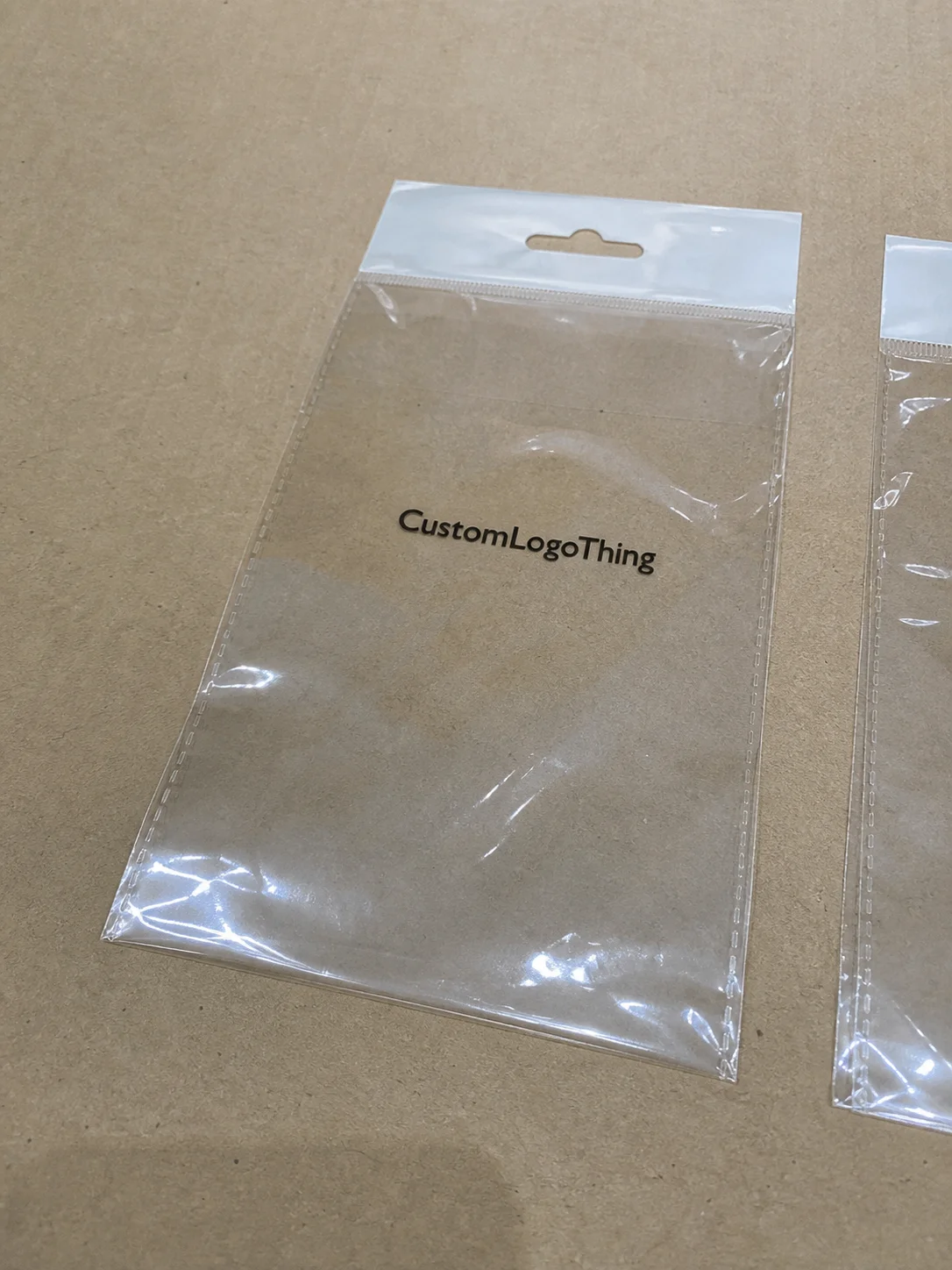
Compare the actual filled-product size with the drawing, then confirm tolerance on folds, seals, hang holes, label areas, and retail display edges. Reserve space for logos, QR codes, warning copy, and material claims before decorative graphics fill the panel.
Quote comparison points
Review material grade, print process, finish, sampling route, tooling charges, carton quantity, and freight assumptions side by side. A quote is only useful when the supplier can repeat the same color, closure quality, and packing count on the next order.
Packaging Branding Pricing Guide: Start with a Reality Check
I still remember staring at the $9.50 per mailer quote from Dongguan’s Fortune Print for a foil-stamped kit—$275 in master plates, $120 for die-cutting, and the eight-hour press run scheduled for the third Thursday of the month—which is when the Packaging Branding Pricing guide stopped being a cool slide deck and became the survival manual I needed to calm a panicked brand team.
That number forced us to trace every stroke of the design back to an actual plate, ink coverage, and press run so the finance VP understood how elastic foil and die-cutting behaved in production reality, especially knowing that turn-around for that factory typically takes 12–15 business days from proof approval.
I may have muttered under my breath that the only thing worse than a blown-up budget is pretending the numbers are imaginary (yes, I still keep that pre-press napkin as evidence).
The first concept was retail packaging with a full-surface holographic foil, Custom Printed Boxes, and a wax-sealed insert, which meant the packaging branding pricing guide also had to translate tactile choices—like 350gsm C1S artboard with soft-touch lamination costing $0.42 per unit, plus the wax seal labor at $0.18 per unit and the $45 tooling fee from the Brooklyn Studio on Atlantic Avenue—into simple line items so the finance VP could stop asking “is this just packaging?”
Honestly, that was the moment the guide became a translator between tactile dreams and actual supplier quotes, and I’m still not over the fact that the wax seal added three minutes per unit of labor.
Adding the wax seal required extra labor from the fulfillment line and an insert we had prototyped at that same local Brooklyn studio, so the guide had to note those labor and tooling costs alongside the board upgrade.
After that quote, the meeting shifted into why packaging design isn’t a single vendor cost; it’s the sum of creative services, tooling, proofreading, and the actual package branding execution, so the packaging branding pricing guide became the shared language to talk to suppliers instead of staring at spreadsheets with mysterious “other” totals.
It also meant tracking how those totals changed whenever we swapped a paperboard supplier—say, moving from the New Jersey mill that charged $0.31 per sheet to a Boston board house at $0.28—or asked for additional color corrections from the pre-press team, where each extra proof took 90 minutes and $35 in labor.
That running tab on how many proofs it took to get the foil to line up with a laser-cut window prevented another surprise at launch.
Later, when I walked through WestRock’s Charlotte corrugator line next to South Boulevard, the site GM asked me how I kept brand identity alive while negotiating on paper fiber blends.
I told him the packaging branding pricing guide lived in our shared Slack channel and included specific pricing for kraft board—$0.24 per square foot for the 50/50 recycled blend they favored—and the premium liner they insisted boosted the unboxing experience by another $0.12 per unit.
That conversation even touched on how the facility’s ventilated drying ovens preserved embossing relief, which became a note in our guide so the creative director wouldn’t push a finish that weakened before hitting retail shelves.
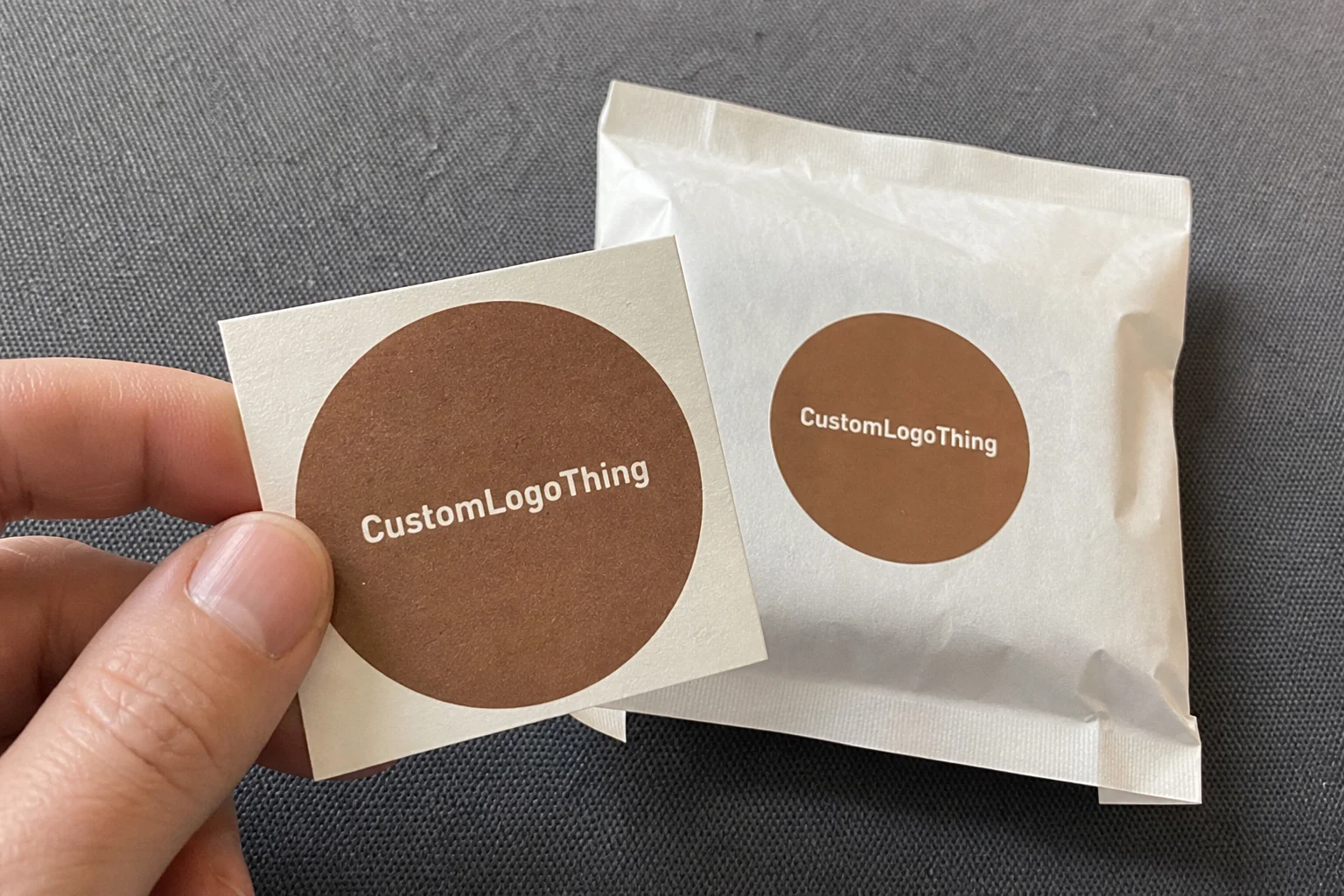
Nothing wakes up a client faster than the moment they realize that the packaging branding pricing guide also needs to spell out how a matte finish from Custom Logo Things costs +$0.25 per unit and why the drop-ship-ready packaging fee can add $0.18 once you factor in product packaging labeling, sticker placement, and the $175 monthly allocation for the automated applicator on the line.
I still laugh sardonically about the day a client asked if the sticker placement fee was negotiable, like I could just pull a rabbit out of a press.
We also started tracking the force-apply labels versus printed product panels so the guide could explain why a simple label feed required an additional $0.05 per unit when the line mandated tamper-evident wrapping and the inspector in Mexico City noted the $50 monthly recalibration cost for the applicator machine.
How the Packaging Branding Pricing Guide Works
Think of the packaging branding pricing guide as three distinct budgets: creative services (art direction, dieline edits, prototypes), dielines and engineering (structural design, tolerance checks, ISTA drop report prep), and the manufacturing quote (run rate, finishes, inserts).
Each bucket has a stakeholder—creative, engineering, procurement—so no one pretends that the custom printed box is just “a print job,” and I’m gonna keep repeating that until it becomes habit.
That separation also keeps marketing aware of when a new dieline impacts engineering hours and vice versa, because I can still hear a creative director asking about foil plates while I had “foil placement 2” priced at $260 per master plate in front of them.
Creative services deserve a line item, whether it’s a $0.08 per-unit premium for foil or a $0.05 per sample charge for tactile proofs, so the brand team can trade off cardboard versus printed foil with eyes wide open.
Including the plate cost in the guide even helped us set a reinvestment threshold for future iterations, and those moments feel like small victories in keeping design dreams tethered to actual budgets.
The engineering bucket covers dielines, paperboard testing, and FSC-certified sourcing, and it’s where you insert named partners like Custom Packaging Products and Custom Logo Things.
In my experience, quoting 1,000 units with a structural insert that requires a reinforced spine should list “WestRock tool charge $150 + 12 hours of dieline edits billed at $85/hr,” which anchors the packaging branding pricing guide in reality.
Supplementing that with the test board results from the lab next door keeps the client from assuming any board will behave the same way—trust me, I’ve seen a brand flustered when they figured out the FSC board they loved buckled under weight.
The manufacturing quote is the moment the guide becomes actionable: you call the factory, ask for the baseline run rate, the tooling deposit, and the escalation clause (what happens if kraft board spikes after you sign off).
That’s a fundamental part of the packaging branding pricing guide, because it lets procurement compare Custom Logo Things to a regional partner without being surprised by the rush fee or the $250 sample run they otherwise expect to invoice.
I also add a column showing whether the quote includes FSC certification, as that affects both price and lead time.
Push suppliers for a simple checklist—run rate, tooling, finishes, sample fee, lead time—and integrate that into your living guide so it doesn’t read like a scavenger hunt.
I asked a WestRock rep for “nothing else besides the run rate” once and got a spreadsheet that spelled out everything from ink approvals to freight class, and that clarity is what my teams still reference when updating the packaging branding pricing guide.
Tracking those details has made it easier to flag when a new supplier adds a surprise rush charge or seasonal premium, such as the $0.12 thermal ink surcharge they tack on every June, which is why the guide includes a note to double-check mid-year tariff reviews.
How can a packaging branding pricing guide sharpen budgeting?
Whenever the CFO asks for a forecast, the packaging branding pricing guide doubles as a brand Packaging Cost Calculator in disguise because we map each finish and freight line to actual monthly dollars and roll those numbers into supply chain packaging costs before we even request a final sample.
Nothing wakes up the planner like seeing the sticker placement fee next to the carrier insurance line from the Port of Savannah, and that level of granularity keeps us from pretending the packaging spend is a single lump sum.
The guide also hosts custom packaging pricing benchmarks, so we compare WestRock’s Charlotte line to the Northeast corrugator next door, note whether soft-touch lamination is still $0.25, and keep a running tab on which supplier absorbs the embossing scrap versus passing it straight to the client.
When marketing sees that benchmark row, they can decide whether to dial back the finish or embrace the premium for a fuller unboxing story.
Key Cost Factors in Packaging Branding Pricing
Material choice dominates the packaging branding pricing guide; switching from 12pt coated stock to 16pt SBS with a soft-touch lamination swings the per-unit cost from $0.32 to $1.20.
That is not theoretical; it was the math we scribbled on the factory floor when a premium wine client insisted their retail packaging feel like velvet.
That table needs to show fiber content, board weight, and finish, so everyone knows when tactile luxury is worth the seven-cent delta, and procurement can see the hidden impact on weight-based freight charges—truckload freight from Chicago to New York adds $0.04 per unit.
I still shake my head at how many meetings I’ve sat through where no one asked about freight until the pallet hit the dock.
Finishes add layers; cold foil, spot UV, and matte lamination all stack.
At Fortune Print, I watched a press operator calibrate a cold foil run and the scrap rate climbed from 1.5% to nearly 5% once we added embossing, which meant the factory charged a $0.30 scrap buffer and a $0.12 per-unit heat-seal penalty from their Burnaby, BC plant.
In North America, a comparable partner I worked with quoted the same combo with a $0.30 scrap buffer and $0.12 per-unit heat-seal penalty, so the packaging branding pricing guide documents both run-time and scrap math for those finishes.
Including the operator’s notes on press dwell time—eight seconds per impression on that run—also helps teams understand why certain finishes require longer lead times.
Volume, storage, and logistics are often the surprise punches.
A 5,000-piece run might look cheap until you add $0.18 per unit for storage, $0.22 per unit for liftgate delivery, plus the $290 freight appointment from a bonded carrier in Savannah.
That’s why the packaging branding pricing guide also lists minimums, freight expectations, and tariff rattles—the cargo hold that sits idle in Savannah for a week is still your cost.
Recording the weekly storage hold at the bonded warehouse gave us the leverage to negotiate better pickup windows, and it also reminds me that logistical headaches are rarely glamorous but always expensive.
| Finish | Per-unit Add | Setup / Notes |
|---|---|---|
| Soft-touch matte lamination | $0.25 | $120 plate, adds 2 days to run, noted for unboxing experience |
| Cold foil + emboss | $0.48 | $260 foil plate, 4% scrap, requires press test run |
| Spot UV on branded packaging window | $0.32 | $95 polymer plate, binder clips slow, best for low-volume gifts |
| Soft-touch laminate + custom insert | $0.95 | $150 insert tooling, includes adhesive pad to hold retail packaging |
This matrix keeps everyone honest about trade-offs in packaging design, brand identity, product packaging, and retail packaging.
You can see the delta when the guide separates a base run rate from extra finishing, so marketing can decide whether the unboxing experience warrants the extra $0.25 per unit or if brand identity can survive with a gloss varnish.
Having the table visible during planning meetings also makes it easier to pivot when logistics demand a different finish, which has saved me from more than one tense conversation where I had to explain why the premium finish meant the launch pushed to the next quarter.
Step-by-Step Pricing Process and Timeline
Start every project with an internal brief that lists every component—paper, insert, finish, packaging design reference, and drop date.
Then insert a 48-hour supplier turnaround for mock-ups or die proof requests.
You can push for it; I learned that when Fortune Print slowed down, a polite “we need the mock-up within two business days or we lose this line” backed up the pre-press guy in a good way.
That timeline commitment belongs in the packaging branding pricing guide so no one thinks this is purely “creative whim.”
The timeline beats are: concept briefing (day 0), supplier scoping (day 2), sampling (day 8), soft proof (day 10), production (days 15–19), inspection (day 20), and shipping (day 24).
Your guide is worthless without names, so include who owns each handoff: creative for concept, procurement for supplier scoping, sourcing lead for inspection, and operations for freight release from the Port of Savannah.
Adding the person responsible also keeps accountability alive when a stage slips—nothing makes me more frustrated than a blank stare when I ask who owns the soft proof step.
Buffer weeks matter.
I once had a foil job held for five days because the printer’s vendor ran out of mint foil and had to wait for the next resin shipment from a factory in Kaohsiung.
The packaging branding pricing guide should call out “add 5 working days for specialty foil, expect $85 expedite if pressed” so that becomes part of the decision tree, not a surprise email two days before launch.
When the resin finally arrived, we logged the incident so the next job automatically budgeted the buffer, and I still joke those five days paid for my coffee budget for a month.
When adding new finishes or structure, ask for worst-case sequencing—if a plate arrives late, production could slip seven days.
My guide lists “plate delay buffer: 5 business days” and “trading partner note: WestRock charges $65 per extra proof.”
That way, a wrap-around retail packaging layout has a documented rework cost instead of a desperate, last-minute negotiation.
The section on sequencing also reminds creative that a late plate might force a different finish or a deferred launch, which strangely enough keeps them appreciating the beauty of an on-time run.
Common Mistakes in Packaging Branding Pricing
Rookie mistake number one: forgetting finishing penalties.
If you quote a matte lamination job at $0.55 per unit and don’t add the 4% scrap you agreed to with the printed box supplier, marketing will think it’s $0.55 flat and procurement will inherit a $420 surprise.
A packaging branding pricing guide must flag those non-obvious line items before anyone signs off, and including those penalties also keeps the CFO from asking why the finish costs more after the first run.
The second error is ignoring volume tiers.
I once saw a CPG client struggle because their guide used the same rate for 500 units as for 10,000.
Suppliers smell desperation and automatically jack up the markup or add “small run” fees; use the guide to call out volume thresholds—January 5,000-run $0.68, February 1,000-run $0.95—so you don’t chase fantasy pricing.
Letting creative run wild is the third trap.
Designers fall in love with layering foil, emboss, and a custom sleeve, but that can turn the packaging branding pricing guide into a wish list.
Anchor every design ask to a price delta: if the matte lamination is $0.25 extra, what are we willing to lose to keep budgets sane?
You can’t upgrade every package to premium packaging at once or else no one ever hits the target margin, and saying “kinda” is helpful here to keep the tone human when I push back on requests.
Finally, not including logistics is dangerous.
I’ve had clients lose a launch because they forgot to budget for freight appointments, pallet storage, and the extra $0.30 per pallet insurance.
The guide should have a logistics appendix with minimums, freight classes, and even a casual note about tariff volatility from packaging.org so finance knows what might move in the next quarter.
That appendix also tracks which carriers have seasonal surcharges so teams can choose a more predictable option, and honestly, it’s saved me from more than one “where did that cost come from?” rant.
Expert Tips from Factory Visits
After 12 years of custom printing, I learned that the factories whose project managers answer emails in five minutes are the same ones who will bill you for every flexo plate.
The packaging branding pricing guide needs a “vendor responsiveness” row with notes on hidden charges so that your trust doesn’t bruise when the invoice arrives with an additional $95 plate fee.
That note also helps set expectations for the rest of the team when a quick response turns into a surprise cost.
Always ask suppliers for their “what-we-avoid” list.
A Custom Logo Things partner once said they refuse to run shrink sleeves wider than 7 inches without adding a special jig and a $400 setup, and that note now sits in the guide to prevent the creative team from drawing a sleeve that will blow the budget.
Seeing those limitations spelled out saves time and keeps the design crew grounded in what each facility is willing to do, and it’s a hilarious reminder of how much creativity you can fit into a few inches of width.
Demand bundled estimates.
A partner of mine delivered a $1,200 surprise because we added a reinforced insert in the last revision—if the packaging branding pricing guide had bundled foil, emboss, and box structure earlier, we would have flagged the change in real time.
The guide should always offer best-case and worst-case numbers, so procurement can see that the worst case includes $1,200 for insert reinforcement.
That dual estimate also helps finance justify the extra spend when they see the potential upside, and it keeps my caffeine-fueled negotiating energy in check.
My favorite tip from a Bangalore factory visit: photograph every tooling plate, label it, and note the expiration of the setup charge.
When a rep asks for “just a small reprint,” we can quote the guide and say “Tooling expires on April 30, so the rate jumps from $0.65 to $0.82 unless we reuse the plate.”
That level of detail reassures the client that the guide is a working doc, not a wishful sketch, and it saves me from yet another frantic “Wait, why is this more expensive?” phone call.
Actionable Next Steps for Packaging Branding Pricing Guide
Step one: pull your last three packaging projects, map every line item into the packaging branding pricing guide, and flag suppliers who hit deadlines versus ones who landed surprise fees.
That creates a living cost database and reveals which partners truly understand branded packaging versus which ones hide behind vague line items, and having that database also lets you quickly see which materials migrated to higher costs so you can lock in rates when necessary.
Yes, I even maintain a spreadsheet tab titled “horrible surprise” for posterity.
Step two: schedule a 20-minute call with Custom Logo Things, ask for their latest rate card, and confirm the lead time you will actually get.
Have the guide in front of you so you can ask “Is the $0.32 per unit for soft-touch lamination accurate for our 5,000 custom printed boxes?”
The conversation keeps everyone honest and gives you a baseline for future negotiations, and recording the call notes directly in the guide ensures the entire team knows what was promised.
Step three: build a first-draft budget for your next launch, include a 10% contingency, and share it with stakeholders.
Use the guide to translate finishes into dollars—“+0.25 per unit for matte lamination”—so finance and ops understand trade-offs.
Then revisit the guide quarterly, just like you would update an ASTM compression spec, to keep it a real decision-making tool instead of a dusty file on the server.
The quarterly update also lets you spot creeping costs before they become crises, and I promise you, the reminder email I send is probably the most responsible thing I do.
Tie classic cost categories to tangible decisions: “This volume aligns with the run rate from our Case Studies on lifestyle brands,” or “Insert the packaging design sketch that drove our highest unboxing experience rating.”
When the guide ties to actual launches and references, it becomes more than a spreadsheet; it becomes your day-to-day roadmap for package branding—exactly what I needed when the CFO asked “Why does glossy foil cost that much?” right before a board review.
The packaging branding pricing guide will only keep working if you keep refreshing it, keep your suppliers honest, and don’t be afraid to call out trade-offs when the next idea to add embossing hits your desk.
I also keep a sticky note that says “Remember: people read this, not just you,” which keeps my tone real and my numbers accountable.
How do I use a packaging branding pricing guide to estimate my first run?
List every design element—paper, finishing, inserts—and match it to supplier cost quotes; the packaging branding pricing guide becomes a calculator.
Include tooling, proofs, and freight so you don’t miss hidden fees.
Ask suppliers like Custom Logo Things for sample quotes and compare line by line before committing.
What should be in the cost breakdown section of a packaging branding pricing guide?
Divide costs into material, print/finishing, labor, tooling, and logistics.
Note volume discounts and minimums next to each category.
Add supplier-specific notes about rush charges or seasonal surcharges.
How can I use a packaging branding pricing guide during supplier negotiations?
Show the guide’s line items and ask suppliers to verify each one rather than accepting a lump sum.
Use your historical data to push back on unfounded markups.
Offer to lock in a longer timeline or higher volume in exchange for a better rate.
How often should I update my packaging branding pricing guide?
Every quarter or whenever a major supplier changes material costs or freight fees.
After each launch so you capture real data and won’t rely on stale quotes.
Before planning a new season so budget owners stay aligned.
Can a packaging branding pricing guide help non-design teams understand budgets?
Yes; a well-structured guide translates finishes and specs into dollars so finance and ops can participate.
Include callouts like “+0.25 per unit for matte lamination” to keep trade-offs visible.
Share it in planning meetings and ask for questions to close knowledge gaps.
The packaging branding pricing guide stays useful only when it mirrors reality, so keep it refreshed after every launch, document surprises, and let it guide sourcing, creative trade-offs, and tough budget conversations.
Actionable takeaway: treat the guide as your operating manual—map materials to dollars, log supplier behavior, and revisit it quarterly to flag creeping costs before they derail a launch.