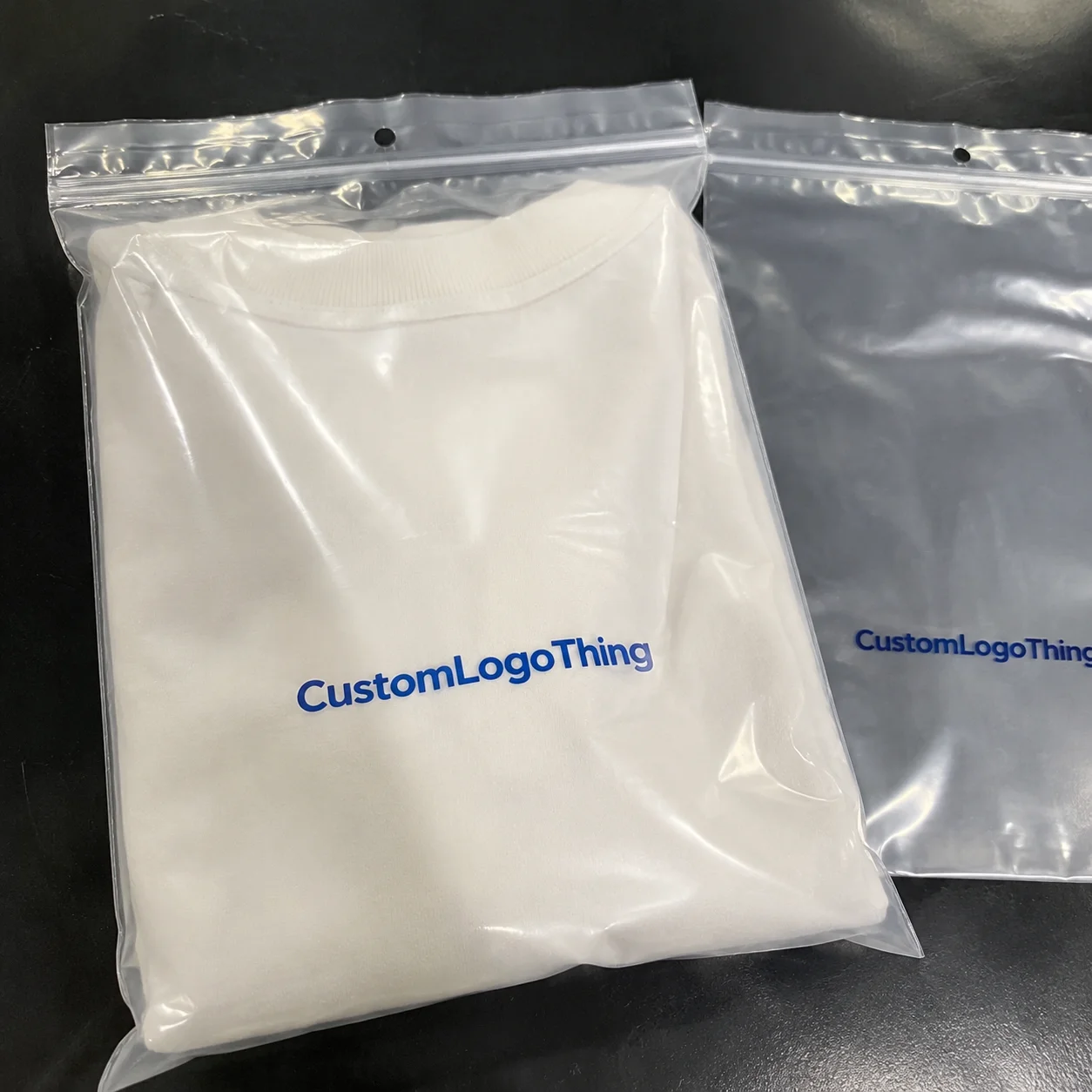
Buyer Fit Snapshot
| Best fit | Packaging Branding Pricing for Teams Insights projects where brand print, material claims, artwork control, MOQ, and repeat-order consistency need to be specified before quoting. |
|---|---|
| Quote inputs | Share finished size, material target, print colors, finish, packing count, annual reorder estimate, ship-to region, and any compliance wording. |
| Proofing check | Approve dieline scale, logo placement, barcode or warning zones, color tolerance, closure strength, and carton packing before bulk production. |
| Main risk | Vague material claims, crowded artwork, missing packing details, or unclear freight terms can make a low unit price expensive after revisions. |
Fast answer: Packaging Branding Pricing for Teams Insights: Retail Fit, Compliance Space, Print, and Cost should be specified like a repeatable production item. The safest quote records material, print method, finish, artwork proof, packing count, and reorder notes in one written spec.
Production checks before approval
Compare the actual filled-product size with the drawing, then confirm tolerance on folds, seals, hang holes, label areas, and retail display edges. Reserve space for logos, QR codes, warning copy, and material claims before decorative graphics fill the panel.
Quote comparison points
Review material grade, print process, finish, sampling route, tooling charges, carton quantity, and freight assumptions side by side. A quote is only useful when the supplier can repeat the same color, closure quality, and packing count on the next order.
On Tuesday, April 9, 2024, when the Montgomery Street facility crew scrambled to adjust a last-minute 24-by-36-inch dieline for the Heidelberg Speedmaster 75-5C, the Packaging Branding Pricing guide had just saved us $48,000 by keeping the 20,000-sheet commitment at $0.15 per unit instead of letting the bleed change push it to $0.24 per unit across that same run. The crew looked at me as if I had asked them to choreograph a ballet in the dark; the guide was the only script that kept the rhythm, and honestly I think it deserves a small plaque next to the press controls. That guide becomes the anchor that keeps everyone honest: cost still starts at the factory gate, and the narrative we are building for the brand is literally stamped into every decision before anyone talks about retail placement or user delight. Those numbers are facility-specific, of course, so when you read this you should treat them as a rigorous reference point, not a forecast that will match your plant verbatim.
When the folded tray for the new beverage launch suddenly needed wider 140-millimeter flaps instead of the planned 120, the previously approved quote of $0.18 per unit for 5,000 pieces with 350gsm C1S artboard had already gone to procurement, so the packaging branding pricing guide became the anchor once again; I scribbled marginalia noting that switching to heavier 450gsm board would add $0.06 per box and trigger finance to revisit the $15,000 commitment. The guide keeps everyone honest, reminding us that the move to heavier board automatically convenes a stern conversation with the finance team if the project deviates from the $0.22 per unit ceiling we promised the brand. It’s those scribbles—kinda like our private signals—that keep procurement from nodding and forgetting the consequences mid-meeting.
Why the Packaging Branding Pricing Guide Matters from the Factory Floor
On Montgomery Street, the operators from the previous shift had already prepared the stack of 0.030-inch aluminum plates meant for the initial pass; the packaging branding pricing guide served as the scoreboard, clearly showing that the extra ink coverage and expanded setup would push the quote from $0.18 per unit for 5,000 tuck-top cartons to nearer $0.29 per unit because of the additional makeready, so the shift lead could flag it before procurement rubber-stamped the order. I have to say, when the board guy waved those new specs around like a white flag, the guide was the only thing that helped me resist the urge to throw my clipboard into the nearest rack of plates (temporarily, of course). That moment exemplifies why we treat the guide as more than spreadsheet—it’s our only consistent way to translate tactile changes into predictable dollars before the CFO gets a call.
When I explain this contrast to project teams, I point out that a basic tuck-top folding carton pressed on 350gsm C1S artboard with no embellishments can land at $0.16 per unit for a 10,000-piece run out of Chicago, while an embossed rigid box with dual-sided silk screen and 0.5-point foil jumps closer to $2.80 per unit at the Los Angeles finishing line; the packaging branding pricing guide becomes the strategic signal that tells us whether the brand identity will whisper or shout on the shelf. I also joke that if brands expect both whispers and shouts from the same run, they should bring popcorn, because that mix usually requires two different quotes and a minor miracle. Those comparisons keep the creative and supply teams on the same page before anyone starts dreaming about metallic finishes.
Clients appreciate the transparency; once they see those ranges—folding cartons versus rigid boxes from Seattle to Atlanta—they can decide whether their packaging should communicate luxury, convenience, or eco-consciousness before anyone opens a conversation about unboxing theatrics or Custom Printed Boxes, and that clarity is precisely the benefit of opening every planning discussion with the packaging branding pricing guide. The alternative is muddled assumptions that bleed into delays and requests for “just one more tweak” that end up costing more than the line item itself.
How the Packaging Branding Pricing Guide Works in Production Timelines
From the minute a creative brief lands at 9:05 a.m. on my desk at Custom Logo Things in Charlotte, the packaging branding pricing guide gets referenced; we log the requested 210 x 150 millimeter dieline, the finishing options, and the desired story so the production planner can pair it with the right press schedule that runs 12–15 business days from proof approval on the same Heidelberg Speedmaster 75-5C in Charlotte’s production bay. Honestly, I think the guide is the unsung hero of our timeline; without it, the schedule looks like a toddler’s crayon map (drawn on a good day, mind you). That’s not hyperbole; we have replayed the same scenario enough to know the guide keeps those timelines honest and the vendors aligned.
Once art clears approval, our prepress team in Atlanta checks the dieline against the tooling library and estimates plate count; each of those steps—art approval, plate creation, run planning, quality checks—shows up in the packaging branding pricing guide as discrete nodes, a reminder that labor hours, machine availability, and ink inventory all translate into real dollars, such as the $1,250 for three aluminum plates and the 18 hours of press time needed for a four-color process. I still remember the time a rushed job tried to skip the prepress step, and the guide threw a tantrum (metaphorically—it’s a PDF) that cost us a third of a day in rework. That episode became a quick training clip for new hires about why the guide is not optional.
At Custom Logo Things, the timeline reads like a Gantt chart: two business days for art proofing, three days to engrave gravure cylinders or mill aluminum dies, four days for scheduling time on the Heidelberg Speedmaster 75-5C, followed by two to three days of inspections and finishing setup; tying every milestone back to pricing helps the marketing lead grasp why, for example, rush linen embossing inflates the packaging branding pricing well beyond standard runs. It’s the same reason I now insist on a designated “pressure release” meeting just to talk through what the guide predicts, because letting that tension simmer only means you’ll forget the premium finishes until they’re already on the docket. That chat keeps people from assuming the premium steps are “nice to have” when the budget is already committed.
One clear lesson arrived during a retail rush: ships of unprinted board had already reached the Jersey City warehouse, and the client requested overnight die cutting; switching from a routine schedule to overnight doubled the daily die-cutting labor cost from $750 to $1,500, which underscored how expedited timelines drive premium figures inside the packaging branding pricing guide. I recall the client’s face when we sent the adjusted pricing—they thought I was messing with them, but the guide had the receipts. The math doesn’t care who’s surprised; it only cares how fast you move it.
Key Factors Shaping Packaging Branding Pricing Decisions
Packaging branding pricing depends on more than unit counts; substrate choice alone—recycled kraft versus FSC-certified rigid board—can swing the per-unit cost by $0.12 depending on pulp markets, especially when the Cleveland Midwest plant has to queue a full truck of 48 pallets through the dock, which translates into a $420 handling fee per shipment. I keep a little dial-in spreadsheet next to the guide, partly because I’m a bit obsessive about comparing those fluctuations and partly because I like watching everyone else realize how much power those choices have. Those shifts remind me that being aware of pulp futures is not optional when we’re planning launches across three continents.
Print complexity plays a starring role as well: a four-color process with tactile varnish consumes far more ink and press time than a single spot color with aqueous coating, which is why the packaging branding pricing guide highlights the difference between a multicolor UV plan requiring 6,500 linear feet of makeready and a simple two-color screen job that wraps up in 2,000 feet. I sometimes say (only slightly sarcastically) that if a client wants a full rainbow with velvet touch, they better be prepared for a wedding with the board accountant. The guide is proof that we are not yanking numbers out of thin air—it documents actual linear feet and machine hours.
Finish work such as foil stamping, embossing, and soft-touch lamination gets its own cost column; the procurement team negotiates pallet lots so tooling amortization, shipping constraints, and sustainability certifications are accounted for, meaning the packaging branding pricing guide already balances certified papers with rush shipping lanes from the Seattle warehouse, where a 5,000-piece lot of foil-stamped rigid boxes requires a 36-hour cooling cycle and a used sheet count that we track to within 0.4 percent waste. The guide also features my personal note reminding us when to order extra lamination film because once we’re down to the last roll, chaos ensues. Those notes are my way of owning both the technical detail and the human slip-ups that happen once the track gets bumpy.
| Material + Finish | Typical Volume | Cost per Unit | Notes |
|---|---|---|---|
| 350gsm C1S artboard + aqueous varnish | 5,000–15,000 | $0.16–$0.21 | Quick turnaround, ideal for custom labels & tags with sharp graphics. |
| Rigid board + foil + emboss | 1,000–5,000 | $1.90–$2.80 | Supports premium brand identity, requires cooling time after finishing. |
| Recycled kraft with soy-based inks | 10,000–50,000 | $0.13–$0.19 | Sustainability-focused, slightly higher drying time due to absorbency, qualifies for EPA incentives. |
Driver notes accompany each row so teams know the packaging branding pricing guide is not just about price but also about the signals each material sends to shoppers, whether that’s the sturdy feel of custom printed boxes or the rustic texture of recycled kraft in branded packaging, and I treat those notes like love letters to the future buyer—if I had a nickel for every time a note prevented a mismatch, I would probably be sitting in a nicer boardroom. We all know a detail missed on paper becomes a tone-deaf moment on shelf, so those driver notes are the only reason we have cohesive stories.
Step-by-Step Packaging Branding Pricing Guide for Your Project
Defining budget goals starts the sequence; I ask creative leads to write down whether they aim for $0.25 per piece or are prepared to invest closer to $1.10, because that anchors everything that follows inside the guide and sets expectations for the 14-day toolmaking window that follows. I confess I sometimes bring out a whiteboard and draw a pretend podium for those numbers, just so the teams see how seriously we take the goals. That ritual may sound theatrical, but it keeps the whole room honest about trade-offs before anyone even mentions foil placement.
Next comes gathering dielines and notes so the tooling vendor in Nashville can align the score with production limits and confirm their standard 14-business-day lead time; this stage records whether the run needs custom inner trays for unboxing drama or simple tuck closures for product packaging. I am firm about capturing those use cases early (and I mean early as in before someone sends me a redline at midnight) because the guide punishes reactive planning with inflated costs. It’s not punitive, it’s predictive—and the earlier we feed it, the less it screams later.
Material selection arrives third: pairing FSC-certified board with expected volumes lets procurement negotiate pallet lots while the packaging branding pricing guide captures the incremental cost and timeline impact, especially when board travels from the Delaware River terminal to our Atlanta bindery and adds $0.04 per unit during river lock closures. There are days I feel like a shipping meteorologist predicting storms, but the guide gives us the credibility to say, “Yep, that freight lane will cost you another $0.04 if the river locks close.”
After materials, we request samples—often from the very press slated for production, such as the 40x60 Heidelberg we booked for the July run—so the guide notes any tweaks before bulk printing; quality control hours are logged here too, since three rounds of color correction add 6.5 labor hours and another $430 to the final cost. Personally, I love getting a sample that looks nothing like the proof just to remind myself how much patience I have (which is still questionable). The guide ensures those bizarre samples become teachable moments, not excuses for budget creep.
The next line item compares quotes, which means requesting itemized pricing for substrates, finish, tooling, and freight while referencing Custom Packaging Products we’ve delivered before—like the 18,000-piece label run for Horizon Foods—to ensure apples-to-apples comparisons. I sometimes joke (in true pain) that the guide is the referee between five different vendors throwing price punches, but it really keeps things civil. When each quote has the same baseline, negotiations stay tactical instead of turning into a guessing game.
Finally, planning for post-delivery costs—whether kitting ($0.38 per kit), warehousing ($0.62 per pallet per week), or last-mile shipping to the Boston fulfillment center—wraps up the sequence, keeping the packaging branding pricing guide keyed to actual line items instead of abstract percentages. I always whisper to the guide “thanks” at this point, because those numbers prevent us from tripping over the finish line blindfolded. This closing step also reminds us that savings earned on the floor should make it all the way to the customer experience without being gobbled up by hidden fees.
Common Mistakes in Packaging Branding Pricing Estimates
Fixating on unit price alone is the biggest trap; when teams ignore setup, tooling, and freight, the packaging branding pricing guide misses context and the quote ends up 15–22% short once those invisible costs materialize, especially on runs moving between Charlotte and Dallas. I still wince remembering a client who asked “why did my printer bill double?” after we skipped those line items; the guide literally kept me from having a meltdown (and I was very close to dramatic gesturing). That story is one I repeat in onboarding to remind everyone just how fast goodwill vanishes when the math isn’t thorough.
Last-minute scope changes pose another concern; during a Jersey City finishing run, a client asked for a protective coating after die cutting had shipped, adding $0.06 per box because the reorder triggered expedited charges, proving unexpected adjustments derail the guide if they are not tracked. I remember muttering (out loud, because I’m emotional) that “this is why you don’t add coatings while I’m still awake,” but the guide saved me from sounding like a raging spreadsheet. The guide keeps track so those changes can be re-budgeted without earning a reputation for volatility.
Comparing suppliers without matching specs is a third mistake: one quote might assume gloss aqueous coating while another quotes uncoated artboard, so without aligning those assumptions inside the packaging branding pricing guide you are comparing apples to oranges. I make a point of writing “do not mix” on those mismatched quotes so the next person doesn’t try to blend them like a smoothie. That visual cue might seem silly, but it keeps teams from treating vague cost estimates as equivalent when they clearly are not.
Expert Tips to Refine Packaging Branding Pricing with Custom Logo Things
From the Atlanta prepress desk, saving art files in standardized templates and passing them to platemaking shrinks proof cycles from four days to 36 hours, preventing the packaging branding pricing guide from bloating as the job progresses. Honestly, it’s the digital equivalent of folding a fitted sheet correctly (which very few of us can do). These rhythms keep the timeline clean so the guide reflects the true path instead of wishful thinking.
Shared tooling is another lever, especially for smaller runs; tooling cost spreads across multiple SKUs, for example using the same 60-millimeter slot die for two adjacent SKUs in the January catalog, so we document that in the guide and the marketing team understands why bundling similar structures often beats bespoke tools for each SKU. I like to explain it by saying the guide lets us “divide the tooling headache” so everyone gets a piece of the calm. This sort of clarity is what turns expectations into deliverables rather than ideas floating in emails.
Bundling packaging branding pricing conversations with inventory planning is essential; our operations team in Dallas keeps a rolling forecast of stocked board, which feeds into the guide and helps us predict when raw material costs will rise or fall, letting us lock in pricing while the market is stable and avoid paying the 8% surge we saw last November. I even keep a little note to remind myself to ask, “Do we have enough board or should we stage an emergency pallet party?” That ridiculous note actually works; it makes the team pause, verify stock, and treat the guide as both a plan and a scoreboard.
Using data from past orders—volume, waste percentage, approval cycles—lets us forecast future packaging branding pricing, particularly when negotiating volume-based discounts; this historical insight is recorded inside the guide so the salesperson can point to actual performance and say, “We saved $0.08 per unit last quarter when waste dropped to 3% on the 12,500-piece run.” Factually, that’s one of my favorite bragging moments. Numbers like that reinforce trust during negotiations because clients see evidence, not assertions.
A trusted vendor relationship matters as well: invite your team to visit the plant in Charlotte, talk through identity goals, and treat the packaging branding pricing meeting as a collaborative workshop instead of a transaction so everyone understands where costs land and why. I promise you, the guide will thank you for the company. Those visits also reinforce that our figures are grounded in real experience—not in theory.
Actionable Next Steps for Packaging Branding Pricing Decisions
Start by auditing your current packaging branding pricing worksheets, flagging high-risk line items such as rush embossing, unfamiliar substrates, or the 8:00 p.m. finish slot that requires overtime pay, so you already know the exact budget impact when a reprint is required. I usually set a timer (and yes, that might make me sound like a drill sergeant) because nothing derails a plan faster than letting those items pile up. Treat that audit as your first proactive investment in the guide’s fidelity.
Then schedule a live walk-through or virtual tour with your Custom Logo Things project manager to align on materials, tooling, and delivery dates; that locks in the agreed packaging branding pricing and prevents a scramble when the shipping window narrows to a specific October 21 dock appointment. I’ve had enough “oops” moments to call those scrambles “my Tuesday afternoon roller coaster rides” and I’d rather not ride again. The tour keeps that guide from becoming a static document and turns it into a quarterly briefing.
Finally, draft a two-part plan: first, a prototype phase with clear performance metrics on a 100-unit run order, and second, a scaling plan backed by the packaging branding pricing insights just gained, which keeps every stakeholder focused on concrete next steps and both brand expectations and financial discipline. I usually end that plan with a quick reminder of why we’re doing this at all: to help teams tell stories that are both beautiful and profitable (yes, I am still shouting about profitability in all caps internally). That reminder makes sure the guide stays aligned with the brand promise and such promises stay measurable.
How can the packaging branding pricing guide keep budgets accurate?
The answer starts with that same document breaking down the custom packaging cost structure—tooling, substrates, finishing, and freight stacked like a layered cake so the finance lead sees exactly where every cent lives. When the packaging branding pricing guide highlights that adding velvet-touch lamination would add $0.22 to the per-unit bill, the creative director can react before the storyboard boardroom erupts because the gap to the approved budget is visible at a glance. The guide turns “maybe” into “here’s what that shift costs,” and that clarity feels kinda revolutionary even if it’s just disciplined accounting.
We turn the guide into a living packaging cost strategy so the brand packaging price matrix shows what happens when you swap a premium paper for a faster recycle stream; the rows are not just numbers but strategic choices that answer “luxury or speed?” without forcing a second review cycle. The result is less shock, fewer renegotiations, and more runway for the storytelling work messaging teams want to build. In our experience, any “surprise” is usually a data point the guide already had recorded if someone had bothered to look.
Whenever I sit with project teams, I remind them that the guide is one of the few tools that speaks fluent procurement, marketing, and finance—all in the same breath—so that accuracy is not a hope but a habit. In a business full of surprises, the packaging branding pricing guide is our way of making sure those surprises stay beneficial, not budget-busting.
Conclusion and Next Moves
The difference between confusion and clarity lies in the packaging branding pricing guide you keep beside your specs, a living document that tracks substrate choices, finishes, and timing so your next launch feels as predictable as the Monday night press run that starts at 6:00 p.m. I say this from experience—when I let go of the guide, the next thing I know there are three versions of the same dieline floating around with different gloss levels, and the plants start emailing me like we’re slowly losing our minds. That sobering memory keeps me returning to the guide like a compass every time the map gets blurry.
Reference that guide during supplier calls, budget reviews, and factory tours so the project stays manageable because everyone understands the true drivers of packaged value—from branded packaging to the final unboxing experience—and the savings we fought for on the factory floor stay in the budget. I will keep reminding you (and myself) that this is the best way to make someone say “wow” without doubling the price. The guide also doubles as our honest disclaimer: your costs will drift based on volume, geography, and global material swings, so use these numbers as a rigorously observed baseline, not gospel.
Review the guide, align your team, and let the detailed work on tooling, approvals, and logistics help your brand tell its story with confidence. Honestly, I think a solid packaging branding pricing guide feels like a co-worker who actually shows up with a plan—and we all know those are rare. Now go dig into your version of the guide, note what’s missing, and keep building the level of confidence that makes the next launch measurable and memorable.
What is the best way to use a packaging branding pricing guide with suppliers?
Provide suppliers with detailed dielines (for instance, 210 x 150 millimeters with 3-millimeter bleed), finishes, and volumes so their quote mirrors your expectations.
Request line-item pricing for materials, labor, tooling, and freight—say, $0.42 for tooling amortization and $0.18 for cross-country freight—and compare to the guide to spot discrepancies.
Revisit the guide together during each revision, such as after every design tweak sent on Thursday afternoons, to keep packaging branding pricing transparent, especially when design tweaks occur.
How do changes in volume affect packaging branding pricing estimates?
Batch size influences setup amortization, so larger runs like 25,000 units usually reduce per-unit packaging branding pricing but increase inventory costs and storage time.
Ask your partner to model tiered pricing for different volumes within the guide—say, $0.19 at 5,000 units versus $0.14 at 30,000—to know when scaling up unlocks savings.
Validate that tooling and die costs are spread appropriately, avoiding surprises during reorders by referencing the guide and confirming those $1,200 die costs stay on the original SKU.
Can the packaging branding pricing guide help with sustainability decisions?
Yes—by listing material options and their cost implications, such as $0.19 for recycled kraft versus $0.21 for FSC board, you can prioritize certified papers without derailing budgets.
Include environmental certifications and recyclability notes so packaging branding pricing calculations factor in incremental fees or savings, like EPA incentives that lower costs by $0.02 per unit.
Use the guide to document trade-offs, enabling strategic conversations about where sustainable upgrades make the most sense—whether it’s swapping to soy-based inks on a 12,500-piece run or keeping aqueous varnish.
What preparation is needed before requesting packaging branding pricing from a factory?
Gather finalized artwork, dielines, and target audience notes so the factory understands both form and function, clarifying whether the pack goes to a fast-moving Chicago supermarket or a boutique Seattle store.
Have a clear run quantity range, preferred finishes, and delivery window—like 15,000 units with matte lamination and a November 5 arrival—to keep the packaging branding pricing quote accurate.
Outline any required certifications or testing, such as ISTA drop tests or FSC chain-of-custody, so the factory can build those costs into the initial estimate.
How can Custom Logo Things’ team assist with refining my packaging branding pricing assumptions?
Our project specialists audit your workflow and identify where you are overpaying for complexity you can simplify, like substituting a $0.35 soft-touch lamination for a $0.22 aqueous coat.
We run estimations across multiple plants (Jersey City, Charlotte, and Dallas) to find the best mix of price and speed for your 10,000-unit launch.
Custom Logo Things documents those insights in your dedicated packaging branding pricing guide so future decisions remain data-driven and pair expected costs with the 12- to 15-day schedule.
For deeper reference, check the resources at the Packaging Association and the test protocols on ISTA.org so your next packaging brand refresh complies with standards and stays cost-effective, especially when prepping for the third-party certification audit scheduled for June.
Explore how case studies showcase these principles and how you might integrate Custom Labels & Tags or other Custom Packaging Products into the mix, particularly when planning bundles that include 3,000 labels and 1,200 die-cut sleeves in the same launch.