Buyer Fit Snapshot
| Best fit | Packaging Branding Wholesale projects where brand print, material claims, artwork control, MOQ, and repeat-order consistency need to be specified before quoting. |
|---|---|
| Quote inputs | Share finished size, material target, print colors, finish, packing count, annual reorder estimate, ship-to region, and any compliance wording. |
| Proofing check | Approve dieline scale, logo placement, barcode or warning zones, color tolerance, closure strength, and carton packing before bulk production. |
| Main risk | Vague material claims, crowded artwork, missing packing details, or unclear freight terms can make a low unit price expensive after revisions. |
Fast answer: Packaging Branding Wholesale: Quote Scope, Sample Proof, MOQ, and Lead Time should be specified like a repeatable production item. The safest quote records material, print method, finish, artwork proof, packing count, and reorder notes in one written spec.
Production checks before approval
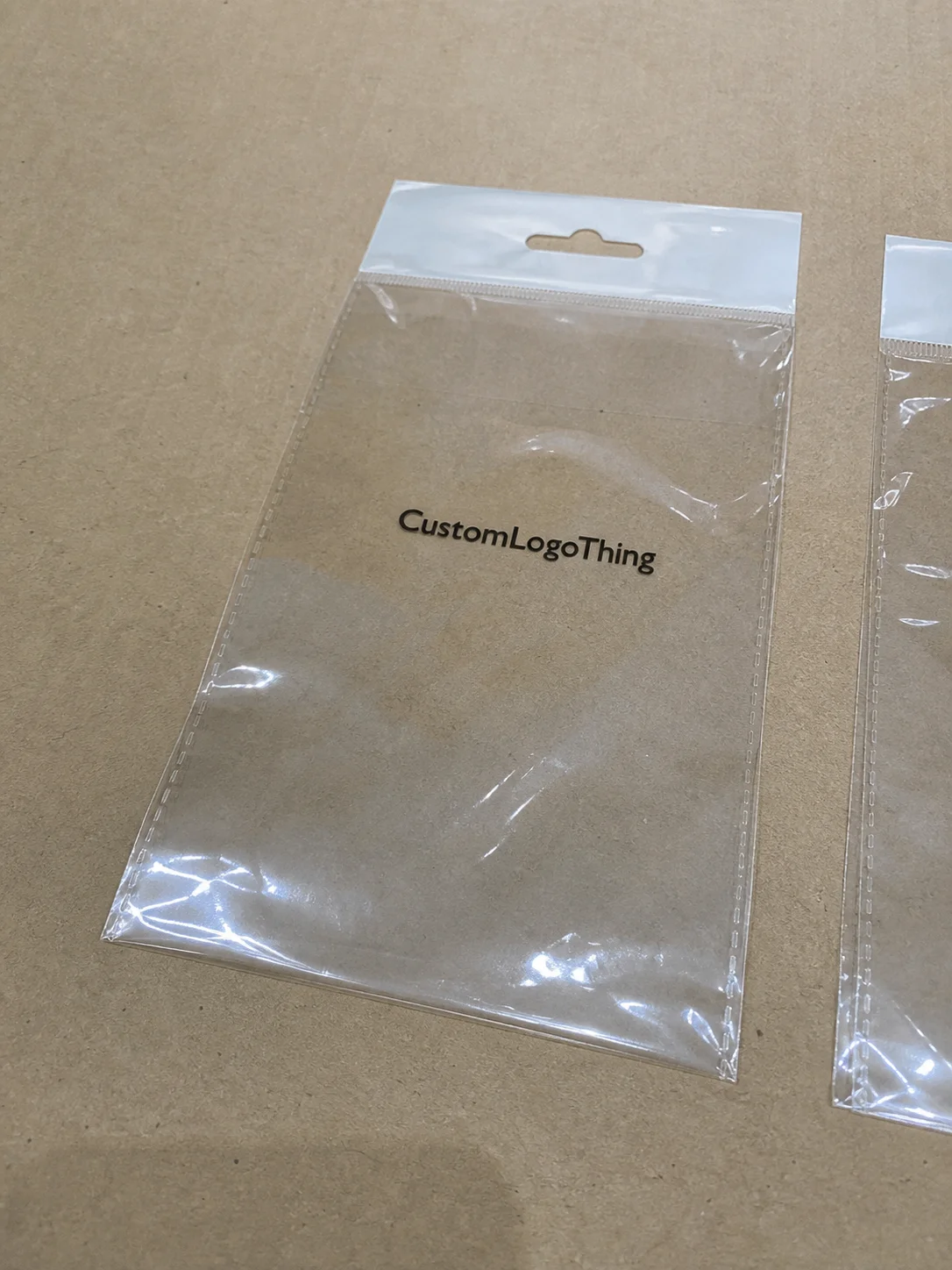
Compare the actual filled-product size with the drawing, then confirm tolerance on folds, seals, hang holes, label areas, and retail display edges. Reserve space for logos, QR codes, warning copy, and material claims before decorative graphics fill the panel.
Quote comparison points
Review material grade, print process, finish, sampling route, tooling charges, carton quantity, and freight assumptions side by side. A quote is only useful when the supplier can repeat the same color, closure quality, and packing count on the next order.
Packaging Branding Wholesale sounds simple until you spend enough time around converting lines, die-cutters, and print rooms to see where the real differences live. A carton can look ordinary in a mockup and still feel premium in hand if the board grade is right, the print method is clean, and the finishing matches the brand. I’ve watched two boxes with the same outer dimensions produce very different results because one used 350gsm SBS with soft-touch lamination and the other came off a thin CCNB stock with no coating. That is why packaging branding wholesale is not only about buying boxes in bulk; it is about buying consistency, control, and a better customer experience without paying retail one unit at a time. Little surprises along the way make that premium feel evaporate.
If you sell online, ship to stores, or run subscription programs, packaging branding wholesale gives you a practical way to protect margin while making your brand identity easier to recognize. I’ve sat in client meetings where the product itself was strong, yet the packaging looked mismatched from one shipment to the next because they were ordering ad hoc from different vendors. But once they consolidated into packaging branding wholesale, reorders became easier to manage, shelf presentation tightened up, and the fulfillment team stopped losing time to last-minute label corrections. Quiet operational relief is real value, even if it never shows up in a marketing deck.
Why Packaging Branding Wholesale Pays Off
Here’s the factory-floor truth: the box is never “just the box.” A well-specified carton can reduce damage, improve unboxing, and make the same product feel more valuable, especially when the finish, stiffness, and ink coverage fit the channel. In packaging branding wholesale, the math usually works because your unit cost drops as quantity rises, but the larger win is consistency across thousands of shipments, retail displays, and repeat orders. Small differences, big peace of mind.
I’ve seen how quickly money disappears when packaging gets sourced piecemeal. One cosmetics client kept reordering small batches of printed sleeves from different suppliers, and every run arrived with a slightly different magenta tone and fold tolerance. The result was a messy unboxing experience and a steady stream of complaints from the warehouse team. When they moved to packaging branding wholesale, they locked in one die-line, one ink profile, and one approved sample, which cut reprint headaches almost immediately. It never seemed like a packaging issue until the numbers were on the table.
There’s also a margin story here. Better product packaging can support a higher perceived value, whether you are selling candles, apparel, supplements, or electronics. I’ve seen a rigid box with a simple foil stamp outperform a more expensive unbranded structure because the customer felt like they were opening something intentional, not something generic pulled from a shelf. And that is the quiet power of packaging branding wholesale: it supports repeat orders, reduces emergency retooling, and gives you a more professional presentation from the first shipment to the fiftieth.
“The first thing I inspect on a launch is not the logo file. I check the board, the glue line, and the fold score, because that is where quality problems usually start.”
Folks often start with the EPA packaging materials guidance for a broader industry reference on packaging materials and sustainability considerations, and the Institute of Packaging Professionals keeps churning out resources that many brand teams overlook.
Packaging Branding Wholesale: Materials and Options
Packaging branding wholesale reaches far beyond printed boxes. Depending on the channel, I’ll often recommend folding cartons, rigid boxes, mailer boxes, paper bags, labels, sleeves, or inserts. Each format has its own sweet spot. Folding cartons handle retail packaging and shelf stacking, rigid boxes are the pick for premium gifting, and corrugated mailers keep e-commerce orders safe while still letting you run strong branded graphics.
For substrates, the common ones are SBS paperboard, CCNB, corrugated E-flute, rigid chipboard, kraft paper, and specialty laminated finishes. SBS, especially around 300gsm to 450gsm, gives a clean print surface for cosmetics and consumer goods. CCNB usually makes more sense for large runs where inside print quality matters less. E-flute corrugated is the workhorse for shipping boxes because it offers crush resistance with a light footprint. Kraft paper gives a more natural look, which matters for brands that want a recycled or earthy feel without overcomplicating the packaging design.
On the branding side, the options become clearer once you translate them into shop-floor language. Offset printing gives crisp detail and strong color control for large runs; flexographic printing is common on corrugated panels and is efficient for simpler graphics. Foil stamping adds metallic contrast for premium accents. Embossing and debossing create tactile impressions that customers notice when they touch the box. Spot UV highlights logos or patterns. Soft-touch lamination gives a smooth, matte feel that reads expensive and also helps with scuff resistance. Full-wrap printed interiors matter when the inside story matters as much as the outside panel. No one technique works everywhere, so mix and match where it helps.
I remember visiting a folding-carton line where a skincare brand was debating whether a plain kraft carton was “good enough.” We ran samples with a 1-color flexo print, a 4-color offset version, and a soft-touch laminated carton with foil details. Same structure, same footprint, three completely different retail outcomes. That meeting proved it: packaging branding wholesale is really a set of choices about how your package should behave in transit, on a shelf, and in the customer’s hand.
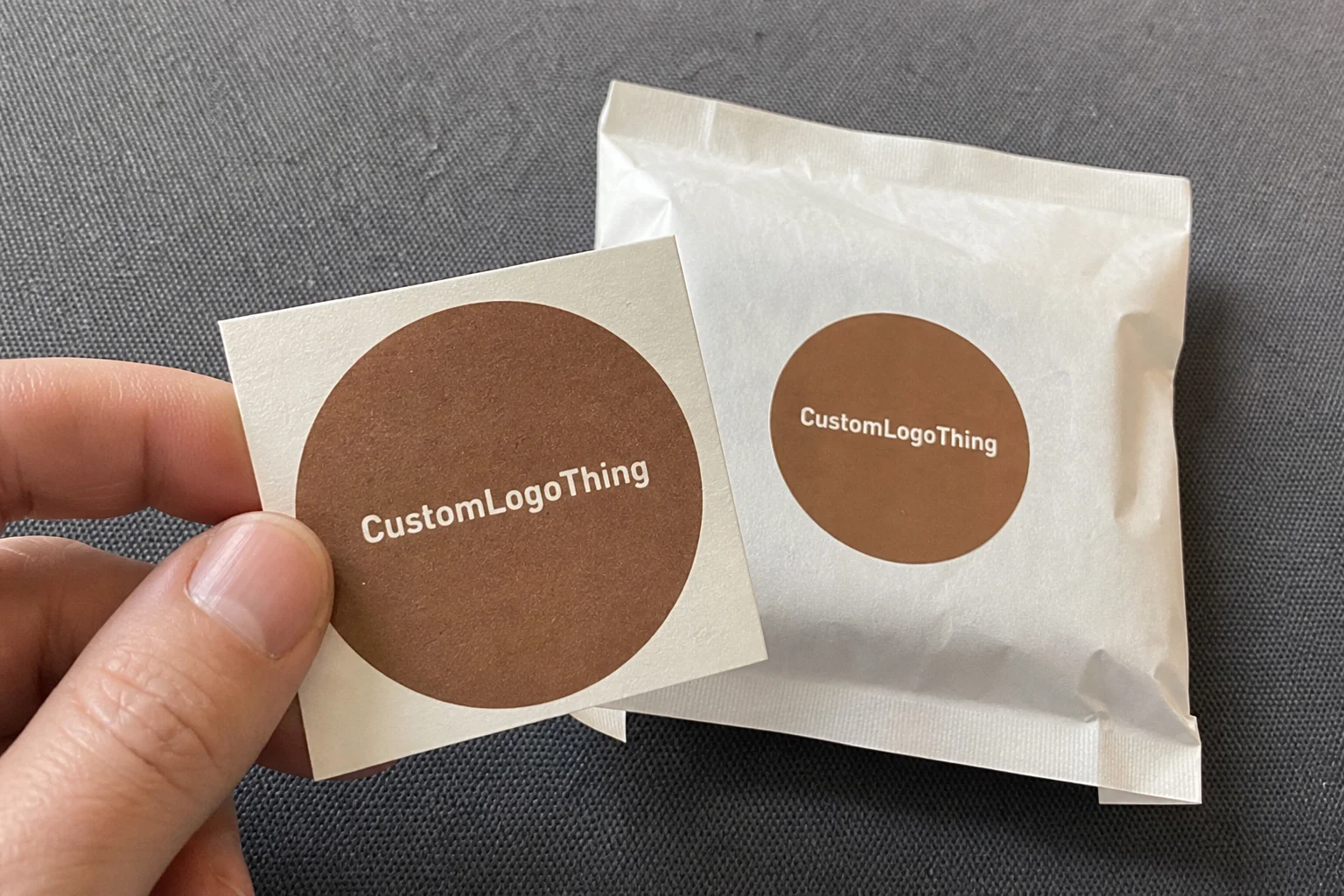
Different channels want different solutions. E-commerce usually favors mailers, inserts, and stronger closure features, while subscription brands crave consistent repeatability and a clear inside print story. Gift programs lean toward rigid boxes, ribbon closures, or specialty wraps. Promotional campaigns sometimes need paper bags, sleeves, or labels fast, which is where Custom Labels & Tags can fill a gap without redesigning the whole structure. If you need a broader menu of formats, our Custom Packaging Products page is a good place to compare structures before you request a quote.
Key Specifications to Confirm Before You Quote
Quotes that land clean come from buyers who send complete specs the first time. So I tell clients to prepare dimensions, artwork format, print sides, color count, finish, material thickness, and any structural requirements before they ask for pricing. A 120 x 80 x 30 mm tuck-end carton is not the same job as a 140 x 90 x 40 mm carton with a window cutout, a hang tab, and a matte coating. One extra feature can affect die cost, setup time, and production yield.
Dielines Matter More Than most people think. If the bleed is off by even 2 mm, or the safe zone is too tight around a logo, the final box can look crooked even if the printer did everything correctly. Barcode placement is another common miss. I’ve seen perfectly printed retail packaging fail at receiving because the UPC landed too close to a fold, and the scanner read it poorly. For packaging branding wholesale, that kind of error is preventable with a proper structural template and a proof review that includes real measurements, not guesses.
Coatings and compliance questions also need attention. If the product is food-adjacent, ask for food-safe inks or barrier layers where needed. Recycled content matters? Spell it out and ask for FSC-certified paper where applicable; the FSC system is widely recognized for responsible forestry standards. Cartons heading into humid warehouses or hot delivery trucks? Ask about durability and scuff resistance. A 0.3 mm difference in board thickness can change how a package stacks, folds, and survives transit.
Before you quote, confirm whether the supplier can match your lead times, whether they charge extra for rush jobs, and whether the finish you want is included in the base price. Ask how they handle proofs—digital only, or a physical sample too? And double-check who owns the dieline after the run is over, because you might need it again sooner than expected.
Decision checklist before ordering
- Measure the real product and confirm how it will be packed, displayed, stored, and shipped.
- Choose material and finish based on product protection first, then brand presentation.
- Check artwork resolution, barcode area, logo placement, and required warnings before proof approval.
- Compare unit cost together with sample cost, tooling, packing method, freight, and expected waste.
- Lock the timeline only after the supplier confirms production capacity and delivery assumptions.
What experienced buyers check before approving Packaging Branding Wholesale
A useful packaging branding wholesale spec starts with the product, not with a decoration menu. Measure the item as it will actually be packed, including any insert, sleeve, protective wrap, or retail card. Then decide whether MOQ or tooling cost carries the biggest risk for this order. That order of thinking keeps the design attractive without ignoring the physical job the packaging has to do.
For wholesale or repeat orders, the biggest difference between an easy project and a frustrating one is usually documentation. Keep the die line, material callout, print method, finish, tolerance, and packing instruction in one approved file. If the packaging needs a barcode, warning, QR code, ingredient line, or marketplace label, protect that area before the artwork becomes crowded.
Sampling is not just a formality. A sample should answer practical questions: does the product fit without forcing, does the logo sit where a customer notices it, does the color still look right under store or warehouse lighting, and does the package survive normal handling? If any answer is uncertain, revise before bulk production rather than trying to fix thousands of finished pieces.
Cost, lead time, and production details that change the quote
Quotes for packaging branding wholesale can change quickly when the supplier learns about sample route, revision count, special packing, or a narrow delivery window. Ask the supplier to separate tooling, sample, unit, packing, and freight assumptions. That makes it much easier to compare two offers without mistaking a missing line item for a real saving.
Lead time should also be treated as a sequence, not one number. Artwork cleanup, proofing, sample making, approval, material booking, printing, finishing, packing, and export handoff all take time. A realistic schedule leaves room for one controlled revision and still protects the delivery date. Rushed approvals often cost more than the extra week they were meant to save.
The final production file should be boringly clear. It should name the material, print method, finish, quantity, carton packing, inspection point, and acceptable tolerance. That level of detail may feel slow, but it is what helps a custom package come back looking like the approved sample instead of a close cousin.
Packaging Branding Wholesale: comparison table
| Decision area | Best practical choice | What to verify | Common failure mode |
|---|---|---|---|
| MOQ | Match it to the product weight, sales channel, and how the item is packed. | Confirm measurements, tolerance, and a physical or production-grade sample. | The package looks acceptable in a render but feels wrong in hand. |
| tooling cost | Choose the option that survives handling without hiding the logo or required copy. | Check proof color, print position, finish, and rub resistance before bulk approval. | Print shifts, scuffs, or loses contrast after storage and freight. |
| sample route | Plan the spec around repeat orders, not only the first small run. | Ask for MOQ, tooling, carton packing, lead time, and re-order controls. | Costs jump when the brand scales or adds more SKUs. |
FAQ
What should I confirm first for Packaging Branding Wholesale?
Start with the real product size, weight, use case, artwork status, and order quantity. Then confirm MOQ, tooling cost, sample timing, and whether the same spec can be repeated later without changing the final look.
Is a cheaper quote always a problem?
No, but the quote should explain what is included. Compare material, printing, tooling, packing, waste allowance, freight assumptions, and revision limits before deciding that one supplier is truly cheaper.
When should I approve bulk production?
Approve bulk only after the physical sample, die line, color proof, packaging fit, and delivery calendar are documented. A short written approval trail prevents expensive misunderstandings.
Final buyer notes before approval
Before making the final decision, write down the specification, approval owner, delivery expectation, and the one or two risks that would cause the most trouble if missed. For packaging branding wholesale, this usually means checking MOQ, tooling cost, sample route, and the support process after the order is placed.
This last review does not need to be complicated. It simply makes the decision easier to repeat, easier to explain, and easier to verify when the finished product or jewelry arrives.
Extra approval checks for this topic
One useful way to pressure-test the decision is to ask what would happen if the order had to be repeated in six months. The answer should still be clear: the same MOQ, the same tooling cost, the same acceptance standard, and the same communication path. If a second order would depend on memory or guesswork, the first order is not documented well enough yet.
Another useful check is to separate preference from requirement. Preference is the look, wording, or finish the brand likes. Requirement is the measurement, tolerance, certificate, material, or delivery condition that cannot fail. Good buying decisions keep both visible, so the final choice is not pushed around by the last email, the cheapest quote, or the prettiest sample photo.
Finally, ask who owns each approval. A project with one accountable owner for sample review, one owner for final content or artwork, and one owner for delivery sign-off usually moves faster than a project where every decision is shared loosely across a team. Clear ownership reduces delays and makes the finished result easier to judge.