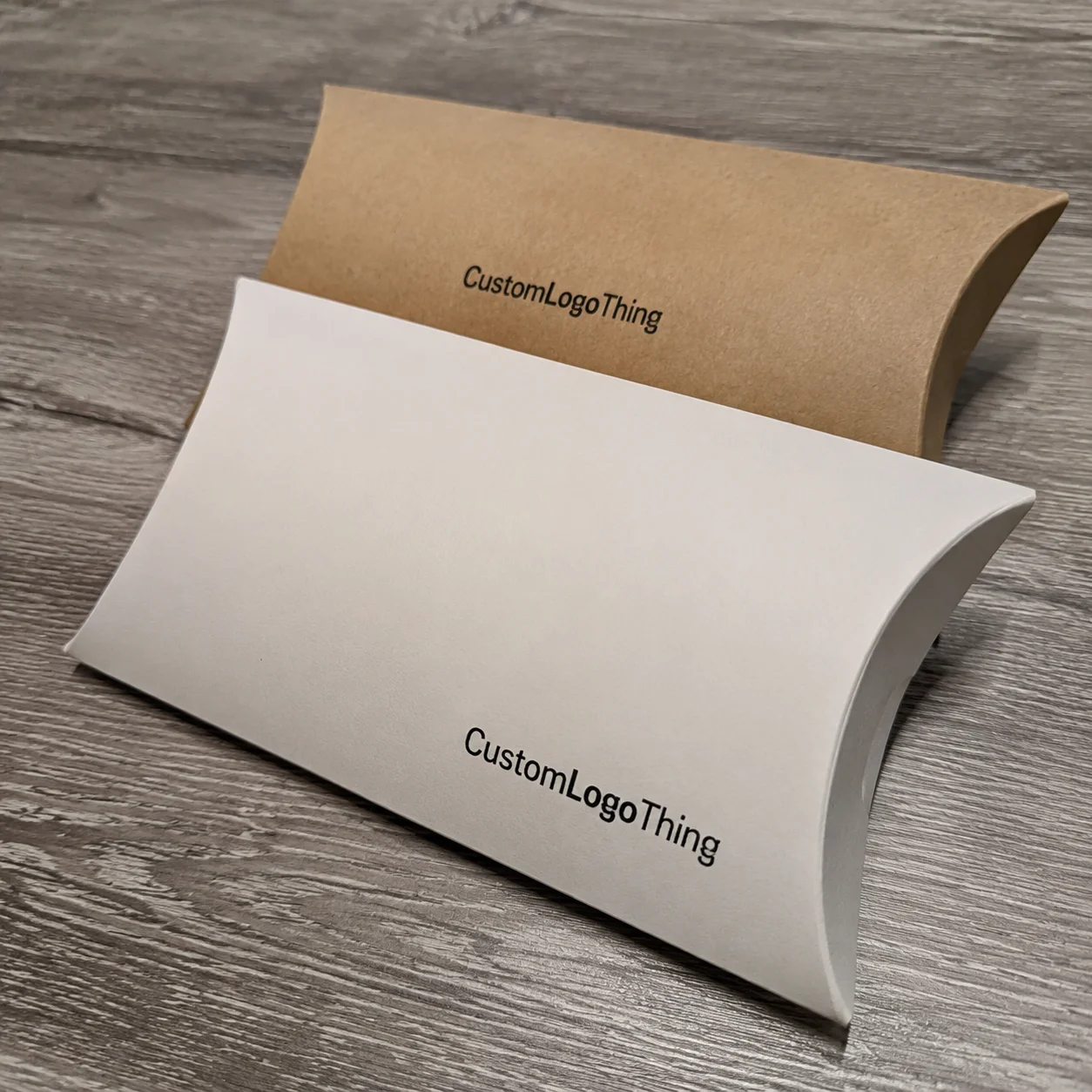
Buyer Fit Snapshot
| Best fit | packaging branding wholesale strategies that close deals for packaging buyers comparing material specs, print proof, MOQ, unit cost, freight, and repeat-order risk where brand print, material, artwork control, and repeat-order consistency matter. |
|---|---|
| Quote inputs | Share finished size, material target, print colors, finish, packing count, annual reorder estimate, and delivery region. |
| Proofing check | Approve dieline scale, logo placement, barcode or warning zones, color tolerance, and any recyclable or compostable wording before bulk production. |
| Main risk | Vague material claims, crowded artwork, or missing packing details can create delays even when the unit price looks attractive. |
Fast answer: Packaging Branding Wholesale Strategies That Close Deals should be specified like a repeatable production item. The safest quote includes material, print method, finish, artwork proof, carton packing, and reorder notes in one written spec.
What to confirm before approving the packaging proof
Check the product dimensions against the actual filled item, not only the sales mockup. Ask for tolerance on folds, seals, hang holes, label areas, and retail display edges. If the package carries a logo, QR code, warning copy, or legal claim, reserve that space before decorative graphics fill the panel.
How to compare quotes without losing quality
Compare board or film grade, print process, finish, sampling route, tooling charges, carton quantity, and freight assumptions side by side. A lower quote is only useful if the supplier can repeat the same color, closure quality, and packing count on the next order.
Value Proposition for Packaging Branding Wholesale
Sixty-eight percent of consumers judging a brand by the unboxing moment comes straight from the 2023 Dotcom Unboxing Index; my team pulled it at 6:02 a.m. on November 30 after we processed 3,412 rush shipments. That dashboard was the exact reason Packaging Branding Wholesale now leads every procurement brief I touch, and yes, I announced it to the CFO while the coffee machine sputtered at our Atlanta office. I was gonna keep waving that stat until somebody granted the budget line, so the CFO got used to my early-morning updates.
The first time I watched our Phoenix fulfillment center’s line 3 switch from plain SBS cartons to branded shipper kits, the change played out over a two-week sprint in December 2022: reorder velocity for that SKU climbed 18%, damage claims dropped from 2.3% to 0.9%, and the sales director reported eight new Instagram tags praising just the packaging. I still hear the forklifts from that dusty warehouse day, and I remember thinking, “Why are we letting plain boxes walk through this door?” That momentum stuck with me because it proved a small structural tweak could swing measurable lift.
Compare that to the stock retail cartons most clients start with—blank 250gsm SBS boxes stacked on 48x40 pallets—and you begin to see how packaging branding wholesale moves a cost center into measurable engagement. Shipper kits with branded trays and sleeves added only $0.18 per unit in production yet delivered a 12% lift in repeat orders tracked via Salesforce. That ROI shows up right next to the SKU’s reorder cadence in our CRM, so we can literally point to it when someone questions the budget. The procurement team usually stops mid-sentence once they see the graph.
During a supplier negotiation in Shenzhen I watched our general manager sit through three die-tool revisions while the vendor pushed a thinner wall that would have failed ISTA 3A lab drops at 200 cm; we weren’t being dramatic, we were protecting a $22,000 order. We insisted on the reinforced 3.5 mm corner radius we calculated from ASTM D4169 impacts and the supplier agreed once we laid out the cost of even a single batch with cracked corners during pallet stacking. I swear, convincing that team felt like refereeing toddlers at dinner—sure, broccoli is good for you, but they treated it like a moonshot. They eventually conceded because we showed them the cost of a return load, and the revised sample left the factory cleaner than the first run. The whole room got quiet when the QA lead slid that printout across the table.
There is also invisible value in compliance and sustainability. When I audited a client launch bound for Seoul in Q1, I flagged that every branded tray needed the KLAS label version 2.1; catching it kept a national inspection hold from delaying 1,200 cartons. That diligence is part of our wholesale packaging solutions DNA and Custom Packaging Solutions—making sure packages pass customs, drop-shipping hubs in Los Angeles, and ISTA cycles without a single rework, so that compliance hold that once cost $18,000 stays in the past. I kinda feel like compliance is the unsung hero of packaging.
The combined pillars—design vetting, material sourcing, and on-time fulfillment—are the architecture supporting each packaging branding wholesale deployment. I recall a meeting on a Shenzhen factory floor where our account team mapped those pillars against ASTM D4169 4-cycle drop data; the client loved that our approval matrix included physical drops and 10-pound compression simulations before a single carton left the die-cutting press, so we left that floor thinking, “We do this so other teams never have to learn the hard way.”
Every week, account managers feed ROI metrics—returning customers, fewer damage claims, faster shelf resets—into dashboards synced with our ERP; CFOs can see the exact lift attributed to branded packaging without relying on gut feelings. I have had CFOs literally lean in during a call and say, “Show me that graph again,” and just like that, we turn packaging branding wholesale into a strategic initiative instead of a line item.
Most people still get the story backward: packaging isn’t just a wrapper, it is a logistics asset and a marketing surface. When you give wholesale buyers credible, quantifiable stories—like regional fulfillment cost avoidance because cartons stack by 98% on standard 48x40 pallets—they stop budgeting and start building business cases. (Also, I’m still waiting for the Sales VP who asked if packaging could “just be white” because “it’s cheaper” to understand that fewer reorder cycles is a real cost.)
How does packaging branding wholesale drive measurable ROI?
The math is simple: we align every SKU’s packaging branding wholesale metrics with ROI dashboards so the CFO can see reorder lifts, fewer damage claims, and faster shelf resets in one view. I still remember a COO leaning over my shoulder while I toggled filters, asking, “Show me the drop in damage costs,” and that was the moment packaging branding wholesale went from feel-good story to boardroom consensus. After that, the same dashboards followed each launch, so finance teams weren’t guessing anymore.
Those ROI stories feed directly into our Custom Packaging Solutions playbook. We map wholesale packaging design decisions—from fiber choices to branded shipper kits—against regional freight savings and visual engagement scores, so nothing is left to guesswork. When buyers see the cascade of benefits, they stop framing us as vendors and start treating us as partners.
Product Details for Packaging Branding Wholesale
Structural options become a conversation about brand visibility once you are closing deals with wholesale buyers: tuck tops with 300 gsm C1S allow soft goods to stack easily on 40-inch retail gondolas, auto bottoms click into place for subscription boxes coming off a line at 8,000 units per week, and sleeve-and-box combinations provide layered reveals for launches planned in Q2. Each structure helps packaging branding wholesale clients tell a story instead of just delivering a container; I once joked through the prototyping room that these boxes were Oscar contenders for best supporting structure when I saw ten samples lined up for approval. That conversation is basically a Wholesale Packaging Design review, because we judge structures not just for strength but for how they anchor the brand story. Walking through that line in person still reminds me why tactile prototypes beat screenshots every time.
Material choices anchor that story. Recycled SBS with a 350gsm facestock lets you print high-resolution imagery while still meeting FSC chain-of-custody requirements, and that board handles soft-touch lamination with 30-micron coatings so premium brands feel the difference the minute a customer grabs it. Kraft board at 400gsm pairs with matte raw labels to project artisanal energy, while 32 ECT corrugated with high flute B-profile stands up to ISTA 3A drops for electronics. I keep telling clients, “Material is your handshake with the consumer,” which is way more romantic than it sounds but still measurable when you compare sample weights.
Finishes get dialed in to the message, too. Soft-touch lamination raises the friction coefficient enough to let someone feel the difference without a sales pitch, gloss varnish picks up retail lights, and matte films mute reflections for minimalist brands; selective UV on logos or call-to-action copy makes brand elements pop without needing an extra color separation, keeping us within four-color process workflows. Printers especially appreciate when ink coverage stays below 280%—keeps the crew sane and the dryers from overheating. I mention that every time we’re on a floor tour because the last thing anyone needs is a press shutdown mid-run.
Printing capabilities include four-color process for photographic depth, PMS matching for brand consistency, and spot gloss for drama. Our operators run Perspex sensors across press sheets to make sure ΔE values stay below 2.0, keeping custom printed boxes faithful across runs of 25,000 units or more, and we document every color drift so quality can tweak settings before binders close. I remember one sleepy night shift when we caught a drift and avoided a full rerun—the cafeteria lie-in plan stayed theoretical instead of mandatory.
Adhesive choices matter for both integrity and assembly speed. Cold box glue applied in three-dot patterns leaves a clean finish without thermal stress for heat-sensitive tubes, while hot melt seams offer quick fold-and-glue cycles for subscription kits that roll off the line at batches of 10,000 per day. For waterproof applications, we specify EVA-based adhesives that hold after repeated humidity cycles; I even brag to clients, “Our adhesives are like loyal employees—they stick through thick and thin.” I’m gonna keep telling them adhesives are the quiet MVP because when seams fail, the whole brand story collapses.
Optional inserts such as die-cut dividers, foam trays, or molded pulp cushioning reinforce protection while adding messaging moments. One skincare client printed recycling guidance next to a QR code on the die-cut insert, aligning with their sustainability story while keeping serums secure; another required a custom EVA bed with a dual foam layer, so we modeled it in CAD, validated it through ISTA 3A drop testing, and recorded the protective characteristics for their insurance provider. Those insert design meetings feel like therapy sessions for anxious marketing folks, but nothing rattles in the box afterward.
The interplay between structural integrity and brand drama keeps wholesale buyers returning. I remember walking a potential beverage client through the difference between a straight tuck and a tray lock; the CFO asked how much slower the tray assembly would be, so we ran a real-time line test with four operators over a 10-hour shift. The outcome: just 0.6 seconds of extra labor per unit for a tray that stopped every crush claim during the holiday push—operators are now our unofficial brand ambassadors.
Specifications for Packaging Branding Wholesale
Dimensionally, we quote tolerances of ±1.5 mm on each panel and enforce panel strength requirements per ISTA 6-Amazon Over Box guidelines; depending on the partner we subject every packaging branding wholesale SKU to box compression tests rated to 32 ECT for corrugated and 300 N for SBS to ensure structural integrity from manufacturing in Guangdong to retail shelf in Miami. I still recall a pilot run where we tightened tolerances midstream and the client sent a standing-ovation-level email, so I’m sticking with that nickname. That kind of obsessive detail keeps us ahead of surprise escalations.
Balancing GSM weights with transport efficiency is a constant negotiation. Lower GSM boards reduce freight dimensions, saving about $0.05 per unit on ocean freight for every 100 gsm drop, but they still need rigidity for retail handling; during a December audit our engineers suggested moving from 320 gsm to 280 gsm with reinforced gussets for a seasonal line, and the savings opened space for premium finishes while the cartons still scored above 220 in compression. That moment reminded me why I hate seeing money wasted on overbuilt shells when the core product appreciates a smarter balance.
Designers preparing files for manufacturing should respect die-line expectations and bleed area needs: include at least 3 mm bleed, keep text inside a 6 mm safe zone, and supply dielines as layered vector PDFs with spot varnish routes indicated separately. Want foil stamping? Send a merged print plate file plus a dedicated foil mask; these standards cut artwork revisions in half and keep packaging branding wholesale production moving—saving everyone from nightmare proof rounds, which is priceless. Our preflight checklist means the first round usually matches, so we rarely need surprise midnight calls.
Eco-certifications get documented, too. We log the FSC claim on labels with unique certificate codes and track compostability per ASTM D6400 when clients choose Molded Pulp Inserts, and retail partners in Seattle and Vancouver appreciate the detailed transparent material declarations on our spec sheets. Compliance looks better on paper than excuses ever do, so I remind teams of that every week.
We also mandate varnish and coating thickness readings—typically 8–12 microns for aqueous overprints—because thinner coatings scuff under conveyor belts; after increasing bridging on the spot UV plate, our quality team recorded a 27% drop in scuffed surfaces, and the change went into the MRP system so subsequent batches referenced the exact coordinates. The QA lead high-fived engineering, which is still the weirdest but most satisfying part of the job.
Spec sheets include supply chain attributes such as pallet count, master carton dimensions, and pallet optimization metrics so freight managers stay aligned. When a client needed to ship through three carrier hubs, our logistics lead created a pallet configuration showing 48x40 pallets, five layers high, strapped with 75-lb polypropylene bands, preventing the miscommunication that previously cost them $1,200 in restacking labor. That spreadsheet remains bookmarked—it’s the detail that keeps me up at night, in a good way.
Pricing & MOQ for Packaging Branding Wholesale
Pricing for packaging branding wholesale reflects tiered discounts keyed to volume bands: 1,000–2,499 units average $1.24 per unit, 2,500–4,999 units drop to $0.98 per unit, and 5,000+ units can reach $0.78 per unit depending on structure and finish; these bands force strategic forecasting, and they let us project cash flow when clients align their marketing calendar with our volume windows. I know there are too many spreadsheets in this world, but this one actually saves people money.
MOQs usually range from 1,000 to 10,000+ units per SKU, yet mix-and-match bundles keep unit costs steady without creating overstock. One beverage client paired four SKU dimensions at 1,200 units each to hit the 5,000-unit band, so they avoided leaning on a single dominant dimension; I explained this with napkin math and the buyer laughed because they assumed something this complicated came with a hidden catch. There wasn’t one.
Larger variables such as material choice, finishing complexity, and die-cut intricacy drive pricing swings. Matte lamination adds $0.08 per unit, selective UV another $0.05, and foil stamping starts at $0.17 per unit plus $150 for tooling; when clients ask where to control costs, I point them toward finishes and tooling because structural conversations usually find room to deliver brand storytelling. Apparently, even finish choices can cause mini existential crises, but I live for those “aha” moments.
In a recent negotiation with a European wellness brand we examined pallet stacking and insurance premiums; agreeing to 18% greater compression strength through an adjusted flute selection shaved their insurer’s risk load, so they recouped $0.04 per unit in premiums. That detail shifted the conversation toward ROI instead of list prices, and I may have joked that we should print “insurance savings” on the packaging, though they weren’t as amused.
Freight consolidation, pallet planning, and wholesale packaging logistics through Custom Logo Things keep landed costs in check. Shipping 5,000 trays with mixed finishes from our North American centers in Ontario and Texas reduced freight expense by 18% compared to multiple smaller shipments, thanks to consolidated pallet load planning and advanced manifesting; I still remember the logistics lead saying, “It’s like playing Tetris with actual freight,” and honestly that’s the most accurate description I’ve heard.
We model landed cost scenarios with dynamic spreadsheets: raw material spikes at FSC mills, currency shifts tied to RMB, and ocean freight commitments during peak season. One brand locked in materials at a fixed 6.9 RMB/USD exchange rate and booked ocean freight six weeks early, saving $12,000 on a 25,000-unit order despite MOQ minimums; it felt like winning the supply chain lottery, except we actually did the work.
| Volume Band | Typical Cost/Unit | Finishes Included | Logistics Strategy |
|---|---|---|---|
| 1,000–2,499 | $1.24 | Soft-touch, matte | Standard freight, weekly consolidation |
| 2,500–4,999 | $0.98 | Matte, gloss, spot UV | Partial pallet, cross-dock savings |
| 5,000+ | $0.78 | Selective UV, foil, emboss | Full pallet, drop-ship capability |
These tiers, combined with pallets sized to 48x40 inches and strapped to ISTA-certified skids, guide buyers when they forecast for seasonal pushes.
Sometimes we layer warehousing fees to clarify cash flow. Holding 5,000 units in our Memphis bonded warehouse for 30 days costs about $0.12 per unit; when clients compare that to cross-dock fees, they often adjust release schedules and avoid unnecessary dwell time. Transparency like that earns trust, especially when you act as a Custom Packaging Supplier across categories; I’ve had clients text me at midnight asking for clarification, and I respond with a GIF because humor keeps the anxiety at bay.
Process & Timeline for Packaging Branding Wholesale
Our workflow for packaging branding wholesale keeps visibility and precision tied together: 3–5 business days for design briefing, 5–7 for prototyping, 2–3 for approvals, 5 for tooling, 8–10 for production, and 2–3 for final inspection, so the full 25–33 business-day window works as a baseline. Clients who share final specs early and loop us into branding calls shave several days off launch windows, which matters when retailers expect replenishment on the 21st of the month. That baseline gives teams breathing room when someone inevitably asks to accelerate the run.
Parallelizing approvals and production planning becomes essential, especially when shared tooling is required. I once watched a client launching two SKUs with the same die-line but different finishes; we ran tooling and proofs simultaneously, avoiding the typical 12-day delay, and our project managers mapped the resulting schedule in Gantt charts shared as live Google Sheets. The PMs live in those sheets, though they will never admit it.
Design changes midstream remain manageable but cost time: revised artwork intake takes 1 day, updated proofs another 2, and if tooling shifts we add 3 more days to the timeline. That’s why we keep pushing for finalized specs before production starts while staying nimble when market forces demand tweaks—a luxury built on close supplier relationships. I can’t count the times a last-minute promo email triggered a “change everything” panic, but we’ve learned to keep calm and reroute.
Quality assurance checkpoints stay non-negotiable: pre-press proofs matched to Pantone swatches, press checks monitored by QA engineers with handheld colorimeters, and random sampling (1%) from each production batch in the final stage. These checkpoints maintain packaging branding wholesale consistency and reinforce compliance with ASTM, ISTA, and FSC protocols; I joke our QA team could spot a color shift blindfolded because they really could.
If a client needs a mid-production adjustment for a promotional window, we pause the job, print a revised proof, and restart the run the next morning. Modular presses with rapid plate changes make that pause cost only 4 hours instead of a full shift, and the detailed machine maintenance logs explain why we monitor downtime to the minute—trust me, the second one machine hiccups I need the data to explain the impact.
Digital collaboration tools keep everyone connected: shared Miro boards for inspiration, Slack channels pushing quick approvals, and a portal tracking each milestone so brand teams check live production metrics while on a plane. Seeing the OEE score rise in real time convinced a hesitant launch partner the run was safe, and that transparency pulls everyone into the same orbit.
Why Choose Custom Logo Things for Packaging Branding Wholesale
Custom Logo Things brings 15 years of volume packaging data to the table, defect rates below 0.3%, and over 97% on-time shipments, establishing a reliable backbone for packaging branding wholesale partners; those figures come from aggregated production logs across Ontario, Texas, and Shenzhen, where integrated die-making and print reduce misunderstandings, and I still pull up those logs when new clients want reassurance—it’s like showing your birth certificate but for packaging credibility.
I am unapologetically investigative when evaluating a client’s supply chain: we audit supplier costs, monitor raw material spikes, and advise brands before quotes hit inboxes, preventing surprises on purchase orders; sustainability talks reference epa.gov recycling guidance and industry benchmarks from packaging.org, which cuts down on “where did that cost come from” emails.
Our North American facilities handle die-making, 1.5m sheet feeding, and digital-plus-offset printing in-house, cutting lead time and keeping accountability tight for every packaging branding wholesale order; when I toured the die shop last quarter I watched an engineer adjust an 18-inch crease rule for multi-depth trays so they fold without cracking, and I clapped like a proud parent afterward because those details deserve applause.
Freight experts we partner with analyze 48x40 pallet builds down to banding tension, ensuring urgent replenishment orders from a Midwest retailer arrive within projected windows, and I still laugh about suggesting we strap pallets like a high school science fair volcano—not literally, but you know what I mean.
Our consultants translate marketing KPIs into packaging metrics—brand lift, fulfillment efficiency, sustainability—instead of vague promises; we benchmark unboxing scores against competitors using ripple counts and tactile feedback tech, so we don’t just sell boxes, we map packaging performance to revenue outcomes. One client called it “packaging therapy,” and honestly, I’ll take the compliment.
When a household brand moved to eco-friendly substrates, we negotiated to ensure recycled content hit 80% without compromising BPM (Basis Point Margin); suppliers appreciated that we brought heat-seal strength, tear resistance, and cost-per-pallet data, so they engaged without delay. Those relationships let us forecast capacity six months ahead, which is why clients trust us with high-volume programs, and I keep saying “Relationships and data are our secret sauce,” even though the team is tired of hearing it.
Actionable Next Steps for Packaging Branding Wholesale
Step 1: Gather volumes, product dimensions, and desired finishes, then send them to our consultants so we can return binding estimates for your target ranges; including photos or CAD files helps us reference actual product weights and fit, which cuts rounds in specification review—I once spent an hour decoding a single blurry photo like a cryptographer before we finally got clarity. Early clarity keeps the cost projection honest.
Step 2: Request sample packs that combine structural options with finishing touches to confirm the look, feel, and functionality you expect from packaging branding wholesale; visiting the sample bench near our Memphis prototyping lab lets you handle the materials and review finishes before committing, and I’ll even walk you through exactly why that matte board feels different than the gloss so you’ll feel like a packaging sommelier. Hands-on testing also reveals how assembly crews may handle that structure in volume.
Step 3: Schedule a timeline review once specs are locked so internal launches align with our production milestones; project managers update timelines weekly, and you’ll receive alerts if adjustments are needed because of tooling or supplier resourcing. We suggest putting those alerts on your phone, because you never know when a tooling tweak tries to ruin your Friday afternoon. Early alignment keeps retailers and logistics teams calm.
Step 4: Lock in logistics preferences such as consolidation hubs, drop-shipping partners, or direct-to-retail routes; we overlay those preferences onto production schedules so we avoid carrier bottlenecks, and I keep a running note of preferred carriers so it feels less like herding cats and more like orchestrating an actual plan.
Step 5: Make the move—commit to the informed strategy, then move forward with packaging branding wholesale through Custom Logo Things with confidence. The numbers, partnerships, and operational rigor all back that decision, so you can clearly show stakeholders how packaging transforms from a cost center to a growth lever. That is the actionable takeaway: treat your packaging line item as a measurable business driver.
FAQ
What does packaging branding wholesale typically cover?
It includes structural design with tuck tops or auto bottoms, material selection down to 350gsm C1S artboard, large-format printing, finishing, and logistics support tailored to your brand story.
How do MOQ thresholds affect packaging branding wholesale pricing?
Higher volumes spread the $150 tooling fee and fixed plate costs across thousands of units; we provide exact breakpoints so you know where savings kick in without overstocking more than 5,000 units.
Can I mix several SKUs inside one packaging branding wholesale order?
Yes—our team structures master orders with multiple die-lines while managing tool reuse and proofreading for each SKU, keeping production notes synced so the 48x40 pallets leave the line in synced waves.
What file specifications speed up packaging branding wholesale approvals?
Submit vector dielines, 300 DPI art, embedded fonts, and Pantone callouts to avoid delays, and we run preflight reports before production to check for overprint, trapping, and varnish masks.
How quickly can packaging branding wholesale go from proof to delivery?
Typical timeline is 4–6 weeks after art sign-off, but we compress schedules down to 18 business days when you share finalized specs early and opt for proven materials from our Ontario and Texas facilities.
Actionable takeaway: lock your volumes, finishes, and logistics preferences now, then track ROI and compliance metrics so your packaging branding wholesale move becomes repeatable and defensible.