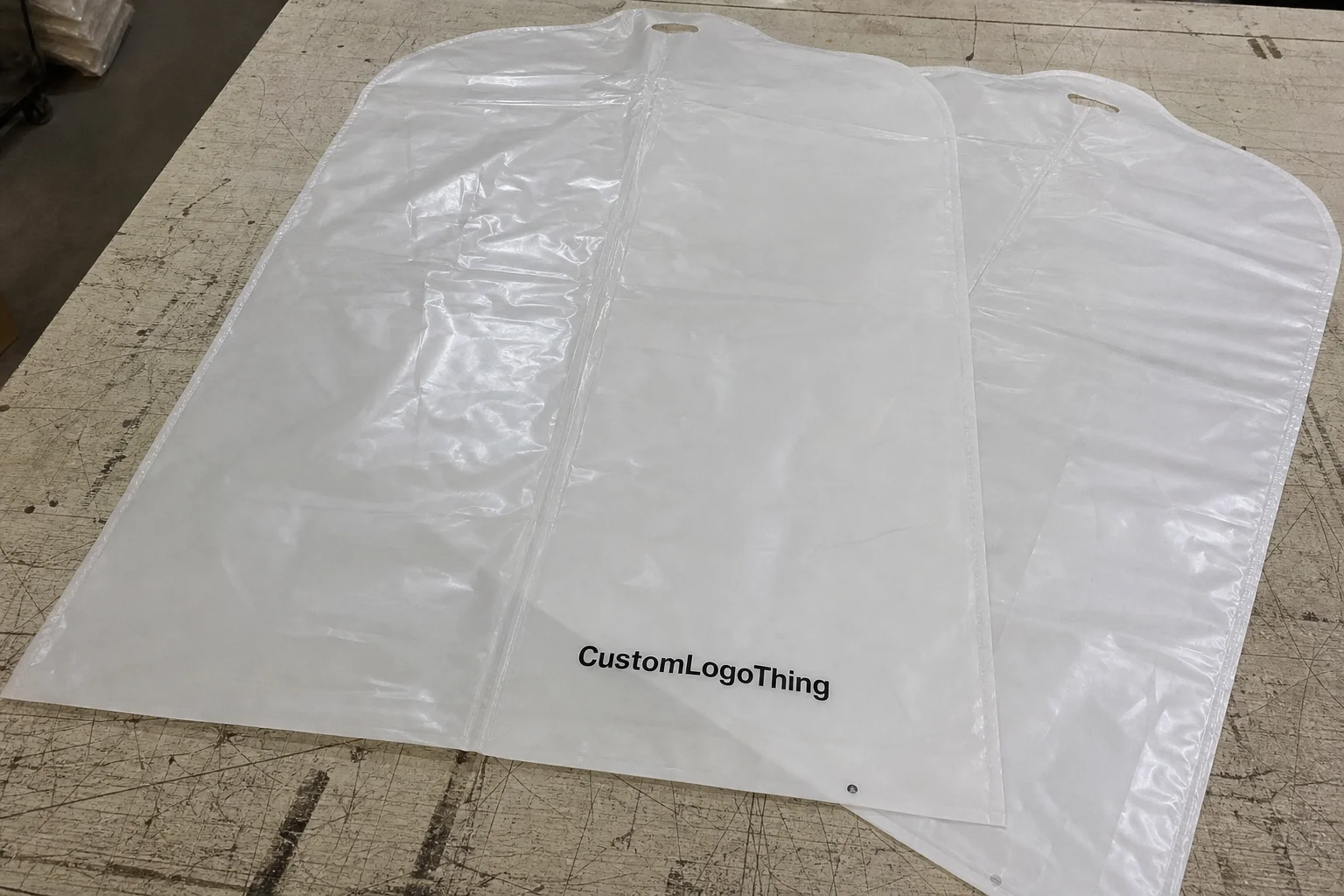
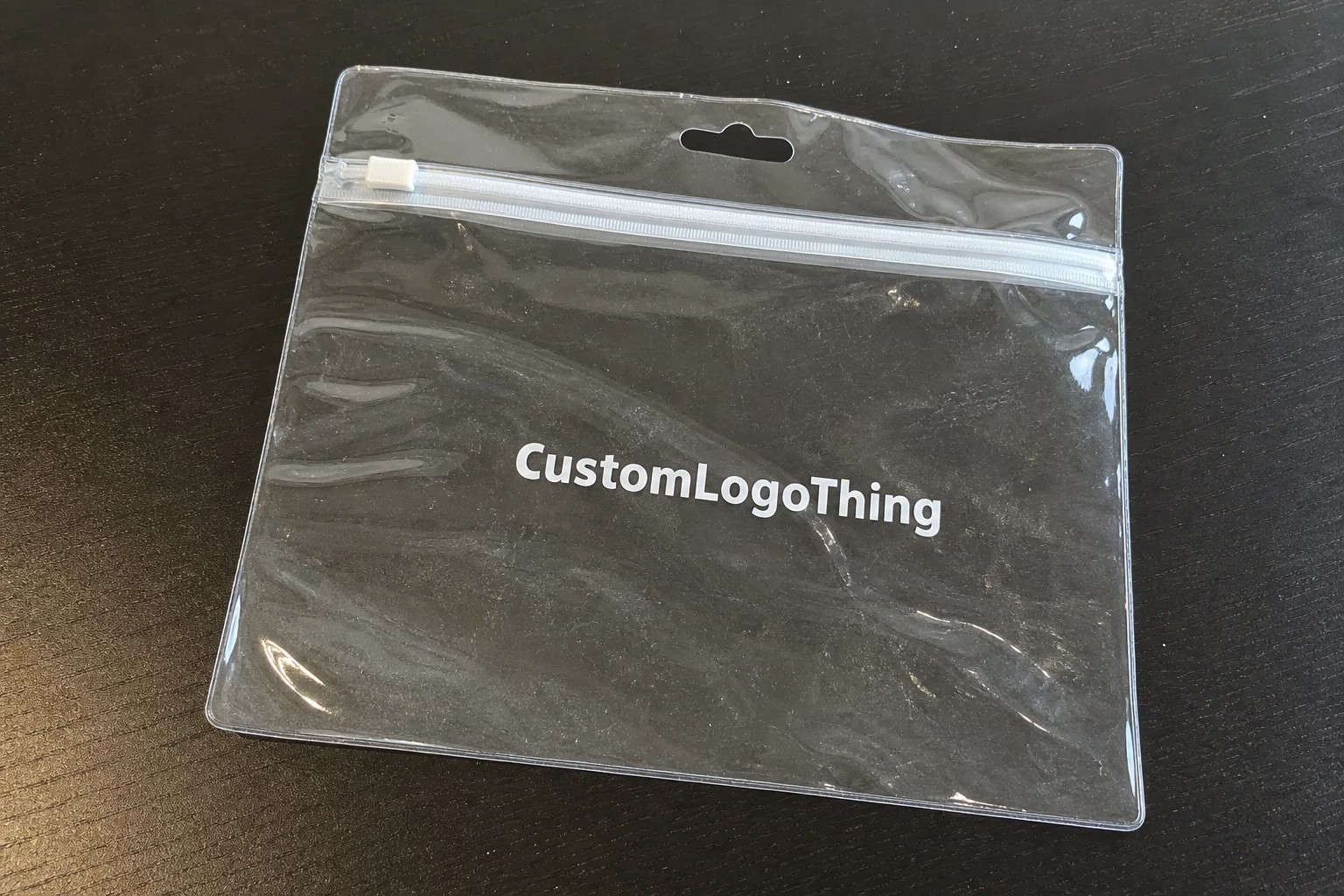
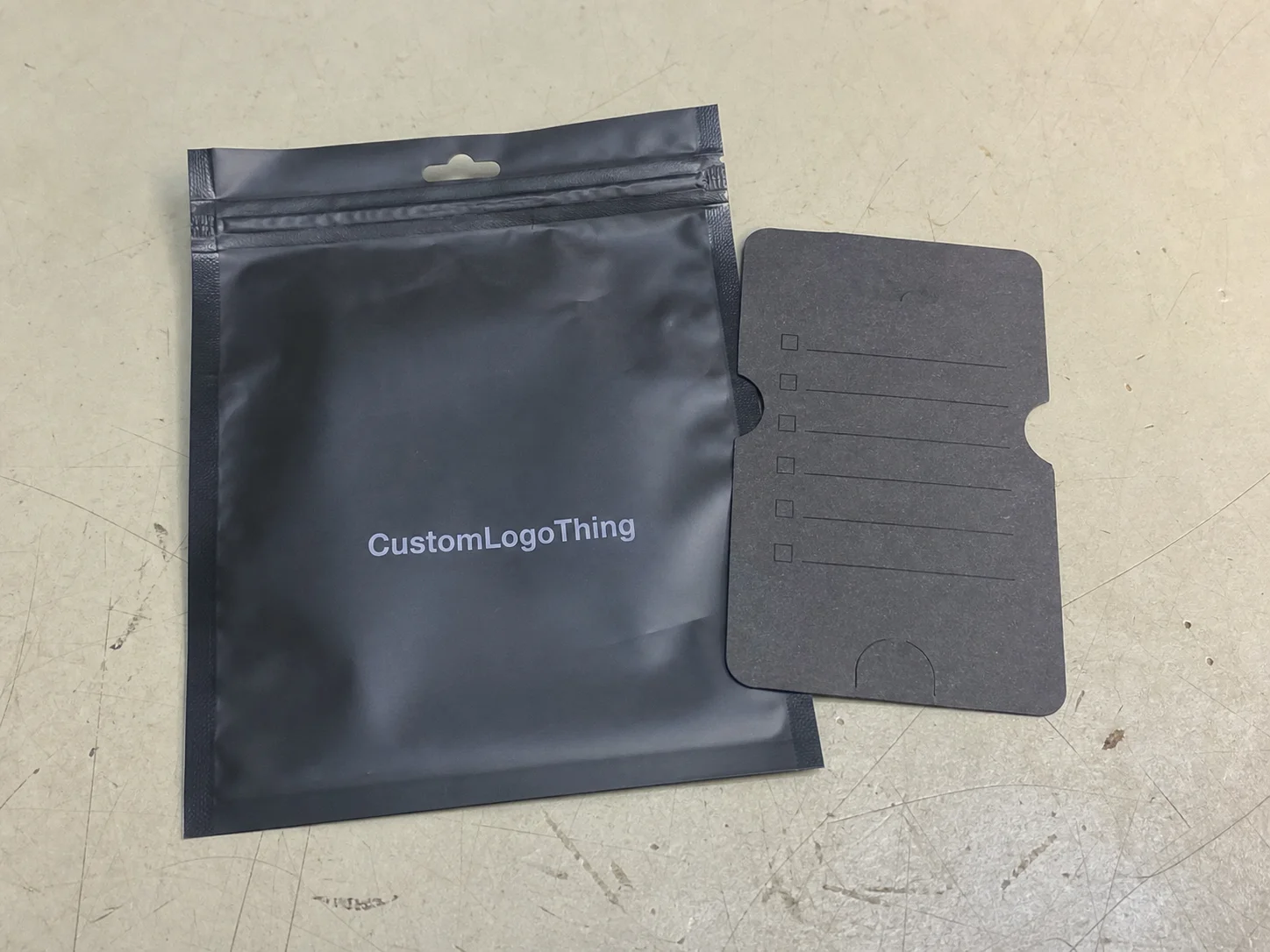
Buyer Fit Snapshot
| Best fit | Packaging Cost projects where brand print, material claims, artwork control, MOQ, and repeat-order consistency need to be specified before quoting. |
|---|---|
| Quote inputs | Share finished size, material target, print colors, finish, packing count, annual reorder estimate, ship-to region, and any compliance wording. |
| Proofing check | Approve dieline scale, logo placement, barcode or warning zones, color tolerance, closure strength, and carton packing before bulk production. |
| Main risk | Vague material claims, crowded artwork, missing packing details, or unclear freight terms can make a low unit price expensive after revisions. |
Fast answer: Packaging Cost: Artwork Proof, Packing Count, and Landed Cost should be specified like a repeatable production item. The safest quote records material, print method, finish, artwork proof, packing count, and reorder notes in one written spec.
Production checks before approval
Compare the actual filled-product size with the drawing, then confirm tolerance on folds, seals, hang holes, label areas, and retail display edges. Reserve space for logos, QR codes, warning copy, and material claims before decorative graphics fill the panel.
Quote comparison points
Review material grade, print process, finish, sampling route, tooling charges, carton quantity, and freight assumptions side by side. A quote is only useful when the supplier can repeat the same color, closure quality, and packing count on the next order.
Packaging Cost: How to Choose the Right Packaging
People usually search packaging cost how to choose right after a quote lands in their inbox and the numbers look neat enough to trust. Maybe it is a 5,000-piece run at $0.39 per unit from a corrugated plant in Dongguan, or a $0.44 version quoted out of Los Angeles. The lower number feels safer. It often is not. I remember one brand owner who picked the cheaper custom printed box from a plant outside Chicago, then spent the next quarter paying for void fill, oversized freight, and damaged returns because the carton was 18 millimeters too wide. The invoice looked friendly. The result was not. That is the real answer to packaging cost how to choose: the right package lowers total cost, protects the product, and still carries the brand with confidence.
I have seen the same mistake repeat across cosmetics, apparel, and electronics, from a 120 mL serum carton in New Jersey to a headphone box assembled in Shenzhen. A team compares two quotes, one at $0.42 and another at $0.51, and assumes the lower number wins. Then the larger carton needs more shipping space, the insert takes more labor, and the finish chosen for savings starts scuffing before the product reaches retail. Annoying, honestly. Packaging cost how to choose only makes sense when structure, material, print method, quantity, and freight sit in the same comparison. Separate them and the math gets slippery fast, especially once inventory and damage replacement enter the picture.
After years in converting rooms, on die-cutting floors, and around hand pack stations in Illinois, Guangdong, and northern Mexico, I keep coming back to one principle: packaging has to do three jobs at once. It protects the product, presents the brand clearly, and fits the production flow without creating waste. That holds true for a subscription kit, a rigid fragrance box, or a corrugated mailer headed straight to a customer in Denver or Dublin. Once that frame is clear, packaging cost how to choose stops feeling like guesswork and starts looking like a controlled decision. It becomes a tradeoff between protection, presentation, and the cost of moving each unit through the supply chain.
Packaging Cost How to Choose the Right Starting Point
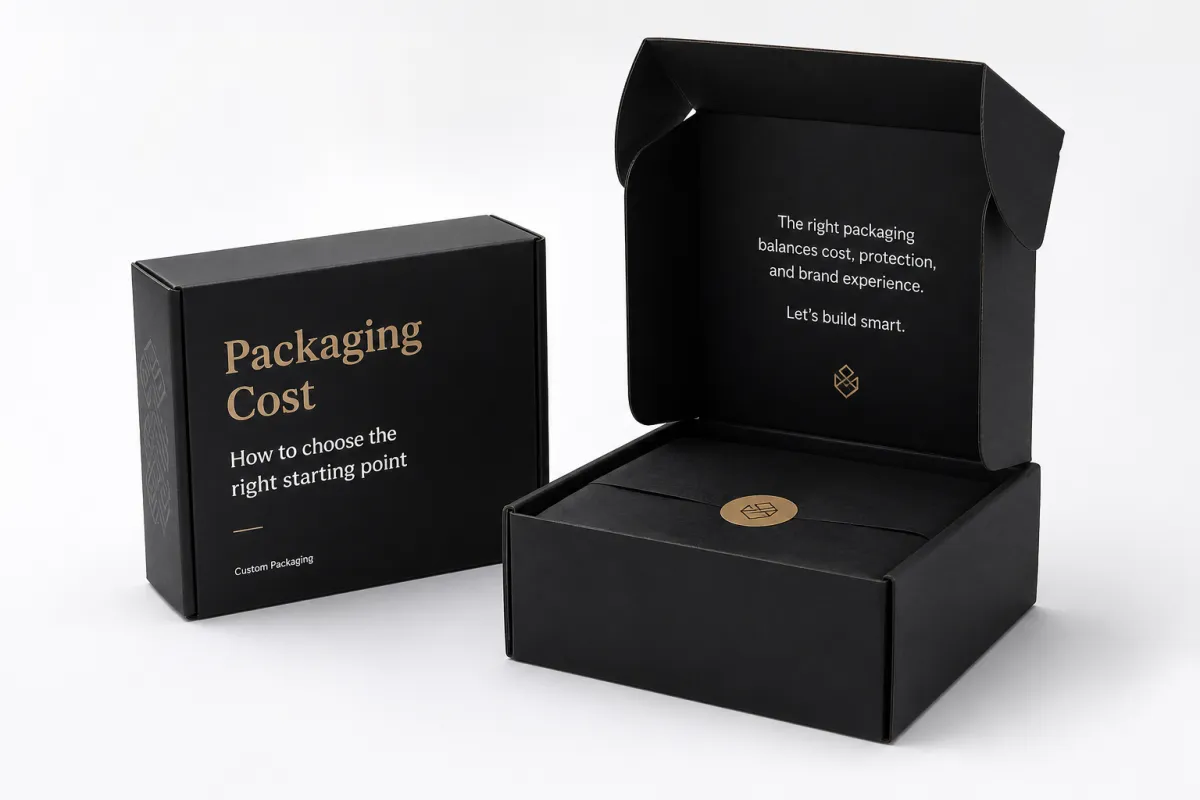
The first question is not, "What is the cheapest quote?" It is, "What must this package actually do?" A product that ships through parcel networks needs crush resistance and stable dimensions, often at 200-pound test or higher for a single-wall shipper. A retail carton on a shelf needs finish, color control, and presence. A launch box for a buyer who will spend 30 seconds with it needs the surface to do more of the selling.
That is why packaging cost how to choose begins with use case, not with a blank RFQ template.
On a visit to a fulfillment center in Texas, I watched operators pack skincare sets into oversized cartons because the original mailer was built around a "standard" size instead of the bottles and jars that were really going inside. The team was paying for extra corrugated volume, plus more kraft paper to stop movement during transit. The quoted unit cost looked harmless. The landed cost was not. Tight, well-fit structures often save money even when the print price is slightly higher, and that tradeoff sits at the center of packaging cost how to choose.
The main cost drivers usually fall into five buckets: board grade, print method, structure complexity, finishing, and logistics. Board grade affects strength and hand feel. Print method shifts setup cost and run cost. Structure complexity changes die tooling, assembly time, and waste. Finishing can add value, but a soft-touch coating on a low-margin shipper can be expensive decoration for no measurable gain. Logistics is the part many teams overlook, yet freight, storage, and damage risk can outweigh a five-cent unit difference. If you are serious about packaging cost how to choose, every comparison should include those five pieces.
I explain packaging this way to buyers: the box is not just a container, it is a cost system. A rigid box with wrapped chipboard, a paperboard insert, and foil stamping behaves very differently from a single-wall corrugated mailer with one-color flexo print. Each format brings its own labor steps, material usage, and spoilage rate. That is why packaging cost how to choose cannot be answered with one number. The same product may be packed three different ways, and each option can be rational depending on margin, channel, and customer experience.
If you are weighing options now, start with the product category, the transit method, and the shelf environment. Cosmetics usually need tighter fit and cleaner presentation. Apparel can tolerate lighter structures, though brand feel still matters. Electronics demand insert precision and movement control. Food packaging can introduce barrier and regulatory requirements. None of those details are small. They shape the cost curve before the first dieline is drawn, whether the job ships from Ontario, Canada, or Xiamen, China.
For buyers who want a clearer view of formats and materials, our Custom Packaging Products catalog is a useful starting point because it shows how folding cartons, rigid boxes, and mailers behave differently in production. That makes packaging cost how to choose easier to discuss with a supplier because the structure family is already defined before the quote starts. If your team is still deciding between a mailer and a rigid setup, a structural comparison saves time immediately and can prevent a $400 tooling change later.
How Do You Choose Packaging Cost Without Overspending?
You choose packaging cost by comparing the full cost picture, not by chasing the lowest factory price. Start with protection, then move to freight, assembly time, storage, and damage risk. A box that costs a few cents more may still be the better option if it reduces returns or fits more efficiently on a pallet. That is the simplest version of packaging cost how to choose, and it is usually the one that saves the most money over time.
I like to ask buyers one blunt question: what does failure cost? If a fragile product breaks once every few hundred shipments, the replacement expense can erase the savings from a cheaper board grade. If a carton runs slowly on the pack line, labor cost can become the hidden line item. Packaging cost how to choose gets easier when you treat every material decision like a small operations problem, not a design preference. The goal is to avoid paying twice for the same weakness.
In practice, the best answer usually comes from a side-by-side sample review. Put the value version, the balanced version, and the premium version on the table, then check fit, finish, strength, and shipping efficiency. One will usually stand out. Not because it is the prettiest, but because it holds up across the full journey from warehouse to customer. That is the point where packaging cost how to choose becomes measurable instead of theoretical.
Product Details That Change Packaging Cost
The product itself drives more cost than most procurement teams expect. A 120 mL glass serum bottle in a paperboard carton is not the same pricing problem as a three-piece apparel kit or a Bluetooth speaker with molded pulp protection. The first practical step in packaging cost how to choose is to identify the format: folding carton, rigid box, corrugated mailer, sleeve, insert, or multi-piece kit. Each one uses material, labor, and finishing differently.
Folding cartons are often the leanest retail choice when the product is light and the outer carton only needs to hold shape and graphics. Rigid boxes use thicker chipboard, usually 1.5 mm to 3 mm, plus wrap paper and manual or semi-manual assembly, so they cost more but create a premium feel that many brands want. Corrugated mailers can be cost-effective for shipping because they combine structure and transit protection, though flute choice, board grade, and print coverage change the price quickly. That is why packaging cost how to choose means matching the structure to the distribution channel, not just the branding brief.
Decoration pulls just as much weight. Offset printing suits sharp imagery and larger runs, though setup costs make it harder to justify on small quantities. Digital printing reduces startup friction and works well for short runs, seasonal launches, or variable artwork, even if the per-unit price stays higher past a certain point, such as $0.18 for 10,000 offset cartons versus $0.31 for a short digital run of 1,000 units. Foil stamping, embossing, debossing, spot UV, matte lamination, and aqueous coating each add cost in a different way. Some earn their place. Some are only visual garnish. The point in packaging cost how to choose is knowing which finish improves conversion and which one only inflates the quote.
I remember a supplier negotiation in Shenzhen where a buyer wanted foil, emboss, and spot UV on an ecommerce shipper. The carton was headed into a brown outer case anyway. We reran the numbers, removed one finish, and dropped a heavy lamination. The unit price fell by 12 percent, and two production steps disappeared from the line. The customer still got branded packaging with a clean look, and the box stopped cracking at the score lines after 200 compression cycles. That is the kind of tradeoff that matters in packaging cost how to choose.
Custom features are worth paying for only when they solve a real problem. Magnetic closures make sense for premium gift sets priced at $45 to $120 retail. Windows help when the product itself is the visual centerpiece. Molded pulp trays can outperform foam if sustainability claims matter and nesting needs to stay predictable. Protective foam still has a place for electronics and fragile goods, but it should be justified by transit risk, not habit. A good rule for packaging cost how to choose is simple: add complexity only when it protects margin, reduces damage, or materially improves the customer's experience.
Category matters too. Cosmetics usually need precise insert geometry and strong color control. Food packaging may require grease resistance, moisture management, or migration-safe materials. Apparel boxes focus more on presentation and stack efficiency. Electronics need fit accuracy and movement control. Promotional kits often balance print impact with assembly speed because hand packing gets expensive fast, especially at 3,000 units or above. For each category, packaging cost how to choose means reading the use case like a production manager, not like a mood board.
Below is a simple comparison I use when explaining how format changes cost and performance.
| Packaging Format | Typical Cost Drivers | Best Use Case | Tradeoff |
|---|---|---|---|
| Folding carton | Board grade, print coverage, coating | Retail packaging, light products, cosmetics | Lower protection than rigid or corrugated |
| Rigid box | Chipboard thickness, wrap paper, hand assembly | Premium gifts, luxury branding, sets | Higher labor and freight cost |
| Corrugated mailer | Flute selection, die complexity, print method | Direct-to-consumer shipments, ecommerce | Less premium feel than a rigid box |
| Sleeve with insert | Insert material, fit tolerance, finishing | Kits, bundled products, retail displays | Can increase assembly time |
| Multi-piece kit | Part count, packing labor, inspection steps | Promotional sets, seasonal bundles | More touchpoints and higher risk of error |
If you are still sorting through material options, our packaging consultation team can help compare the structure against your product weight and channel requirements. In many cases, packaging cost how to choose becomes much simpler once someone on the production side explains how the carton actually runs through the folder-gluer, the hand assembly table, and the carton erector, especially when the line speed is 40 to 60 boxes per minute.
Packaging Specifications That Drive Value
Once the format is chosen, specifications decide whether the package is efficient or expensive. In any serious discussion of packaging cost how to choose, I ask for dimensions first: product length, width, height, and any protrusions like caps, handles, or cables. Weight comes next, because a 250 gram item and a 900 gram item behave very differently in transit and compression.
Board caliper matters because thickness changes both strength and cost. A 350 gsm C1S artboard may be perfect for a small cosmetic carton, while a 16 pt SBS board may be the better fit for a premium retail item. Corrugated specs matter as well: E-flute gives a finer print surface and a slimmer profile, while B-flute or C-flute can improve crush resistance. For ecommerce custom printed boxes, those flute choices influence unit cost, pallet density, and freight charges. Packaging cost how to choose has to account for the whole path from carton build to truck space.
Small dimensional changes often create large cost swings. A box that nests eight-up on a sheet may drop to six-up if the width grows by 3 millimeters, and that one adjustment can increase waste, run time, and press setup cost. I have watched a buyer save $0.02 on material by reducing board thickness, then lose $0.07 in freight because the carton packed less efficiently on a pallet. That is classic packaging cost how to choose math: the cheapest spec is not always the cheapest result.
Tolerances matter, especially for products with a snug fit or a pack line that depends on repeatability. If the product moves too much inside the insert, damage and returns rise. If the cavity is too tight, operators slow down and hand packing becomes a bottleneck. Automated lines raise the stakes even further, because a 1.5 mm drift can trigger jamming or misfeeds. I have seen plant supervisors spend an entire shift chasing a mystery that turned out to be a box dimension wandering outside target by a narrow margin. That kind of day makes everyone age about five years. It is another reason packaging cost how to choose should always include clear tolerances on the spec sheet.
Shipping configuration changes the quote as well. Flat-packed cartons usually cost less to ship than pre-assembled ones. Multi-piece kits may require polybags, cartons, or master cases, each with its own packing labor. Pallet patterns alter truck utilization, and a poor pallet count can raise freight by several percentage points. If you are comparing packaging cost how to choose across vendors, make sure they are quoting the same shipping configuration and the same carton count per master case.
I recommend building a spec sheet with one primary version and one fallback version. The primary version might use 400 gsm paperboard with matte lamination and a paper insert. The fallback might step down to 350 gsm and remove one finish while keeping the same dimensions and print coverage. That gives you an apples-to-apples comparison and reveals where the cost pressure actually sits. It also gives the supplier a cleaner path if material availability shifts, which happens more often than people expect in Shanghai, Ho Chi Minh City, and Monterrey.
Brands that care about sustainability claims should look at certifications too. FSC-certified paper can support responsible sourcing claims, and chain-of-custody documentation matters when retail buyers ask about supply practices. For transit performance, I often point buyers toward standards and test methods from industry sources like ISTA and environmental guidance from EPA packaging and waste resources. Those references will not pick your box for you, but they give the decision more structure than guesswork. In practice, packaging cost how to choose gets easier when the specs are built around real test logic, such as ISTA 3A drop tests and compression checks.
Packaging Cost How to Choose the Best Pricing Model
Now comes the part buyers want to see first: the quote structure. A supplier usually builds pricing from tooling or die cost, prepress setup, material, printing, finishing, assembly, packing, and shipping. If you are serious about packaging cost how to choose, You Need to Know which items are fixed and which ones scale with quantity.
MOQ, or minimum order quantity, is often where the decision becomes real. A higher MOQ can lower unit price because setup costs are spread across more pieces, but it also increases cash tied up in inventory. Order 10,000 units instead of 2,500 and the unit cost may improve by 15 to 25 percent, yet storage and carrying costs can rise. I have watched a small beauty brand win on unit price and lose on warehouse space because the boxes arrived three months before launch. That is why packaging cost how to choose should always include the cost of holding inventory.
Four pricing models deserve a side-by-side comparison. The first is lowest unit price, which looks attractive but can hide freight, waste, or risk. The second is lowest landed cost, which includes shipping and add-ons. The third is lowest total risk, where a slightly higher spec may reduce damage or repacking. The fourth is lowest storage burden, which matters if backroom space is tight or demand is seasonal. Each one can be right depending on the business. The real task in packaging cost how to choose is matching the pricing model to the operation, not to a spreadsheet screenshot.
Here is a practical price ladder I use when evaluating packaging cost how to choose across different build types. The numbers are illustrative, but the pattern stays consistent:
| Order Size | Folding Carton | Rigid Box | Corrugated Mailer |
|---|---|---|---|
| 1,000 units | $0.62 - $0.88 | $2.10 - $3.40 | $0.95 - $1.35 |
| 5,000 units | $0.28 - $0.45 | $1.35 - $2.10 | $0.54 - $0.82 |
| 10,000 units | $0.18 - $0.32 | $1.05 - $1.65 | $0.39 - $0.62 |
Those ranges move with print coverage, finish, insert type, and packing configuration. A white box with one-color print and no coating will sit near the low end. A full-color box with foil stamping and a custom insert will sit much higher. That is why packaging cost how to choose should never be reduced to one "best price" without context, especially when a 5,000-unit project can swing by $700 to $1,200 with one finish change.
Hidden costs are where many projects drift off course. Rush fees show up when artwork is late or lead time is compressed. Artwork revisions can add plate changes or prepress work. Split shipments create extra freight bills. Import duties can surprise teams that only looked at factory pricing. Damage replacement appears when the spec is too light for the product. Rework shows up when fit or color is off and a batch has to be repacked. If your sourcing process ignores these items, packaging cost how to choose turns into a guessing game instead of a controlled decision.
Ask suppliers for tiered quotes at 1,000, 5,000, and 10,000 units, or whatever quantities fit your forecast. That gives you a clearer view of the breakpoint where unit cost starts dropping faster. It also shows how each vendor handles setup, whether assembly is included, and whether the quoted packaging cost includes inner inserts or only the outer shell. I have seen buyers save more by moving from 3,000 to 6,000 units than by changing print methods. That kind of breakpoint is exactly what packaging cost how to choose should uncover.
One more factor gets missed far too often: freight efficiency belongs in the pricing model. A box that is 8 percent larger than necessary may reduce carton count per pallet and raise shipping cost enough to erase any savings from thinner board. I have watched distribution managers build a stronger case for a slightly pricier carton simply because it packed 12 more units per pallet layer. That is measurable value, and it sits right at the center of packaging cost how to choose.
Process and Timeline From Quote to Delivery
The production path matters as much as the spec. A clean workflow usually moves through brief review, spec confirmation, quotation, sample production, approval, mass production, finishing, packing, and shipment. If any step is vague, the schedule slips. That is why packaging cost how to choose should include timeline discipline, not just money.
Lead time depends on several variables. Material availability can add a week if the exact board or wrap paper is in short supply. Print complexity stretches the schedule when multiple spot colors, foils, or embossing dies are involved. Proof approval speed matters because a two-day delay in feedback becomes a two-day delay in production. Die cutting and hand assembly also affect timing, especially for rigid boxes and multi-piece kits. During peak seasons, capacity becomes the hidden constraint. In my experience, packaging cost how to choose gets harder in a launch window because everyone wants premium results on a compressed clock.
For a typical custom packaging project, I would plan for 7 to 10 business days of sample development, 12 to 18 business days of production for a straightforward folding carton, and longer for rigid or heavily finished boxes. Transit can add 3 to 30 days depending on route and mode. If the packaging supports a product launch, trade show, or retailer receiving date, I would add contingency time for color matching, final artwork swaps, and freight booking. That cushion is not wasted time; it is insurance against the revision cycle that quietly inflates cost. In other words, packaging cost how to choose includes schedule risk.
One of the best things a buyer can do is lock dimensions, approval authority, and artwork before requesting quotes. When a team sends a half-finished brief, the supplier has to guess at material, structure, or finish, and the guess shows up in the price. A clear brief reduces the back-and-forth and keeps the quote honest. I have sat in supplier meetings where the first quote changed three times because the buyer kept moving insert dimensions by 4 mm. That wastes time for everyone and makes packaging cost how to choose much harder than it needs to be.
When you compare timelines, ask who owns each step. Does the supplier handle dieline creation? Are color proofs digital or hard copy? Who signs off on structure samples? Is master-carton packing included? Those questions may seem small, but they define the real schedule. They also show whether the vendor is a manufacturing partner or just a quote source. That difference matters when the launch date is fixed and retail packaging must arrive on time, especially for a 15-business-day proof-to-ship window.
"The right box is the one that survives the line, survives the truck, and still looks right when the customer opens it." I heard a plant manager say that during a corrugated audit in New Jersey, and I have repeated it ever since because it captures the whole point of packaging cost how to choose.
If you want more context on material standards and sourcing, the Forest Stewardship Council is a useful reference for responsible paper sourcing, and it can help you explain a material choice to retail partners who ask about supply chain practices. That does not replace a production spec, of course, but it supports the business case when sustainability enters the buying decision. Sustainability can be a cost conversation too, which is another reason packaging cost how to choose needs both commercial and technical input, not just a recycled-content claim.
Why Choose Us for Packaging That Fits the Budget
At Custom Logo Things, we approach pricing the way a floor supervisor does: by looking at what actually happens during manufacturing, packing, and shipment. That is a different mindset from simply selling a box. We care about how the package runs through the line, how it stacks on a pallet, and how it looks after a rough trip through distribution. That practical view is why clients come to us when they want packaging cost how to choose without losing weeks to trial and error.
In my experience, the best packaging partners know how to balance structure, print, and assembly. They understand board grades, corrugation, rigid wrap paper, and how each material behaves when scored, glued, and shipped. They can tell you when a 1.5 mm chipboard is enough and when you need a heavier build. They can also tell you when a premium finish will help package branding and when it will only raise the bill. That kind of advice matters because it turns packaging cost how to choose into a design decision, not a gamble.
One client in apparel came to us after losing money on a beautiful box that collapsed in storage because the wrap paper had been chosen for appearance, not endurance. We redesigned the box with stronger board and a simpler finish, and the damage rate fell sharply. Unit cost rose by a few cents, but the return rate dropped enough to pay for it many times over. That is the sort of fact pattern I trust. It proves that packaging cost how to choose should be measured by total performance, not by how attractive a quote looks on day one.
Another case involved a promotional kit for a trade show in Las Vegas. The original concept used five separate parts, three inserts, and a hand-assembled tray that took too long to build. We simplified the structure, kept the visual impact, and cut assembly time by roughly 40 seconds per unit. Multiply that across 8,000 kits and the labor savings become obvious. The lesson was plain: elegant packaging design is not always the most complicated one. Sometimes the smarter answer to packaging cost how to choose is the design that removes friction.
We also pay attention to MOQ because it affects cash flow and warehouse space. Not every brand needs a massive run, and not every SKU should be overproduced. If a product is seasonal or promotional, a smaller run may be the better tradeoff even if the unit cost is a touch higher. If the item is a core line with predictable sell-through, a larger order can make sense. The goal is to align the order size with reality. That is a core rule of packaging cost how to choose, and it saves buyers from inventory headaches later.
When buyers ask for help, we often compare two or three build options side by side: a value version, a balanced version, and a premium version. The value version keeps the same protective function and removes unnecessary finish. The balanced version delivers a solid presentation without overbuilding. The premium version pushes finish and feel for brands that need stronger shelf impact. That framework makes packaging cost how to choose more concrete because the buyer can compare actual outcomes instead of vague promises.
If you are ready to review structures, materials, or finish options with a production lens, our team can walk you through the choices and point you toward the right custom packaging products for your category. Whether you need branded packaging for a launch, retail packaging for a line refresh, or product packaging for a direct ship program, the goal stays the same: pick the spec that fits the budget without weakening the package. That is the practical meaning of packaging cost how to choose.
Next Steps: Compare Options and Request the Right Quote
If you want a better outcome, start with four things: product dimensions, target quantity, shipping destination, and the package format most likely to work. Then add product photos, weight, fragility concerns, and the brand finish you want. That bundle of information gets you much closer to a useful quote. It also keeps the conversation focused on packaging cost how to choose instead of on endless revisions.
Ask for two or three build options. I prefer to see a baseline, an optimized version, and a premium version because the differences show where the money is going. You may find that a lighter board saves nothing once damage is included, or that a small finish change creates a large jump in labor. That is exactly why packaging cost how to choose works best when the supplier gives you a range, not a single number.
Prepare artwork early, even if it is only a draft. Share color expectations, any mandatory retail requirements, and whether the insert must hold a specific item orientation. If the package has to fit a shelf display, mention the shelf dimensions. If it ships through ecommerce, share carton size limitations from your fulfillment provider. These details are not extra; they are the difference between a clean quote and a weak one. I have seen too many projects lose a week because the first brief left out a 2 mm cavity depth or a one-color logo rule. Careful preparation keeps packaging cost how to choose grounded in real production data.
Here is the quick checklist I recommend before you request a formal quote:
- Product size and weight: exact dimensions, including closures or protrusions.
- Packaging format: folding carton, rigid box, corrugated mailer, sleeve, or kit.
- Material and finish: board grade, coating, lamination, foil, emboss, or print coverage.
- Insert and assembly: tray type, cavity count, hand packing, or automation needs.
- MOQ and timeline: target quantity, launch date, and delivery destination.
That list looks simple, but it removes the most common quote distortions. It also helps suppliers answer packaging cost how to choose with actual numbers instead of assumptions. If you want a cleaner negotiation, ask for landed cost, not just factory price, and make sure the quote includes tooling, setup, packing, and shipping terms. A quote that ignores freight or assembly is incomplete, even if the unit price looks attractive.
The easiest way to avoid expensive surprises is to compare the same box in the same conditions: same dimensions, same material, same finish, same pack method, same freight terms. If those pieces do not line up, the lowest quote is just a mirage. That is the action point I would leave on my own desk, and it is the most reliable way to handle packaging cost how to choose.
How do I compare packaging cost and choose the best quote?
Compare the same dimensions, material grade, print method, finishing, MOQ, and delivery terms across every quote. Ask for landed cost, not just unit price, so freight, setup, and hidden charges are included. Check whether each quote assumes the same sample process, approval level, and packing configuration, because a $0.31 quote and a $0.39 quote are not really comparable if one includes assembly and the other does not. If one supplier is quoting 12-15 business days from proof approval and another is quoting 21 business days, that timeline gap should be part of the decision too. That is the practical core of packaging cost how to choose.
What is the biggest factor in packaging cost how to choose the right option?
Material choice usually has the largest impact, especially board grade, thickness, and print coverage. Quantity matters because setup costs spread out over more units as MOQ rises. Structural complexity can also add tooling cost and assembly labor, which is why a clean, well-fit design often beats an overbuilt one. A switch from 16 pt SBS to 350 gsm C1S artboard, for example, can change both feel and price by several cents per unit on a 5,000-piece run. That is a major reason packaging cost how to choose needs both structural and commercial review.
How can I reduce packaging cost without lowering quality?
Right-size the box so you are not paying for unused material or oversized freight volume. Simplify finishes and inserts where they do not improve protection or brand value. Ask for alternative materials or print methods that meet the same performance goal at a lower cost, then test them with samples before you commit. In practice, removing one foil pass or reducing one cavity insert can save $0.05 to $0.18 per unit without changing the customer experience. That is often the smartest path for packaging cost how to choose.
What should I prepare before requesting a packaging quote?
Provide product dimensions, weight, photos, target quantity, and shipping destination. Include brand requirements, color expectations, insert needs, and any regulatory or retail standards. Share your launch date so the supplier can quote a realistic timeline and flag any lead-time risk early. If you already know the pack-out method, mention whether the product will be hand packed in Chicago, automated in Shenzhen, or assembled at a 3PL in Dallas, because labor assumptions change the price. Those details make packaging cost how to choose much more accurate.
How do MOQ and lead time affect packaging cost and how to choose?
A higher MOQ may lower the unit price but increase upfront spend and storage needs. Short lead times can add rush charges or limit your material and finishing choices. The best decision balances cash flow, inventory space, and delivery schedule, which is why packaging cost how to choose is really about matching the order to the business rhythm. A 10,000-unit order can be smart if the product sells in 90 days, but it can become expensive if the boxes sit for six months in a warehouse outside Atlanta. That balance is what turns packaging cost how to choose into a reliable sourcing decision.